Some of the Birds I love at Bear River National Wildlife Refuge

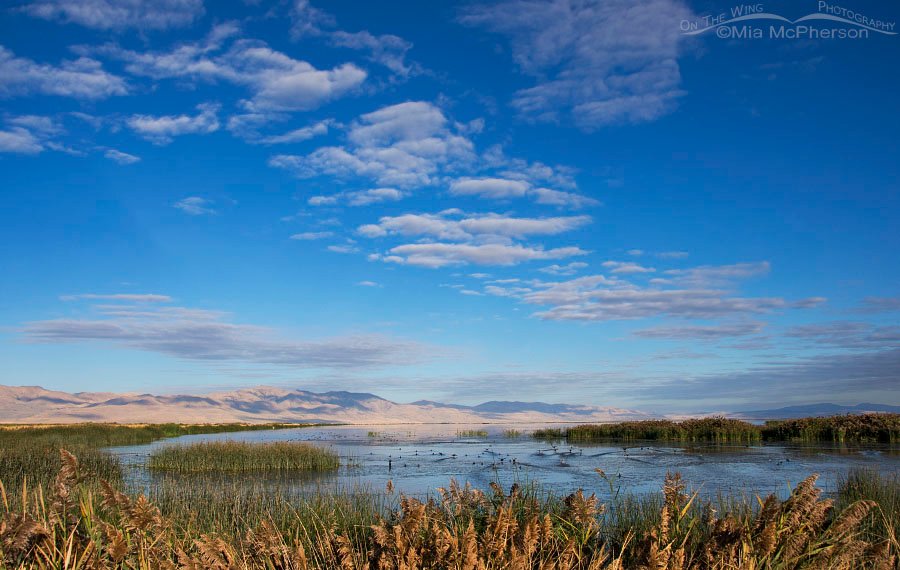
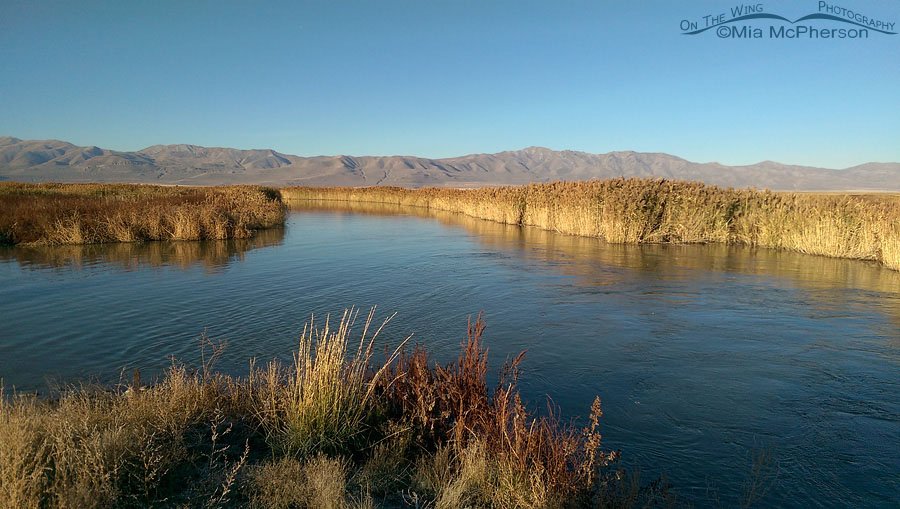
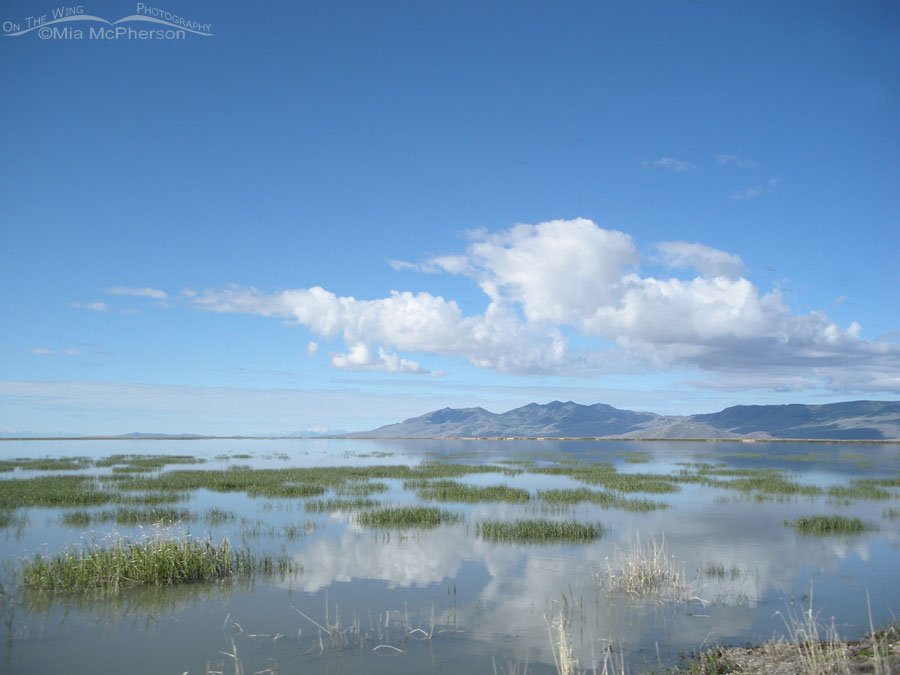
One of my favorite locations to photograph birds in northern Utah is Bear River National Wildlife Refuge. I’ve selected some of the birds there that delight and entertain me while I observe and photograph them.
Eastern KingbirdEastern Kingbird

There are several different species of Flycatcher that visit the Bear River Migratory Bird Refuge, among them the ones I see most often during the warmer months are the Eastern Kingbirds…

Western KingbirdWestern Kingbird

and Western Kingbirds. Both of them look rather dapper in my opinion.

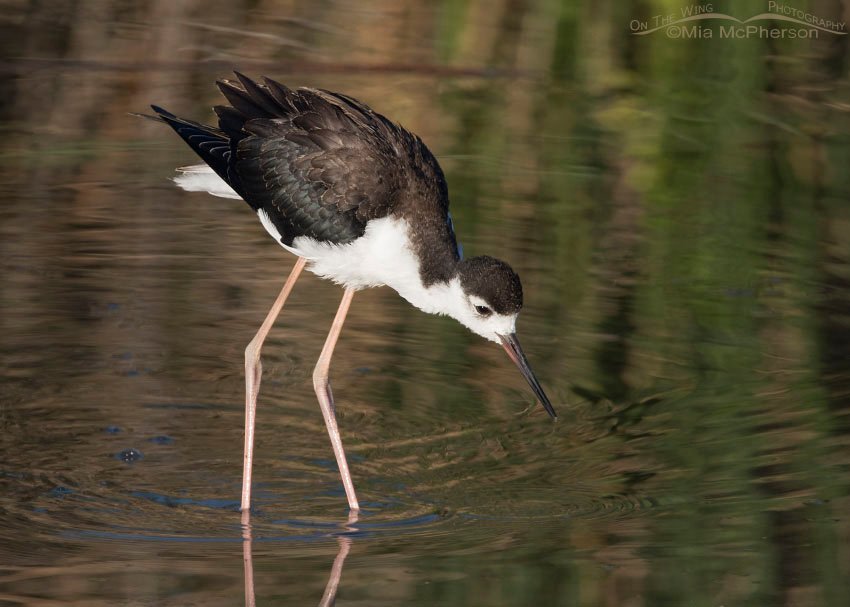
Male Black-necked StiltMale Black-necked Stilt

There are also many shorebirds the pass through or nest on the refuge, Black-necked Stilts nest on the refuge…

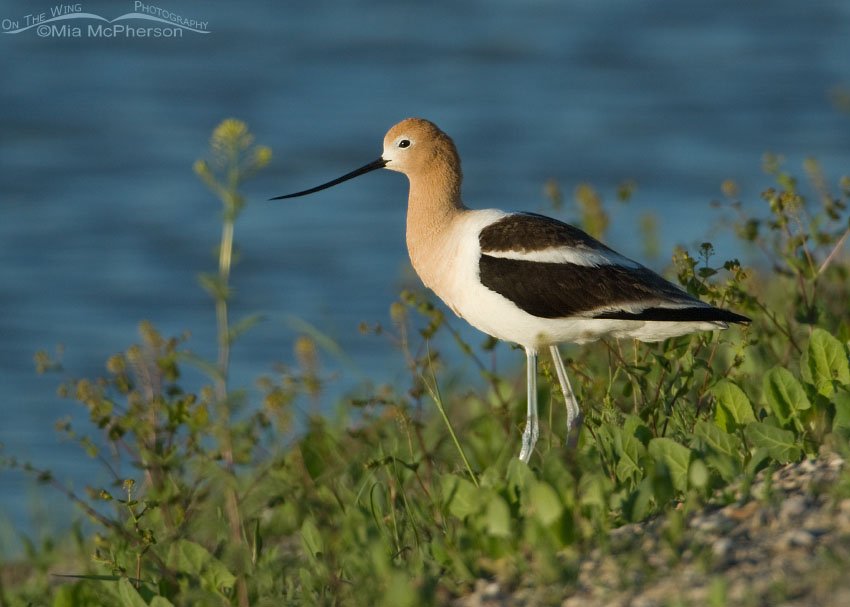
American AvocetAmerican Avocet

as do American Avocets. Both of these shorebirds appear rather elegant in looks and movements.

Black-crowned Night HeronBlack-crowned Night Heron

Black-crowned Night Herons are common wading birds at the refuge and despite their name, they aren’t strictly nocturnal. Black-crowned Night Herons are year round residents…

Snowy Egret in flightSnowy Egret in flight

but Snowy Egrets are not, they migrate to the refuge. This Snowy Egret is showing the peachy-colored lores seen during the breeding season.

Barn Owl flying in the snowBarn Owl flying in the snow

Barn Owls are year-round residents of the refuge and although they are primarily nocturnal they do fly during the day when the weather is bitter cold and there is heavy snow cover on the ground and they will fly later at dawn and earlier at dusk when they have chicks to feed. This one was flying during the day as the snow fell.

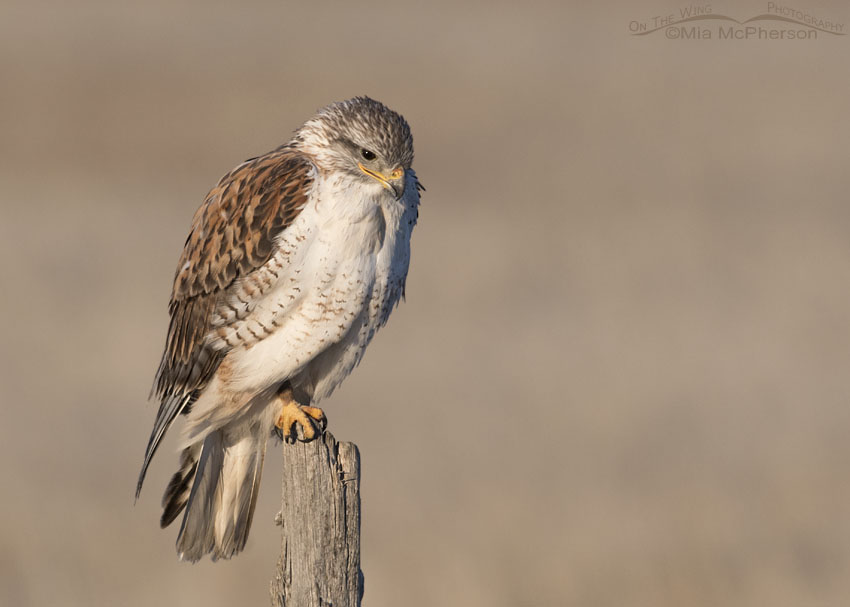
Swainson's HawkSwainson’s Hawk

Swainson’s Hawks are also migratory birds and they are seen on the refuge during the warmer months. Their diet consists primarily of insects like grasshoppers and there aren’t many of those around during the cold months in Utah.

American White PelicanAmerican White Pelican

American White Pelicans also nest on the refuge and come into to feed on fish in the fresh water impoundments.

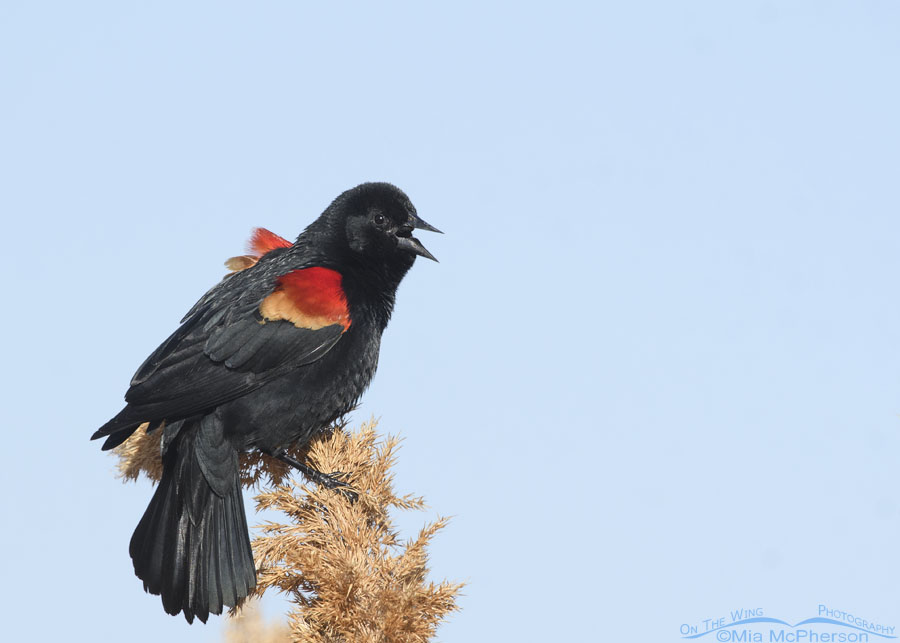
Male Yellow-headed BlackbirdMale Yellow-headed Blackbird

Yellow-headed Blackbirds, with their mechanical sounding call, can be found perching in cattails, reeds, phragmites and other vegetation as they forage for food. I was tickled to get this male in this pose.

Western GrebeWestern Grebe

The most common found grebes on the refuge are Pied-billed, Clark’s and Western although Eared and Horned Grebes are also spotted there at different times of the year.

Tundra SwanTundra Swan

Tundra Swans by the thousands call the refuge home during the winter and can be seen flying overhead, swimming in open water or standing on ice. This adult shows a stained head and neck.

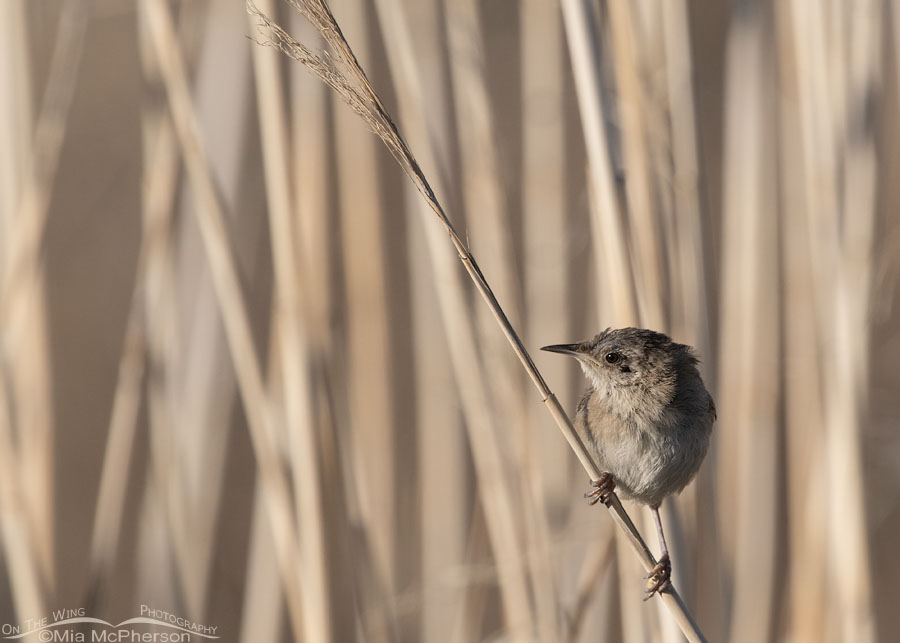
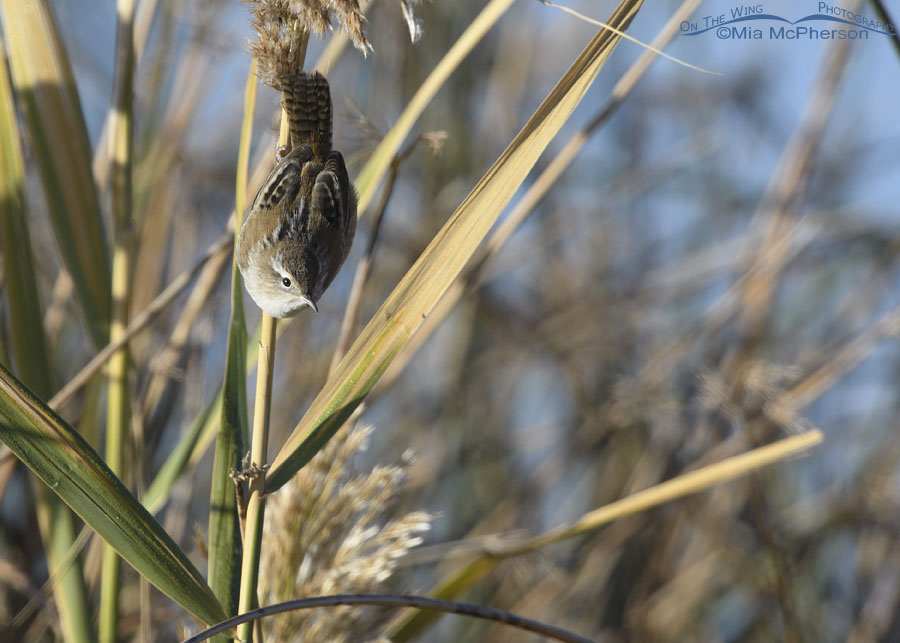
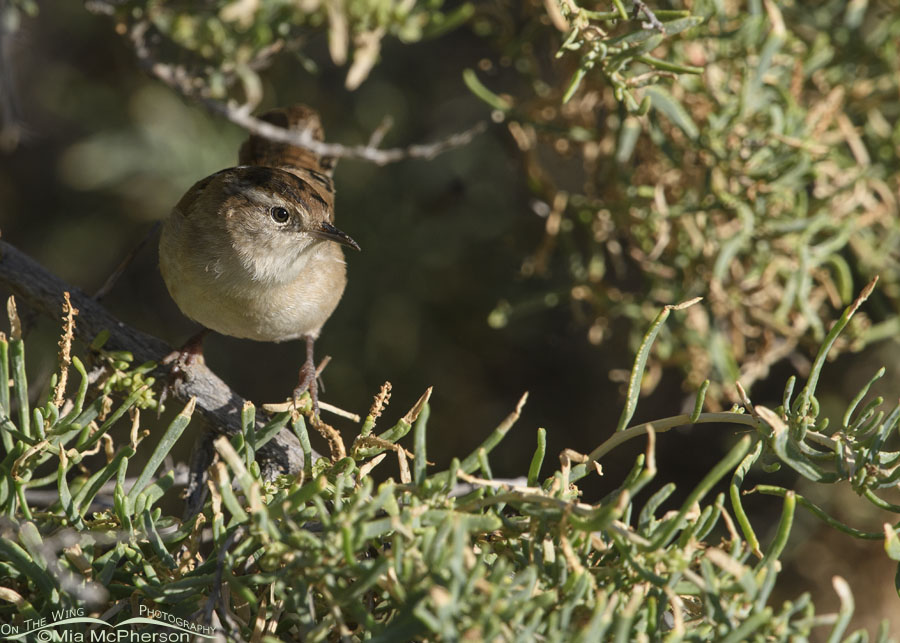
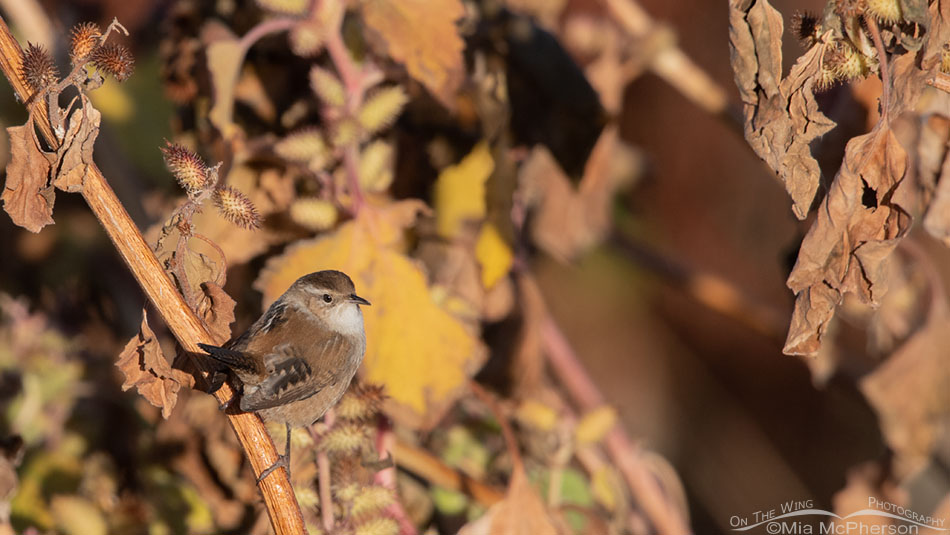
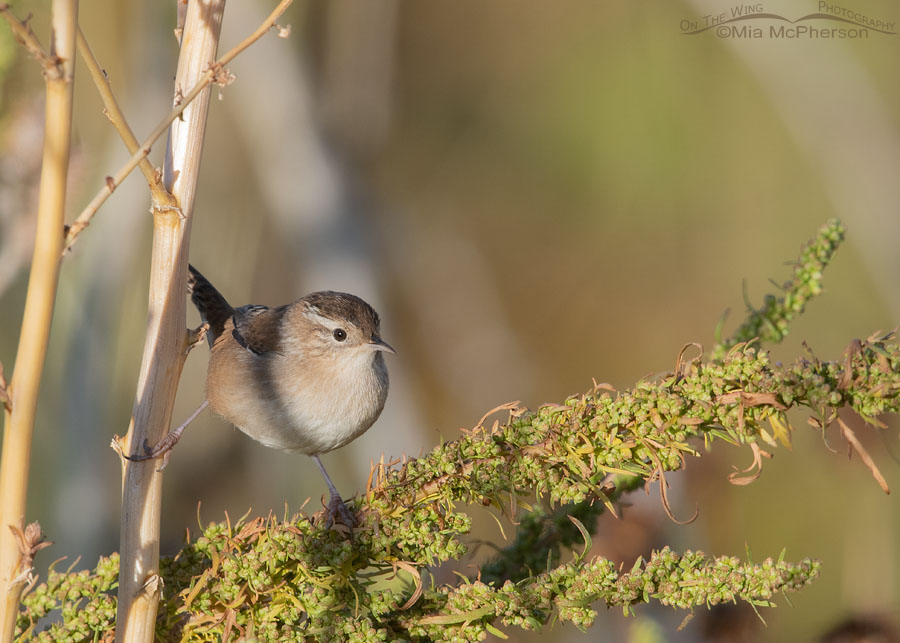
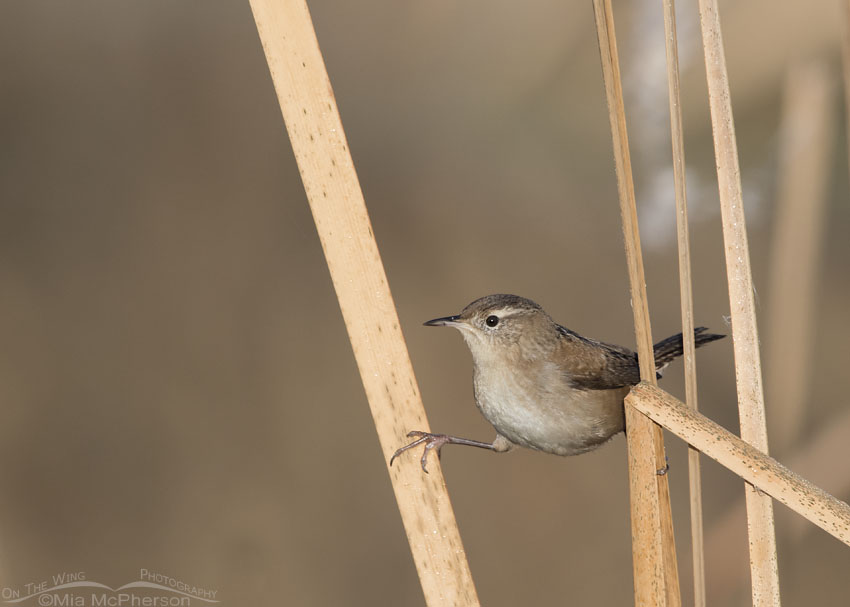
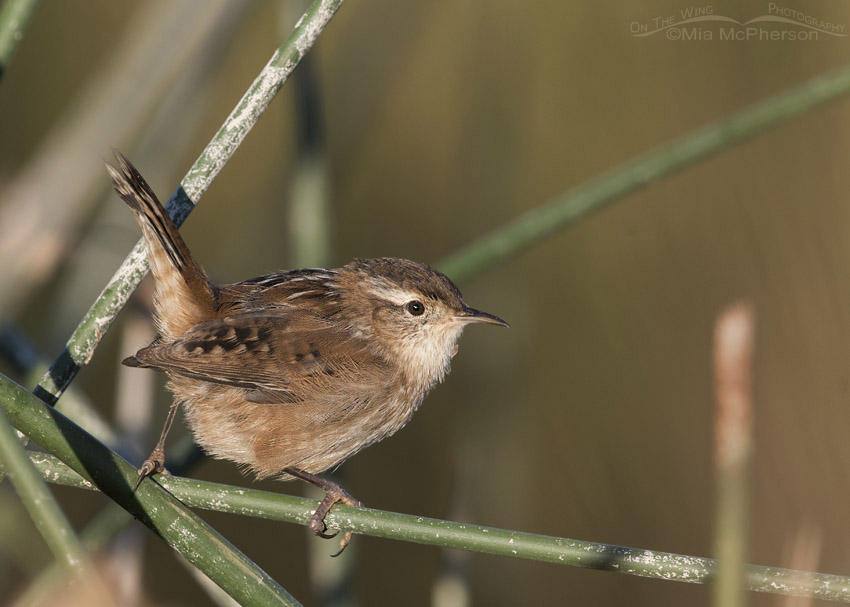
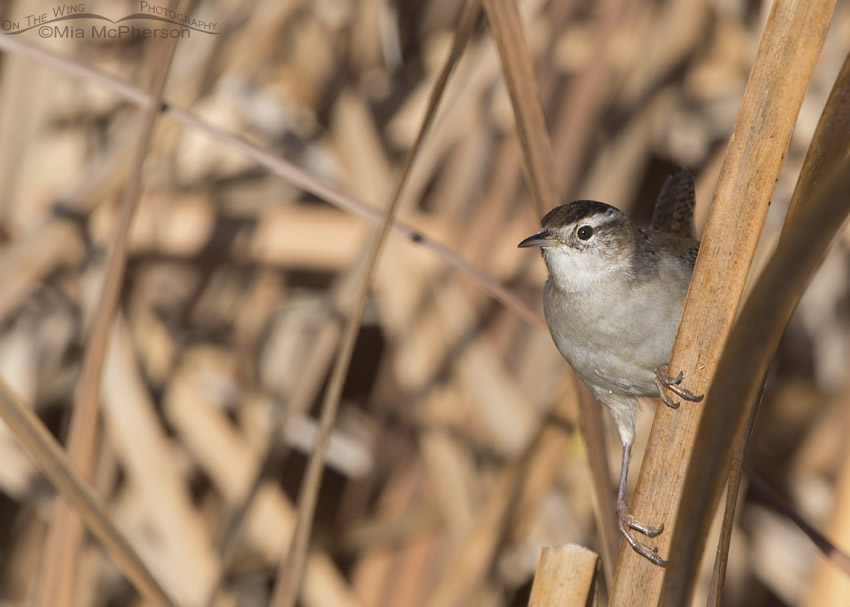
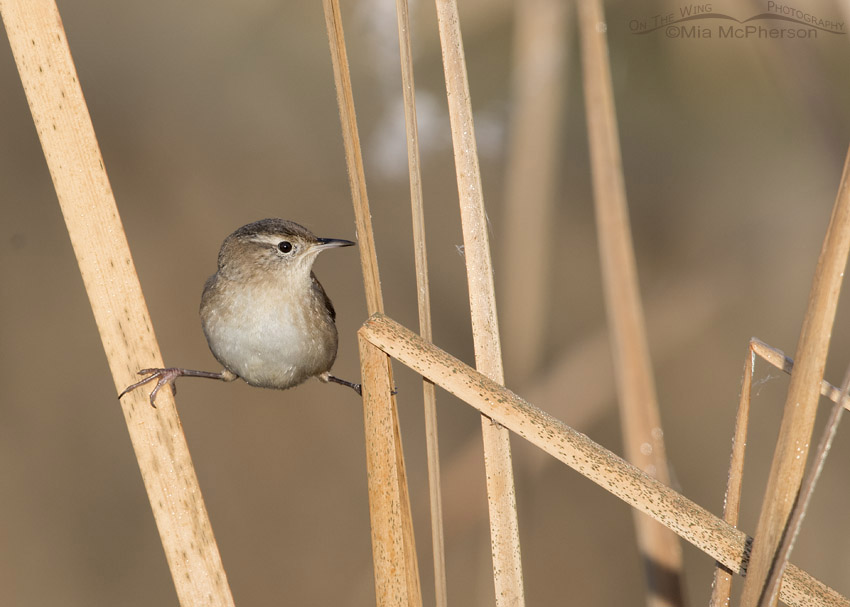
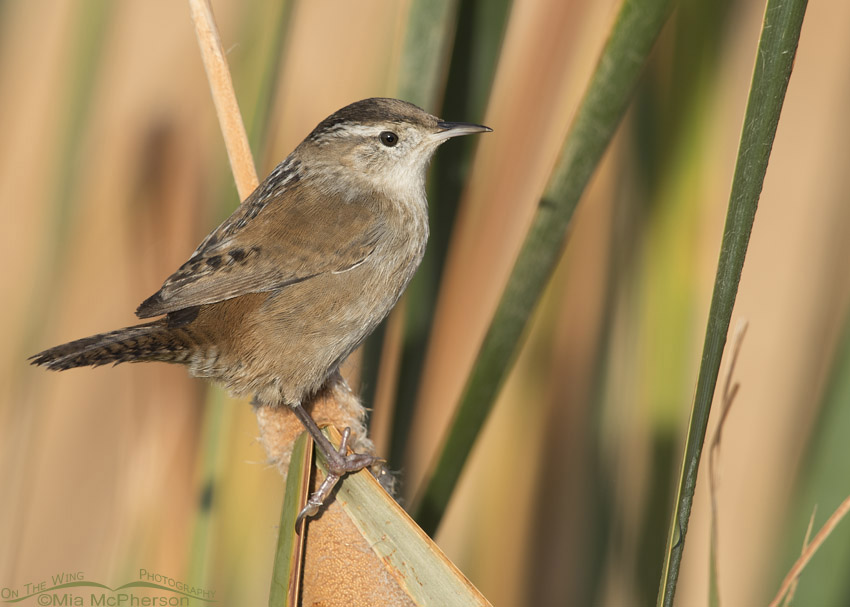
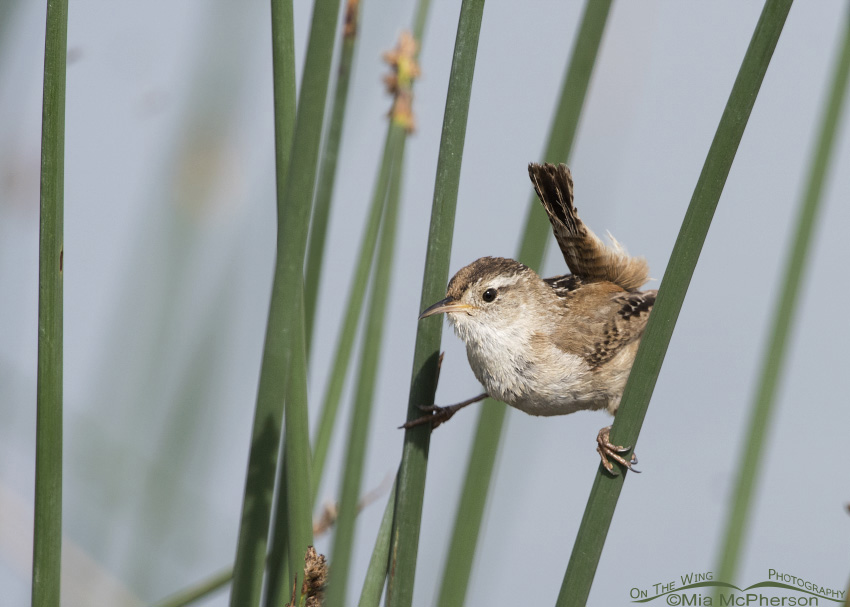
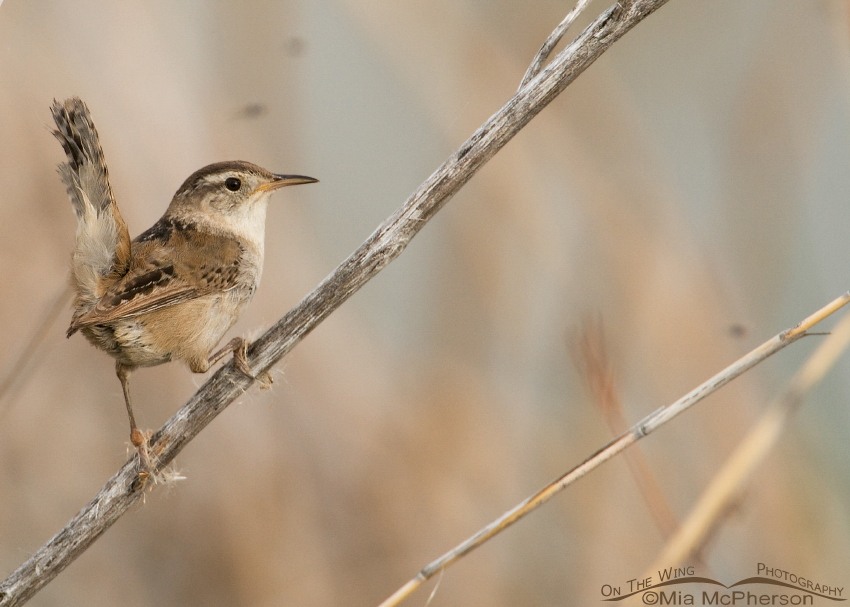
Marsh WrenMarsh Wren

The sound of Marsh Wrens can be heard all over the refuge, they may be tiny but their voices aren’t.

Cinnamon x Green-winged Teal hybridCinnamon x Green-winged Teal hybrid

All types of ducks can be found on the refuge during different seasons of the year. It pays to keep a look out for unusual ducks, you never know when a hybrid might be seen like this Cinnamon x Green-winged Teal.

Forester's TernForester’s Tern

Terns and gulls can also been seeing hunting over the water and nesting there as well. This Forester’s Tern in breeding plumage was hunting for small fish.

This is just a small selection of the birds that can be found at Bear River National Wildlife Refuge, a location that I treasure.

Mia

Facebook Twitter

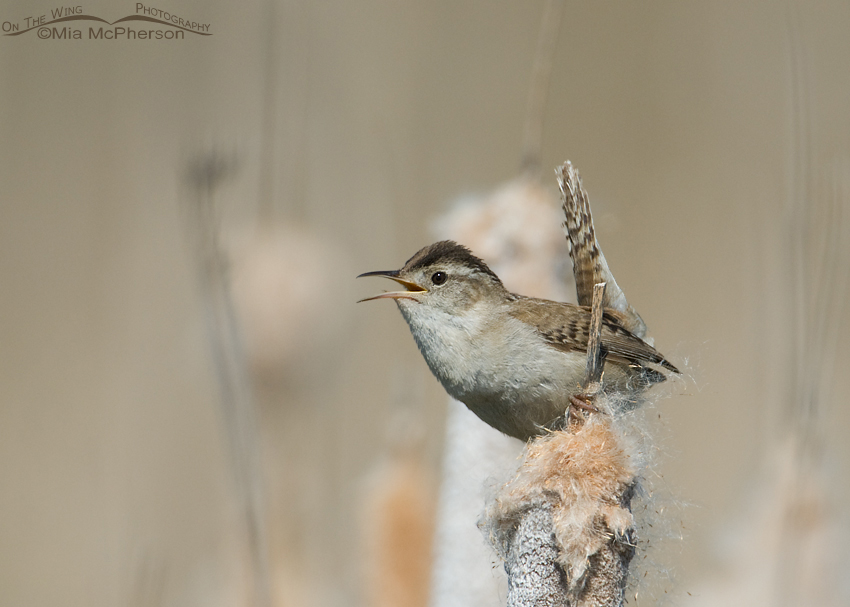
Marsh Wrens

Marsh Wren in Cattail fluff
Marsh Wren (Cistothorus palustris) in Cattail fluff ~ Bear River National Wildlife Refuge, Utah
Nikon D200, f6.3, 1/1000, ISO 400, +0.3 EV, Nikkor 200-400mm VR with 1.4x TC at 400mm, natural light

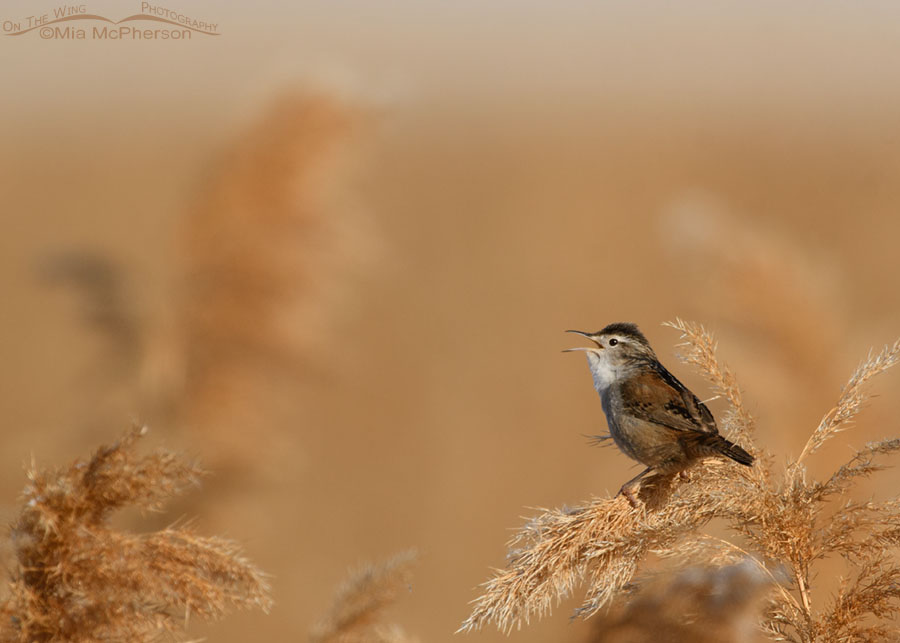
I photographed these male Marsh Wrens during breeding season when they were calling on their territories, while the male and female are alike in most aspects the exception is that only the males sing. And sing they do! Individual western males often have more than 100 songs and they are especially vocal when they are trying to attract a mate.
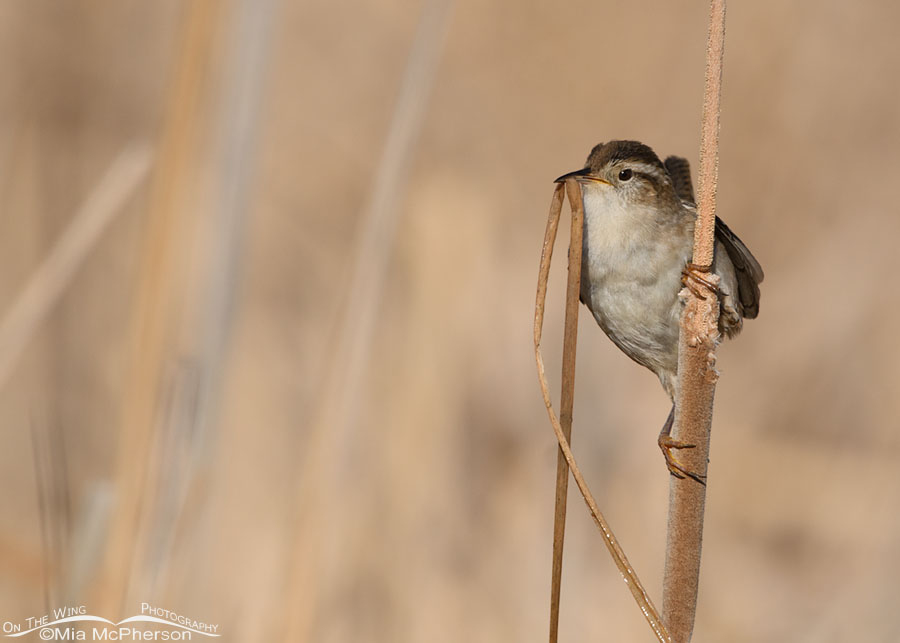
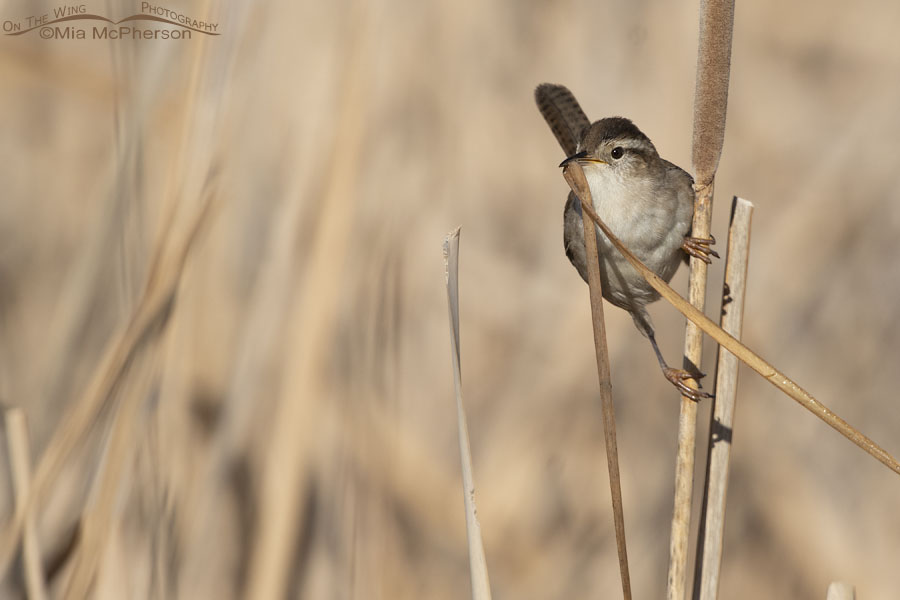
Marsh Wren male perched on a Cattail
Nikon D200, f6.3, 1/1250, ISO 400, +0.3 EV, Nikkor 200-400mm VR with 1.4x TC at 400mm, natural light

Marsh Wrens are year round residents in Utah except for the northern most portion of the state. They prefer fresh and saltwater marsh habitats where there are grasses, reeds, sedges and cattails present. It can be a challenge to photograph Marsh Wrens in the open but during breeding season the males often perch high on the vegetation while they are singing. They also move very quickly so it can be hard to keep track of them.

Male Marsh Wren singing
Nikon D200, f6.3, 1/1500, ISO 400, Nikkor 200-400mm VR with 1.4x TC at 400mm, natural light

Though Wrens are small in size I find that they have big attitudes. When I lived on the east coast I had Carolina Wrens that nested underneath my kitchen window where my sink was located, when I “dared” to wash my dishes the adult would sit on the windowsill and voice its displeasure. Loudly! That still makes me chuckle.

Marsh Wrens are amusing to observe, photograph and listen to. There is never a dull moment with them.

Mia

Facebook Twitter

Midges and Birds – Food for thought

Midge "tornado" from a distance
Midge “tornado” from a distance


This is the time of the year that “midges” are as thick as flies on you-know-what at the Bear River Migratory Bird Refuge. They are so thick that they can look like tornadoes along side of the Auto Tour route as seen in the image to the left.

A lot of people mistake midges for mosquitoes; they do look similar, and think that they will be bitten by the swarms of bugs in the air. There are biting and non-biting midges, biting midges are often called “no-see-ums” and truly they are miserable to get into because even though you can barely see them the bites let their presence be known. The midges at Bear River Migratory Bird Refuge along the auto tour route are non-biting midges and they play an important role in the areas eco-system.

Midges have three stages in their lifetime, larval, pupal, and adult. In the larval stage midges are aquatic, they feed on algae, plankton and small aquatic plants. They are a food source in the larval stage for fish an their appearance is similar that that of mosquito larvae.

Midge "tornado" zoomed closer

Midge “tornado” zoomed closer

The female midge lays her eggs either on the water surface or on vegetation near the water. The eggs hatch in approximately 72 hours followed by a two day pupation before rising to the surface as adults.

An important thing to remember is that the flying adult midges do not eat and have a short life span of about 10 days. You can hear a humming sound with that many midges in the air though they do not have the typical “buzz” a mosquito has. Midges over winter in the larval stage in the water.

The midges at Bear River Wildlife Refuge seem to be concentrated along the sides of the dirt road of the auto tour route hovering above the grasses, or on the vegetation along the road or nearby shoreline plants.

They can be a bother when you are driving along with your windows open for birding, bird photography or sightseeing. The outside and inside of the vehicle will literally have hundreds, if not thousands of midges attached to the interior and exterior.

Not to worry though; if you leave the windows open a bit when you reach the paved road and higher speeds most will leave the vehicle.

Midges in flight

Midges in flight

They do tickle if they land on your skin and the sheer numbers of them can feel a bit overwhelming but they don’t bite.

They are; however, an important food source for many of the birds found on the refuge.

The midges at Bear River MBR first appear around April and are often still being seen through June. Many of the shorebirds found at the refuge begin to return about the time the midges are “hatching” in the spring. They are a favorite of Eared Grebes and a few other perching birds.

I have many images where the midges are either present on the water surface or are in flight around the birds I photograph. They can be troublesome to “clean” off the water surface and they can appear to be dust bunnies (aka sensor spots) in an image frame.

Yesterday I could see one walking on my lens through the viewfinder, if that happens to you just blow it out, don’t try to smoosh it or your lens will get dirty!

Here are some of the birds that eat midges:

Adult American Avocet

Adult American Avocet (Recurvirostra americana)
Bear River Migratory Bird Refuge, Box Elder County, Utah
Nikon D200, f6.3, 1/640, ISO 400, Nikkor 200-400mm VR with 1.4x TC at 400mm, natural light

American Avocets are elegant, graceful and unique shorebirds found in great numbers in the Bear River MBR. According the BNA  (Birds of North America – a pay site) their freshwater diet includes:

In freshwater wetlands water boatmen (Hemiptera, Corixidae); adult and larval beetles (Coleoptera); fly larvae (Diptera), especially midges (Chironomidae).

I haven’t researched yet to see how many other shorebird species found in the refuge that eat the midges but I’m fairly sure that more of the shorebirds do benefit from the midges being in the refuge.

Male Yellow-headed Blackbird among the midges

Male Yellow-headed Blackbird (Xanthocephalus xanthocephalus) with midges around it
Bear River Migratory Bird Refuge, Box Elder County, Utah
Nikon D200, f6.3, 1/750, ISO 400, +0.3 EV, Nikkor 200-400mm VR with 1.4x TC at 400mm, natural light

Another bird that seems to benefit from midges is the Yellow-headed Blackbird. In the image above you can see a few flying midges in the frame and I have watched these blackbirds snatch the midges right out of the air while they are perched. I’ve also seen the yellow-headed blackbirds feeding on the ground by grabbing the midges off of the vegetation. They probably have to eat a lot of the midges for the calories they need but the blackbirds don’t seem to make a dent in the millions of midges on the refuge.

Cliff Swallow gathering nesting material

Cliff Swallow (Petrochelidon pyrrhonota) gathering nesting material
Bear River Migratory Bird Refuge, Box Elder County, Utah
Nikon D200, f6.3, 1/1250, ISO 400, Nikkor 200-400mm VR with 1.4x TC at 400mm, natural light

Swallows start to show up at the refuge about the time the midges first start flying, I don’t think that is a coincidence since swallows prefer flying insects for their diet. Although I would prefer that swallows ate just the biting insects I won’t begrudge them eating the non-biting midges either.

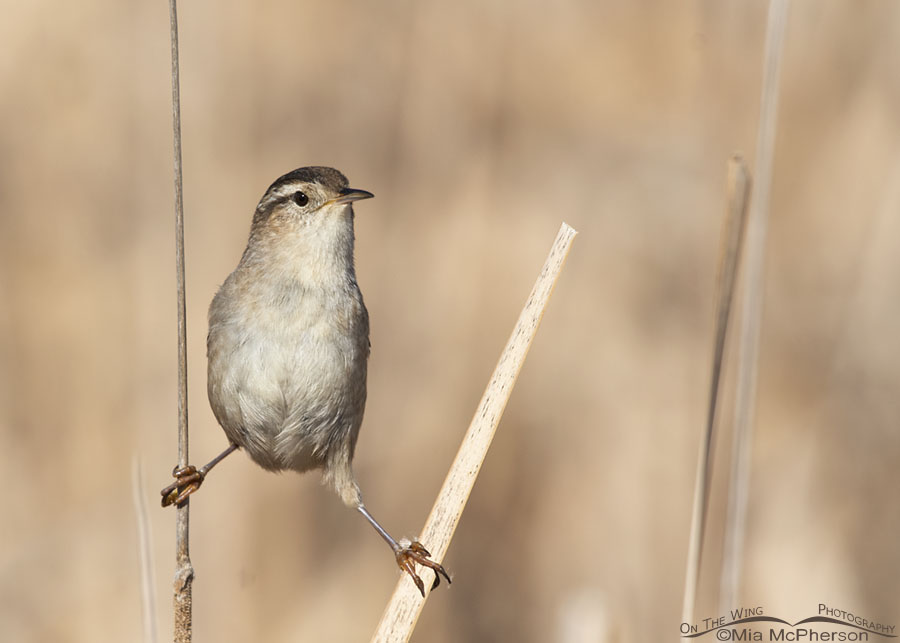
Marsh Wren calling from cattails

Marsh Wren (Cistothorus palustris) calling from cattails
Bear River Migratory Bird Refuge, Box Elder County, Utah
Nikon D200, f6.3, 1/1250, ISO 400, +0.3 EV, Nikkor 200-400mm VR with 1.4x TC at 400mm, natural light

Yesterday I was fortunate enough along the auto route tour to be able to get close to several Marsh Wrens that were calling in the cattails and I could see quite a few of the nests. I love Wrens in general, they are tiny little birds with big attitudes that are amazingly fast and challenging to photograph. I was quite surprised to see one of them yesterday snatch a midge right out of the air.

Humans may think that midges are a nuisance yet the birds I have mentioned benefit tremendously from the presence of these insects. I have only touched on a few of the bird species that ingest these bugs.

Food for thought on a windy, cloudy and rainy day in Utah.

Mia

Facebook Twitter