Why I See More Than A Tree In These Photos
Both of these photos show the same tree on Goose Egg Island at Farmington Bay WMA. The images were taken in December of 2022 and 2013.


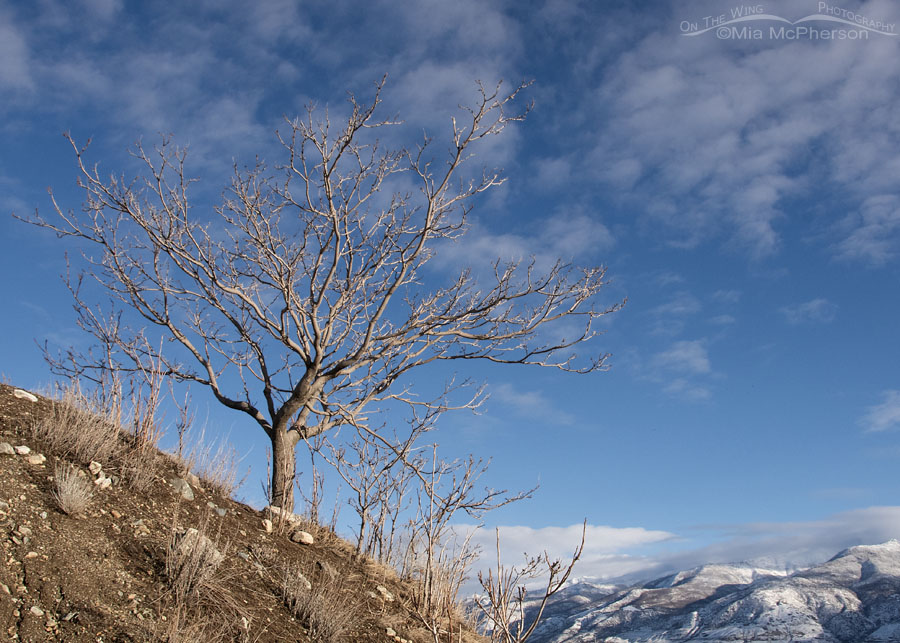
Both of these photos show the same tree on Goose Egg Island at Farmington Bay WMA. The images were taken in December of 2022 and 2013.
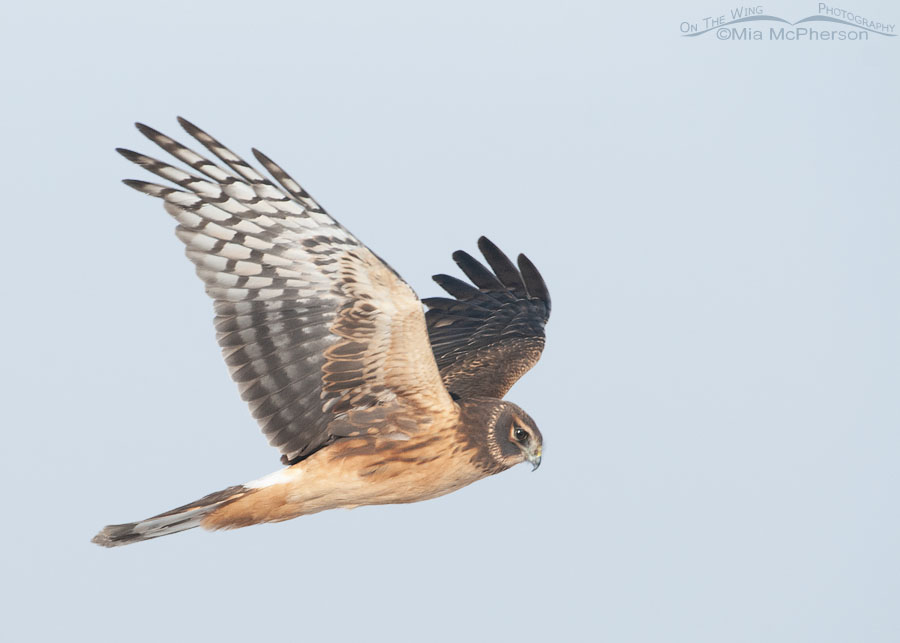
Today I am sharing three photos of an immature female Northern Harrier that I took ten years ago at Farmington Bay WMA.
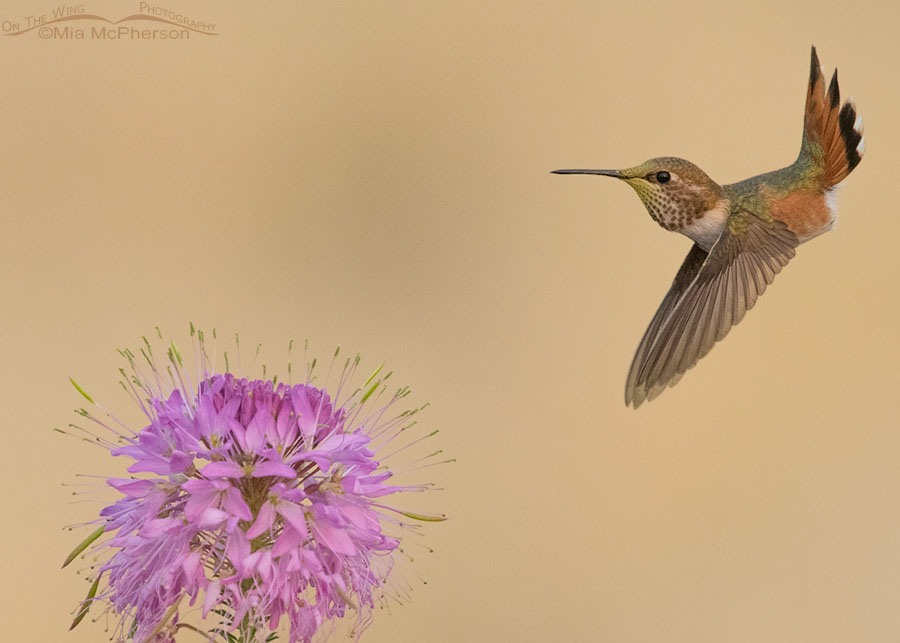
Yesterday I went out to Antelope Island for the first time since April and I took hundreds of Rufous Hummingbird photos plus some of the rising sun.
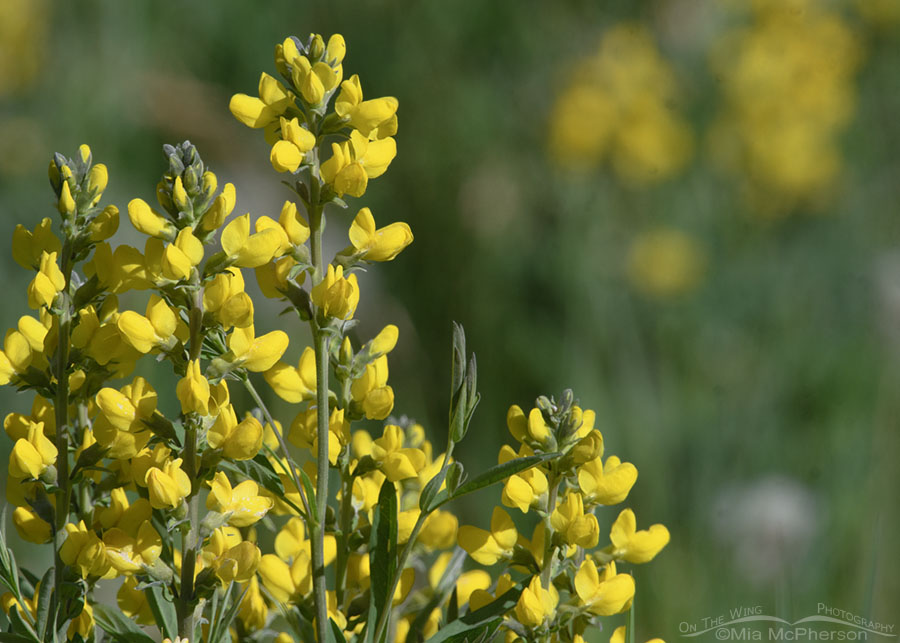
Yesterday I wrote about a Golden Eagle in the Wasatch Mountains. Today I am writing about "golden" again. Blooming Mountain Goldenbanner and a Great Blue Heron.
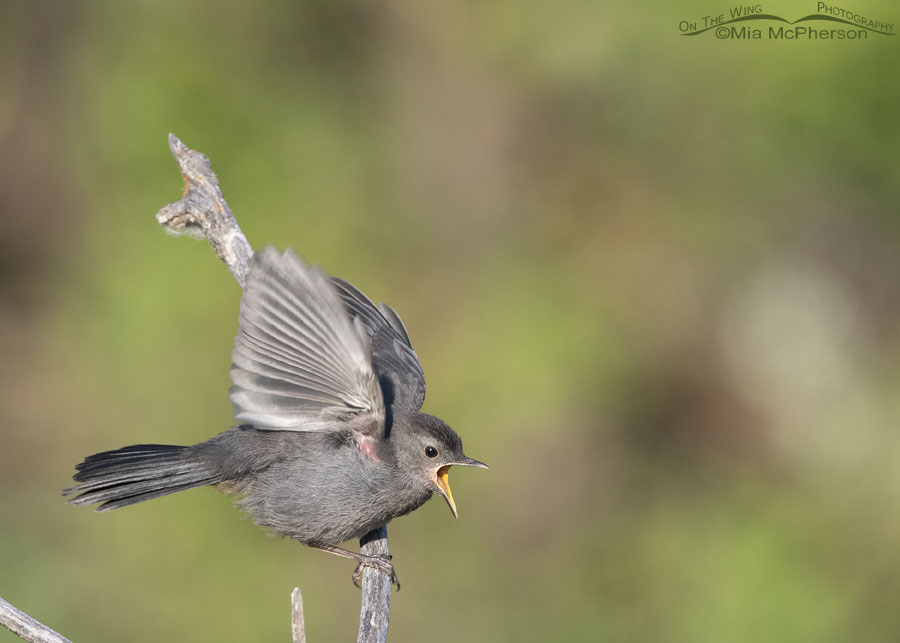
When I saw a Gray Catbird fledgling inch its way up a stick two days ago and then exhibit begging behavior by raising its wings and opening its bill I locked on to it.
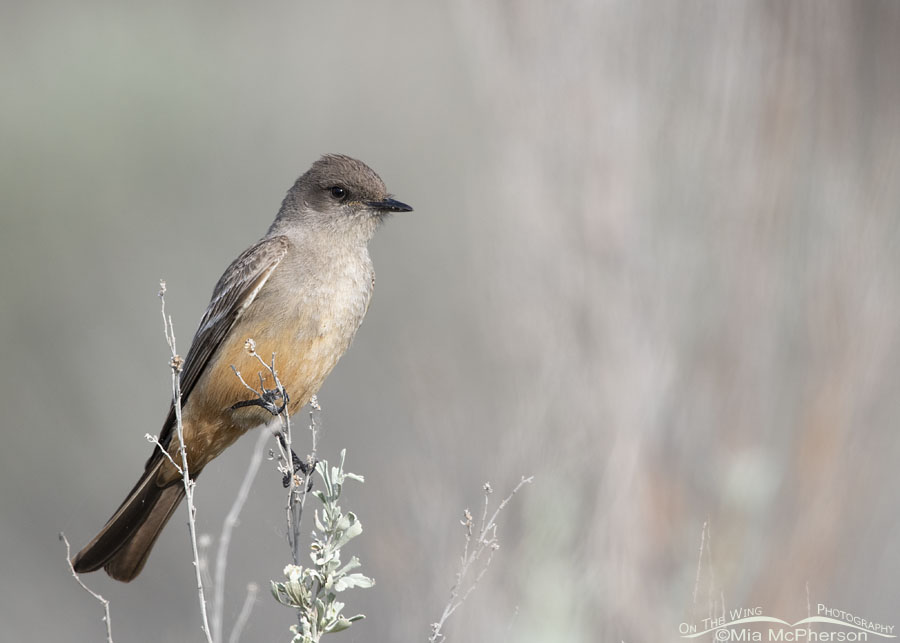
Over time I have come to associate Say's Phoebes with sagebrush because I don't think I have ever seen or photographed one of these phoebes where there wasn't sage nearby here in northern Utah.
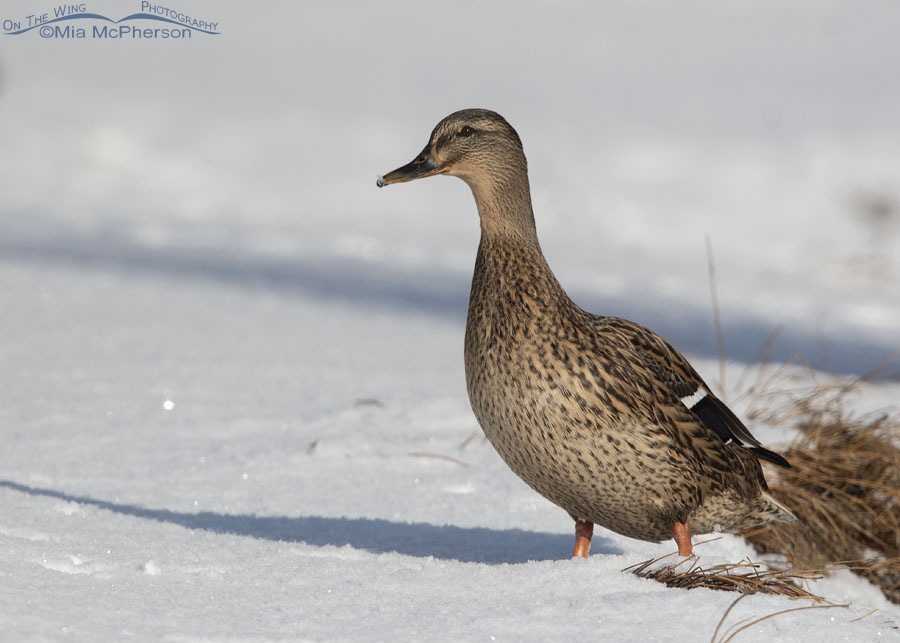
This post is about this pretty little Mallard hen walking in the fresh snow that fell during the night two days ago.
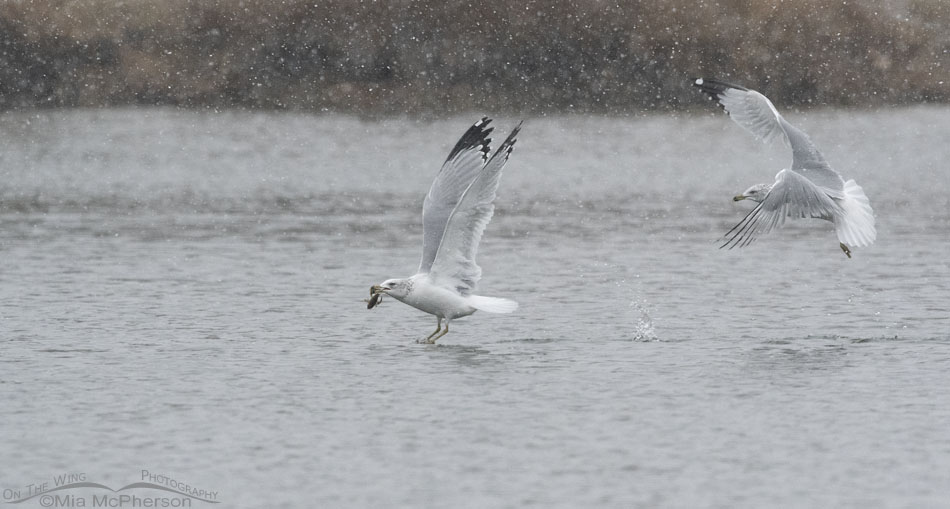
I actually like photographing birds in a snow storm because the low light situations test my skills, the limits of my gear and the resulting photos often have a moody feeling to them.
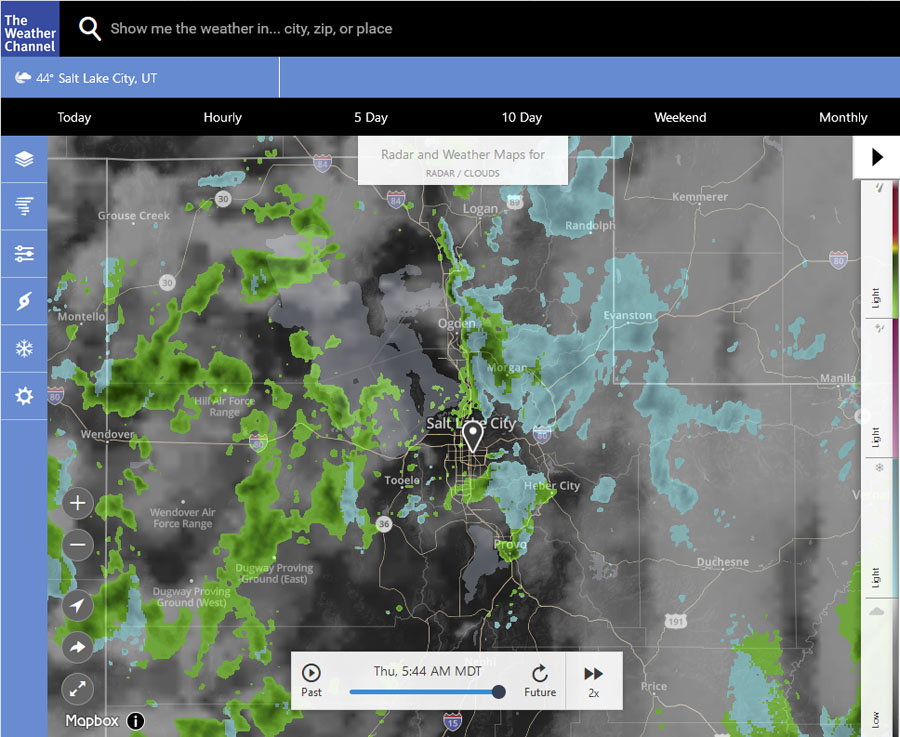
We've had cloudy and sometimes rainy weather for quite some time now in northern Utah with storms rolling in one after the other and it does prevent me from getting out into the field with the birds.
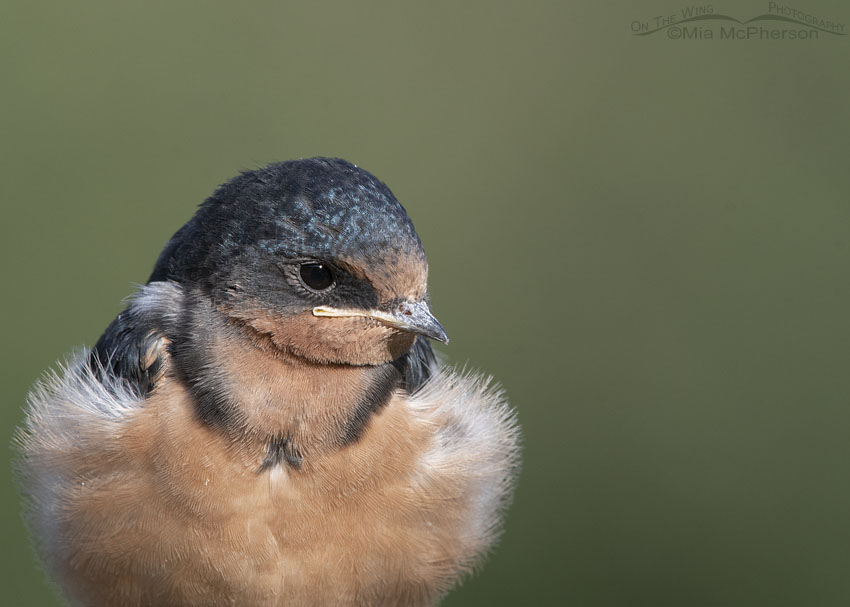
I'd driven up into a Wasatch Mountain canyon and was waiting for the sun to rise over the mountains when I spotted several juvenile Barn Swallows perched on a fence right next to the road in lovely morning light.
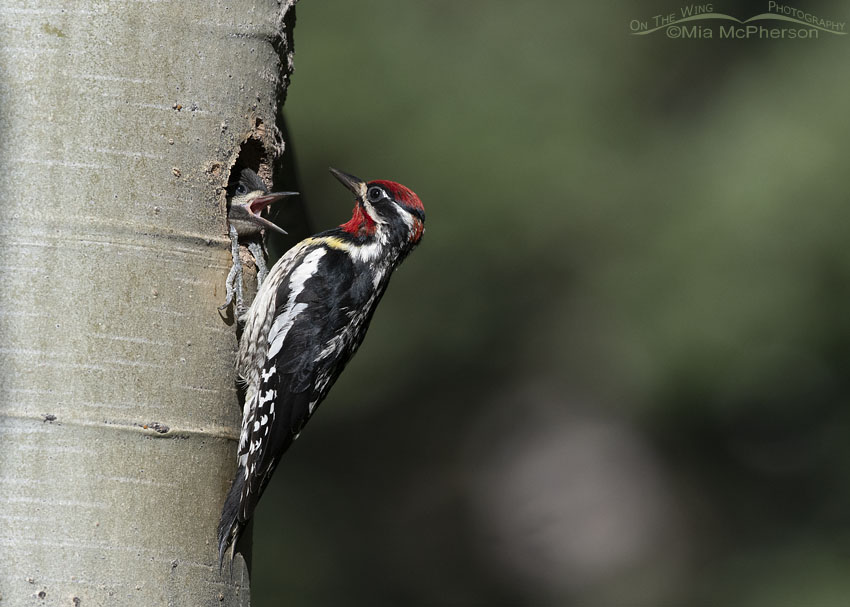
One year ago today I experienced one of the two most frustrating days in my entire time of being a bird photographer while photographing Red-naped Sapsuckers in the Targhee National Forest of Idaho.
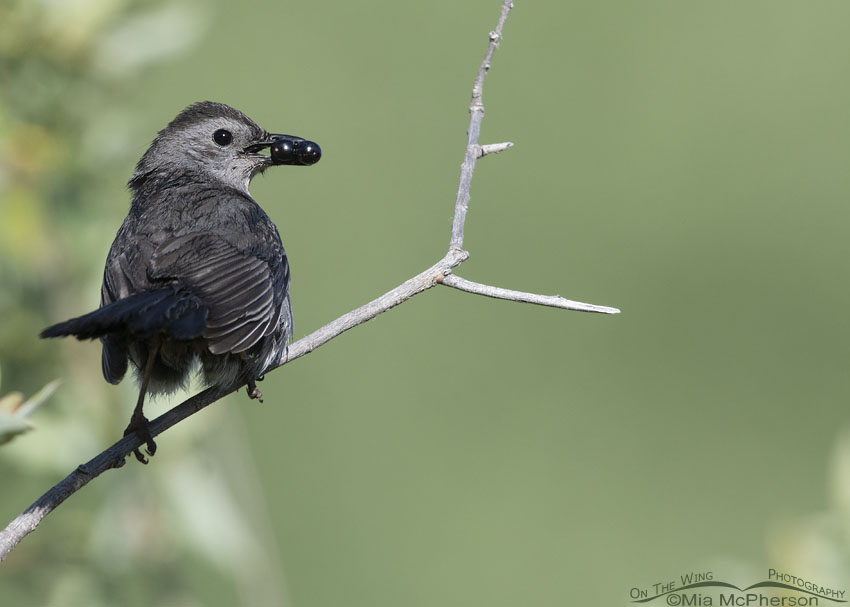
I'm going to keep trying to obtain better photos of the Gray Catbirds with the Black Twinberry berries and perhaps before long the catbirds will bring their young to feast on these berries too!
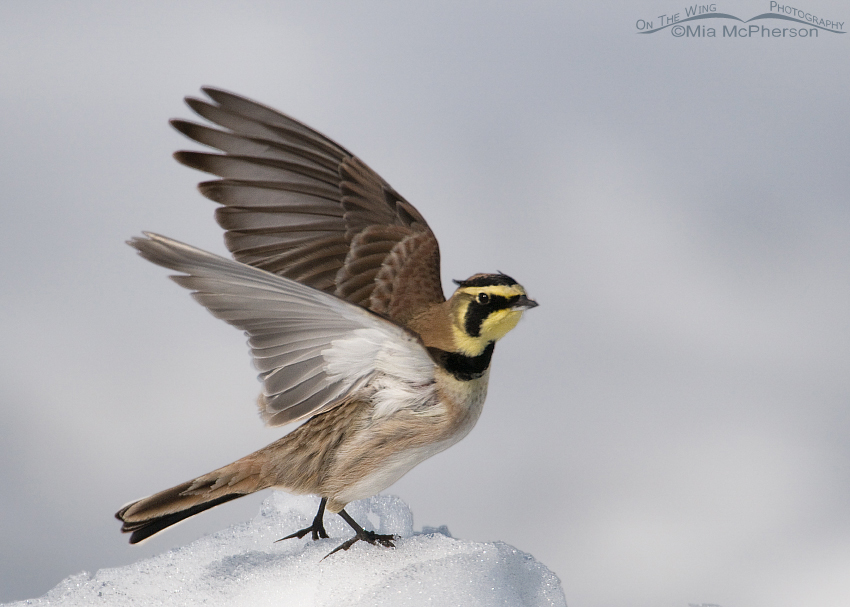
I have dreamed about getting a shot like this since I first started photographing Horned Larks, I wanted a shot of a Horned Lark at the precise moment it began to lift off with the wings lifted.
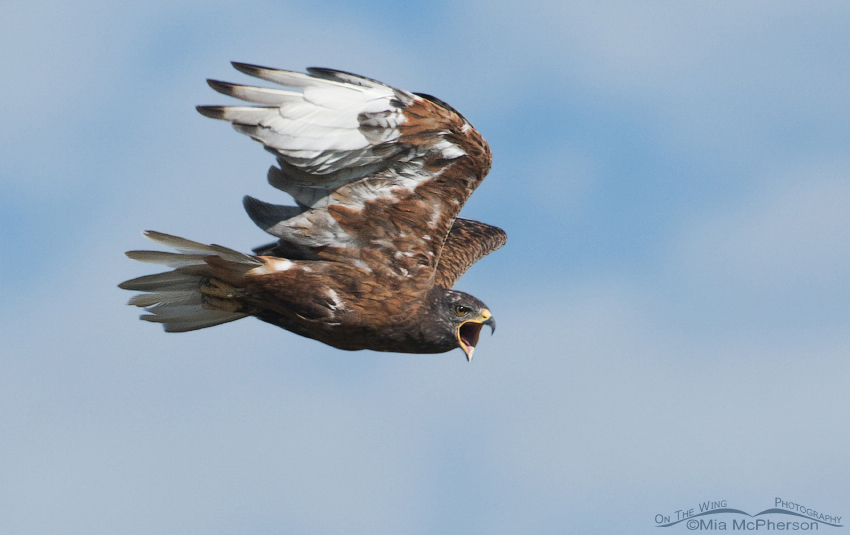
The dark morph Ferruginous Hawk above had just lifted off from a power pole when I photographed it with a partly cloudy sky in the background.
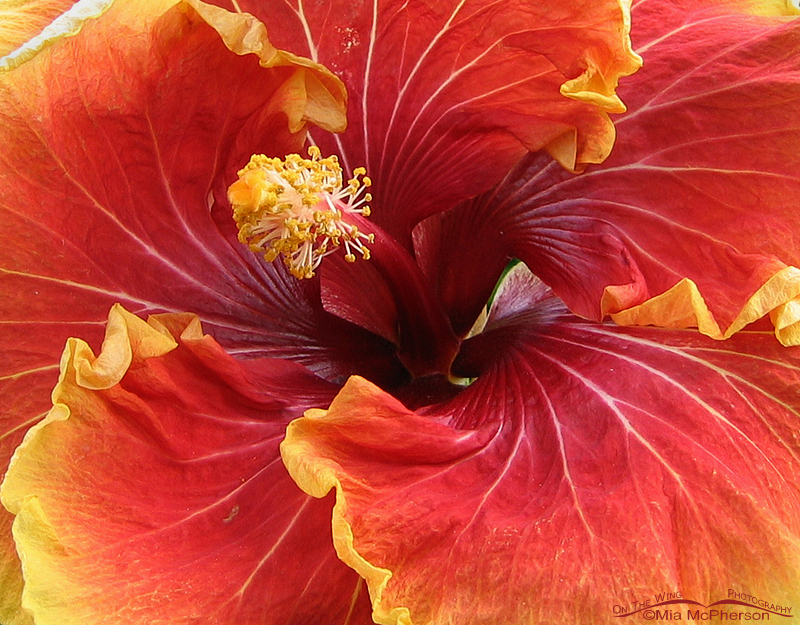
This flame-colored Hibiscus takes me back to a warm, sunny day in Tampa at the USF Botanical Garden, for awhile when I look at this I can forget the fog building outside my window and the snow on the ground.
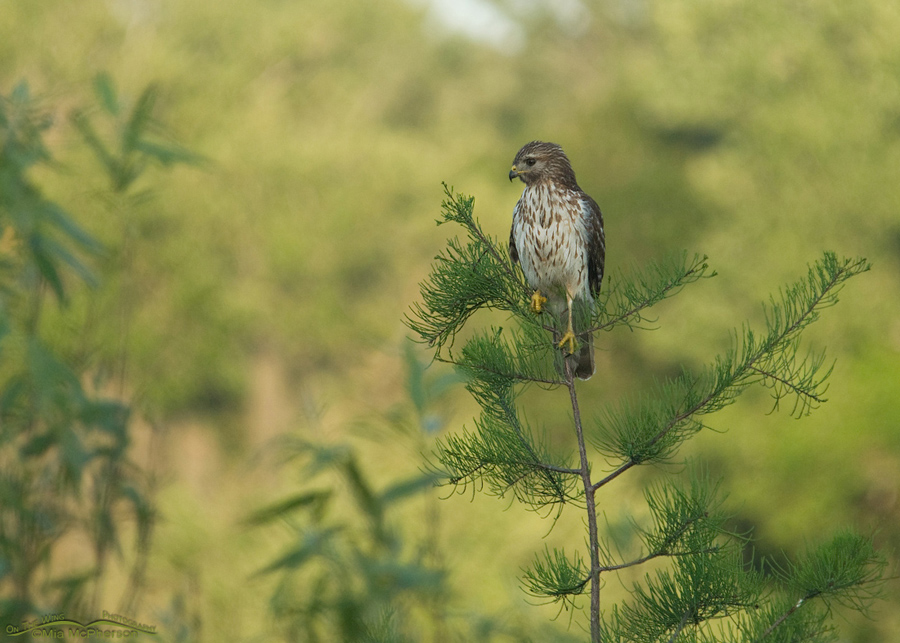
Five days ago I posted a Bald Eagle image where the eagle was small in the frame and explained that I felt that the setting was as important as the subject, I also feel that way about this image of a Red-shouldered Hawk juvenile perched in a tree.
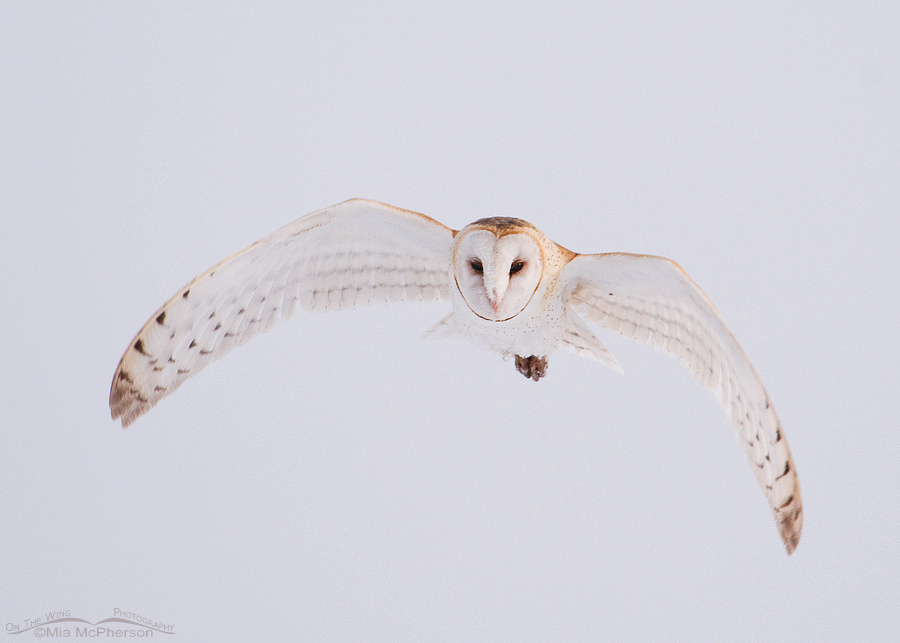
Fog can add a moody feel to images and yesterday there was plenty of fog at Farmington Bay WMA. There were a few Barn Owls hunting for food and I captured images of this one as it flew towards me.
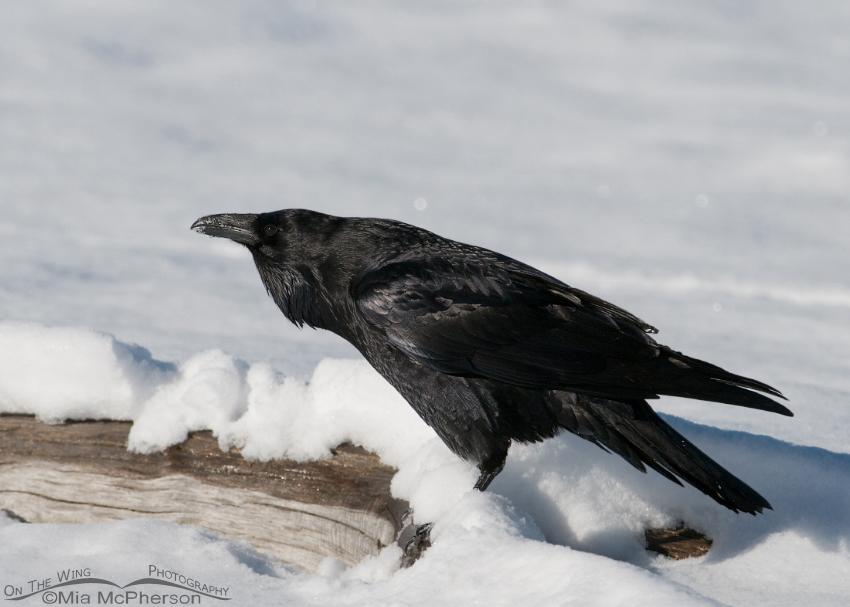
Photographing dark birds such as this Common Raven is a challenge and knowing how to expose properly as well as getting the right angle of light is critical in producing a quality image.
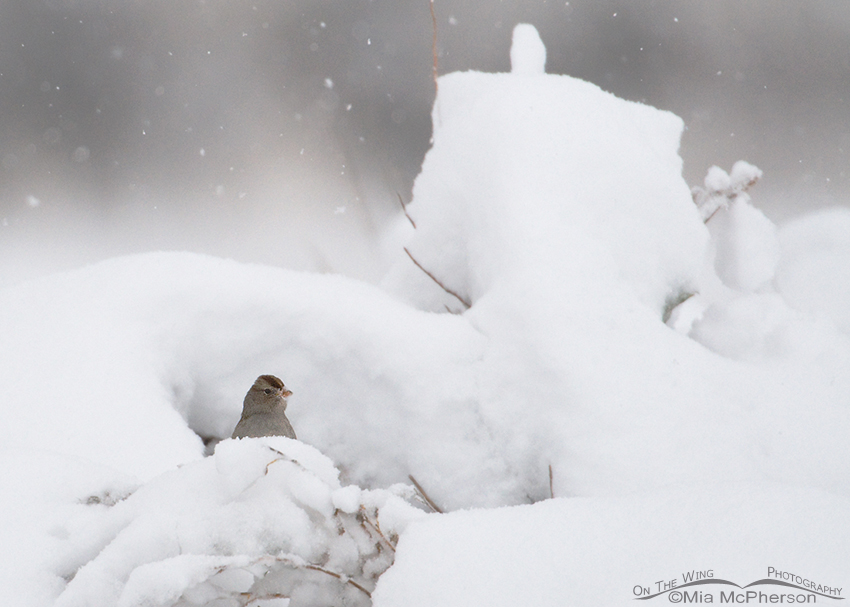
The White-crowned Sparrow in this image is small in the frame, the bird isn't super sharp and there isn't a lot of contrast or color to the photo either yet the image speaks to me.
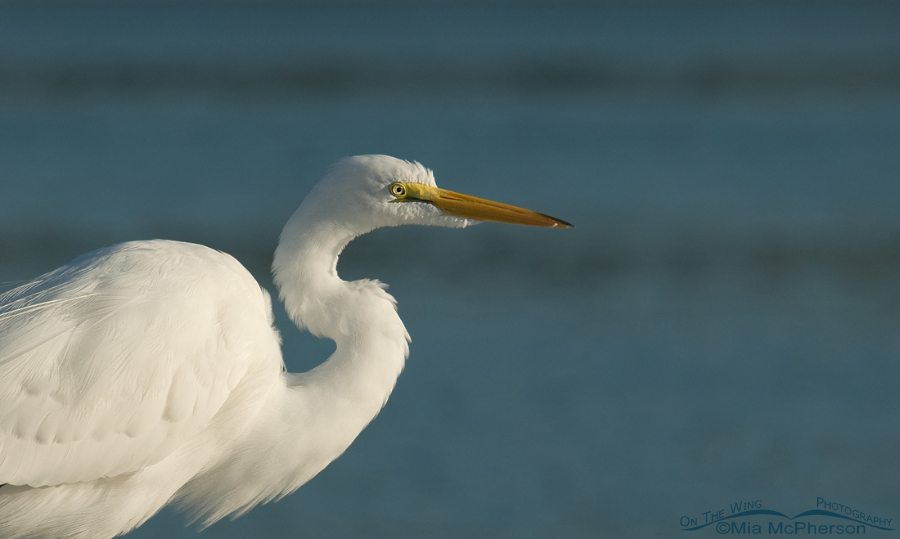
This Great Egret image was taken in Florida in 2009, the beautiful blue in the background is the water of the Gulf of Mexico.
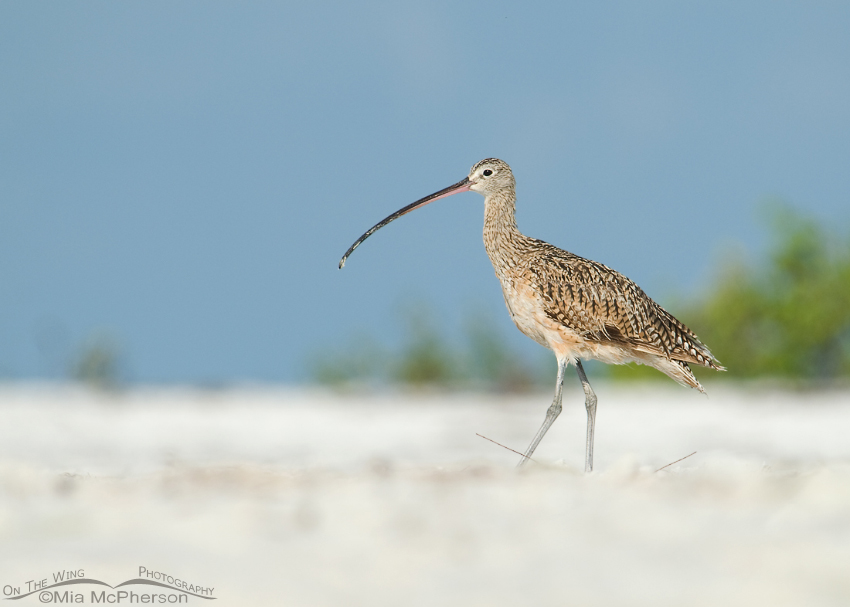
Since winter has thus far decided to stay in more northern latitudes and higher elevations I decided to post an image of a Long-billed Curlew taken in southern, sub-tropical climes a few years ago.
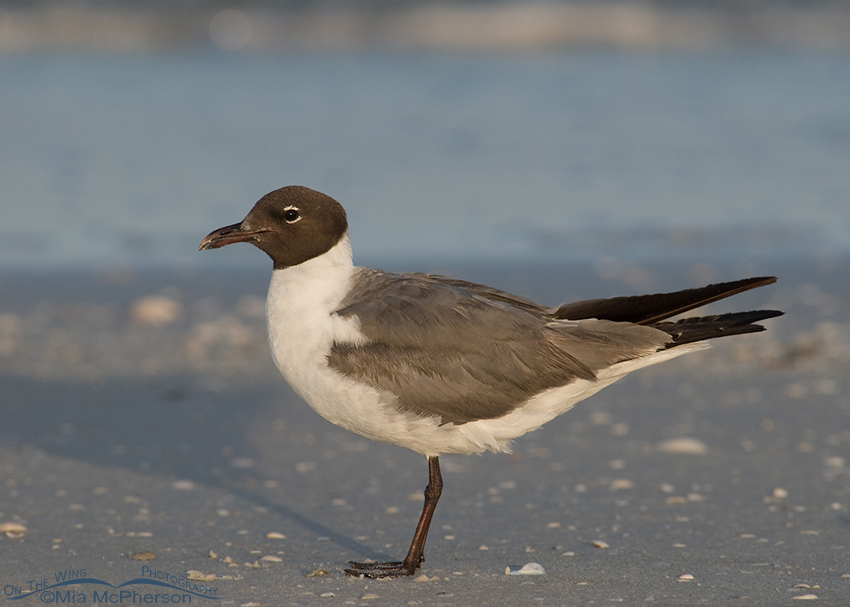
All photographers mess up, some times it is the focus, sometimes it is not having enough shutter speed for active subjects and sometimes a dial gets bumped and when it is not noticed it can affect all the images taken after it has been changed.
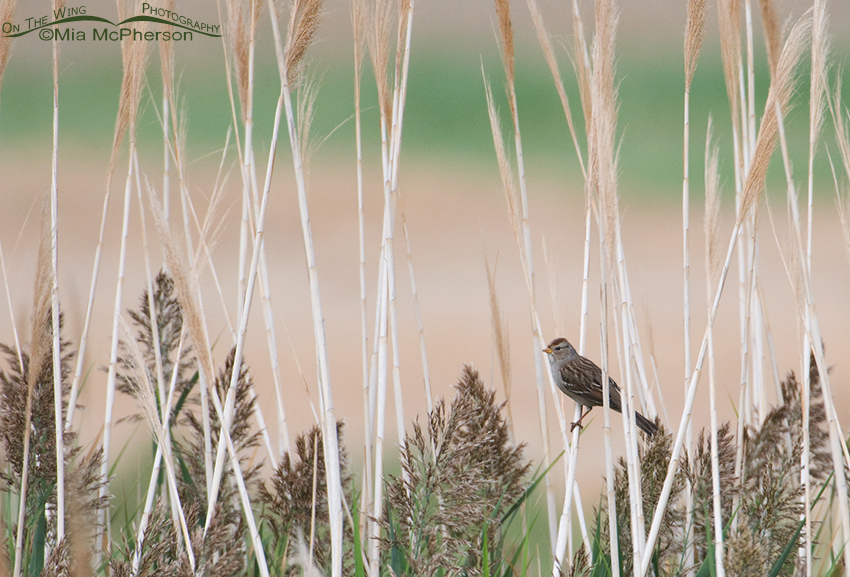
Normally I wouldn't take or present an image where the subject is as small in the frame as this juvenile White-crowned Sparrow (Zonotrichia leucophrys) is but I couldn't resist because I like this image a lot.
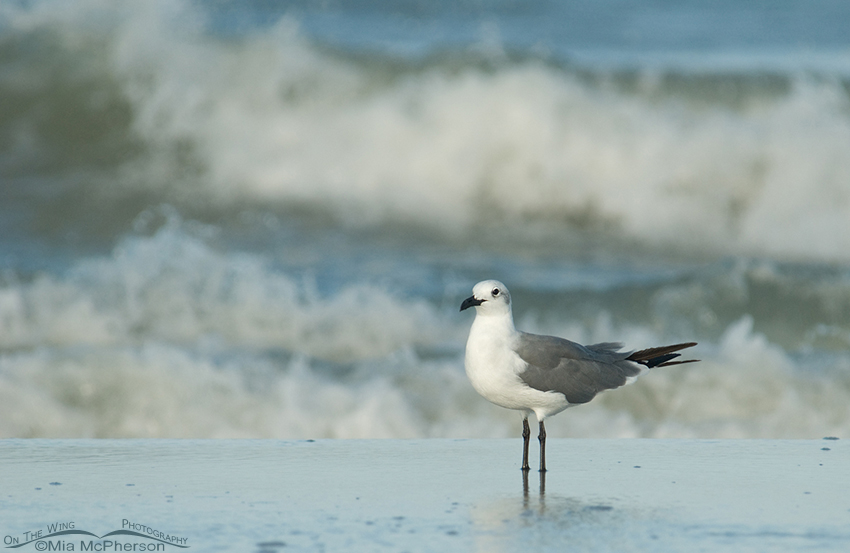
On the day that I photographed this Laughing Gull either Hurricane Ike or Gustav was out near the center of the Gulf of Mexico that was churning up the water
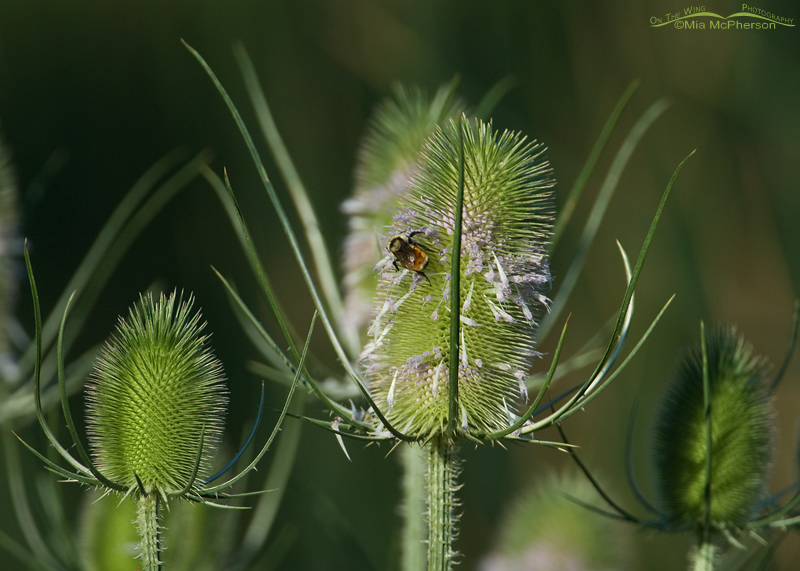
Large groups of Teasels; an introduced "weed", caught my eye in the early morning light
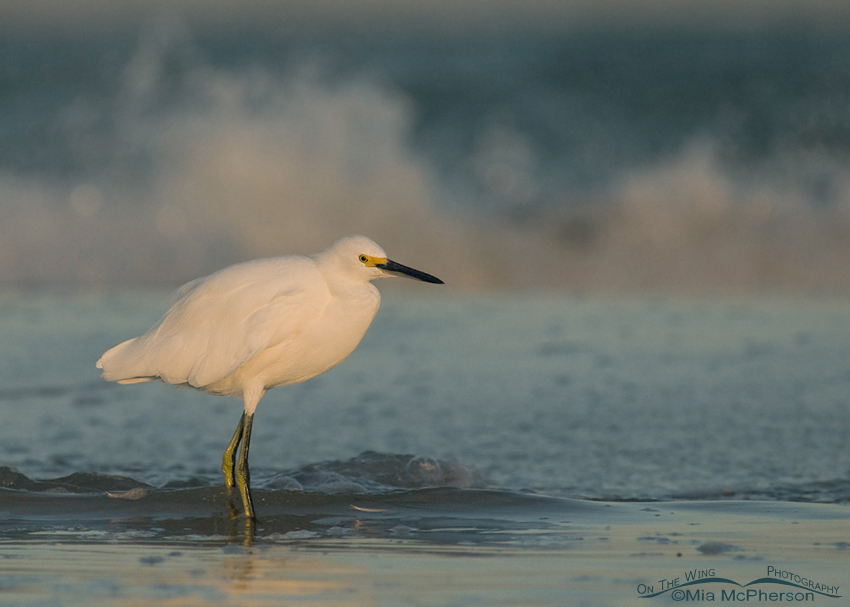
This Snowy Egret image was taken just after the sun had risen above the horizon in about the same location as the egret image I posted yesterday but at a completely different time of the year.
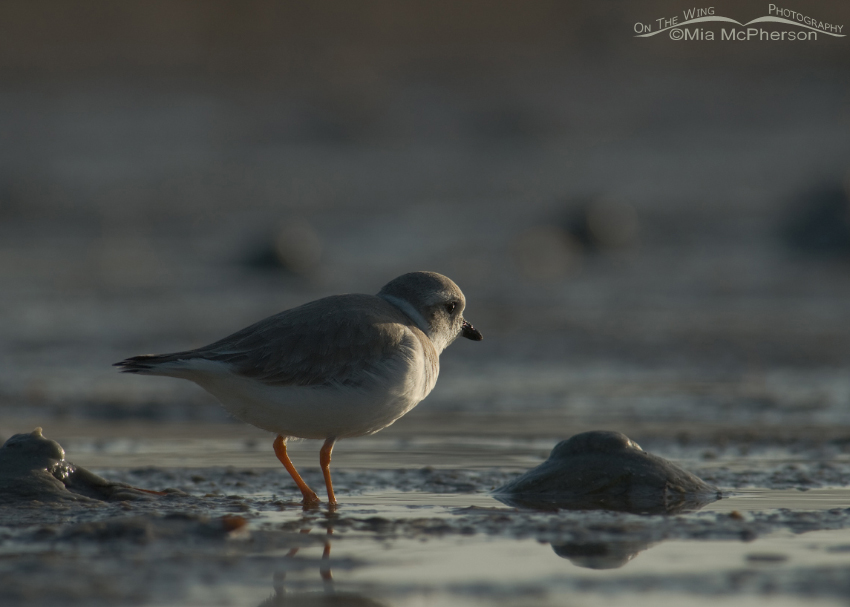
This Piping Plover image reminds me to try to photograph birds in other than perfect light. Sidelit and backlit images can be spectacular so I don't like passing up taking the chance that I might just get a great shot despite what some photographers think of as bad light.
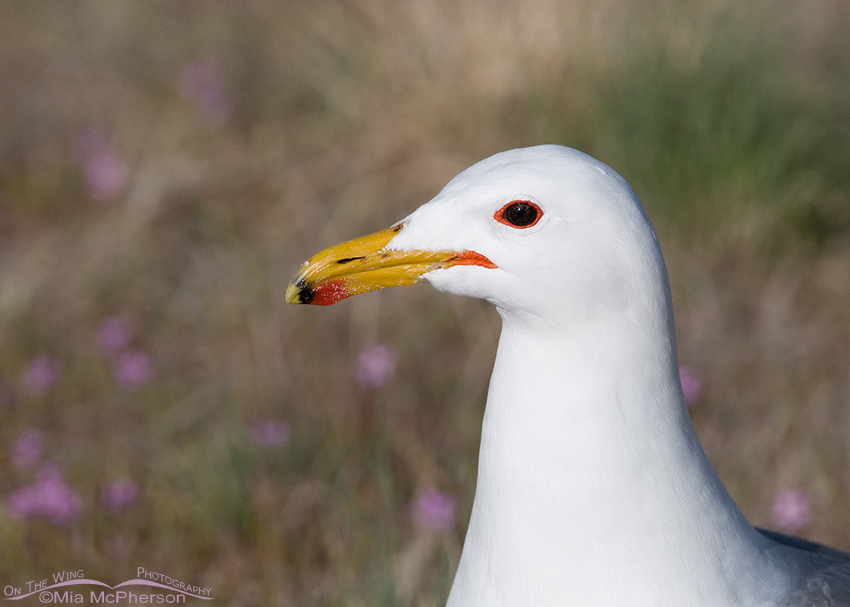
Yesterday while I was out photographing Long-billed Curlews this California Gull (Larus californicus) flew in so close that all I could do was take portraits of the bird.
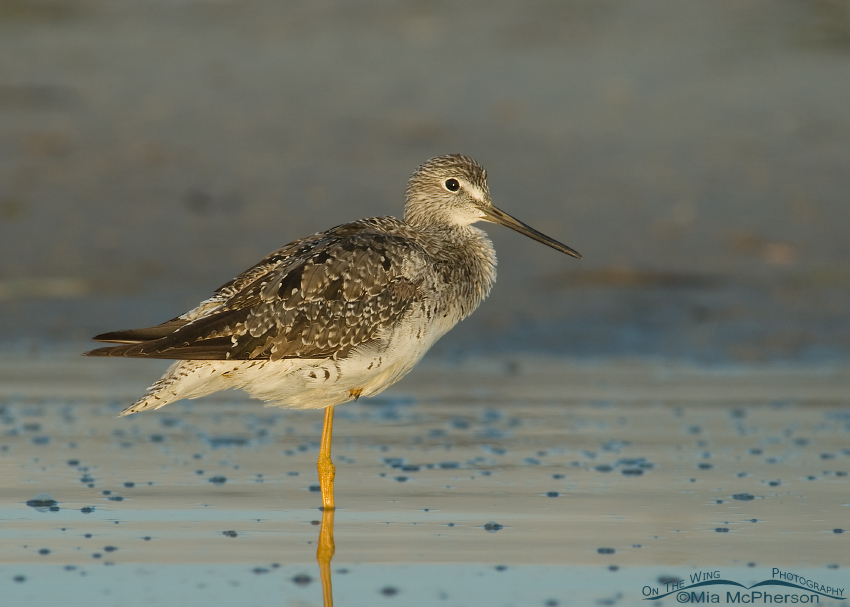
Obtaining a low angle with small shorebirds can bring the viewer into the birds world by being down to their level. When I photographed shorebirds in Florida I was either constantly covered in sand or mud, wet or all three.
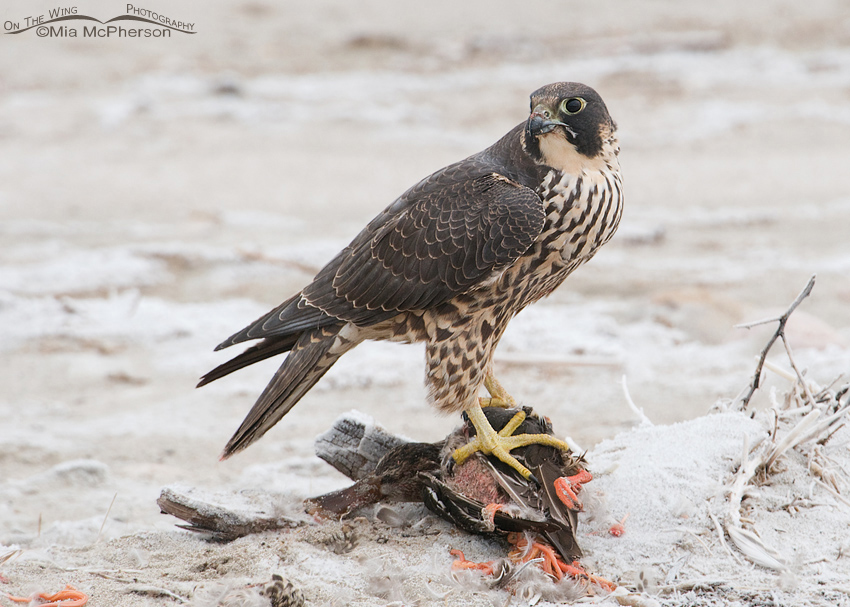
Where is the light when you want it? Yesterday it was hiding behind the clouds and lake fog when I spotted this Peregrine Falcon at a close distance, on prey and sticky.