Birds that I find in the field, photograph and share the stories behind the images.
Six-pack of Birds
It was delightful to have light and a six-pack (plus) of birds out on Antelope Island yesterday to test my new Nikon D7100.


Birds that I find in the field, photograph and share the stories behind the images.
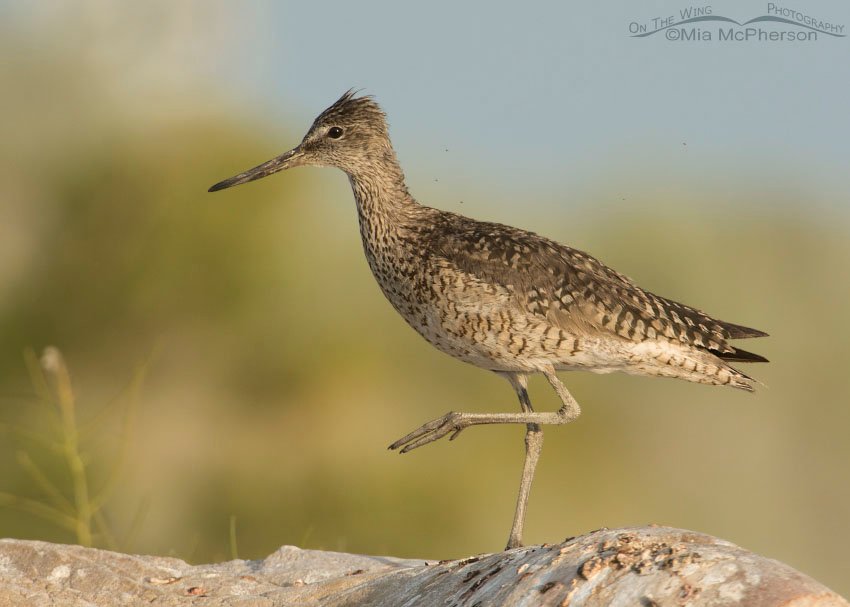
It was delightful to have light and a six-pack (plus) of birds out on Antelope Island yesterday to test my new Nikon D7100.

A simple but fishy post today of an Osprey that flew over my head at Fort De Soto County Park taken 5 years ago in Florida.

Bear River Migratory Bird Refuge is one of my favorite places to visit during the summer to observe and photograph nesting birds and take in the beauty of the refuge.

Yesterday I photographed another lifer! An American Dipper with prey at Cascade Springs in the Heber Valley of Utah.
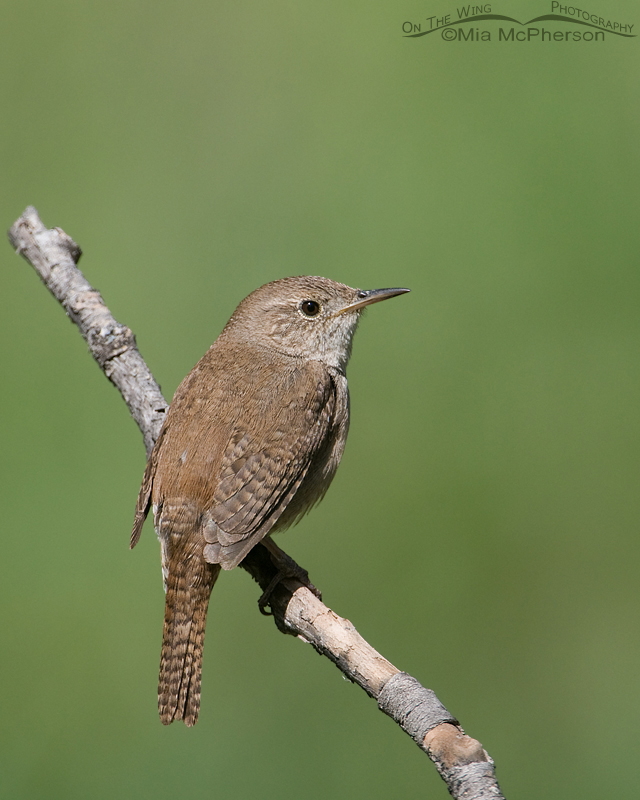
For a few days now I said I was going to do a post about the Northern House Wrens I photographed at the same nesting tree as the Williamson's Sapsuckers, here it is.

While in southwestern Montana last week I did see several Bald Eagles and this adult was most obliging as it perched on a conifer in the light of the rising sun.
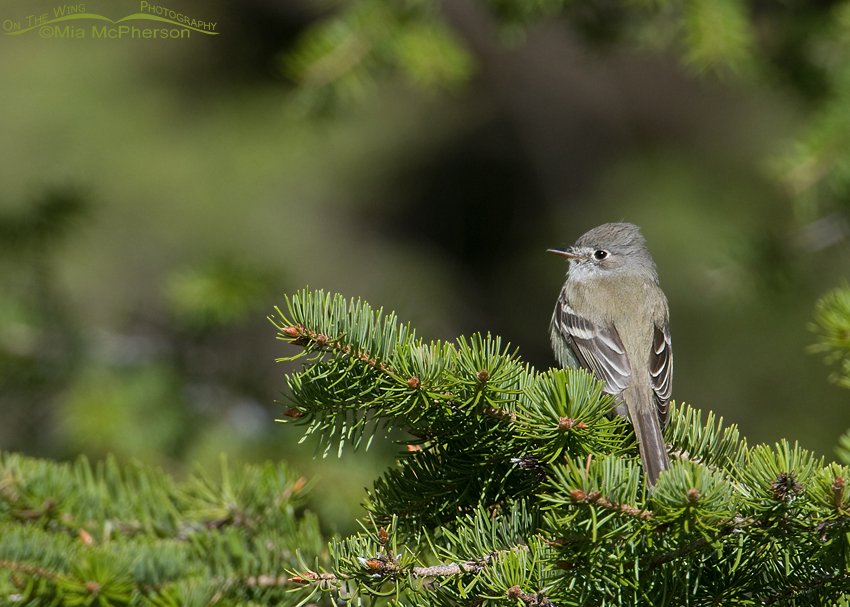
Today I am posting what I believe to be a Least Flycatcher that was perched in an evergreen along a road in Idaho.
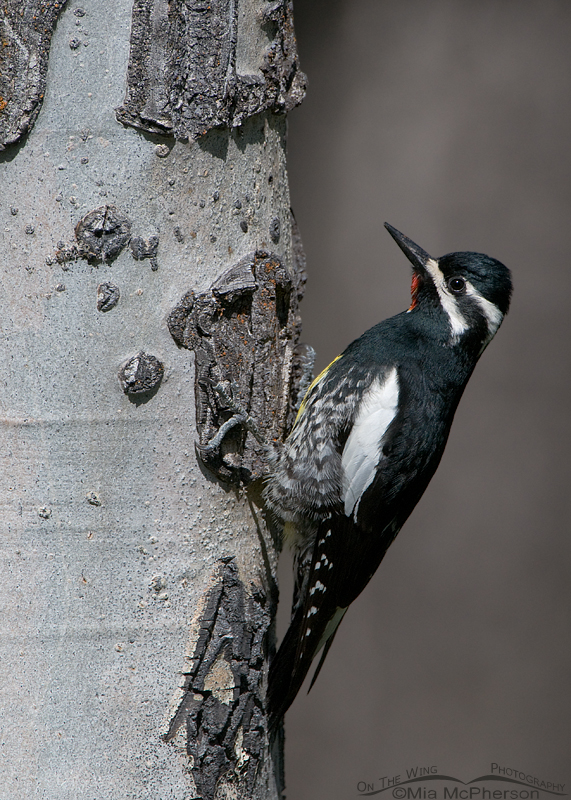
I could barely contain myself because in my viewfinder was a gorgeous red, yellow and black colored male Williamson's Sapsucker.

I photographed this Osprey at Lettuce Lake Regional Park from the observation tower, the Osprey had tried to catch a fish but came up with just the filamentous algae in its talons.
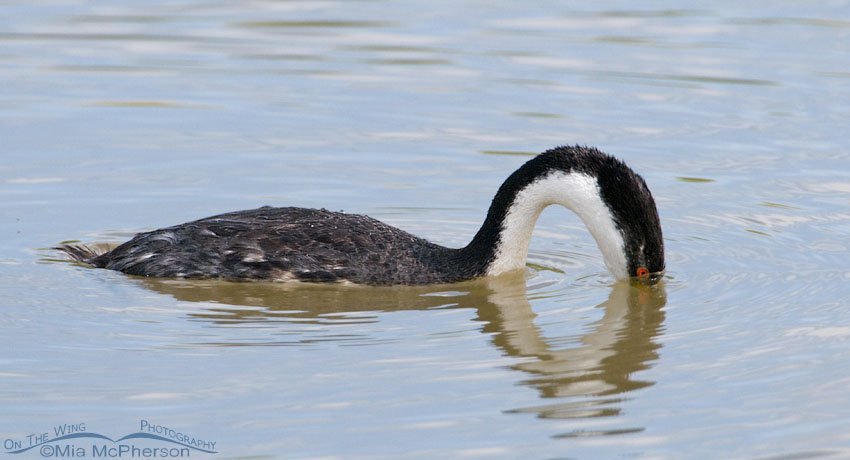
I often try to capture the eye of a bird diving into the water at the moment just before the eye submerges below the surface. I was able to succeed with the Western Grebe.

A few days ago I posted about the Northern Mockingbird flight display and today I'd like to share two images of Bahama Mockingbirds photographed in the Bahamas in 2009.

The nicknames for Short-eared Owls are many and include Evening Owl, Mouse-hawk, Marsh Owl, Bog Owl and Flat-faced Owl but I just call them Shorties in the field.

Normally I prefer to have my subjects larger in the frame than this image of a Willet tiptoeing on the surface of the Great Salt Lake as it landed.
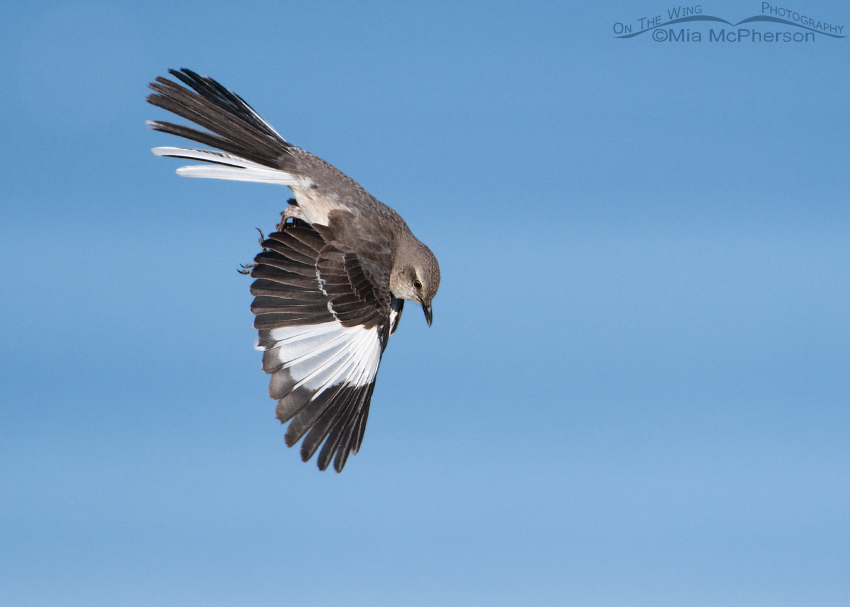
I have seen and heard more Northern Mockingbirds this year on Antelope Island State Park than any previous year since I moved to Utah.

As a bird photographer I feel it is very important to me that my images show my subjects and the settings they are in as accurately as possible.

Yesterday at East Canyon State Park in Morgan County I was able to photograph nesting Cliff Swallows on a cliff face that overlooks the reservoir.

This morning while Antelope Island there was a Loggerhead Shrike perched on a dead branch that was near the north shoreline of the Great Salt Lake.

"Crazy Old Coot" is a term that many of us know and associate with a foolish person, especially an old man.
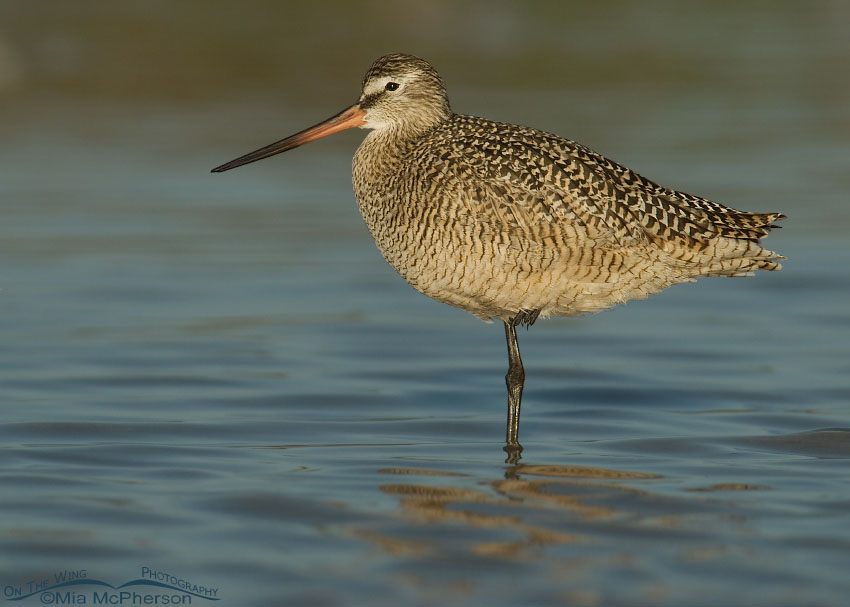
Photographing birds; wherever I am, allows me to feel a deep and sometimes profound connection to nature. I wouldn't have it any other way.
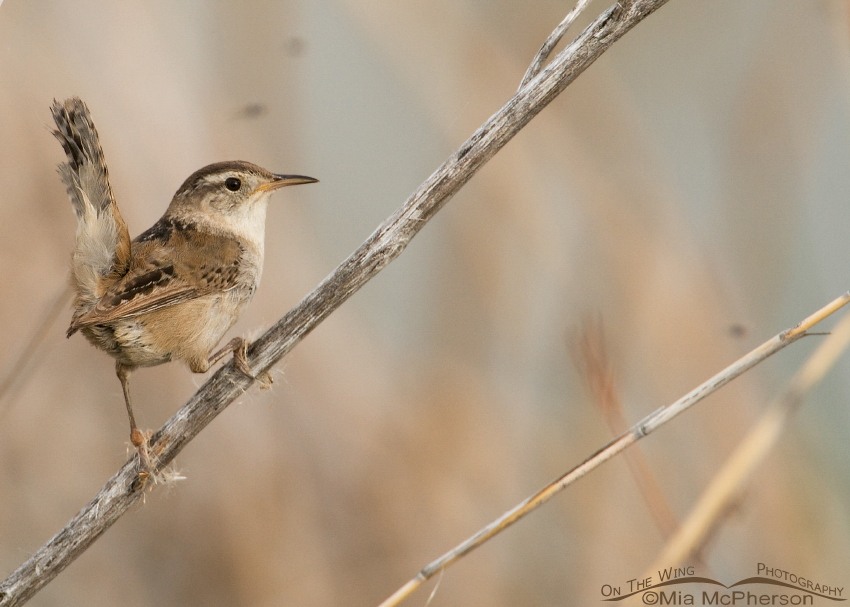
Bear River Migratory Bird Refuge is always a delight and I never know exactly what I might see when I am there which suits my spontaneous nature perfectly.

I have written before on how Red Knots are a species on the edge because of plummeting populations declines and today they still need our help.
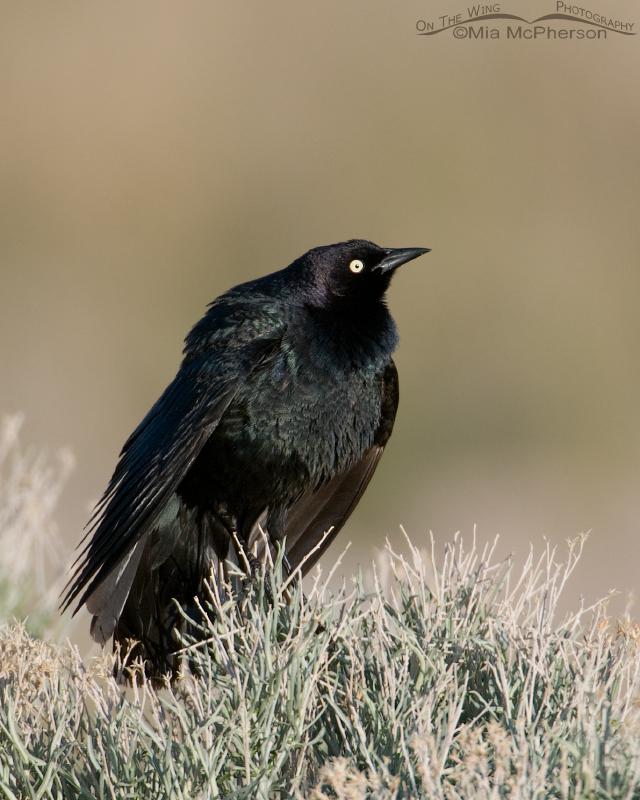
A simple post this morning of a Brewer's Blackbird male displaying that I photographed on a bright day in May out on Antelope Island State Park.

Western Kingbird After several days of not being able to photograph birds because of bad weather I was pleasantly surprised to have a medley of birds to photograph on Antelope Island Monday.

Even though the snow has still been flying in some areas of Utah the Black-chinned Hummingbirds have already arrived.

Happy Mother's Day 2014!

In the fall of 2011 I enjoyed being able to photograph this first year Prairie Falcon several times close to the Great Salt Lake in Utah.

Dunlins are small shorebirds that are found in North America which exhibit remarkable differences between their breeding and nonbreeding plumages.
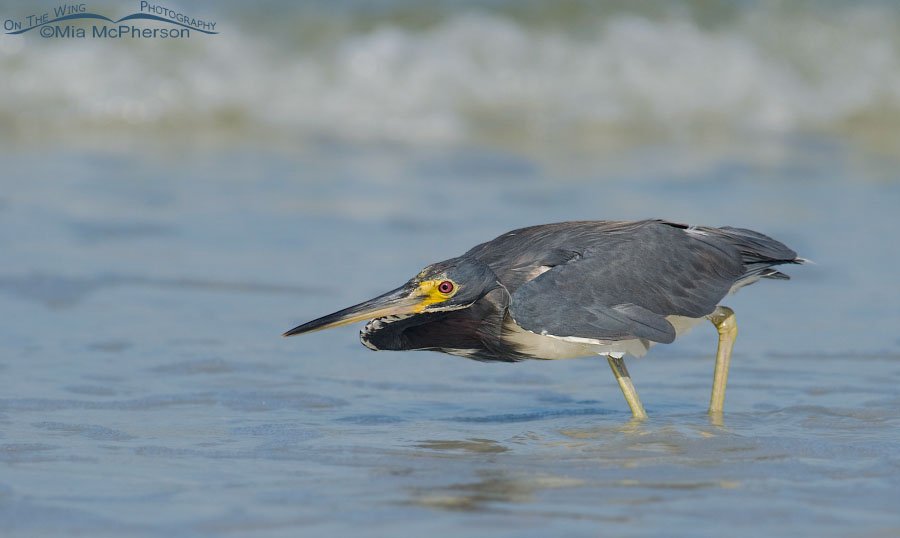
Tricolored Herons use many foraging behaviors to obtain their prey including walking quickly then crouching before stabbing their prey.

When I lived in Tampa, Florida the Whites Ibises were often called "Lawn Chickens" because they would feed in people's yards in big flocks.

There are times in my life when I feel speechless in the face of the natural world.