Red-breasted Merganser Floating On The Gulf of Mexico
I photographed this Red-breasted Merganser floating on the Gulf of Mexico on an April morning from the shoreline at Fort De Soto, Florida in April of 2008.



I photographed this Red-breasted Merganser floating on the Gulf of Mexico on an April morning from the shoreline at Fort De Soto, Florida in April of 2008.
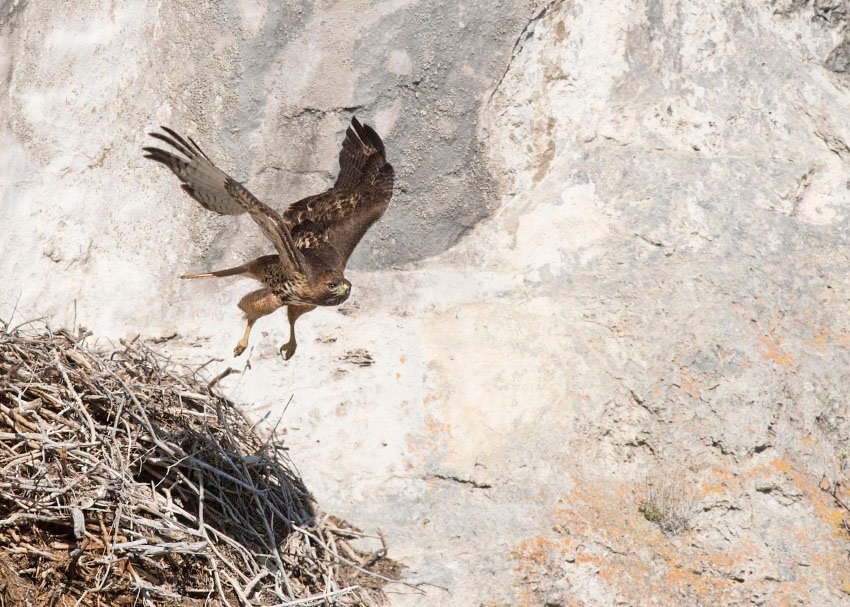
When I photographed this Red-tailed Hawk lifting off from the nest it was in mid-April and I don't believe they had laid their eggs yet.
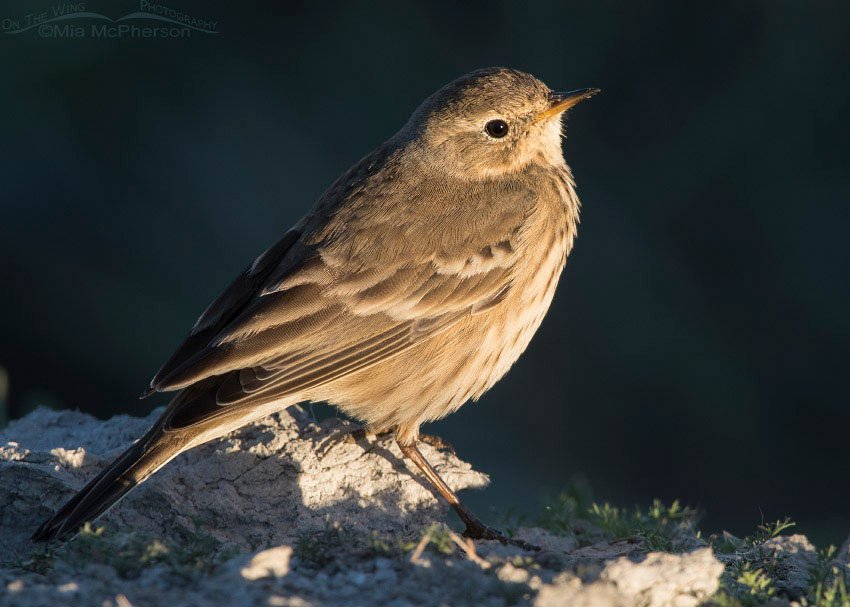
American Pipits will soon be migrating through the Salt Lake Valley and I will hear their flight calls along the causeway to Antelope Island and the fields at Farmington Bay WMA.

Right after I photographed this Snowy Egret landing it started to chase after another egret that had a small fish and they both flew off with their backs to me.
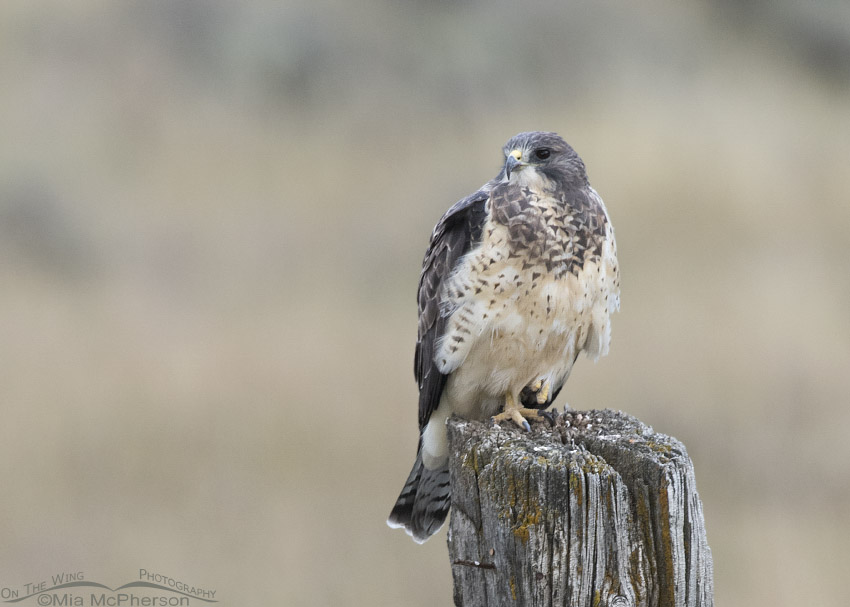
I've been meaning to post images of this sub-adult Swainson's Hawk in low light for about a year now and I am finally getting around to it.
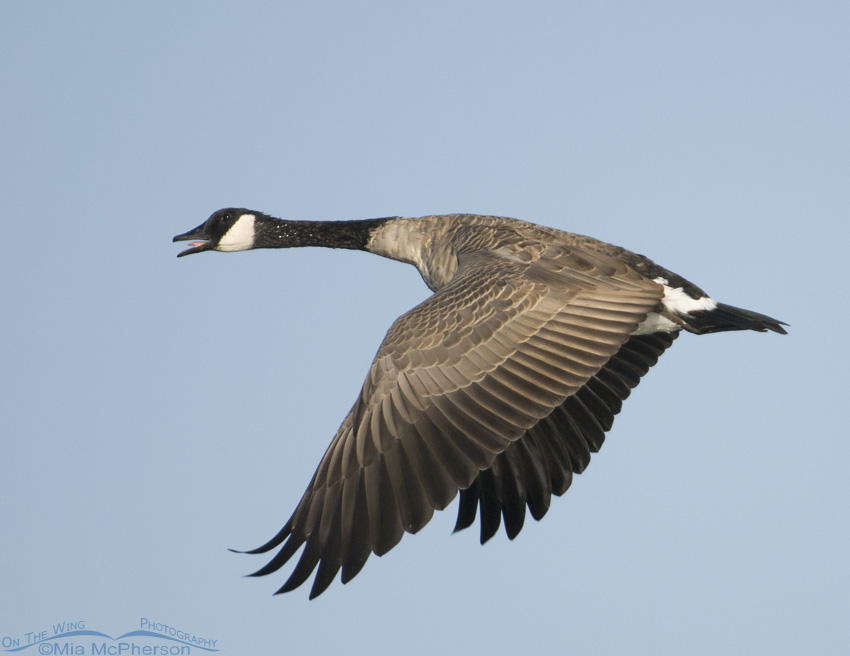
I photographed this Canada Goose calling in flight six years ago as it flew over Glover's Pond at Farmington Bay.
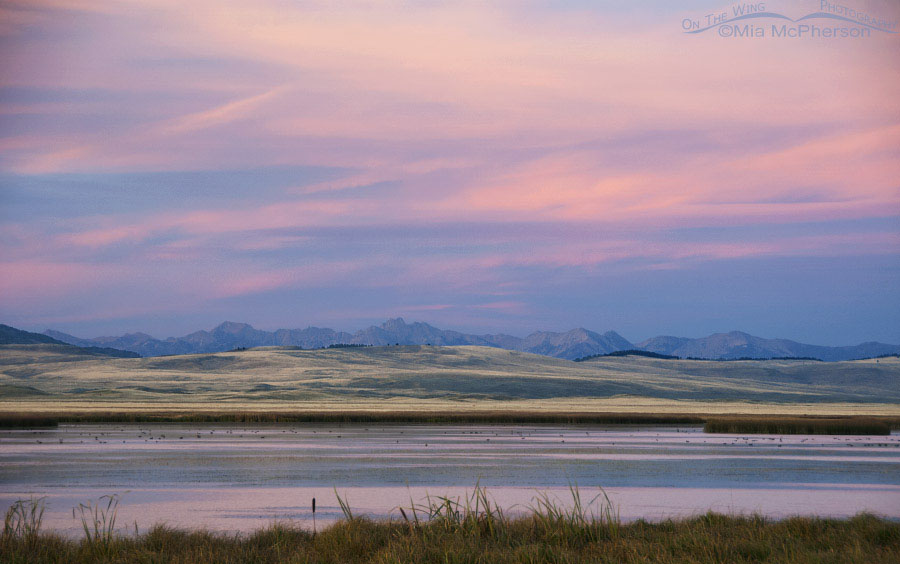
Watching a colorful sunset at Red Rock Lakes National Wildlife Refuge fade to the darkness of night is a gift. A wonderful, priceless gift.

I can now give another update on the Short-eared Owl, he will be going to Hawkwatch International in October to be used as an educational bird!

Last month I wrote about how surprised I was to spot a Great Horned Owl in the marsh at Bear River MBR in northern Utah and said I would post more photos later, so here they are.

When I lived in Florida there were times that I would see Wood Storks at Fort De Soto and once in a while I would get lucky and find them in flight.

At the time I created this image I didn't realize that when I took this portrait of the adult Red-tailed Hawk that I also photographed an ant. Can you see it?

Vultures and condors are scavengers and help to clean up the environment by consuming carrion, road kill and gut piles left from the kills of human and non-human hunters.

I did see and photograph this adult Yellow-crowned Night Heron standing on a grassy sand dune overlooking the Gulf of Mexico in beautiful, soft light.

I got to find, point out, and photograph a rare Upland Sandpiper in Utah well out of its normal migration route and range, what a day. What a find
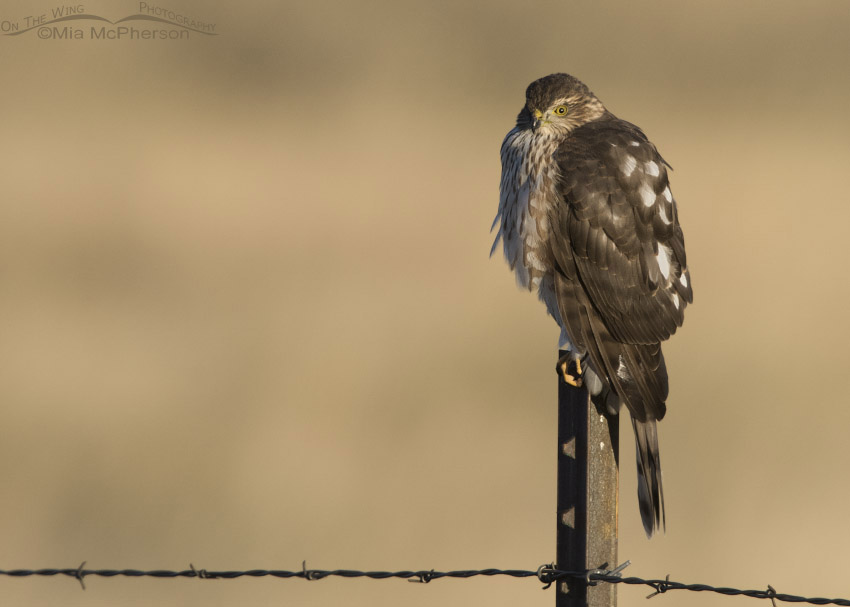
Last year on September 8th I located an immature Sharp-shinned Hawk in the Centennial Valley of Montana early in the morning as it flew low to the ground looking for small birds to capture and consume.
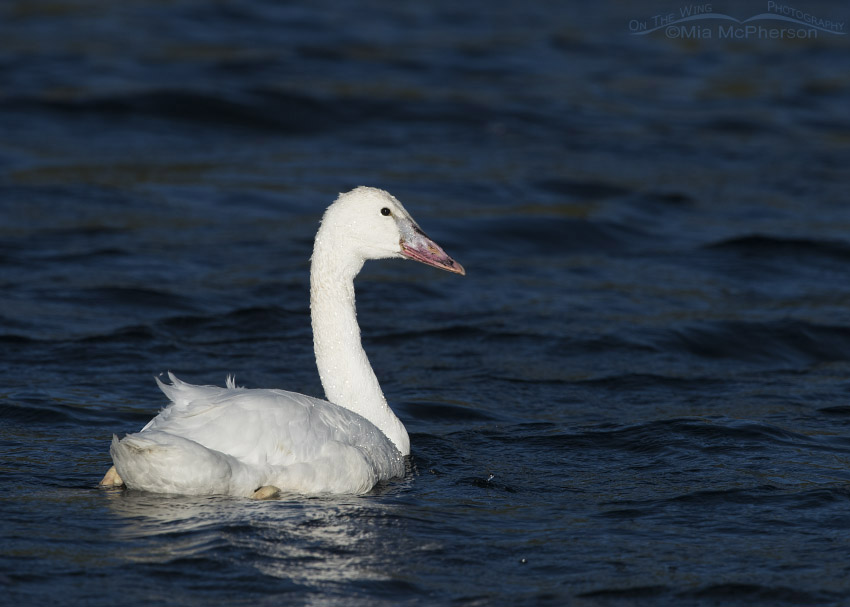
One of my favorite photo sessions of that trip last fall was an evening spent with the Trumpeter Swans of southwestern Montana in gorgeous evening light.

I was tickled to photograph this American Avocet as it fed but it wasn't until later that I knew it was devouring a tiny crayfish.

I came across this image and realized that the Red-naped Sapsucker had its tongue stuck out and I hadn't noticed that before.

I miss these young Short-eared Owls but I hope they are doing well and will return next year to breed and have young of their own.

I spent time in northern Utah yesterday and I was able to photograph a juvenile Golden Eagle, Turkey Vultures plus a covey of Gray Partridges.
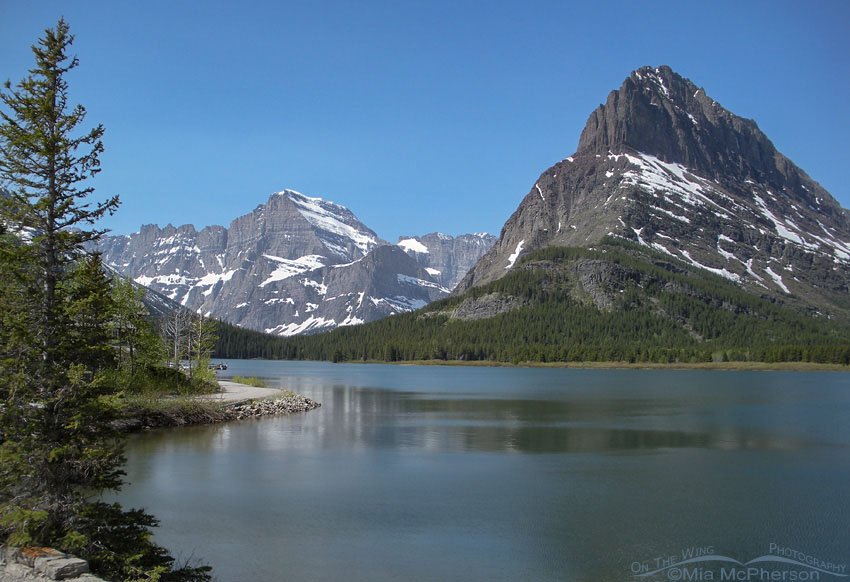
Today marks the Centennial of our National Park Service and entry to our National Parks is free from August 24 through August 28 so that we can all enjoy the celebration.
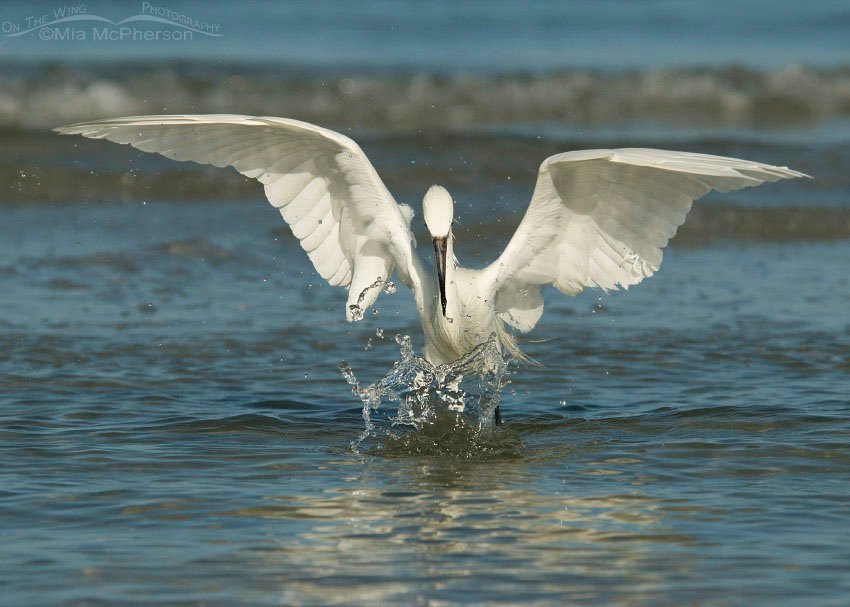
I photographed this white morph Reddish Egret hunting in the Gulf of Mexico in June of 2008 and truly enjoyed observing its hunting behavior through my lens.

It will take several molts before this immature Ring-billed Gull looks like an adult but by now, a year after it was photographed, this juvenile should look more like the adult.
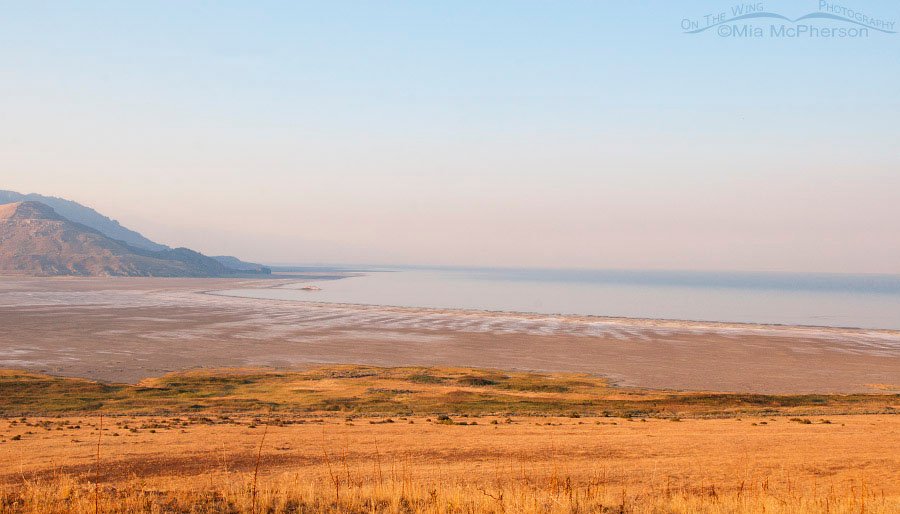
The smoke-filled valley is ugly so yesterday I photographed Utah's smoke filled skies from Antelope Island State Park.
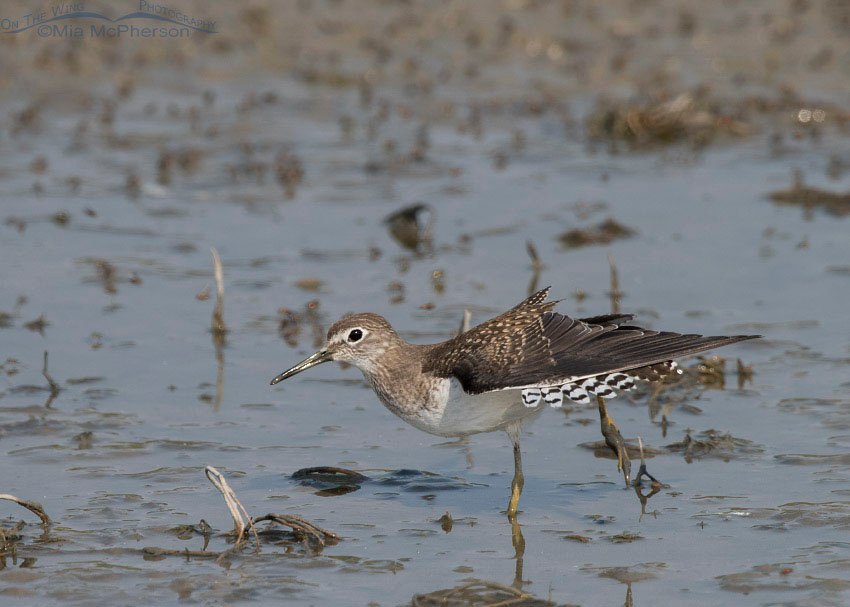
I photographed this Solitary Sandpiper two days ago at Bear River Migratory Bird Refuge and saw several more and I also photographed a pair of them the week before.
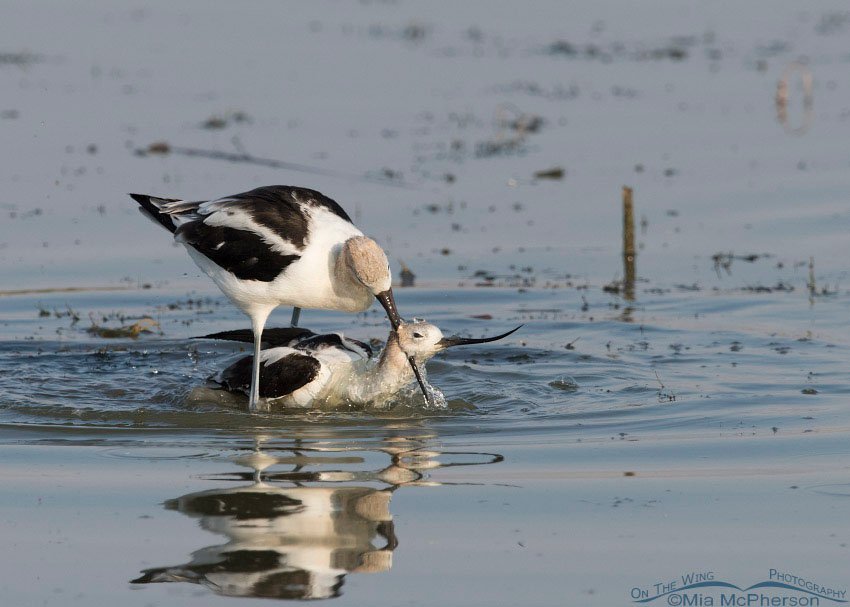
I am unable to find information on line about why this male American Avocet attacked the female so aggressively but I can say that it was fascinating to see and photograph it.

I photographed this sleepy Great Horned Owl male sitting in a opening of the granary, he was probably exhausted from helping his mate raise their young.
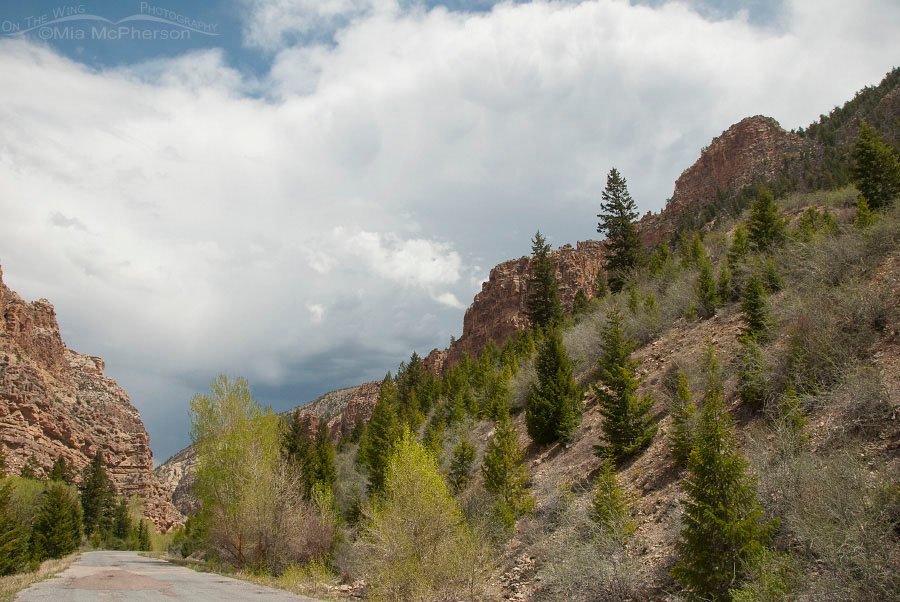
Maybe I have the summer doldrums. I am not sure, but I know I will be glad to get back out shooting again.

The Migratory Bird Treaty Act has been monumentally successful and we need to insure that it continues and not allow the treaty to become weakened.

I haven't been seeing the Short-eared Owls lately and that is most likely because their young are now on their own and they don't need to hunt as much because now they only need to feed themselves.