Male House Finch In A High Mountain Canyon
I see, but don't often photograph House Finches at home, I get most excited about them away from human civilization and in their natural habitats.



I see, but don't often photograph House Finches at home, I get most excited about them away from human civilization and in their natural habitats.
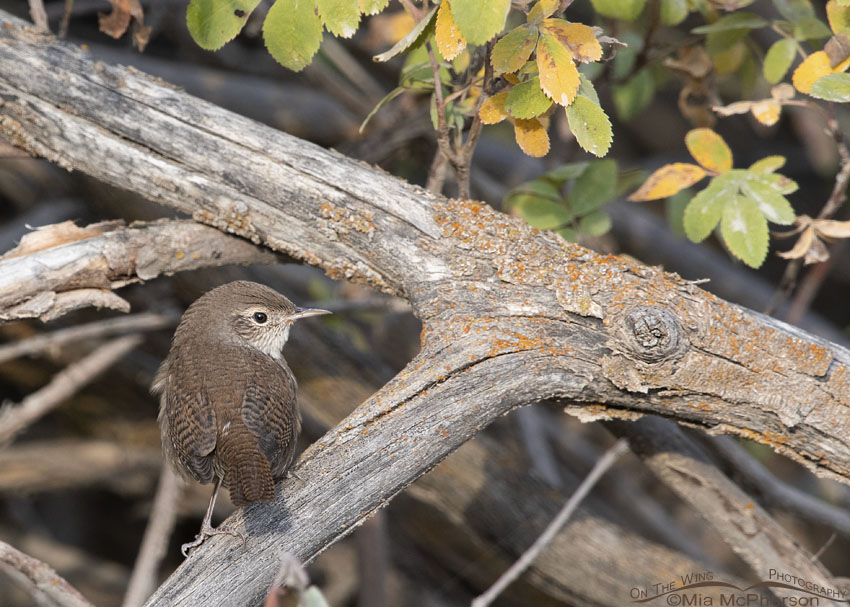
Yesterday morning I was delighted to find two Northern House Wrens foraging in a brush pile in the Wasatch Mountains not long after sunrise. This time of the year the wrens aren't singing like they do in the spring so I have to rely more on my eyes and not on a combination of my eyes and ears to locate them.

I saw plenty of Western Branded Skipper butterflies nectaring on blooming rabbitbrush in both the canyons I explored yesterday morning and I can't resist, nor do I want to, photographing wildflowers and butterflies.

I know, I could grumble about not being able to photograph the young Cooper's Hawk taking its prey down just feet away from my Jeep but you know what? Being there to see nature in action was enough for me.

On Sunday I was up in Box Elder County looking for birds but I also felt I had to stop and take some images of Rocky Mountain Bee Plants that were blooming along side the road.

I looked up and spotted a Western Warbling-Vireo not only out in the open plus it had gorgeous fall colors in the background. I locked focus onto the vireo and started taking images in a long burst!
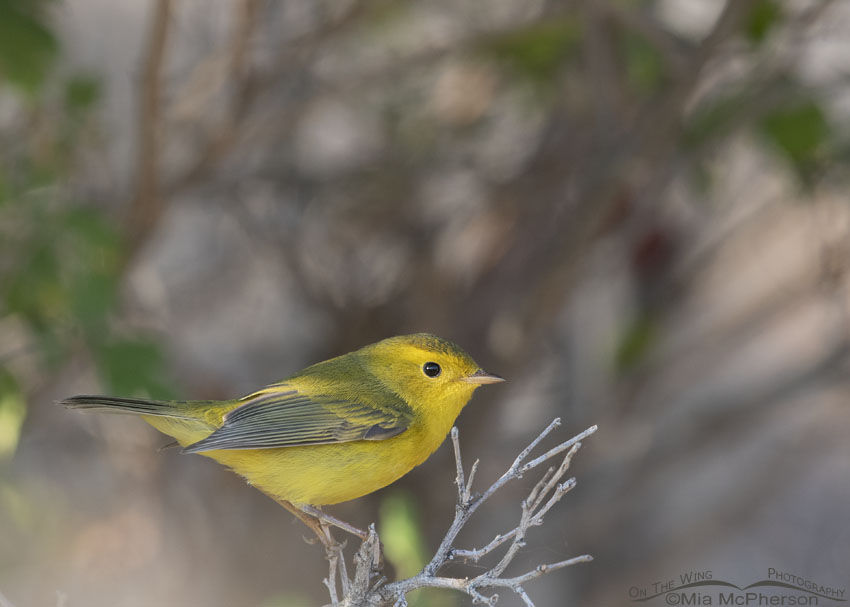
This female or immature Wilson's Warbler isn't a photographic lifer for me but it is the first time I have gotten a decent image of one, most of the time I've gotten blurry images of them of just a small part of the bird.

On August 24th I had an opportunity to photograph this female Western Tanager out in the open perched on a Utah Serviceberry for a second or two.

Yesterday I was surprised to find a Red Fox in a Wasatch Mountain Canyon, it is only my second time seeing a fox in that canyon and the last time wasn't that long ago.

I heard a familiar call, caught a flash of black, gray and white and spotted a Black-capped Chickadee land right in front of a Western Tent Caterpillar tent while calling out a clear "chickadee-dee-dee" to another chickadee that was nearby.

There was plenty of bird activity where chokecherry trees lined both sides of the gravel road, the most numerous birds foraging on the chokecherries were American Robins and many of them were immature birds.

I've had such an amazing time this year photographing Northern Yellow Warblers in the Wasatch Mountains and I've enjoyed learning more about them and their behaviors since early May.
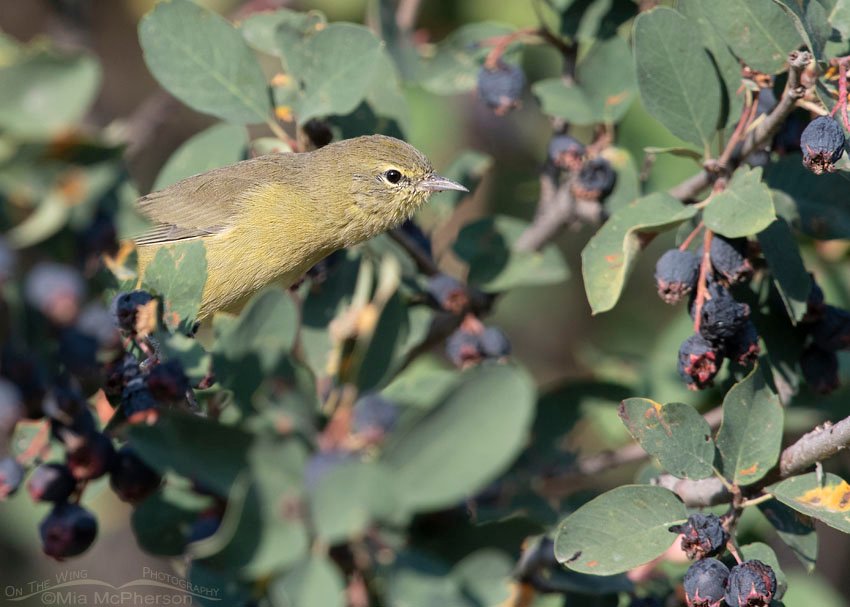
This Orange-crowned Warbler probably wasn't peeking out of the serviceberry shrub at me, it was more than likely looking at the ripe fruit just in front of its bill.

Last week for a few brief seconds I was pleasantly surprised to have a Rufous Hummingbird in my viewfinder while up in the Wasatch Mountains.

Over the past couple of weeks I have been able to photograph male, female and immature Lazuli Buntings as they have been gorging on the fruits of Serviceberry trees to fatten up before their migration.
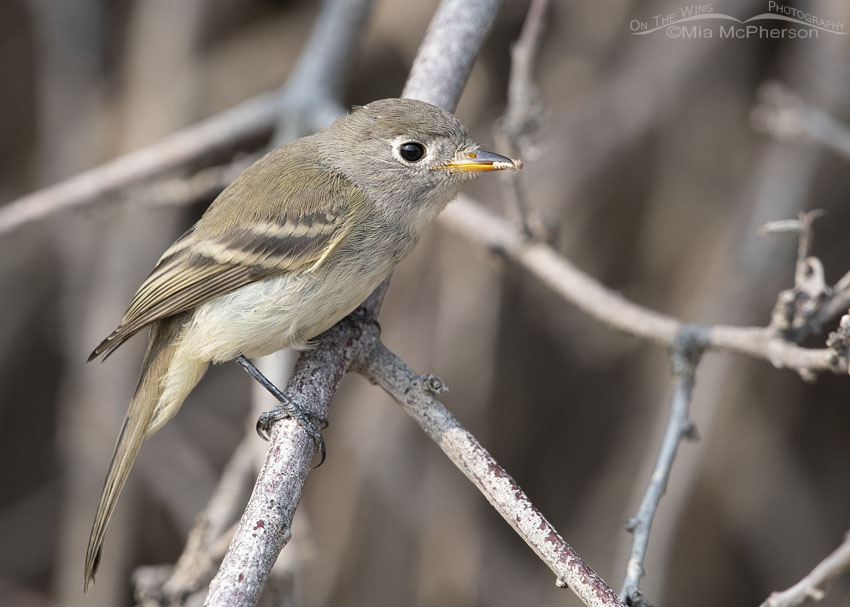
I am glad I didn't rush to report a Least Flycatcher along with the Baltimore Oriole when this little empid is actually a Dusky Flycatcher and a photographic lifer for me.
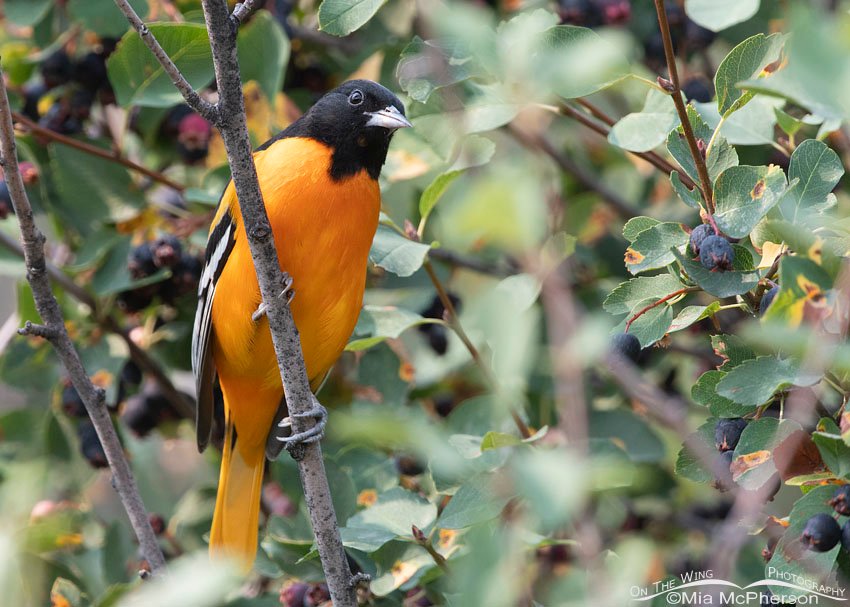
I didn't go up into the Wasatch Mountains yesterday thinking I would find a rare bird but that is precisely what happened after I spotted a beautiful male Baltimore Oriole fly into a serviceberry bush in Morgan County.

Water levels have been dropped in some units at Bear River Migratory Bird Refuge for dike maintenance and this made me think of what might happen in the future due to climate change and if more dams are built on the Bear River and how the reduction of water reaching the refuge might be a huge issue

As I sat creekside in my Jeep an adult Song Sparrow flew in, landed and began hopping around looking for food for breakfast in the vegetation floating on the water at the edge of the creek.
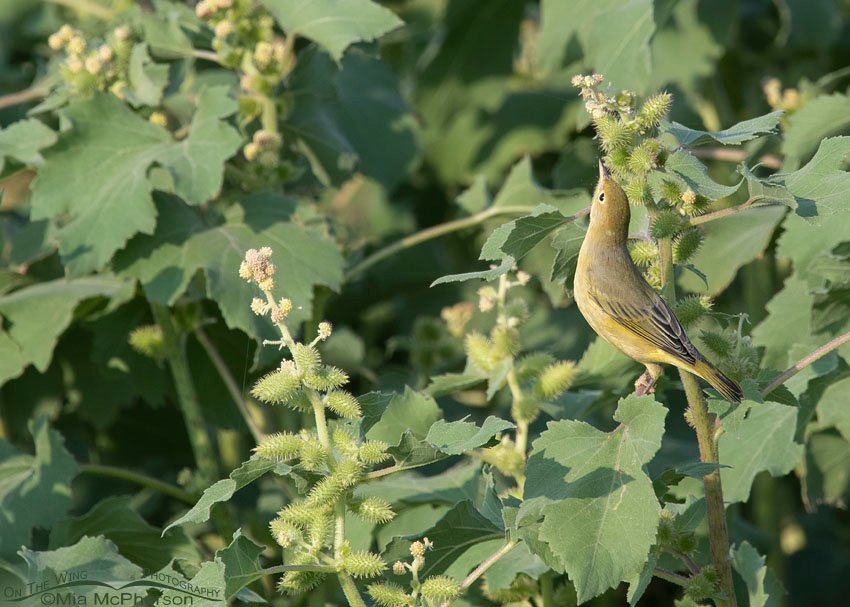
This spring and summer I have photographed Northern Yellow Warblers primarily in mountainous riparian habitat so when I spotted one foraging in a Rough Cocklebur two days ago in the marshes at Bear River Migratory Bird Refuge I was happy to take photos of it.

Because of the avocet's determination to chase off this Greater Yellowlegs I was able to photograph it lifting off from the water with water still dripping from its feet and with the shorebird's head framed by its wings.

When the female American Goldfinch lifted off I liked the eye contact I had with her and how graceful she looked when she raised her wings, when I saw this image on my camera LCD I just had to smile.

I'd driven up into a Wasatch Mountain canyon and was waiting for the sun to rise over the mountains when I spotted several juvenile Barn Swallows perched on a fence right next to the road in lovely morning light.

Even though the sun was high I couldn't resist photographing a juvenile Lazuli Bunting that flew in and perched on a Utah Serviceberry branch because to my eye the setting was both enchanting and very appealing.
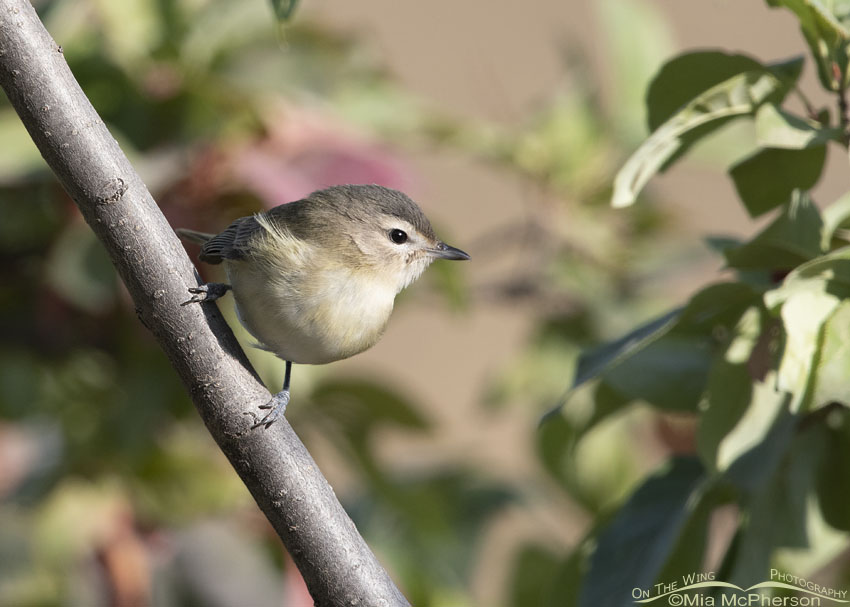
I could wish that the Western Warbling-Vireo had hung around longer so that I could have taken many more images of it but I'm thrilled that I was able to take any photos of the bird at all.

I was photographing birds when I spotted a hairstreak butterfly land right in front of me and took some images of it, I didn't know at the time it was a Colorado Hairstreak butterfly, I found that out later after I got home.

It was a lot of fun photographing adult Gray Catbirds earlier this year and photographing the juveniles learning to be on their own has been equally fun and entertaining.

I spent some time yesterday morning observing, photographing and enjoying the songs and calls of Black-capped Chickadees in a high mountain canyon. Chickadees always bring a smile to my lips and yesterday was no exception.

My chances of getting the Western Warbling-Vireo photos I have dreamed of were awful but I went up into the canyon anyway.
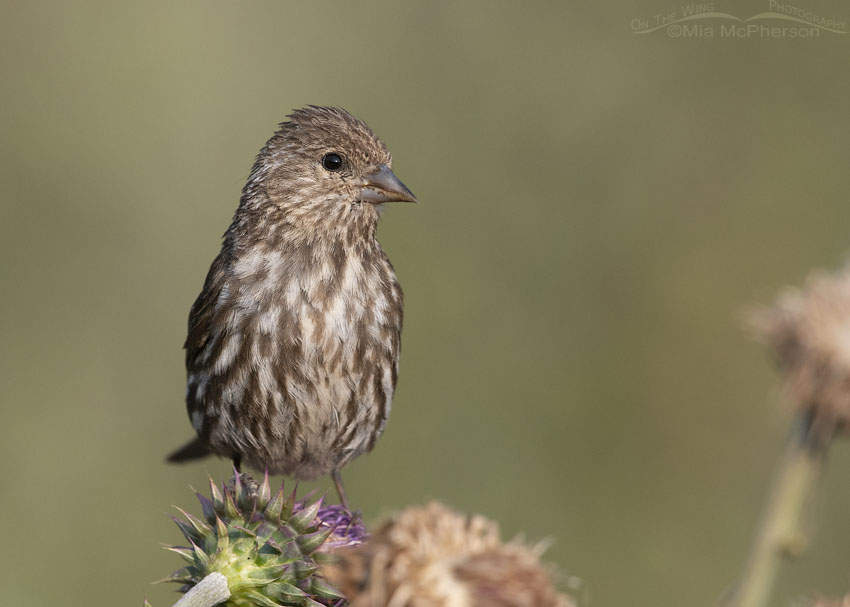
I am always glad when a bird unexpectedly flies in so that I can take close up photos because close ups show so much fine detail in their plumage and that is what happened earlier this week with a Pine Siskin.