Common Mergansers Lifting Off In Sweet Golden Light
I'm fortunate that I live near two ponds here in Salt Lake City where I can find Common Mergansers at this time of the year and I appreciate being able to photograph them so close to home.



I'm fortunate that I live near two ponds here in Salt Lake City where I can find Common Mergansers at this time of the year and I appreciate being able to photograph them so close to home.
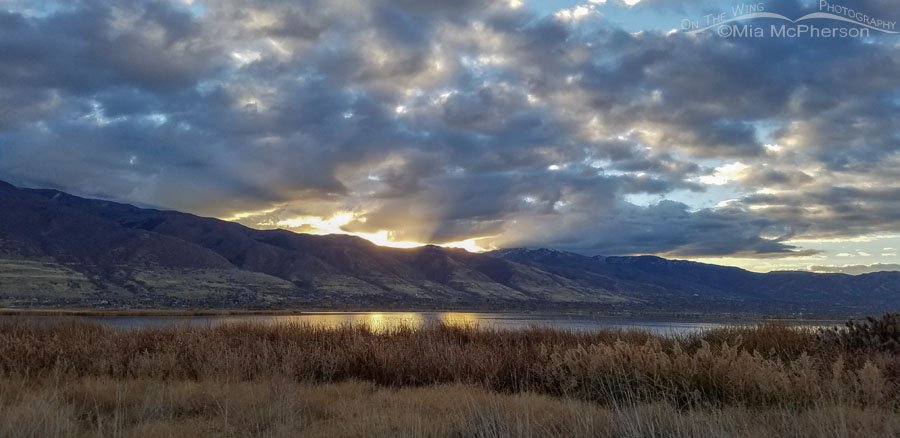
It isn't often that my best photo of the day is a simple cell phone snap but that is kind of what happened yesterday at Farmington Bay WMA.

I was able to photograph two immature Red-tailed Hawks at East Canyon State Park and the photos I am sharing today are of the first one that I found.

I've been seeing lots of Greater Yellowlegs recently at Farmington Bay WMA here in northern Utah and that might seem unusual because signs of winter have already shown but it really isn't that unusual at all for this species of shorebirds.

Yesterday morning for a few moments I had one of those opportunities with a Red-tailed Hawk perched on top of some trees in East Canyon where the mountains in the background where still in the shadows and because of that the bird seemed to glow.

Yesterday morning I photographed American Goldfinches, House Finches and White-crowned Sparrows that were busy feeding on greasewood seeds.

I checked eBird this morning and I only see one person reporting American Tree Sparrows so far this autumn in northern Utah so hopefully that means one more cold front pushing through and I will be seeing these long-tailed, rusty capped sparrows with their gray heads, rusty eyelines and bicolored bills.
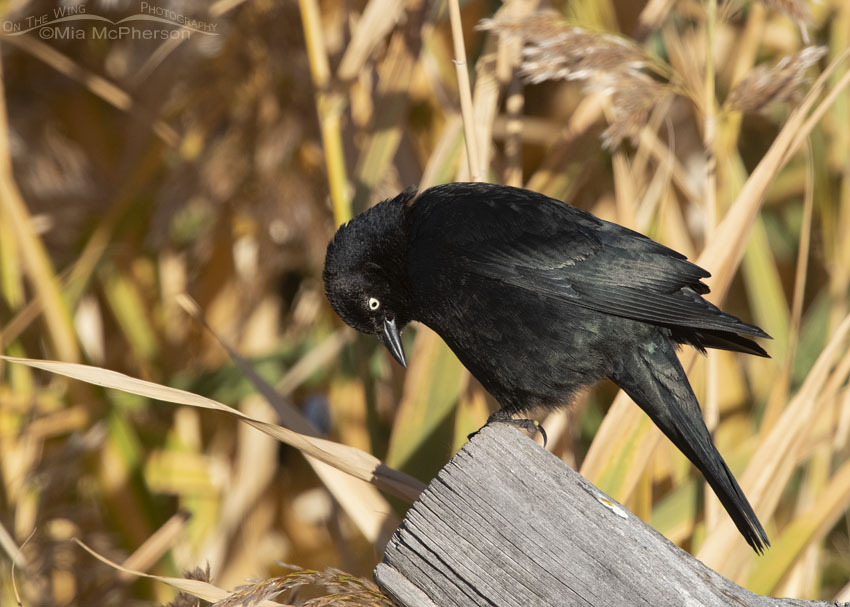
Two days ago I had a male Brewer's Blackbird in my viewfinder near Glover Pond in Davis County, I photographed him as he perched on a fence post with fall colors in the background.

Does this Short-eared Owl chick with bright yellow eyes look scary to you? It sure doesn't to me.

While I would have enjoyed having this male American Kestrel closer to me as it turned in flight than it was yesterday morning I found that I liked this frame with the tiny falcon turning in flight being small in the frame too.
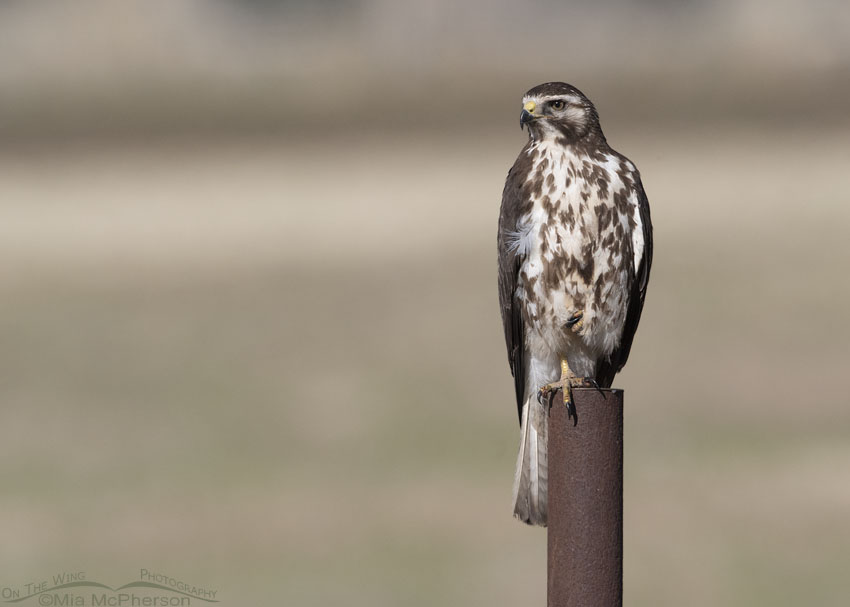
By this time of the year Swainson's Hawks have left Utah and headed towards South America to their wintering grounds but the memories I have of the hawks never leave me.
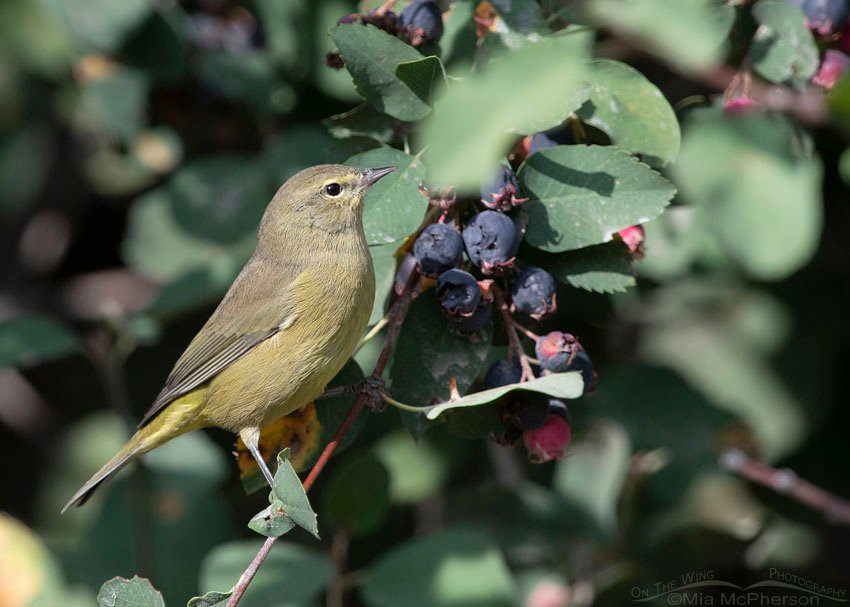
I was looking through some of the images I took in August and came across this photo of an Orange-crowned Warbler foraging in the Wasatch Mountains and realized I hadn't processed or shared it yet.

Yesterday I photographed a small covey of California Quail, this the second time this month that I have seen and photographed these small upland game birds that have wiggly, little head plumes.
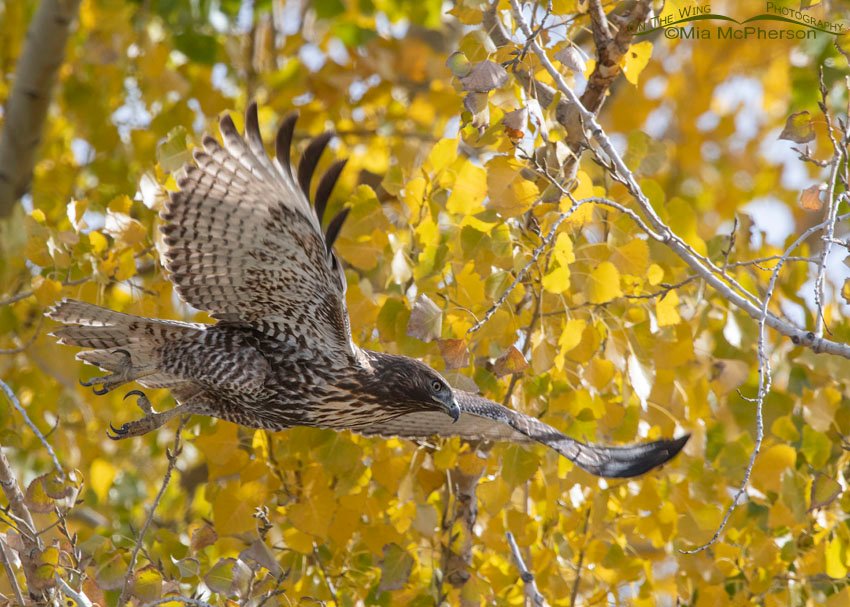
The more I have looked at this image over the past year the more I liked it for the flight pose, the look at the Red-tailed Hawk's plumage colors against those yellow leaves and somehow the poor lighting conditions became less significant to my eyes.

So it wasn't a great morning but it wasn't all that bad either because I was able to focus on a Short-eared Owl, Brewer's Blackbirds and one curious Long-tailed Weasel.

I've been collecting images of immature White-crowned Sparrows that I have taken over the past month or so up in Box Elder County because of all the different settings I have photographed them in.
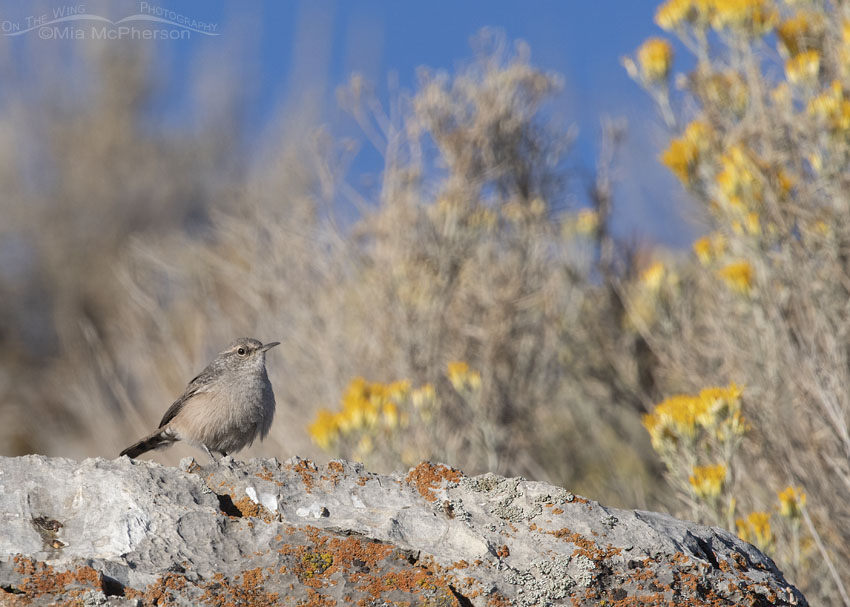
Last month I was able to take my best photos of Rock Wrens so far since I moved to Utah but even those aren't as close to the bird as I would have liked them to be.

Personally I am fascinated by European Starling murmurations, their interesting, beautiful plumage and how they can mimic the calls and songs of other birds.
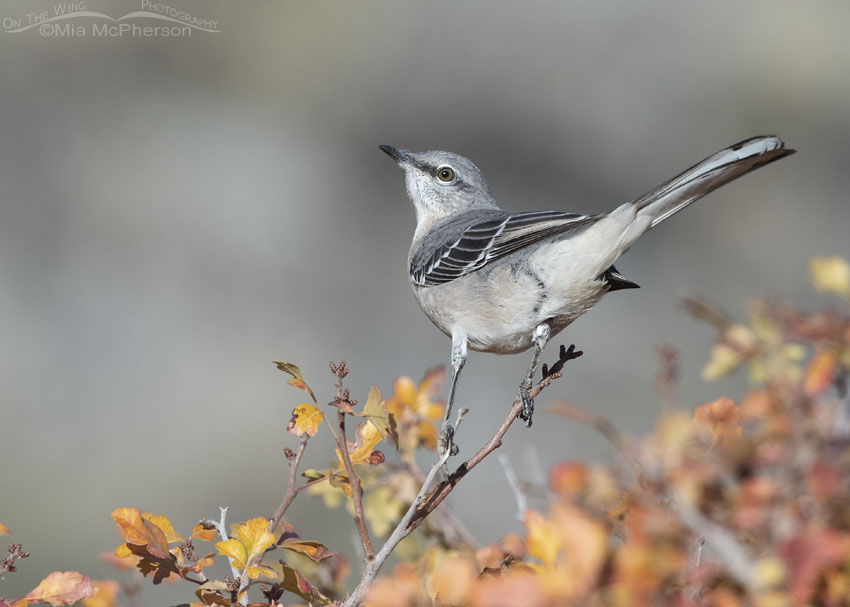
Some days one good bird is all I get and if I hadn't spotted this cooperative Mockingbird on a Fragrant Sumac in northern Utah yesterday I would have been mostly skunked.
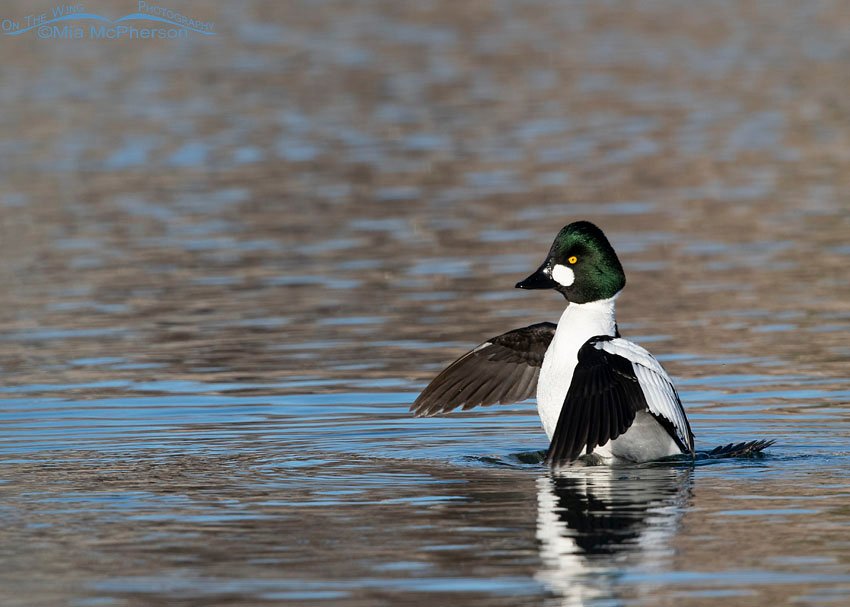
I only see Common Goldeneyes in northern Utah during their nonbreeding season because they breed well north of here so I get a touch excited when they show up at my local pond.

With cold fronts moving in it is indeed time for me to keep an eye on the sky for flocks of Tundra Swans migrating back into northern Utah
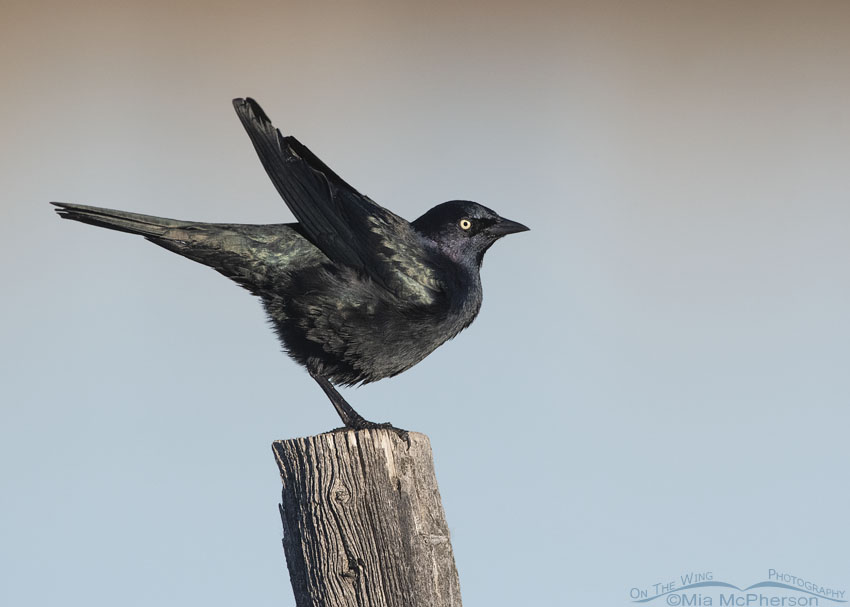
A male Brewer's Blackbird had been preening on a fence post when he started to shake his feathers and that action sure showed his iridescent plumage off nicely.
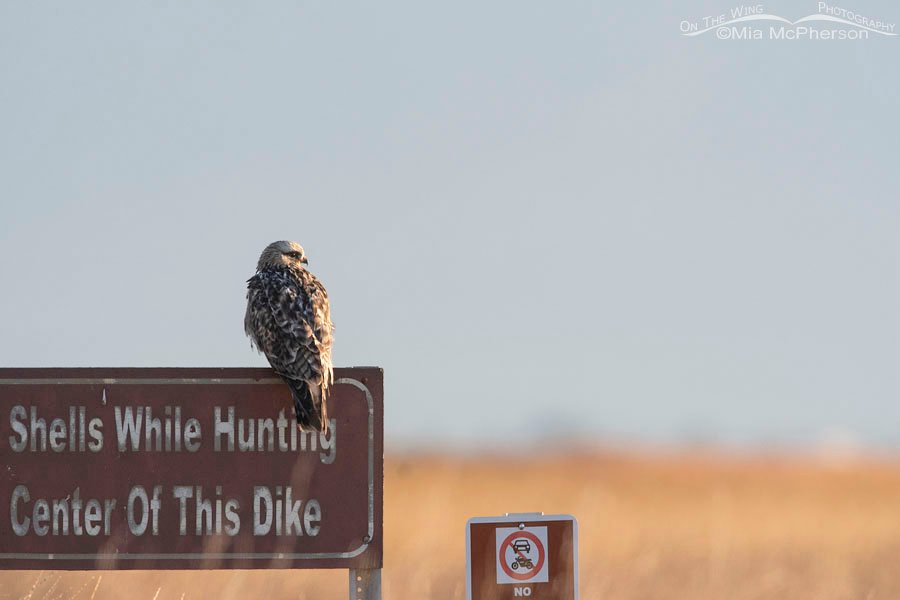
My big excitement yesterday morning was seeing my first, second and third of the year Rough-legged Hawks at Bear River Migratory Bird Refuge and the next thing was seeing all the changes that have happened at the refuge since my last visit.
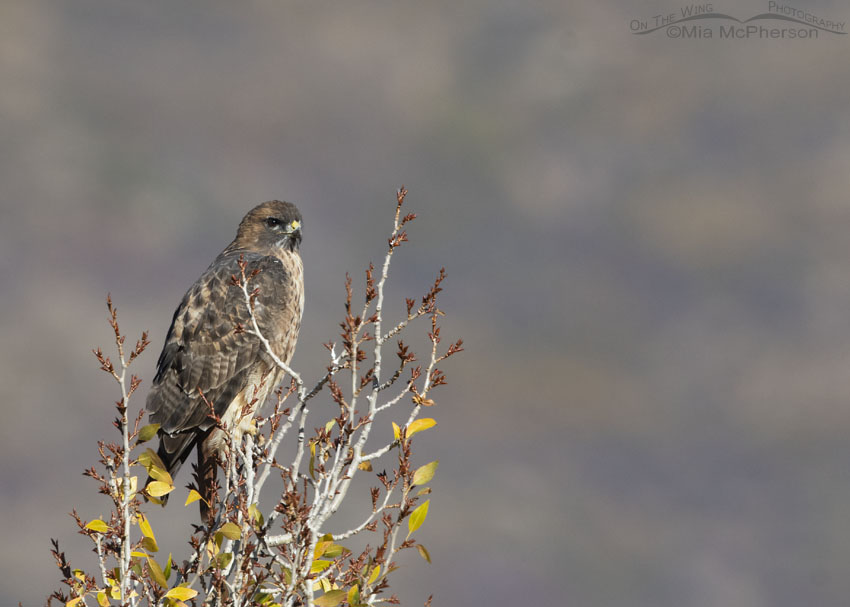
I saw a low of 15°F yesterday morning up in the East Canyon of the Wasatch Mountains and I also saw plenty of Red-tailed Hawk adults perched in trees and flying along the way.
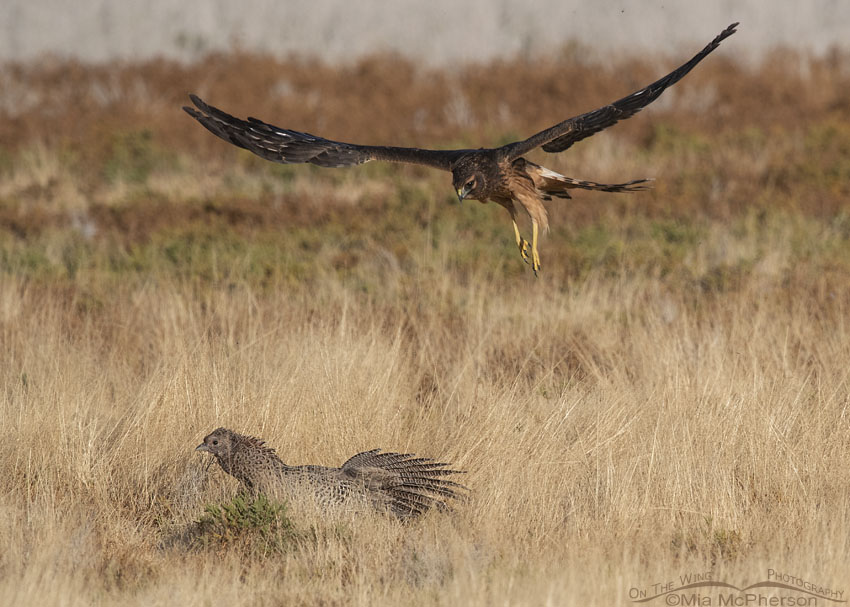
A few weeks ago I observed and photographed an immature female Northern Harrier repeatedly harassing a Ring-necked Pheasant hen out on the marshes at Farmington Bay.

Two days ago I found two California Quail hens perched low in a tree in Davis County, Utah and I was delighted that one of them was out in the open in nice light.
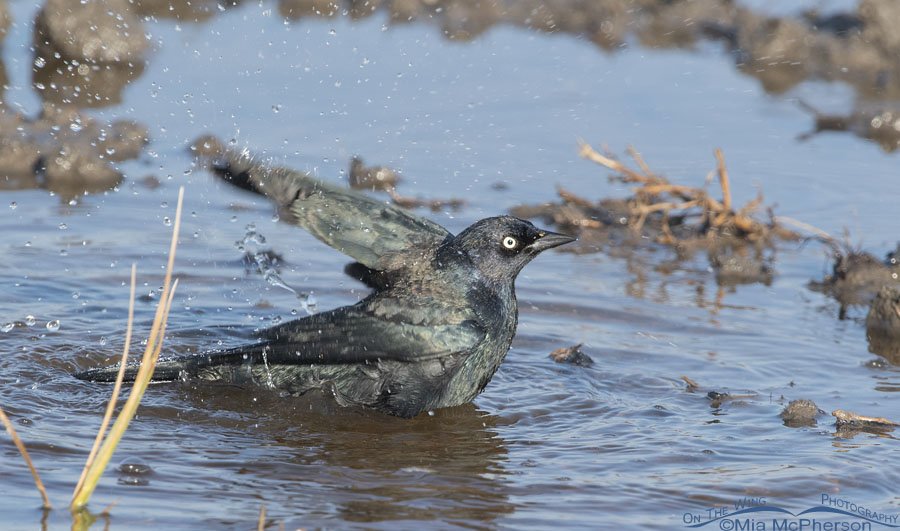
The Brewer's Blackbird seemed to be really throwing himself into his bath as he splashed around, dipping his head into the water then shaking his entire body as his head rose above the water.

My best bird that morning was this adult American Robin that fluffed, preened and gobbled down some berries while perched in a Utah Serviceberry tree.

The first time I remember seeing Cattle Egrets I was a child who had just moved to interior Florida, I think I was in the second grade at the time or about 7 to 8 years old and these white birds that followed cattle around seemed so fascinating and exotic to me.

The unusually colored feathers of this Great Blue Heron that I photographed on September 24th of this year caught my eyes because it has some white feathers in its crown where normally all the feathers are dark black.