
Cooper’s Hawk With Prey Plus An Unintentional Blur Photo
It was a bitter cold January morning in 2016 when I photographed this Cooper's Hawk on prey that I found not far from where I live.
Four days ago I was able to take my first photographs of Long-billed Curlews this year on Antelope Island State Park and although I was disappointed in the quality of most of the images I took I enjoyed seeing these large sandpipers again.
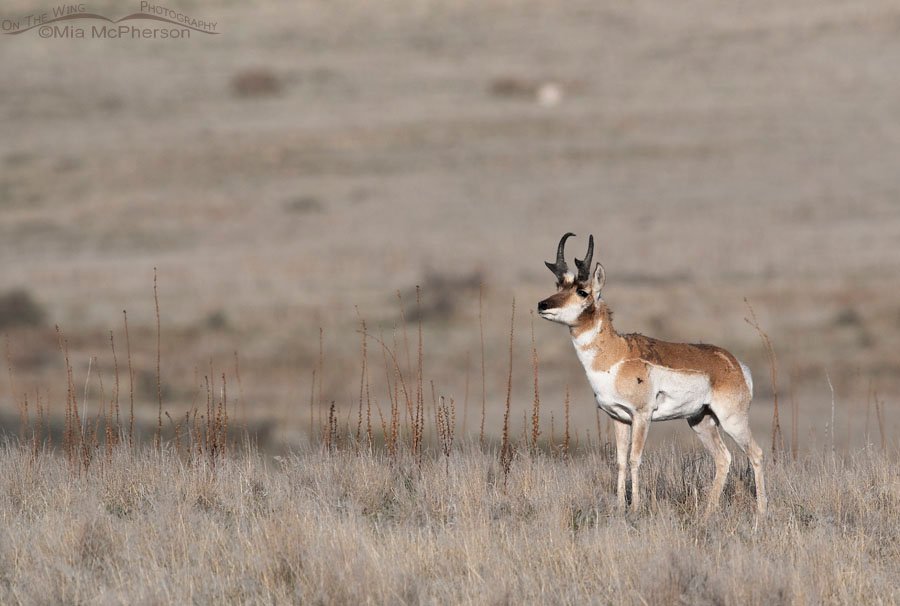
I always enjoy taking photos of the pronghorns on Antelope Island State Park and appreciate the fact that they are approachable and far less skittish than the pronghorn I have encountered in quite a few other locations.
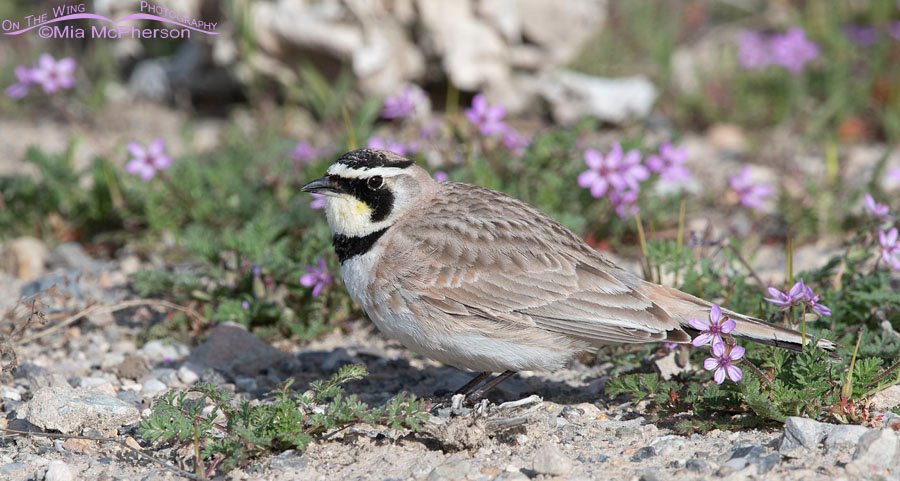
I like this photo for the eye contact, the fine details in the plumage of the bird, the stretched wing, light and how his one foot is raised, plus I think Horned Larks are beautiful songbirds.
I spend a lot of time in the field looking for, observing and photographing owls and obtaining photos of them in flight can often be frustrating when I have the opportunity but very fulfilling when I accomplish my goal.
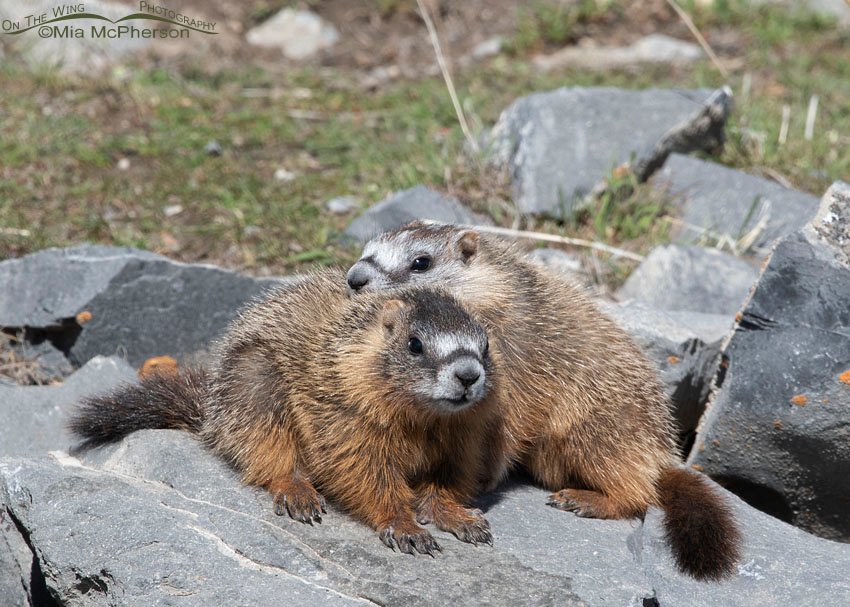
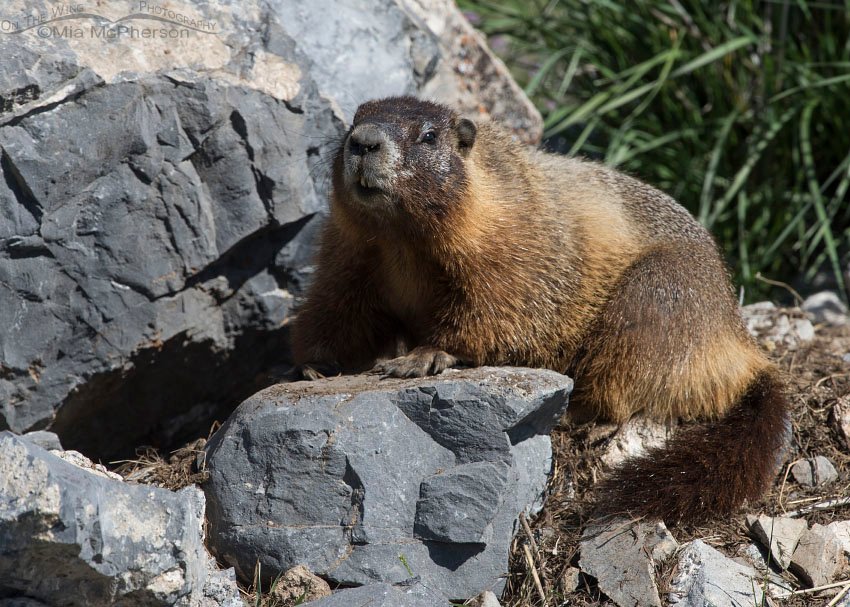
I get excited to see and photograph my first Yellow-bellied Marmots of the years, sunning on rocks, scurrying along a hillside, nibbling on fresh spring grasses or calling out an alarm because a raptor is flying overhead.
Yellow-head Blackbirds made their presence known at Bear River Migratory Bird Refuge two days ago by displaying and because of their odd mechanical calls that sound like a rusty metal gate opening and closing.
My friends Amy and Bruce Barker saw a Western Grebe at Bear River Migratory Bird Refuge a few days ago and that has gotten me excited, I always miss the grebes during the winter.
Seeing a few flocks of Tundra Swans in flight two days in northern Utah was a reminder that these big, white swans have already begun their migration to their breeding grounds on the tundra of northern Canada and Alaska.
It is the time of year when Red-tailed Hawks begin to nest, by now most of them here in northern Utah have already selected a mate so they find a nesting location and start to collect nesting materials as the days grow longer and warmer.
I dug into my archives and picked these Northern Flicker photos from May of 2015 to share today because I saw a Northern Flicker yesterday and thought of how they will soon start excavating their nesting cavities to rear their young in.
It was one year ago today that I saw and heard my first Long-billed Curlews of the year and this morning as I sit here knowing there are cloudy skies outside I am wondering if the curlews have returned to northern Utah today as well.
Two days ago I noticed one Pied-billed Grebe carrying vegetation in its bill which I presume it was gathering to build its floating nest at a small pond at Farmington Bay WMA and later on I heard the call of a Pied-billed Grebe, located the grebe and photographed it as it called.
A few nights ago I opened the door to check out the cloud cover and weather conditions before going to bed and for the first time since I moved to Utah I heard a flock of calling Killdeer flying past in the pitch black night.
It just seemed fitting on St Patrick's Day to post something with a bit of green in it so I selected this House Wren photo I took in May of 2014 in the Targhee National Forest in Clark County, Idaho.
I'm getting ansty for spring migration and for the birds that it will bring including Burrowing and Short-eared Owls which I always look forward to photographing here in northern Utah.
The last couple of times I have gone to Bear River Migratory Bird Refuge and further north of there I have been so happy to hear and see, even if from a long distance, the return of our Sandhill Cranes.
I've never seen a Bananaquit in person or in photos that didn't look like it was grumpy, I guess it is their facial features and the downward curve of the bill that makes me think that but I still think they are gorgeous little birds.
I can barely wait to see my first Sage Thrasher of the year warming up on a rock in front of the Great Salt Lake, scurrying along on the ground, perched on top of sage or rabbitbrush singing or displaying.
I try to take my bird photos with my subjects in natural settings and I spend a lot of time out in nature to do that but I'm realizing I need to include the "hand of mhumans" in my bird photos too because some species fit into the urban environment as easily as they do out in more natural areas.
Yesterday while photographing the birds at my local pond this resting Canada Goose caught my eye because of the bright blue water behind it and the great view I had of the eye of the goose while it had its bill tucked under its feathers.
This Black-billed Magpie had been perched on the top of a leafless greasewood when it lifted off from it and flew almost directly towards me with its body and wings turned sideways in flight.
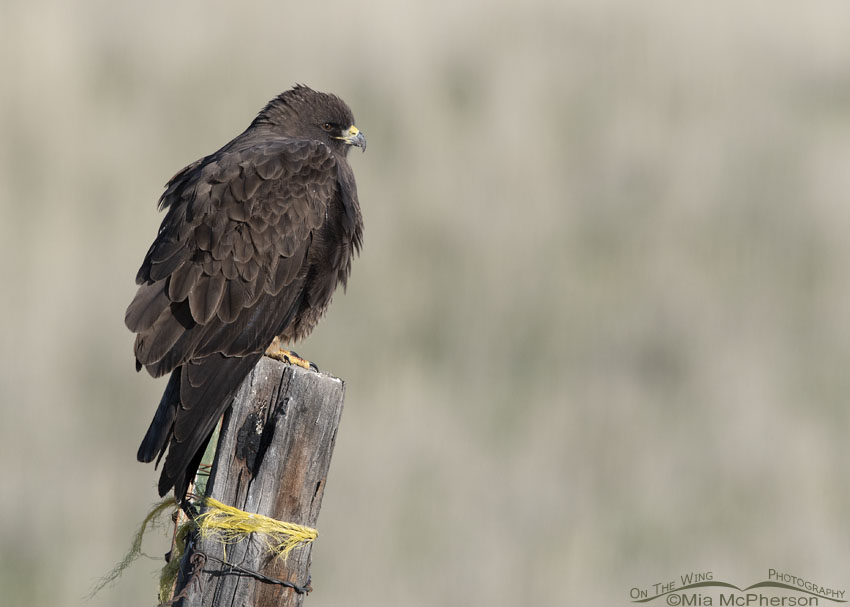
When I photographed this adult Turkey Vulture in northern Utah last year it wasn't alone, there were several other vultures roosting near it that morning on fence posts and a locked gate and I took a lot of images of all of them.
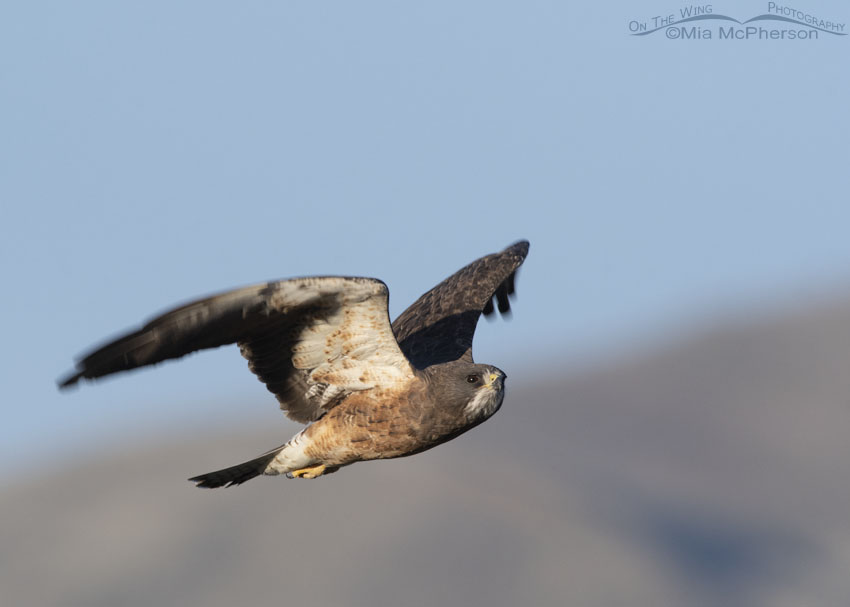
These two Swainson's Hawk photos were taken in May of last year up in northern Utah from inside a vehicle being used as a mobile blind and both were photographed from the side of a road where they had become accustomed to traffic going by so they weren't skittish at all.
This California Gull blur in a snow storm was one of those blurs that happened because of slow shutter speeds and low light but I found that I liked the resulting photo and will call it a happy accident.
In Florida I most often photographed Red-winged Blackbirds at north beach of Fort De Soto County Park where I could reliably find them in the sand dunes, sea oats, spartina and mangroves all year long.
I've been seeing Redheads at my local pond over the winter but most of the time they have stayed on the other side of the pond so having this one up a bit closer and flapping his wings was a delight.
One might ask what do Greater Sage-Grouse have to do with our public lands and the answer would be that more than half of all remaining habit for these large upland game birds is on our public lands in the Western U.S..
When some Canada Geese started swimming towards me I took a burst of photos hoping to get a at least one image where snow wasn't blocking the view of the eye of the goose in the front.
Canada Geese can look a little goofy when they are landing because they often use their wings, tails and even their feet as brakes to slow themselves down right before they land.