Montana Is Beckoning To Me…
Seeing the word "Montana" so often has gotten me anxious, antsy and itching to head north soon to see more of a state that beckons to me because I have fallen in love with it.



Seeing the word "Montana" so often has gotten me anxious, antsy and itching to head north soon to see more of a state that beckons to me because I have fallen in love with it.
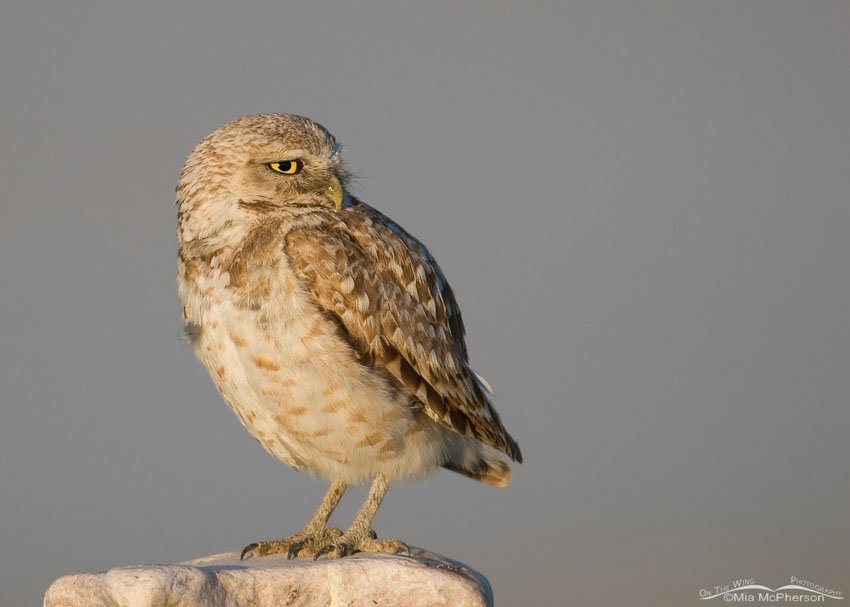
I've selected a few Burrowing Owl (Athene cunicularia) images taken a few years ago to post today.
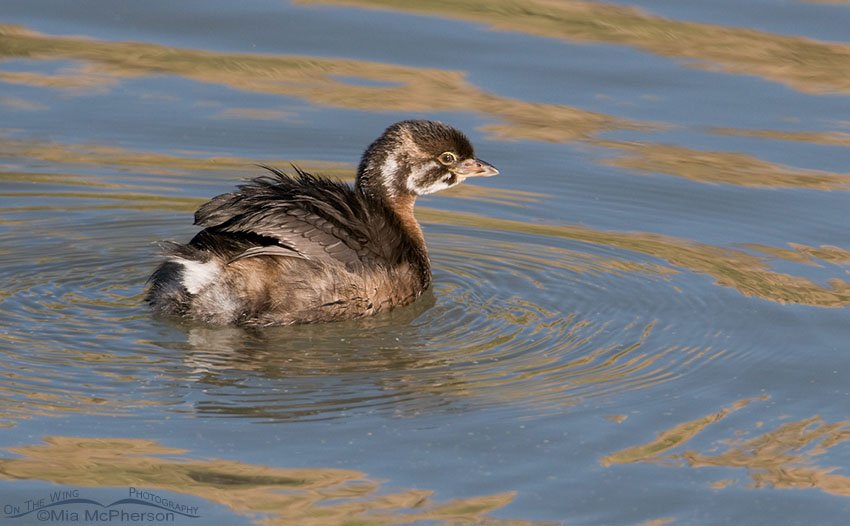
As I observed and photographed this Pied-billed Grebe juvenile it preened some, did a few stretches and fluffed up it feathers.
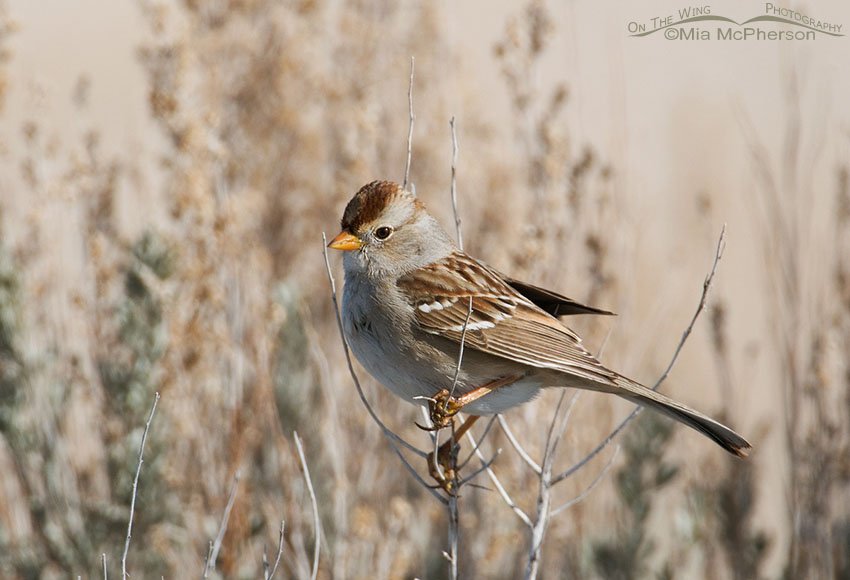
Yesterday while I was out photographing on Antelope Island State Park I came across a small flock of White-crowned Sparrows right next to the road.
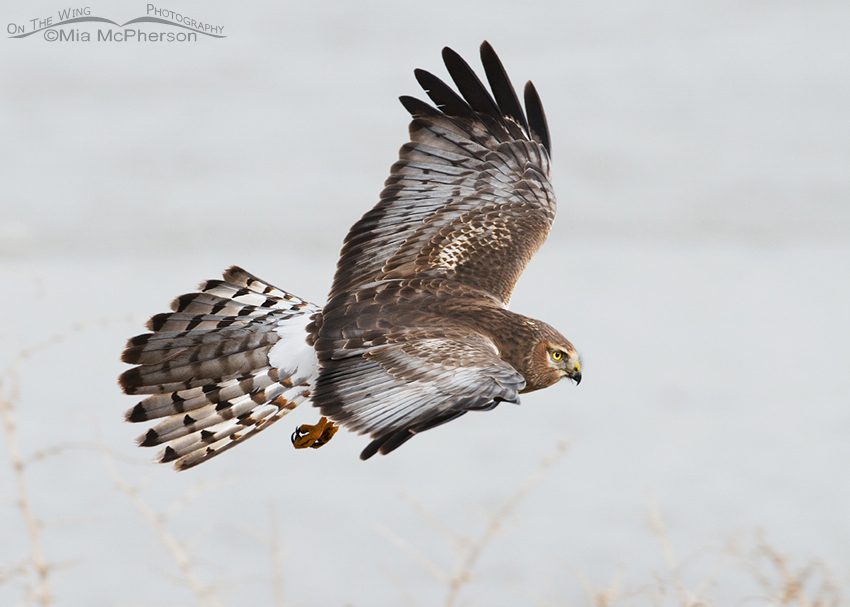
This Northern Harrier displayed interesting behavior, it didn't appear to be hunting but it would dive into the vegetation where it would make a sound that reminded me of parrots chattering.

These images are from an afternoon just like that when I happened to find and point out a lovely Rough-legged Hawk on a breezy day.
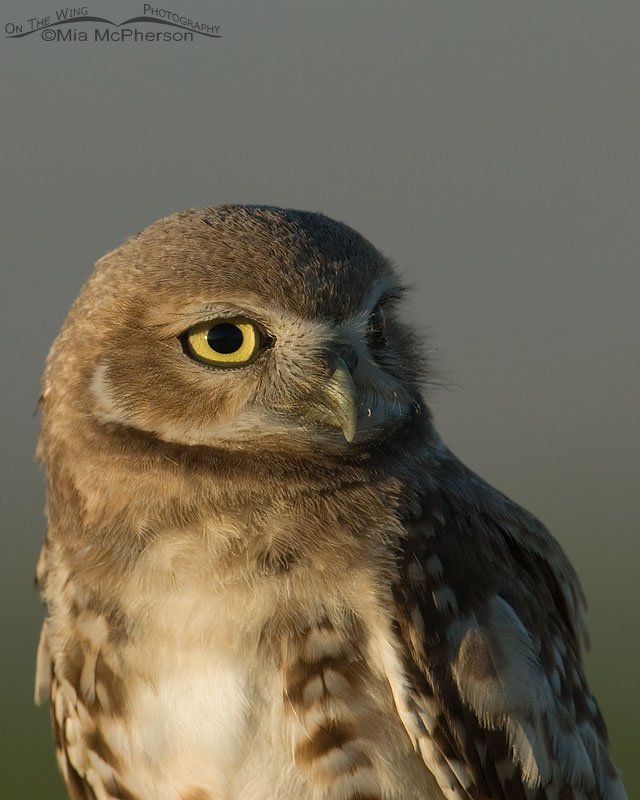
Burrowing Owls are beautiful birds with lemony yellow eyes, downy soft feathers and subtle coloration. It's hard to believe that they aren't that much different in size from an American Robin.

Where is the light when you want it? Yesterday it was hiding behind the clouds and lake fog when I spotted this Peregrine Falcon at a close distance, on prey and sticky.

Many of my regular readers probably know that I have been having a great time the past month photographing Rough-legged Hawks and Prairie Falcons so I selected an image of a Prairie Falcon to post for my Friday Photos today.

It seems that people either love high key images or they hate them. Personally; I believe that when a high key image is done well that they can be very appealing and have a place for them in my portfolio.
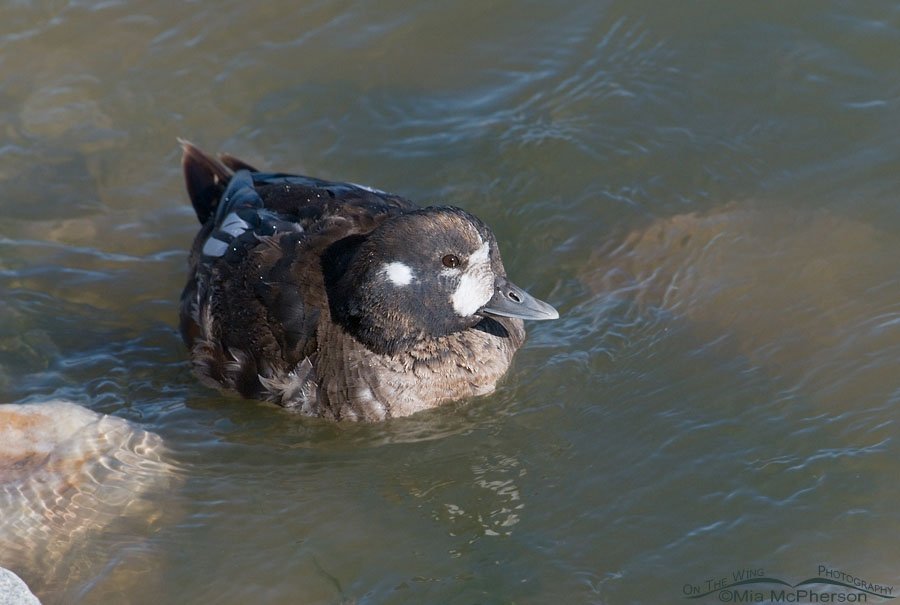
To those hunters who recognized and respected the rarity of those beautiful and very uncommon birds, you have my respect and I am personally very grateful that you preferred to give these ducks a pass even though you knew that hunting them was legal.

I can relate to the hawk in a way, just like it doesn't always get the prey it is intent on, I don't always get the shots I want.
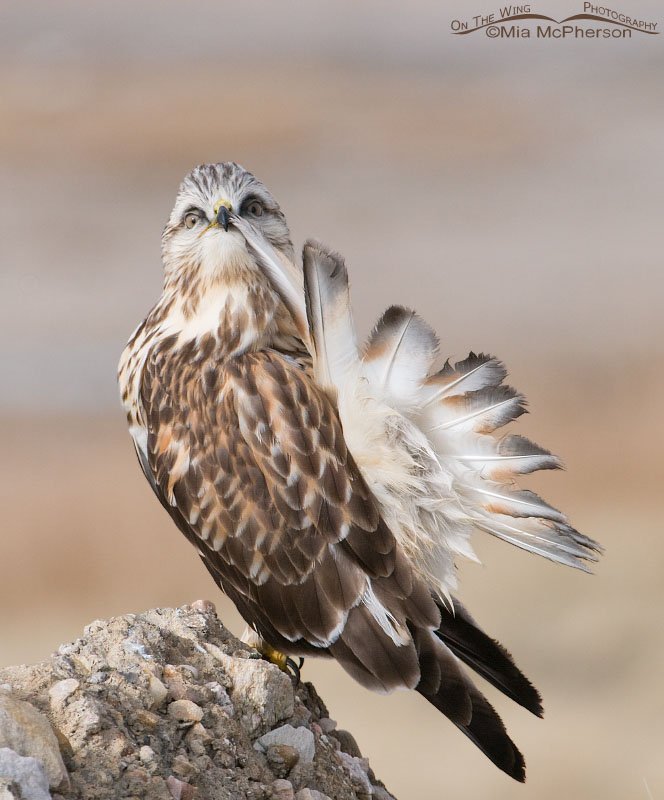
Last week though I had the opportunity to photograph a very cooperative Rough-legged Hawk preening.
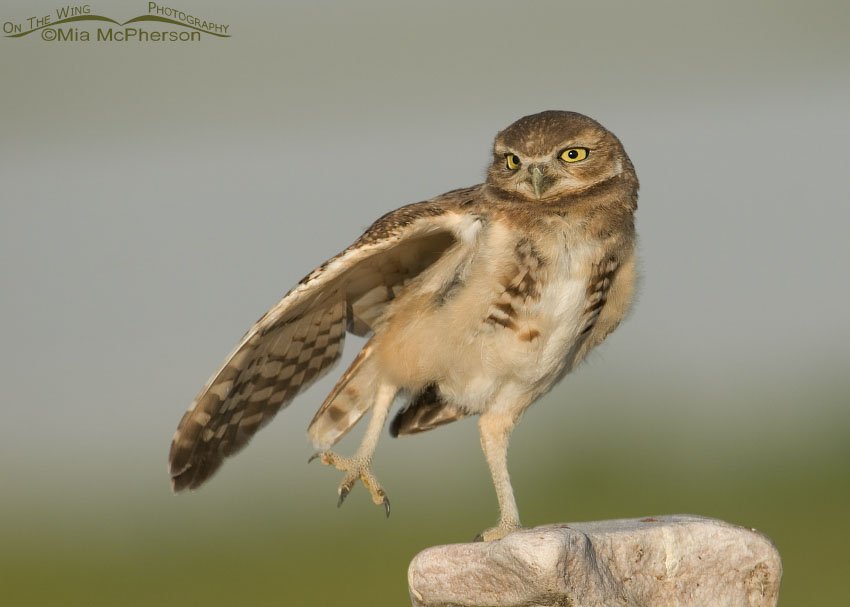
I adore Burrowing Owls, especially the juveniles because they can be funny, serious looking, comical and at times they act like clowns.

I have been very pleased to add so many images of Rough-legged Hawks to my portfolio in just the past week and hopefully these Roughies will stick around until late February of next year so there will be many more opportunities.

Wow, two nemesis birds photographed in a week, this Prairie Falcon was amazing. I'll be grinning (and dancing) about this for quite awhile!

Eureka! The Rough-legged Hawks are back from their high subarctic and Arctic breeding grounds and they seem to be showing up in larger numbers than I have seen them since I moved to Utah.
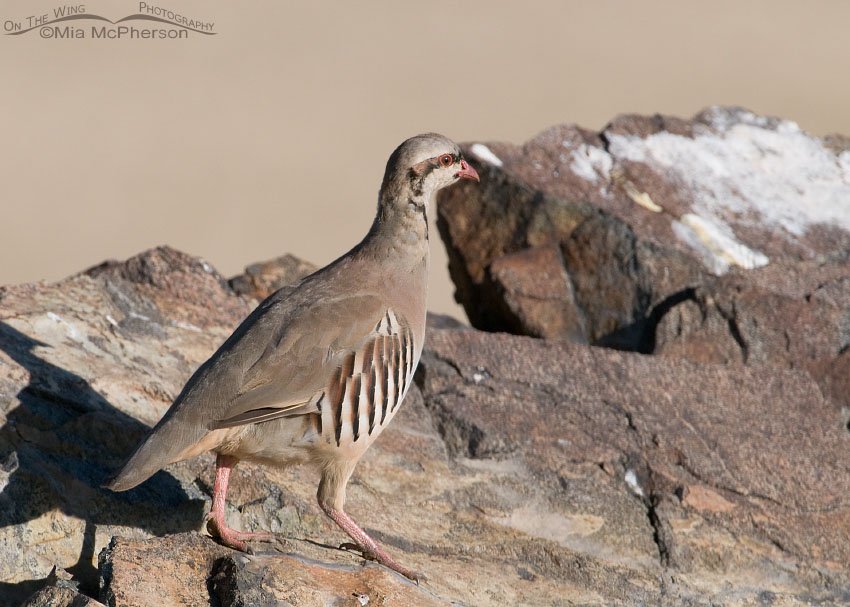
I have learned that you have to be prepared to be a bird photographer and additionally that you need to be fast because birds are free moving creatures. There are times that you simply don't or won't have time to change your camera's settings.
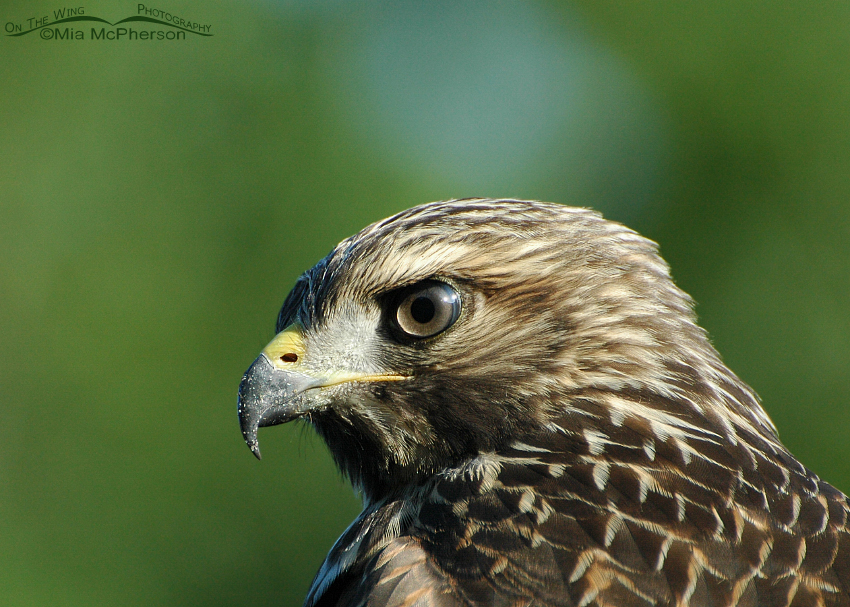
This very cooperative juvenile Red-shouldered Hawk was used to the people who frequented Sawgrass County Park and it would land very close to humans.
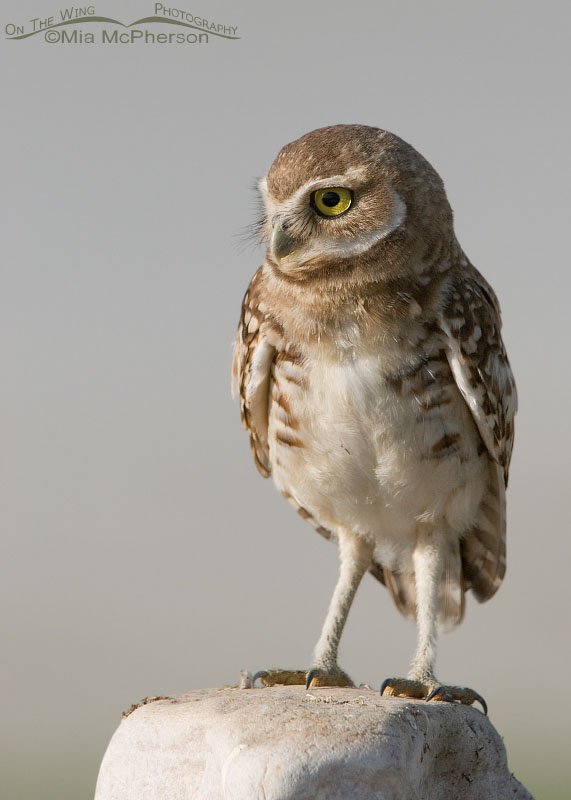
This is probably one of the moments where the juvenile Burrowing Owl looked more serious than at other times.

My friends say when my images have such a low angle that I must have been "Down 'n dirty". Well I know for sure I was dirty, I had sand everywhere!

I watched this American Oystercatcher juvenile and its sibling from the time they were just tiny chicks beginning the day after they had hatched.

I really, really, really wish these young American Barn Owls had been perched on something that looked more natural than old bent metal with droppings all over it

Sometimes I just feel so lucky being a bird photographer. Not only do I get to be outside in nature when I am photographing, but I get nice surprises too like when this Long-billed Curlew juvenile approached near enough to get head shots of it.

This young Yellow-crowned Night Heron moved very slowly and it seemed to do that deliberately.

The juvenile Long-billed Curlew was foraging and preening in the vegetation on the ground below the adult perched on the boulder

Soon after that I saw the shape of a larger bird near where the Coyote had gone into the sagebrush which turned out to be an adult Short-eared Owl.

Cliff Swallows catch and eat flying insects of many species the wing so I adore them because they eat mosquitoes, an insect that I personally despise!
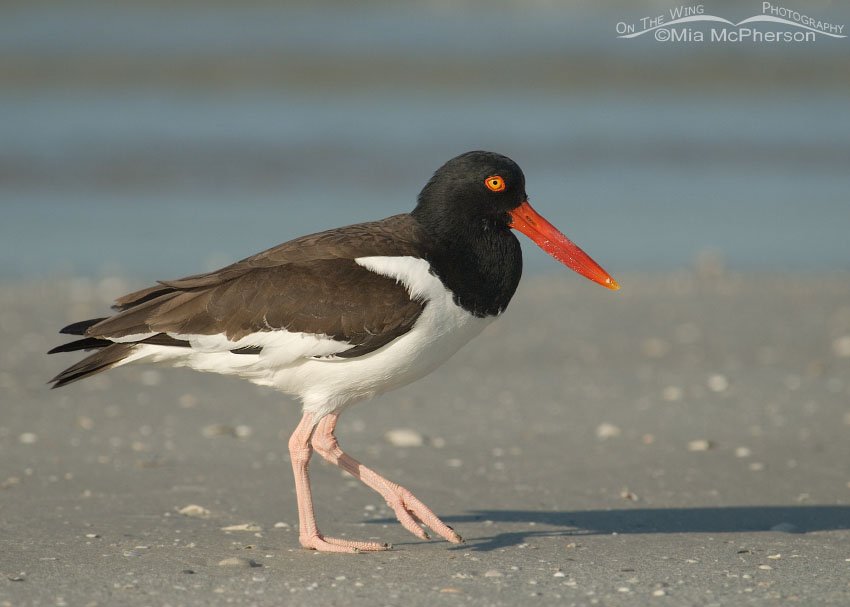
American Oystercatchers are fascinating birds to photograph, They can strike unusual poses and their plumage is spectacular in flight. I enjoyed watching them pry open bivalves with their long bill

Adults have black eyes, the Black-billed Magpie juveniles have blue, gray or even violet eyes.