I Love Chukars In Snow!
These Chukar images were taken last Friday and this bird is the same one in my post titled "Some fun with birds from yesterday", I wanted to share more photos of it.



These Chukar images were taken last Friday and this bird is the same one in my post titled "Some fun with birds from yesterday", I wanted to share more photos of it.

Yesterday Ron, Brian Gatlin and I went to Bear River National Wildlife Refuge and the Golden Spike National Historic Site area in bad light, falling snow and lake fog looking for birds to photograph and we came up pretty much empty-handed but we did find this adult Bald Eagle perched on some snow-covered rocks going towards the Golden Spike National Historic Site Visitor Center as the snow fell.
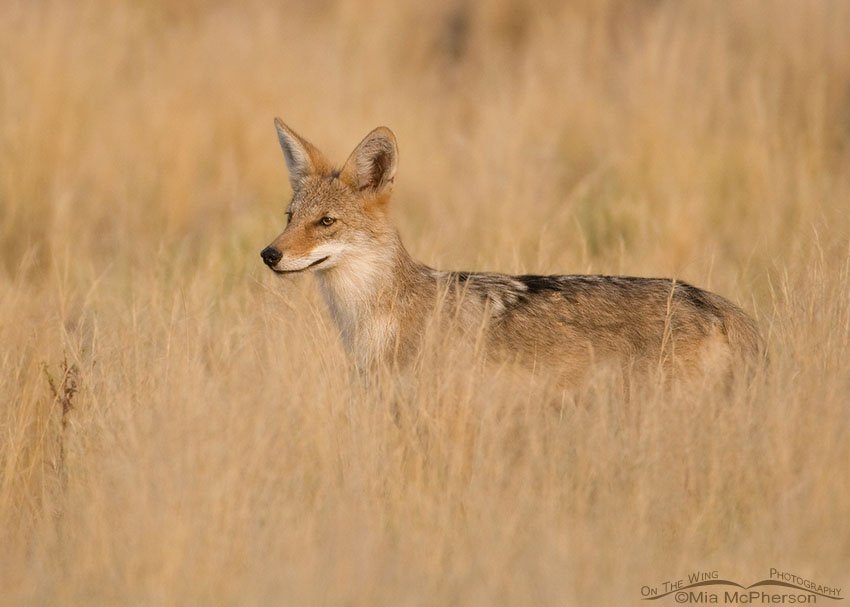
I dare news agencies to write factual articles about the inhumane practice of slaughtering Coyotes which has been proven by science to be largely ineffective in controlling their population, to observe the Coyotes being blown up in their dens and to witness the suffering of these animals when they are caught in traps.
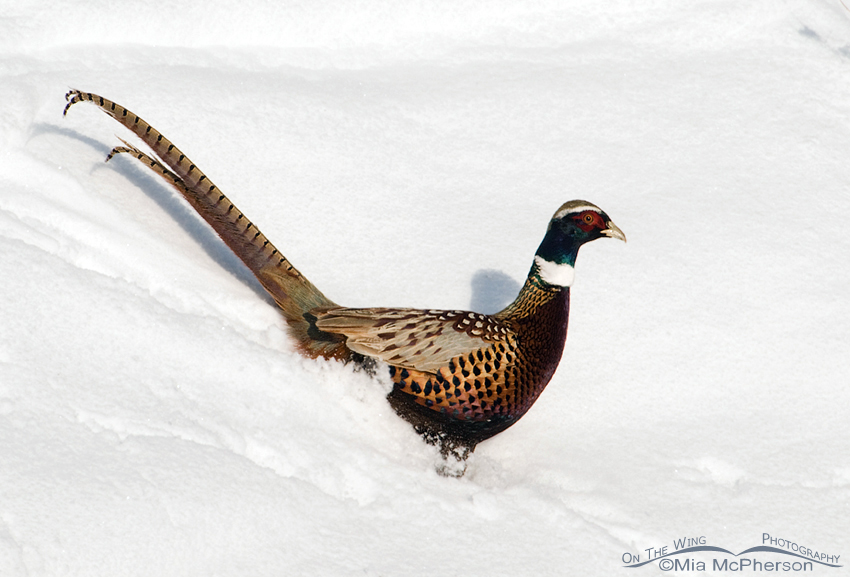
Ring-necked Pheasant males are far more colorful than the females and in snow they seem even more vividly colored.

I photographed this perched Barn Owl yesterday at Farmington Bay Waterfowl Management Area in northern Utah near a hill that was covered in snow which gave this image a high key effect.

I have been noticing more Ring-necked Pheasants than usual of late but that it mostly because the birds don't blend well into the snow and we have had plenty of the white stuff fall the past few weeks.

American Barn Owls are typically strictly nocturnal but during harsh winters with lots of snow they do hunt during the day here in Utah.
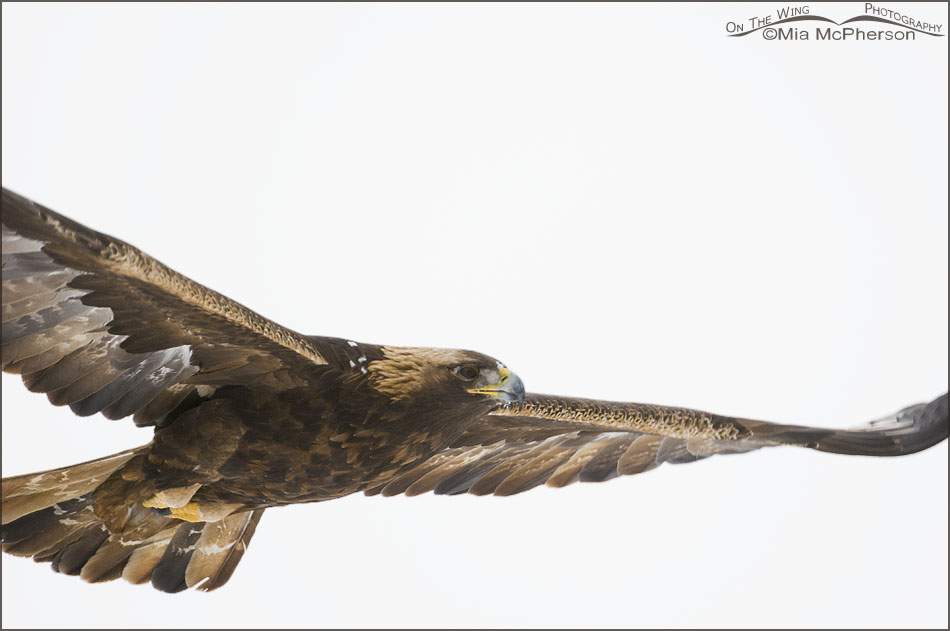
Early yesterday morning Antelope Island State Park did not have the best conditions for bird photography, there were clouds, a bit of lake fog and low light so when I spotted this Golden Eagle perched on a sagebrush in those conditions I was dismayed.
I spotted this Great Blue Heron yesterday at Farmington Bay Waterfowl Management Area and loved the setting with the fresh snow blanketing the steep creek bank.

It is almost hard to believe that in just two months these Chukars will be fighting for territories as they begin the mating season while there is over 9 inches of fresh snow on the ground where I live this morning.
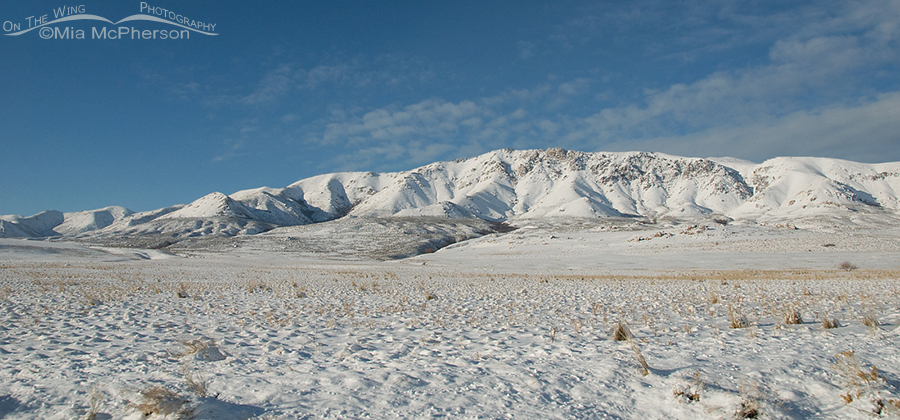
Because of image theft I have made some changes to my blog, one of the first that will be noticed by people who have subscribed to my blog is that I will only be using a summary for my published posts from now on.

I've mentioned before that Great Blue Herons stay in the Salt Lake Valley over winter even though the temperatures get very cold and so do some of the Black-crowned Night Herons.
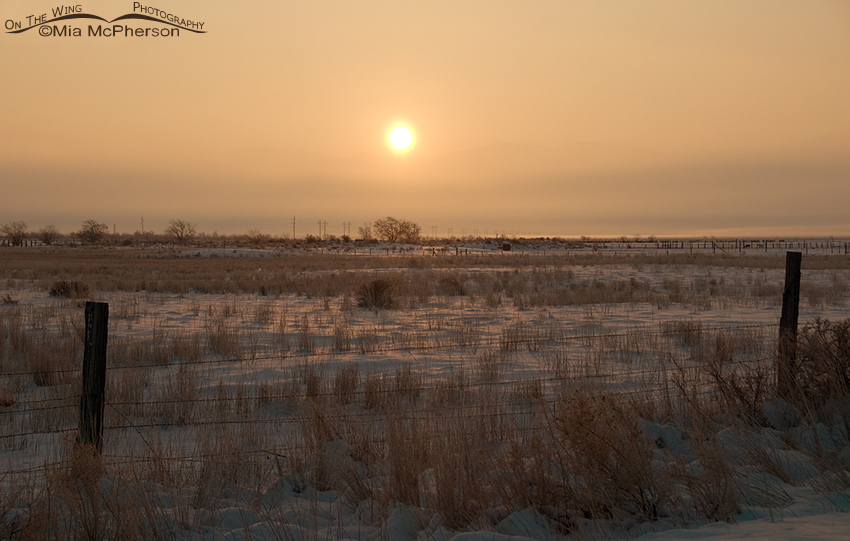
A few of my non-Utahn friends have asked me what an inversion is after I have mentioned it, this image might help to show what an inversion can look like.
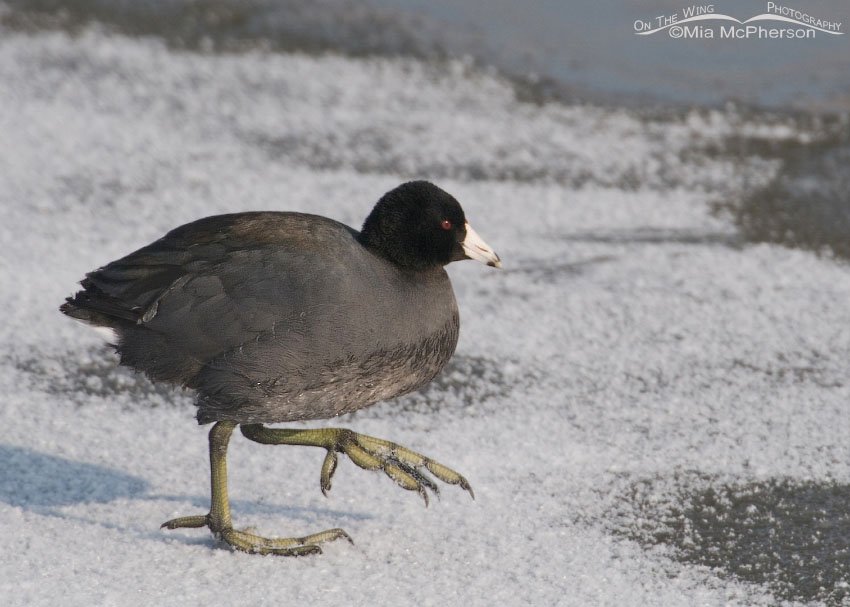
Looking at the huge lobed feet of American Coots is enough to make me laugh. Yesterday I just could not resist these birds.
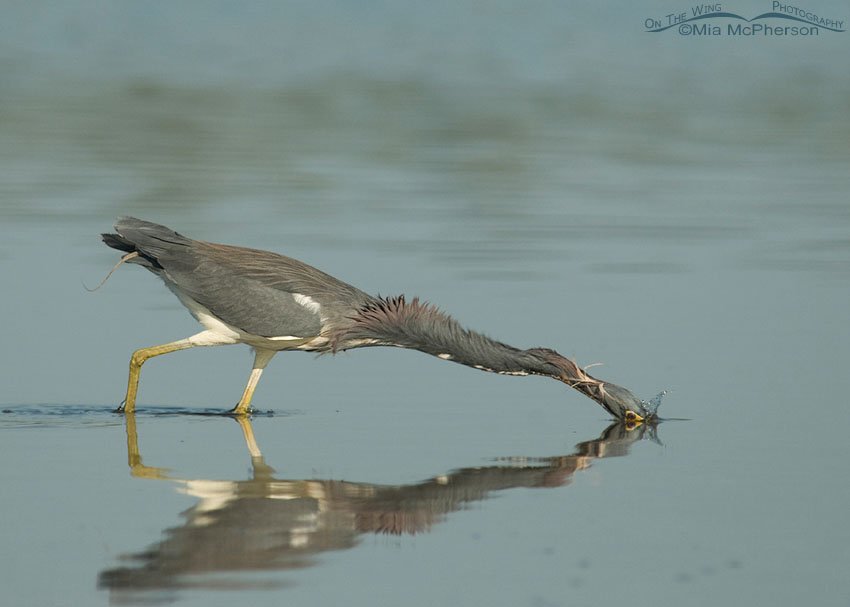
I am intrigued by how these herons evolved to have long necks that give them the ability to make lightning fast strikes at their prey some distance from their bodies.
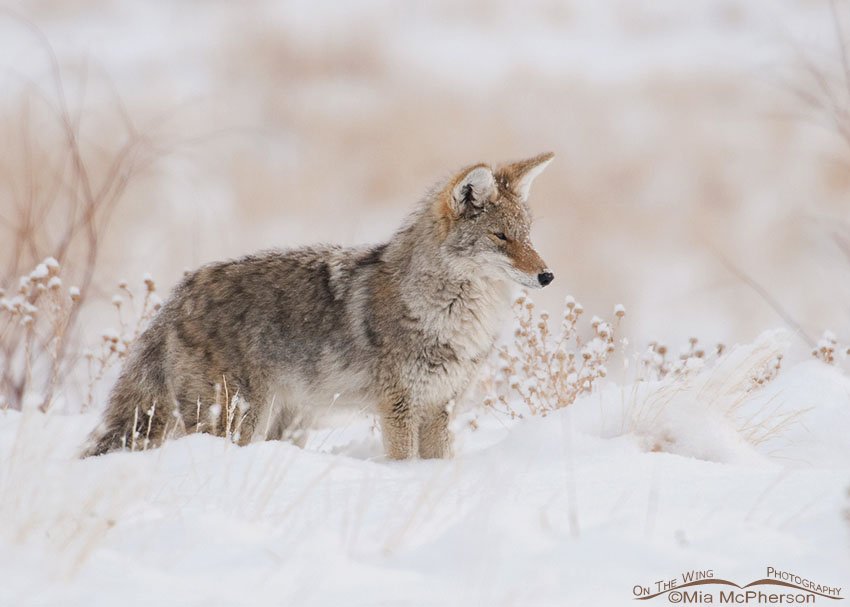
The weather forecast for yesterday was "mostly sunny" and once again the weather forecasters were wrong, at least for the period of time I was out photographing on Antelope Island State Park.

Yesterday I spotted a covey of Chukars on Antelope Island foraging in the snow, this Chukar was pulling guard duty and standing on top of a snow covered rock and for a bit it was calling.
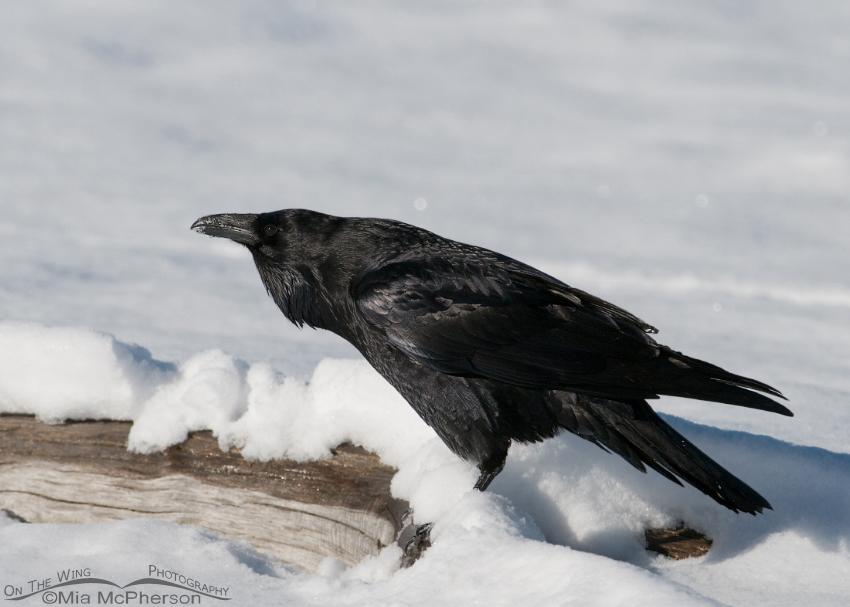
Photographing dark birds such as this Common Raven is a challenge and knowing how to expose properly as well as getting the right angle of light is critical in producing a quality image.

Fresh snow fell on Antelope Island last night and it made for wonderful settings for the subjects I photographed this morning like this Chukar. I haven't been seeing the Chukars regularly lately so I was very pleased to see them again.
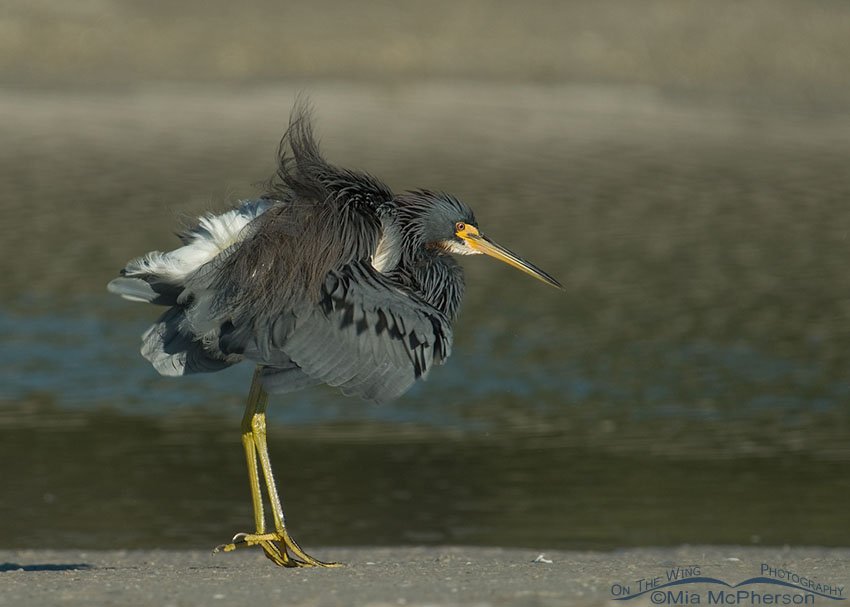
The Great Blue Heron I photographed on Christmas Day seems to have focused my attention on wading birds, yesterday it was Reddish Egrets and this morning I present a Tricolored Heron shaking its feather while on tip toes
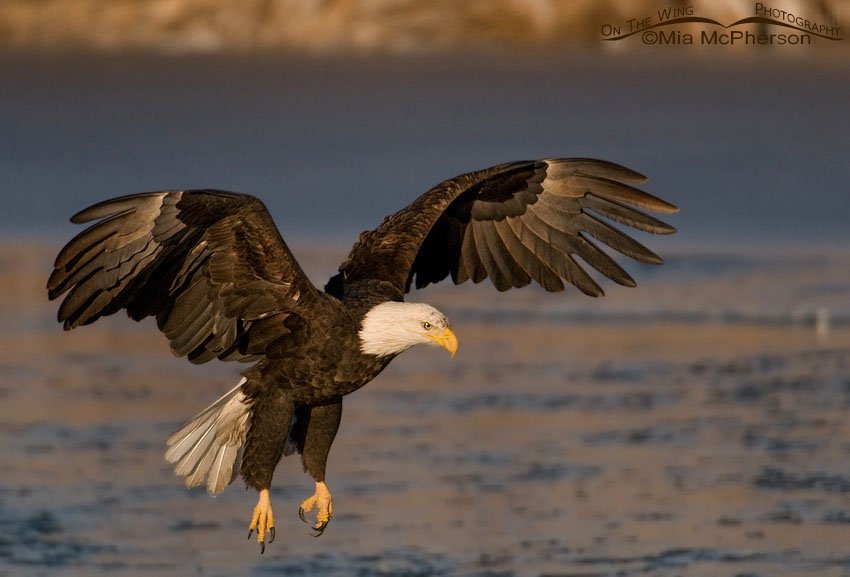
Christmas Day of 2012 turned out to be as beautiful as I hoped at Bear River Migratory Bird Refuge because of bright skies, snow on the ground, birds and the expansive views.
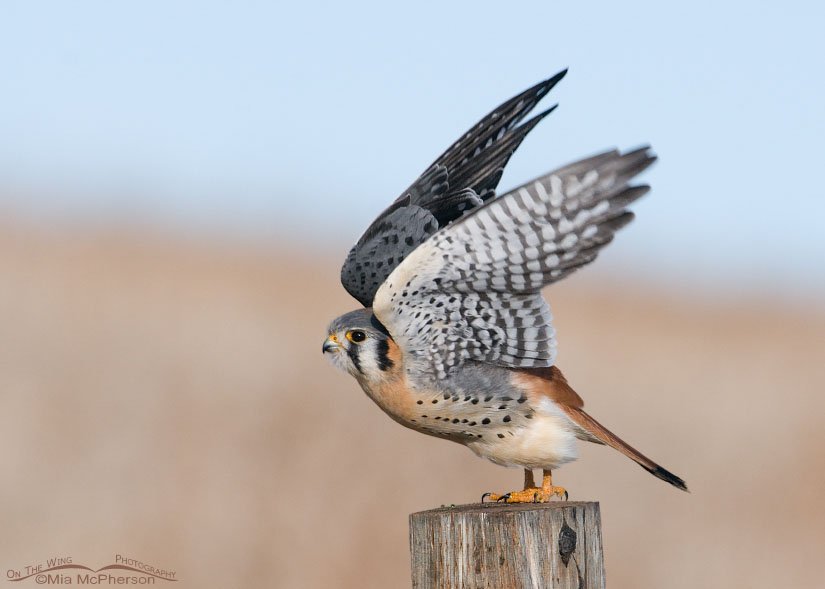
There is something about American Kestrels that speaks to me. They might be our smallest falcon in North America but they have big attitudes, fierce characters and are terrific hunters.

Ring-necked Pheasants are colorful upland game birds that are native to Asia and were introduced into North America for recreational hunting purposes and now occur widespread across southern Canada and in many areas of the U.S. except for some of the southern states.

Typically I see far more Northern Harriers in the winter here in Utah than I do during the breeding season which might be partly due to the harriers preferring to nest within marshy wetland areas which are in abundance around the Great Salt Lake.
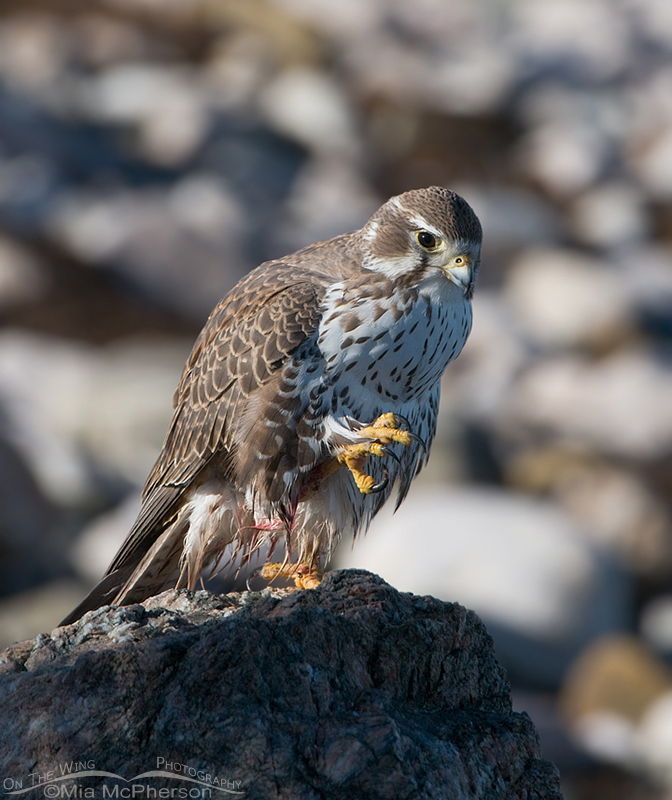
I wish I had been in a better position with a better angle of light but due to vegetation growing along the road there were just a few clear areas between the Rabbitbrush to get an unobstructed view of the Prairie Falcon but I do like how the photo shows off the full crop.

Song Sparrows are found throughout the U.S. and into Canada, some populations move south during the winter to southern states and northern Mexico. So far 30 subspecies of Song Sparrows have been described.
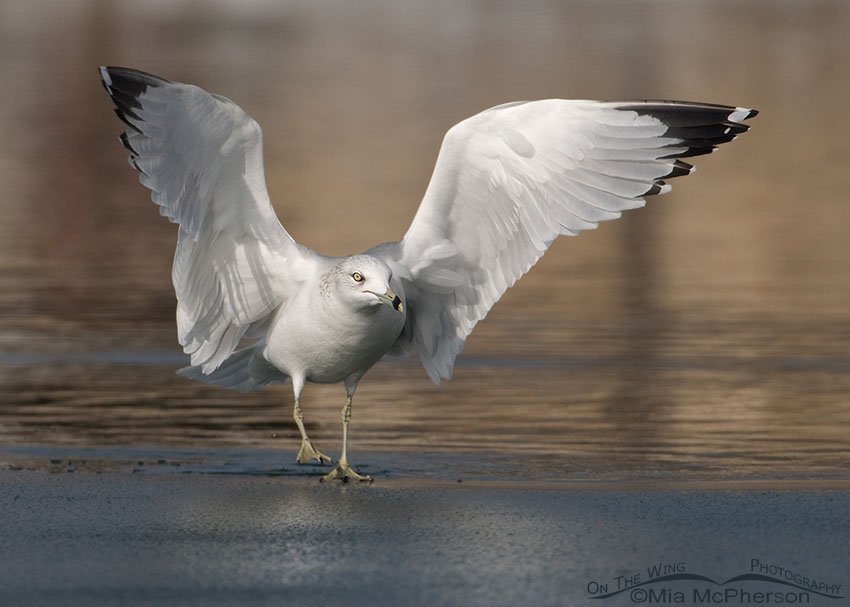
Three years ago today though the ground was covered in drifts of snow, the temps were below freezing, there was ice on the ponds & lakes and there was a sharp briskness to the air that can only be found in winter.
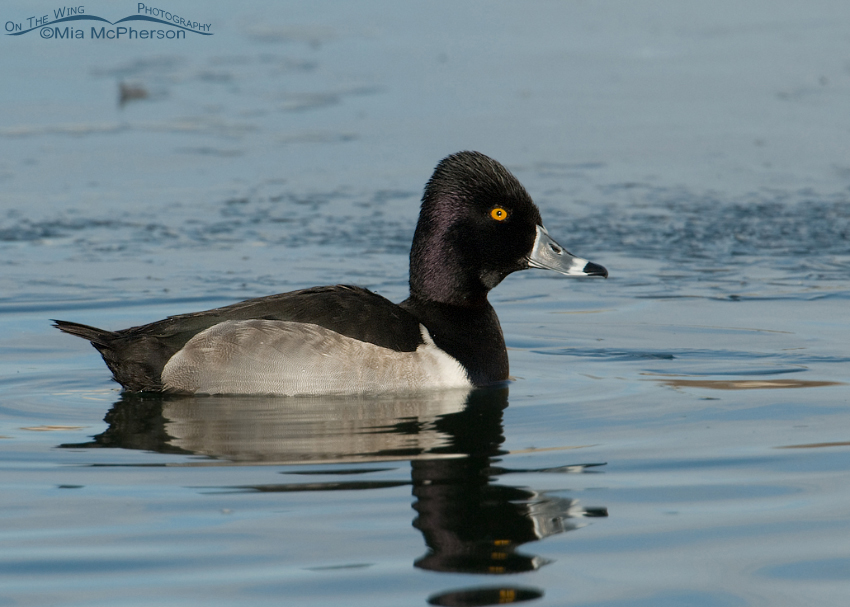
I photographed this drake Ring-necked Duck in breeding plumage a few years ago on a pond not far from where I live.
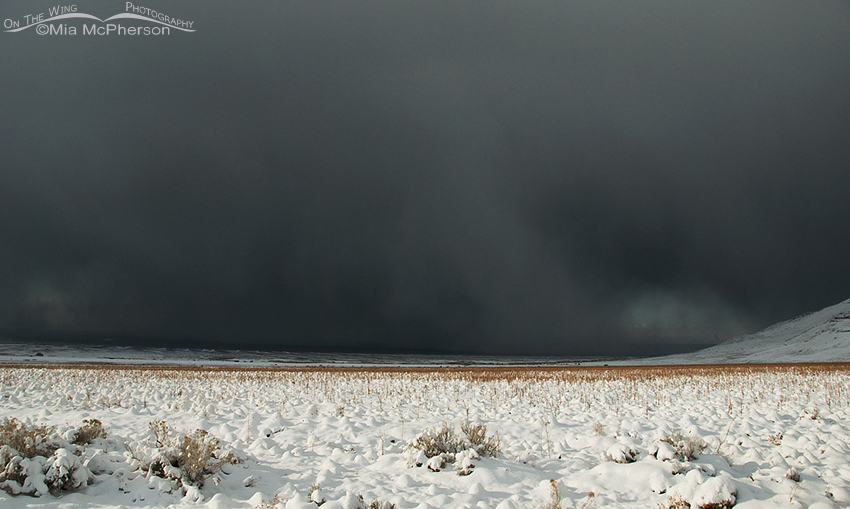
I mentioned that there had been low light, falling snow and that the weather conditions before photographing the Loggerhead Shrike and Prairie Falcon weren't great.
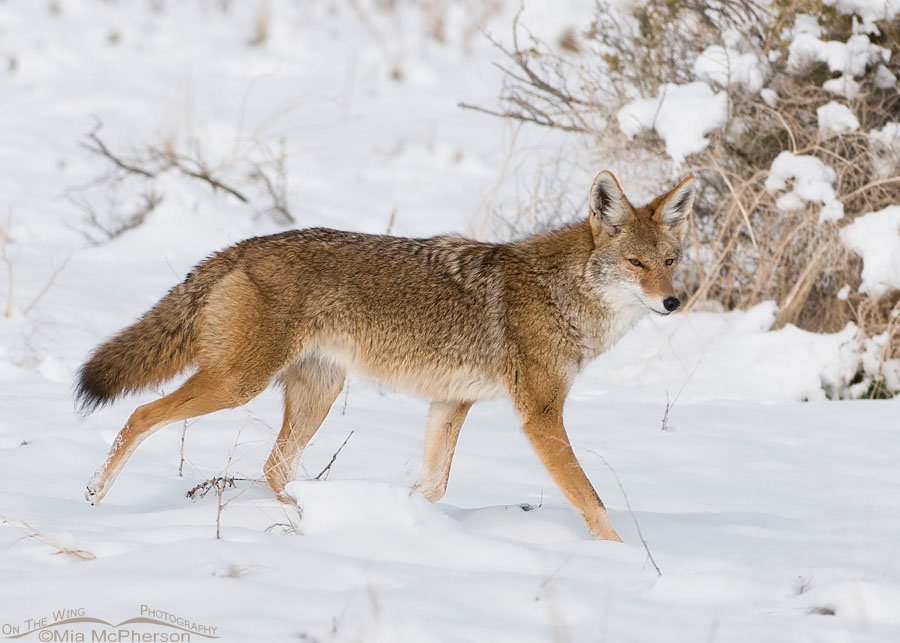
While looking for birds to photograph I spotted a pair of Coyotes hunting and roaming through the snow-covered landscape together.