Immature Mourning Dove At A Pumpkin Patch in Northern Utah
It might seem a little late in the year to see immature Mourning Doves but it probably isn't because Mourning Doves can have as many as six broods per year.



It might seem a little late in the year to see immature Mourning Doves but it probably isn't because Mourning Doves can have as many as six broods per year.

I was able to photograph two immature Red-tailed Hawks at East Canyon State Park and the photos I am sharing today are of the first one that I found.
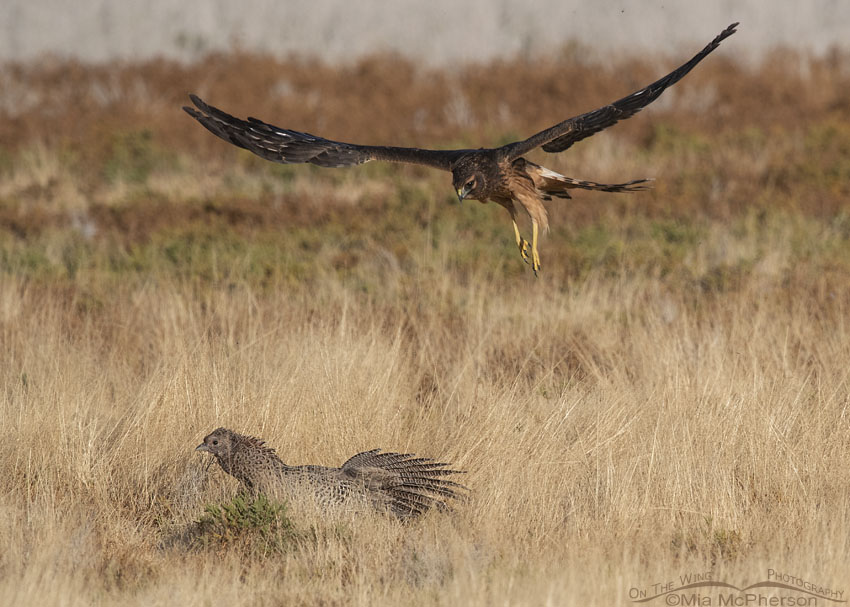
A few weeks ago I observed and photographed an immature female Northern Harrier repeatedly harassing a Ring-necked Pheasant hen out on the marshes at Farmington Bay.

I've been trying for over a month to get decent images of fledgling and juvenile Cedar Waxwings and hadn't succeeded but yesterday I was able to take a photograph of an immature waxwing that I actually like.
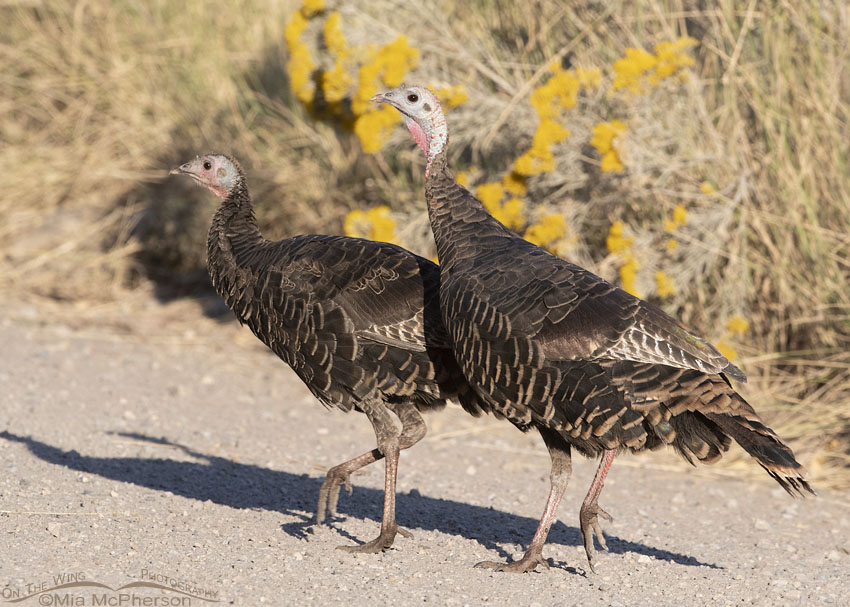
I photographed a small flock of Wild Turkeys yesterday in the West Desert of Utah, specifically in a canyon of the Stansbury Mountains. I just never know when turkeys will show up and I am glad they did yesterday because I didn't photograph many other birds.
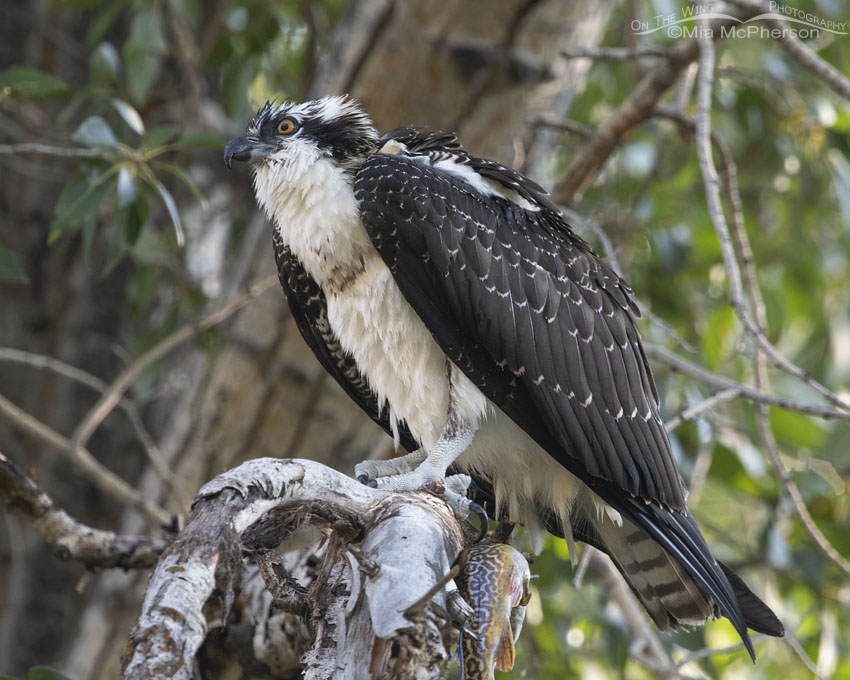
Yesterday the "unexpected" bird was a juvenile Osprey in the Wasatch Mountains. I'd say it was unexpected because I'd been photographing songbirds and wasn't expecting to see North America's "Fish Hawk" in the same area.

There was plenty of bird activity where chokecherry trees lined both sides of the gravel road, the most numerous birds foraging on the chokecherries were American Robins and many of them were immature birds.

Over the past couple of weeks I have been able to photograph male, female and immature Lazuli Buntings as they have been gorging on the fruits of Serviceberry trees to fatten up before their migration.
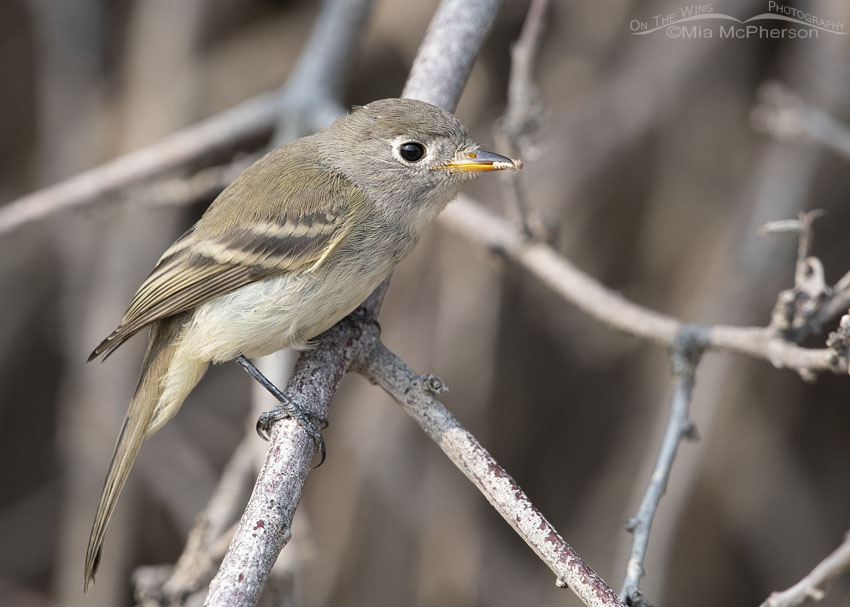
I am glad I didn't rush to report a Least Flycatcher along with the Baltimore Oriole when this little empid is actually a Dusky Flycatcher and a photographic lifer for me.
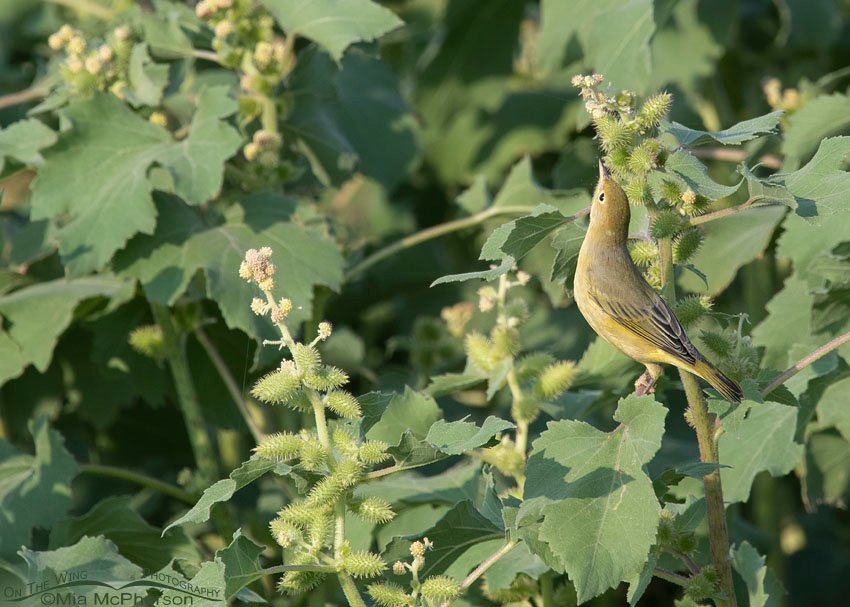
This spring and summer I have photographed Yellow Warblers primarily in mountainous riparian habitat so when I spotted one foraging in a Rough Cocklebur two days ago in the marshes at Bear River Migratory Bird Refuge I was happy to take photos of it.

I'd driven up into a Wasatch Mountain canyon and was waiting for the sun to rise over the mountains when I spotted several juvenile Barn Swallows perched on a fence right next to the road in lovely morning light.

Even though the sun was high I couldn't resist photographing a juvenile Lazuli Bunting that flew in and perched on a Utah Serviceberry branch because to my eye the setting was both enchanting and very appealing.

It was a lot of fun photographing adult Gray Catbirds earlier this year and photographing the juveniles learning to be on their own has been equally fun and entertaining.

In the past week I have photographed so many birds in a Wasatch Mountain canyon that I thought I would share a group of them in a photo gallery.

I haven't just found and photographed birds this week, I have also had some furry creatures in my viewfinder including a young bull Moose and plenty of Least Chipmunks.

Juvenile Western Kingbirds may look sweet like this one does perched on a fence but they can be rather pushy when it comes to demanding food from their parents and they are also quite noisy too while they are begging.
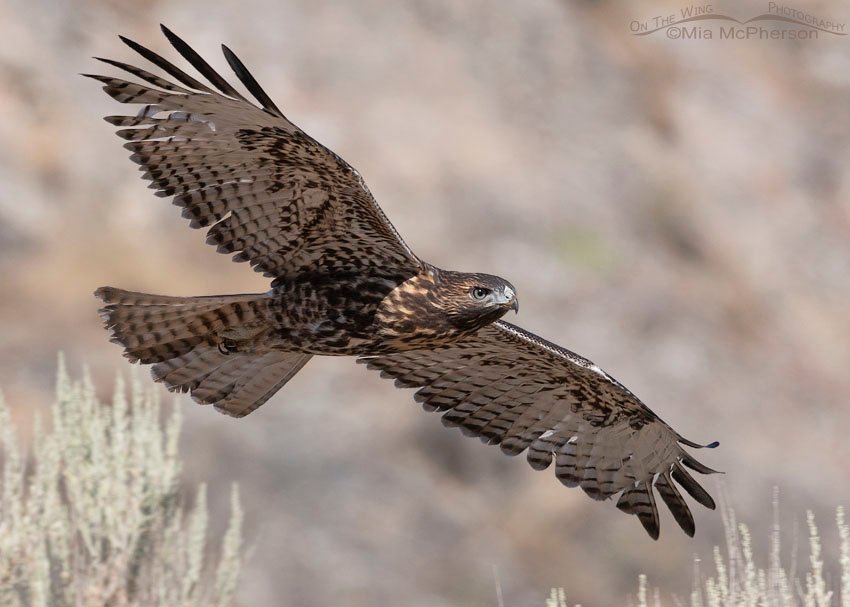
Back in March of this year I started watching and photographing a pair of Red-tailed Hawks in the process of building their nest on the face of a high cliff, these two juveniles are the results of the hard work of that pair of hawks.

One year ago today I experienced one of the two most frustrating days in my entire time of being a bird photographer while photographing Red-naped Sapsuckers in the Targhee National Forest of Idaho.
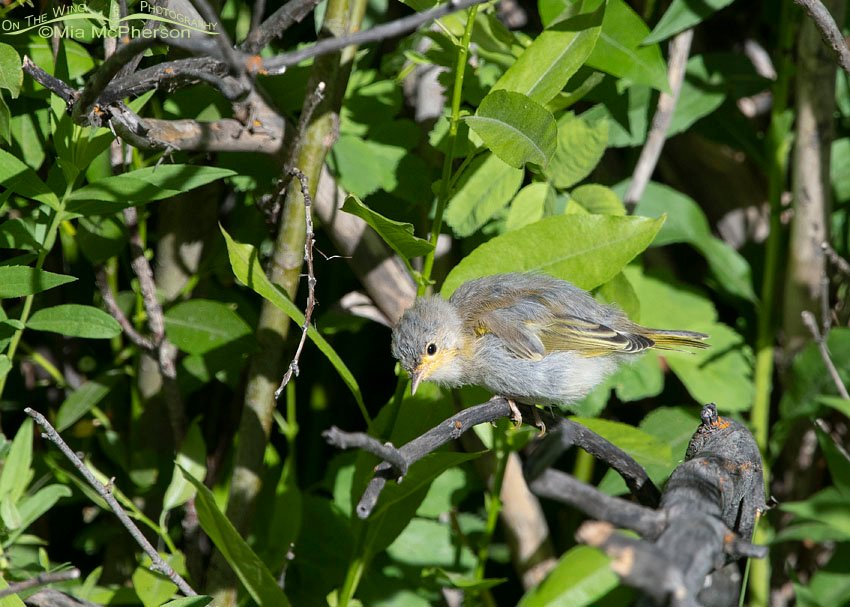
Imagine moving down a gravel road and seeing just a tiny flash of movement and light-colored plumage in a stand of green vegetation and trying to figure out if it is a bright leaf in the breeze or a fledgling Yellow Warbler in a split second.

I'm a little like this sleepy juvenile Burrowing Owl this morning, I overslept, my coffee still hasn't kicked in, I'm yawning frequently and I am still sleepy.

Yesterday I planned to stay home to try to get caught up on the many things that are on my plate and to stay out of the heat but unbeknownst to me that plan was going to change at 6:31 in the morning and that I would soon be on a rescue mission.
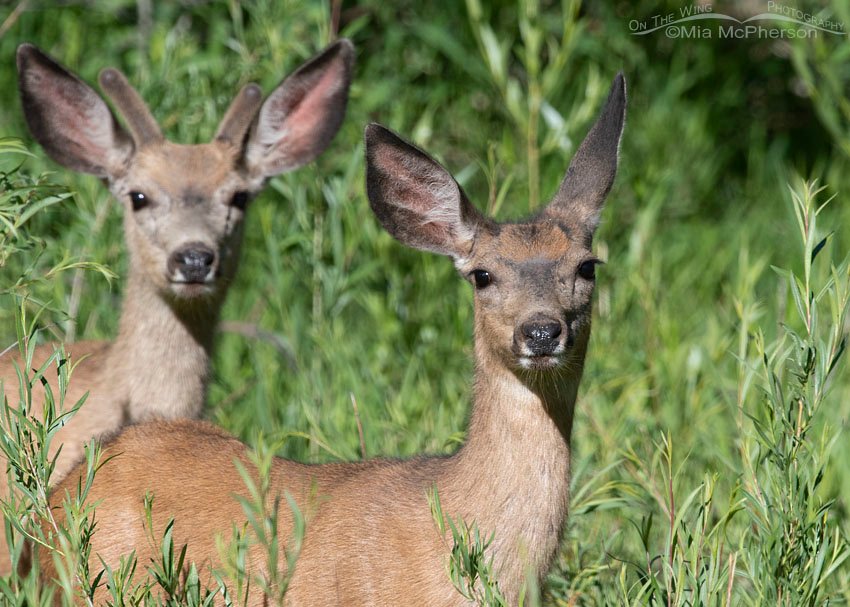
I haven't photographed Mule Deer in a while so when I saw a pair of them in willows next to a creek last week I felt I had to take their photos, especially because of all the lush greenery that surrounded them.

Two years ago today I had a fantastic time photographing Short-eared Owl fledglings on tumbleweeds that were in front a fence in northern Utah.
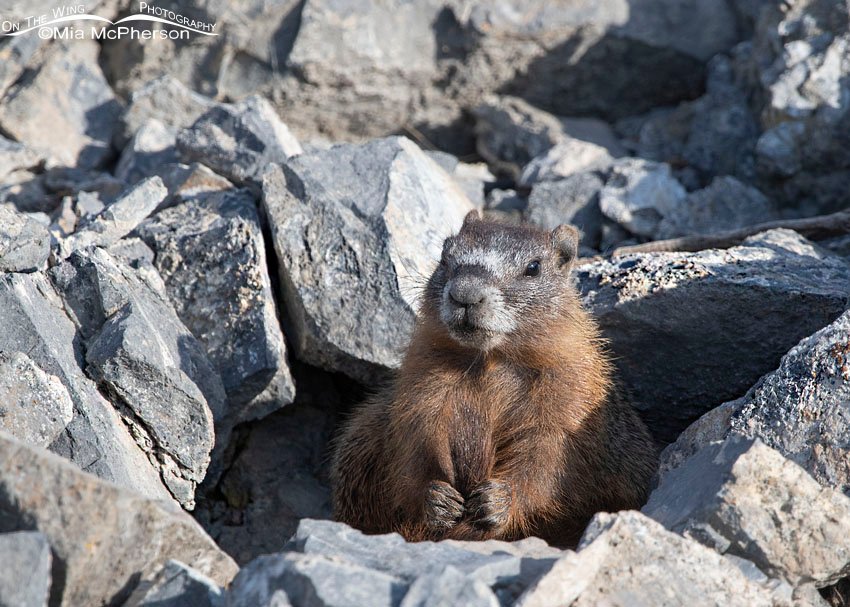
There are some photographs that I feel I simply have to take when given the opportunity and this photograph of a Yellow-bellied Marmot pup grooming its tail was one of those photos.
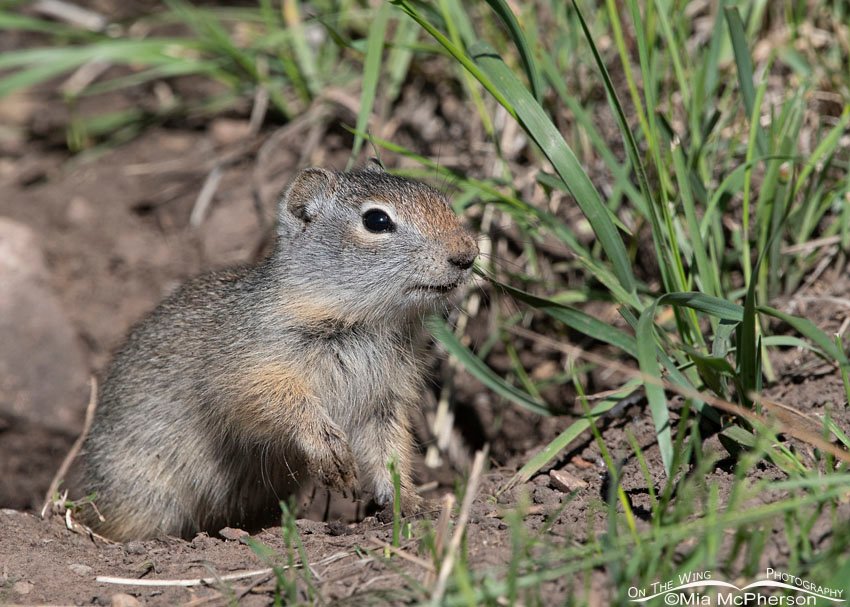
I had a blast photographing these baby Uinta Ground Squirrels and sharing them with my Mom. It was a peaceful, relaxing morning filled with birds, squirrels, lovely scenery and great company.
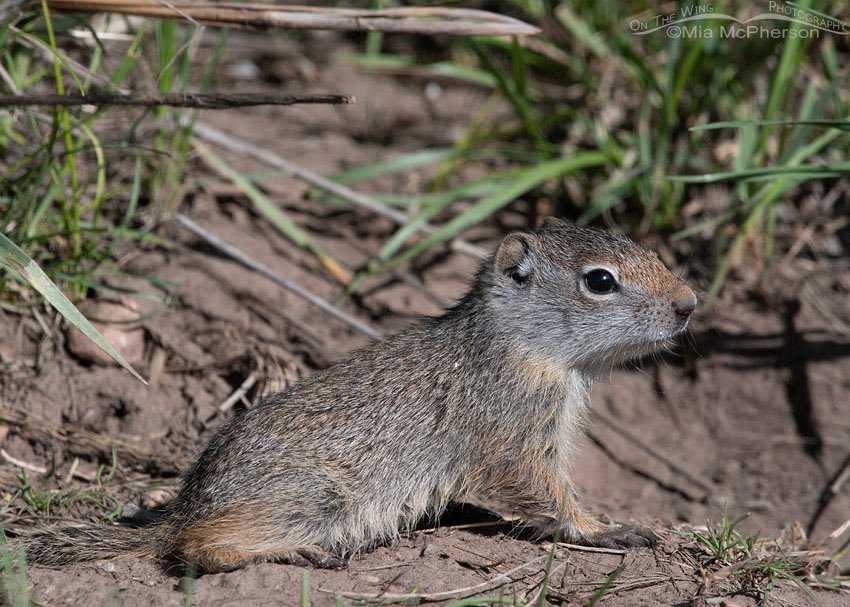
May... the month where baby Uinta Ground Squirrels seem to show up everywhere within their favorite habitats which include shrubsteppe habitat, meadows and pastures with elevations of between 4,000 and 8,010 feet in areas of Montana, Idaho, Wyoming and Utah.
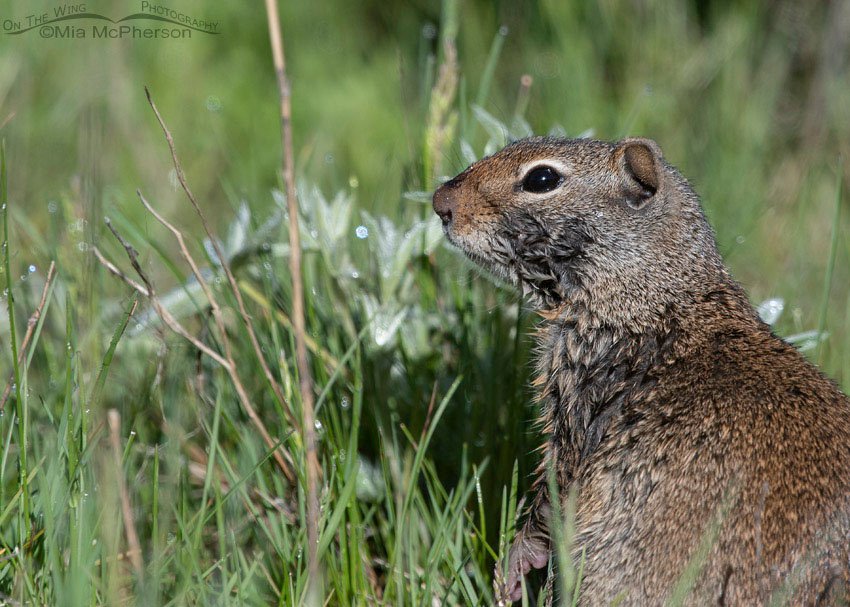
I'm sharing two Uinta Ground Squirrel photos taken two days ago a canyon in the Wasatch Mountains, one adult that was wet from the morning dew and one baby that was just outside of its burrow.

I was delighted to be able to photograph the female Yellow Warbler as she fed her young and to watch the fledgling as it fluttered its wings and gulped down the food the female brought it.
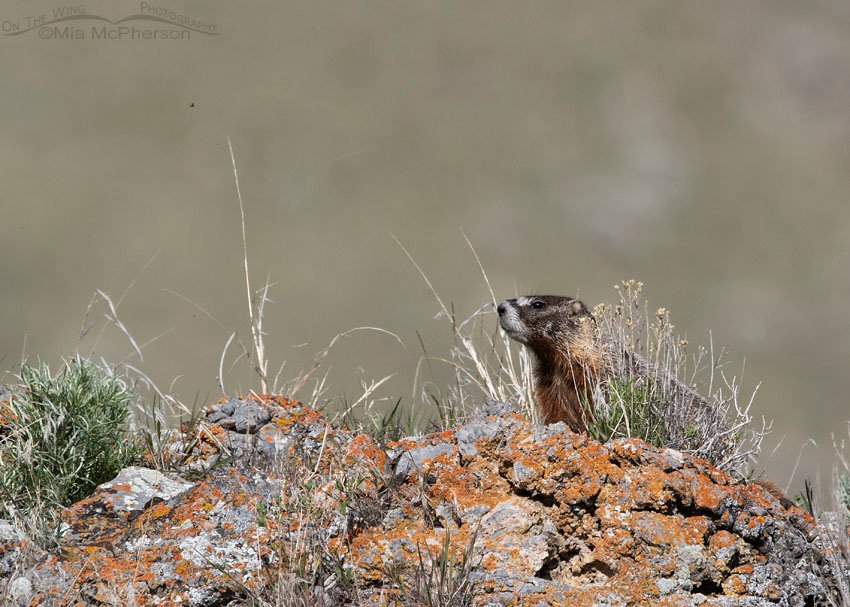
Photographing Yellow-bellied Marmot pups have delighted me this spring and since they don't stay little for long I have taken photos of them every time I have had the chance.

Spring is the season of birth and rebirth, the leaves of trees unfurl, the dormant grasses and forbs poke up through the ground, flower buds burst open and flowers in all the colors of the rainbow appear on the landscapes, birds nest and incubate and wild animals give birth to their young.