Pied-billed Grebe Shaking It Off
I'm seeing more and more Pied-billed Grebes and that excites me because these little guys might be small but they are tough. They kind of remind me of myself.



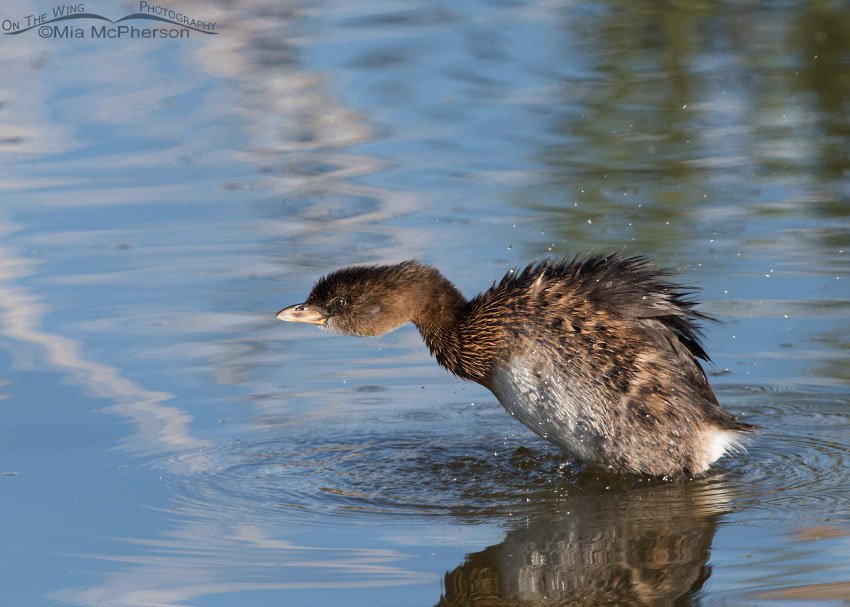
I'm seeing more and more Pied-billed Grebes and that excites me because these little guys might be small but they are tough. They kind of remind me of myself.

Even though the American Goldfinches are in their non-breeding plumage now I still think of them as gold.

This morning I wanted to keep my post simple and how much more simple could this image of a Semipalmated Plover with its eye on me be?
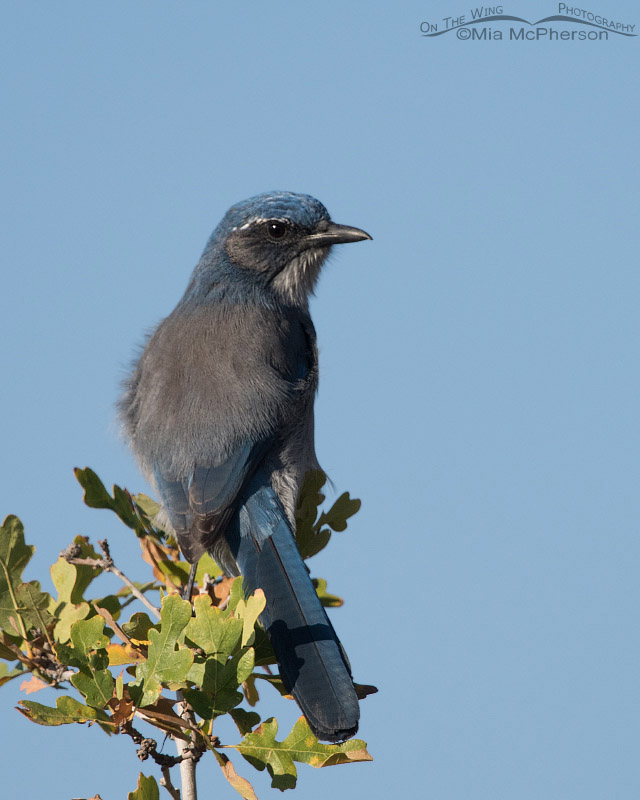
Last month I was able to photograph this Woodhouse's Scrub-Jay on my way up to Cascade Springs in Wasatch County, Utah as it perched on an oak near the road.

There is an article about the coyote bounty program in the Salt Lake Tribune that has me ticked off, or should I call it the ignorant name the state gave it, "Mule Deer Preservation Act".

The caruncle or horn is a growth on the bill of American White Pelicans that occurs yearly during the breeding season.

Harlan's Hawks are a subspecies of Red-tailed Hawks that breed in Alaska and northern Canada and spend their winters in the northern Great Plains.
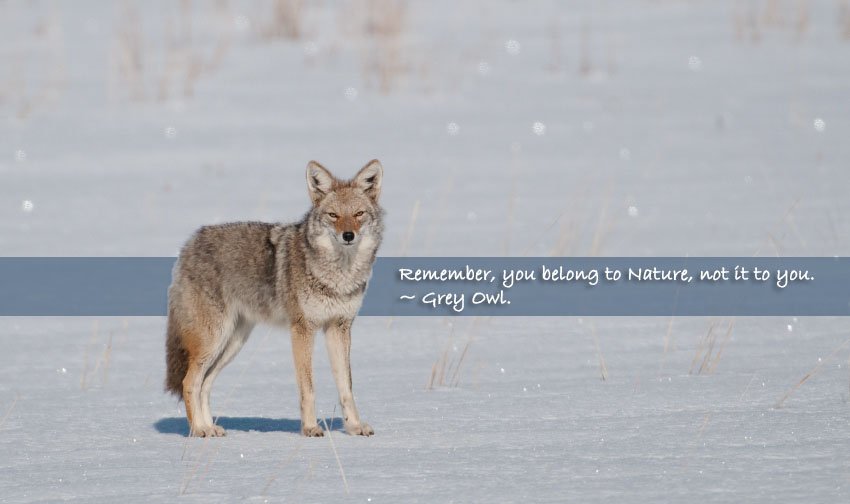
75,326 coyotes in 2013 were "denied" their portion of Nature's gifts when they were senselessly exterminated by USDA’s Wildlife Services

I've been missing Chukars on Antelope Island for the past few months.
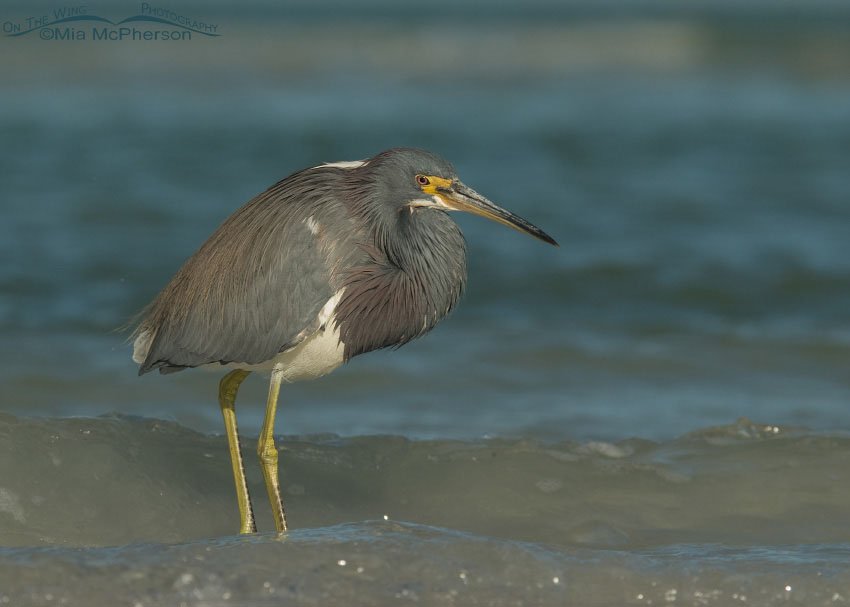
Just a simple Tricolored Heron image this morning that I created at Fort De Soto County Park in March of 2009.

Autumn colors have begun to appear and they are delightful when reflected on the water with a nearly black and white subject like this resting Clark's Grebe.
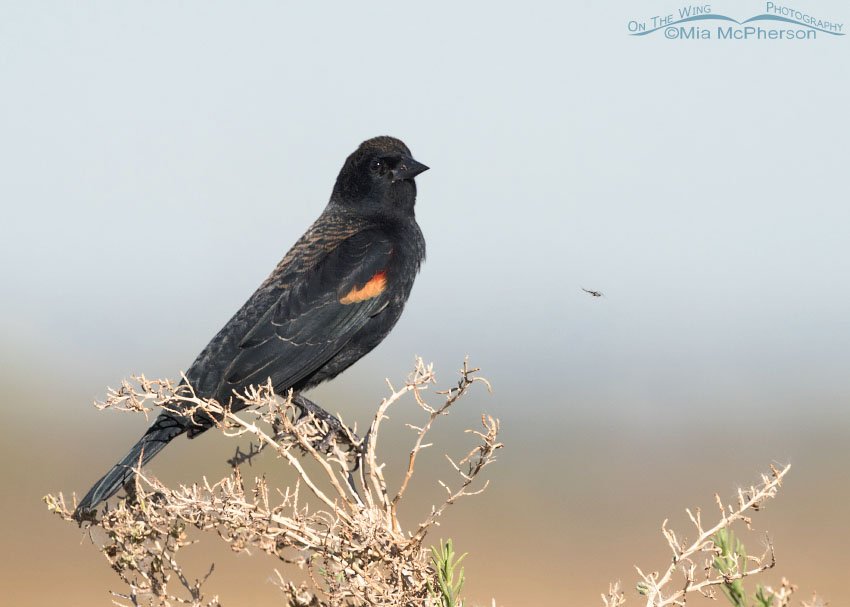
This male Red-winged Blackbird was photographed yesterday at Farmington Bay Waterfowl Management Area.
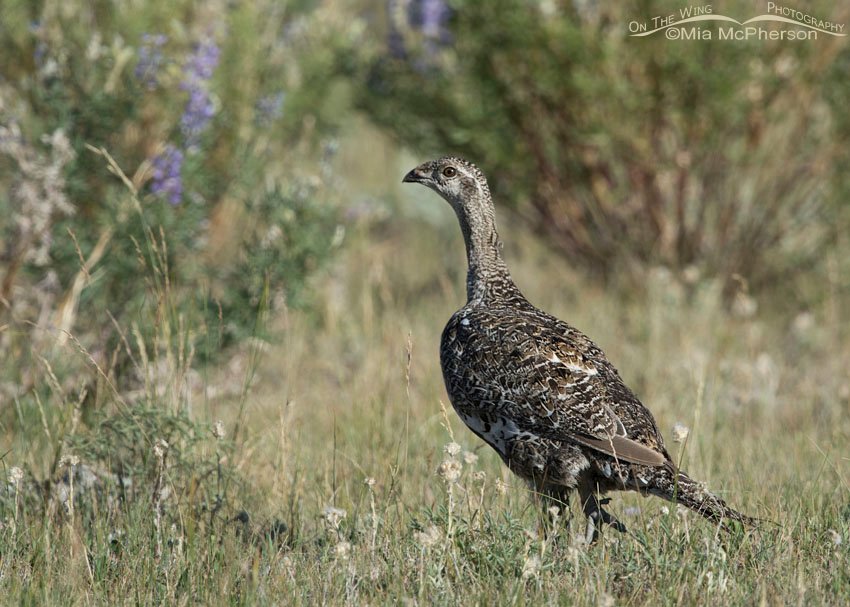
If hope is the thing with feathers then I want to heap as much hope as I can find into the future of Greater Sage-Grouse.
I enjoyed my journey to Beaver Dam Wash, Gunlock State Park and the Mojave Desert even though I didn't see the birds I hoped to photograph, every journey is an adventure.

This Terry Tempest Williams quote strikes a chord within me because I feel very connected to nature and wildness and that connection is with me every day of my life.

I have tons of images I haven't processed and last week while searching for a Royal Tern to post I came across this Sandwich Tern I had taken in Florida in 2009.
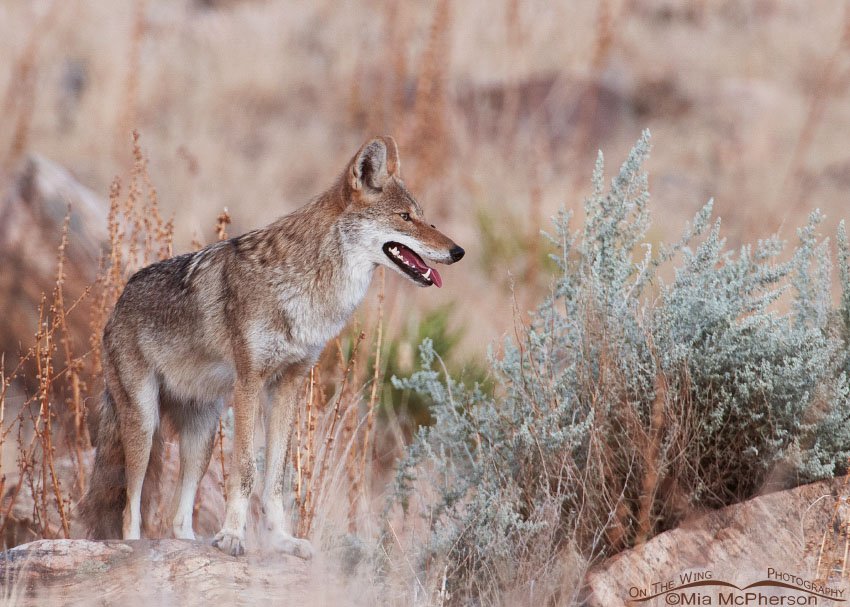
Two years ago during the worst of the summer heat I photographed this Coyote and watched while it was pestered and probably bitten by a persistent Deer Fly.
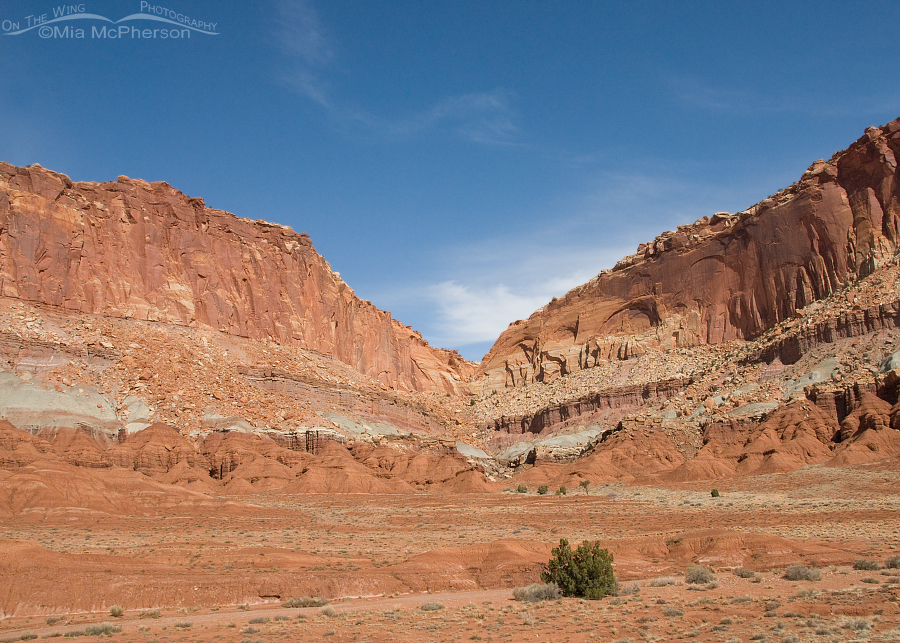
I'm heading on another journey today to locations I have never been before so I expect I will be seeing plenty of views along the way.
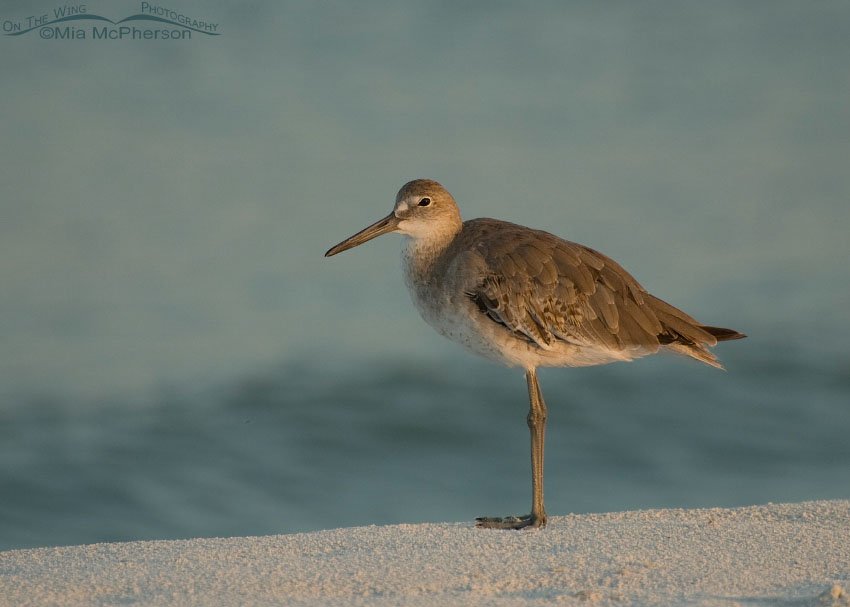
This Willet image was taken on August 12, 2007 which is now over seven years ago and I can easily recall how thrilled I was to photograph this shorebird.
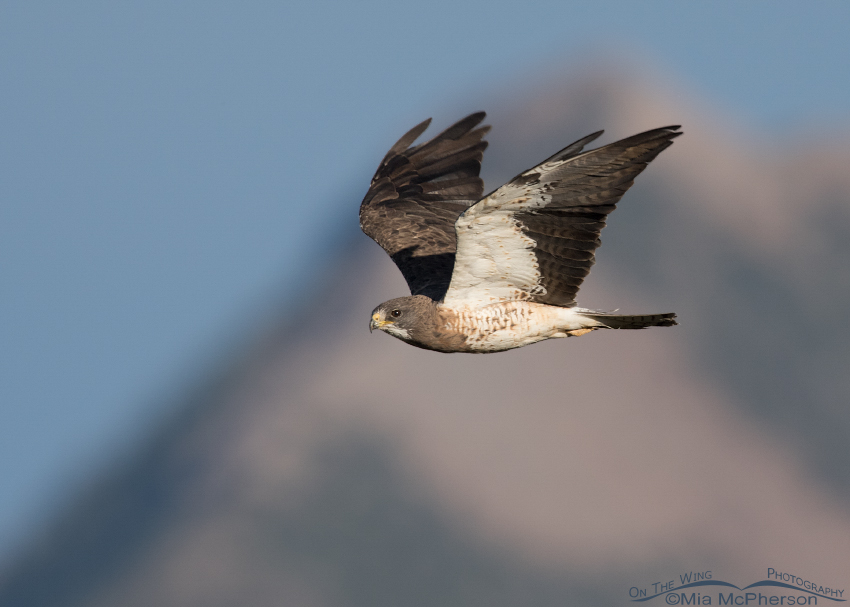
A month ago I was in the Centennial Valley of Montana camping and the hawks I spent the most time photographing were Swainson's Hawks.
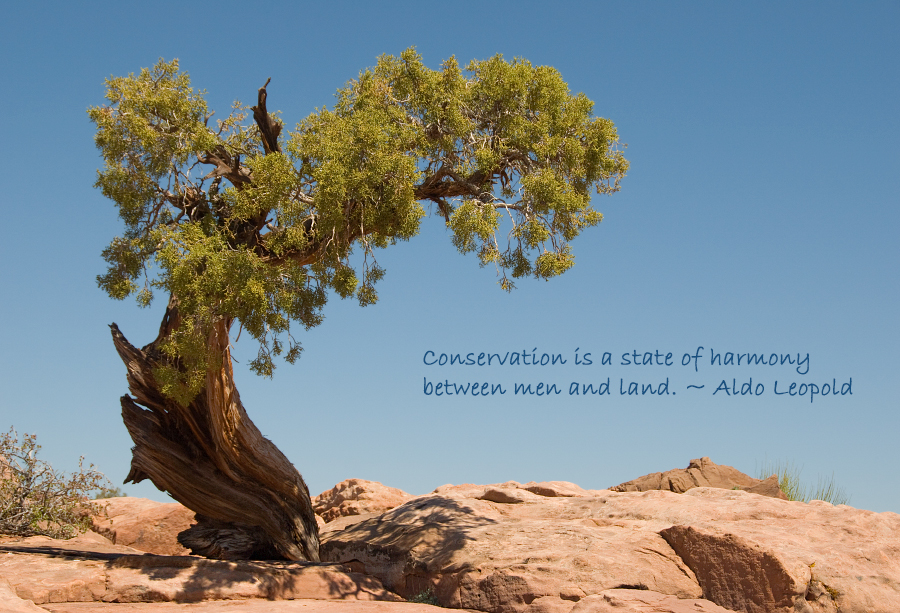
I would love to say that while I am wandering around exploring the natural wonders we have been gifted with that I can forget about the assaults on the land and the creatures that live there but I can't.

These two bathing Royal Tern images remind me of the warm April morning when I spent time photographing different species splashing around in the Gulf of Mexico.
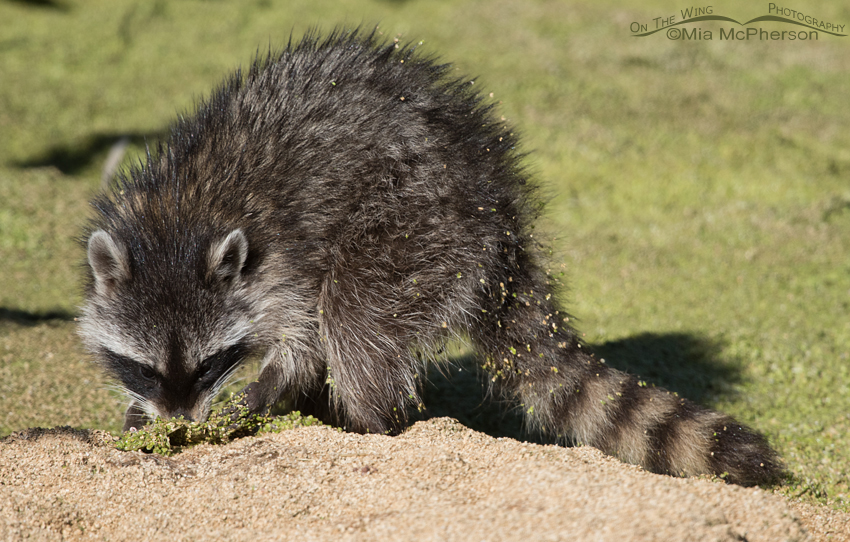
This young Raccoon looks as grumpy as I feel this morning.

Whatever the reason for this behavior I know that I enjoy photographing Northern Harriers while they are ground hunting in a winter wonderland.

Tricolored Herons are smaller than Great Blue Herons and larger than Snowy Egrets and all three of these wading birds hunt in many of the same locations along the Gulf Coast.
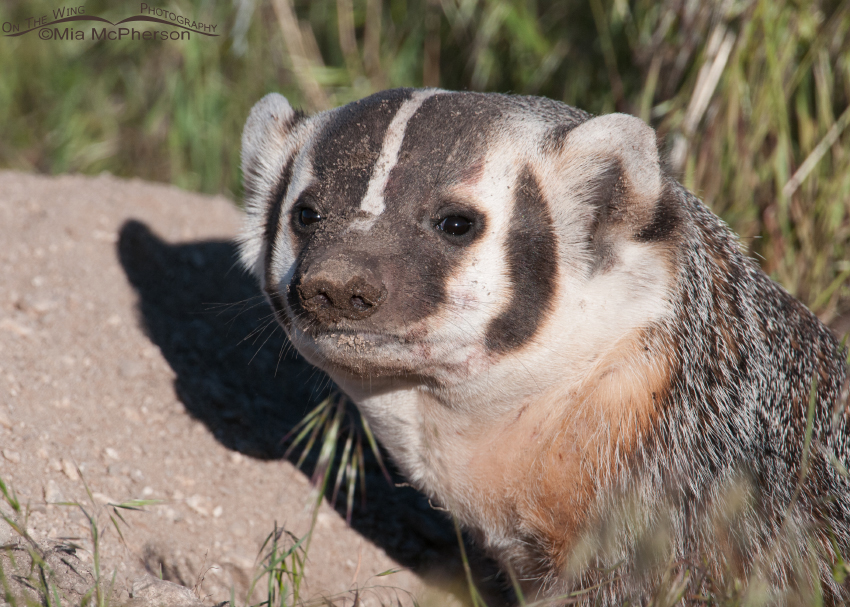
I thought I would share another American Badger portrait that I took back in May of this year on Antelope Island State Park in northern Utah.

It isn't all that often that I am able to obtain portraits of wild birds so when I had an opportunity last month to take portraits of this American White Pelican I jumped at the chance.

I often see this phrase "species in decline due to habitat destruction or fragmentation" or something similar and the frequency of seeing that phrase is most likely to become higher.
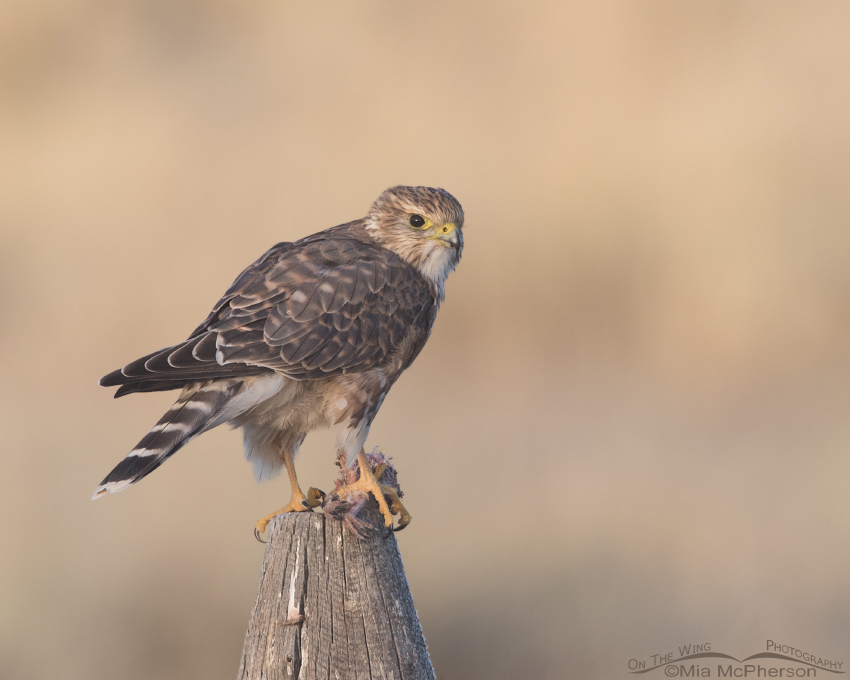
Earlier this month I had the opportunity to photograph a Merlin two mornings in a row in the Centennial Valley of Montana, once in low light and once as a fog rolled in.
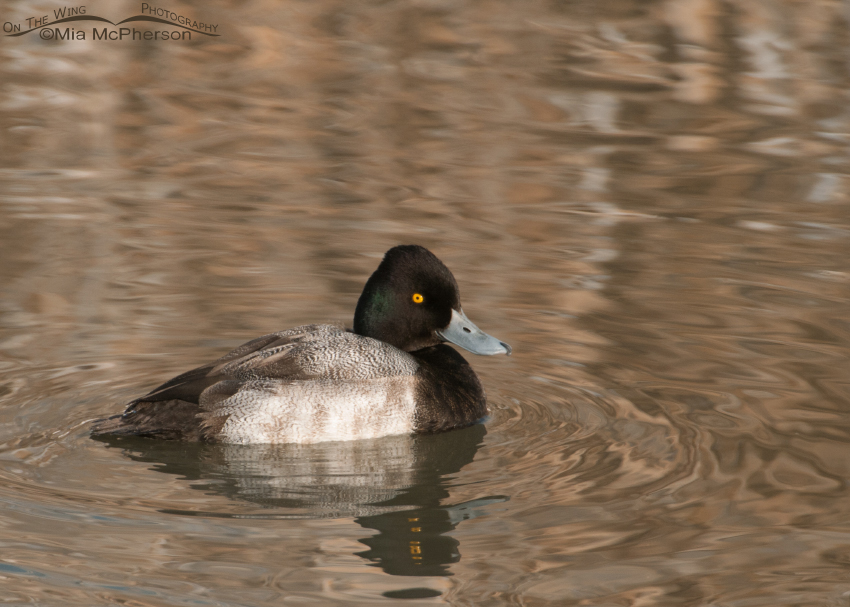
We catch up and share stories of birds we saw in the warmer months and reveal the journeys we have been on.