Two Second Skirmish On A Greater Sage-Grouse Lek
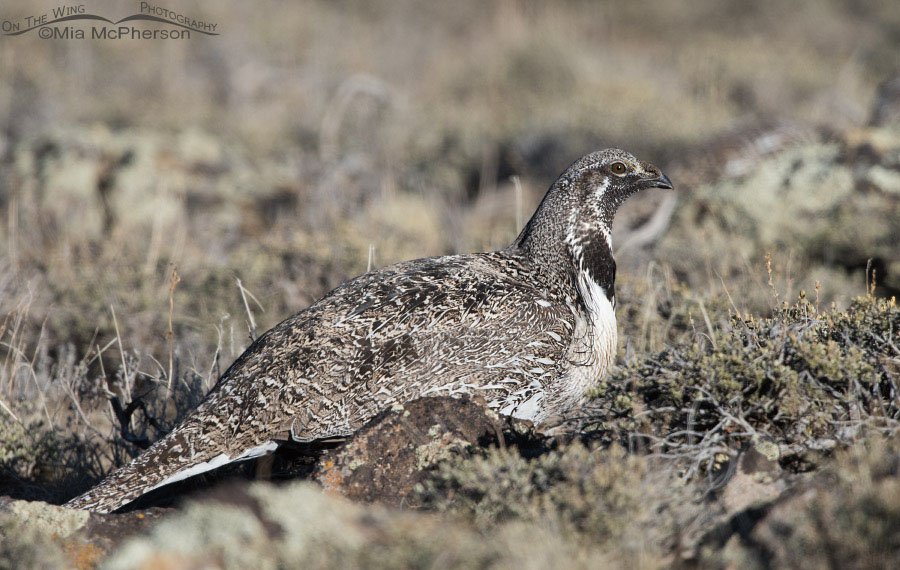
The two second Greater Sage-Grouse skirmish was over but only for a few seconds before these two males started back up again.



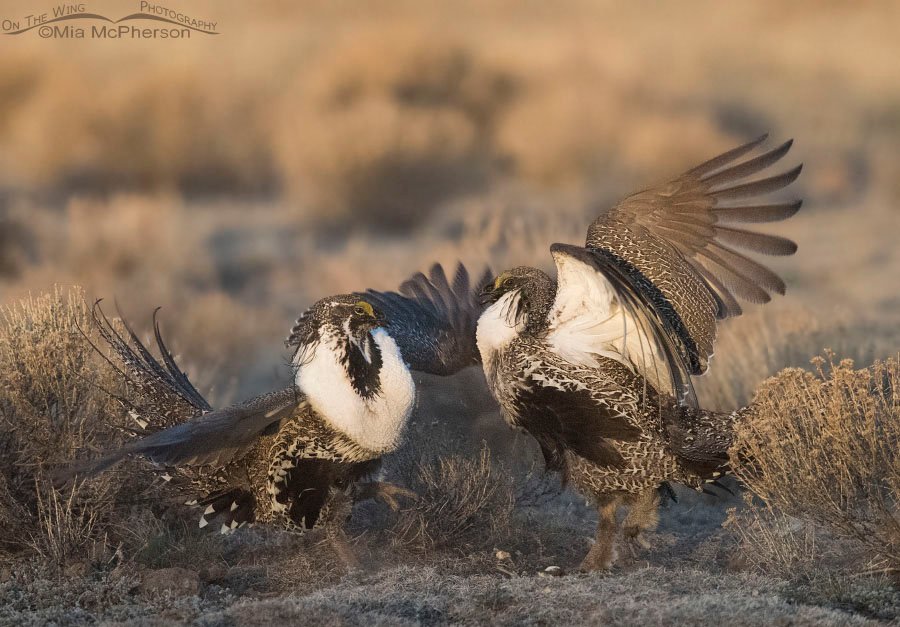
The two second Greater Sage-Grouse skirmish was over but only for a few seconds before these two males started back up again.
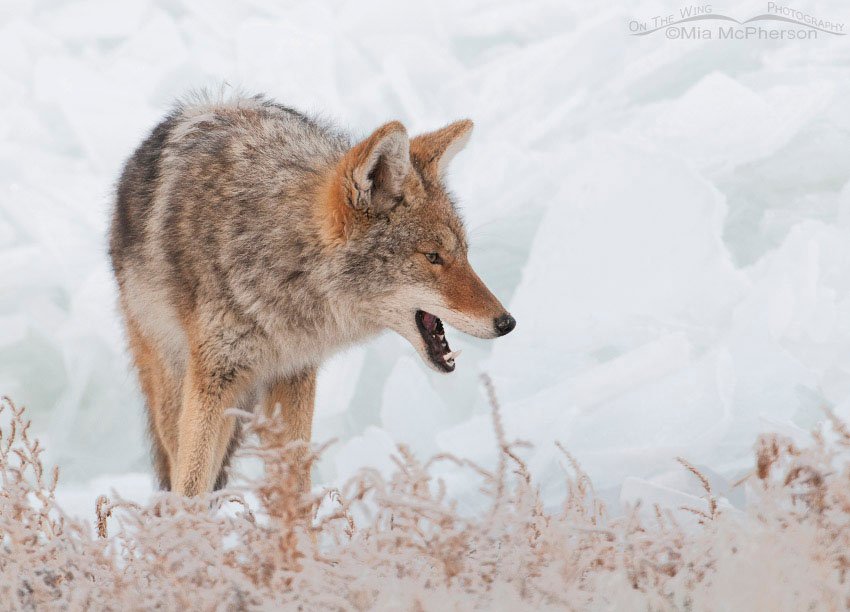
I've been pretty busy lately and one of the projects that has kept me burning the midnight oil is moving my images from the old galleries to my new ones.

Last week I saw my first of the season Swainson's Hawk not too far from the visitor's center at Bear River National Wildlife Refuge and that got me excited.

Yesterday I had my first opportunity to photograph a Sage Thrasher with nesting materials in its bill on Antelope Island State Park.

I have often written how I long to hear the first Long-billed Curlew in the spring but I feel I should mention that I also anxiously await the first calls of migrating Willets too.

Once upon a time I paid more attention to wildflowers and insects and photographed them extensively when I had the chance so today I thought I would resurrect one of my old files.

To my delight the mechanical sounding calls of male Yellow-headed Blackbirds buzzed over the marshes of Bear River Migratory Bird Refuge yesterday morning.

I only have time for a quick post this morning and decided to post one of the migrant kingbirds I look forward to seeing every year, an Eastern Kingbird.

Before my recent trip to Capitol Reef National Park and photographing grouse in Wayne County I photographed this Chukar on Antelope Island State Park.
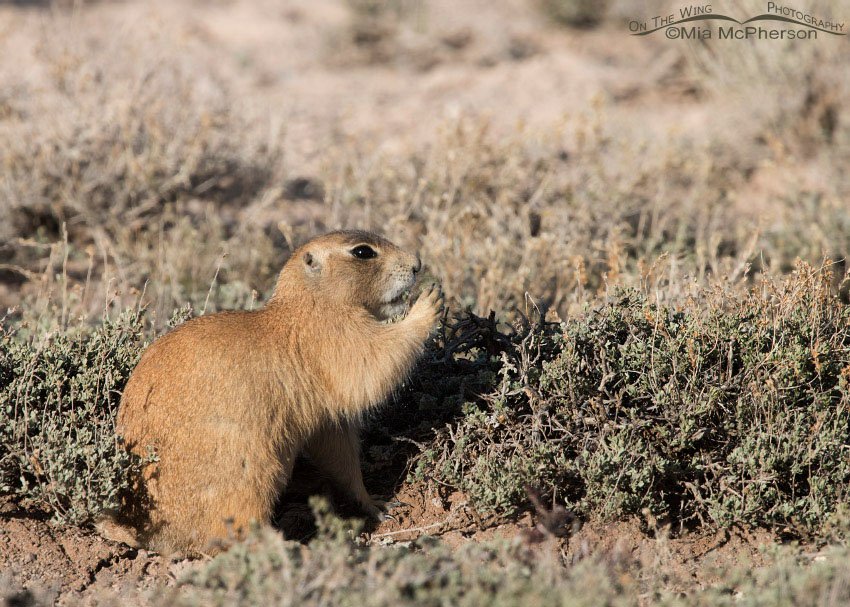
The White-tailed Prairie Dogs I saw and photographed last week in Wayne County, Utah seemed more active in the evening than mornings.
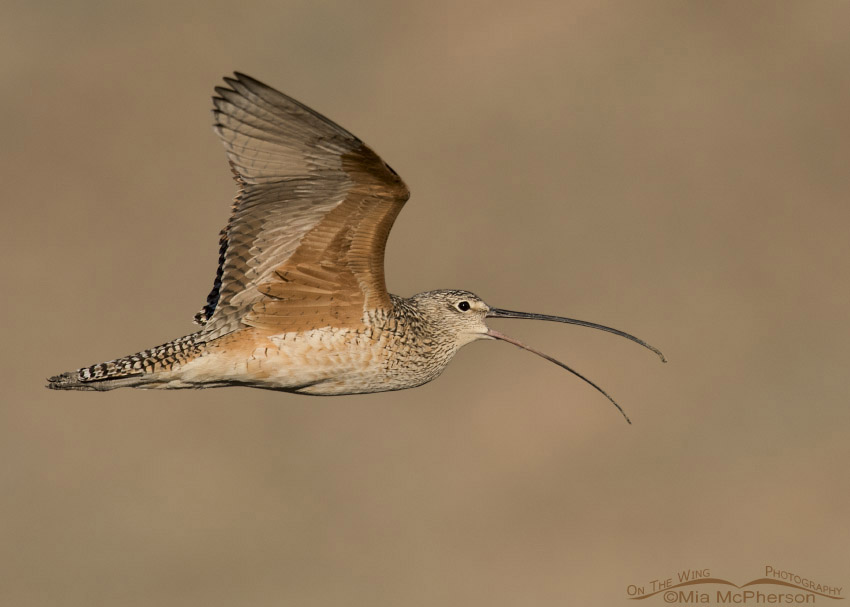
Long-billed Curlews will nest on the island in the grasses soon but before then I look forward to watching their courtship displays both on the ground and in the air.

I will share more Greater Sage-Grouse images from this lek soon but as usual I came home from this trip exhausted and it will take me a few days to get through all the images I took.
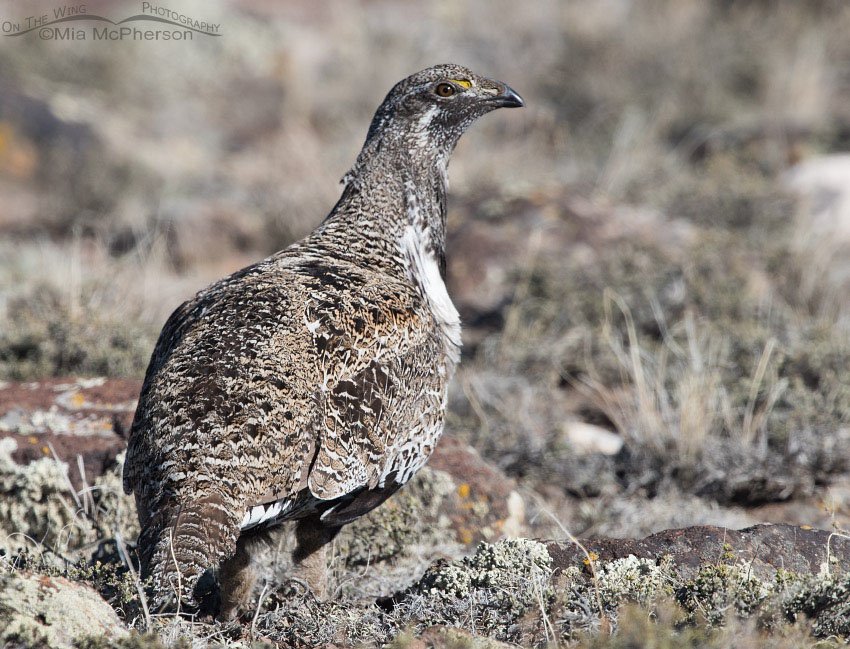
I was stunned and amazed to find not just one Greater Sage-Grouse leks but TWO!
Greater Sage-Grouse and White-tailed Prairie Dogs
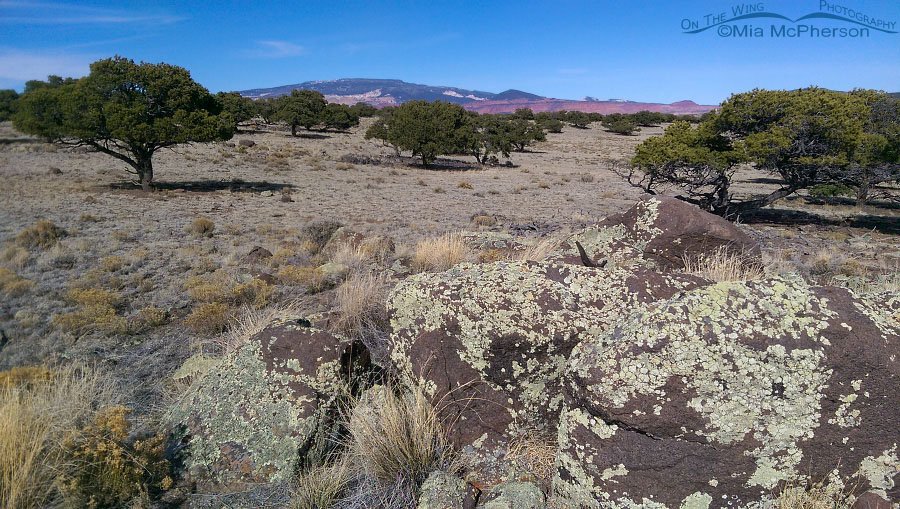
Travelogue: Day 2 and a new campsite
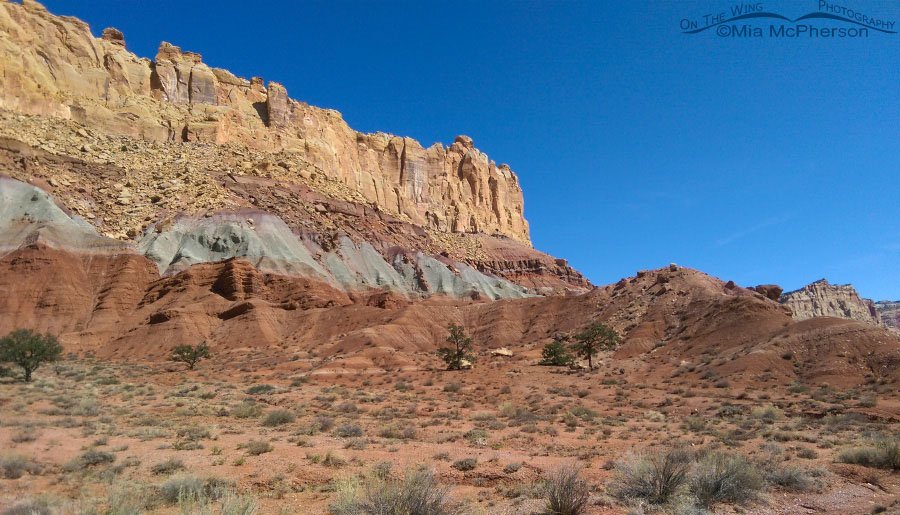
A Capitol Reef National Park view

Not only are Tree Swallows colorful and beautiful they are bug-zapping machines and keep the number of flying insects down.
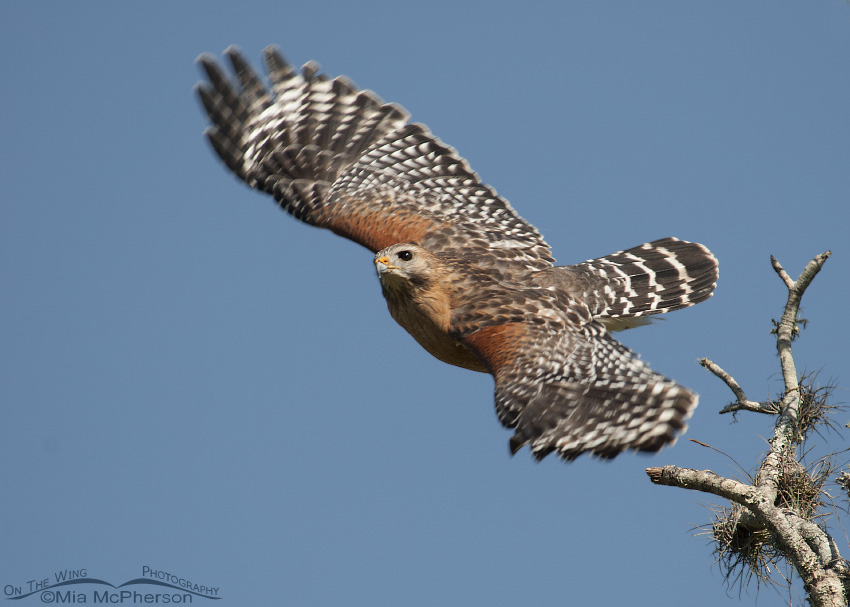
In January of 2009 I went to Myakka River State Park with three of my bird photography friends and the raptor highlight of the day was this Red-shouldered Hawk.

How could anyone look at this view of the Flaming Gorge Reservoir and the red sandstone cliffs being lit by the morning sun and not feel joy?

Can the disappearance of Sagebrush Seas be stopped? Yes, it could be but we need lawmakers that believe in science and act on it.
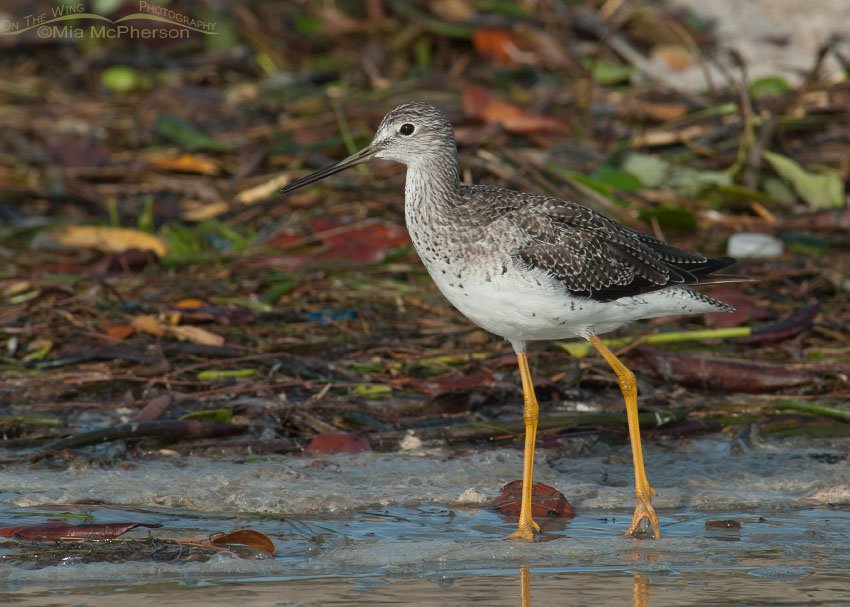
I get excited when spring arrives in Utah and the shorebirds return because they were my spark birds, they are what got me into bird photography

Last week I photographed some Black-billed Magpies on Antelope Island State Park and one of them was partially leucistic
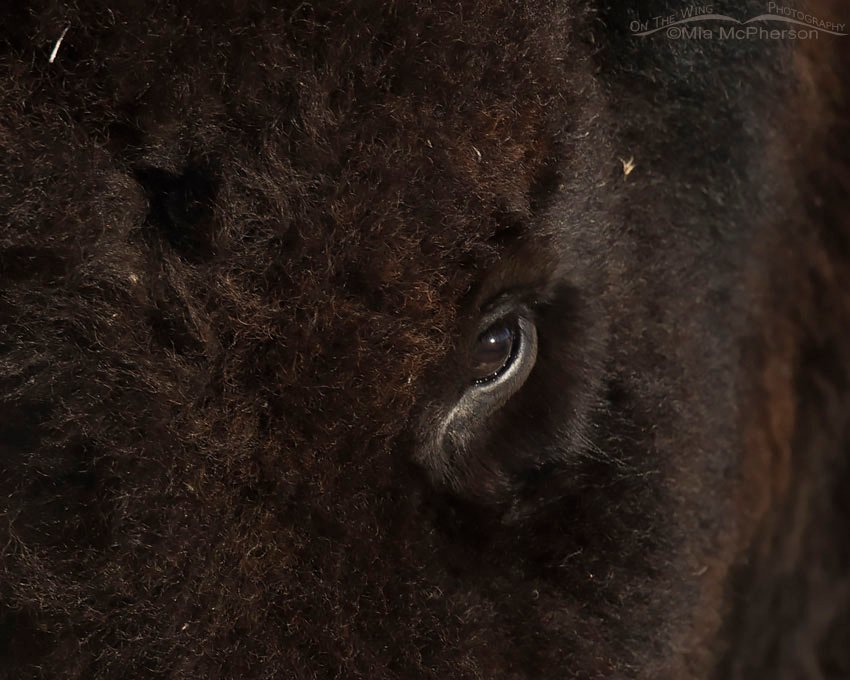
Looking at this bull's eye made me think of how long bison have been roaming the planet and how we almost pushed them to extinction.

I'm not saying that the Burrowing Owl I photographed yesterday was grumpy, just that it looked that way.

But... things seem to be leveling out now much like this female Northern Harrier in flight that I photographed along the causeway to Antelope Island State Park in northern Utah in mid January.

While photographing Black-billed Magpies last week I noticed a pair of Chukars up close and decided to take portraits of the closest bird.

Two days ago I saw my first of the year Sage Thrasher and now I am hoping to see and hear my first of the year Long-billed Curlews as well.

I was absolutely delighted to spot a pair of Sage Thrashers on Antelope Island yesterday because I have been anxiously awaiting their arrival since they left last fall.

One July morning at 2008 I came across quite a few Common Terns at Fort De Soto County Park's north beach.

Last week I posted some Tundra Swan images and mentioned that two of the swans I saw had markers on their necks, these are those swans flying together over the marsh.