Low Light Bird Images
Because I live far from my family and have no children at home my yearly Thanksgiving tradition includes spending a part of my day out photographing birds, mostly early morning outings.




Because I live far from my family and have no children at home my yearly Thanksgiving tradition includes spending a part of my day out photographing birds, mostly early morning outings.

I have been very pleased to add so many images of Rough-legged Hawks to my portfolio in just the past week and hopefully these Roughies will stick around until late February of next year so there will be many more opportunities.
My monthly post titled "So ya think ya want to be a Bird Photographer?" at BirdingIsFun.com has been published.
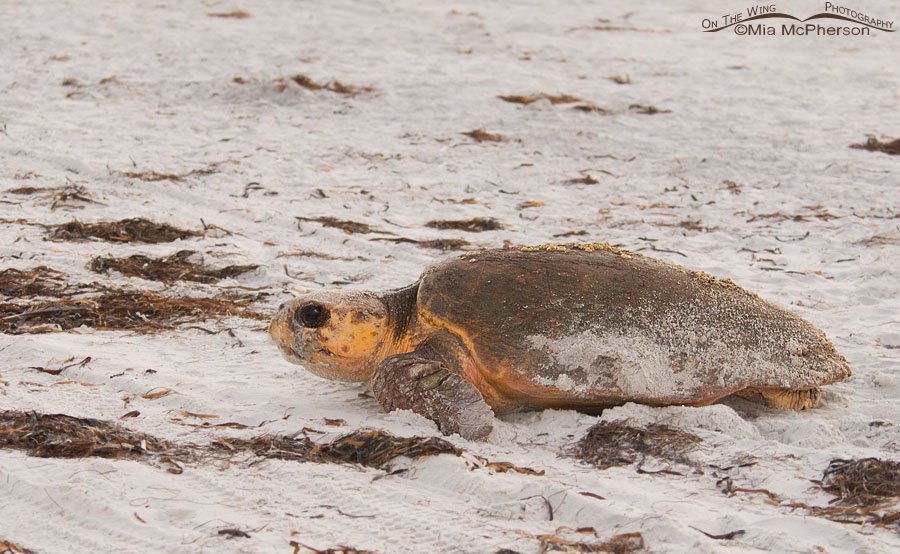
At first I was so stunned that I wasn't taking any images of the Loggerhead Turtle, I just stood there admiring this temporarily earthbound sea creature. She was so beautiful to me.

Wow, two nemesis birds photographed in a week, this Prairie Falcon was amazing. I'll be grinning (and dancing) about this for quite awhile!

Eureka! The Rough-legged Hawks are back from their high subarctic and Arctic breeding grounds and they seem to be showing up in larger numbers than I have seen them since I moved to Utah.

My favorite name for Great Horned Owls is "The Tiger of the Sky" and it is very descriptive of this large, fierce owl.
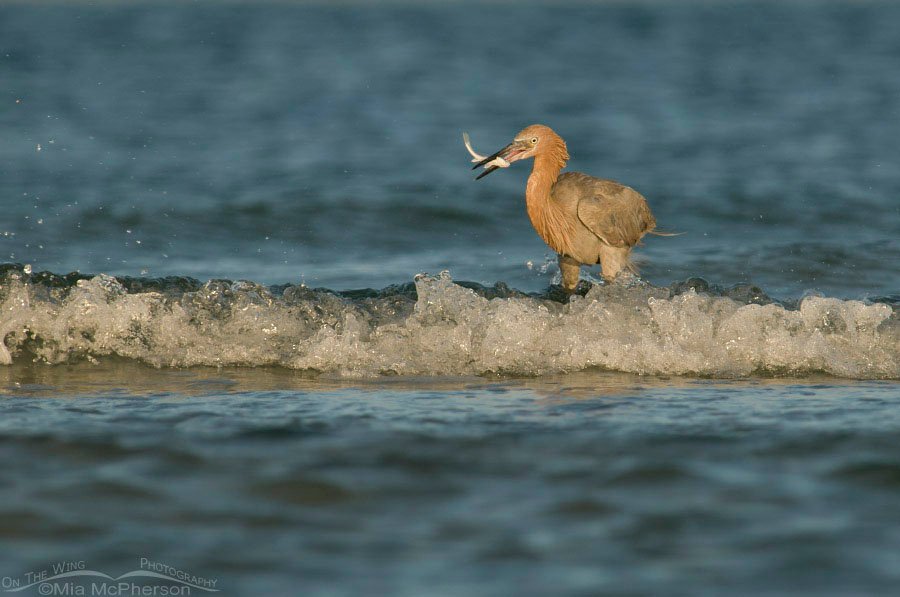
While I lived in Florida I took thousands (and thousands) of images of Reddish Egrets and I am very glad that I did because they are rarities in Utah, where I now live.
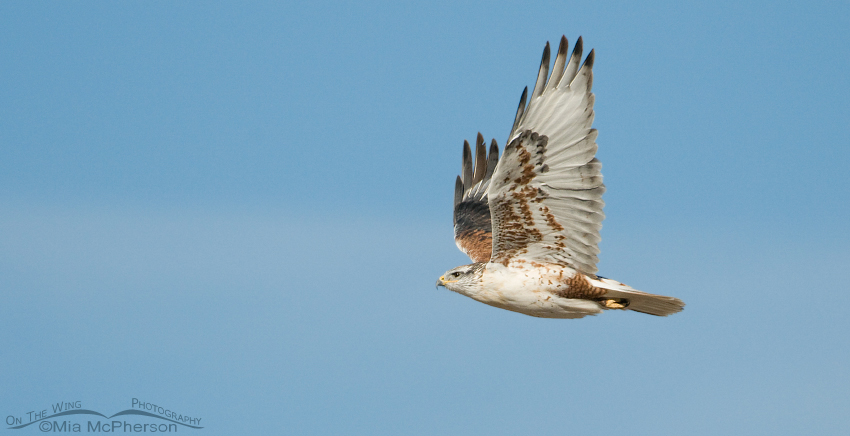
Ferruginous Hawks are the largest hawks found in North America, the "regalis" in the latin name means "kingly" or "regal" and I have to agree with those descriptions.

Red-tailed Hawk with Long-billed syndrome, a perfect example of the sickle-bill form (the worst) all the way over in Utah and the first I am aware of for that state.
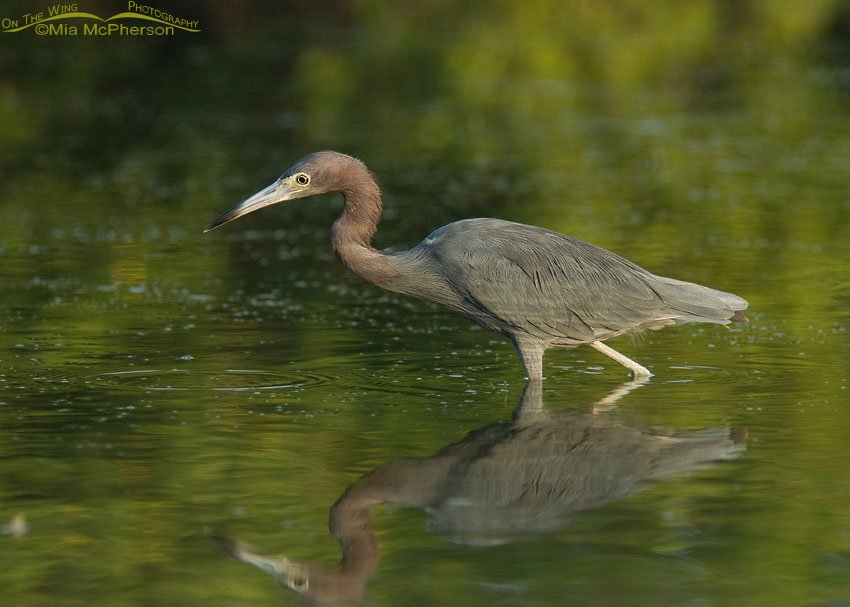
Little Blue Herons were a wading bird that I saw often in Florida. The day I photographed this Little Blue Heron I was sitting quietly in the shallow water of a lagoon when this bird flew in and began to hunt.
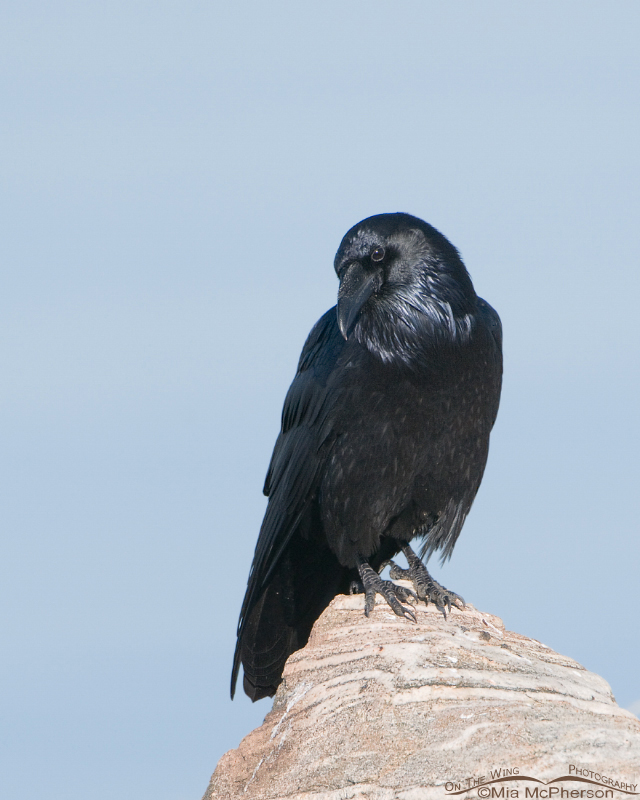
Ravens hold a special place in my heart because they are smart (actually brilliant for birds), collectors of things shiny and/or odd, they let you know about their presence with hoarse croaking sounds and they are very amusing to observe and photograph.
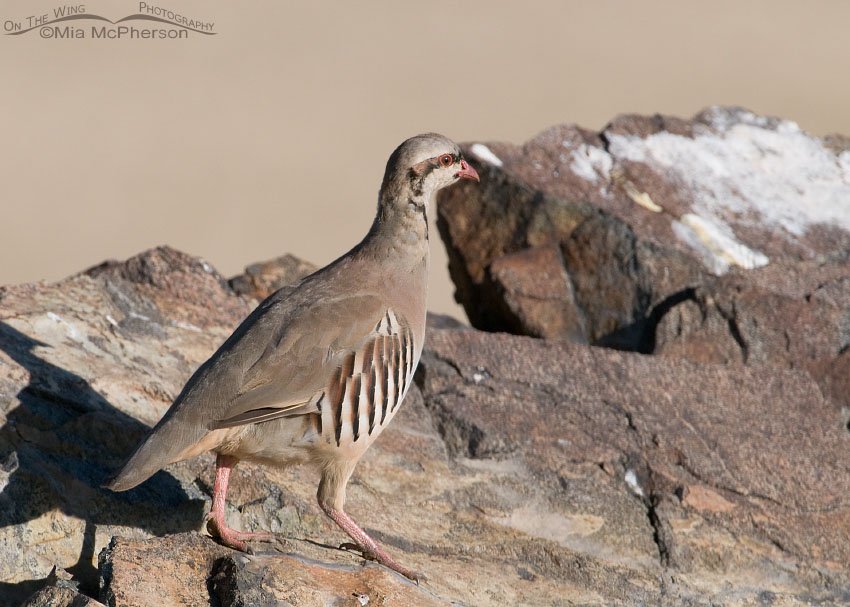
I have learned that you have to be prepared to be a bird photographer and additionally that you need to be fast because birds are free moving creatures. There are times that you simply don't or won't have time to change your camera's settings.

I used to dream about getting images like this one of Pronghorns when all I had was a simple Point & Shoot camera and I could never get close enough to the pronghorns to achieve my dreams. Now I can.
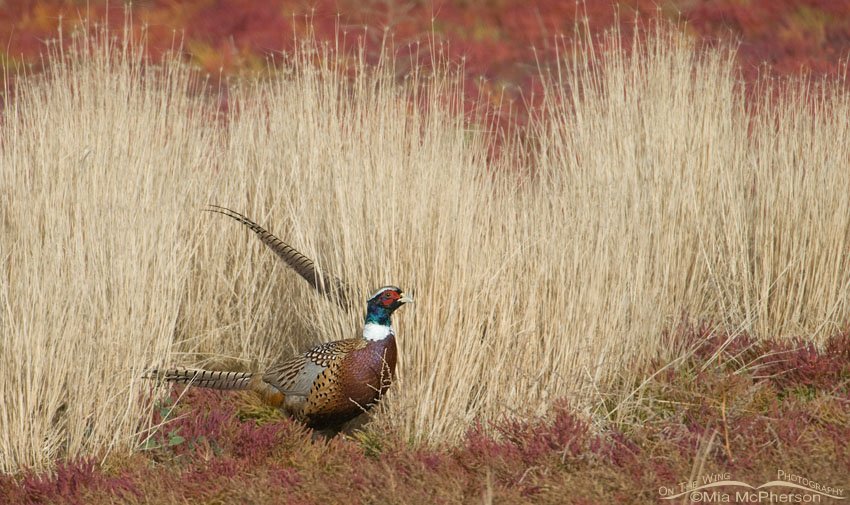
Photographing birds during Autumn is a wonderful time for me in Utah, the beautiful fall colors delight and enthrall me, the air gets nippy and I find myself feeling a surge of energy whenever I am outdoors.
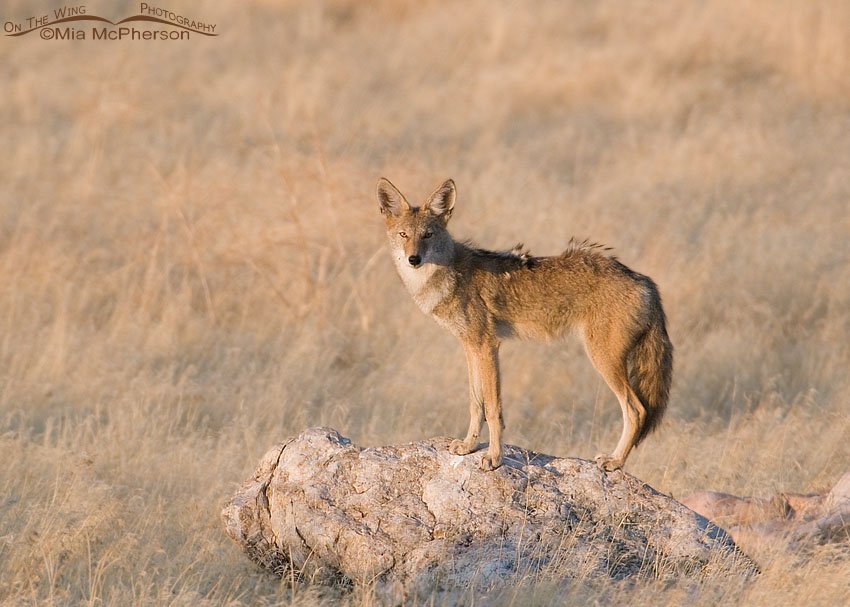
Last month I spotted this Coyote in the golden light of dawn while it hunted in the grasses on Antelope Island State Park. With light so sweet, how could I resist?

The Great Blue Heron images from the series I created that blustery November morning on Fort De Soto's north beach are still favorites of mine and likely always will be.
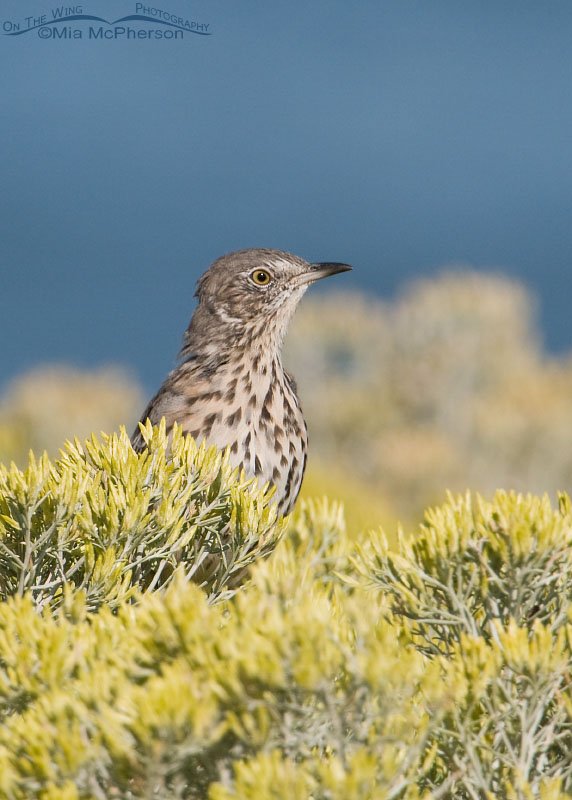
I can't acquire focus on the Lunatic Sage Thrashers because they don't ever stay still long enough, they race around willy-nilly until dizziness forces me to stop watching them. Think Ricochet Rabbit.
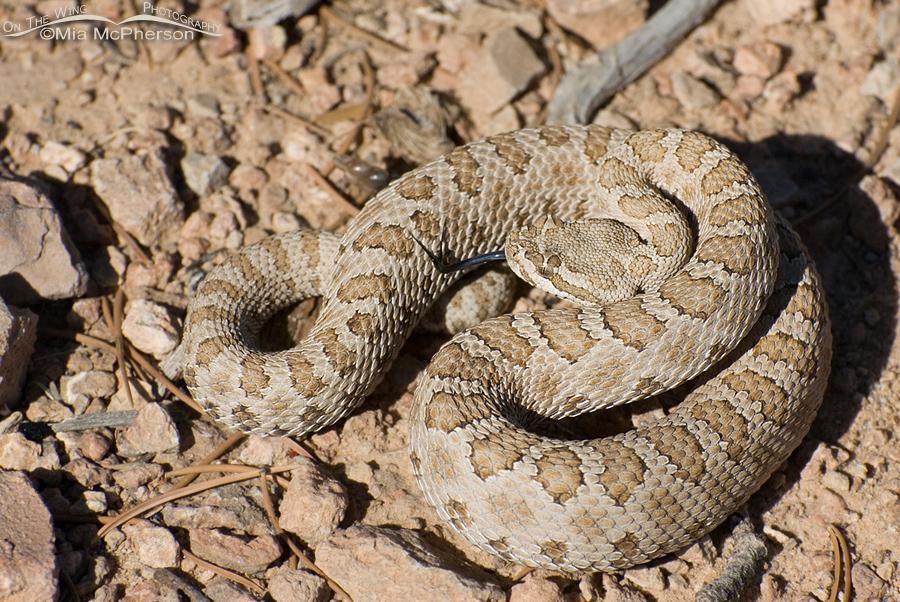
I spent the rest of the trip in the San Rafael Swell area very carefully watching where I put my feet because I didn't want another Close Encounter of the Snake Kind!

I could always tell when a flock of Black Skimmers were flying in to Fort De Soto's north beach when I was photographing there because I could usually hear their soft, nasal barking yips or yeps before I saw them.

Yesterday I came across this very cooperative male Horned Lark (Eremophila alpestris). This male bird preened for a full seven minutes and I took 256 images of it.
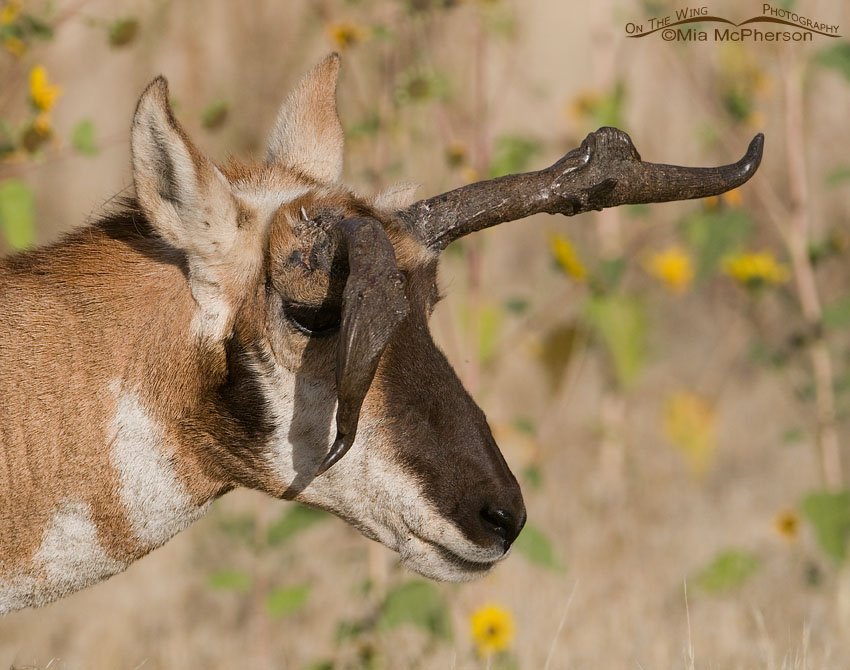
This October 3rd I spotted this pronghorn for the third or fourth time in this past year only this time I had good light, the buck wasn't far away and because it is rut season he was only paying attention to the does and other bucks in the area.

It didn't take long for me to check my ISO, my aperture and other techs as I dropped onto my knees before laying flat on my belly to photograph the flock of 20 or so Whimbrels.

Sanderlings can be a challenge to photograph because they move erratically at a very fast pace but creating images of them at their level is well worth the trouble of getting dirty and being exhausted by trying to follow the movements of these tiny dynamos.
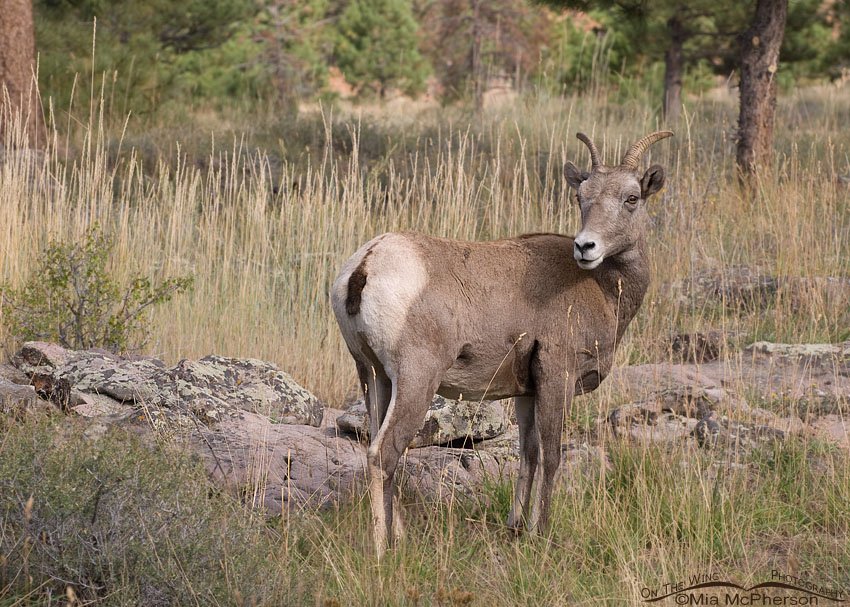
I've only photographed Bighorn Sheep (Mountain Sheep some people call them) a few times and here they were, calmly foraging close to where I was! I was thrilled and excited.
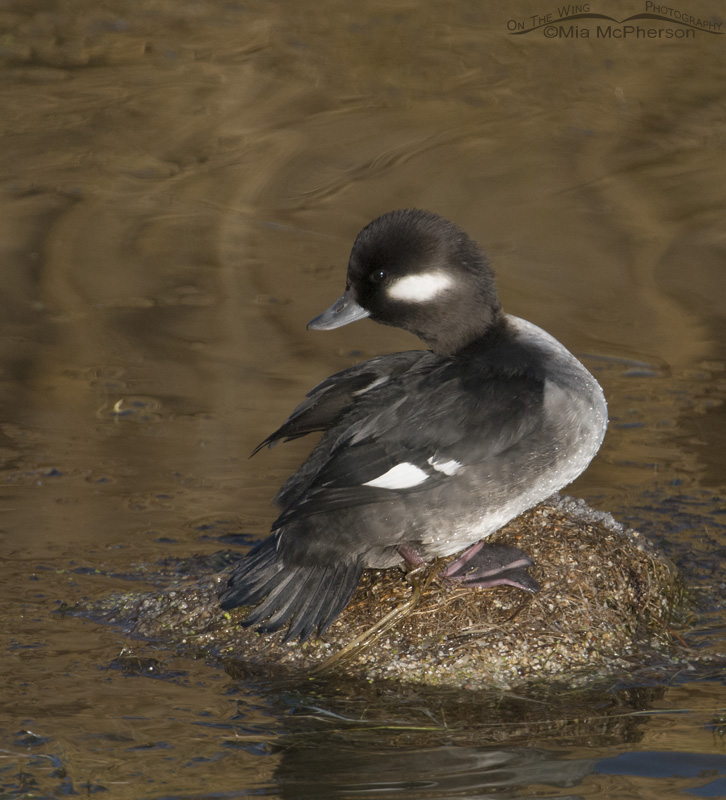
Another wonderful change that I have been seeing is that a variety of duck species have been arriving at the Great Salt Lake

I'm looking forward to the crisp cool air after all the summer heat but most of all I am looking forward to the birds I have missed seeing during the hottest part of the year

Earlier this year in March I wrote an article titled "Burrowing Owls - Loved to Death?" and this post is a sequel to it.
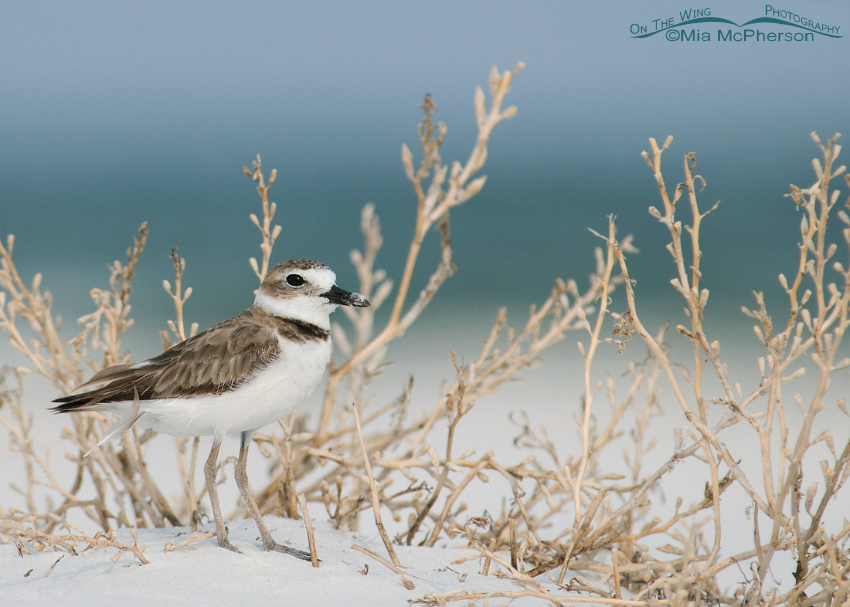
This Friday's Photo is that of a Wilson's Plover, a species I very much enjoyed photographing while I lived in Florida.

I love to photograph in pre-dawn light because of the subtle almost pastel tones that can be captured at that time of the morning.