Pre-migration Lazuli Buntings Fattening Up On Fruit
One year ago today I was up in the Wasatch Mountains photographing pre-migration Lazuli Buntings fattening on the fruits of serviceberries and most of them were either immature or female buntings.




One year ago today I was up in the Wasatch Mountains photographing pre-migration Lazuli Buntings fattening on the fruits of serviceberries and most of them were either immature or female buntings.
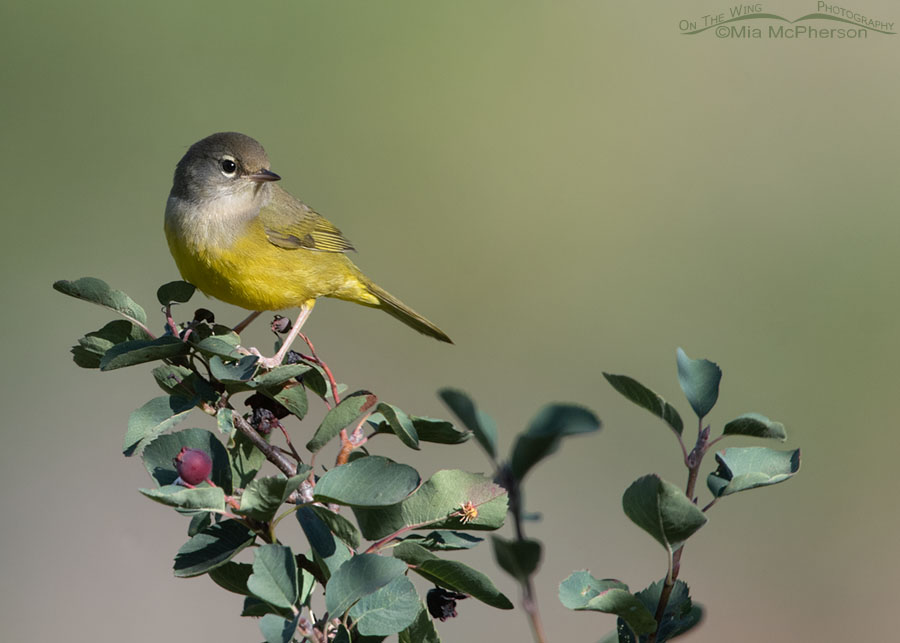
As a bird photographer I'm feeling a sense of urgency now that I didn't feel a few weeks ago because as I watch the migrants in the Wasatch Mountains getting ready for their long journeys I know that my time for photographing them this year is quickly running out.
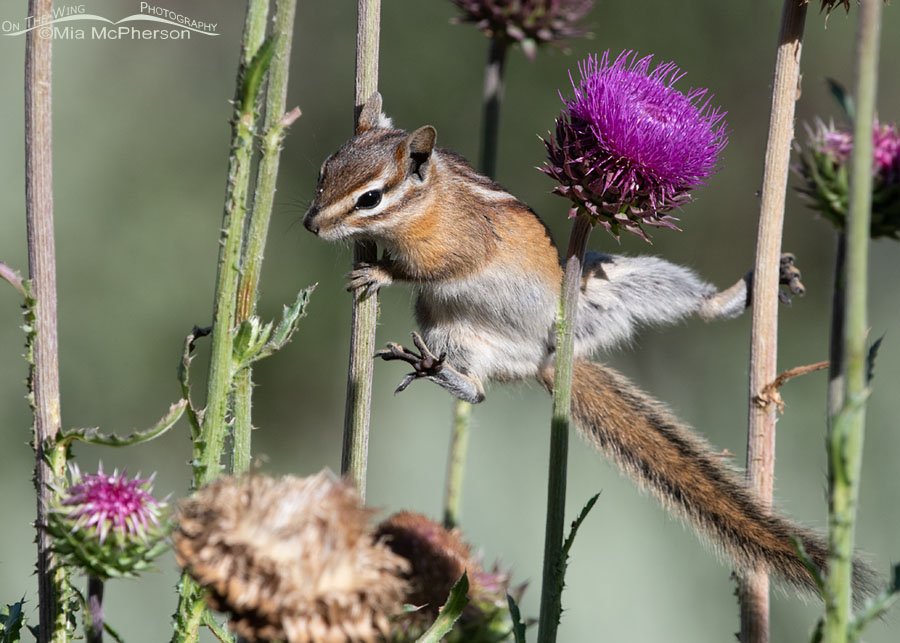
I had fun yesterday photographing a few chipmunks up in the Wasatch Mountains including this chippy performing acrobatics while trying to get to thistle seeds.

One year ago today I went up into the Wasatch Mountains and for about three minutes I photographed a molting American Goldfinch feasting on Musk Thistle seeds.
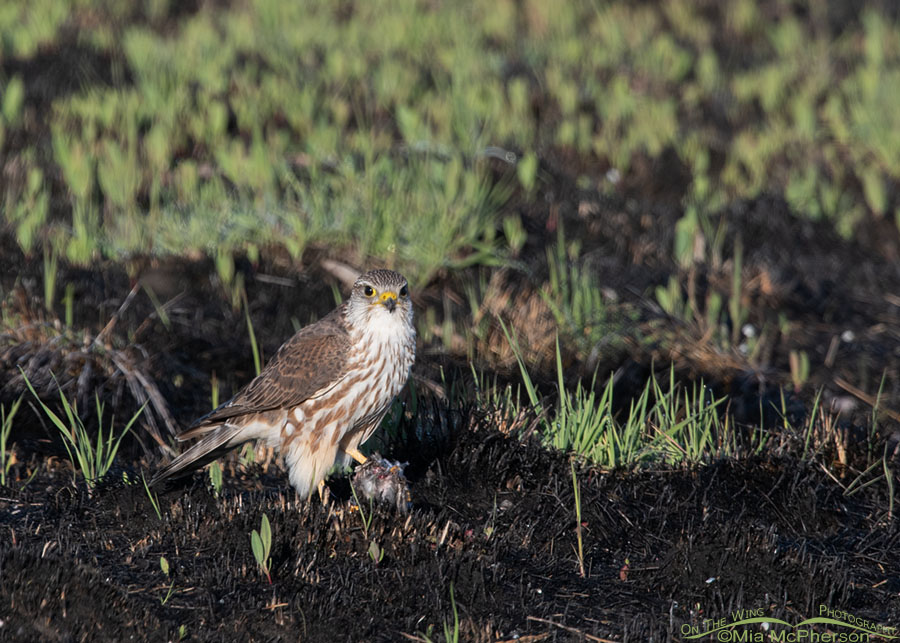
In my experience Merlins are already hard to find in the state of Utah but because of our climate crisis they could become even more difficult to locate or they might even disappear from the state altogether.

Our current climate crisis could mean Utah might lose our Mountain Bluebirds and it is not just us, it is Idaho, California, Nevada, Arizona, Colorado, New Mexico, and Wyoming that will also be affected if action isn't taken now.

Ah, Mia, it is just a bird. No, it isn't just a bird. Because California Gulls aren't the only birds at risk of disappearing from the skies, shorelines and waters of Utah.

I researched Utah's grasshoppers and found out that this is a Two-striped Grasshopper (Melanoplus bivittatus) and even though I may have seen this species of grasshopper before it is a photographic lifer for me.

I was delighted to photograph the few immature Black-billed Magpies that were close to me and to observe those who were further away foraging and chasing each other around in a field dotted with wildflowers, grasses and sage.

I noticed that the Golden Currants have started to ripen and this chipmunk was actively feeding on the fruits when I caught sight of it and twisted my body like a pretzel to take a few photos of it.

The Great Blue Heron had flown in and landed near the shoreline on the other side of the pond where the bank was covered with snow and the heron rested there for a bit.
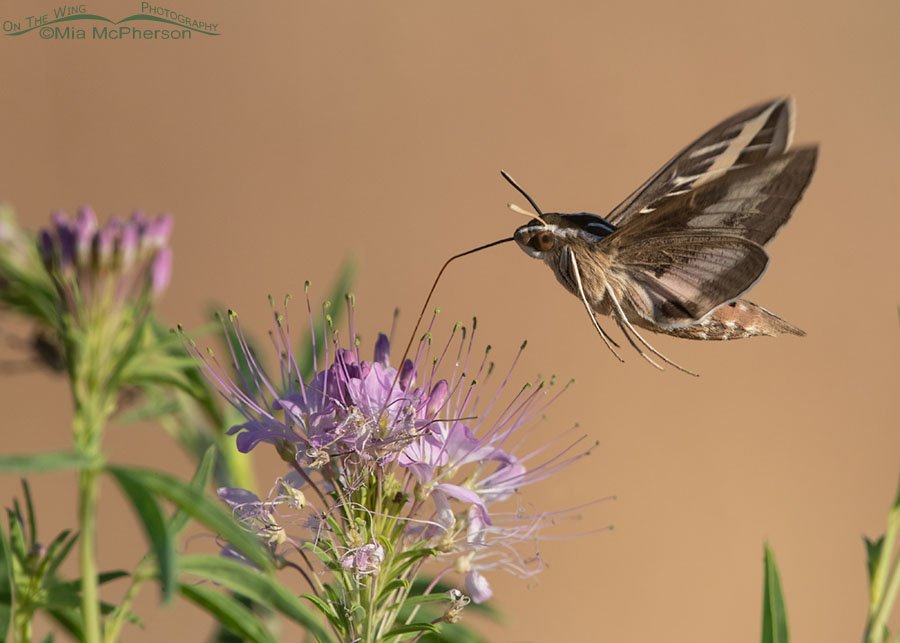
Even though I am primarily a bird photographer I can't resist photographing other subjects especially if those subjects have wings so when I saw a White-lined Sphinx moth yesterday I simply had to focus on it for a bit.
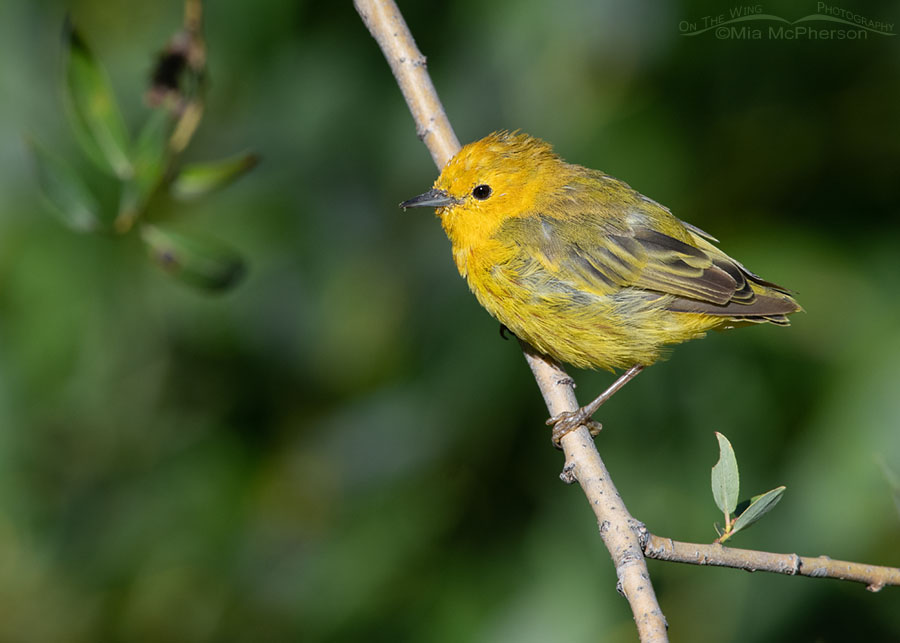
Some birds that are molting can look a little odd and this molting male Northern Yellow Warbler with a stubby little tails fits that description perfectly.

I kept my focus on this male American Goldfinch and when he lifted off I was able to take a photo with his wings raised just as he started to take flight.

I missed out on photographing Showy Milkweed in bloom in the lower elevations of northern Utah but not at the higher elevations of the Wasatch Mountains.

Yesterday I was delighted when I spotted a Western Warbling-Vireo at the top of some nearby willows and that the vireo stayed long enough for me to take a few photos of it.

I was glad to have so many immature Song Sparrows in my viewfinder that were out in the open on the ground and perched up higher.

I was able to get back out into the field yesterday and I had a marvelous time photographing young Spotted Sandpiper chicks and learning more about their behaviors near a creek in the Wasatch Mountains.

Just a short post today with a photo of a male Broad-tailed Hummingbird getting nectar from an unknown wildflower, or at least it is unknown to me.

I'm confident in my North American bird ID abilities but when it comes to Fritillary butterfly species ID in the Wasatch Mountains I feel stymied a lot of the time.

The light wasn't great when I took this image of a juvenile Song Sparrow perched in a thicket last year but these little ones don't seem to spend a lot of time in the open right after they fledge so I was happy with the photo.

Mark your calendars because there is a yearly Spider Festival on Antelope Island State Park and this year the festival is being held next Saturday on August 3, 2019.
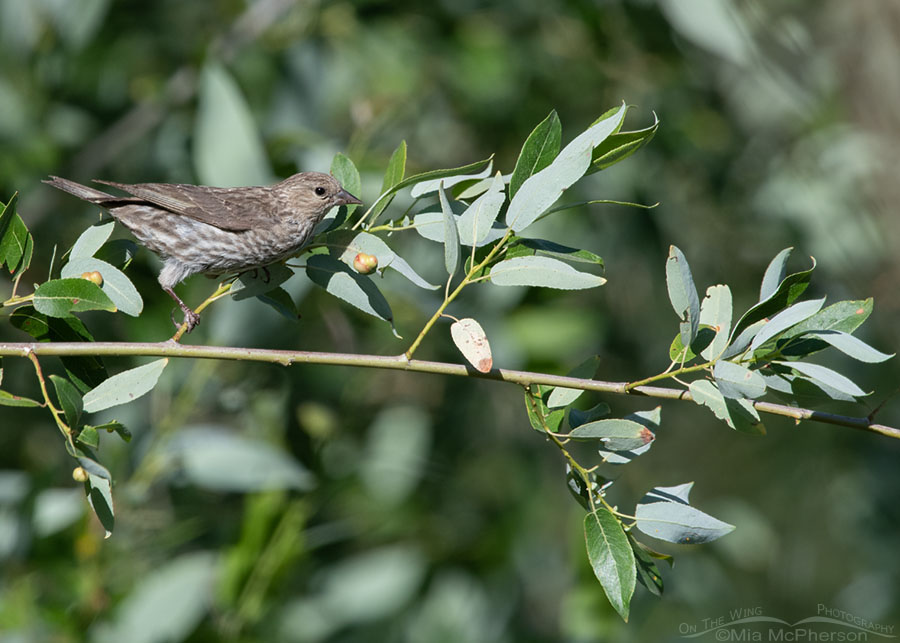
I don't have many photos of siskins in my portfolio and every year I hope to add more so when I was able to photograph a Pine Siskin foraging in a willow 5 days ago I was thrilled.

This was the first immature Green-tailed Towhee I have seen this breeding season and I am hoping that it won't be the last one I photograph this year.

I was excited and enchanted by seeing and photographing at least two Spotted Sandpiper chicks yesterday morning near a creek up in the Wasatch Mountains.

Last year I was able to take hundreds of photos of this male American Goldfinch in breeding plumage while he fed on the seeds of a Musk Thistle.

I could wish that the Orange-crowned Warbler didn't look as messy as it does but I am just so glad to have taken even one image where the orange crown is visible that I would toot a horn if I owned one.
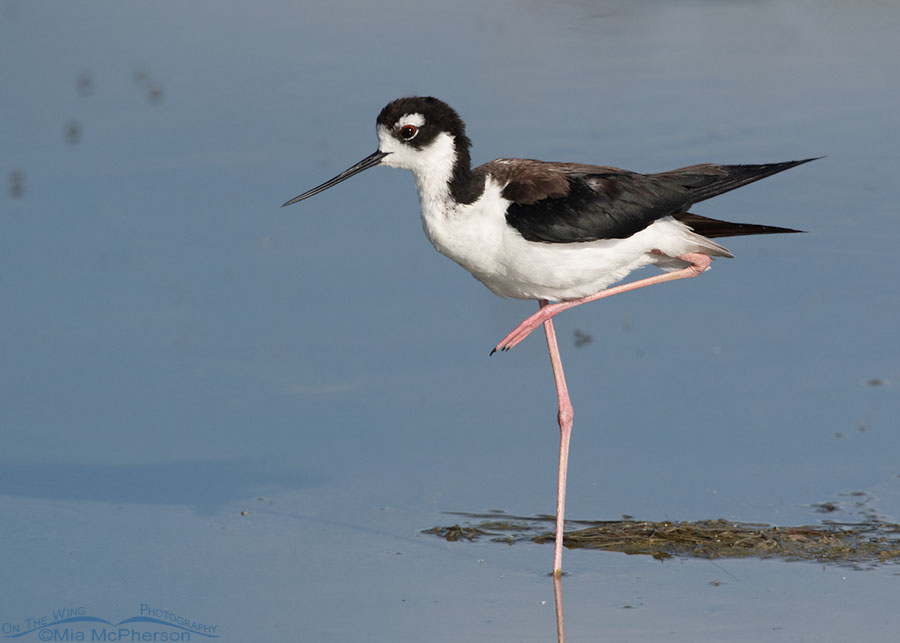
These two Black-necked Stilt photos were taken 9 days ago at Bear River Migratory Bird Refuge and I thought they could easily show the difference between the female and male of this species.
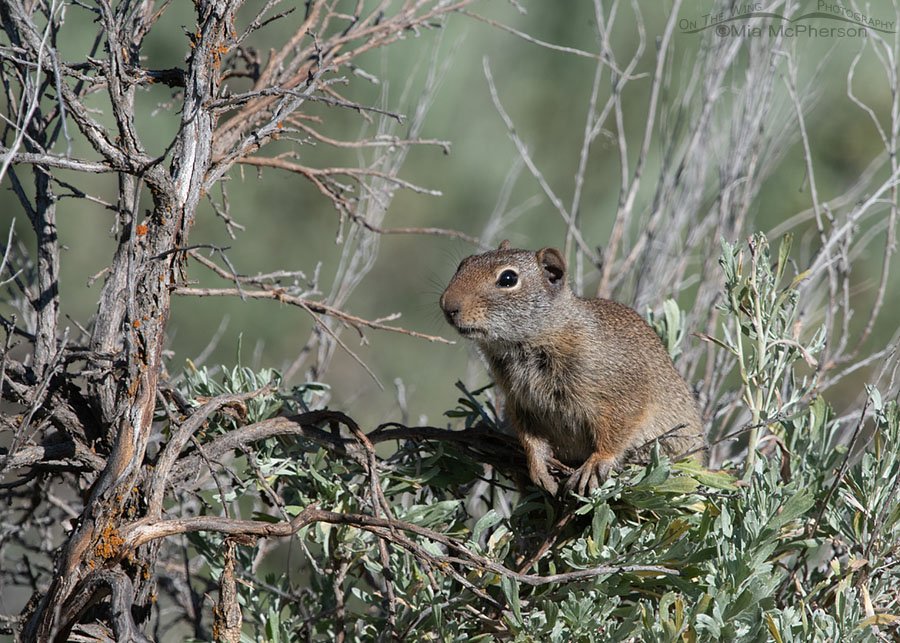
As I photographed a pair of Uinta Ground Squirrels in a sagebrush high up in the Wasatch Mountains yesterday I realized that before long these squirrels will be gone from my view.

I was glad to focus on the Black-crowned Night Herons I saw that morning because of late I have seen fewer of them than I have on past years which has meant fewer opportunities to photograph them.