Swainson’s Hawk (FOY)
Last week while searching for Golden Eagles to photograph in Box Elder County, Utah I spotted two Swainson's Hawk (Buteo swainsoni) adults; my first of the year sightings, the first one perched on a power pole.


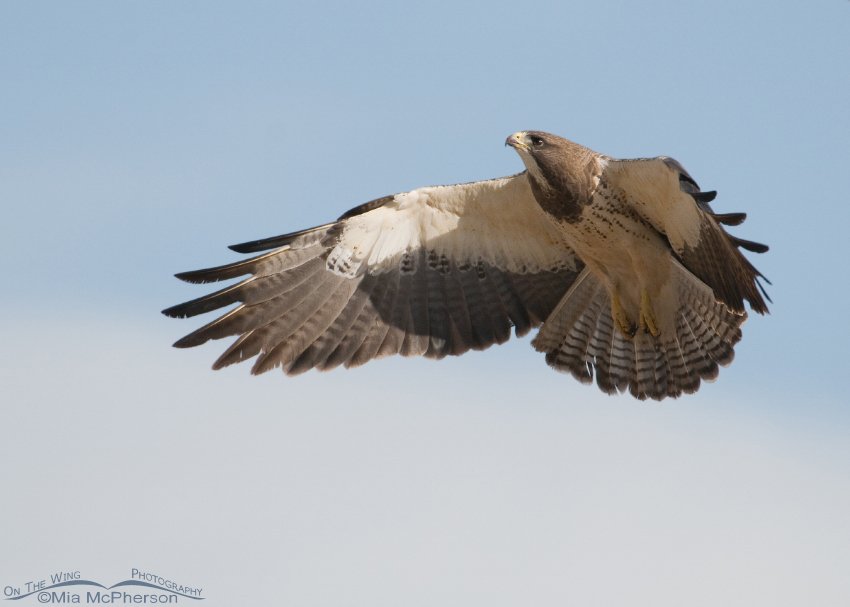
Last week while searching for Golden Eagles to photograph in Box Elder County, Utah I spotted two Swainson's Hawk (Buteo swainsoni) adults; my first of the year sightings, the first one perched on a power pole.
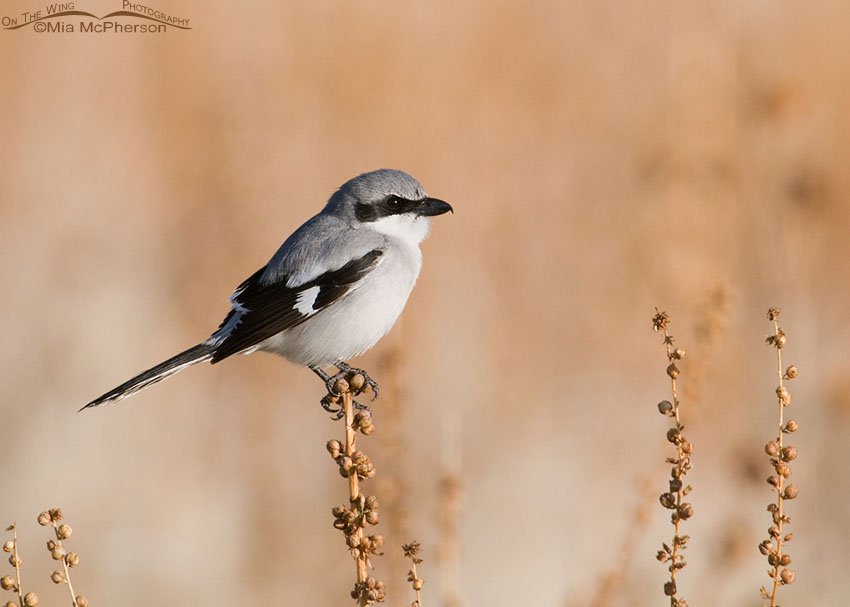
I've been seeing more and more Loggerhead Shrikes (Lanius ludovicianus) pairing up the past week or so which means it won't be long before they are on their nests.
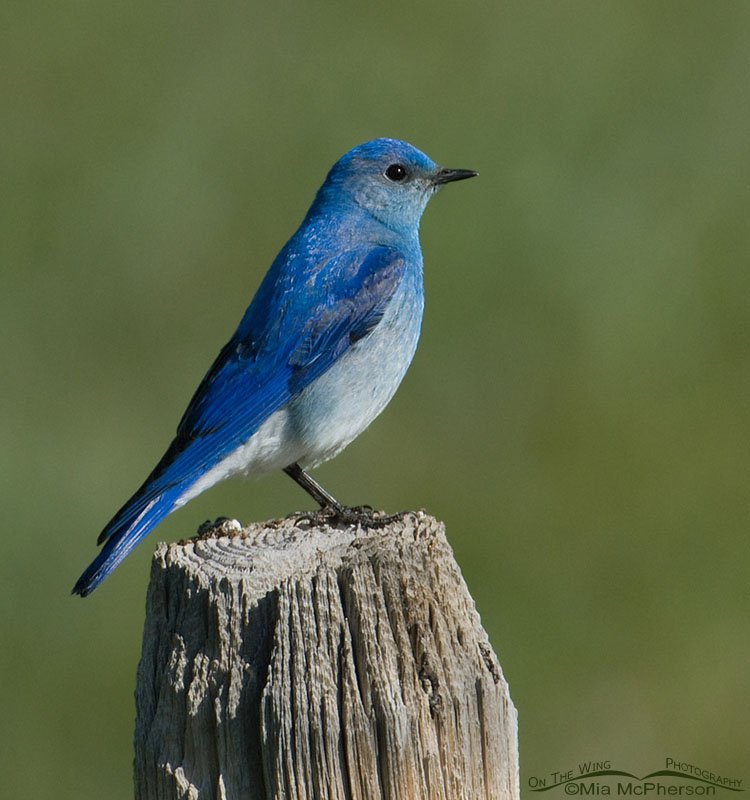
How blue can blue be? I think Mountain Bluebird (Sialia currucoide) males are a wonderful example of just how blue a bird can be.
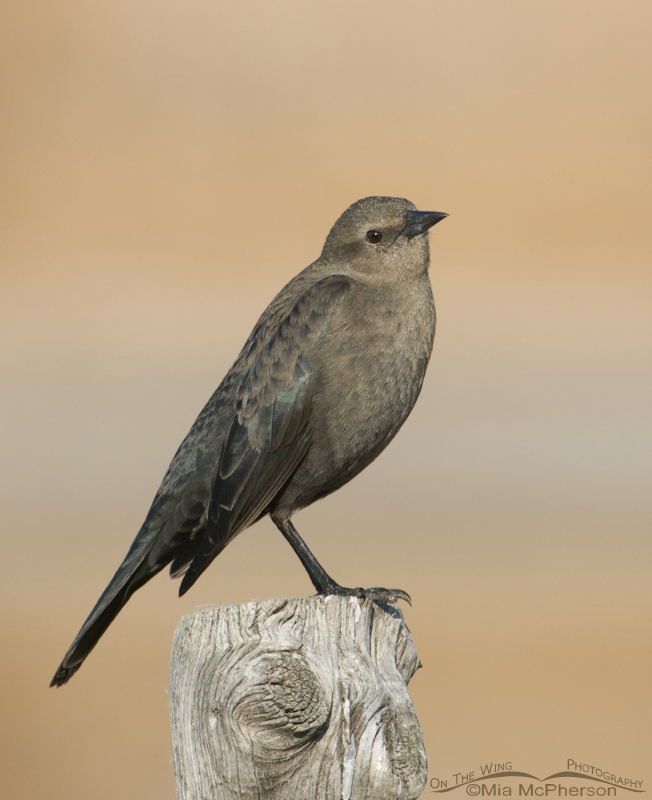
Brewer's Blackbirds may not be the most well known of the Blackbird family; I am fairly certain that the Red-winged Blackbirds have that claim to fame, but they are beautiful and interesting subjects to photograph.
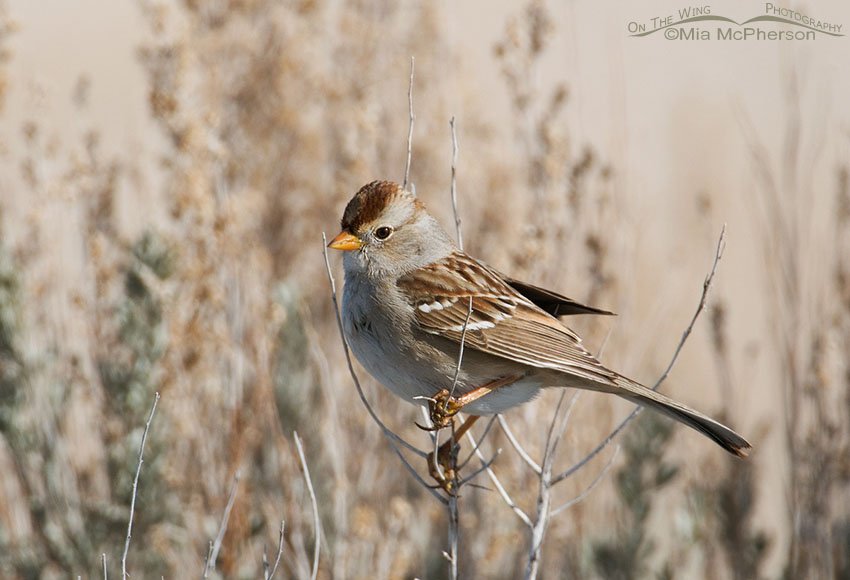
Yesterday while I was out photographing on Antelope Island State Park I came across a small flock of White-crowned Sparrows right next to the road.
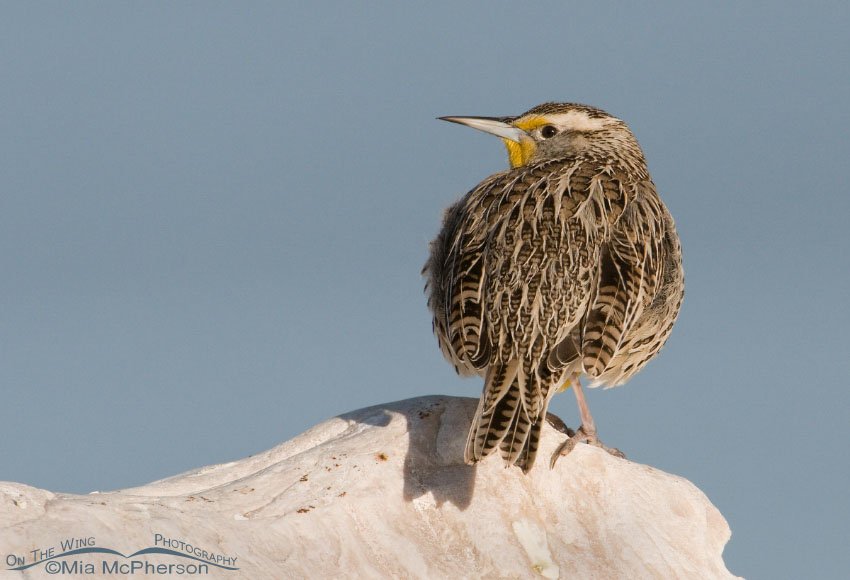
Tis the season of changes, for a bit it acts like winter and soon switches to act like spring. . The flute like call of Western Meadowlarks is a sound I associate with spring and lately I have been hearing them quite often.

I photographed this adult Bananaquit while on the island of Half Moon Cay in the Bahamas. The island was full of these birds.
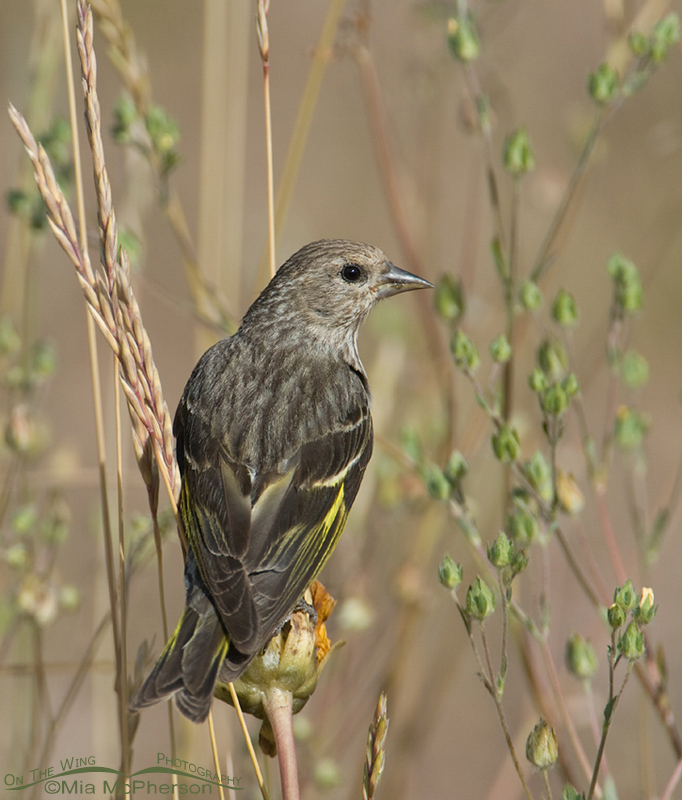
While exploring the area and it's breath taking beauty I spotted a large flock of Pine Siskins feeding on the seedheads of Mule Ears (Wyethia amplexicaulis).
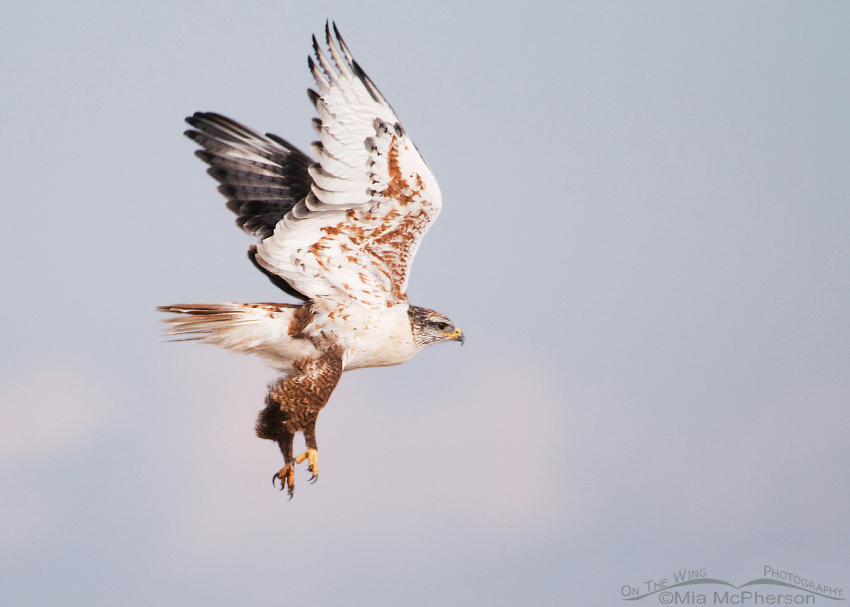
There aren't many people in the west desert of Utah thus the raptors and other birds that live there are not habituated to people so they are very skittish even when using a mobile blind.
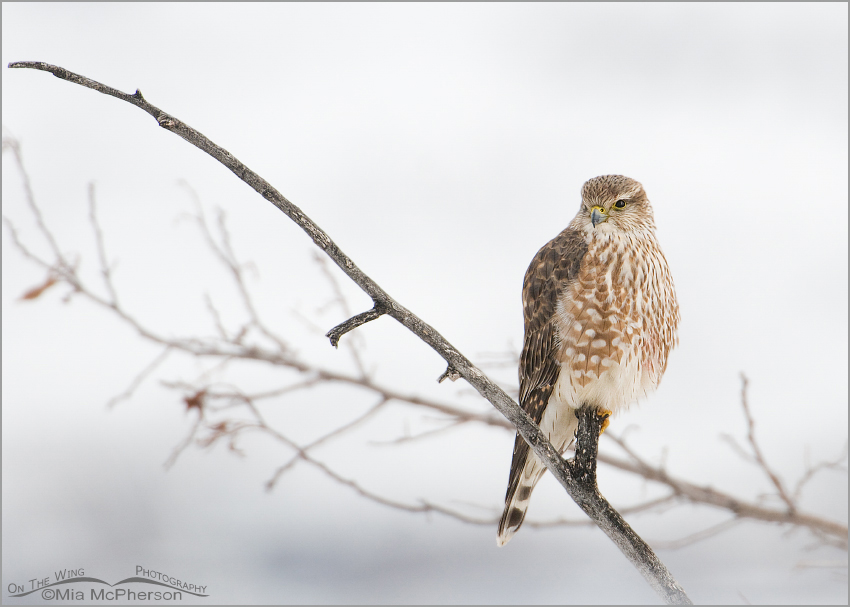
Merlins are winter visitors in the Salt Lake Valley so I have just a few more weeks to attempt photographing them. Merlins are used to be called "pigeon hawks" because their shape and flight patterns are similar to pigeons.

Horned Larks and Western Meadowlarks are birds that I enjoy photographing all year long in Utah and yesterday they gave me some wonderful opportunities.
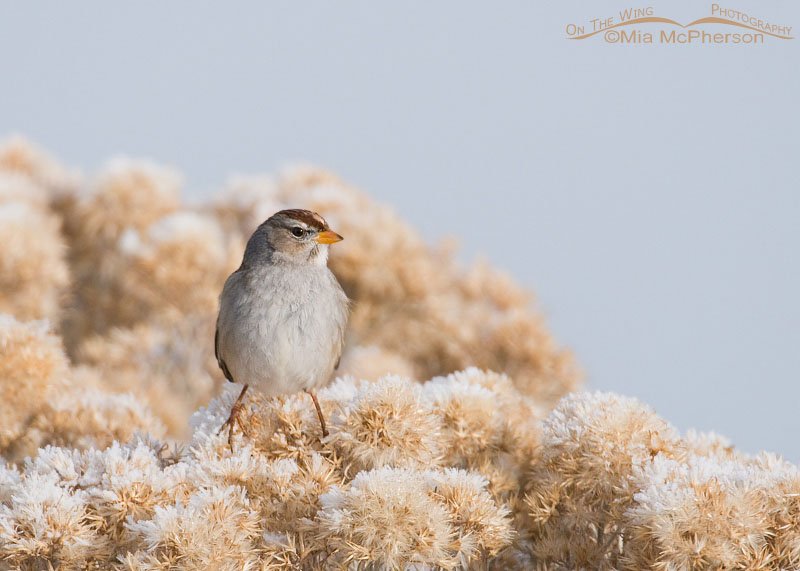
White-crowned Sparrows can be seen foraging in the grasses, rabbitbrush and sagebrush that grow along the edge of the road.
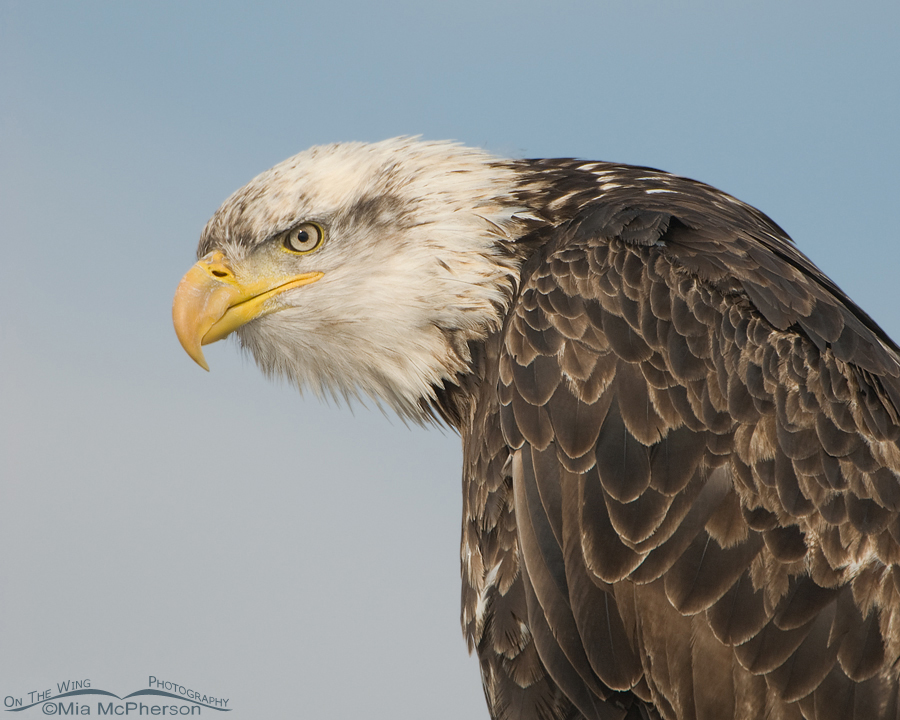
During the summer months I don't often see Bald Eagles unless I go up into the high country or travel north of Utah to Idaho, Wyoming or Montana but in the Salt Lake Valley many Bald Eagles come in to spend the winter.
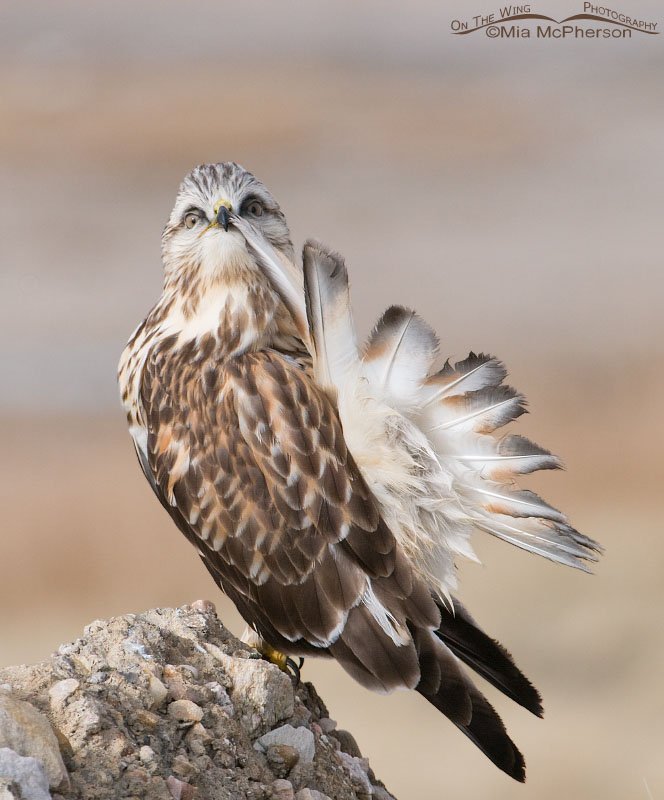
Last week though I had the opportunity to photograph a very cooperative Rough-legged Hawk preening.

I have been very pleased to add so many images of Rough-legged Hawks to my portfolio in just the past week and hopefully these Roughies will stick around until late February of next year so there will be many more opportunities.

Wow, two nemesis birds photographed in a week, this Prairie Falcon was amazing. I'll be grinning (and dancing) about this for quite awhile!

Eureka! The Rough-legged Hawks are back from their high subarctic and Arctic breeding grounds and they seem to be showing up in larger numbers than I have seen them since I moved to Utah.
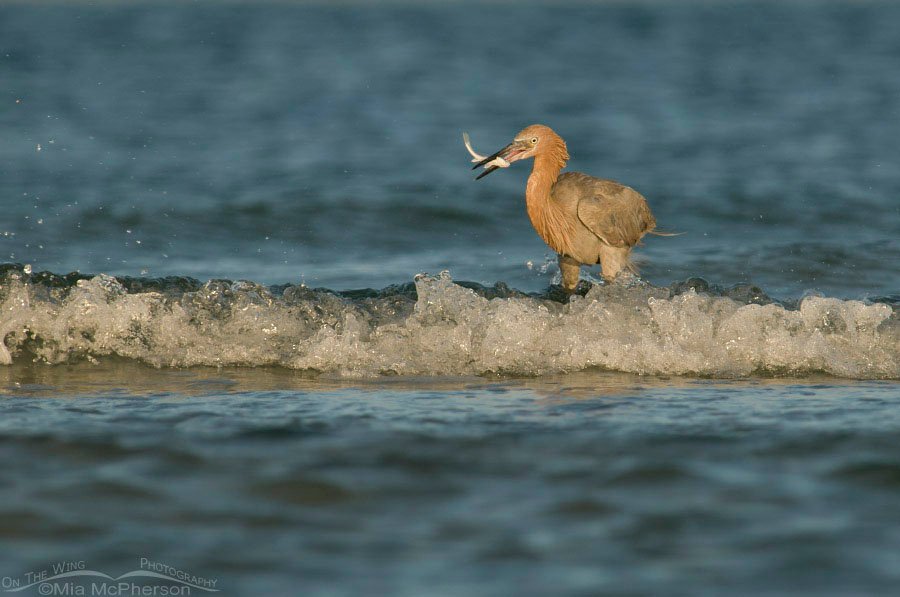
While I lived in Florida I took thousands (and thousands) of images of Reddish Egrets and I am very glad that I did because they are rarities in Utah, where I now live.
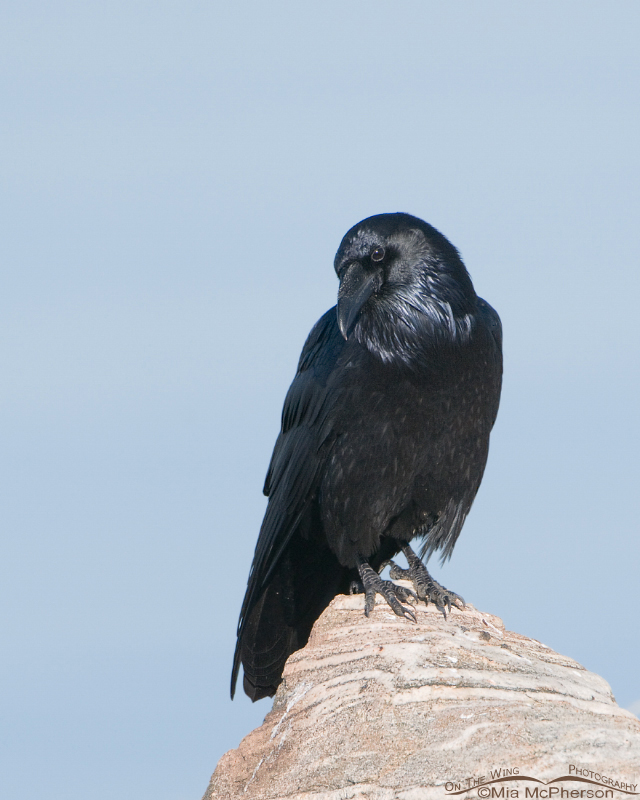
Ravens hold a special place in my heart because they are smart (actually brilliant for birds), collectors of things shiny and/or odd, they let you know about their presence with hoarse croaking sounds and they are very amusing to observe and photograph.

I am always looking for the unexpected birds to show up in locations where I might not expect them them to be and this Short-eared Owl was a bit of a nice surprise.
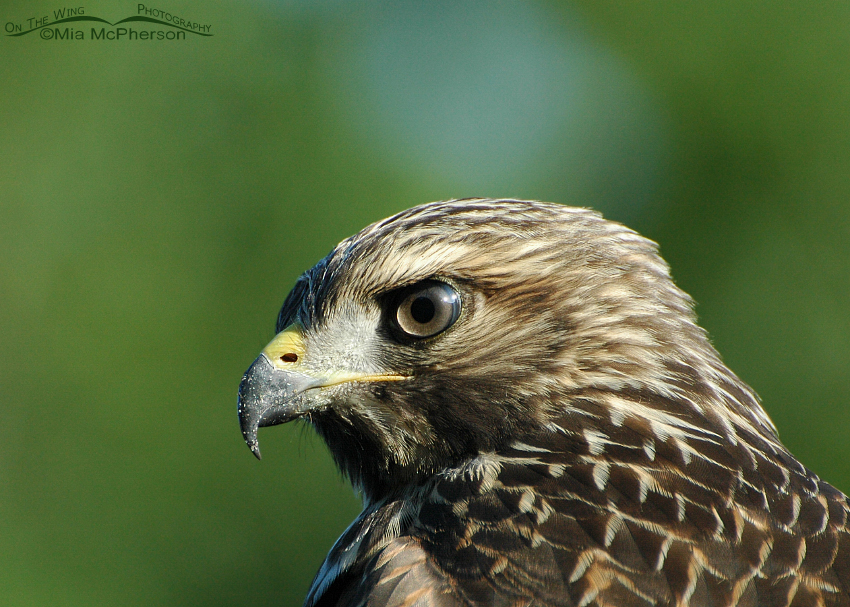
This very cooperative juvenile Red-shouldered Hawk was used to the people who frequented Sawgrass County Park and it would land very close to humans.
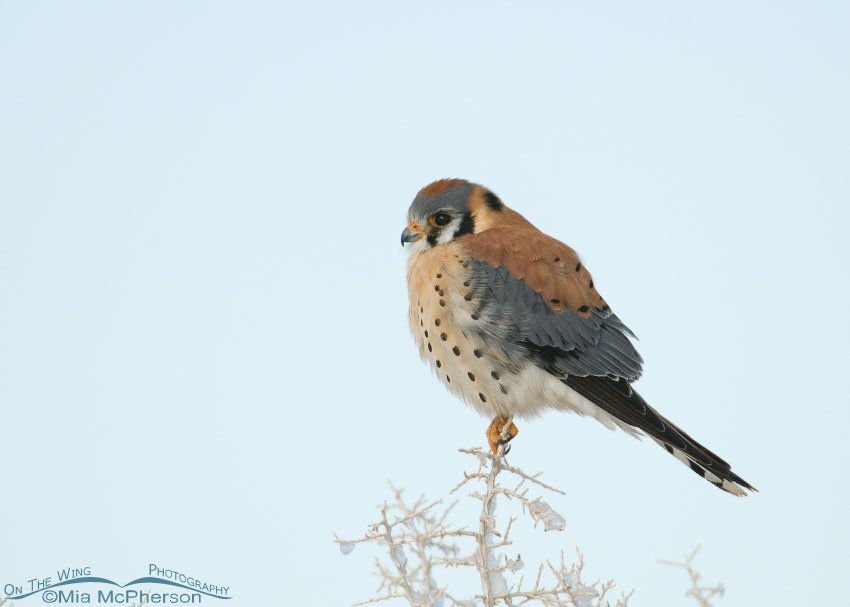
The American Kestrel is our smallest falcon in North America but what they lack in size I feel they make up for in attitude.
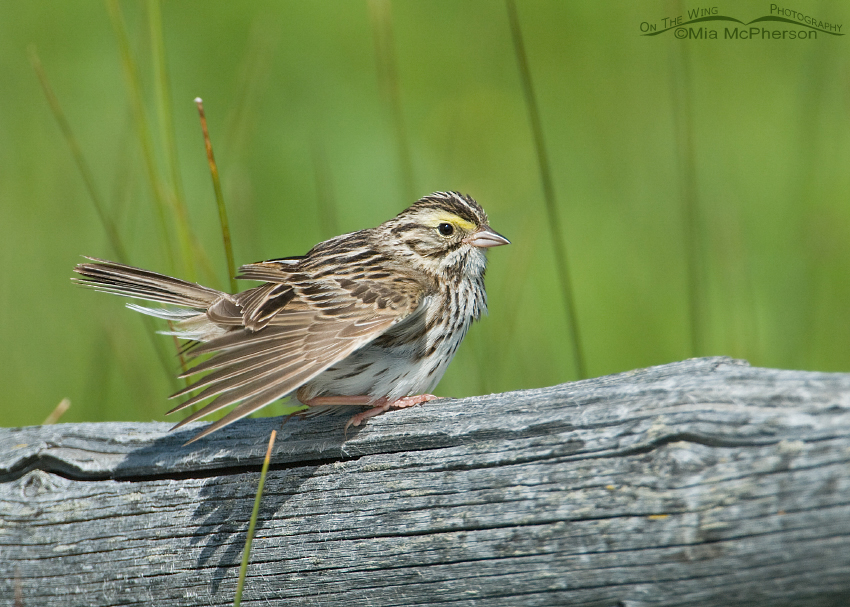
These Savannah Sparrows were nearly as much fun to observe as they were to photograph. They are very active birds and it was a challenge to keep up with them

Yesterday I observed an adult Willet defending its young from a group of Black-billed Magpies that were near the Willet's chicks.

I really, really, really wish these young American Barn Owls had been perched on something that looked more natural than old bent metal with droppings all over it

Nikon's Image Overlay Function. Yes, I was experimenting with a little bit of Summer Lunacy. This is a bit whimsical and it makes me smile.

Cliff Swallows catch and eat flying insects of many species the wing so I adore them because they eat mosquitoes, an insect that I personally despise!

Adults have black eyes, the Black-billed Magpie juveniles have blue, gray or even violet eyes.
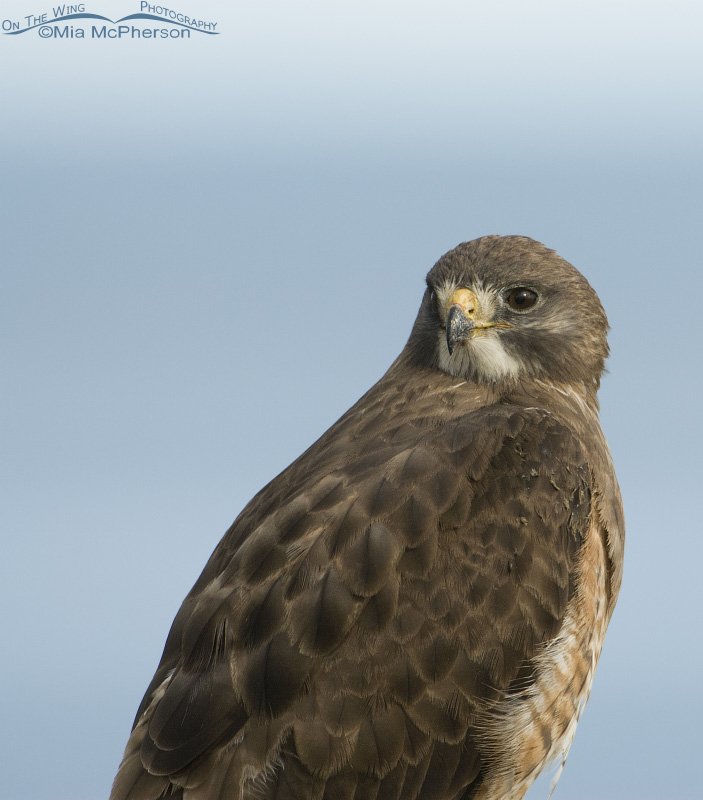
Last Friday I came upon this Swainson's Hawk; not just once but twice, perched on signs very close to the road.
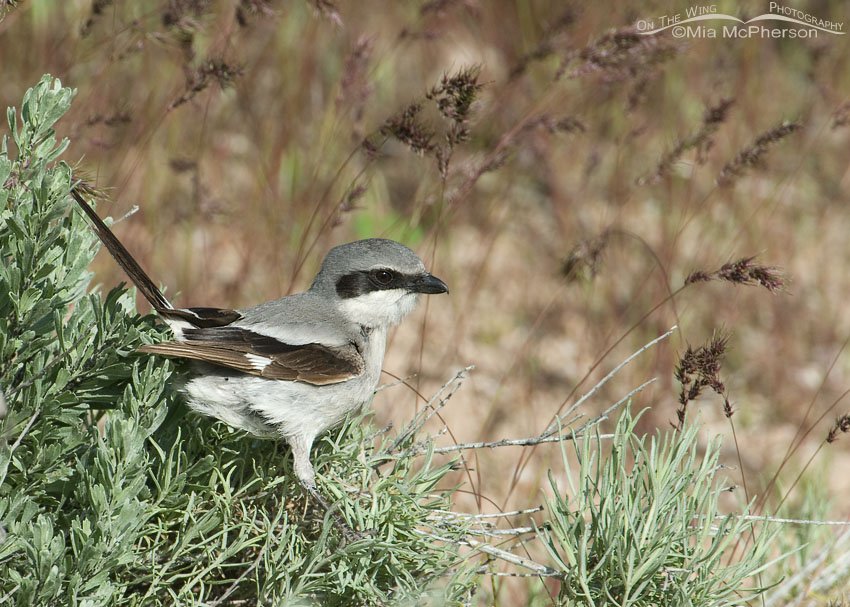
There are days when I see a certain species of birds quite often, depending on location it might be an Eagle filled day, or a Shorebird day. Today was a Shrike kind of day on Antelope Island State Park.