An Osprey And A Whiting Over Fort De Soto
This Osprey image was taken in April of 2009 at Fort De Soto's north beach. I had been photographing smaller birds that were close to me when I noticed the Osprey flying in with a whiting.



This Osprey image was taken in April of 2009 at Fort De Soto's north beach. I had been photographing smaller birds that were close to me when I noticed the Osprey flying in with a whiting.

Seven years ago I could be found most often walking along the Gulf of Mexico at Fort De Soto County Park's north beach in search of birds to photograph.
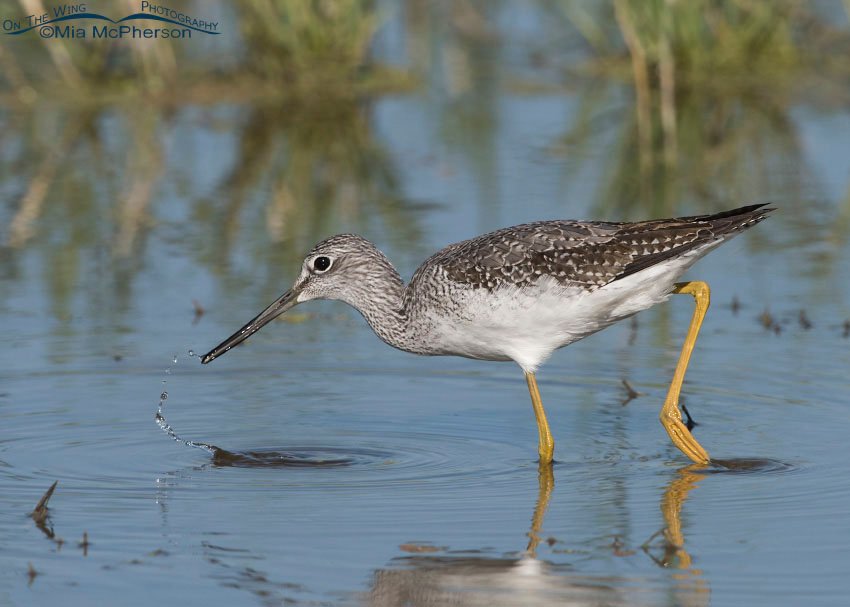
I've been able to photograph several shorebird species the past week and although Greater Yellowlegs are common at Farmington Bay WMA I still think they are quite lovely.
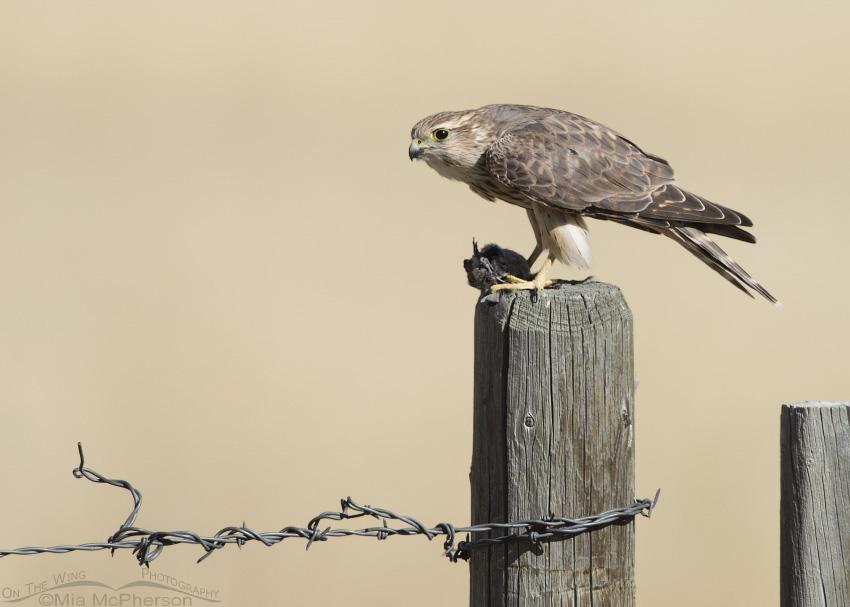
I don't often have the opportunity to photograph Merlins so I was plenty excited to find one yesterday on the South Valley Road in the Centennial Valley that stuck around for a bit!
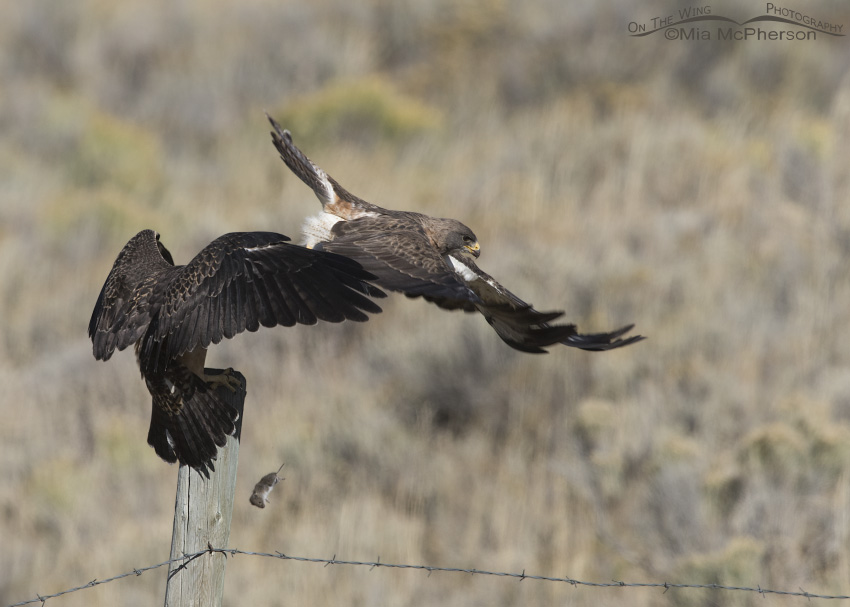
I sat with some juvenile Swainson's Hawks yesterday morning for quite some time and it eventually paid off when an adult came in to hand off prey but the young hawk missed.

I went wandering in the West Desert of Utah yesterday because the views are always great and because I hoped to find a few birds.

Lark Sparrows are the easiest sparrows to identify that inhabit Antelope Island State Park with their bold facial patterns and white edged tails.

Female Yellow-headed Blackbirds are often overlooked by casual viewers and bird photographers because they aren't as flashy as the males.

On the way out of the refuge in an area I have heard called Curlew Flats I spotted this juvenile Northern Harrier on the ground and was able to take a few images of it before it lifted off with prey in its talons.
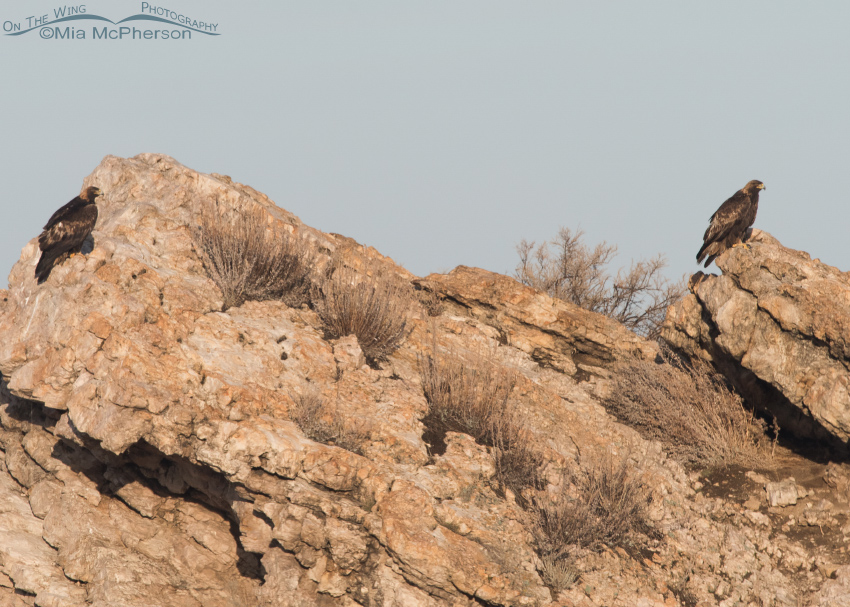
It never, ever fails that when I have an opportunity to photograph Golden Eagles something always goes wrong.
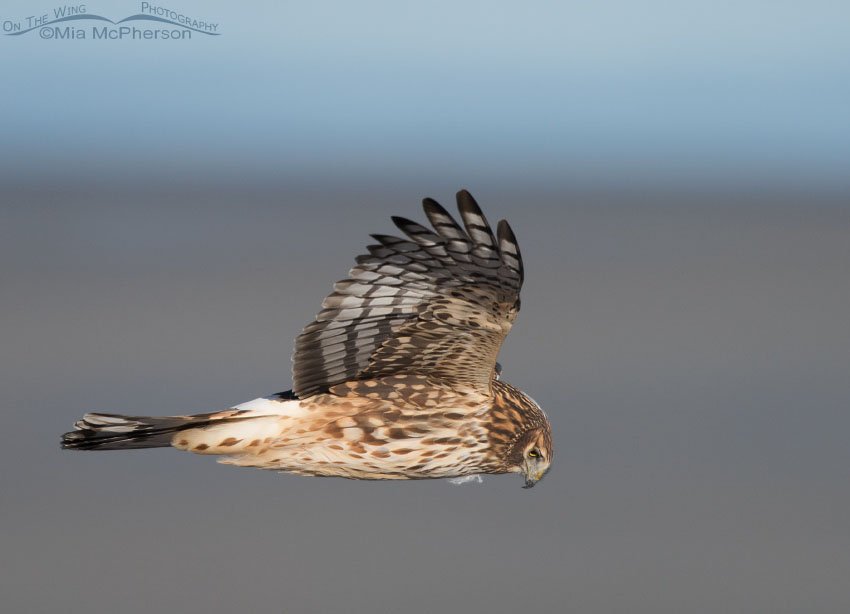
Three days ago I had fun photographing a Northern Harrier searching for prey along the Antelope Island Causeway

After posting Great Blue Heron images yesterday I decided to post images of Great Egrets which are also a large wading bird species this morning.
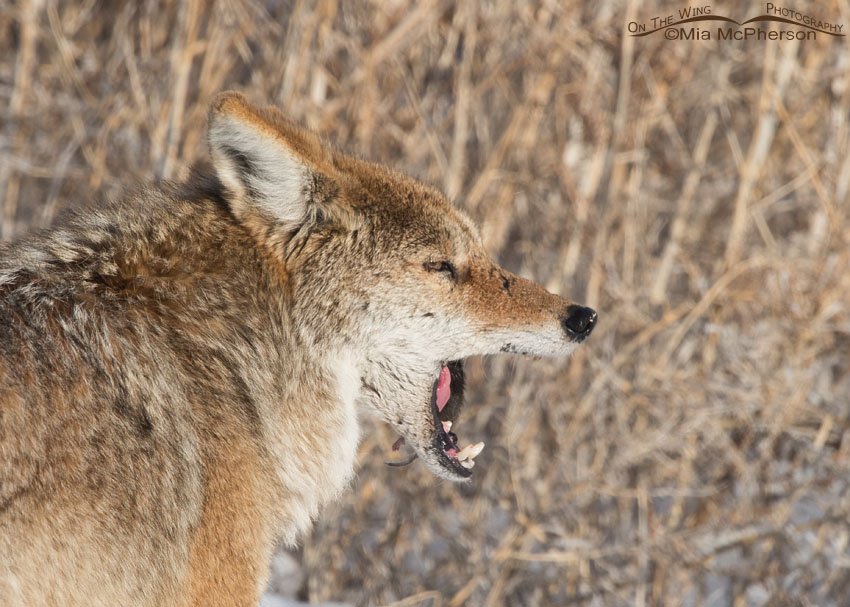
Yesterday I had a three Coyote day on the causeway to Antelope Island State Park, one was by itself and the other two were traveling together.

I've been seeing plenty of American Kestrels lately but none have been close enough to get nice images of so I pulled this one out of my archives from 2010.
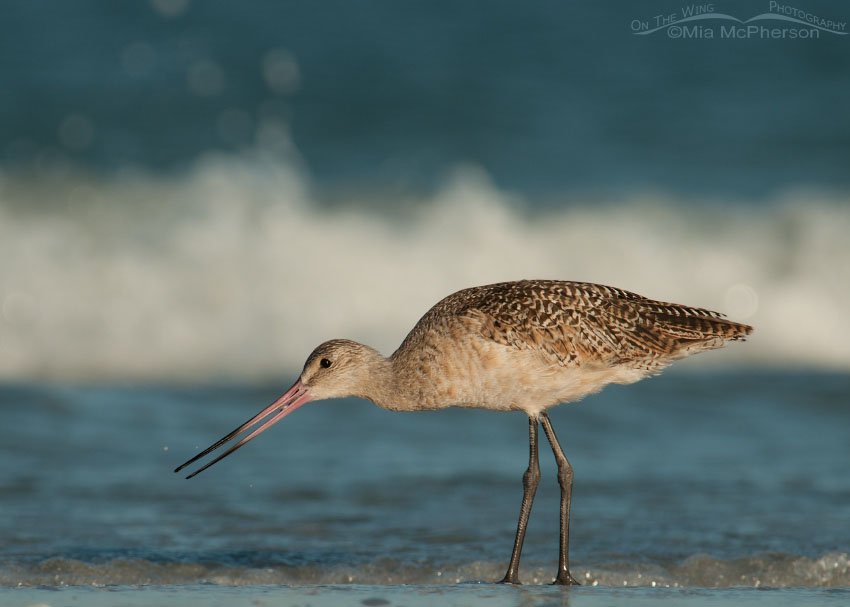
I have always thought of Marbled Godwits as graceful, elegant shorebirds and I still do.
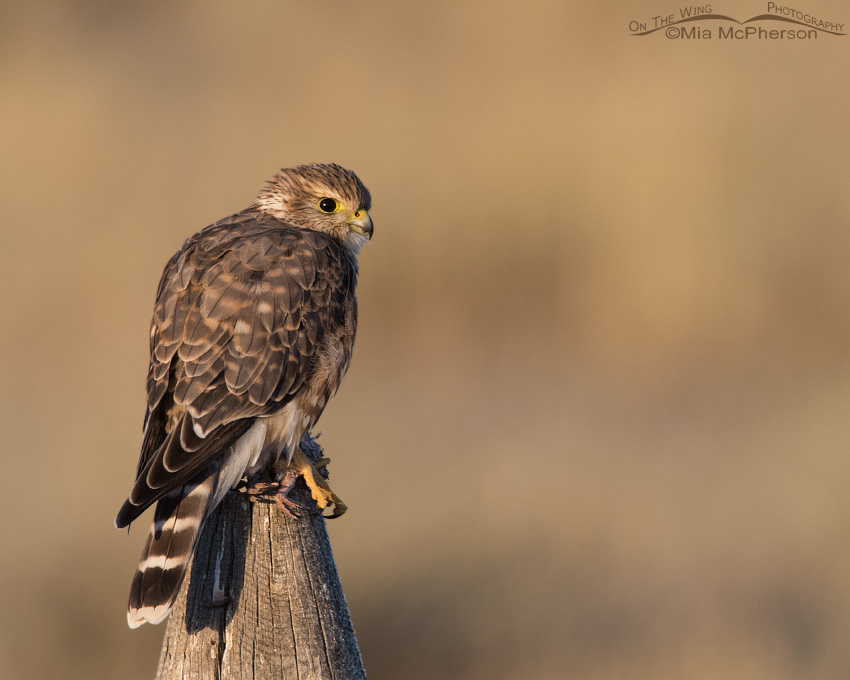
I saw a fleeting glimpse of a bird a few days ago that I suspect was a Merlin that migrated to winter here in Utah and it inspired me to post a few Merlin images today.

Harlan's Hawks are a subspecies of Red-tailed Hawks that breed in Alaska and northern Canada and spend their winters in the northern Great Plains.
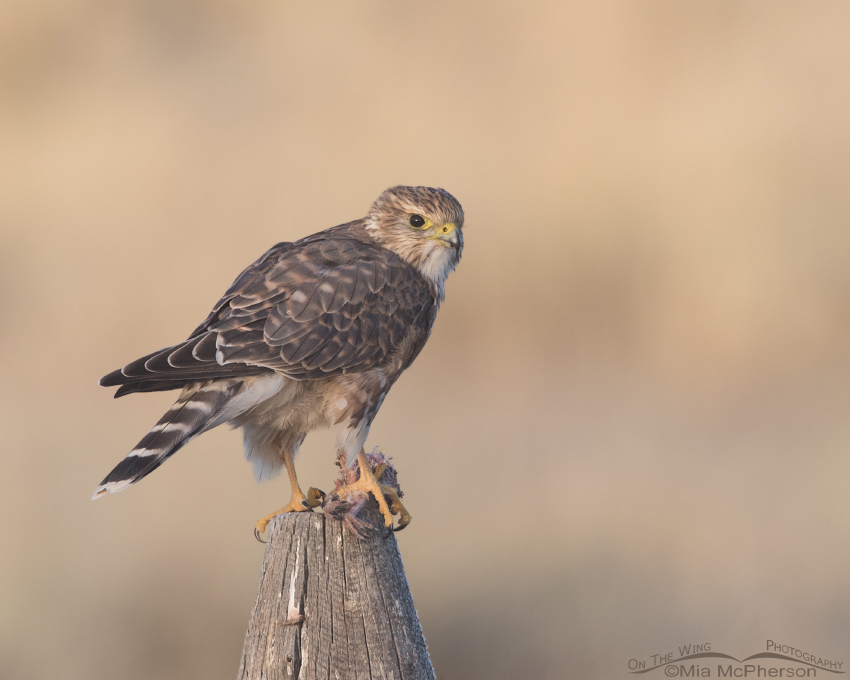
Earlier this month I had the opportunity to photograph a Merlin two mornings in a row in the Centennial Valley of Montana, once in low light and once as a fog rolled in.

The drive to Cascade Springs was beautiful yesterday with the beginnings of fall colors on the mountains but for me the best part was photographing American Dippers again.

I wanted to post a shorebird today that I haven't posted in a while so I picked this image where the late afternoon Dunlin gets the worm

Black-necked Stilts seem to have had great success this nesting season because there are so many juvenile stilts at Farmington Bay Bird Refuge right now.
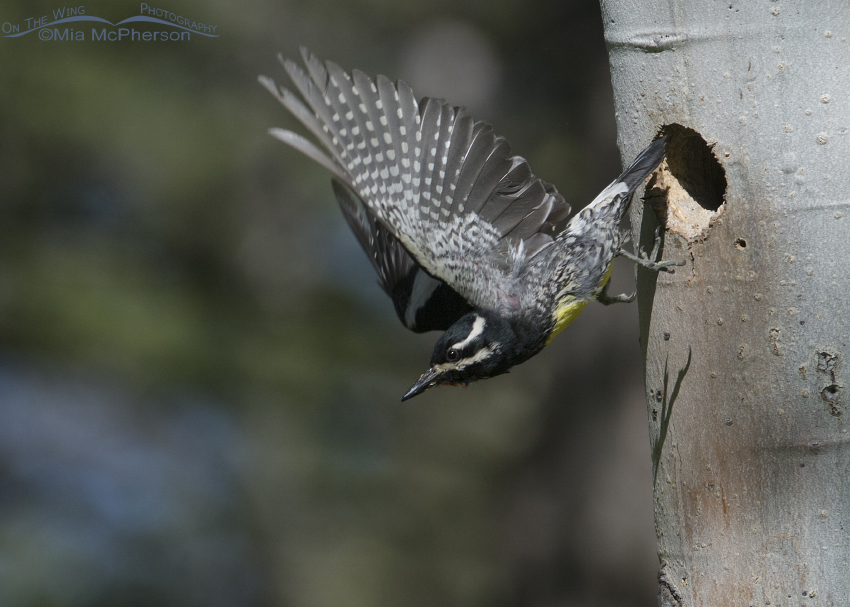
A month ago I photographed a pair of Williamson's Sapsuckers excavating a nesting cavity in Idaho and this past week I spent several days photographing them again.

Yesterday I photographed another lifer! An American Dipper with prey at Cascade Springs in the Heber Valley of Utah.

This morning while Antelope Island there was a Loggerhead Shrike perched on a dead branch that was near the north shoreline of the Great Salt Lake.
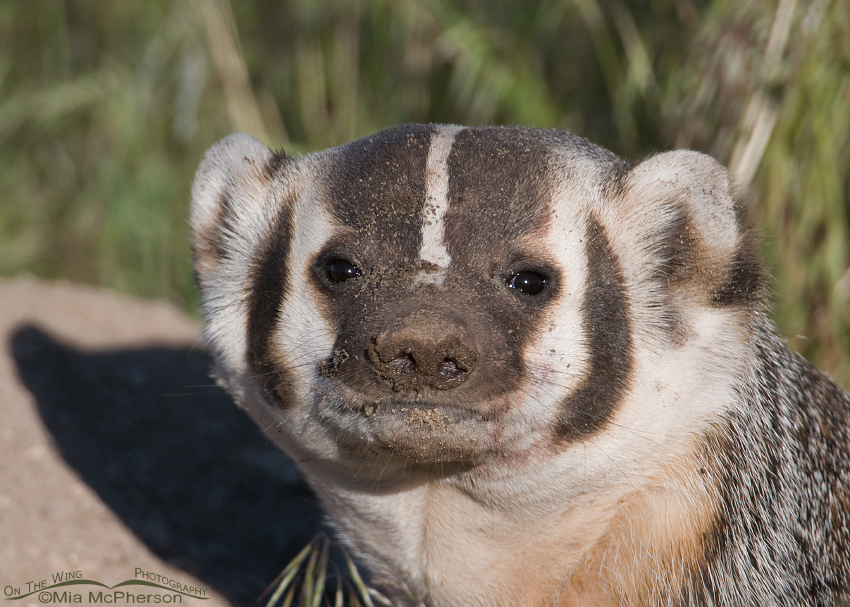
I had a fantastic time yesterday photographing an American Badger at its burrow with its prey and a couple of Long-tailed Weasels, both alive and dead.

Clark's Grebes and their young are fascinating subjects to watch and photograph.

American Kestrels are fascinating falcons, they are tiny, colorful and at times quite pugnacious.

Three days ago a first of the year sighting from the UBIRD group got me all excited because it means that the Ospreys have returned to Utah!

Farmington Bay Waterfowl Area used to be my "go to" place for photographing Northern Harriers but this winter they are hard to find.
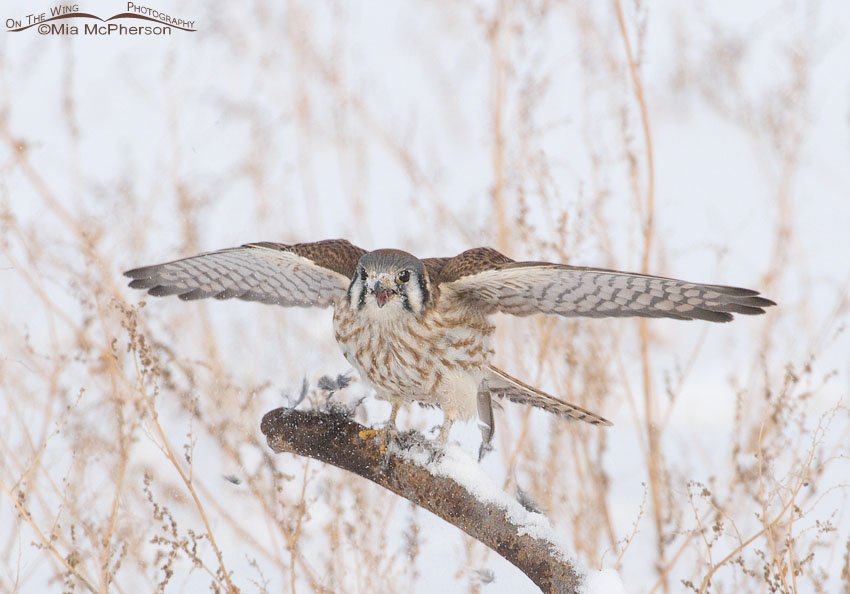
I normally see American Kestrels with voles as prey but seeing her with the American Pipit once again showed me why American Kestrels used to be called Sparrow Hawks which is why some people probably still use that name.