American Wigeon Pair In Northern Utah
I wonder how long this pair of American Wigeons will hang around, I hope it is long enough for me to see more green iridescence on the drake's head and long enough for me to take more images of them.


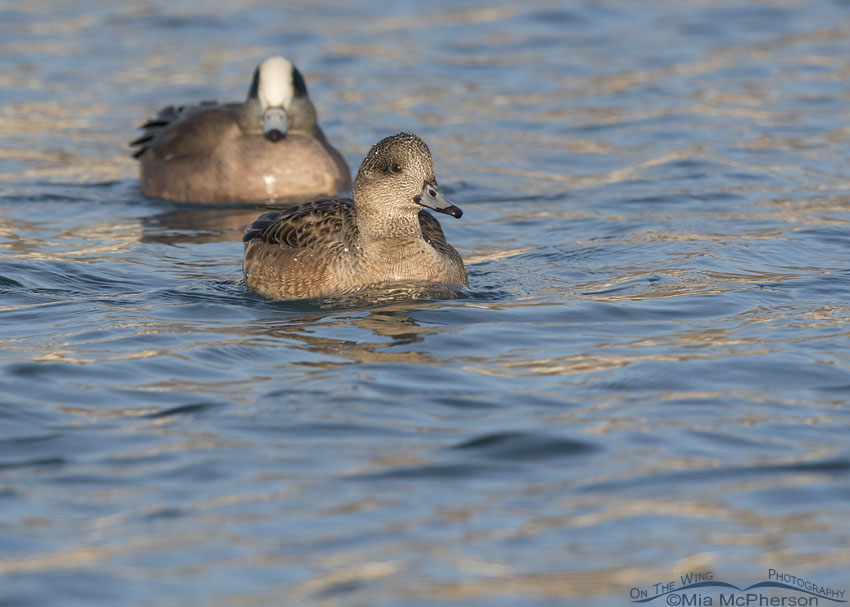
I wonder how long this pair of American Wigeons will hang around, I hope it is long enough for me to see more green iridescence on the drake's head and long enough for me to take more images of them.

The first bird I photographed that day was a Yellow-crowned Night Heron wandering in the sea fog near the dunes and shoreline of the Gulf of Mexico.

The last birds I photographed in 2017 were American Coots and some of the first birds I took photos of in 2018 were also coots.

I'm over the moon that I was able to photograph these Common Mergansers landing and lifting off from the pond yesterday and I am pleased with the photos I took.

I opted to leave my teleconverter on while photographing this bathing American Coot

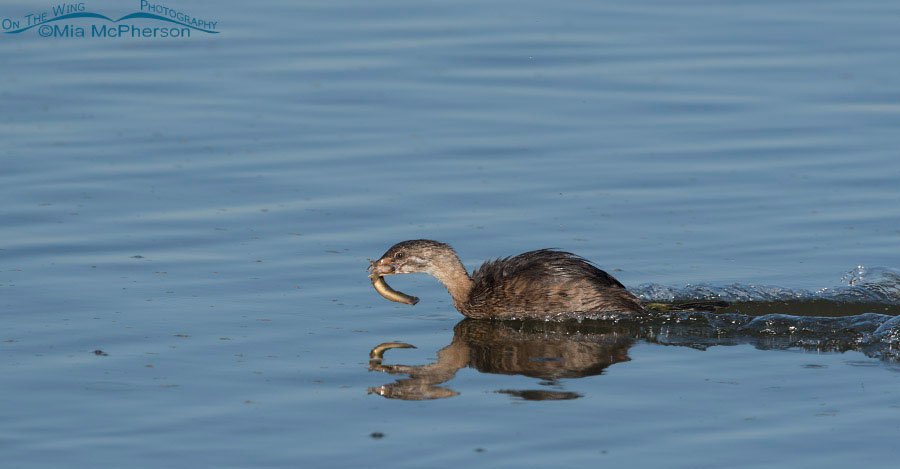
This aggressive encounter between the two Pied-billed Grebes only lasted a few seconds and if I hadn't been paying attention I would have missed photographing it.

Last December there were several Double-crested Cormorants hanging around my local pond here in northern Utah and I had a great time photographing them.

While at Bear River Migratory Bird Refuge two days ago I spotted my first of the season Common Merganser from the auto tour route.

After bathing the Mallards lift up, flap their wings and shake the water off and I have also noticed them repeat the process of bathing several times in succession. Bathe, shake, flap.

The Pied-billed Grebe was a bit too far away to take frame filling images of it but I was okay with that because I feel that the visual appearance of the silky water is just as important as the bird in these photos.
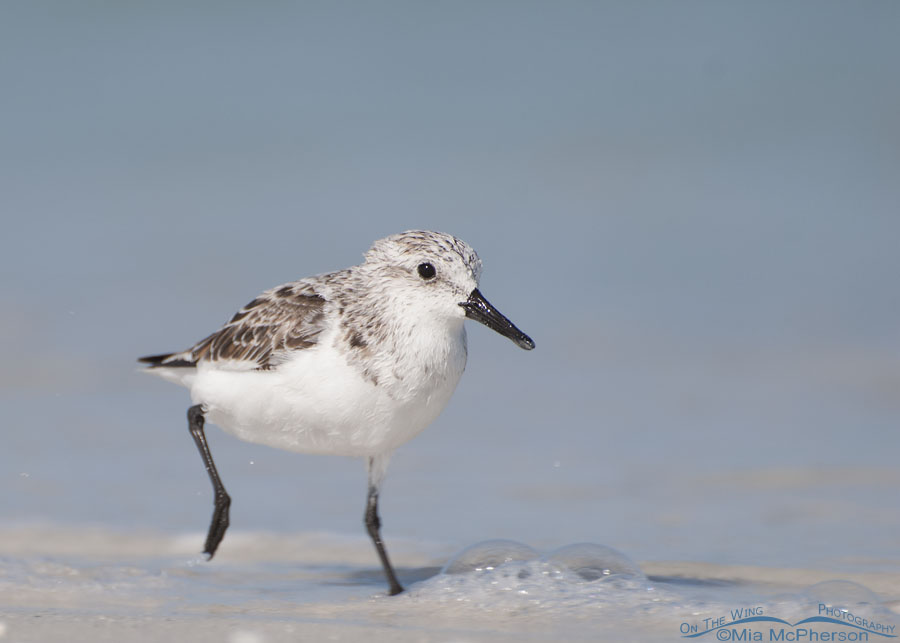
I wanted to share this photo of a Sanderling racing the waves at Fort De Soto County Park in Florida because I photographed it on a warm, sunny day.
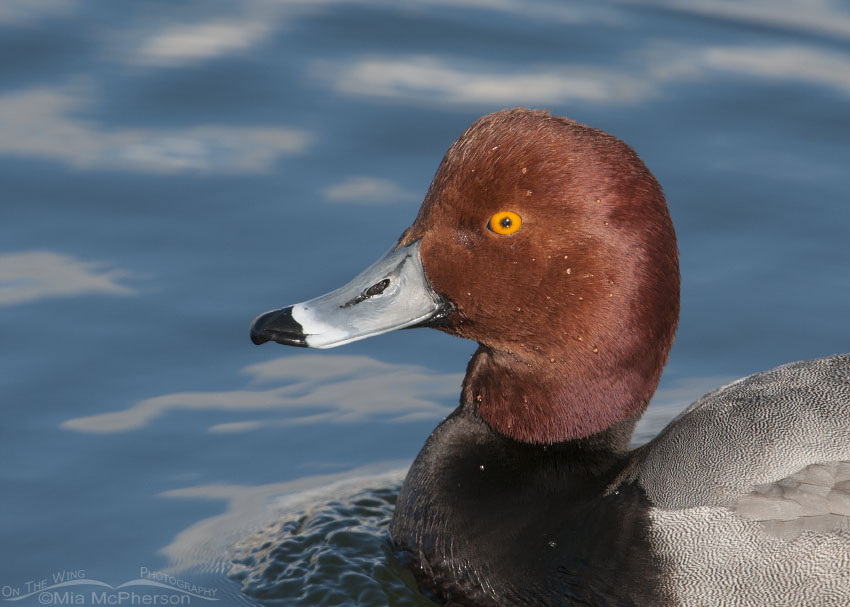
Redhead drakes are more colorful than the hens and I always enjoy having them in my viewfinder because of their cinnamon colored heads, their bright orange eyes and their tri-colored bills.

It can be especially fun to watch these small grebes catch a fish to eat and then see the other Pied-billed Grebes nearby try to steal the fish away from it because of the action that can occur.

This Green Heron was photographed from and elevated boardwalk at Sawgrass Lake Park, it had been preening when I walked slowly up to it and when it stretched its wing I took this image.

Immature or adult, dark or white morph, Reddish Egrets are spectacular and fascinating wading birds to see, observe and photograph.

Franklin's Gulls are only here in northern Utah during the breeding season, during the winter they spend their time along the west coast of South America.

Florida is about as far north as Limpkins are found in North America and they can be seen in freshwater marshes, ponds, lakeshores and swamps.
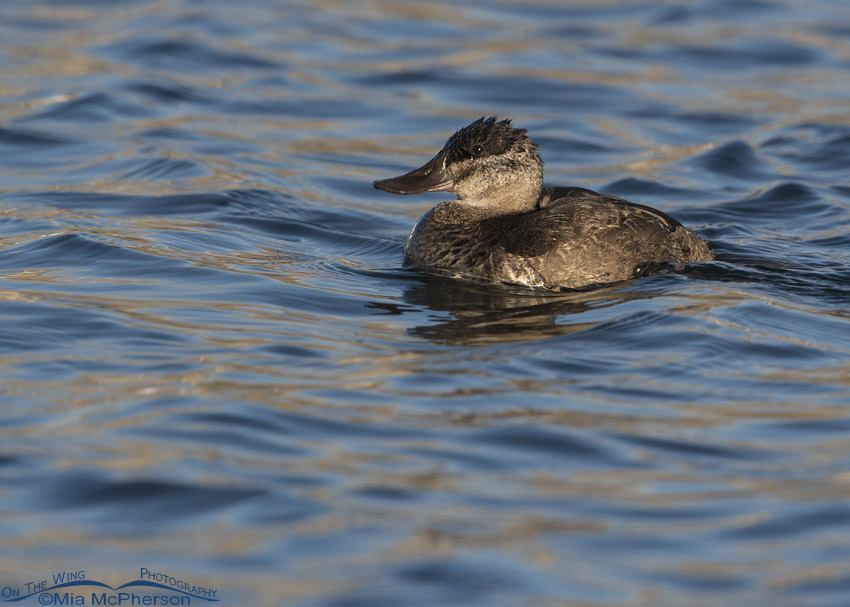
The Ruddy Duck hen was photographed at a pond close to where I live during the evening hours and I loved the golden light on the bird and on the water.
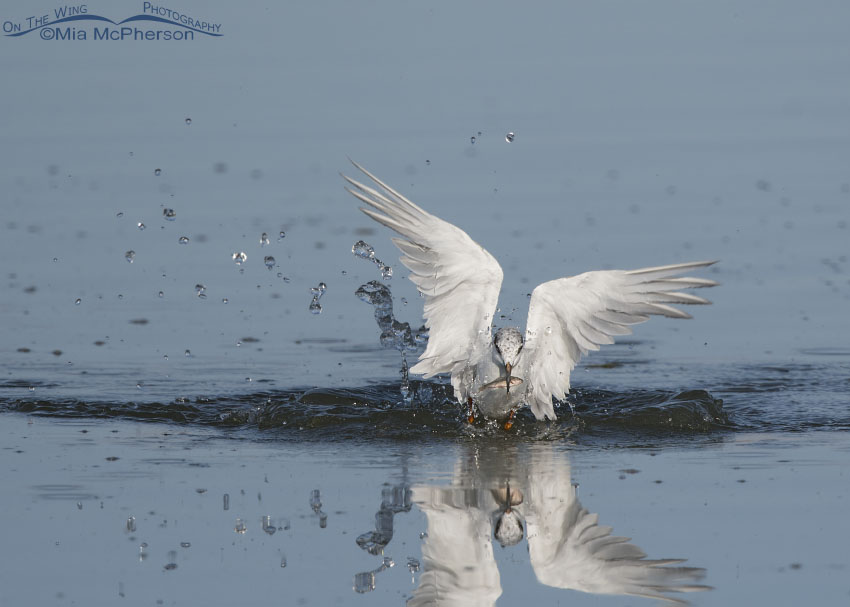
I have had fun photographing Forster's Terns the last few times I have gone to Bear River Migratory Bird Refuge, they are graceful, beautiful terns and they challenge my skills.
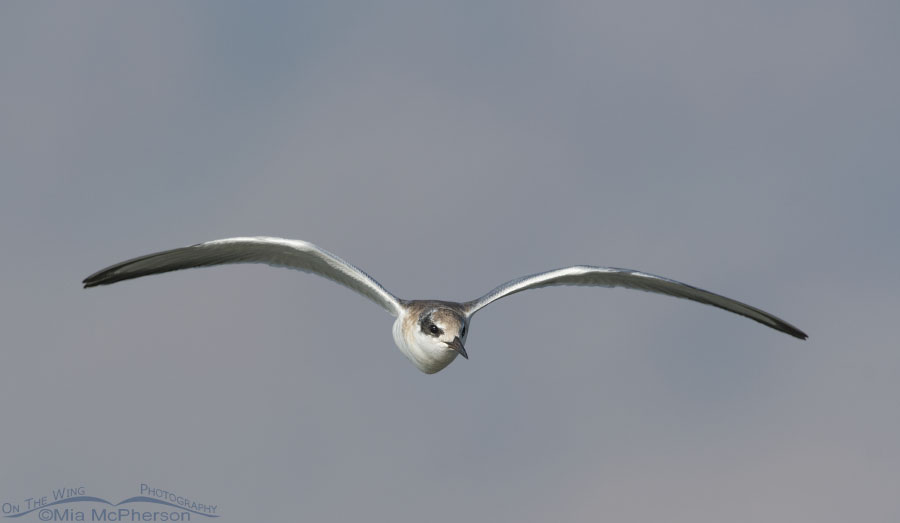
Right now these terns at the refuge are busy feeding their young although some of the juvenile Forster's Terns have already learned how to capture prey on their own.
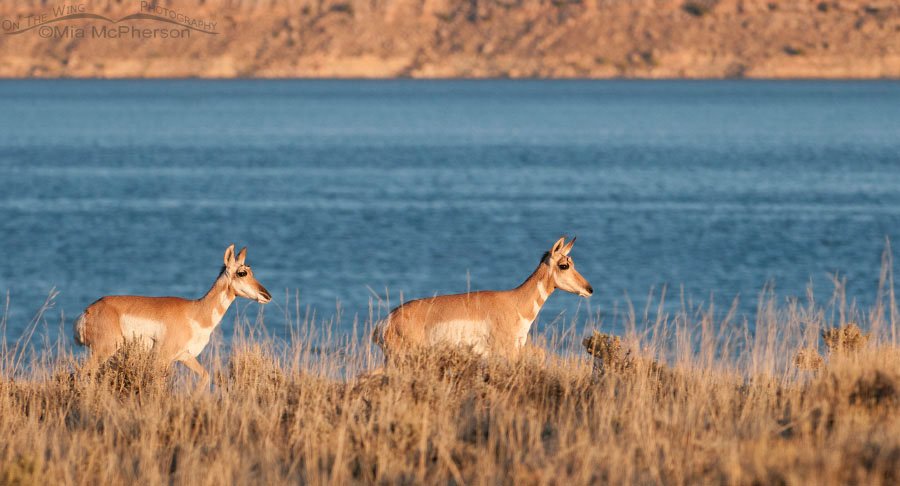
The first of September means the start of Autumn to me. It means the oaks in the high country have already begun to turn red.
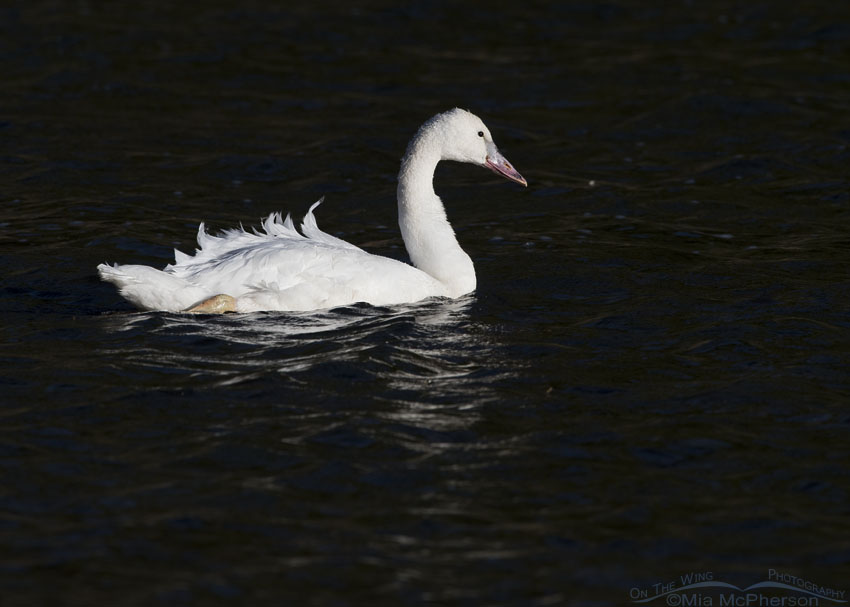
One of my fondest memories for photographing Trumpeter Swans happened on an evening of September of 2015 in southwestern Montana.

Back in February there was still snow on the ground, ice on the water and Common Mergansers were at Farmington Bay WMA and some were sporting their breeding plumage.

When the young American White Pelicans are old enough to leave the island they fly to areas like Bear River Migratory Bird Refuge to learn how to catch fish on their own before they migrate in the fall.
In just a little over two weeks birders, hunters and bird photographers should have access to more of Farmington Bay WMA than we have had since March. Or will we?
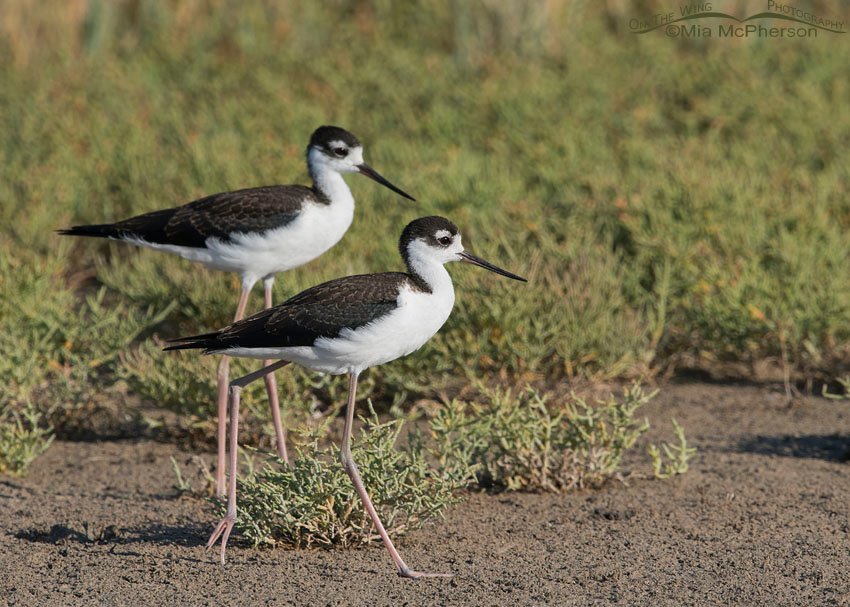
Thousands upon thousands of Black-necked Stilts make the marshes at Bear River Migratory Bird Refuge in northern Utah their home during their breeding season.

Some Tundra Swans migrate from the arctic tundra using the Great Basin hub of the Pacific flyway and huge flocks of them spend the winter here.

Bear River Migratory Bird Refuge was calling me yesterday morning and I answered that call and photographed several White-faced Ibis from the auto tour route.

This Great Blue Heron wandered past me one December morning at Fort De Soto County Park's north beach on a gray, windy day and because it was close I simply had to take a photo of the large wading bird.

I knew when I photographed this Snowy Egret in a shallow lagoon at Fort De Soto County Park that the dark reflections of the mangroves and mangrove roots on the water would produce a high contrast image.