Montana is beckoning to me…

Lately every where I go I see the word “Montana”, I see it on billboards, license plates, TV commercials, written on the side of semi-tractor trailers and on the back of camping trailers. Seeing the word “Montana” so often has gotten me anxious, antsy and itching to head north soon to see more of a state that beckons to me because I have fallen in love with it. I’m posting a smattering of images from my journeys in Montana.

Snow on the 6th of June in Cut Bank, Montana

Snow on the 6th of June in Cut Bank, Montana

The first time I spent time in Montana other than driving through the state was in June of 2009, even though I have lived in other western states with wide open skies I realized then why Montana is called “Big Sky Country”.  It delighted me to drive north from Idaho and see the wide open prairies with big fluffy clouds in the sky, to see the craggy cliffs along I-15, the lakes sparkling along the roads, mountains that still had snow up top and I am certain that I mumbled ohhhs, ahhs and “this is just so beautiful” too many times to count.  That was the trip that Montana started flowing in my veins.

The morning I was to leave Montana on that first trip to head south I woke to snow coming down hard on the 6th of June. It snowed all the way south to just across the Idaho state line. I’ve been snowed on before in July but that was very high up in the Rocky Mountains of Colorado but still I was a touch surprised to see snow in June.

Juvenile Great Horned Owl - Glacier County, Montana

Juvenile Great Horned Owl - Glacier County, Montana

I had a great time that first trip photographing juvenile Great Horned Owls in early morning light, they are so photogenic! I love those fluffy feathers by their rump, those big lovely eyes and the little nubbins of ear tufts.  They don’t look as fierce as the adults do but one day they will also be “Tigers of the Sky”.

Eastern Kingbird, Glacier County, Montana

Eastern Kingbird, Glacier County, Montana

 On and near the farm I was staying at both Western and Eastern Kingbirds can be found hawking for insects from fenceposts, old farm equipment and from barbed wire during the summer months.

Glacier National Park, Montana

Glacier National Park, Montana

I would be remiss if I didn’t post a few images from Glacier National Park which I believe is fantastic, stunning and incredibly amazing.

Glacier National Park - The Crown Jewel of Montana

Glacier National Park - The Crown Jewel of Montana

It is a cliché to say that a location is “The Crown Jewel” but I believe that it suits Glacier National Park well.

The Madison River, Madison County, Montana

The Madison River, Madison County, Montana

In Madison County there are many beautiful views of the Madison River, this view is from a bridge that crosses the river on the way to Cliff and Wade Lakes which are higher up in the Gravelly Range of the  Beaverhead National Forest. The Madison River is classified as a Blue Ribbon Fishery and anglers come from all over the world to cast their flies for Brown Trout, Rainbow Trout and Mountain Whitefish. There are plenty of Ospreys and Bald Eagles in the area, I guess they know where the fishing is good too!

Madison County is west of Yellowstone National Park.

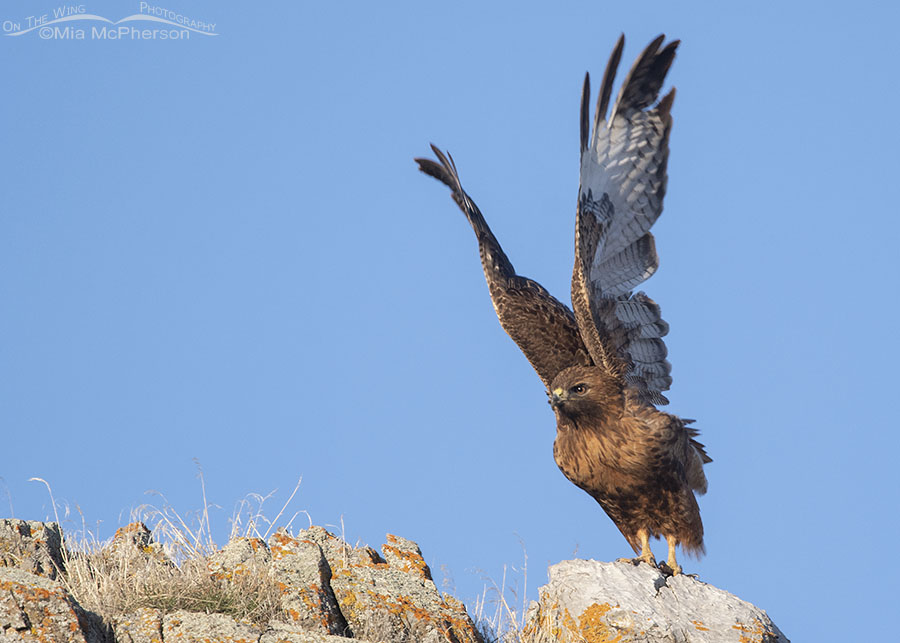
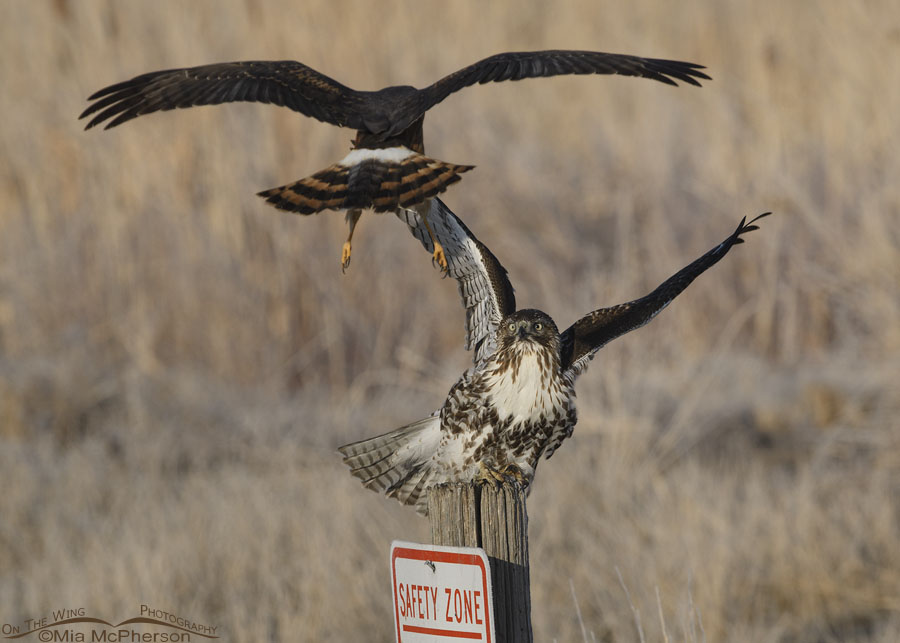
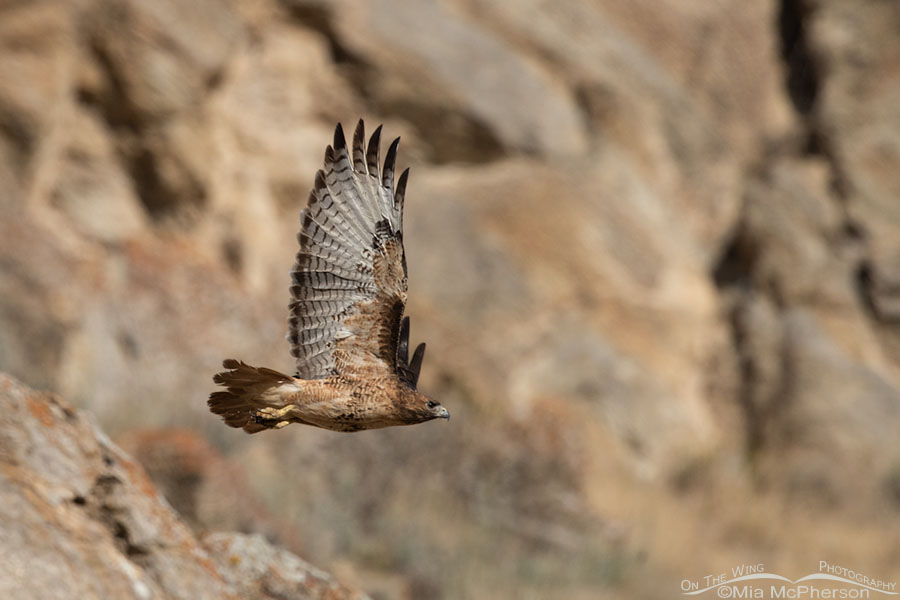
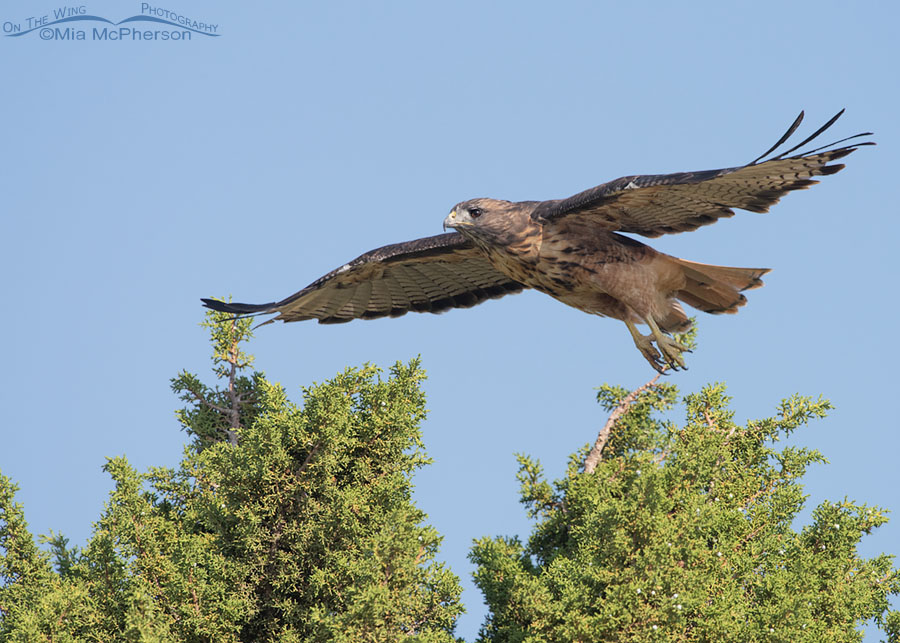
Red-tailed Hawk lifting off, just above Wade Lake, Madison County, Montana

Red-tailed Hawk lifting off, just above Wade Lake, Madison County, Montana

My words can not adequately describe Cliff and Wade Lakes. Cliff Lake, which is higher than Wade Lake, is nestled in between steep mountains covered Aspens, Firs and Pines. Near the campground the bottom of the lake has a sandy bottom and the water can be the most delicious shade of turquoise.

Ospreys and Bald Eagles soar over the lake looking for fish below. The calls of both birds echo against the mountain walls.  There are other raptors in the area including Red-tailed Hawks and during warmer months Turkey Vultures float on the thermals. It is said there is a Great Gray Owl in the area but I haven’t seen it yet. More birds include Northern Flickers, migrant warblers, Common Mergansers, White-crowned Sparrows, Great Blue Herons, Mountain Chickadees and a nemesis bird for me; Gray Jays who are also known as “Camp Robbers”, so far the only thing they have robbed from me is the opportunity to get some acceptable images of them! There are many more birds there too.

Ah, just writing about Cliff Lake makes me smell the aroma of coffee brewing plus the smokey scent of frying bacon and crisp mornings.

Chipmunk at Cliff Lake, Montana

Chipmunk at Cliff Lake, Montana

One of the mammals I photographed at the campsite of Cliff Lake was this Chipmunk who popped up out of its burrow just before the sun set behind the mountain bathing it in brilliant light. I’m not sure exactly which species this Chipmunk is so if anyone knows, please let me know. There are Moose near Cliff and Wade Lakes also.

More great fishing can be found in Cliff and Wade Lakes, Wade Lake holds the Montana State record for a Brown Trout at 29 pounds.

Pronghorn doe on a ridge, Madison County, Montana

Pronghorn doe on a ridge, Madison County, Montana

In between the Gravelly Range and the Madison River after leaving Cliff and Wade Lakes there are smooth slopes and ridges covered with Sagebrush where cattle graze and Pronghorns roam. This lovely doe and several others were being closely watched by a buck in rut. The Madison Mountain Range definitely creates a wonderful background for this unique and wonderful creature.

An old homestead in Madison County, Montana

An old homestead in Madison County, Montana

When I saw this old homestead I simply had to stop and take photos of it. The rocks for the building construction were probably collected nearby, I have no idea of when it was built but I’m guessing it was a long time ago. The homestead is on a grassy plain with very little to break the wind, it must have been very challenging to live there when the winds would blow hard or in depths of Montana’s frigid winters. I wish I knew more about the people who built and lived in that homestead, what they thought about the incredible area and if children’s laughter rang out across the valley. Were they happy in a place I felt was a paradise? I’ll never know but I like to muse about it.

Old Barn on the way to Red Rock Lakes National Wildlife Refuge, Montana

Old Barn on the way to Red Rock Lakes National Wildlife Refuge, Montana

I’ve spent a great deal of time on my journeys to Montana at Red Rock Lakes National Wildlife Refuge and I usually enter from the west by getting off of I-15 and heading east from Monida on a 30 mile gravel road. I’ve posted a different  image of this ancient barn on another post I wrote about the refuge but I can’t seem to get enough views or images of it.  Perhaps this barn represents a “Welcome” sign to me just by knowing one of my favorite photographic locations is only a few miles up the road. I think of it as “my barn” now, not in a possessive sense but more like I am saying “my friend”.

Male Mountain Bluebird, Red Rock Lakes NWR, Montana

Male Mountain Bluebird, Red Rock Lakes NWR, Montana

During the summer months; on the way to and within the refuge at Red Rock Lakes, Mountain Bluebirds flit about, fly up from the road, perch on fenceposts and nest in the boxes that wonderful people in the  valley have provided for them. Their blues are wonderfully vibrant against a background of the gray greens of Sagebrush.

Male Tree Swallow, Red Rock Lakes NWR, Montana

Male Tree Swallow, Red Rock Lakes NWR, Montana

Another species often seen along the roads to and in Red Rock Lakes National Wildlife Refuge are Tree Swallows, in fact they often compete with Mountain Bluebirds for the nest boxes. I have a fun series of images about that kind of competition. I love seeing all the different types of swallows on the refuge because they eat the mosquitoes and other bugs that… well… bug me.

Rainbow and clearing storm at Red Rock Lakes NWR, Montana

Rainbow and clearing storm at Red Rock Lakes NWR, Montana

The weather at Red Rock Lakes NWR is very changeable, it pays to bring clothes for cold and warm days all summer long. It can be bright and sunny and then huge storms will rush through the Centennial Valley while the cracks of thunder and lightning reverberate off of the Centennial Mountains and small white caps form on the lakes.

I’ve heard it said that “mountains create their own weather”.

Lake mist over the Lower Lake at Red Rock Lakes NWR, Montana

Lake mist over the Lower Lake at Red Rock Lakes NWR, Montana

Large bodies of water can create their own weather too. Mornings at the refuge can be misty to very foggy near the lakes. The image above shows the morning mist rising from the Lower Lake.

Pronghorn buck in a fog, Red Rock Lakes NWR, Montana

Pronghorn buck in a fog, Red Rock Lakes NWR, Montana

The fog can be very dense at times making it difficult to see birds or animals approaching. This Pronghorn buck along with several does and young wandered past in one of those dense fogs near the Lower Lake campground.

Female Short-eared Owl at Red Rock Lakes NWR, Montana

Female Short-eared Owl at Red Rock Lakes NWR, Montana

Photographing this female Short-eared Owl at the edge of a fog was delightful, the fog behind the owl created a velvety, buttery smooth background.  I have such fond “Montana” memories of the morning I photographed her.

Calling Wilson's Snipe, Red Rock Lakes NWR, Montana

Calling Wilson's Snipe, Red Rock Lakes NWR, Montana

 Along the Upper Lake’s eastern most section there are riparian habitats where many different species of warblers, ducks and shorebirds can be found along and in the streams. This Wilson’s Snipe was perched on a fencepost calling when we stopped to take some photos of it. I felt very lucky getting as many images of it as I did since in Florida about the only pictures I got were of the backside of the birds as they flew away.

Calling juvenile Swainson's Hawk, Red Rock Lakes NWR, Montana

Calling juvenile Swainson's Hawk, Red Rock Lakes NWR, Montana

There are; of course, bright, sunny days in the Centennial Valley where the mornings start off cool but the sun soon warms everything up and my layered clothing gets shed slowly. It was a beautiful day when I photographed this juvenile Swainson’s Hawk calling to another hawk overhead. It was young enough that it approached us rather closely  few times.

Below the dam at the Lower Lake at Red Rock Lakes NWR, Montana

Below the dam at the Lower Lake at Red Rock Lakes NWR, Montana

Mornings can be golden at Red Rock Lakes National Wildlife Refuge and evenings just as glorious.

Montana is once again beckoning to me. I can hear it calling.

Mia

Facebook Twitter Stumbleupon Digg Delicious Reddit Posterous Pinterest Email

Share

The West Desert of Utah

I am one of those people who love deserts and the West Desert of Utah is once again beckoning to me. The weather here in Utah is very changeable right now, it can feel like spring one day and the next it still feels like winter but it won’t be long before the weather levels out and the west desert will begin to green up.  

Stansbury Mountain Range Pano

Stansbury Mountain Range Pano, Utah

 This photo is a composite of three images I stitched together in Adobe Photoshop so that I could show a panoramic view of the Stansbury Mountain Range not too far from Salt Lake City and for me this area marks the beginning of the West Desert of Utah. The mountain range is 28 miles in length and the north end border starts at the southwest area of the Great Salt Lake. The foothills have grassy plains and Sagebrush while further up into the canyons Junipers and Pinyon Pines cover the slopes while in the canyons Cottonwoods grow along the streams that are fed by rains and spring melt. The air always feels crisper when inside the canyons and I love that.

Horned Lark perched on a rock

Horned Lark perched on a rock - Nikon D200, f6.3, 1/2000, ISO 400, Nikkor 200-400mm VR with 1.4x TC at 400mm, natural light

 Horned Larks seem to enjoy the foothills where they can be seen in large numbers at times perched on rocks in the early morning light or scurrying on the ground foraging for grass seeds. It is very quiet out in the west desert so hearing the soft calls of Horned Larks is very easy to do. I’ve also seen and/or photographed Red-tailed Hawks, Rough-legged Hawks, Ferruginous Hawks, Western Meadowlarks, Lark Sparrows and Golden Eagles while on the foothills along with other birds.

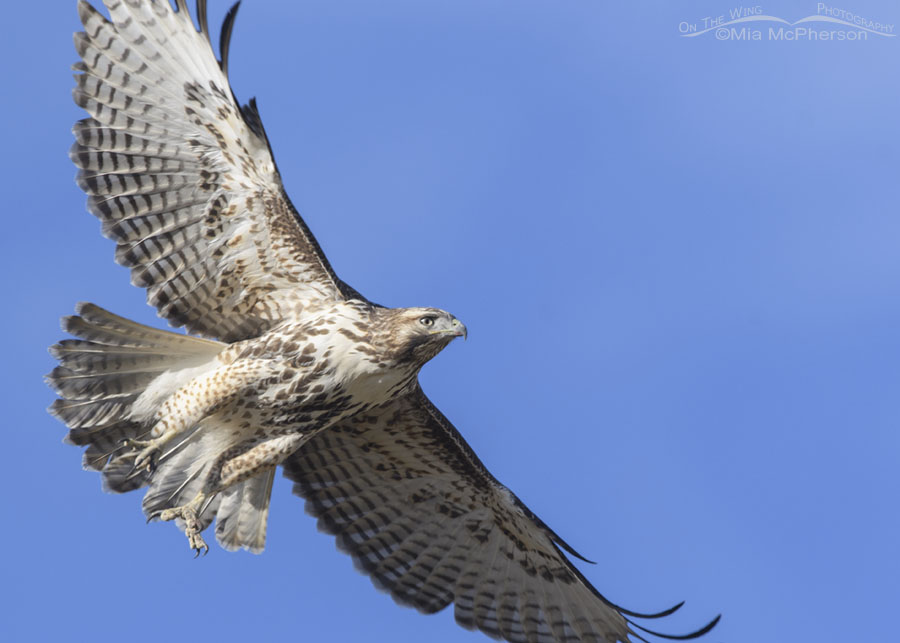
Juvenile Red-tailed Hawk soaring on canyon thermals

Juvenile Red-tailed Hawk soaring on canyon thermals - Nikon D200, handheld, f6.3, 1/2000, ISO 400, Nikkor 200-400mm VR with 1.4x TC at 400mm, natural light, not baited

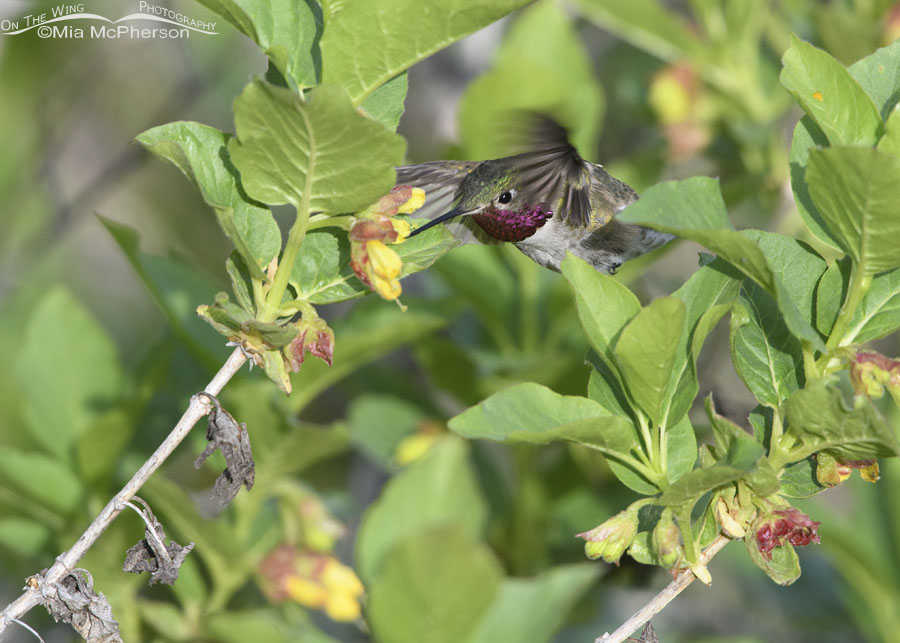
 After leaving the foothills and moving up into the canyons raptors can easily soar in the thermals along the canyon walls. The day I photographed the Red-tailed Hawk above this juvenile and its siblings were riding the thermals and aerial bombing each other. I’ve also seen Prairie Falcons in the canyons and at times I have seen them flying with the Red-tailed Hawks. I’ve seen wild Turkeys, Pinyon  and Western Scrub-Jays, Northern and Loggerhead Shrikes, hummingbirds and various perching birds such as Juncos and Black-headed Grosbeaks in this area. I’m certain there are far more species than I have been able to observe there, I just need to spend more time exploring the area.

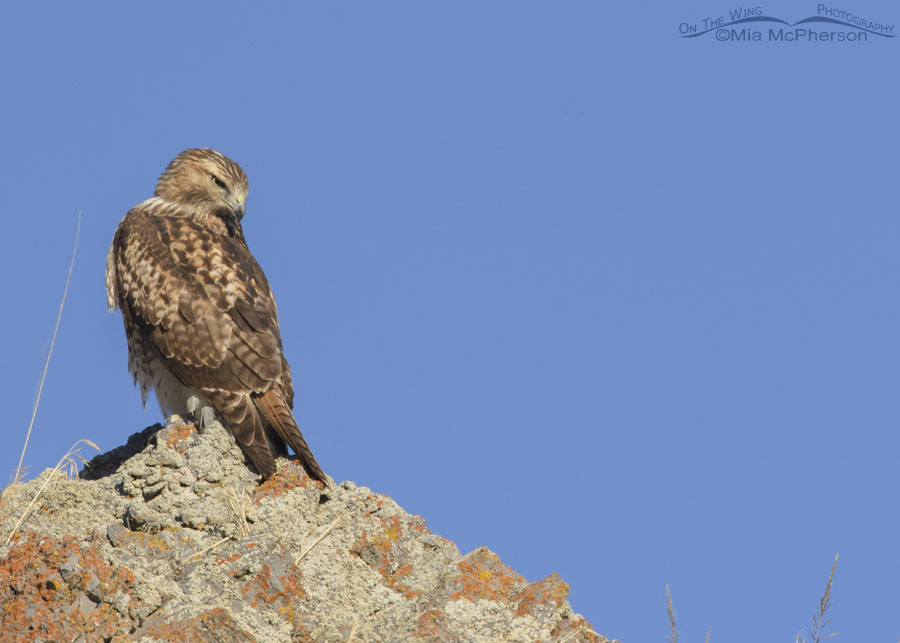
Juvenile Red-tailed Hawk perched on a branch in a canyon

Juvenile Red-tailed Hawk perched on a branch in a canyon - Nikon D200, f6.3, 1/1250, ISO 400, -0.7 EV, Nikkor 200-400mm VR with 1.4x TC at 400mm, natural light, not baited

 Using a vehicle as a mobile blind is almost always necessary because the birds found in these locations are not used to people and are far less skittish while photographing from inside a vehicle. It is so quiet in the canyons that the water running below in the streams is music to my ears. You can hear the slightest sounds and smell the pines and junipers along the way.

Turkey Vulture in flight over the Stansbury Mountain Range

Turkey Vulture in flight over the Stansbury Mountain Range - Nikon D200, handheld, f6.3, 1/1500, ISO 400, +0.7 EV, Nikkor 200-400mm VR with 1.4x TC at 335mm, natural light, not baited

During the warmer months of the year Turkey Vultures can also be seen soaring on the thermals or out over the foothills in search of carrion. They aren’t very pretty but they are efficient at locating the carrion and cleaning it all up.

Way out in the West Desert of Utah

Way out in the West Desert of Utah - Nikon D200, handheld, f8, 1/400, ISO 250, +1.3 EV, Nikkor 18-200mm VR at 32mm, natural light

Further out to the west there are vast flat areas of the desert and more hills and Mountain Ranges. One of my favorite places to camp is at Simpson Springs which is a stop along the Pony Express Historic Trail and from there I love to visit Fish Springs National Wildlife Refuge which is an oasis in the middle of the desert. This image was taken on the road to Fish Springs NWR.

Rocky hillside in the West Desert of Utah

Rocky hillside in the West Desert of Utah - Nikon D200, handheld, f8, 1/640, ISO 250, Nikkor 18-200mm VR at 46mm, natural light

The scenery in the west desert is varied, you can see the flats which were at one time the bottom of old Lake Bonneville, and on the hillsides you can see benches that were at one time the shoreline of the lake. There are rocky outcroppings, craggy peaks, the lakes from the springs at Fish Springs NWR, alkali flats and streams through sandy areas to the south of Fish Springs NWR. I know some people think the desert is pretty boring but personally I find it fascinating and exhilarating at the same time.

Pronghorns on the flats of the West Desert

Pronghorns on the flats of the West Desert Nikon D200, f6.3, 1/640, ISO 400, Nikkor 200-400mm VR with 1.4x TC at 400mm, natural light

There is wildlife in the west desert, Pronghorns can often be seen foraging on the grasses or racing across the flats. White-tailed Antelope Squirrels sit on rocks and Coyotes wander the vast open areas in search of prey. Wild horses are also found in the desert. I still hope to photograph them one day soon because so far they have eluded me.

I’ve written more about Simpson Spring and Fish Springs National Wildlife Refuge because they are favorite photography locations for me. See here for more.  

I find peace, quiet and solitude in the West Desert of Utah along with great photographic opportunities. Everything about it fascinates me. I hope to explore more of it soon.

Mia

Facebook Twitter Stumbleupon Digg Delicious Reddit Posterous Pinterest Email

Share

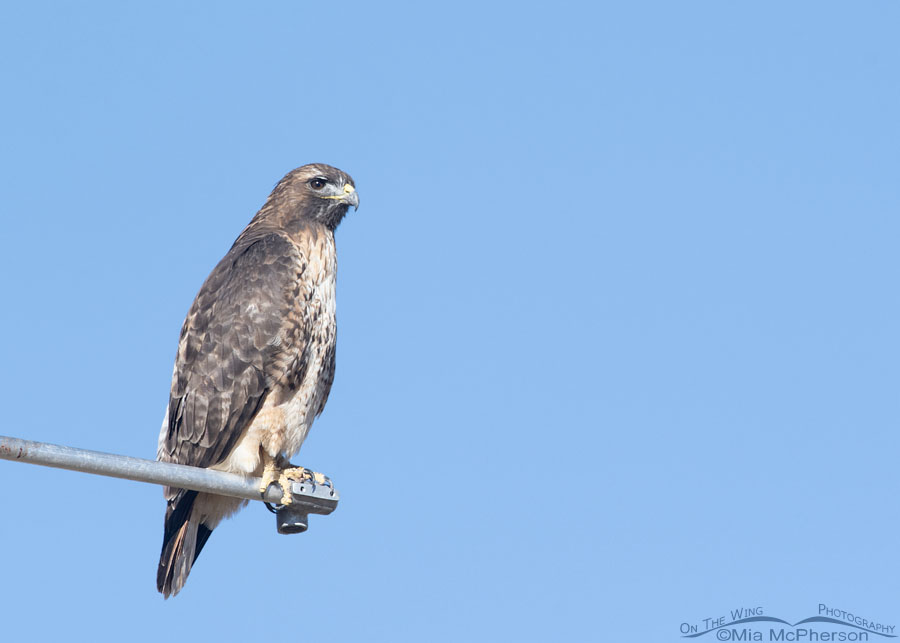
Red-tailed Hawk with possible Long bill syndrome

Red-tailed Hawk with Long bill syndrome
Red-tailed Hawk with possible Long bill syndrome
Tooele County, Utah
D300, f6.3, 1/2500, ISO 640, +0.7 EV, Nikkor 200-400mm VR with 1.4x TC at 400mm, natural light

Please see the comment below from Bud Anderson of the Falcon Research Group ( frg.org )for more information on this hawk and Long bill syndrome.

This morning while coming home from photographing in Tooele County, Utah I spotted this Red-tailed Hawk perched on a utility pole along side the road. I thought I might get a take off shot of the bird so I started to take some images, through my viewfinder though I noticed that something was very wrong with the hawk’s bill.

I was unable to stay on the road for very long because of traffic but I was able to get some images that showed the deformity clearly.

I’ve emailed the Falcon Research Group with this image and I plan to contact the Salt Lake Audubon and Hawk Watch International at their Headquaters here in Salt Lake City to see if they can advise me on whom to contact regarding this Red-tailed Hawk. Without intervention this beautiful raptor could perish.

If anyone reading this can offer assistance in the Salt Lake City area on whom to contact, please email me via my contact page as soon as possible.

Thanks in advance,

Mia

Facebook Twitter Stumbleupon Digg Delicious Reddit Posterous Pinterest Email

Share

Taking a look back on a few previous Autumn Birds

Male Ring-necked Pheasant in autumn grasses and Pickleweed
Male Ring-necked Pheasants in autumn grasses and Pickleweed (from 2010)
Farmington Bay Wildlife Management Area, Davis County, Utah
Nikon D200, f6.3, 1/1250, ISO 400, Nikkor 200-400mm VR with 1.4x TC at 400mm, natural light

Some days when I don’t go out to photograph I look back through my files to find out what birds I had seen around the same time last year so I’ll know what birds I might find in certain locations. I also like looking back through the files because I find images I haven’t edited yet.

There are quite a few Ring-necked Pheasants to be found at the Farmington Bay Wildlife Management Area but they can be a challenge to find out in the open. I photographed these two males (one is mostly hidden) last year. We’d already had frost so the Pickleweed had turned crimson red in some spots, combined with the straw colored grasses this turned out to be a rather colorful image. Ah, autumn is very beautiful.

Juvenile White-crowned Sparrow

Juvenile White-crowned Sparrow (from 2010)
Farmington Bay Wildlife Management Area, Davis County, Utah
Nikon D200, f6.3, 1/1600, ISO 400, Nikkor 200-400mm VR with 1.4x TC at 400mm, natural light

I like the subdued colors in the image above of this juvenile White-crowned Sparrow. The leaves on this shrub had already fallen and pale golden grasses made for a nice background setting. Despite the bird and the setting having similar coloration the birds stands out very well.

Pied-billed Grebe
Pied-billed Grebe (from 2008)
Farmington Bay Wildlife Management Area, Davis County, Utah
Nikon D200, f6.3, 1/1000, ISO 320, +0.7 EV, Nikkor 200-400mm VR with 1.4x TC at 400mm, natural light

The Pied-billed Grebes that I have seen very little of during the summer are now making their appearance. They might be “plain” birds but what they lack in color they make up for with their attitudes, they are fiesty little grebes. I’ve seen them chasing after Red-breasted and Common Mergansers with fish to try and grab the food, Red-breasted Mergansers outweigh the Pied-billed Grebe by approximately 1.3 lbs and  Common Mergansers out weigh them by 2.4 lbs. Pretty gutsy birds.

Red-winged Blackbird male

Red-winged Blackbird male
Farmington Bay Wildlife Management Area, Davis County, Utah
Nikon D200, f6.3, 1/500, ISO 400, -0.3 EV, Nikkor 200-400mm VR with 1.4x TC at 400mm, natural light

In October and November large flocks of Red-winged Blackbirds can be found in the Salt Lake Valley along with similar flocks of Starlings and Yellow-headed Blackbirds. I love the sound of the flocks lifting off in unison when I can hear the “whoosh” of their wings.

The Red-winged Blackbird above posed for over 10 minutes on this cattail giving me plenty of time to get my exposure right, photographing black birds is a challenge. When the temps get really chilly Red-winged Blackbirds (and other species) get “sticky”, meaning they are less apt to fly off right away.

Male Northern Harrier hovering in flight
Male Northern Harrier hovering in flight (from 2010)
Farmington Bay Wildlife Management Area, Davis County, Utah
 Nikon D200, f5.6, 1/500, ISO 640, +1.0 EV, Nikkor 200-400mm VR with 1.4x TC at 400mm, natural light, not baited

Autumn means more Northern Harriers in the local places where I photograph birds, although harriers are year-round residents in the Salt Lake Valley, I see them most often and in greater numbers during the fall and winter. Male and female harriers look very different from each other. The male is often called the “Gray Ghost” though I’ve had many hits on my blog for the key words “light morph northern harrier”. The females are darker, brownish and have paler yellow eyes than the male.

Juvenile Red-tailed Hawk

Juvenile Red-tailed Hawk (from 2010)
Tooele County, near the Stansbury Mountains, Utah
Nikon D200, f6.3, 1/1250, ISO 400, Nikkor 200-400mm VR with 1.4x TC at 400mm, natural light, not baited

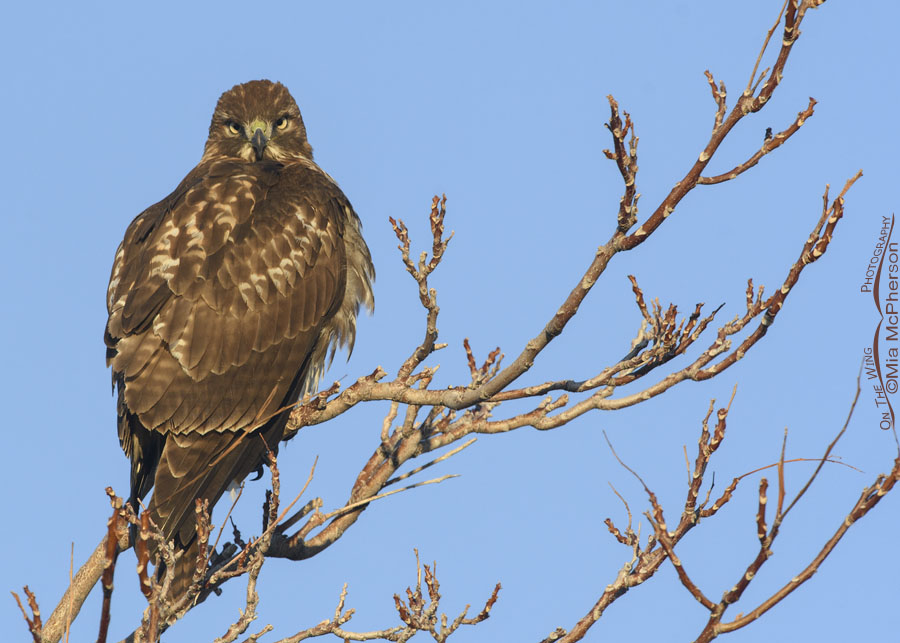
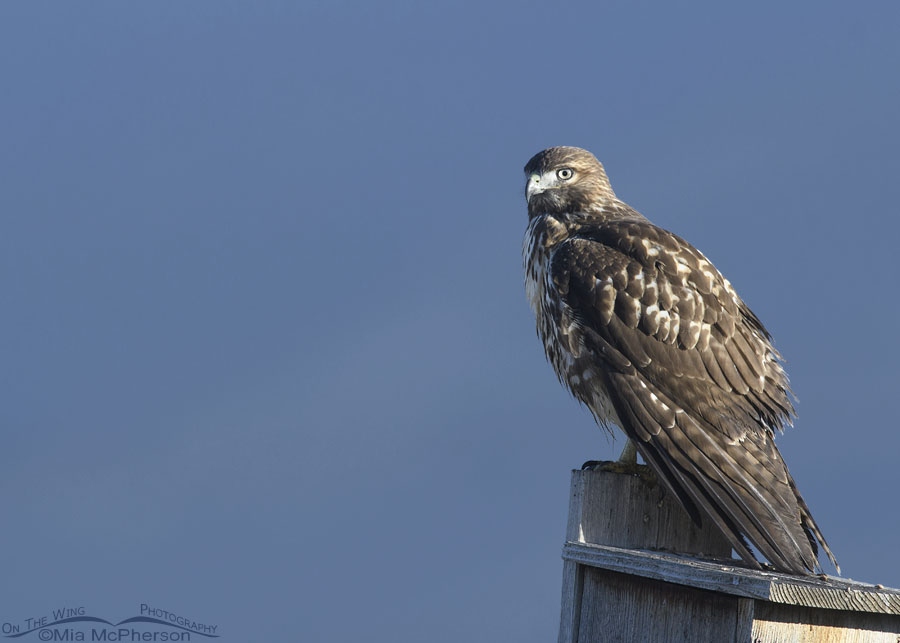
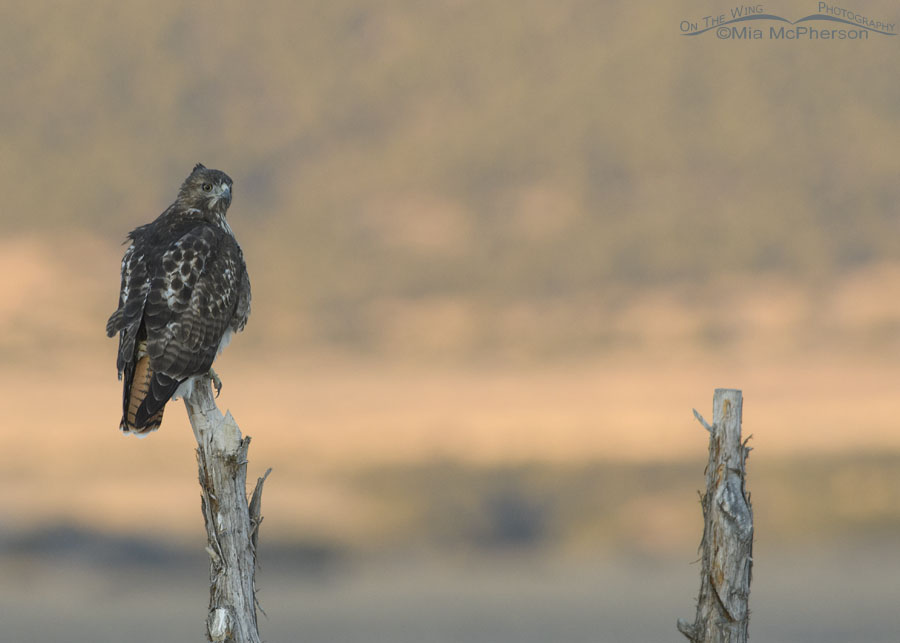
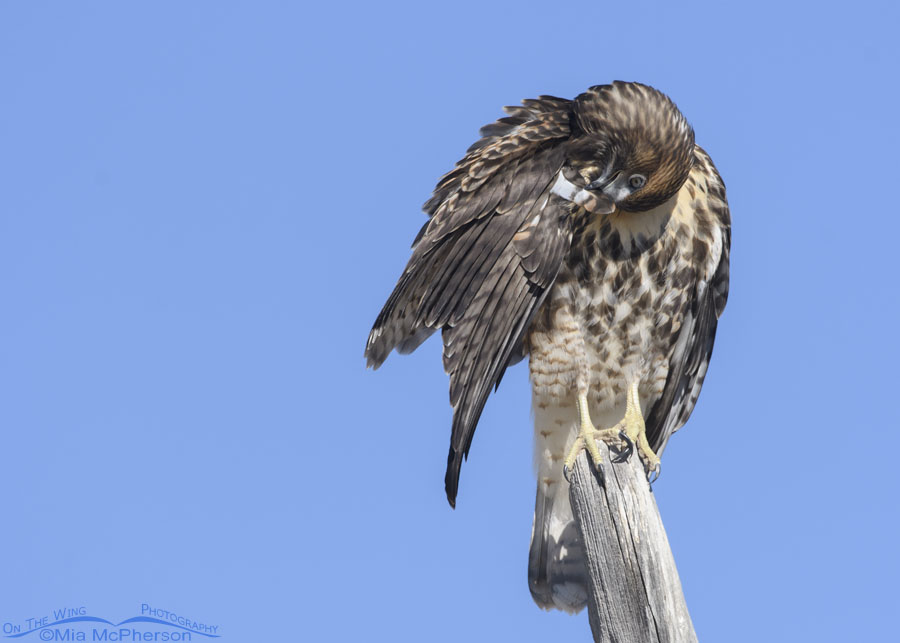
Raptors like this juvenile Red-tailed Hawk move down fom the high country during the autumn to the valleys to stay during the winter, the past few weeks I have seen their numbers increasing.

This Red-tailed Hawk was basking in the morning light near the top of an earthen dam with the Stansbury Mountains in the background. I couldn’t have asked for better light.

Photographing birds during Autumn is a wonderful time for me in Utah, the beautiful fall colors delight and enthrall me, the air gets nippy and I find myself feeling a surge of energy whenever I am outdoors. I’m thinking  about adding new base layers to my clothing, warmer, insulated boots and buying a box of hand warmers so I don’t freeze my finger tips off.

Yes, I am looking forward to the birds I’ll see and photograph this autumn and winter but just being out there with them is great too.

Mia

Facebook Twitter Stumbleupon Digg Delicious Reddit Posterous Pinterest Email

Share

Friday Photos – A split second does matter

Red-tailed Hawk (Buteo jamaicensis) in flight
Clipped Red-tailed Hawk (Buteo jamaicensis) in flight
Tooele County, Utah
Nikon D200, handheld, f6.3, 1/800, ISO 400, +1.3 EV, Nikkor 200-400mm VR with 1.4x TC at 400mm, natural light, not baited

For the past two days I have been having an amazing time photographing a family of Red-tailed Hawks; including at least 4 juveniles, in Tooele County, Utah which is west of Salt Lake City. Amazing; yes, but also extremely frustrating. The photos are being taken from a road that goes up a canyon, at times the canyon walls are very steep and that can be a problem when the birds are high above you. The hawks were constantly on the move, soaring quickly by or hanging on the currents of air that were warming as the sun rose.

Yesterday a Prairie Falcon joined the family of hawks in aerial manouvers and I truly wish they had been closer because the action was fast, fantastic and utterly mesmerizing. None of the hawk’s seemed aggressive towards the falcon and the falcon wasn’t showing any aggression either.

Because the hawks were very difficult to track when you have a limited range of motion from inside a mobile blind (vehicle) these photos were taken outside the vehicle and they were handheld because there was no time to set up a tripod. None.

Exposure control was also a challenge as the hawks soared in a blue sky with ever increasing clouds or dipped down into the Juniper and grass covered slopes. For shots where the hawks were in the sky some positive exposure compensation was needed and then  a split second later I’d have to try and get the exposure back down to avoid blowing out the lights with the trees and grasses in the background.

Trying to track the fast flying birds while handholding my 200-400mm VR lens with a teleconverter while constantly trying to adjust exposure and keep the hawks in focus was hard. Ok, maybe it was more exasperating than hard. Just know that I am kicking my own rearend tonight for the shots I missed today for one reason or another.

Take the image above, nice clean look at the eye, light under the wings plus on the body and head, wonderful wing position, fanned tail and the exposure worked well. But I clipped the tips of both of the wings! I didn’t crop it that way.

Red-tailed Hawk (Buteo jamaicensis) in flight

Red-tailed Hawk (Buteo jamaicensis) in flight
Tooele County, Utah
Nikon D200, handheld, f6.3, 1/800, ISO 400, +1.3 EV, Nikkor 200-400mm VR with 1.4x TC at 400mm, natural light, not baited

The frame above was the very next frame taken just mere tenths (hundreds) of a second after the image where I clipped the wings of the bird. No clipped wings and this is 94% of the original frame! I could tell I hadn’t clipped anything when I took the shot. Yay!

Again I had light under the wings plus on the body and head, wonderful wing position, fanned tail and the exposure worked well. But… the hawk had already started to turn it’s head and the look at the eye isn’t optimal. Very disappointing.

I wish I had a time machine to go back to this morning and get things exactly right. The exposures, the framing, the tracking and more.

Right now though I think I’ll go find a nice pillow to sit on and give my rearend a break from all the kicking I have been giving it. It deserves a rest.

Mia

I will try working with this Red-tailed Hawk family again soon!

More Red-tailed Hawk images

Facebook Twitter Stumbleupon Digg Delicious Reddit Posterous Pinterest Email

Share