Coyote On A Sunny Spring Morning
I came across this image I took of a Coyote standing on rocks on a sunny spring morning yesterday and realized that I miss seeing coyotes as often as I used to.


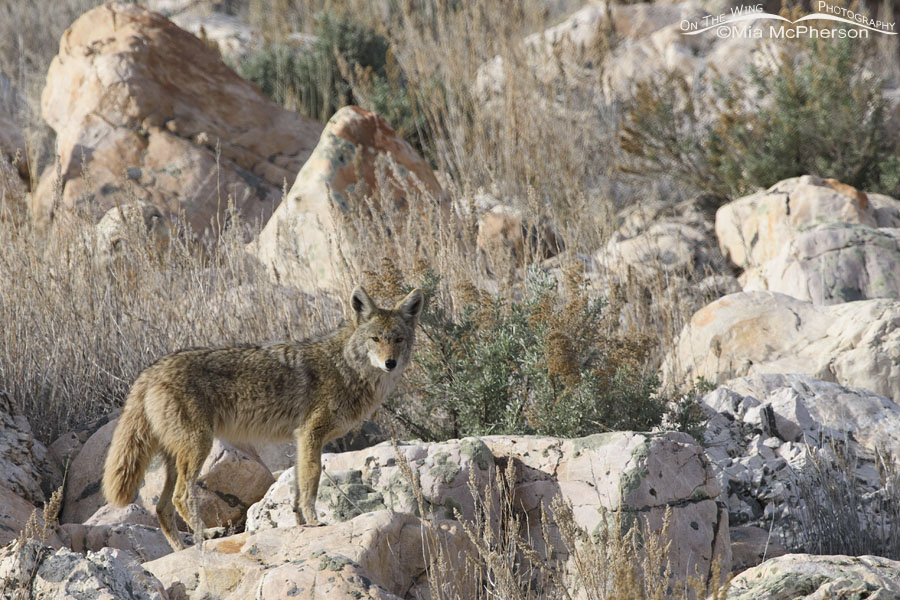
I came across this image I took of a Coyote standing on rocks on a sunny spring morning yesterday and realized that I miss seeing coyotes as often as I used to.
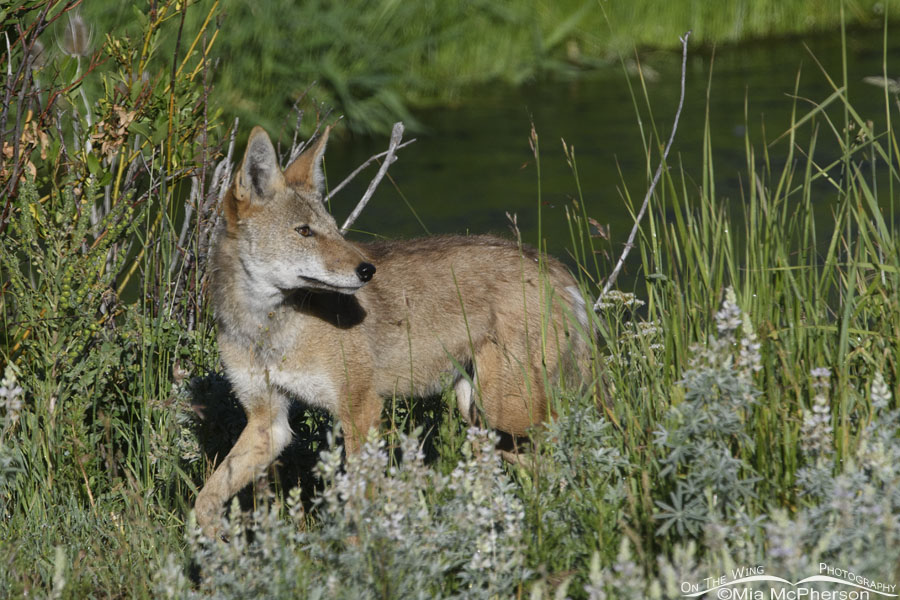
Yesterday morning while photographing bees on wildflowers I spotted a young Coyote walking towards a mountain creek through some grass and sagebrush.
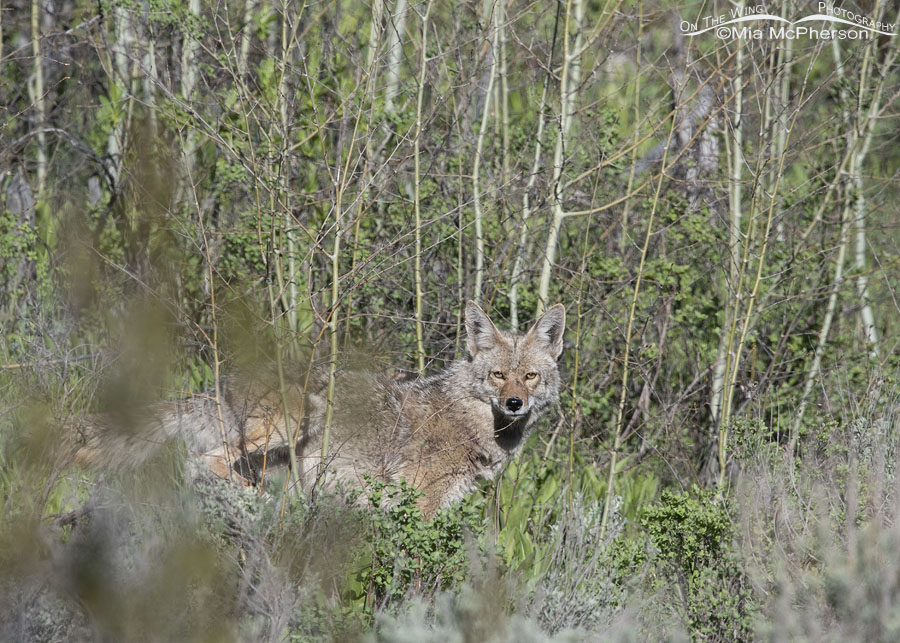
While I photographed hummingbirds last week high in the Wasatch Mountains I also took images of an adult male woodland Coyote watching me watching him.
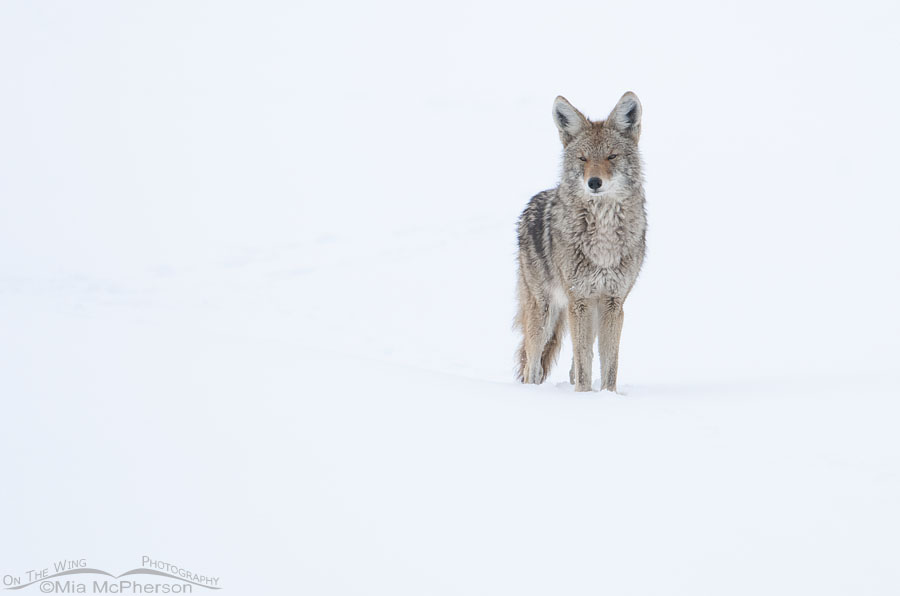
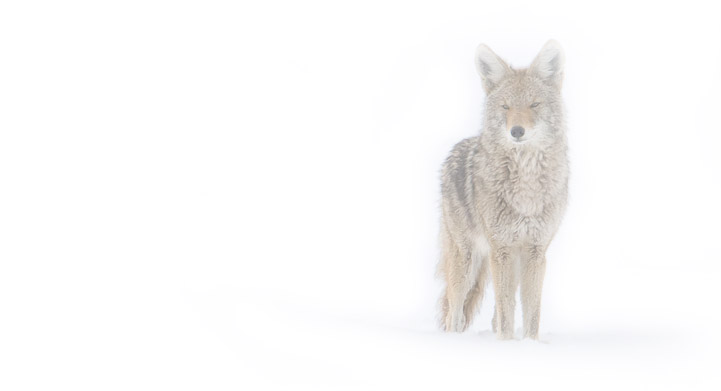
Quite a few winters ago when seeing Coyotes on Antelope Island was more routine than rare I photographed this Coyote in snowy whiteout conditions on the island.
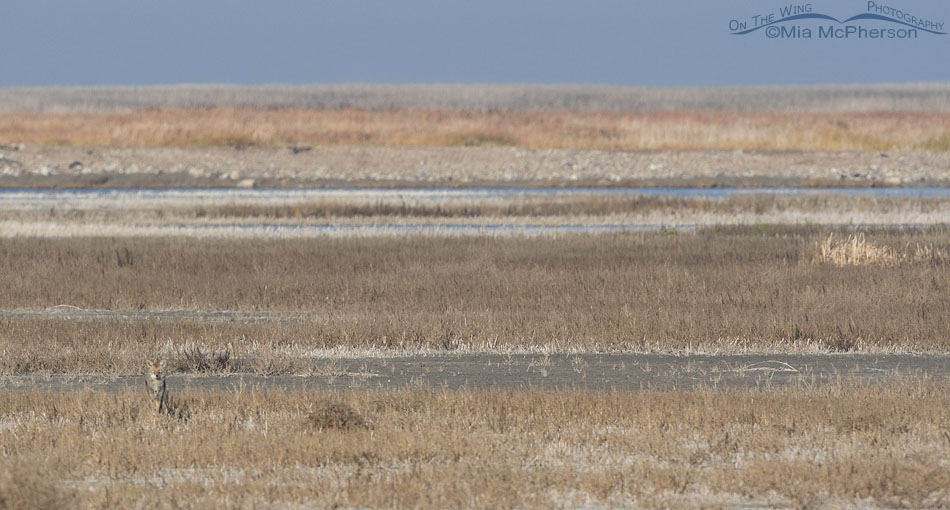
Yesterday I spotted a Coyote in poor light at Farmington Bay WMA that reminded me of a recent photo I took of a Coyote there in late November.
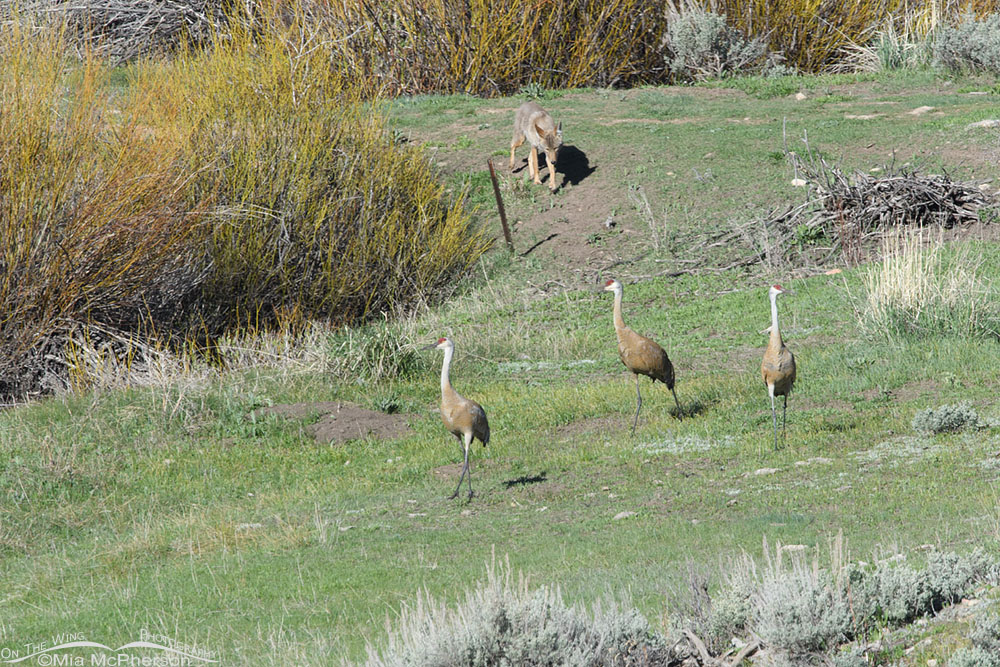
Yesterday morning while up in the Wasatch Mountains I heard Sandhill Cranes calling repeatedly and when I spotted them I also found a Coyote near the cranes.
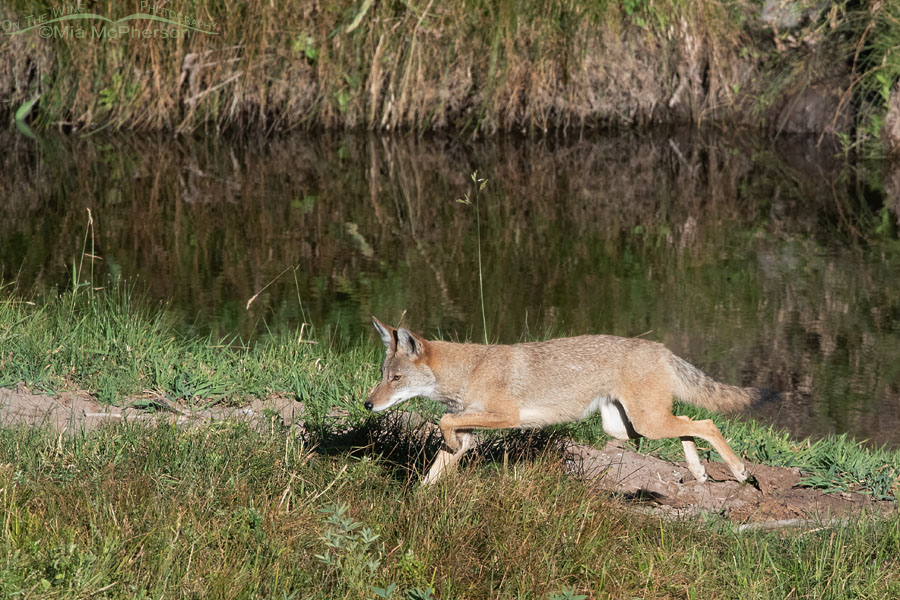
If I hadn't been looking for birds I wouldn't have spotted this coyote searching for prey yesterday near a creek in a canyon which made it my best subject of the day.
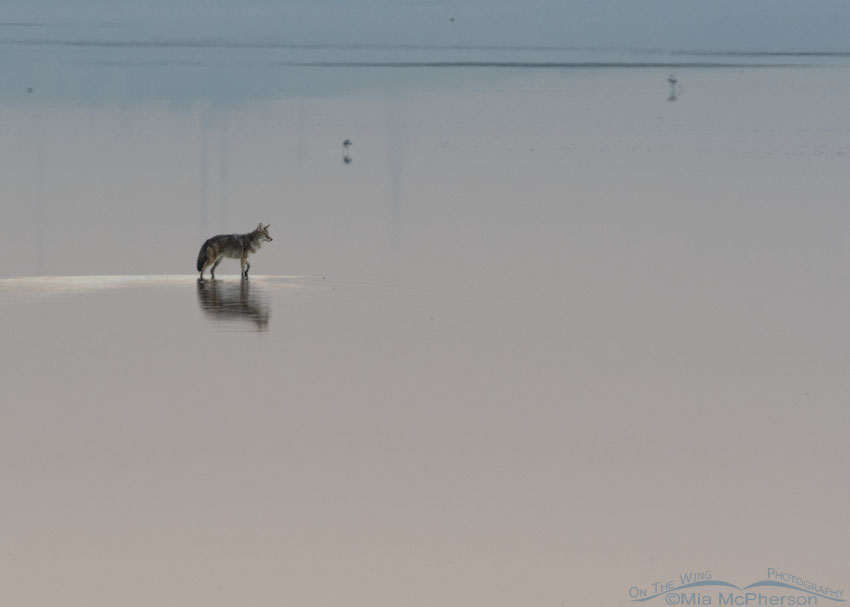
In October I spotted a Coyote walking in the shallow water of the Great Salt Lake from the causeway to Antelope Island in pre-dawn light where the water was reflecting the pink clouds of daybreak.
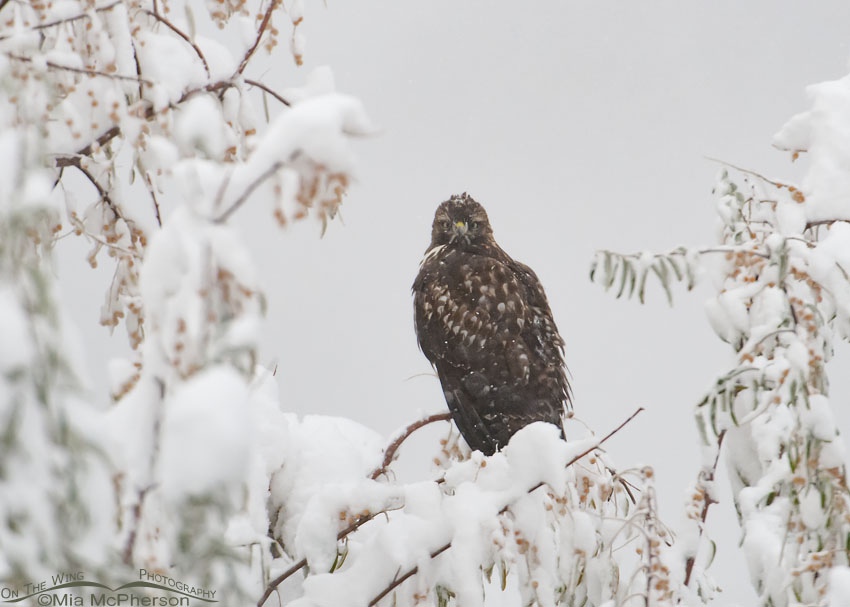
The birds and beasts on Antelope can survive the harsh winters here but as each years passes I wonder how they will be able to adapt to our changing climate. I can't help but be concerned.
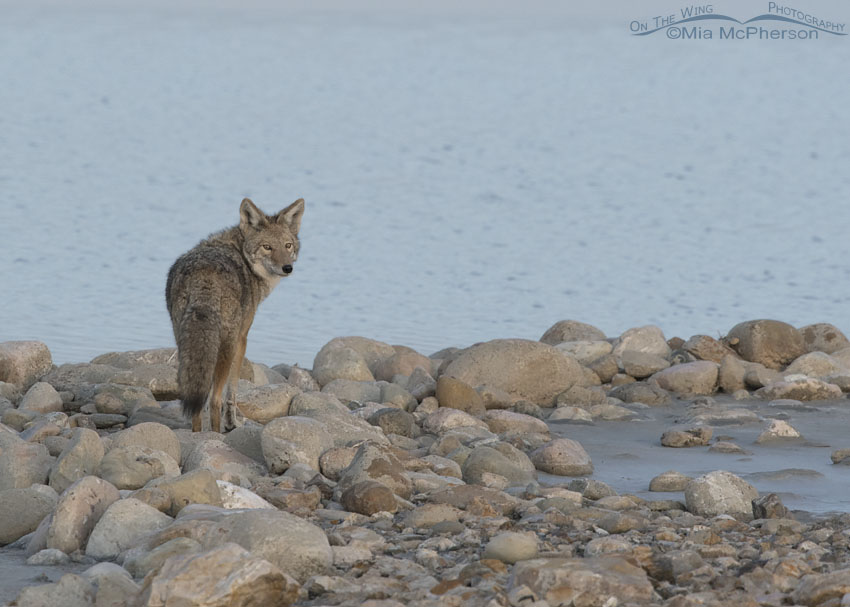
Yesterday an early morning session with a Coyote, the Great Salt Lake and some rocks made my day, I was so very happy to photograph the "Song Dog".
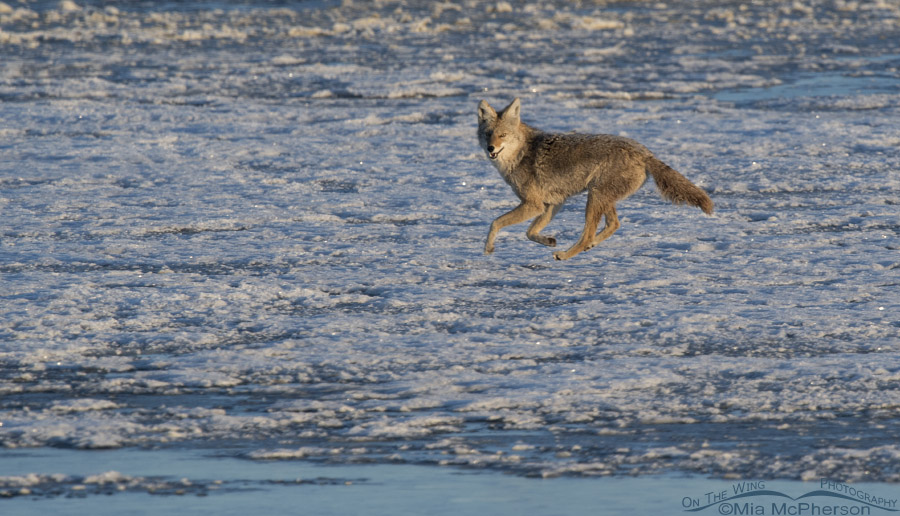
I was excited and delighted to spot and photograph a coyote running on the ice of the Great Salt Lake a few days ago in the golden light just after dawn.
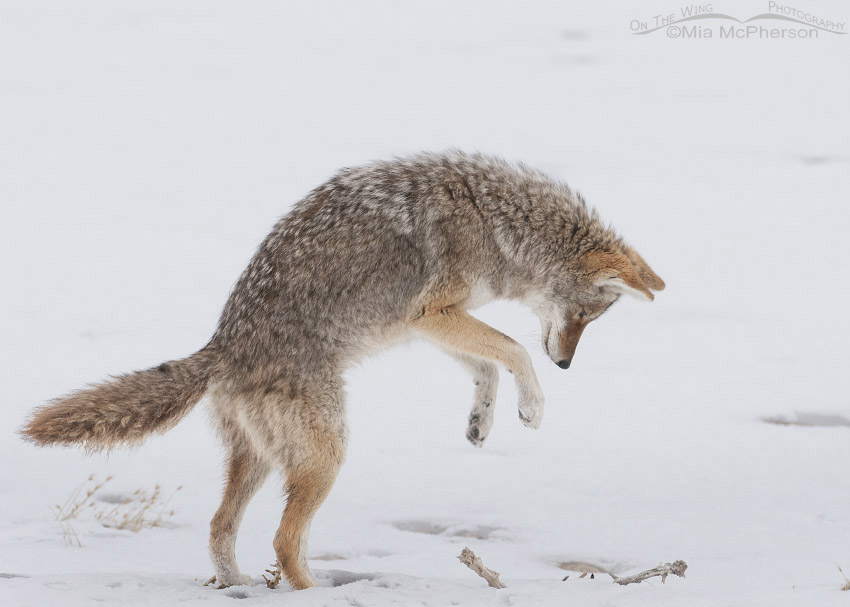
I did not see many birds that dreary day but I did have fun photographing a Coyote hunting, catching and consuming a vole in low light conditions.
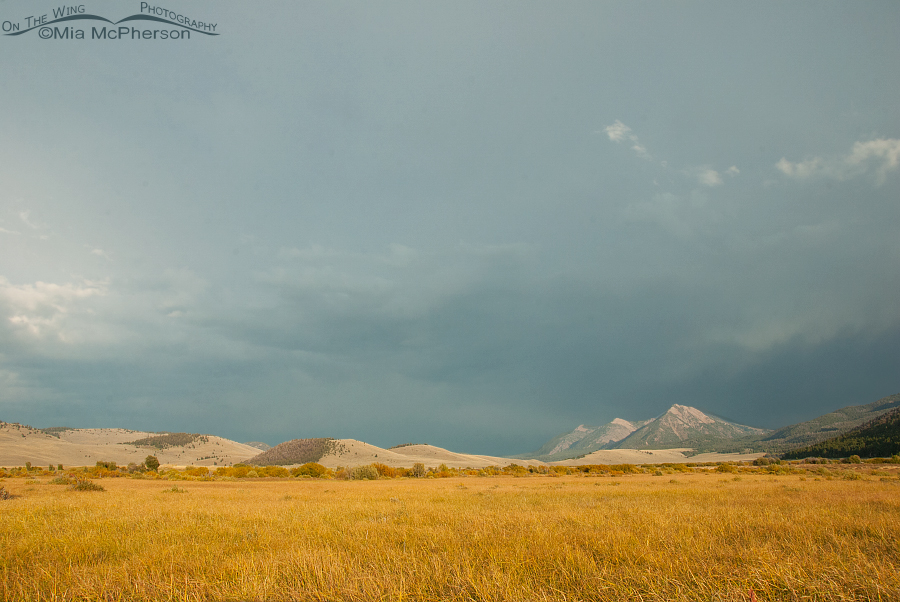
There are some that say the state can better care for those lands. I'd call them fools but we humans are all distant cousins so I'll tame that down a bit and call them misled instead. Intentionally and deliberately misled.
Each of us are the authors of how 2017 will be written in those history books as surely as we are the pathfinders in the journeys of our own lives.
Today I am celebrating having published 2000 posts on birds, wildlife and nature at On The Wing Photography and sharing the stories behind the images along with the journeys I take to find my subjects.
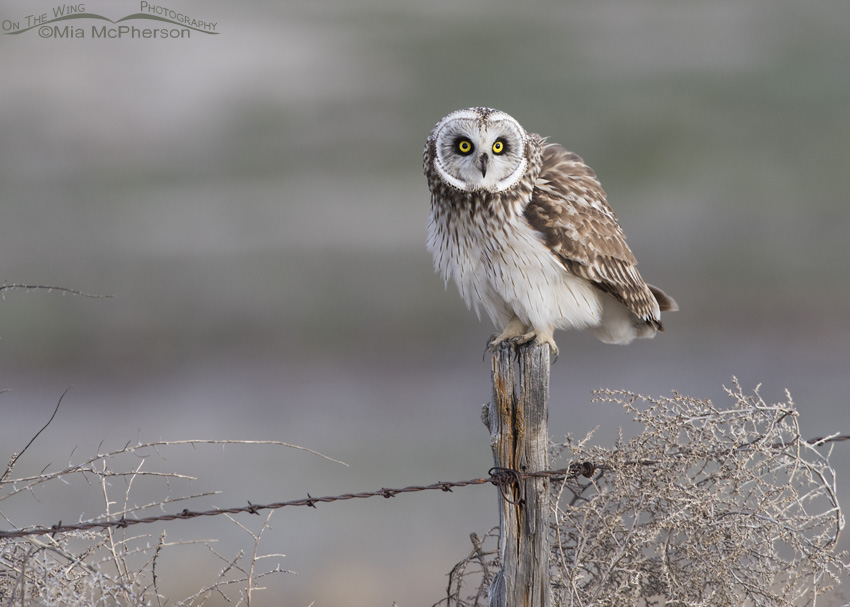
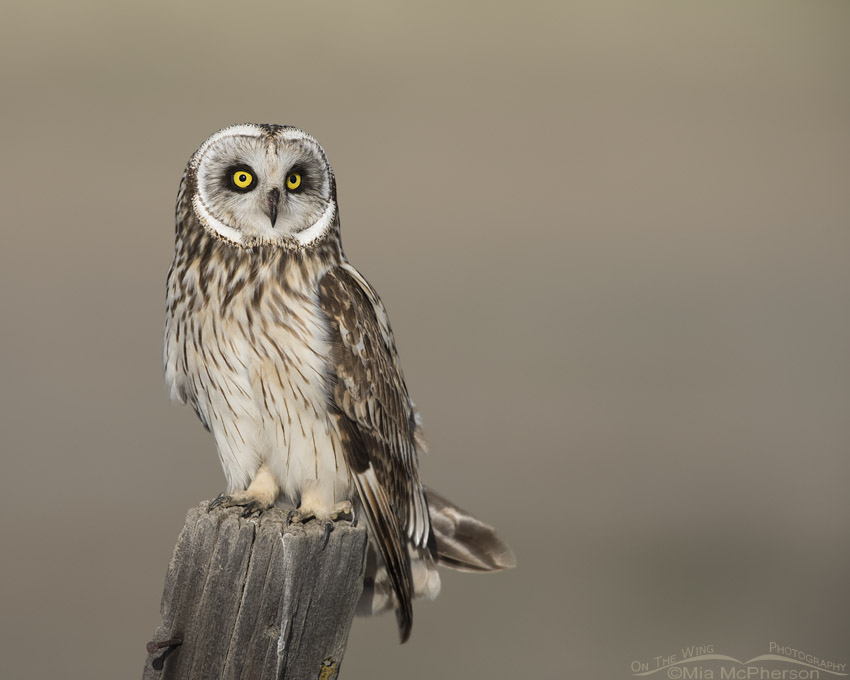
Yesterday it was the northern Utah Short-eared Owls that made me so very glad that I am a bird photographer and that for a little while I am part of their world.
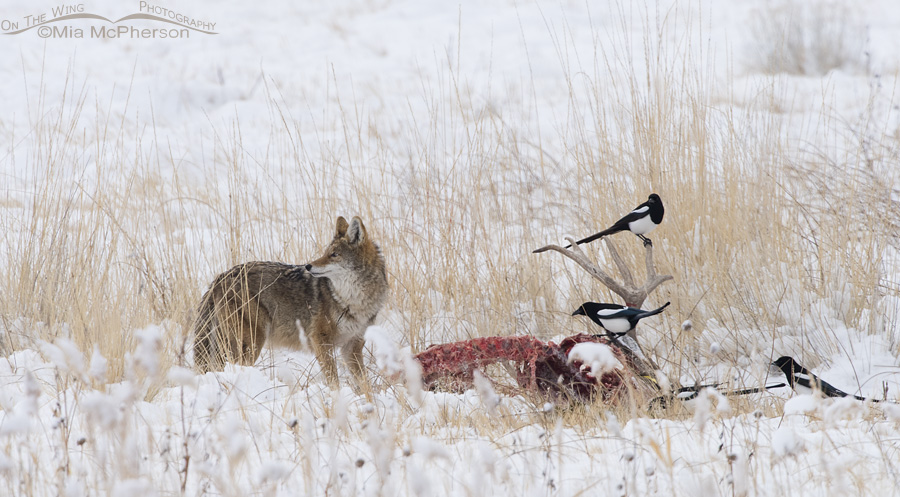
One year ago today I found, pointed out and photographed a Coyote and Black-billed Magpies scavenging a deer carcass to survive on Antelope Island State Park.
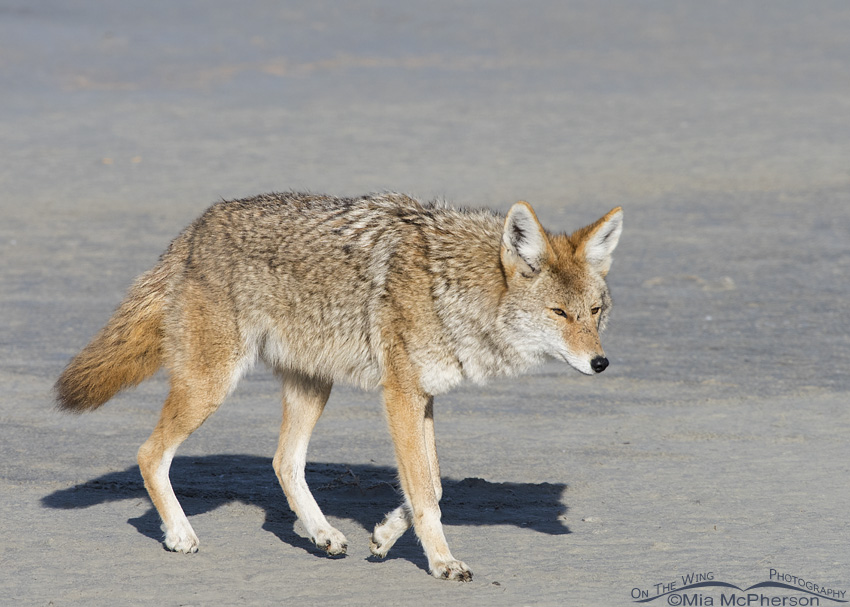
Last January I photographed this coyote walking the shoreline of the Great Salt Lake with two other coyotes, they were close to the causeway and I took a couple hundred images of them that day.
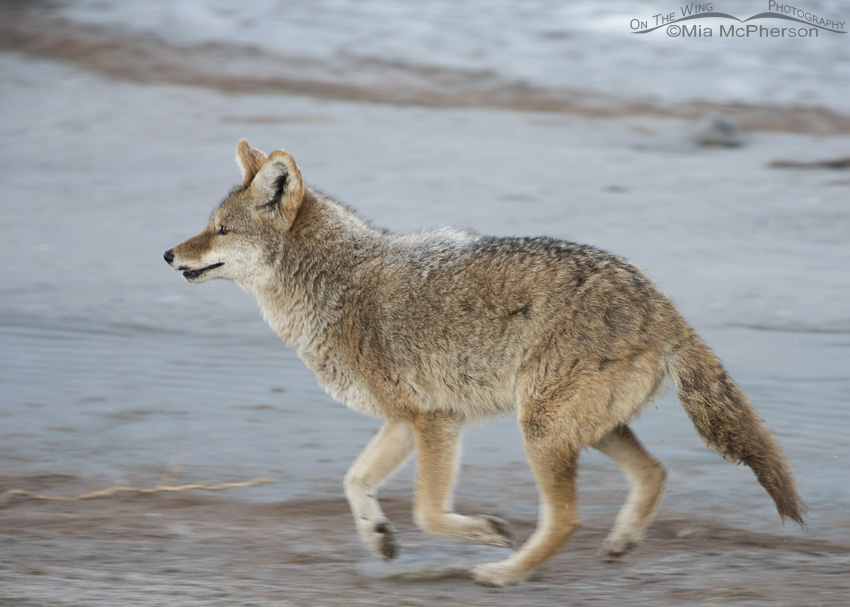
Low light, a slow shutter speed, panning and a Coyote in motion all combined to create this Coyote blur image.
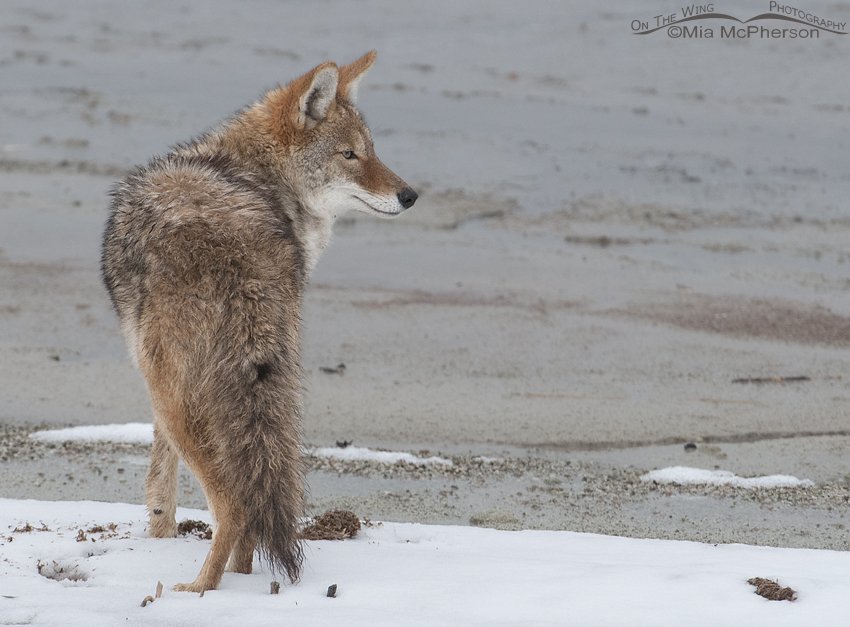
Three years ago today snow was falling in the Salt Lake Valley, Frary Peak on Antelope Island State Park was white and snow squalls were making their way over Farmington Bay WMA.
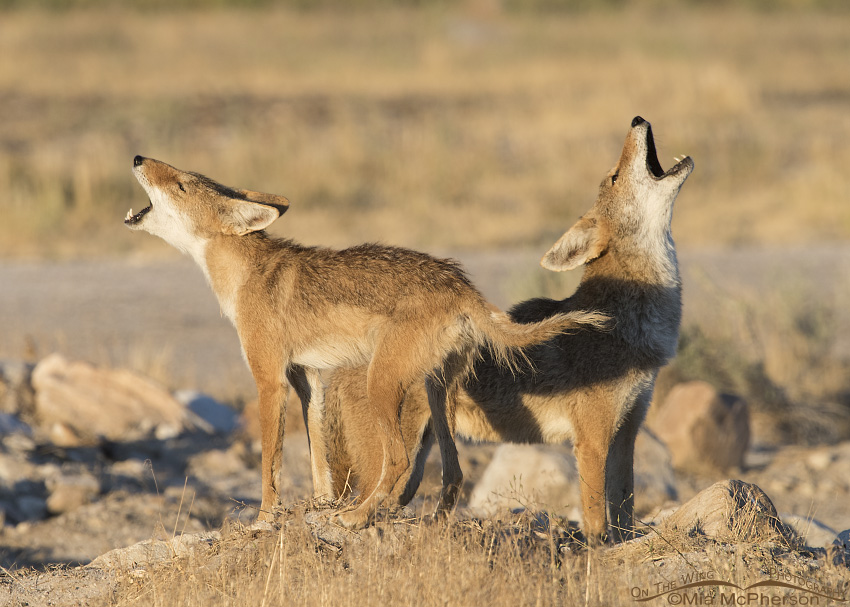
I started my morning yesterday on Antelope Island State Park with a mated pair of singing Song Dogs.

Any day that I see a Coyote is a great one, seeing a pair of them it is even greater and yesterday I photographed a pair of coyotes I am very familiar with.
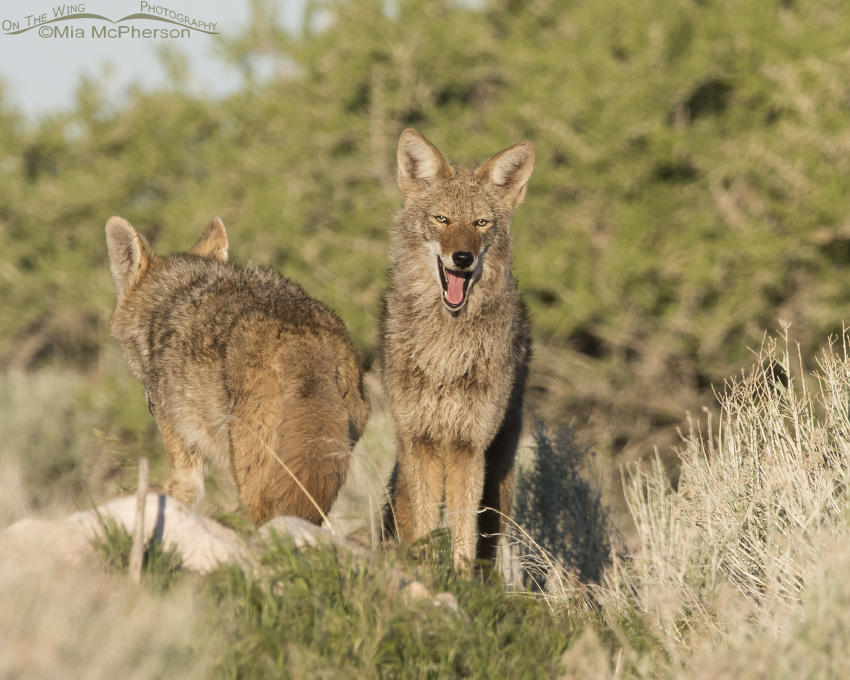
I saw two Coyotes right after arriving on Antelope Island yesterday that were bathed in the soft light of dawn, I can't resist taking images of the beautiful "Song Dogs" that I see and I couldn't resist this pair.
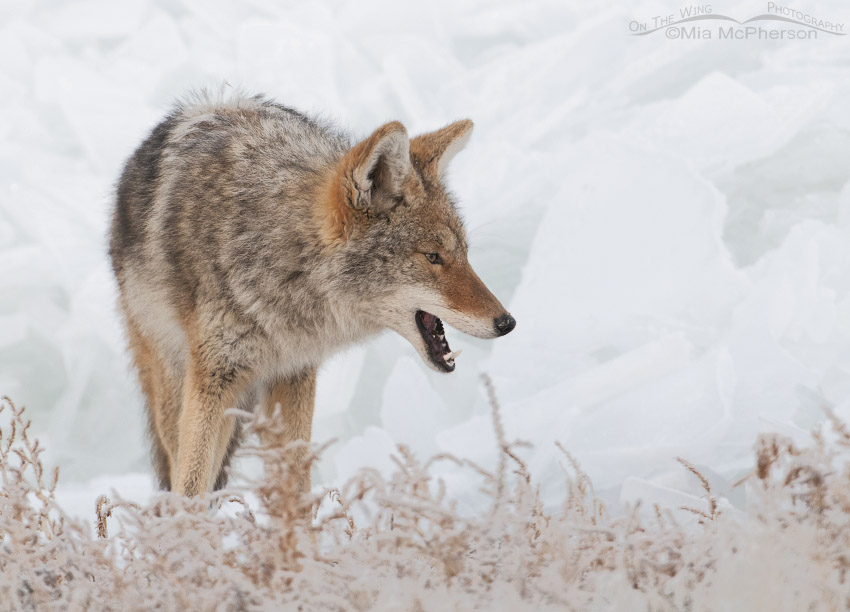
I've been pretty busy lately and one of the projects that has kept me burning the midnight oil is moving my images from the old galleries to my new ones.
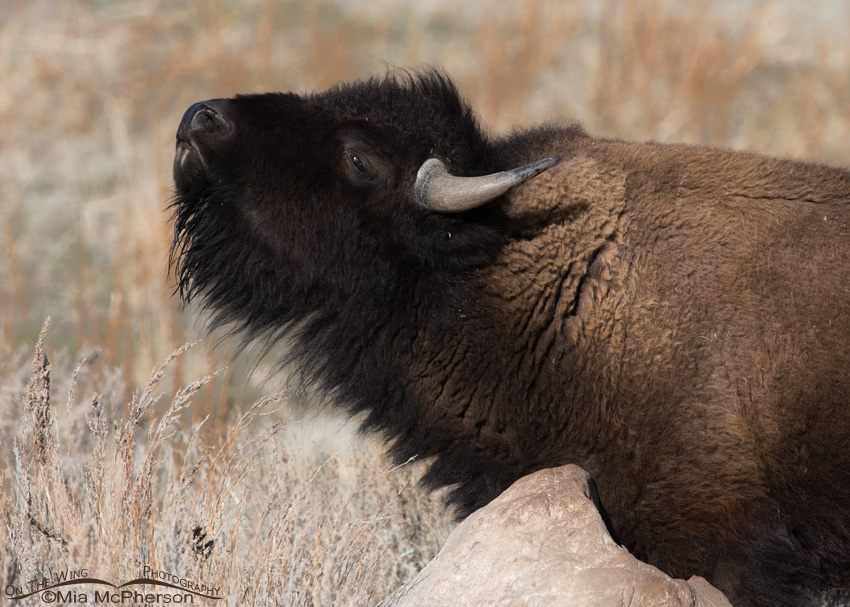
For the most part yesterday I photographed the furry animals of Antelope Island State Park starting off with a pack of three coyotes just waking up from the night with golden light shining on them.

Last month I photographed this coyote out on the mudflats and I recall wondering if it was the young coyote I photographed in August of 2013 all grown up.

Yesterday the sun was shining on Antelope Island unlike the stormy day before and there were birds and animals to photograph much to my delight.
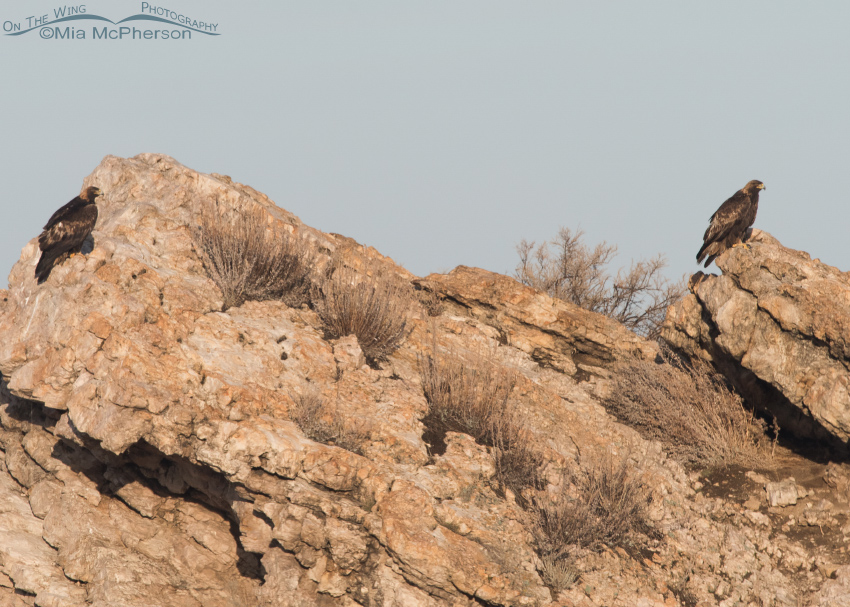
It never, ever fails that when I have an opportunity to photograph Golden Eagles something always goes wrong.
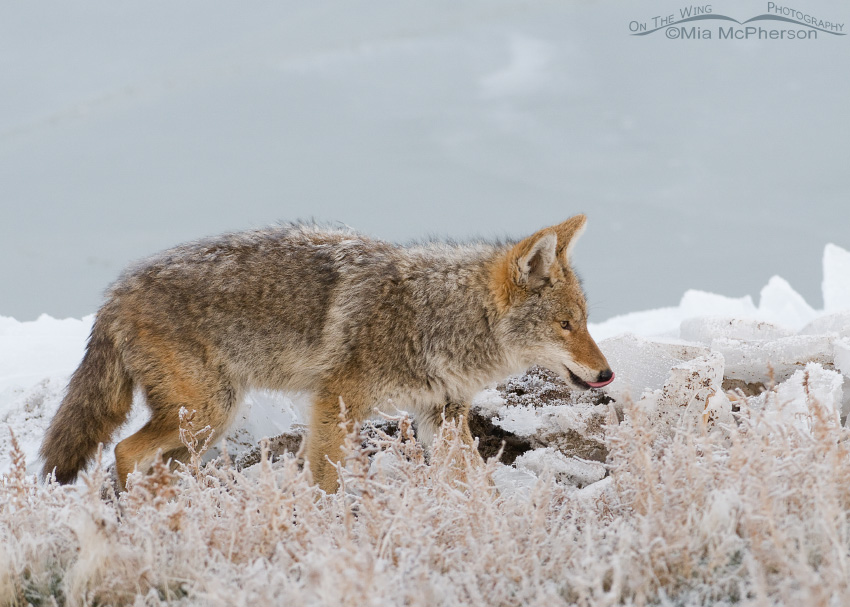
This isn't just just a Henry Mountain Range issue, it is a Utah issue. It is an issue where ever there are Coyotes, cattle, rabbits, hares and voles.
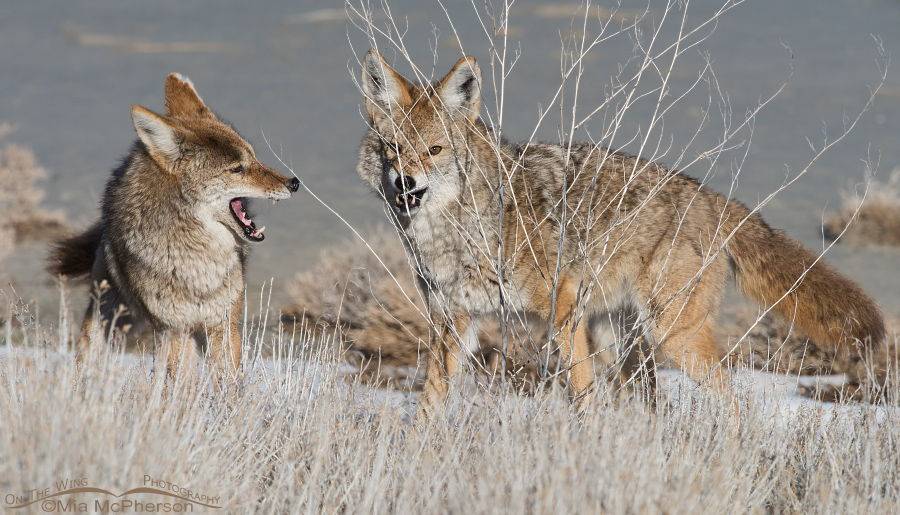
Yesterday was a Coyote kind of day for me seeing two Coyotes fight, a pair chase off an intruding Coyote and another pair with an intruding Coyote following them.