Today Is Utah’s Swan Day For 2024
Today is March 9th, and it is Utah's Swan Day 2024! The Bear River Migratory Bird Refuge auto tour loop is a terrific place to see these lovely white swans.


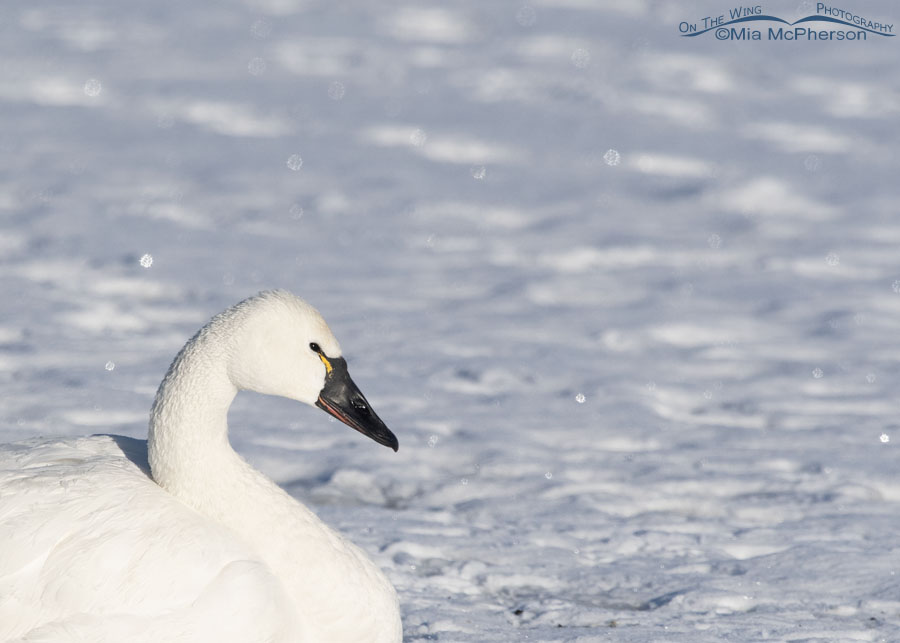
Today is March 9th, and it is Utah's Swan Day 2024! The Bear River Migratory Bird Refuge auto tour loop is a terrific place to see these lovely white swans.
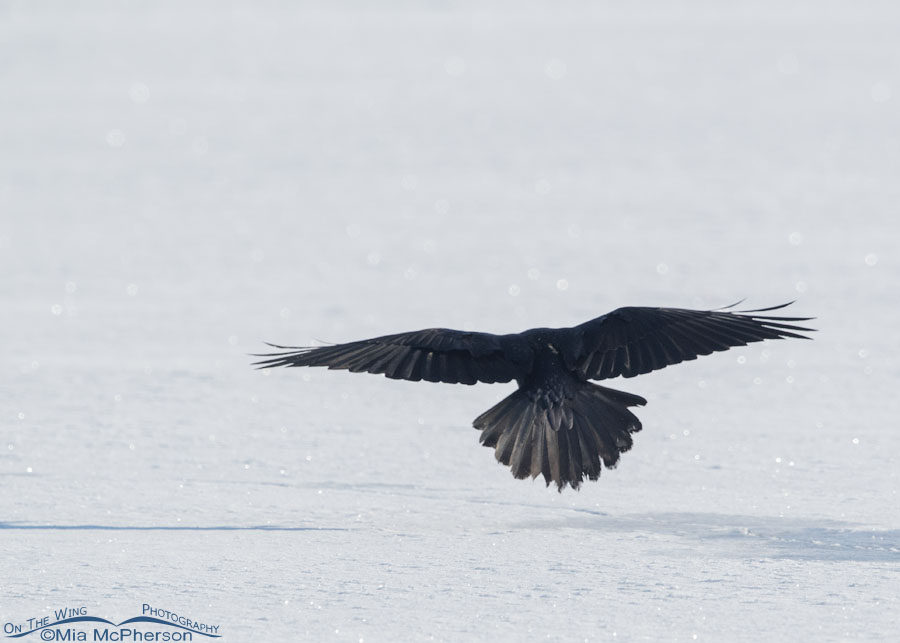
This isn't my typical idea of a Common Raven photo because the raven's face can't be seen. But I like this photo of the raven about to land on the frozen marsh.
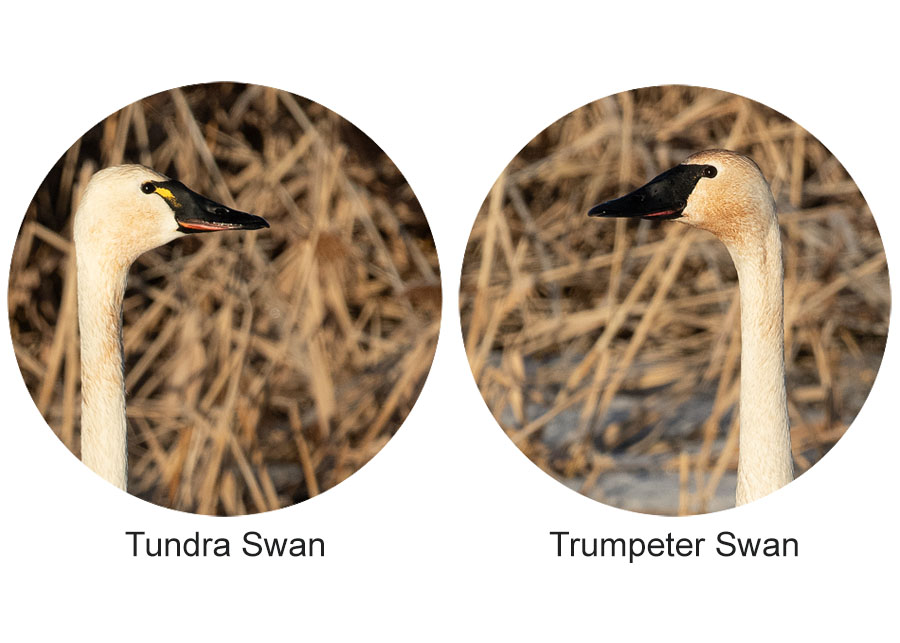
I hope this comparison helps anyone who might be struggling with Trumpeter Swan and Tundra Swan identification in the field or when they are looking at their own photos.
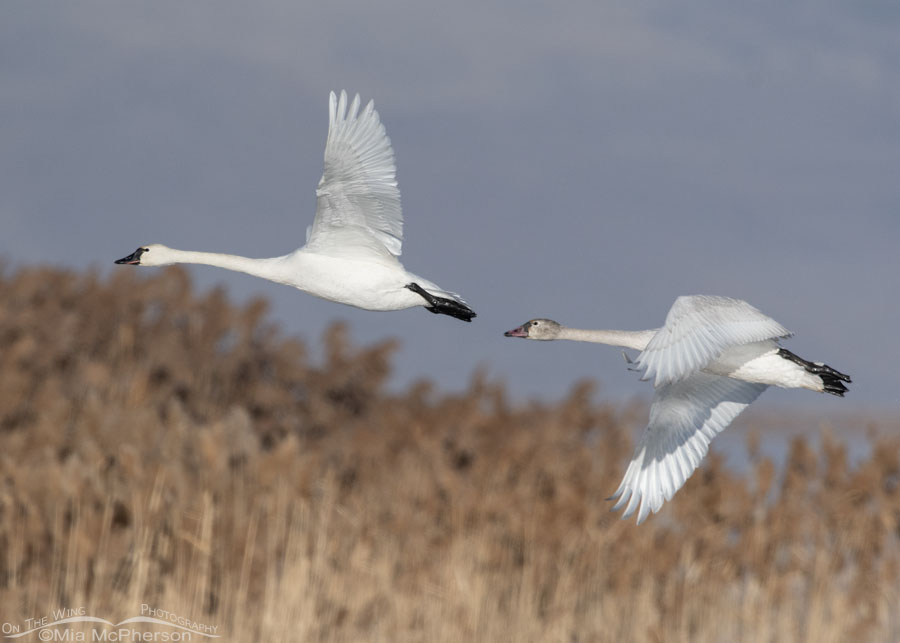
Tundra Swans and memories are on my mind this morning. Six years ago, I sat in my Jeep watching hundreds of Tundra Swans at Bear River Migratory Bird Refuge.
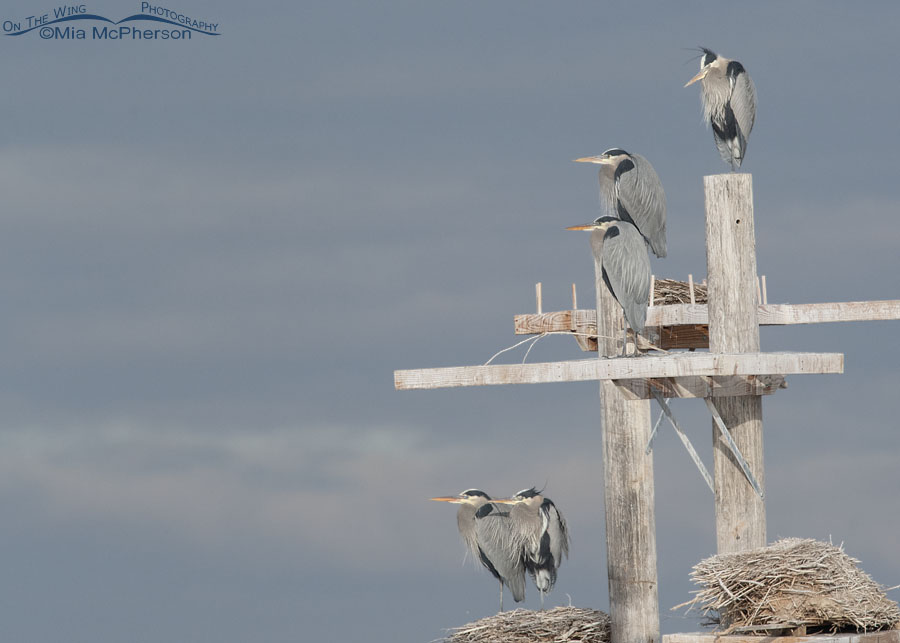
Yesterday morning, I was surprised to find Great Blue Herons already at the nests of the rookery at Farmington Bay WMA. There were more than twenty herons.
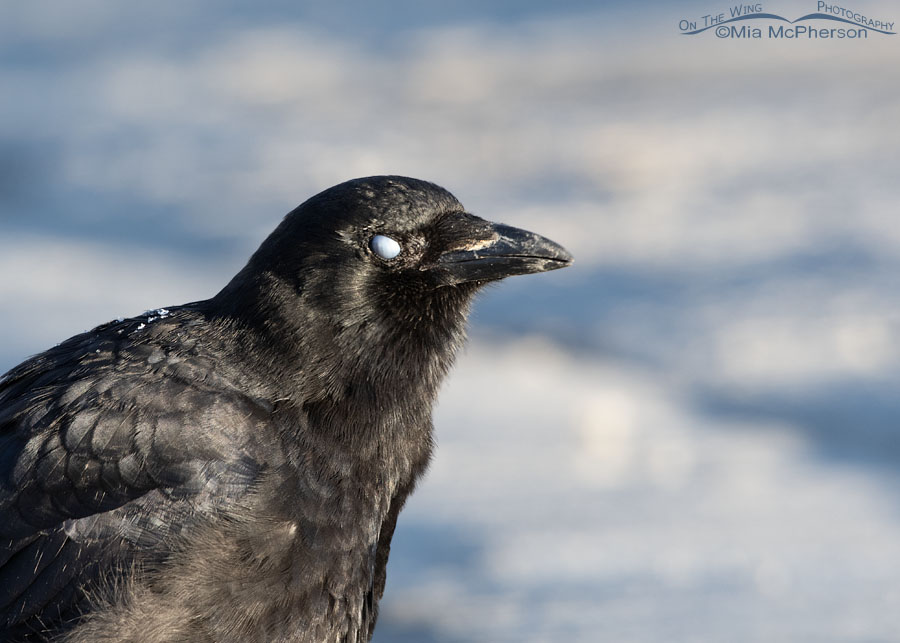
This morning, I'm sharing three portraits of an American Crow, two of which include the very pale, nearly icy-blue nictitating membrane that these crows have.
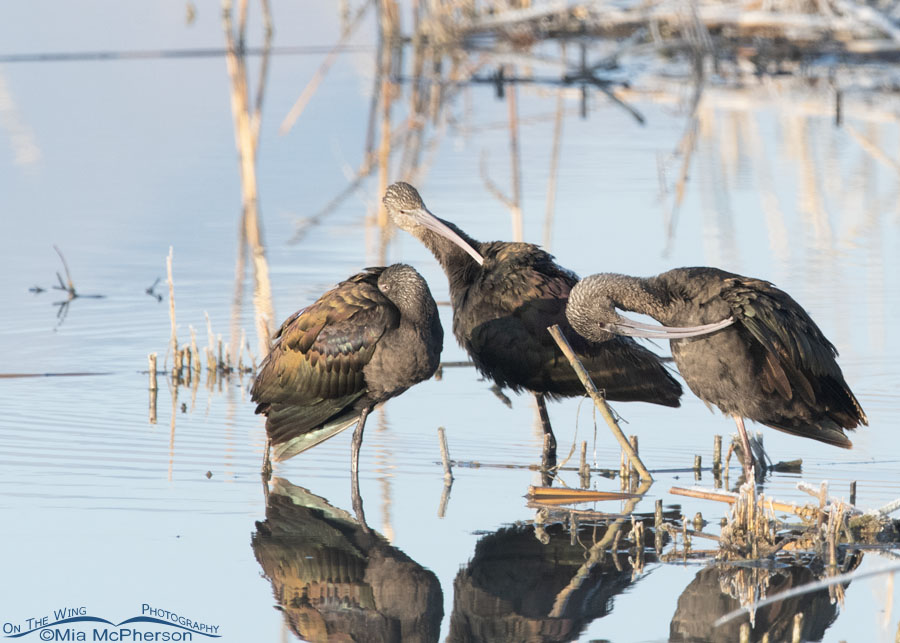
On New Year's Day, I photographed two small flocks of White-faced Ibis at Bear River MBR. It isn't unusual at all for this ibis species to overwinter at the refuge.
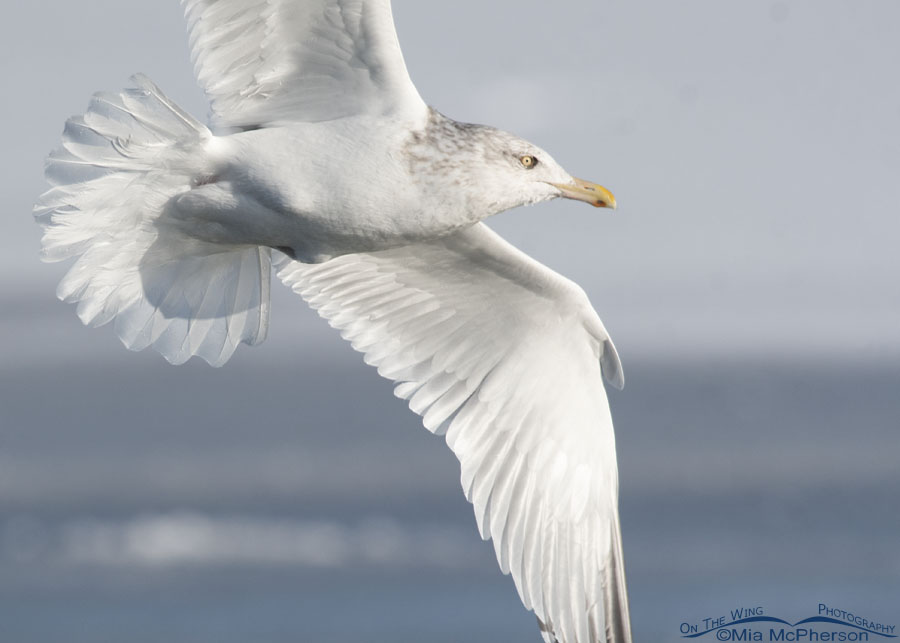
Three years ago today, I drove the auto tour loop at Bear River MBR alone. One of the birds I photographed that winter morning was this close-up adult Herring Gull in flight.
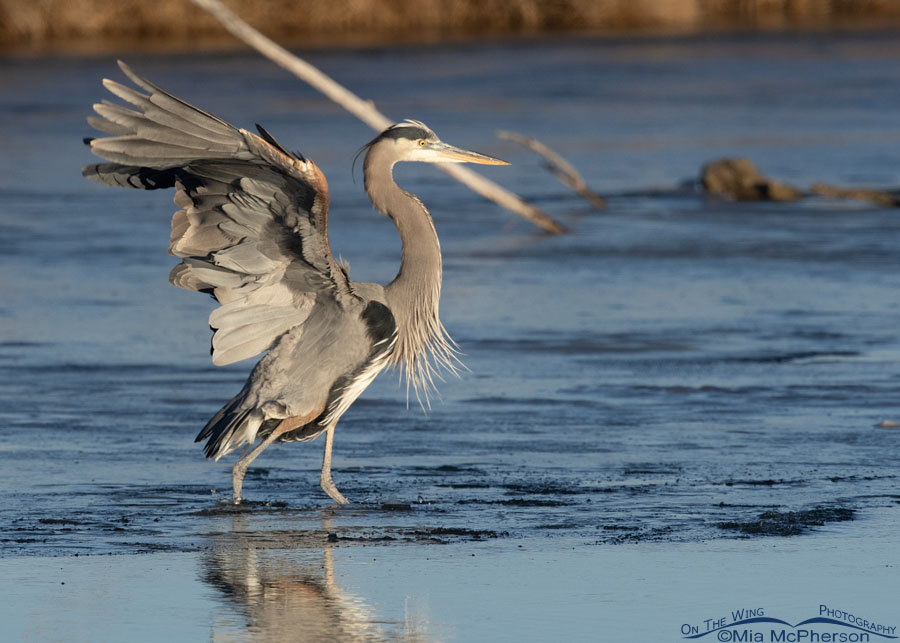
I photographed this Great Blue Heron almost two years ago, walking gingerly on the thinning ice of the Bear River. I was on my way to the auto tour loop at the refuge when I spotted this heron.
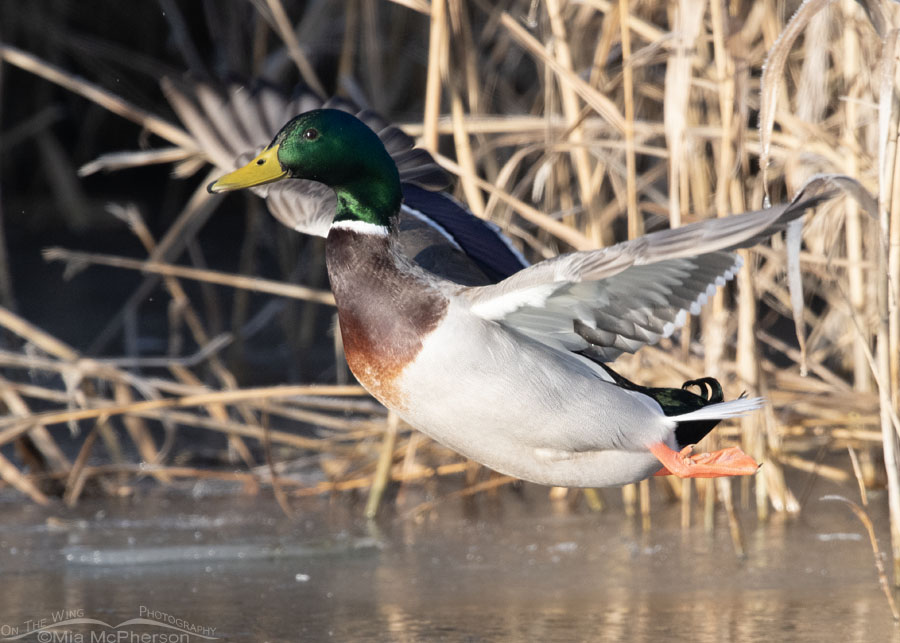
On New Year's Day morning, I had fun photographing a drake Mallard from the auto tour loop of Bear River Migratory Bird Refuge as he lifted off from the marsh.
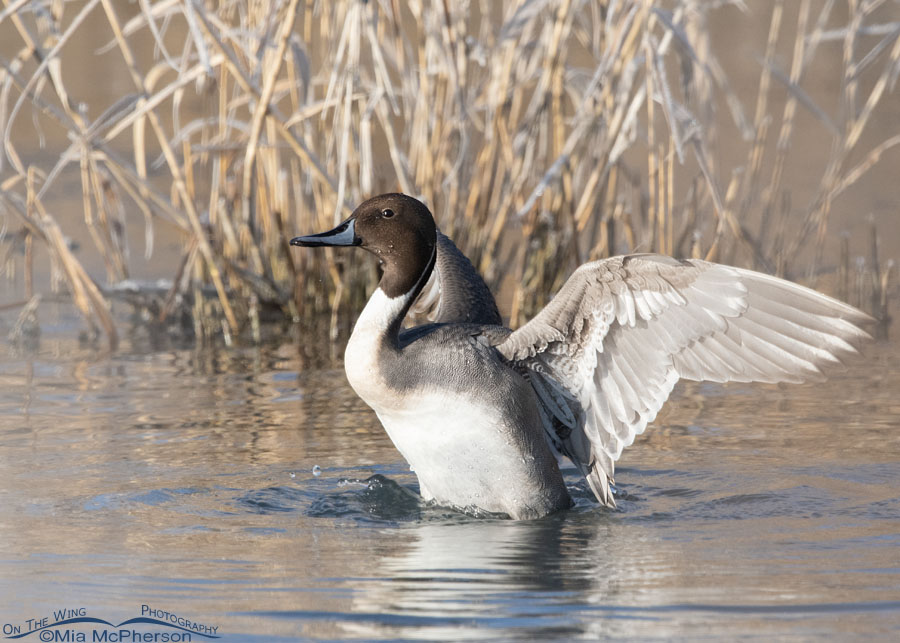
I was thrilled to find and photograph a handsome drake Northern Pintail out on the auto tour loop of Bear River MBR on New Year's Day morning.
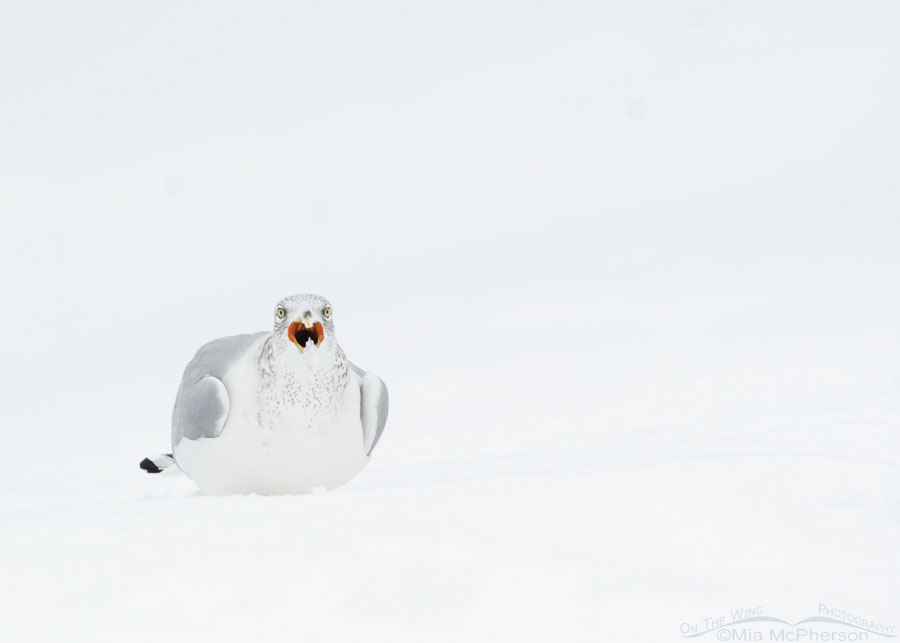
Snow is supposed to start falling around 10 a.m. where I live in northern Utah. It might be the first significant snowfall of this winter down in the valley.
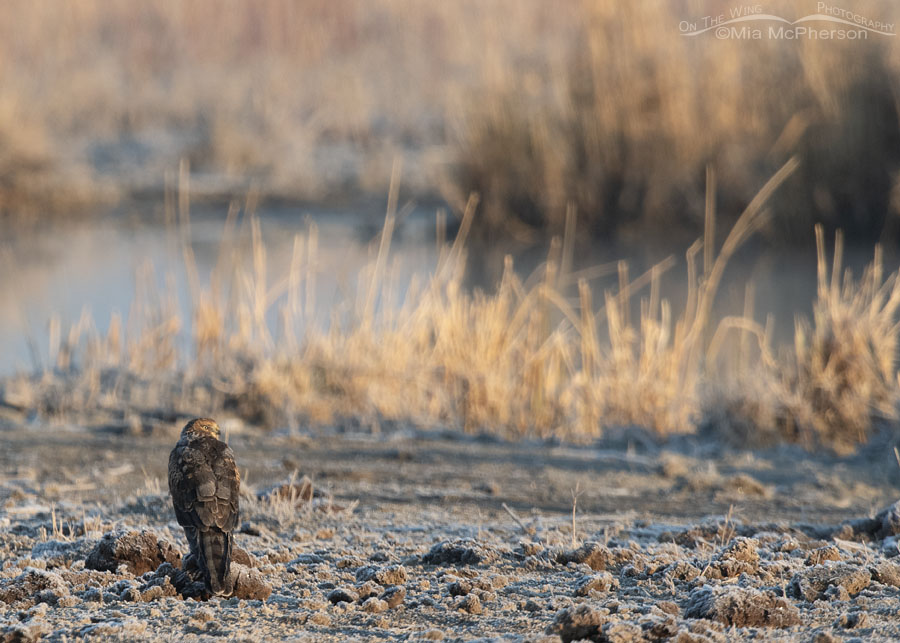
This photo of a frosty Northern Harrier was taken almost five years ago. Although the harrier is small in the frame, I still find the image visually appealing.
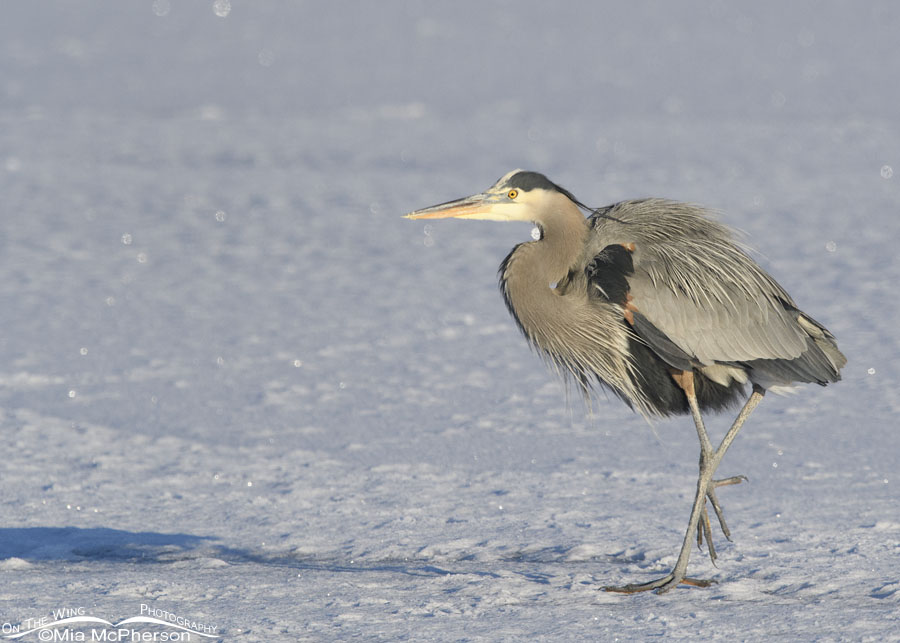
If you want to take Great Blue Heron photos in winter, on snow and ice, then head to Bear River MBR in Utah after the marsh freezes and the snow starts to fall.
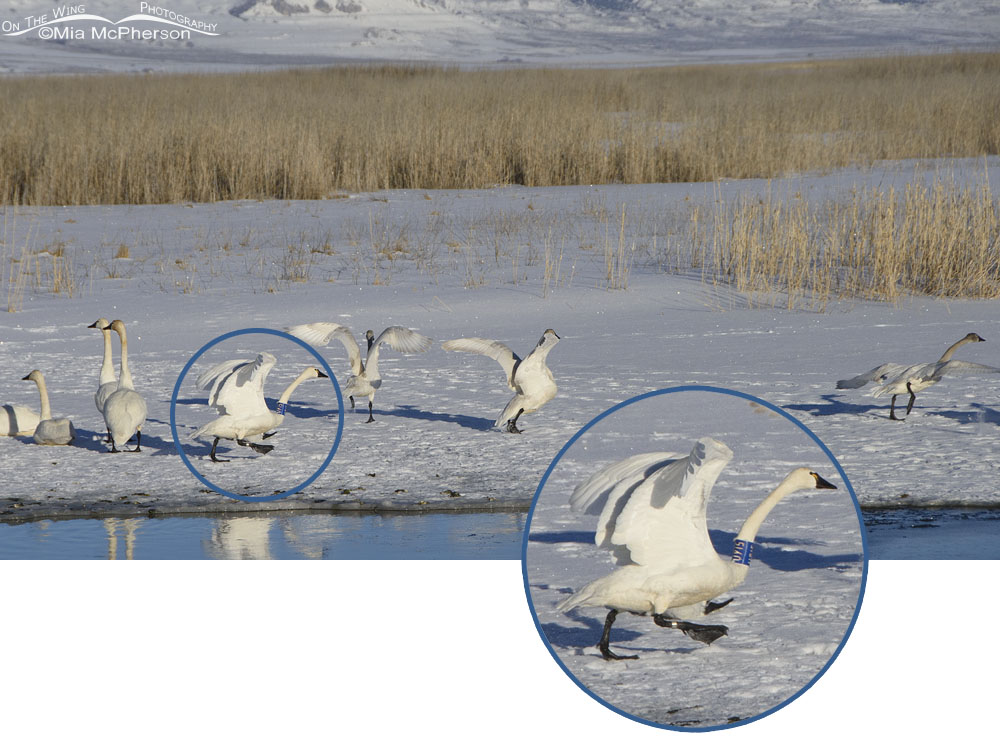
As the Tundra Swans in Utah begin to make their long journeys to their breeding grounds, I wanted to do one more post about the collared Tundra Swans I've found.
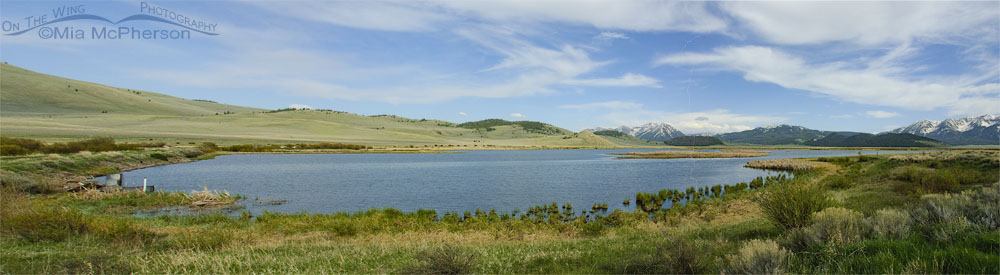
Today is World Water Day. The theme for World Water Day 2023 is: Accelerate Change. Every human being on this planet is roughly 60% water.
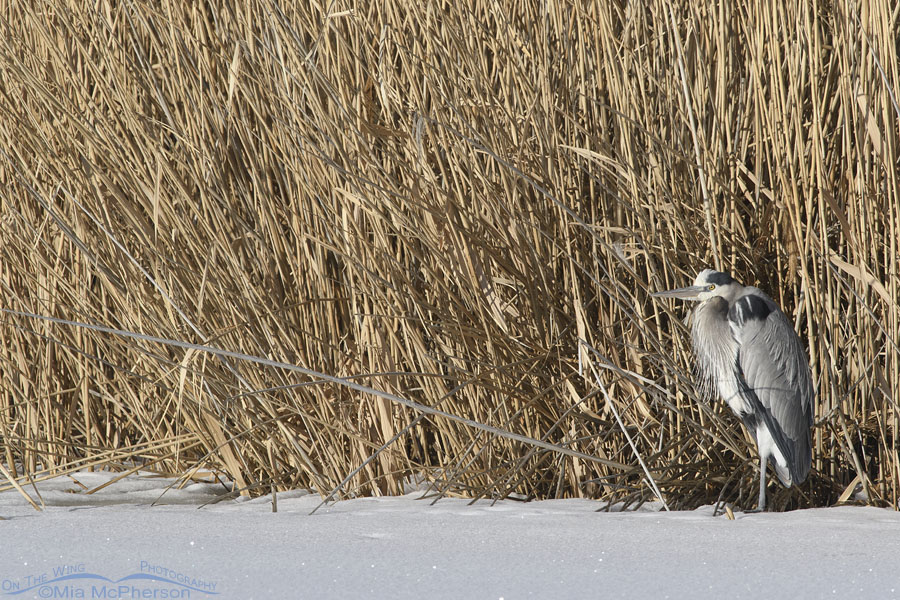
On my last journey up to Bear River Migratory Bird Refuge I stopped to take photos of a majestic Great Blue Heron enjoying some solitude on the ice.
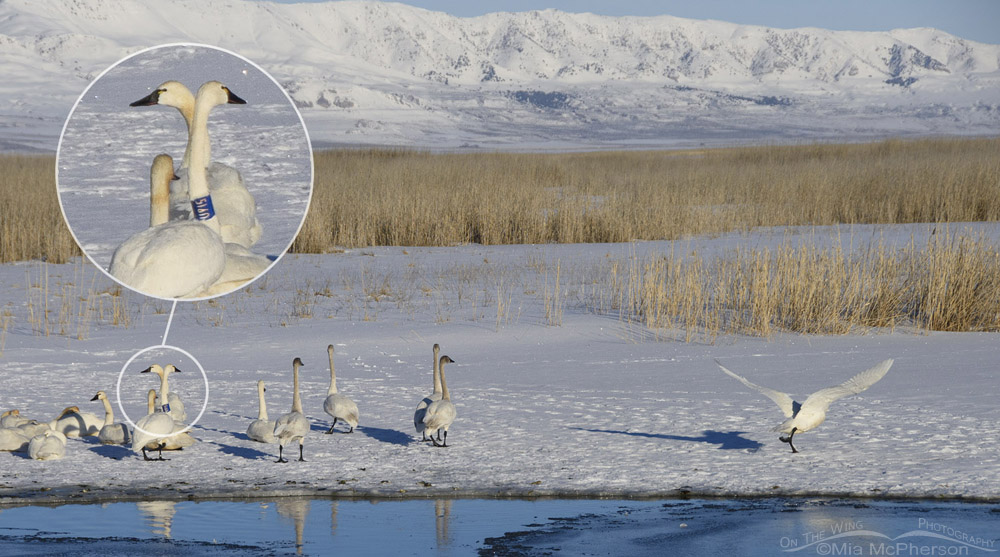
Three days ago I found a collared Tundra Swan in a flock of swans at Bear River MBR. The blue collar caught my eye and I took photos of the swan.
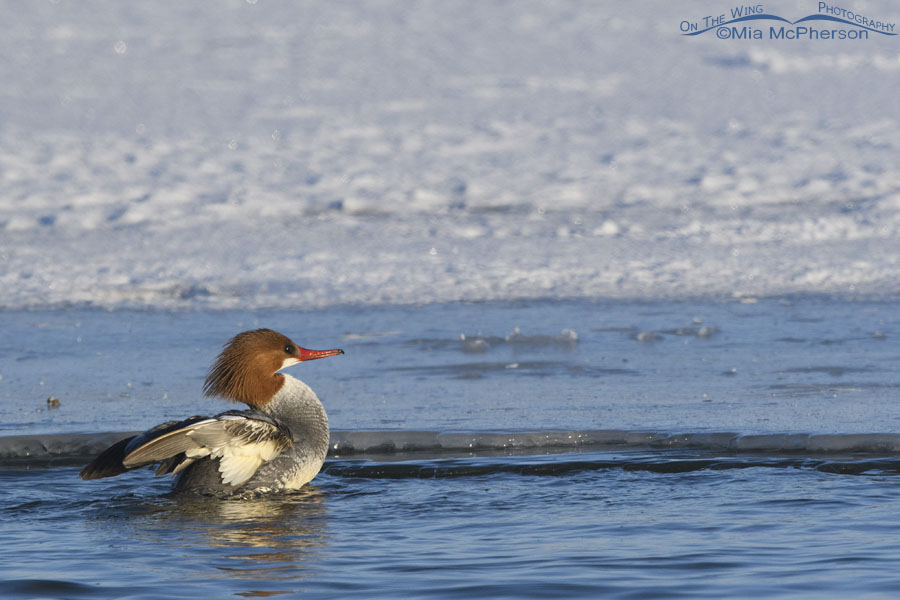
Last month I photographed this hen Common Merganser in a small spot of open water next to an ice shelf at Bear River MBR. It was a very cold morning.
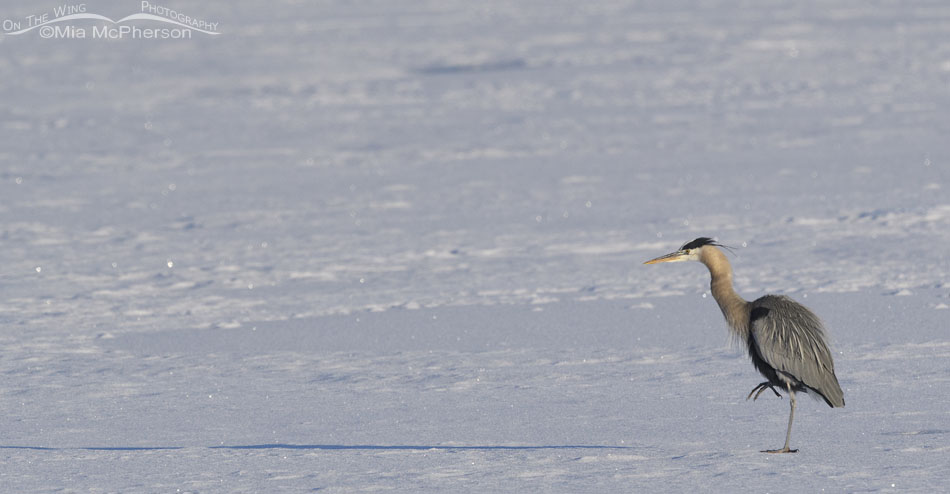
Last week I had the opportunity to photograph a Great Blue Heron on the ice at Bear River Migratory Bird Refuge, where the heron was small in the frame.
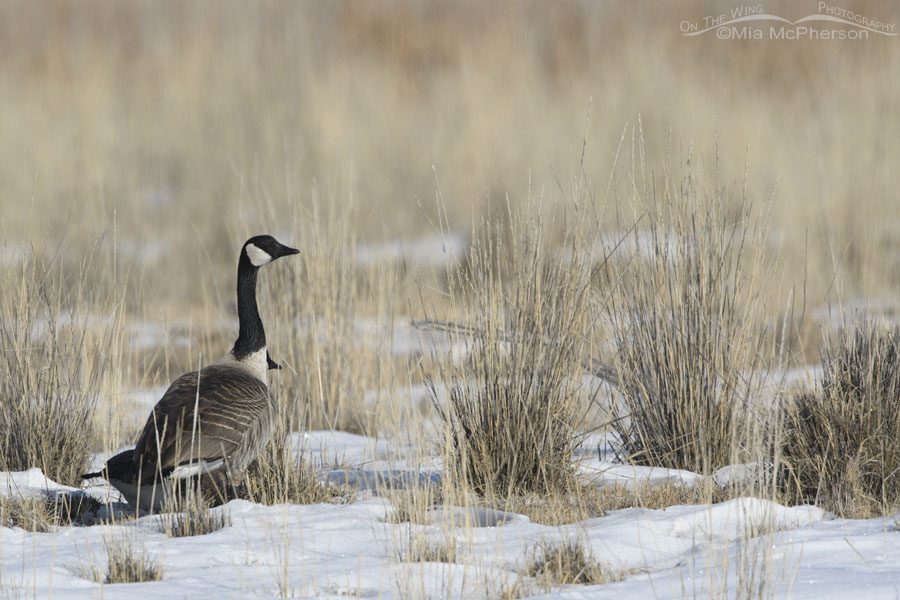
February might seem early but I'm already noticing that Canada Geese are pairing up at Bear River MBR which is a prelude to the arrival of spring.
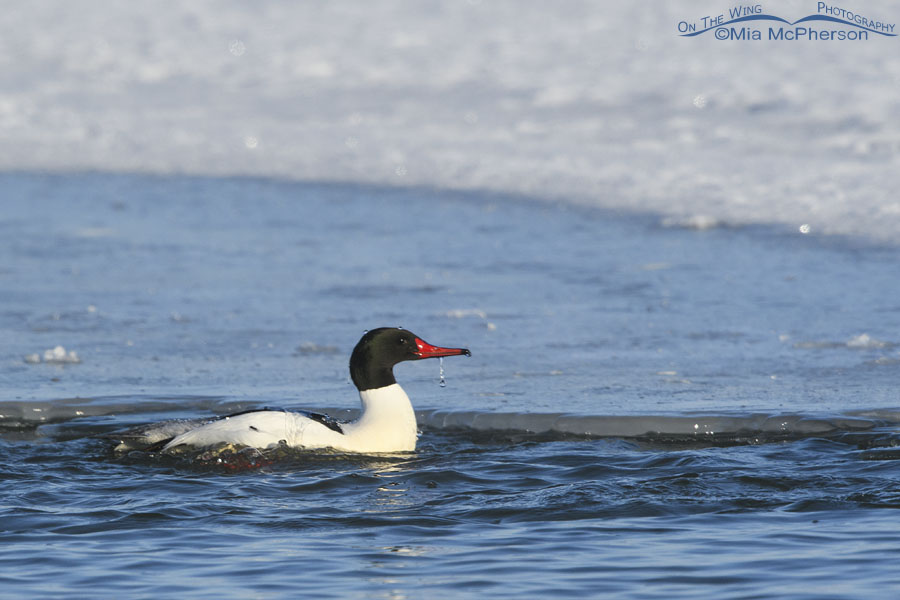
Today I am sharing photos of a dapper drake Common Merganser in his finest breeding plumage that I took four mornings ago at Bear River Migratory Bird Refuge.
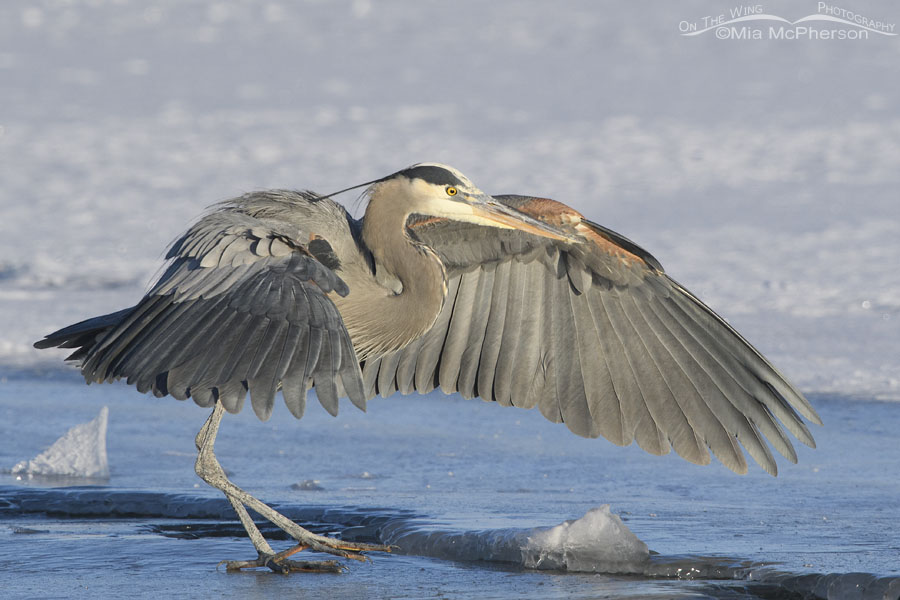
Earlier this week, I visited Bear River MBR and had a fantastic time capturing photographs of birds sliding on the ice. This included an adult Great Blue Heron.
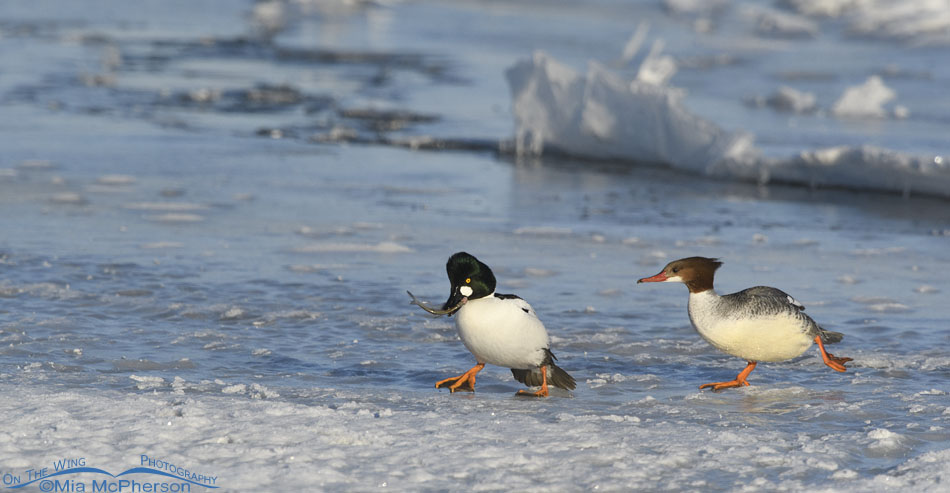
On my last trip to Bear River MBR I saw and photographed a Goldeneye-Merganser showdown where the prize that was being fought over was a shiny shad.
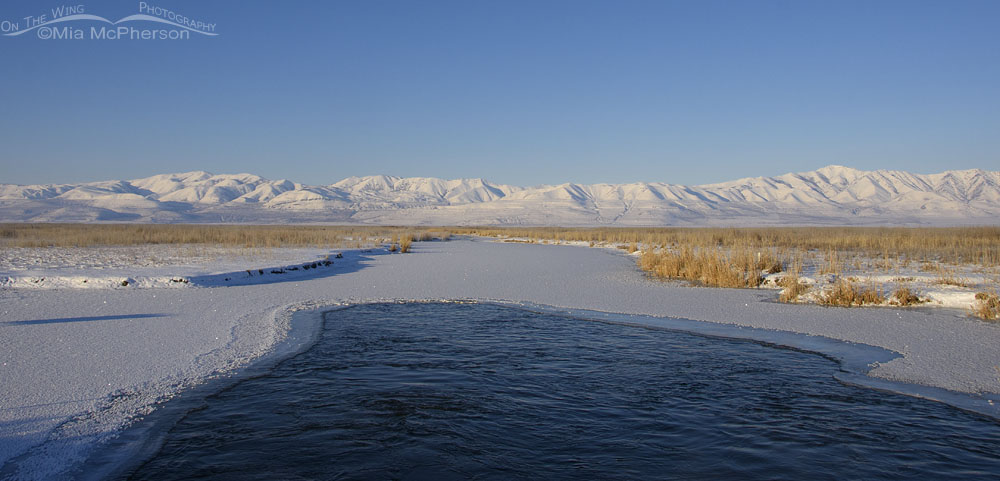
Yesterday morning while it was still dark I bundled up and drove up to soak in the wild beauty of Bear River Migratory Bird Refuge. I am so glad that I went.
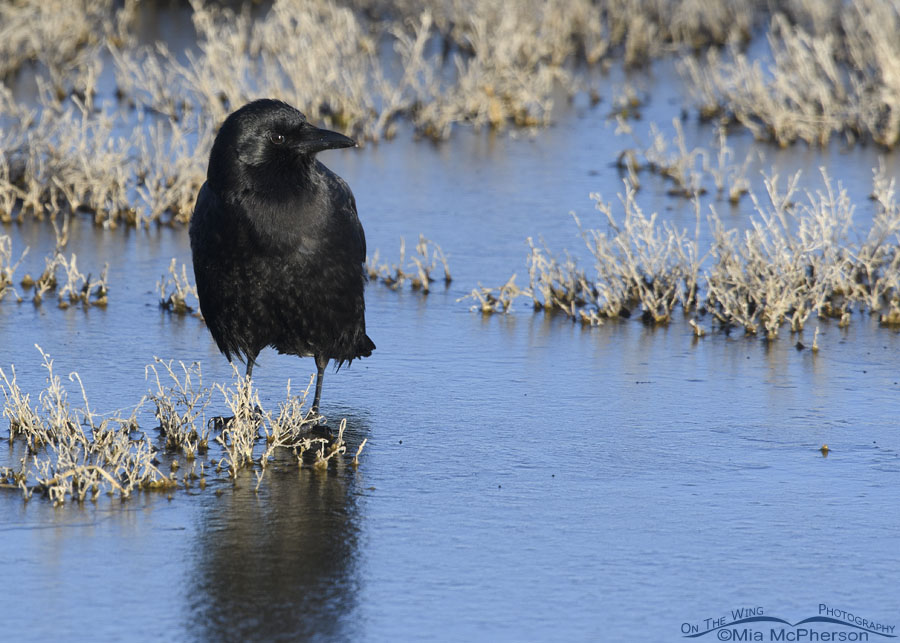
My birding by ear affliction isn't that I can't hear birds; it is that I can't not hear them. Even when I am on the phone with my friends.
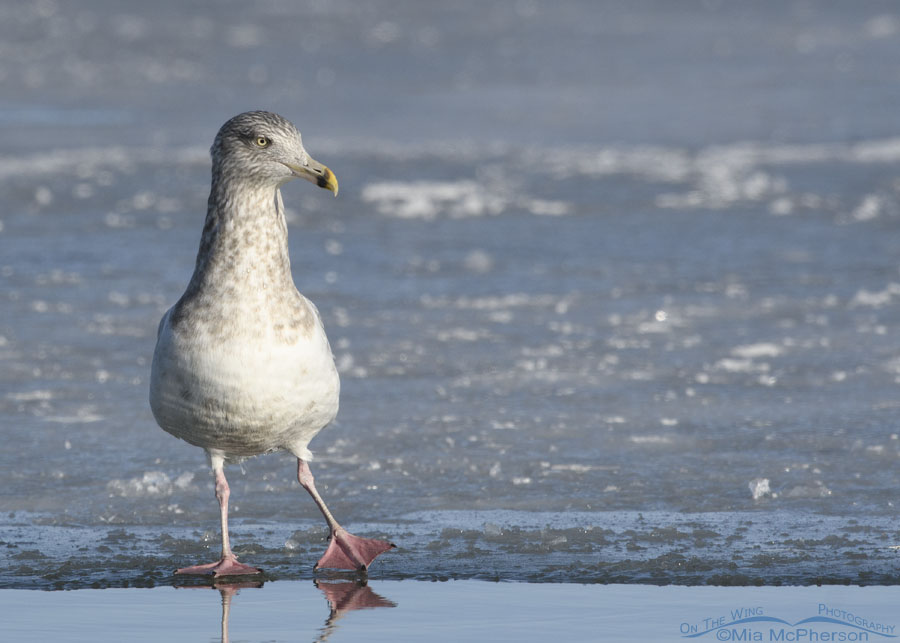
It was January 6, 2021, when I photographed this immature Herring Gull testing the ice at Bear River Migratory Bird Refuge.
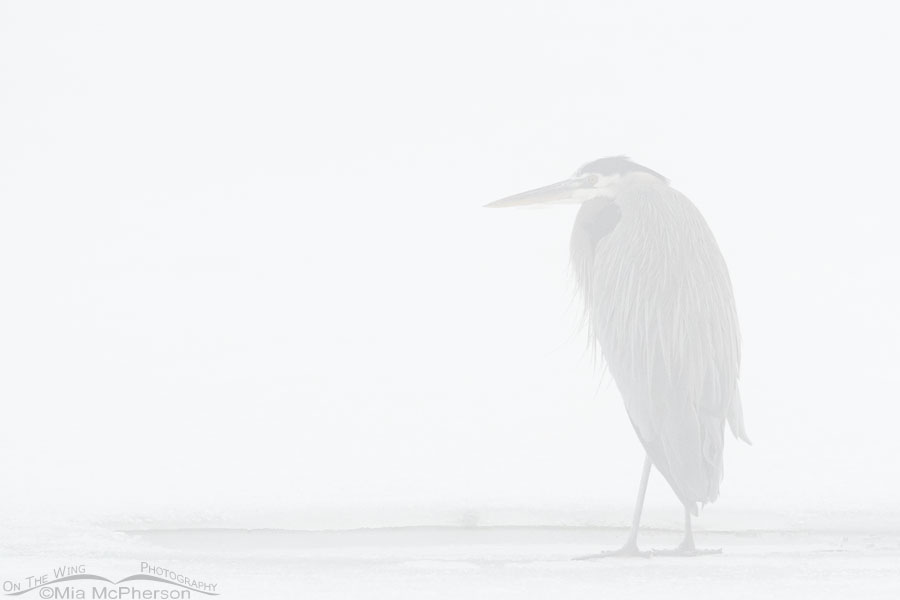
Hello 2023! I hope that 2023 will be wonderful for each and everyone of us. Right now it isn't clear what 2023 will bring.
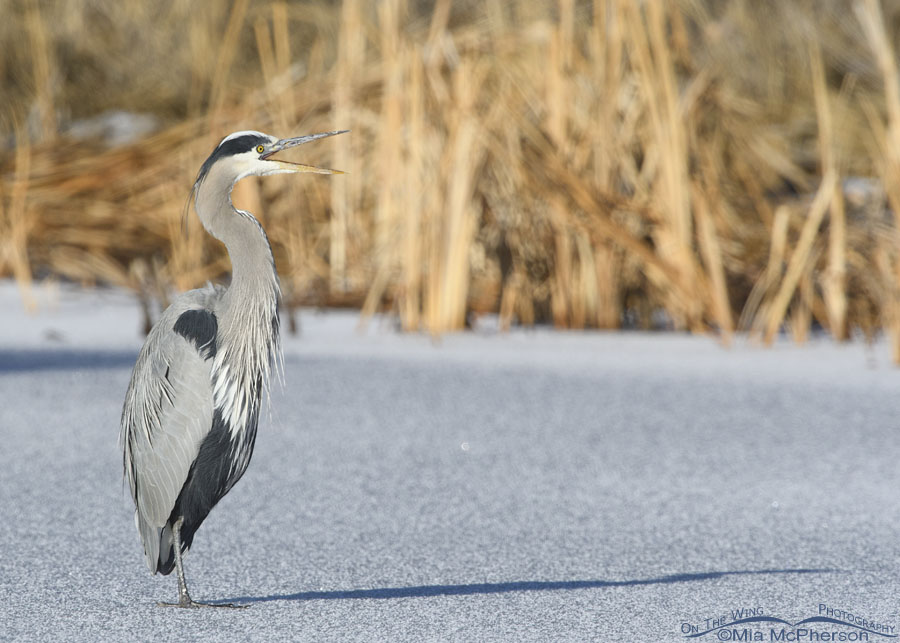
I had some fun photographing a Great Blue Heron on ice along with its shadow yesterday morning on a pond at Farmington Bay WMA.
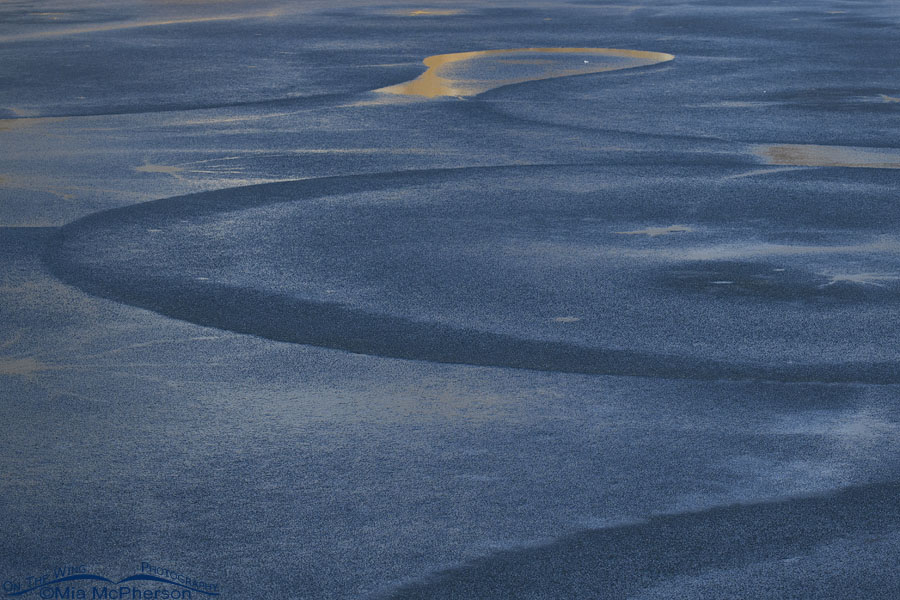
These swirly patterns in ice caught my eye because of the light and golden reflections from the vegetation on the shoreline of a neighborhood pond.