Song Sparrow – Small In Frame
What I like about this image is the pose of the Song Sparrow (Melospiza melodia), the warm tones of the background, the detail and colors



What I like about this image is the pose of the Song Sparrow (Melospiza melodia), the warm tones of the background, the detail and colors
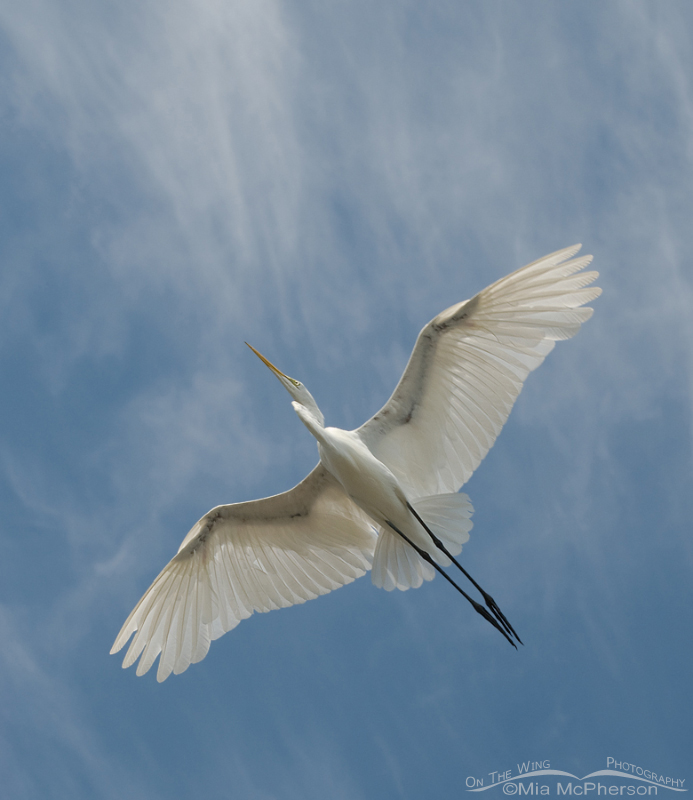
Great Egret (Ardea alba) in flight, a balance of whites and light

Sometimes life gets so busy that it takes me quite awhile to edit some of the images I take, this Song Sparrow photo is one of those.
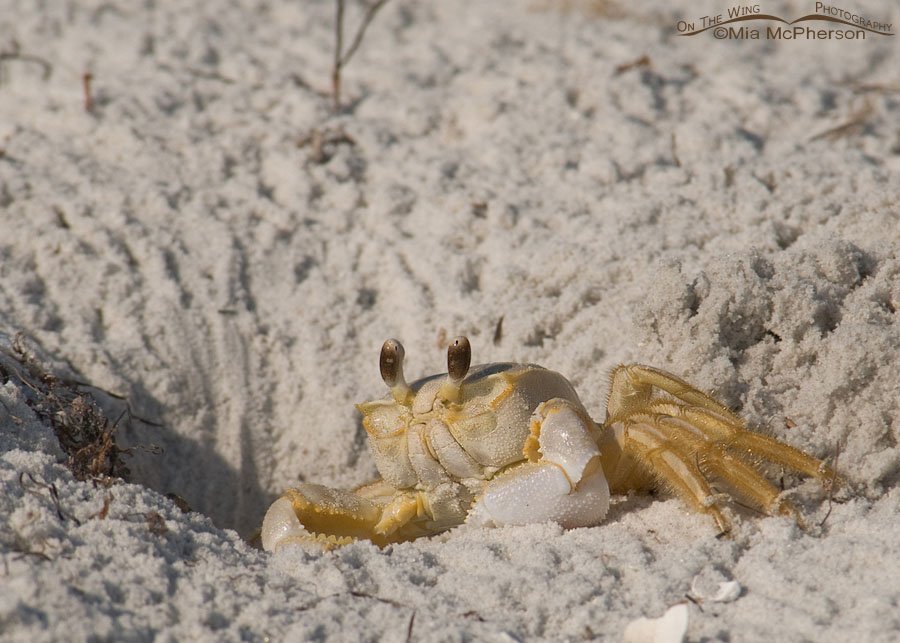
This Atlantic Ghost Crab image was taken on the Gulf coast of Florida while I still lived there.

It is my opinion that Wood Storks do not get nearly the same exposure as other big white wading birds.
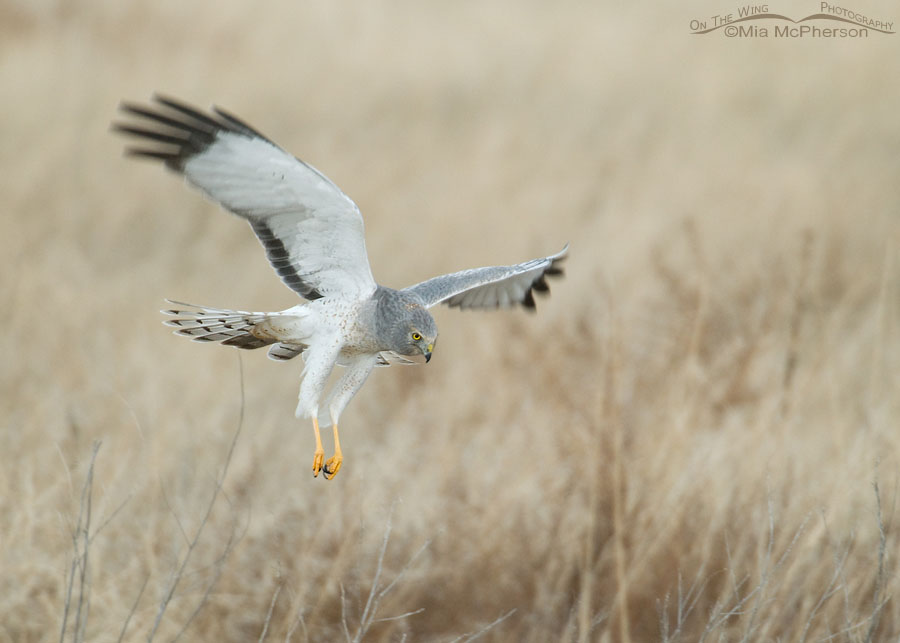
I will have more opportunities with northern harriers in better light this winter and while I wouldn't consider this image perfect, I am happy with the results I obtained while photographing this "Gray Ghost".

If I had not been paying attention to the first magpie's activity and behavior I would have missed the opportunity to photograph these birds and their nesting habits over the next several weeks.

Anhingas have always fascinated me. These are portraits of both the male and female.
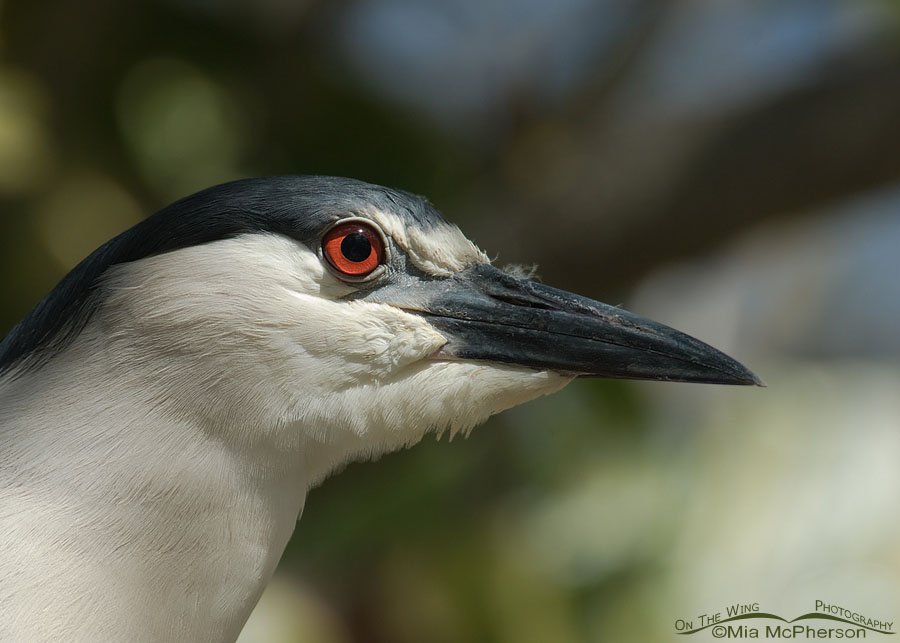
Since I moved to Utah I have never been able to get as close to Black-crowned Night Herons like I was able to approach this bird in Florida.
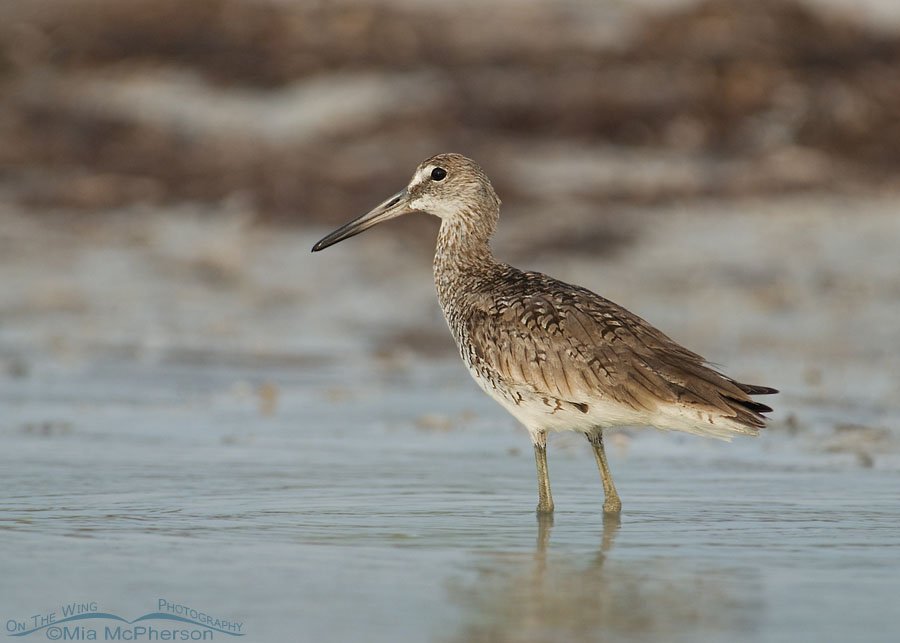
The Willet is thought by many people to be a "plain brown bird" but I find their subtle coloring quite appealing whether they are in breeding or nonbreeding plumage.

A foggy morning at Red Rock Lakes National Wildlife Refuge brought me 13 minutes of joy after spotting a shape on the gravel road, it was a female Short-eared Owl and she flew up and landed on a post not too far from the road.
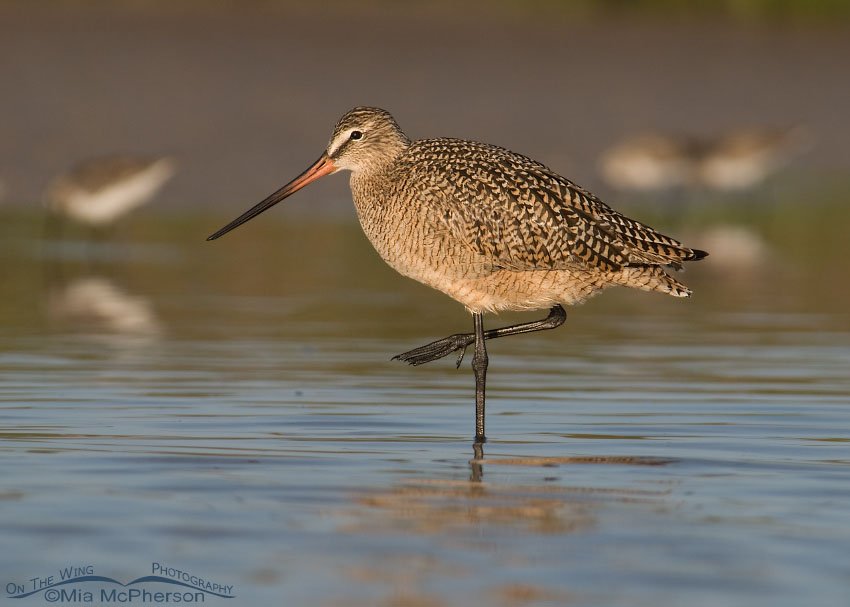
Marbled Godwits are graceful birds while on the ground, feeding and in flight.
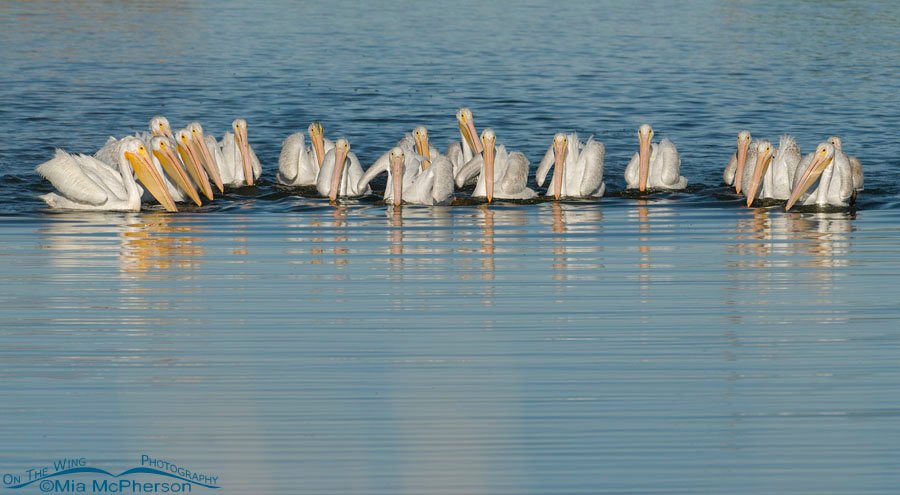
This image cracks me up as it reminds me of how in elementary school we would all have to line up for the class picture.

One of the easier medium-sized shorebirds to identify on Fort De Soto's beaches and tidal mudflats are the Ruddy Turnstones. The only other turnstone that frequents North America is the Black Turnstone and it occurs on the Pacific coast.
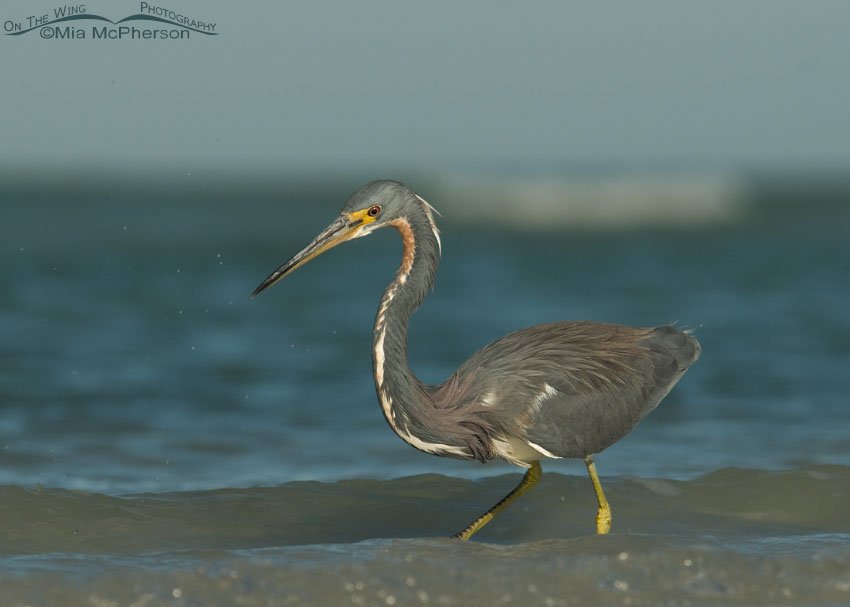
Another one of my favorite wading birds is the Tricolored Heron, a bird that used to be called the Louisiana Heron. It can be found in estuaries along the Atlantic and Gulf coasts, in inland freshwater marshes in Florida.
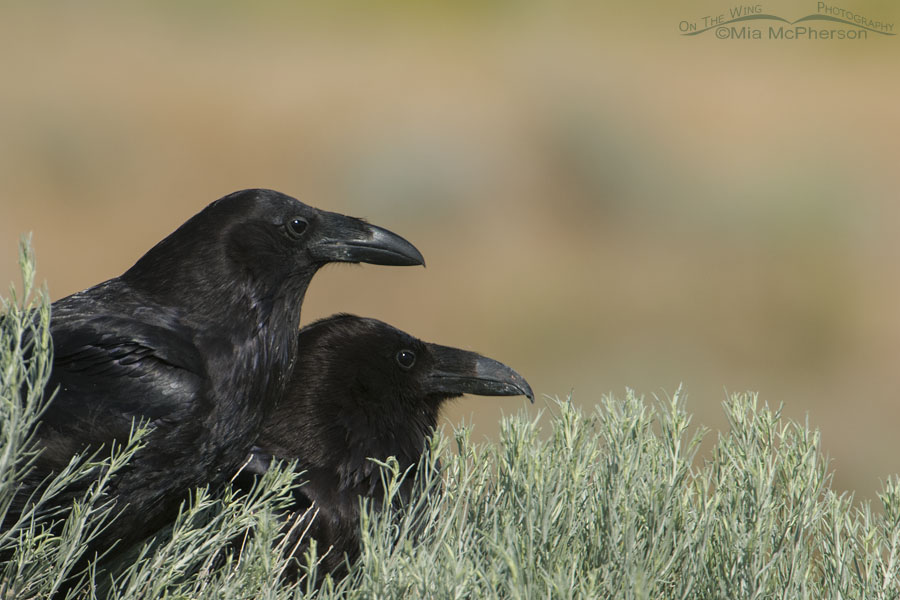
For a long time I have wanted images of Common Ravens, they are intelligent birds, and a challenge to photograph.

Great Blue Herons are North America's largest heron and one of the three largest herons in the world.

I got excited while I was on the refuge when I spotted a female Short-eared Owl that flew up from the gravel road and landed on a fence post in a heavy, swirling fog.

I get very excited about small things at times, a colorful sunrise, the sight of a shooting star, the first spring crocus and in the fall; the first time I see frost.
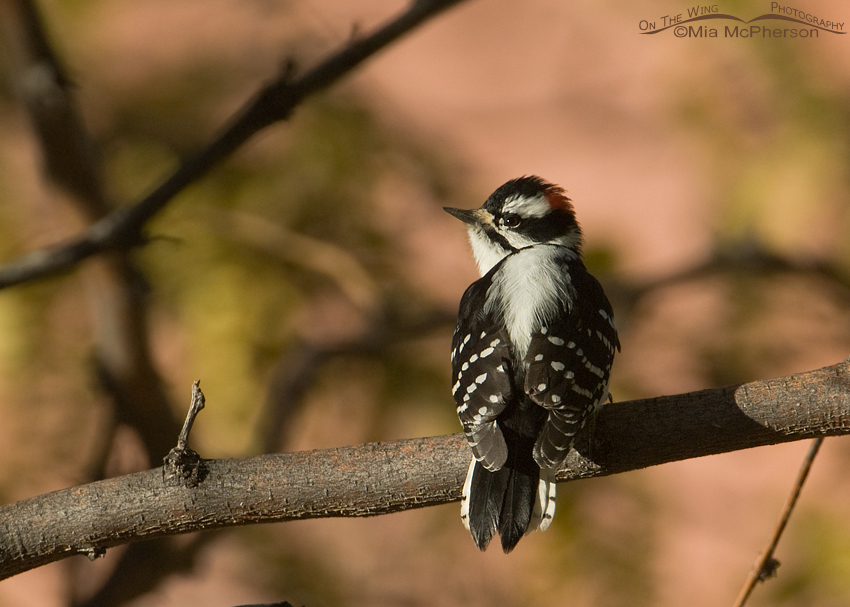
The geological features of Capitol Reef National Park are amazing. About 75 miles of the 100 mile long monocline known as the Waterpocket Fold are within the park's boundaries extending from Lake Powell north to the Thousand Lake Plateau.
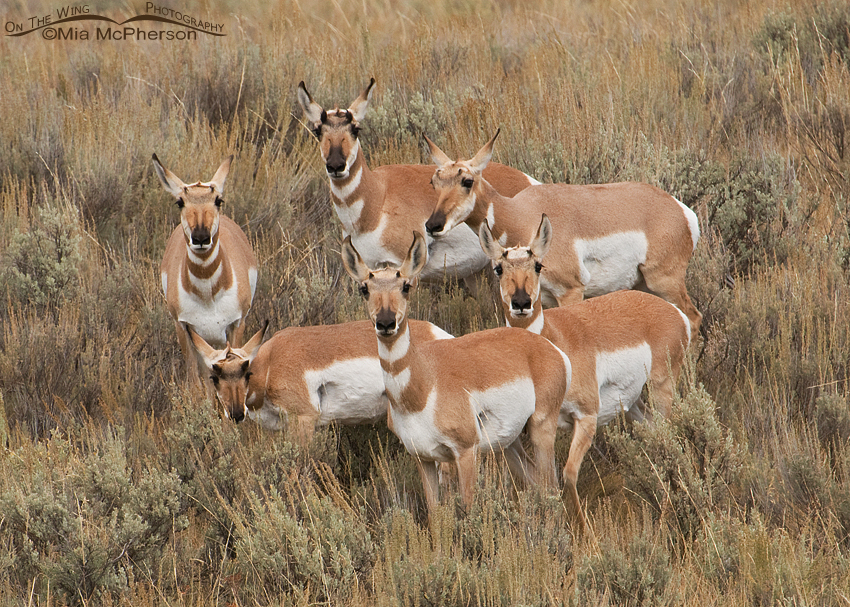
Pronghorns are North America's fastest mammal, they can attain speeds of more than 40 miles per hour, with spurts to 70 mph and can out run almost all of their predators.

Birds were scarce, the water level in the ponds was low so there were only a few shorebirds. On the way out of the refuge though we stopped to photograph some American White Pelicans and a few Double-crested Cormorants.
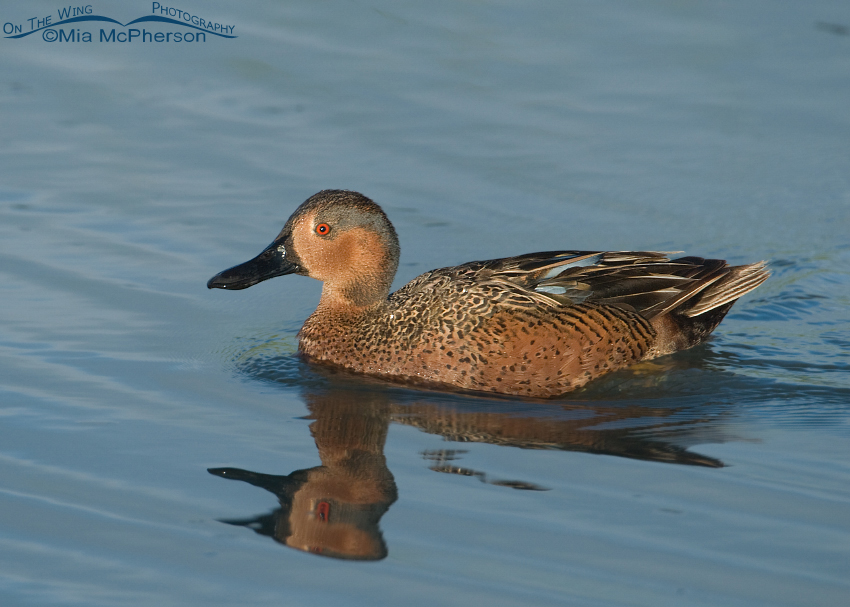
It wasn't until I pulled the image up on my monitor that I saw that this duck was a hybrid, which turned out to be Cinnamon x Blue-winged Teal hybrid.

Sage Thrashers are from the Mimid family. They forage mainly on the ground for insects, though they do eat berries at times.
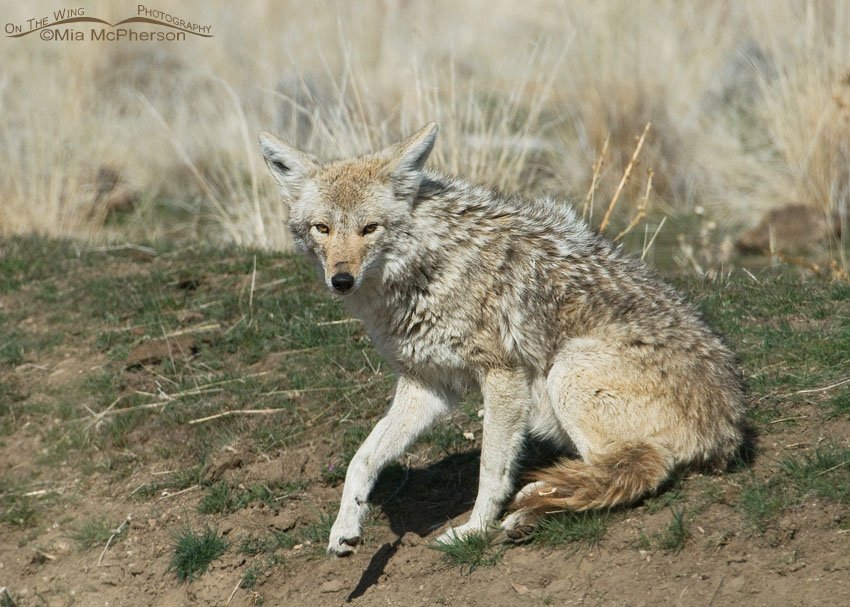
We almost missed this Coyote and had to back up the vehicle to take a few photos. The coyote was laying down on a small hill and at first it barely lifted its head and still appeared to be dozing in the morning sunlight.

It didn't take long for the Yellow-crowned Night Heron to grab the crab and send the sand flying.

If you have never had the opportunity to photograph Burrowing Owl juveniles I would suggest you find a burrow and be prepared to laugh yourself silly.

Nesting American Oystercatchers create simple scrapes on coastal beaches, dunes and salt marshes to lay their eggs in. They usually lay between 2-3 eggs around April to May.

This was taken on an early December morning, there was heavy, dismal fog and at times a light snow was falling. The hoar frost was still clinging to the feathers and the facial disc of the Barn Owl.