Time To Keep An Eye On The Sky For Bald Eagles
I could see a Bald Eagle being chased by a gull in the sky and my heart skipped a beat because I know it is time for me to keep an eye on the sky for Bald Eagles again.


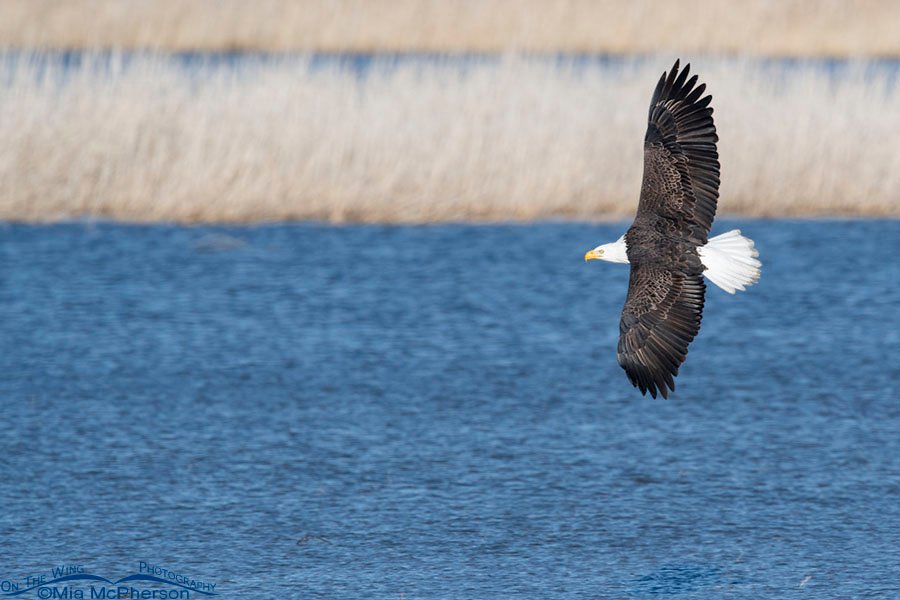
I could see a Bald Eagle being chased by a gull in the sky and my heart skipped a beat because I know it is time for me to keep an eye on the sky for Bald Eagles again.

Yesterday morning I was able to take close up photos of a drake Green-winged Teal paddling away from me at Bear River Migratory Bird Refuge.
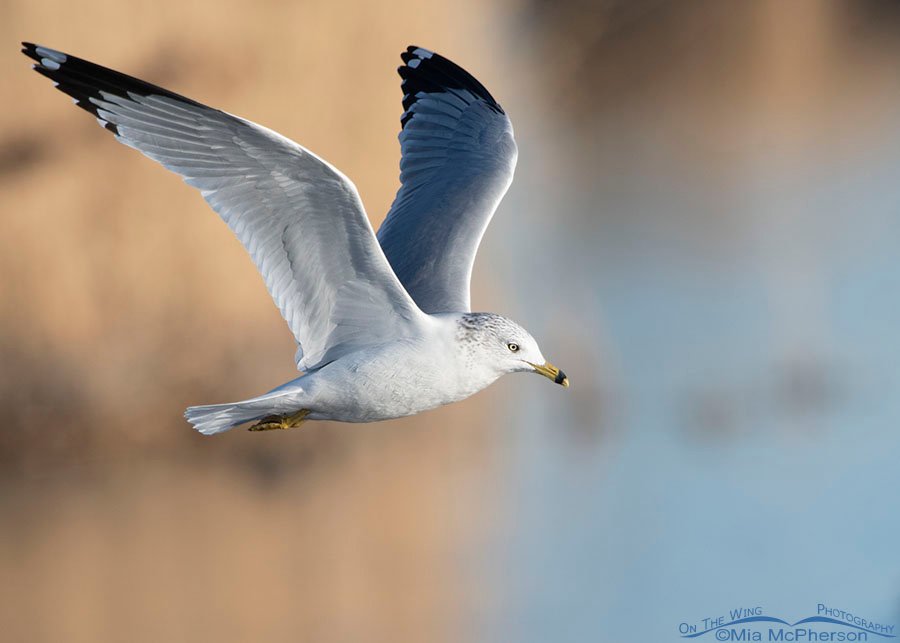
You take photos of ten species of birds and the twelve photos of a Ring-billed Gull in flight are the images you are the most excited to view when you get home.

Even though it is now four years later I still look for this striking leucistic Red-tailed Hawk in Tooele County and hope to find and photograph it again one day.
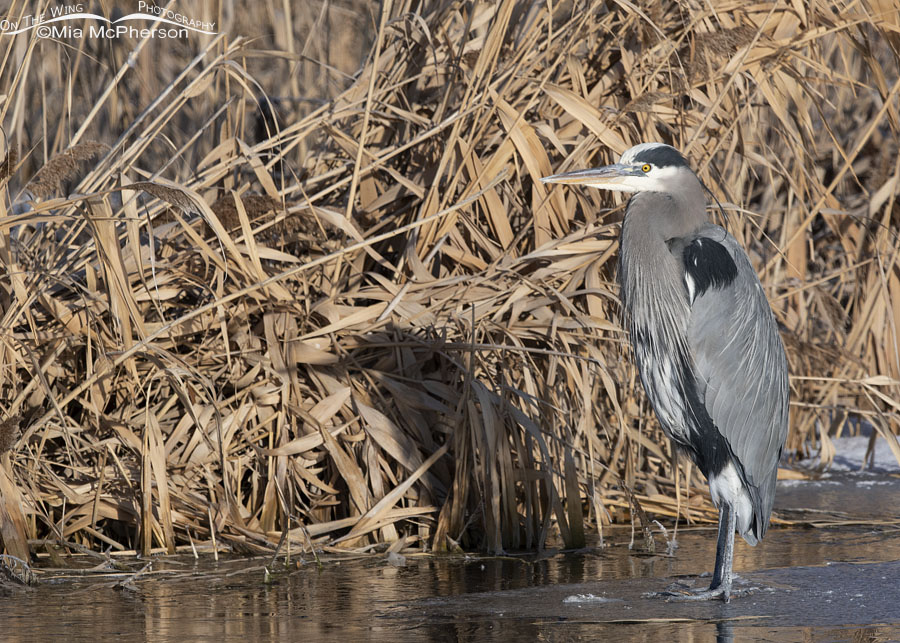
The name "Great Blue Heron" has always seemed off to me because these large herons are much more gray than they are blue.
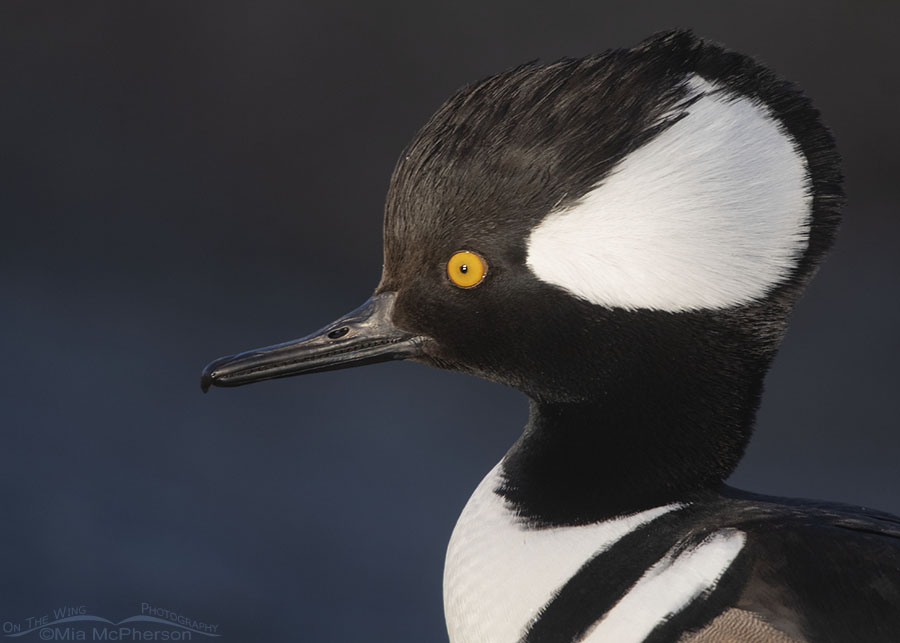
When the weather turns colder, the clouds gather, and the snow falls I still have plenty of birds to photograph here in northern Utah.
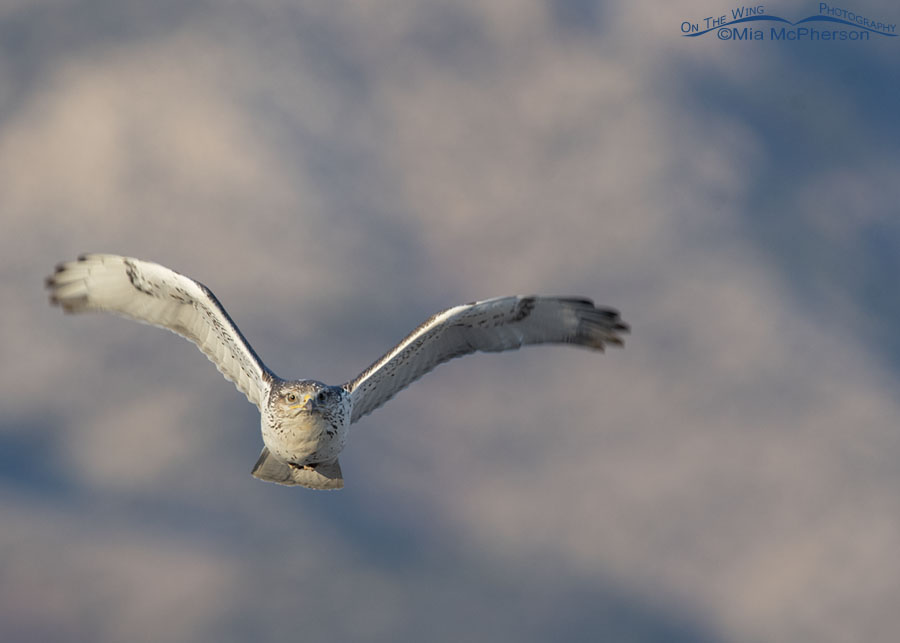
The highlight of my morning yesterday was when I spotted an immature light morph Ferruginous Hawk perched on a cedar post in the West Desert.

It has been too long since I have had a Northern Harrier in my viewfinder although I'm now excited because I know that fall and winter are great seasons for me to find and photograph them.

Is one of these immature Great Blue Heron images more visually appealing than the other? That depends on the personal tastes of the person viewing them.

I can barely wait to hear and see my first of season Tundra Swans and to see them on the wing over the marshes that surround the Great Salt Lake.

I'm hoping that this week I'll be able to spot my first of the season Rough-legged Hawks and that I'll be able to get photos of them too. Fingers are crossed!

I only had two minutes with these immature Eastern Kingbirds and I felt I had to make every second I had with them in my viewfinder count. I succeeded.
I've felt varying degrees of disappointment when comparing "what should have been" with the way we have had to adjust to life and living during a global pandemic as I am sure many of us have this year.
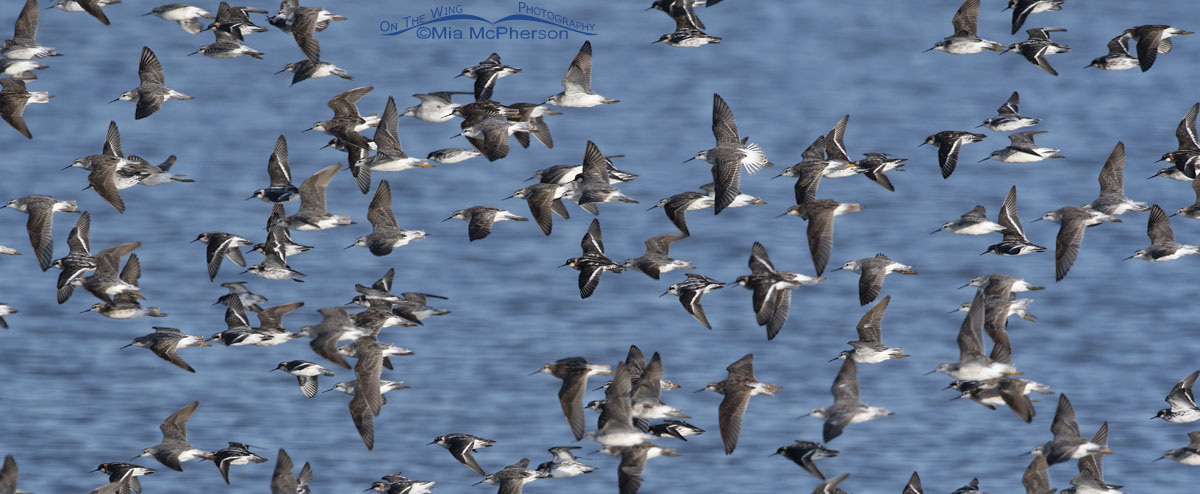
It is the season of phalarope migration here in the Great Basin hub of the Pacific Flyway and one of the best places to view these shorebirds is along the causeway to Antelope Island State Park.
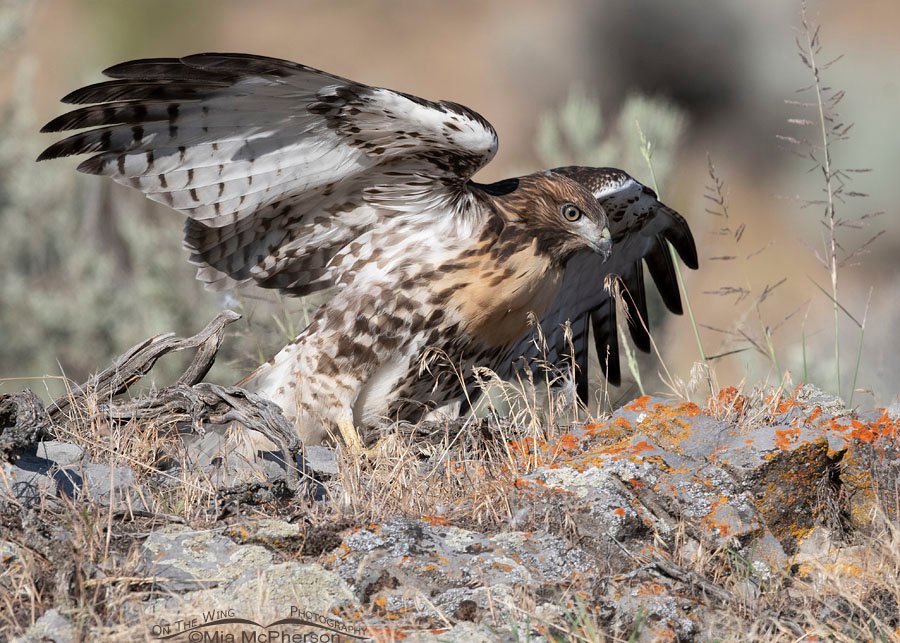
I had a great time photographing three recently fledged Red-tailed Hawks from two different nests in northern Utah yesterday morning.

I don't know for sure if I will see another Short-eared Owl to photograph this year but I do know I had fun photographing these three.

Of the hundred or so images I took of the male Broad-tailed Hummingbirds in that small and very windy area I only liked this one photo.
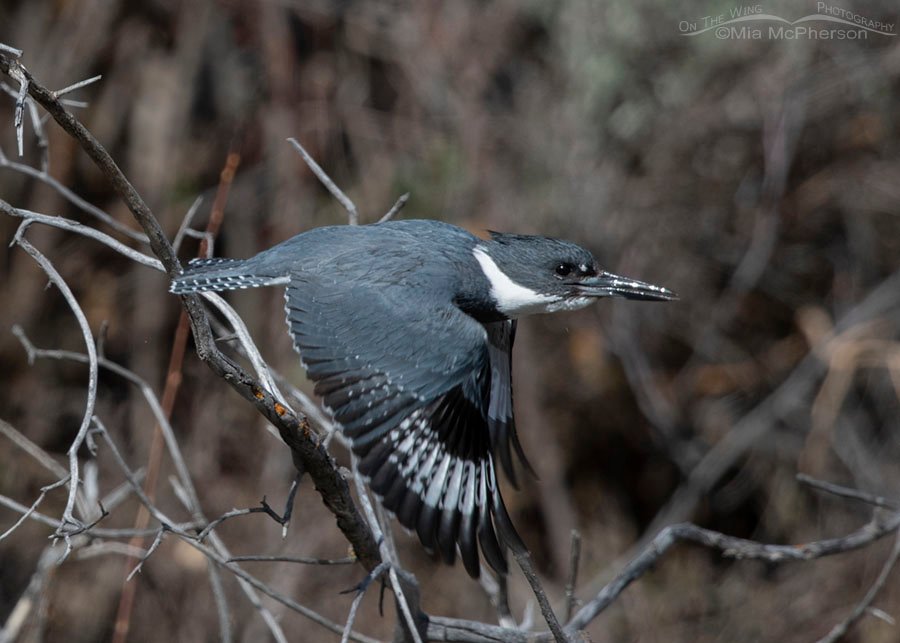
I spent yesterday morning high up in the Wasatch Mountains where part of the time I focused on photographing the Belted Kingfishers that I found in two counties.

For one and a half wonderful nesting seasons I was thrilled to photograph a pair of mated Williamson's Sapsuckers excavating a nest and tending to their young.

The female Red-tailed Hawk blended into the lichen covered cliff face so well that even with my sharp eyesight I didn't see her until the male landed next to her.

This isn't the kind of Short-eared Owl image you'll see in a bird guide but when you are looking for these owls in the field sometimes a view like this is all you will get.

The adult female Northern Harrier was in flight in wonderful, warm morning light and I couldn't resist raising my lens and taking photos of her as she flew past.

While looking through my photos from two years ago today I came across images of this Ring-billed Gull coming in for a landing and thought the gull looked perfect against the blue of the water.
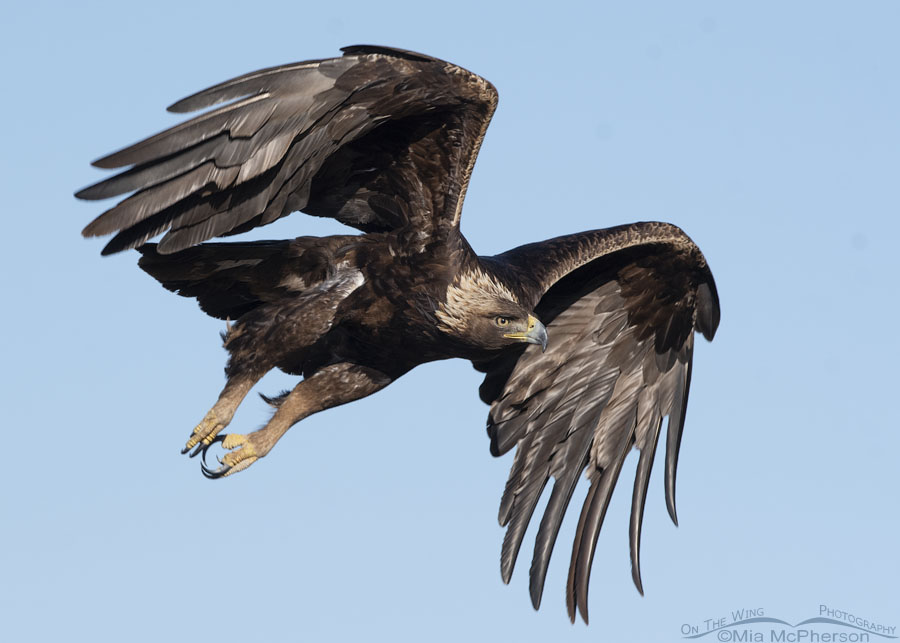
No matter how these Golden Eagle photos came to be I am happy to have photographed this magnificent bird on the wing.

The Great Blue Herons were hunkered down in the rushes with the warmth of the sunlight on them but they still looked cold.
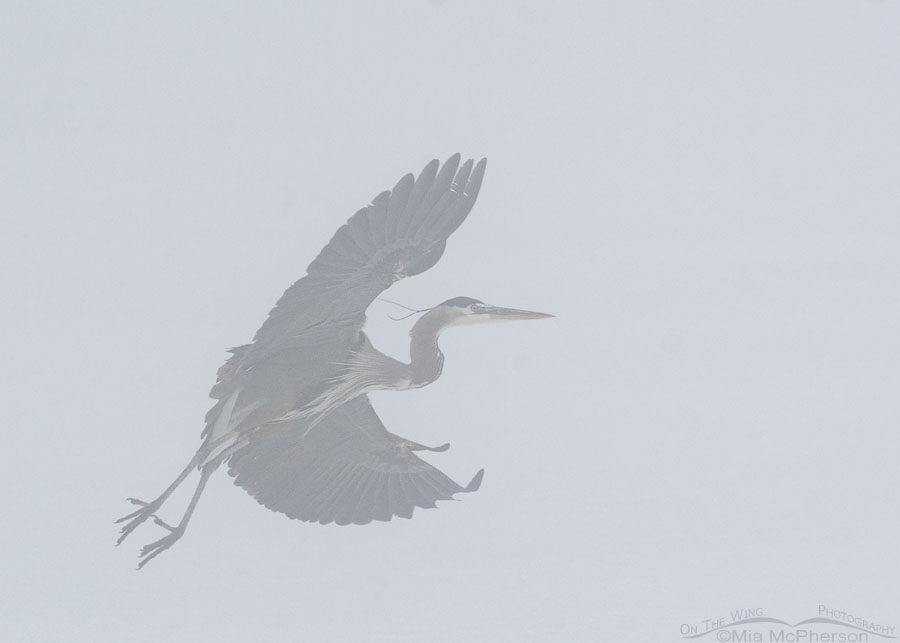
These Great Blue Heron images also help me to "see" what this species would have looked like as they lived their lives in primordial swamps, estuaries and marshes hundreds of thousands of years ago.

I had so much fun photographing Reddish Egrets when I lived in Florida and could see them nearly every time I went to Fort De Soto County Park's north beach.
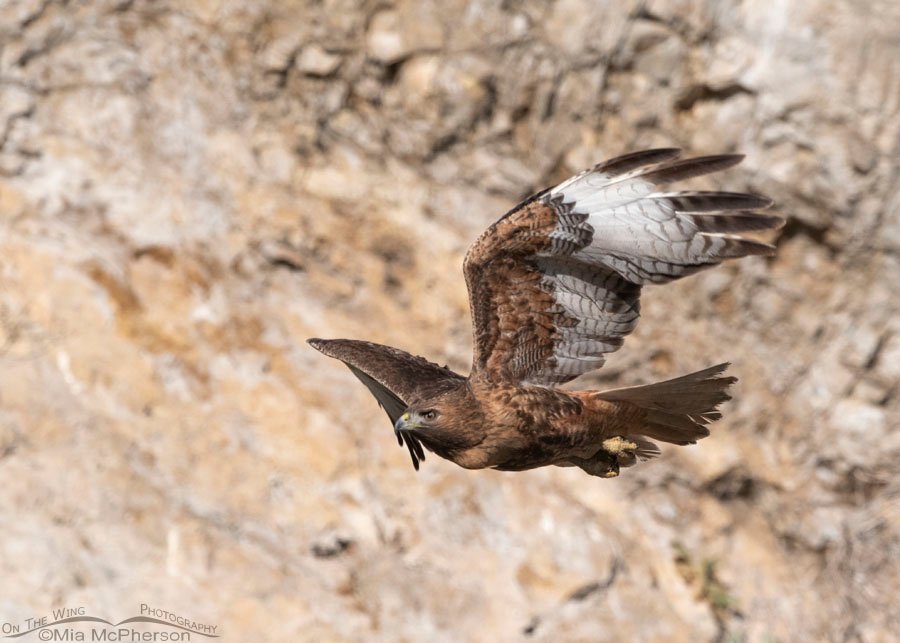
I keep wondering if I will see this big, gorgeous, rufous Red-tailed Hawk female in my viewfinder again this year.
I've grown to love and appreciate the mountain views I have here in Utah. When I can take photographs that combine my passion for birds with mountains in them I am one very happy woman.

There were plenty of Great Blue Herons to photograph yesterday morning at Bear River Migratory Bird Refuge and I was more than happy to take photos of them.