Immature Yellow-rumped Warbler And Damselfly Prey
When I photographed this immature Yellow-rumped Warbler two days ago I couldn't tell what prey it had snagged so I was surprised when I got home and saw that the warbler had snatched a damselfly.


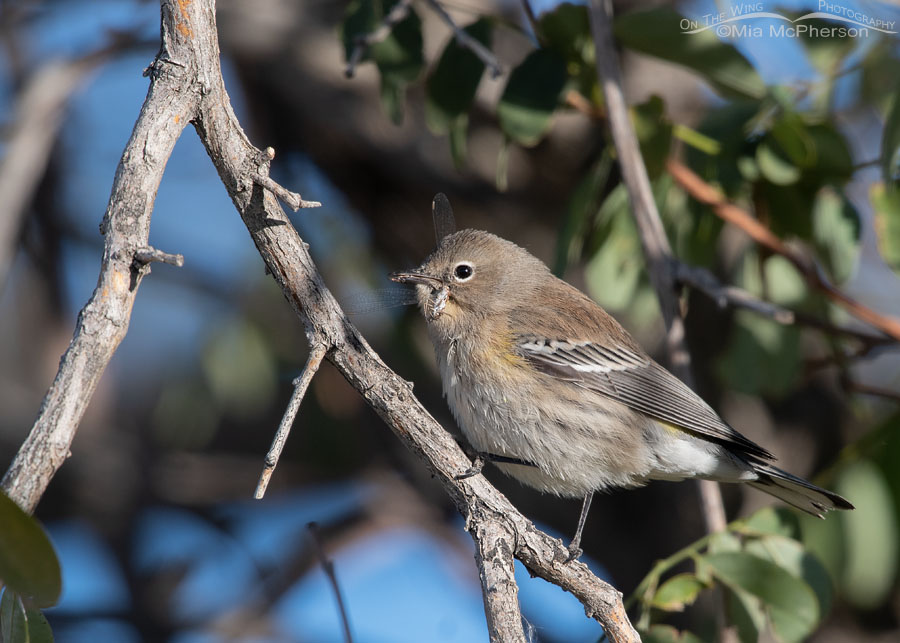
When I photographed this immature Yellow-rumped Warbler two days ago I couldn't tell what prey it had snagged so I was surprised when I got home and saw that the warbler had snatched a damselfly.
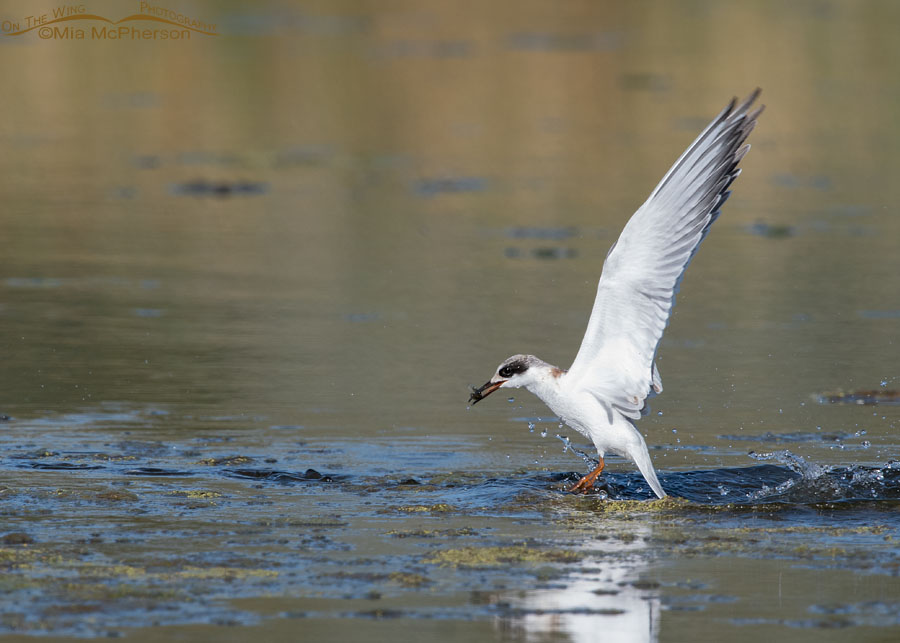
I had fun testing my skills by photographing several immature Forster's Terns that were hunting for and catching prey at Farmington Bay WMA two days ago.
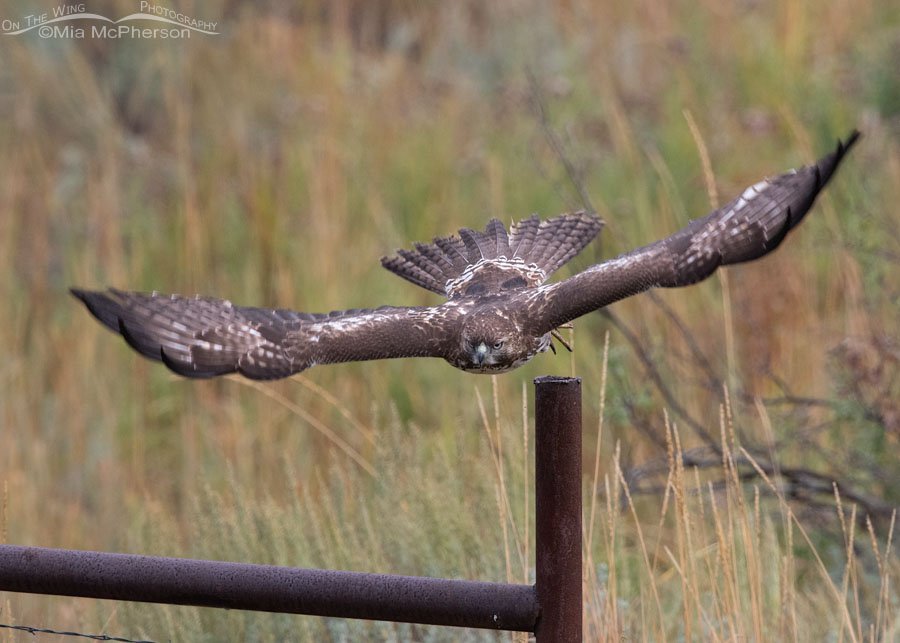
There are times when one bird can make my day and yesterday that bird was an immature Red-tailed Hawk that I spotted just before heading home after a trip into the mountains that included fog and other challenges.
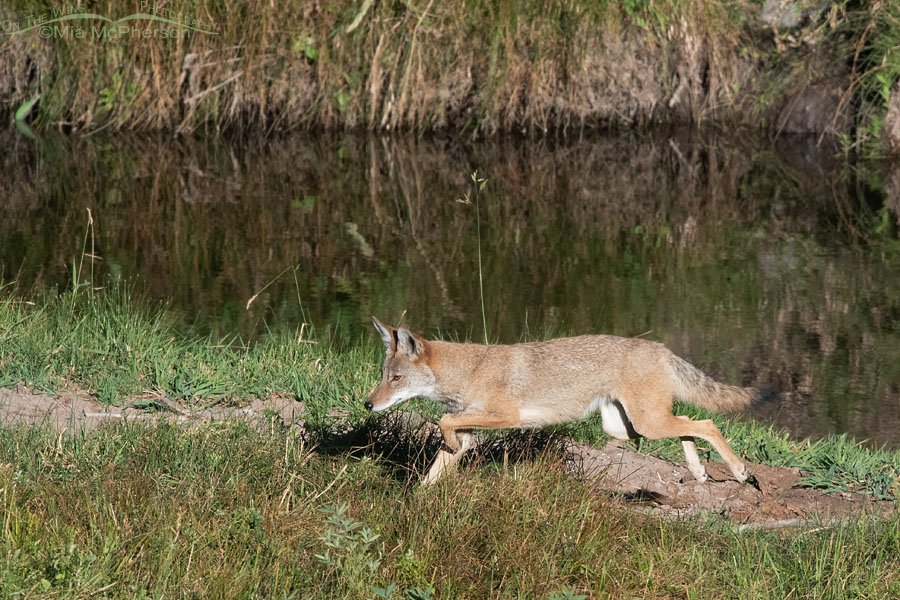
If I hadn't been looking for birds I wouldn't have spotted this coyote searching for prey yesterday near a creek in a canyon which made it my best subject of the day.
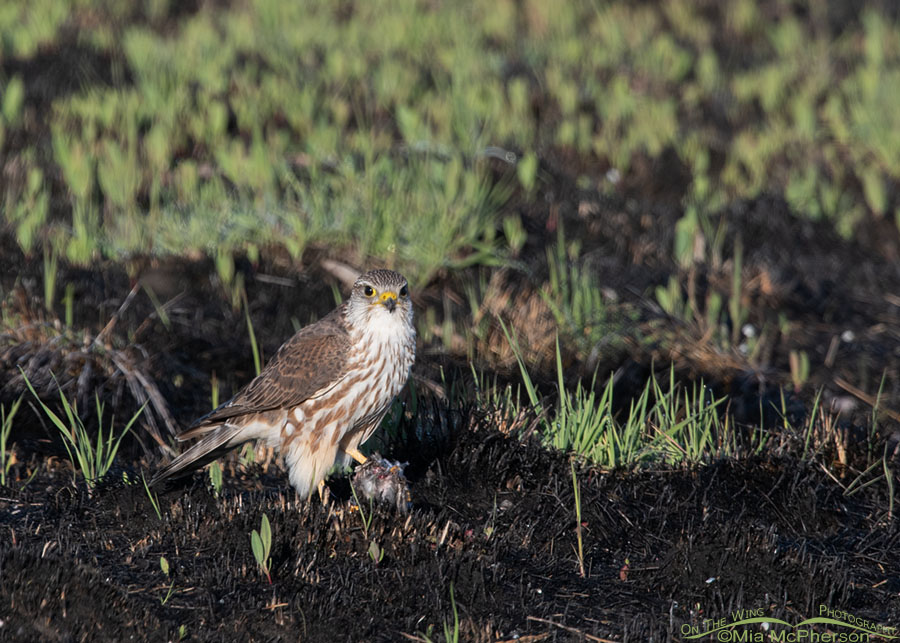
In my experience Merlins are already hard to find in the state of Utah but because of our climate crisis they could become even more difficult to locate or they might even disappear from the state altogether.
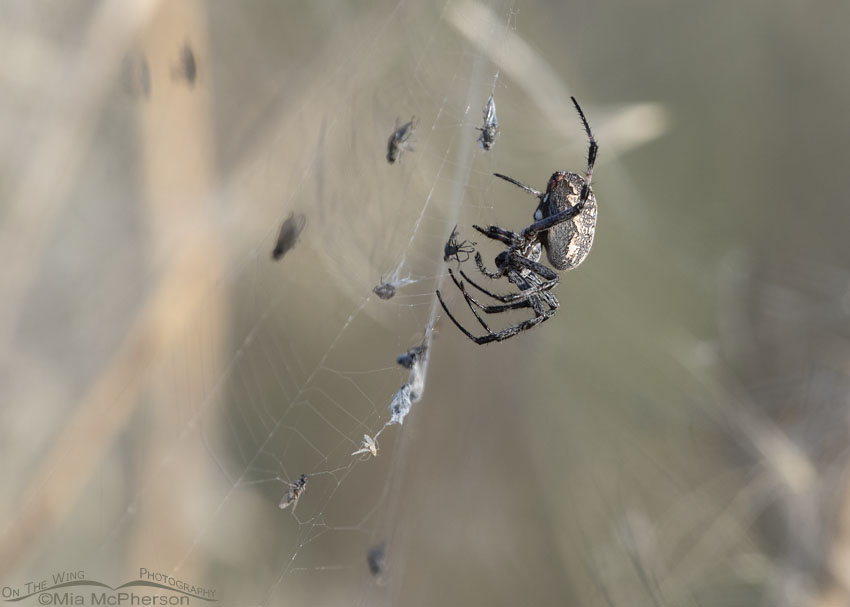
Mark your calendars because there is a yearly Spider Festival on Antelope Island State Park and this year the festival is being held next Saturday on August 3, 2019.

I was glad to focus on the Black-crowned Night Herons I saw that morning because of late I have seen fewer of them than I have on past years which has meant fewer opportunities to photograph them.
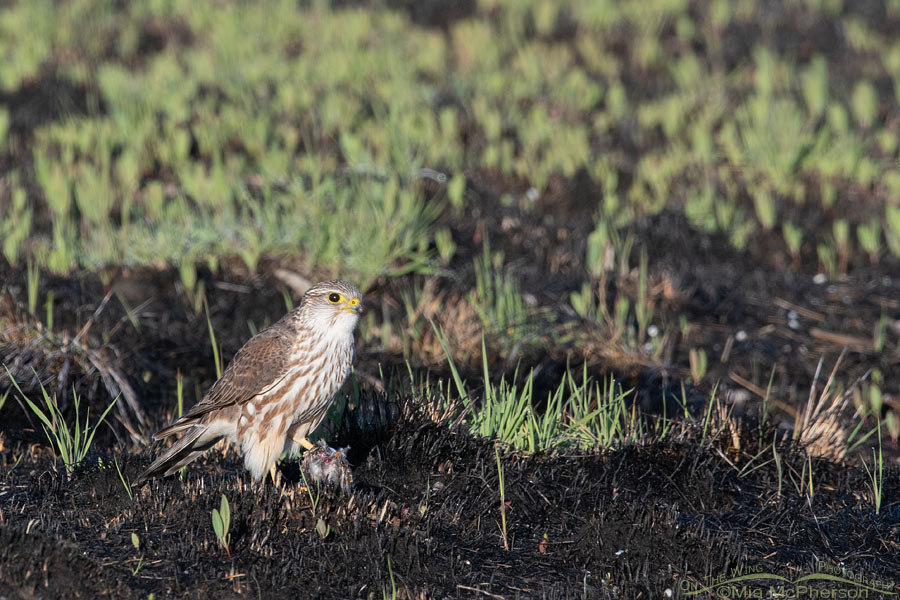
There isn't a single day in the field where I take my eyesight and my keen spotting abilities for granted and yesterday those attributes netted me not one but two Merlins while I was at the Bear River Migratory Bird Refuge.

I always feel fortunate when I am able to photograph winter Barn Owls in flight during daylight hours but that means that these gorgeous owls are struggling to stay alive and that is a concern for me.
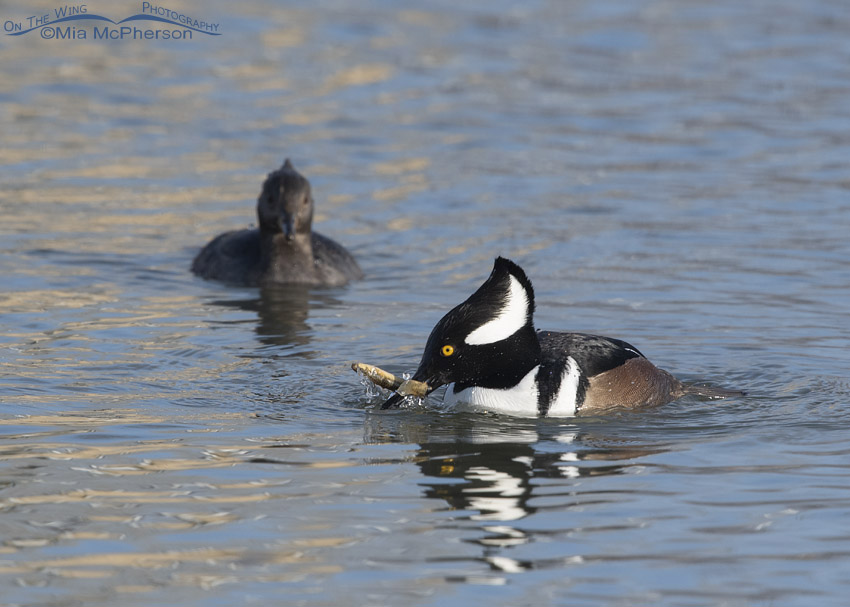
The birds I photographed the most yesterday were a pair of Hooded Mergansers that were actively foraging for prey most of the time I had them in my viewfinder.

Being at eye level with this Rough-legged Hawk carrying prey along the causeway to Antelope Island is an experience I won't soon forget.
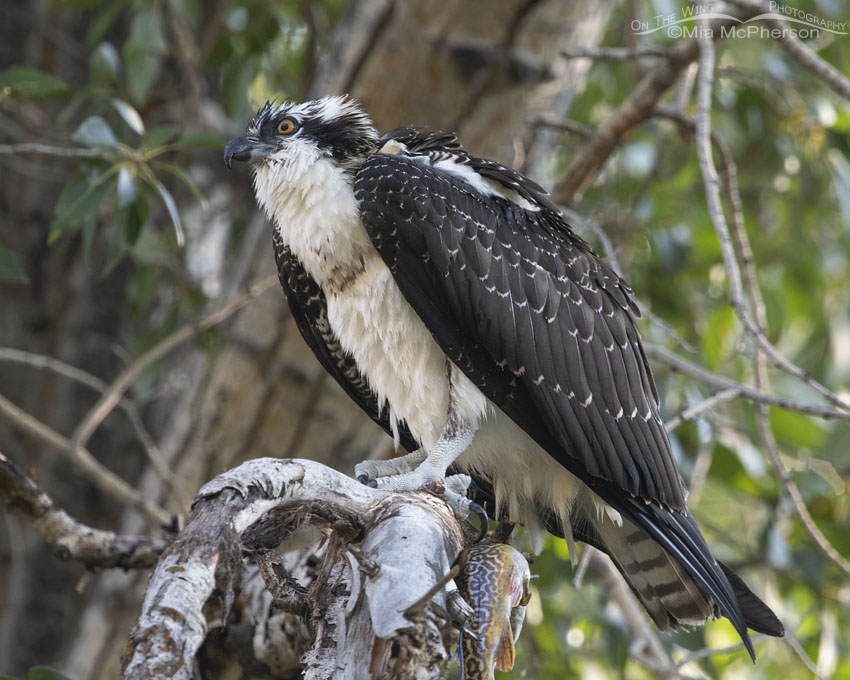
Yesterday the "unexpected" bird was a juvenile Osprey in the Wasatch Mountains. I'd say it was unexpected because I'd been photographing songbirds and wasn't expecting to see North America's "Fish Hawk" in the same area.
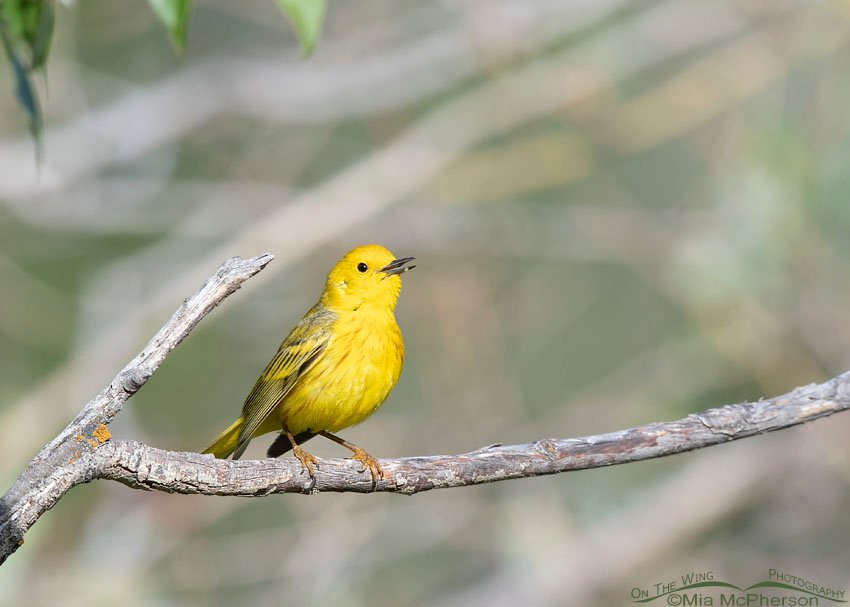
Spending time photographing Yellow Warblers can try the patience of even the most patient photographer because they are so flighty, small and move quickly but it can also be rewarding when you get photos that you like.

I was able to take these photos of the male Northern Harrier diving after his falling prey because I looked beyond my viewfinder and quickly locked onto the action happening overhead.

It was a bitter cold January morning in 2016 when I photographed this Cooper's Hawk on prey that I found not far from where I live.

I spend a lot of time in the field looking for, observing and photographing owls and obtaining photos of them in flight can often be frustrating when I have the opportunity but very fulfilling when I accomplish my goal.
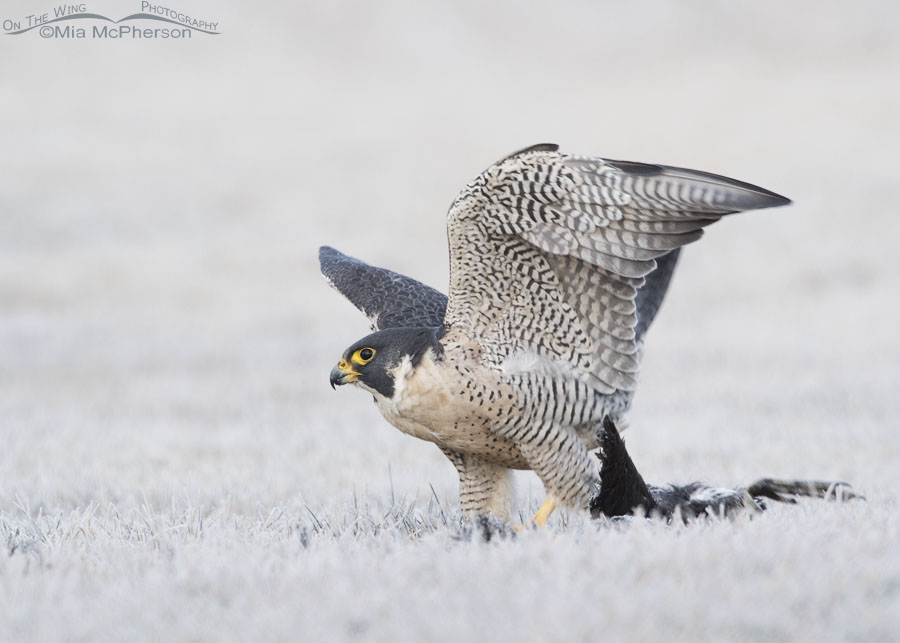
Finding and photographing the surprise Peregrine Falcon with prey was one of the brightest spots of my day.
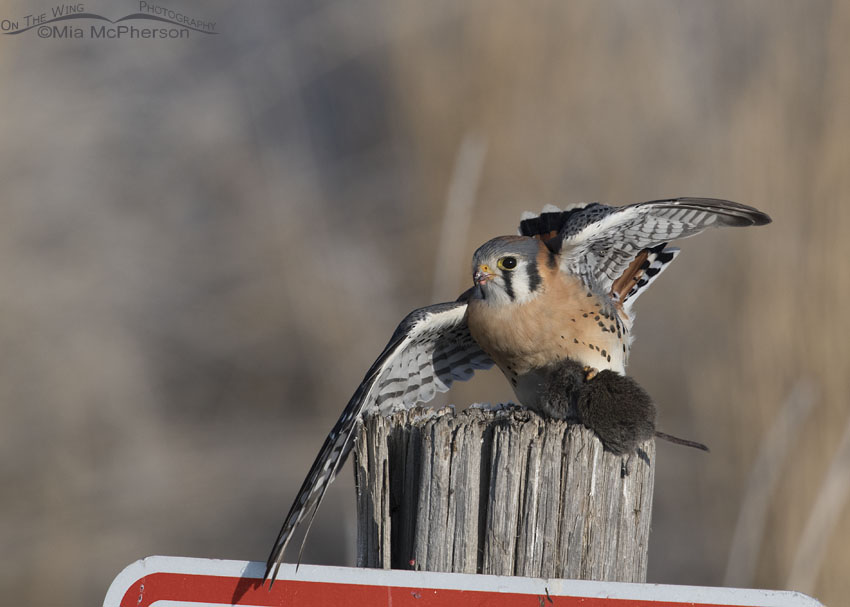
I've found American Kestrels to be "stickier" in cold weather and it wasn't much above 20°F when I photographed him as he consumed the vole bit by bit.

Yesterday morning I was able to photograph an immature Rough-legged Hawk lifting off, landing and lunching at Farmington Bay WMA in northern Utah.

I don't often see wading birds in flight with large prey in their bills so in April of 2009 I was excited to see a Great Egret landing in a lagoon with a large fish in its bill.

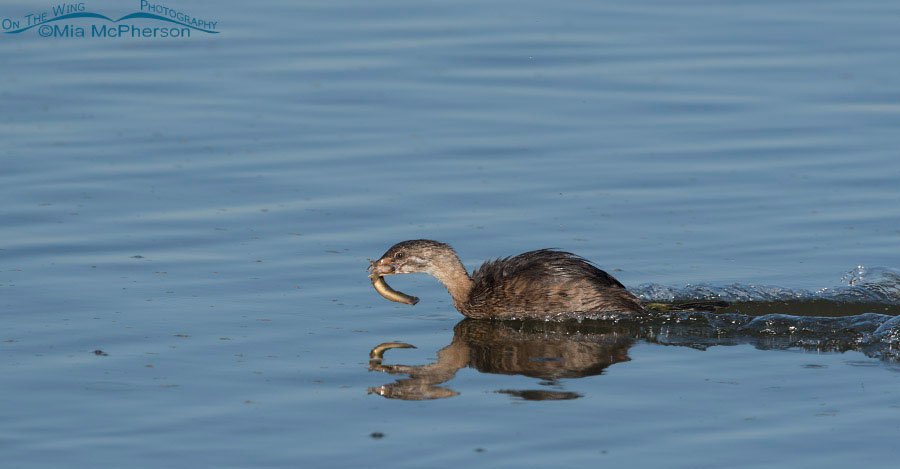
It can be especially fun to watch these small grebes catch a fish to eat and then see the other Pied-billed Grebes nearby try to steal the fish away from it because of the action that can occur.
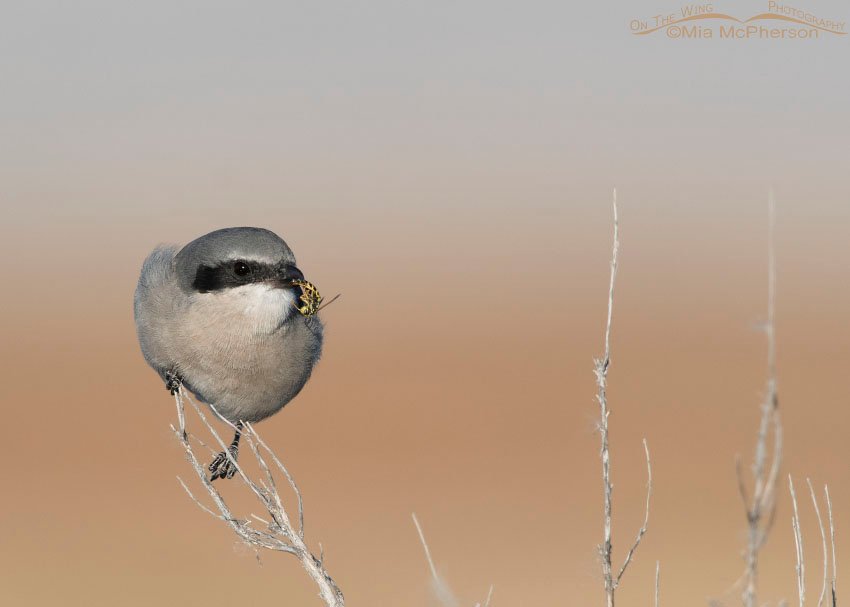
Three days ago while photographing birds in northern Utah I was able to take images of two individual Loggerhead Shrikes with prey.
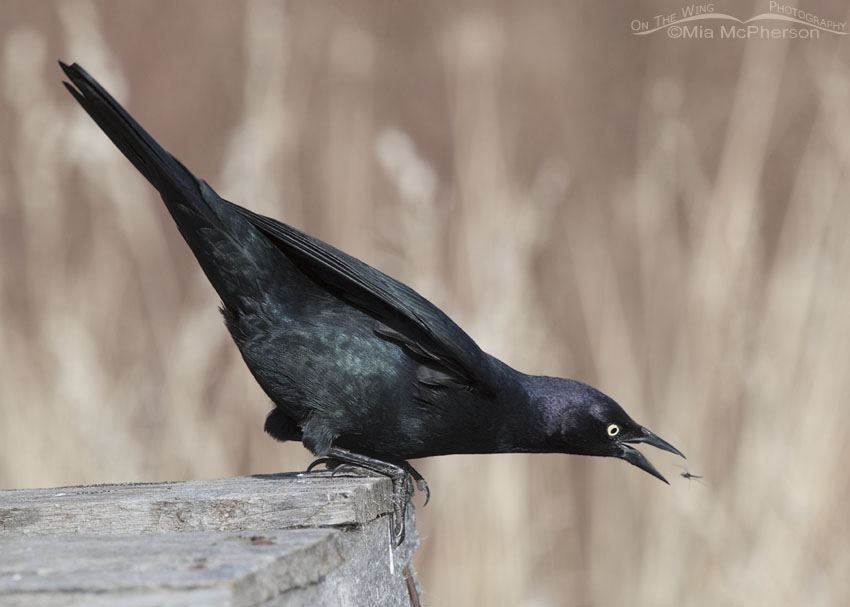
I always have fun photographing Brewer's Blackbirds even though they are a challenge to expose properly, it is precisely that challenge that keeps me on my toes.

Franklin's Gulls are only here in northern Utah during the breeding season, during the winter they spend their time along the west coast of South America.
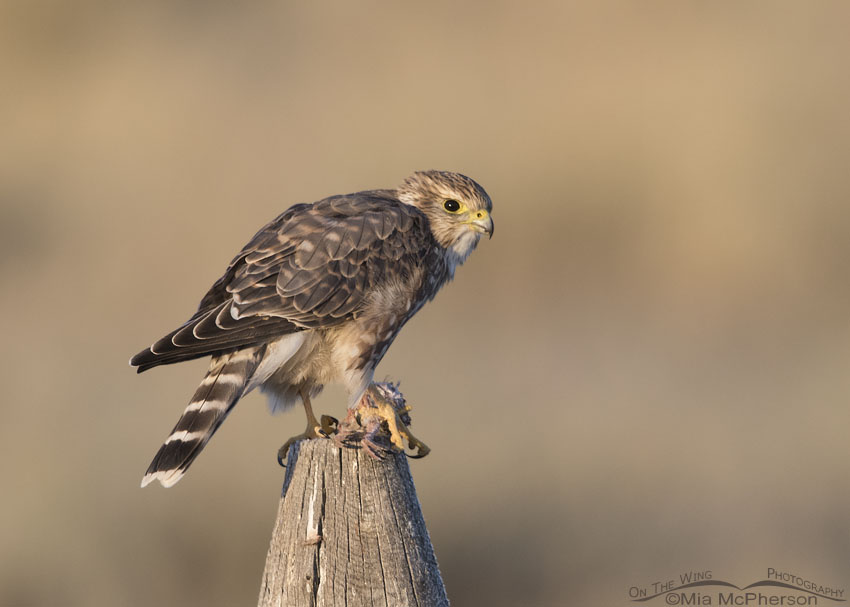
I spotted my first of the season Merlin yesterday morning out on the flats at Farmington Bay yesterday morning and it truly delighted me.
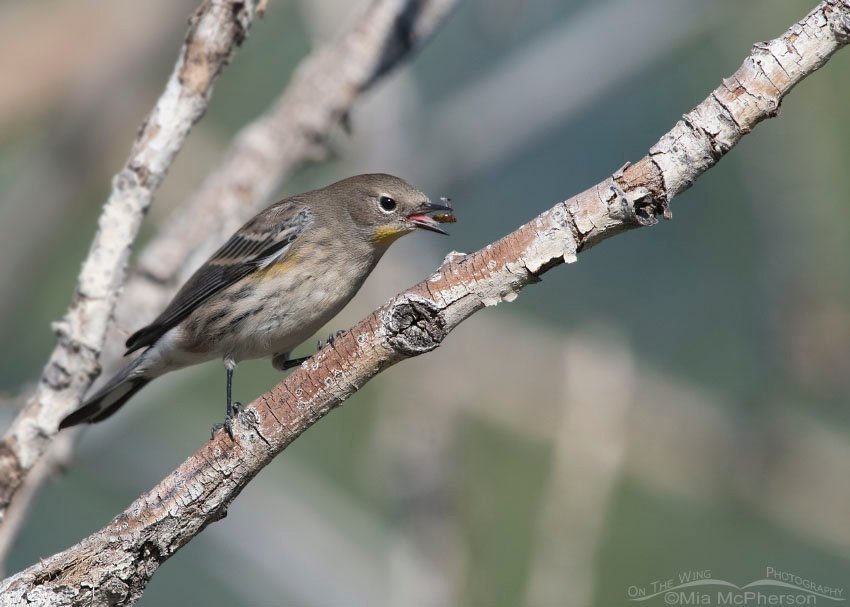
A few days ago I photographed a Yellow-rumped Warbler at a pond close to home that was tossing its prey around before it consumed it.

Belted Kingfishers are year round residents in northern Utah but my best opportunities to photograph them at Farmington Bay WMA are during the winter.
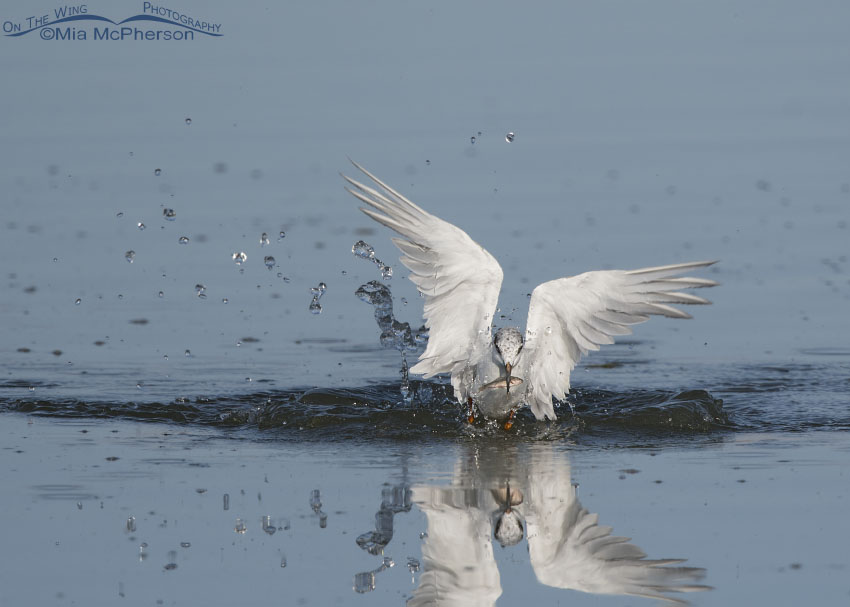
I have had fun photographing Forster's Terns the last few times I have gone to Bear River Migratory Bird Refuge, they are graceful, beautiful terns and they challenge my skills.
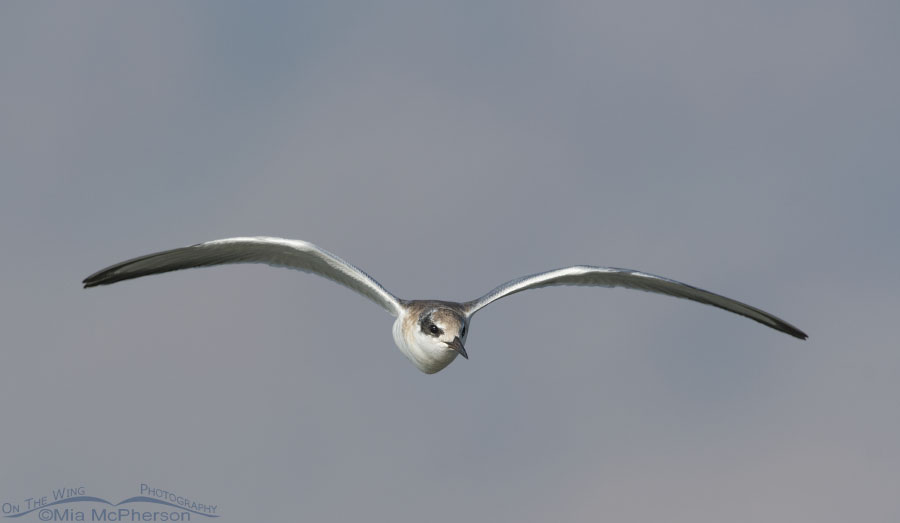
Right now these terns at the refuge are busy feeding their young although some of the juvenile Forster's Terns have already learned how to capture prey on their own.
In just a little over two weeks birders, hunters and bird photographers should have access to more of Farmington Bay WMA than we have had since March. Or will we?