Photographing Winter Redheads in Northern Utah
Yesterday I watched and photographed the Redhead drakes exhibiting Kinked-neck and Head-throw displays but once again they were too far away to get the high quality images I am seeking.


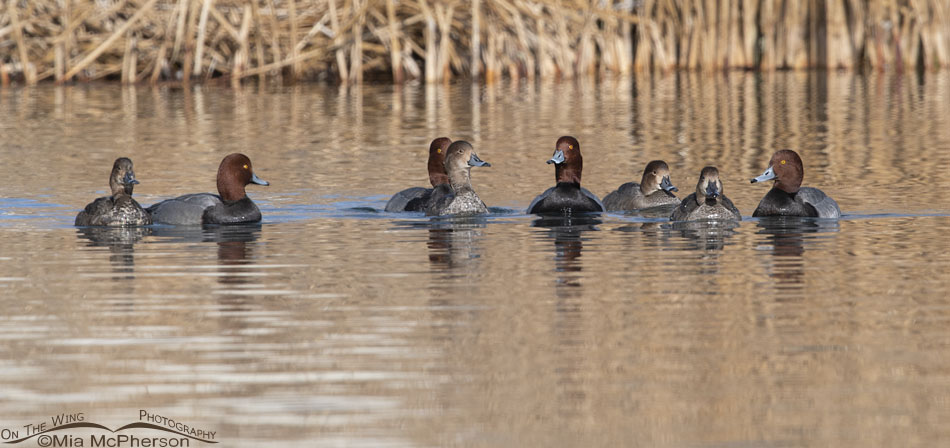
Yesterday I watched and photographed the Redhead drakes exhibiting Kinked-neck and Head-throw displays but once again they were too far away to get the high quality images I am seeking.

Yesterday afternoon I was thrilled to be able to photograph two adult drake Common Goldeneyes in a territorial dispute on a pond as they moved across my field of view.
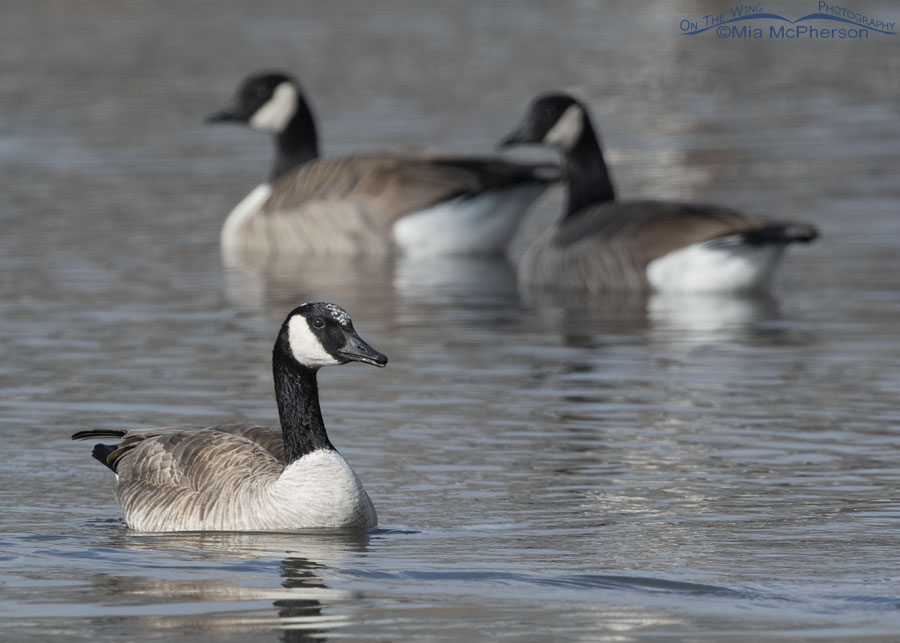
The Canada Goose was unusual because it had spotted, white plumage on its head and I was able to take photos of both left and right profile views of its head.

I know some people don't get excited about gulls but I do and I was thrilled two days ago at Bear River MBR when I spotted and photographed my first Herring Gulls of this winter season.
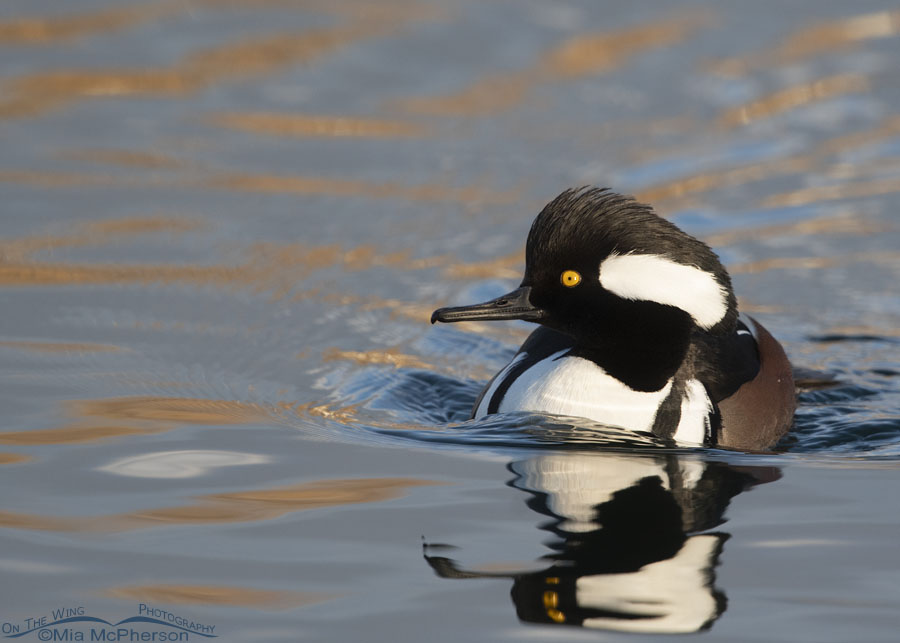
In December I had eight minutes and twenty-four seconds to photograph this Hooded Merganser drake and every time I have gone to the local pond after that I have looked for him to be there again.
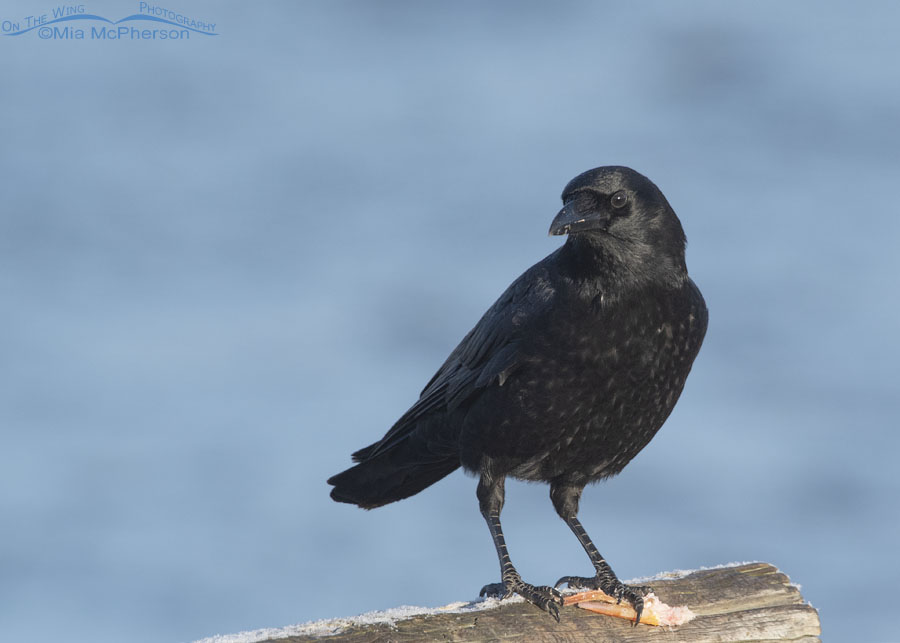
I always get excited about what the first bird will be that I see at the beginning of the new year and for two years in a row now my first birds of the year have been American Crows.

It is still dark here in northern Utah but I can tell there is some fresh snow on the ground so I guess that makes this a white Christmas even if the white stuff melts before the sun comes up over the mountains.

So if you don't enjoy the craziness that can happen at Farmington Bay WMA when the Bald Eagles arrive for the winter just pick an area and go for a relaxed drive to another location.
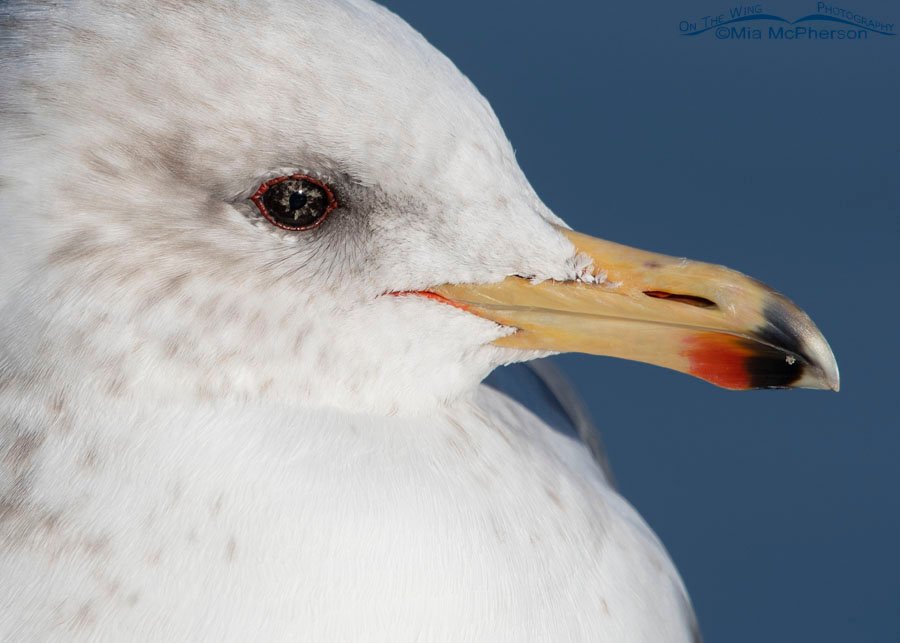
It has been three years and one day since I took photos of a California Gull that had eyes that looked like snowflake obsidian.

On that bright winter afternoon one of my best avian subjects was this Great Blue Heron standing in water with a bank of fresh, white snow behind it.
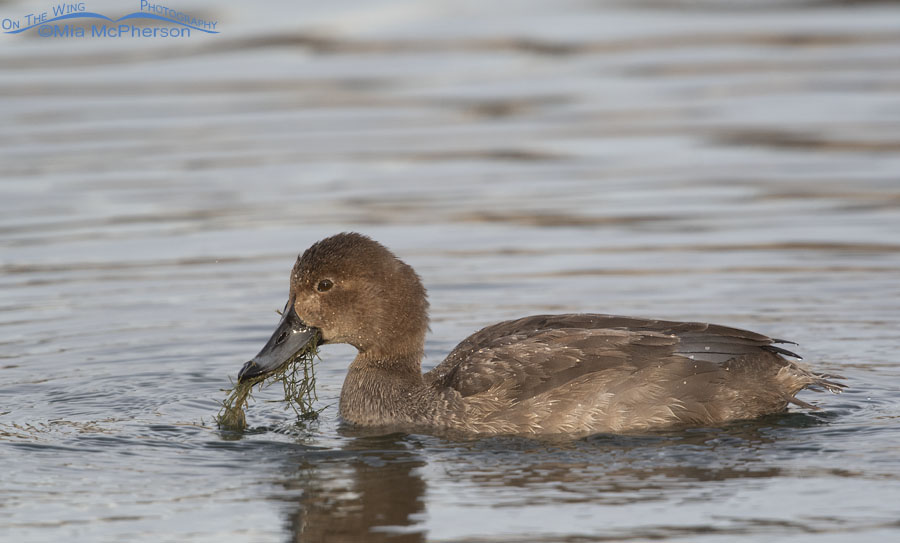
Why were the mallards sticking close to this Redhead? That was because she was diving down into the pond and bringing up aquatic vegetation to feed on and the mallards were stealing bits of it from her.
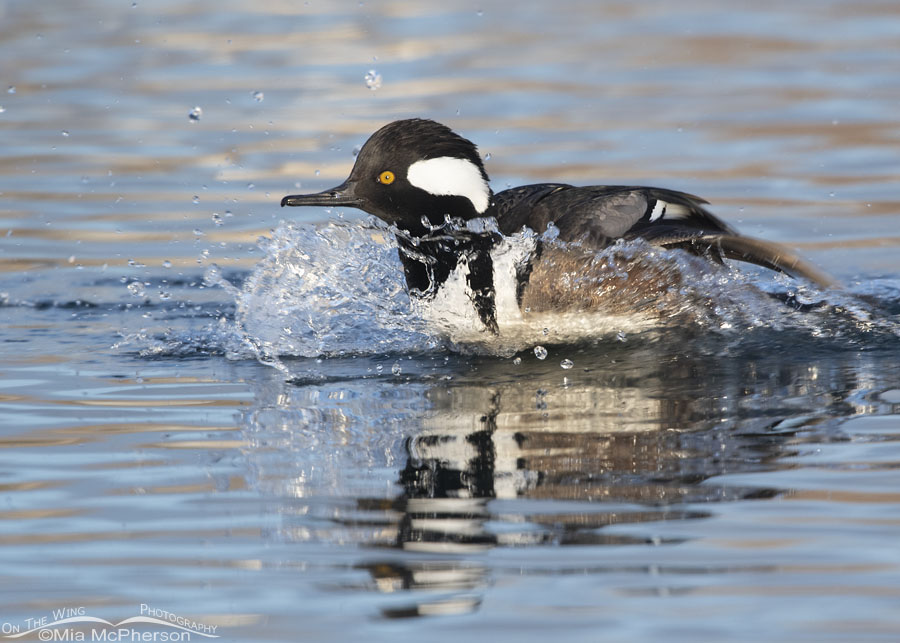
Yesterday started off dreary but later in the afternoon I was able to get out in the field and I had a blast taking photos of a spiffy drake Hooded Merganser for a little while.

Birds that we might think are too delicate to survive the freezing temps, howling winds and driving snow can and do surprise us with their strength and tenacity.

Sometimes I wonder how birds get their names, especially the birds with "Common" in their names such as Common Mergansers.
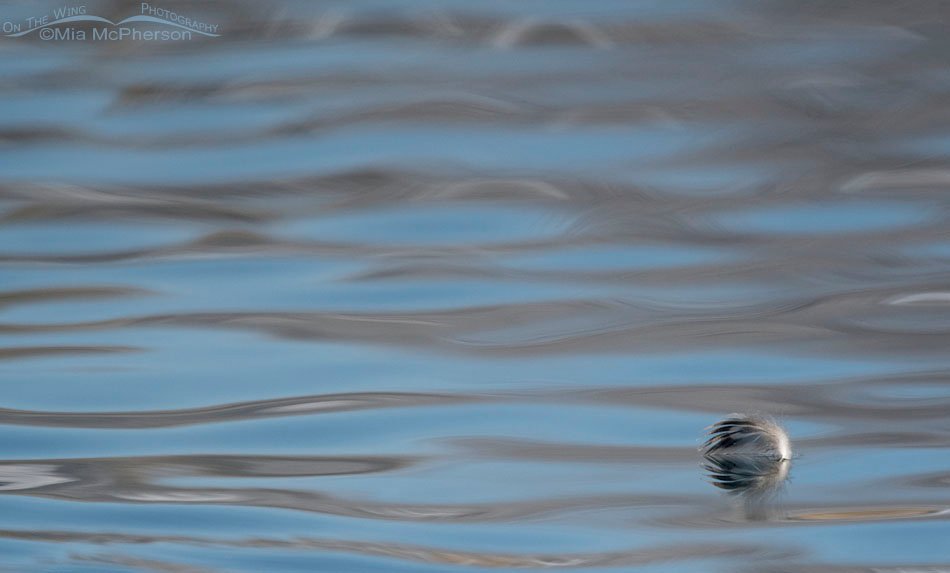
This was my favorite image of the morning. Just a fluffy mallard feather and the silky reflections on the pond.

I actually like photographing birds in a snow storm because the low light situations test my skills, the limits of my gear and the resulting photos often have a moody feeling to them.
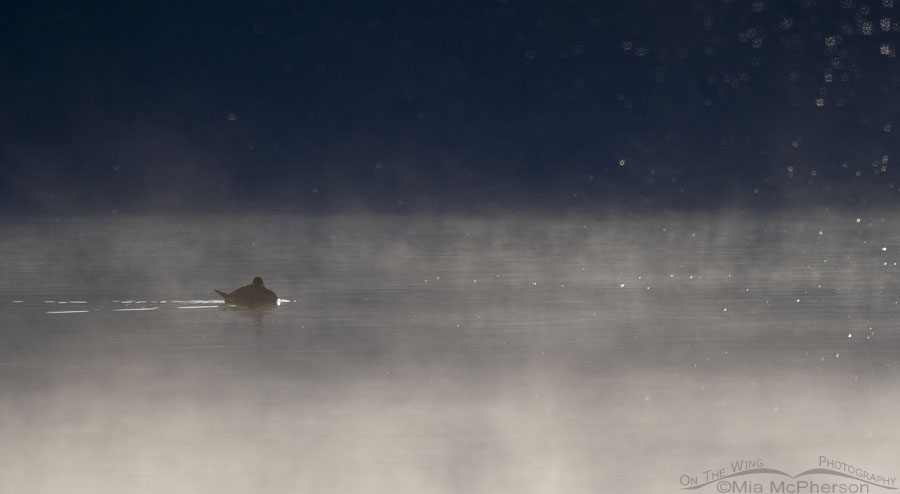
I'm really glad I looked at these ducks in the fog and decided to take photos of them even though I was looking towards the sun instead of away from it like I typically do when photographing birds.

Three days ago there was a little bit of fog at Farmington Bay WMA while the sun was coming up over the Wasatch Mountains which set up the conditions I needed to take this Northern Shoveler photo.
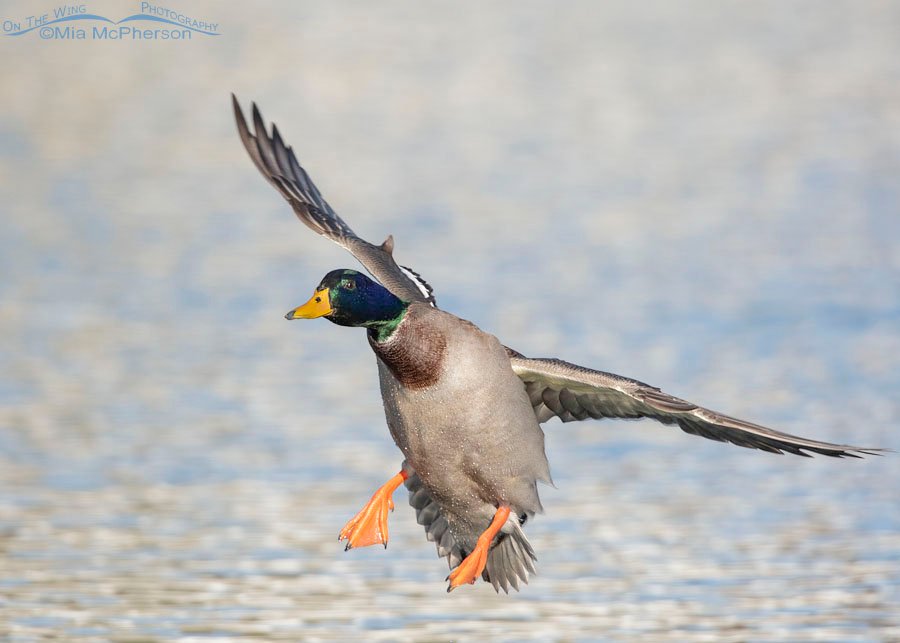
When I was at Bear River Migratory Bird Refuge a few days ago I saw lots of ducks in the marshes and on the water and I realized that I am looking forward to photographing winter ducks again.

Because I arrived at twilight that morning and had a clear sky I knew that I could take photos of the Great Blue Heron with the blue colored Earth's Shadow and pink Belt of Venus behind it.

I'd watched the Greater Yellowlegs foraging and most of the time the prey was too tiny to see but this little fish was a nice catch for the shorebird and for me.
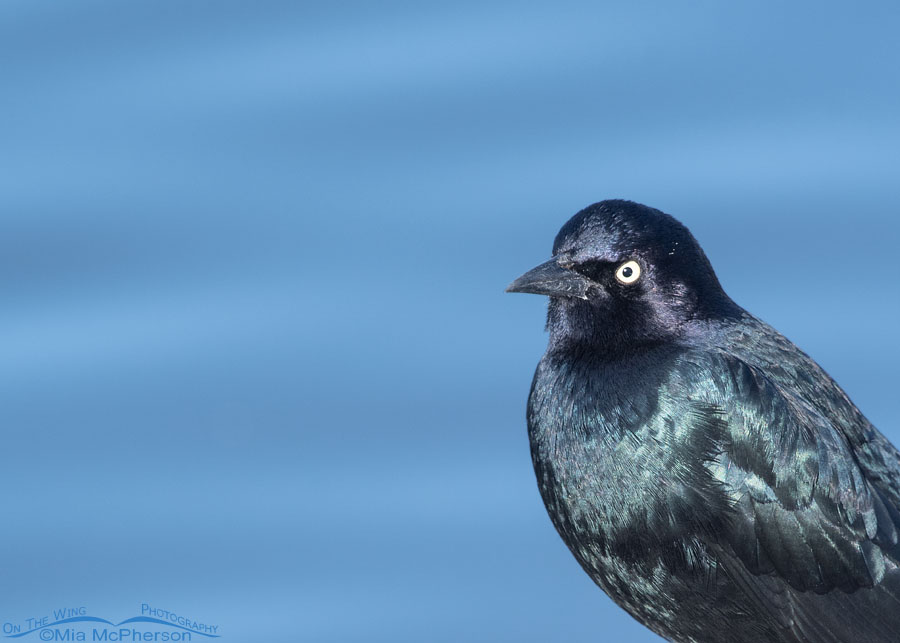
Yesterday morning I was able to take close up images of a male Brewer's Blackbird in the kind of light that showed all of its beautiful iridescent colors with the silky blue water of a pond in the background.

Our Clark's and Western Grebes will be leaving here soon and except for a few downy feathers on this one's forehead it looks like it is ready to take on its first migration.
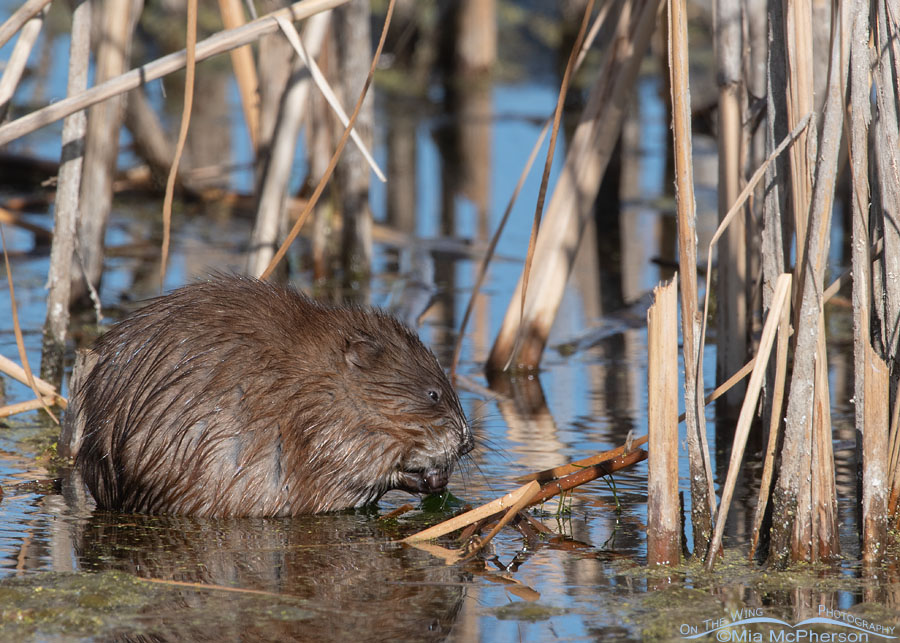
Yesterday I photographed a muskrat I found eating green filamentous algae at Farmington Bay WMA which I thought was interesting because I had never seen one eating algae before.

I live in such a beautiful state and even though birds are my primary focus as subjects the natural world that surrounds me is endlessly fascinating, stunning and I hope I never lose the sense of wonder I feel when I see it.

The Great Blue Heron had flown in and landed near the shoreline on the other side of the pond where the bank was covered with snow and the heron rested there for a bit.

I was able to get back out into the field yesterday and I had a marvelous time photographing young Spotted Sandpiper chicks and learning more about their behaviors near a creek in the Wasatch Mountains.

This was the first immature Green-tailed Towhee I have seen this breeding season and I am hoping that it won't be the last one I photograph this year.
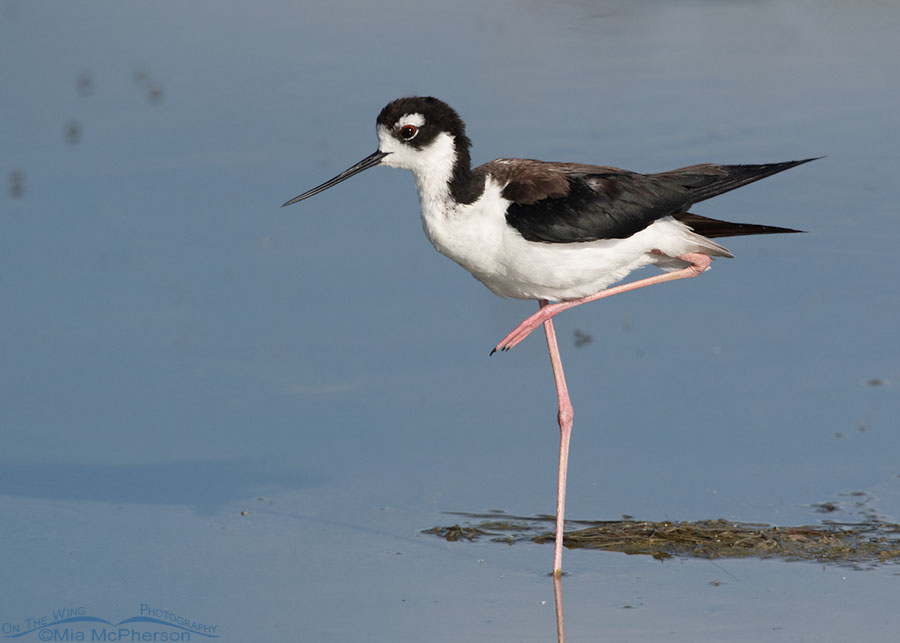
These two Black-necked Stilt photos were taken 9 days ago at Bear River Migratory Bird Refuge and I thought they could easily show the difference between the female and male of this species.
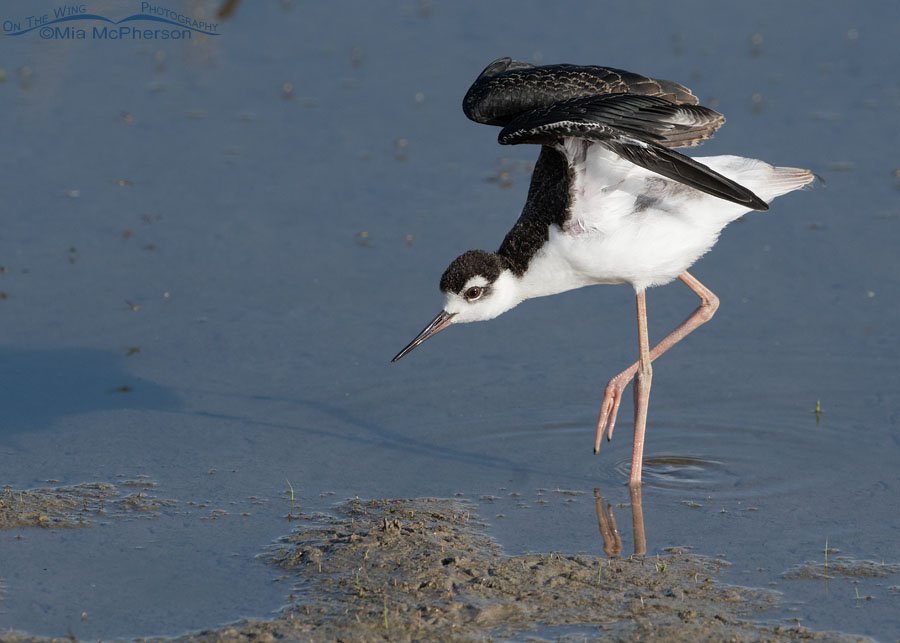
I spent part of my morning yesterday photographing American Avocet and Black-necked Stilt chicks from the auto tour route at Bear River Migratory Bird Refuge and it was a blast watching these young shorebirds.