Canada Goose on Glover’s Pond
Canada Geese (Branta canadensis) are common in my area and I often overlook taking images of them because of that. I really shouldn't though because they are beautiful birds.



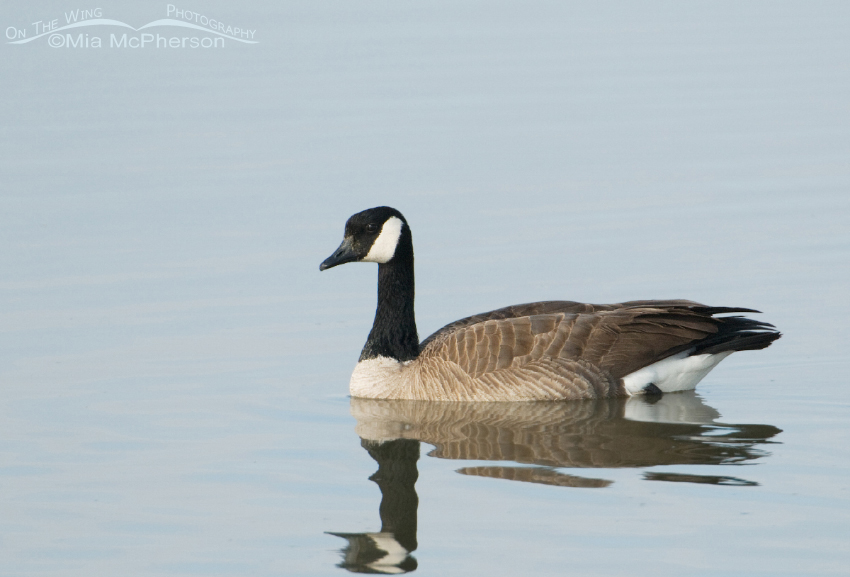
Canada Geese (Branta canadensis) are common in my area and I often overlook taking images of them because of that. I really shouldn't though because they are beautiful birds.
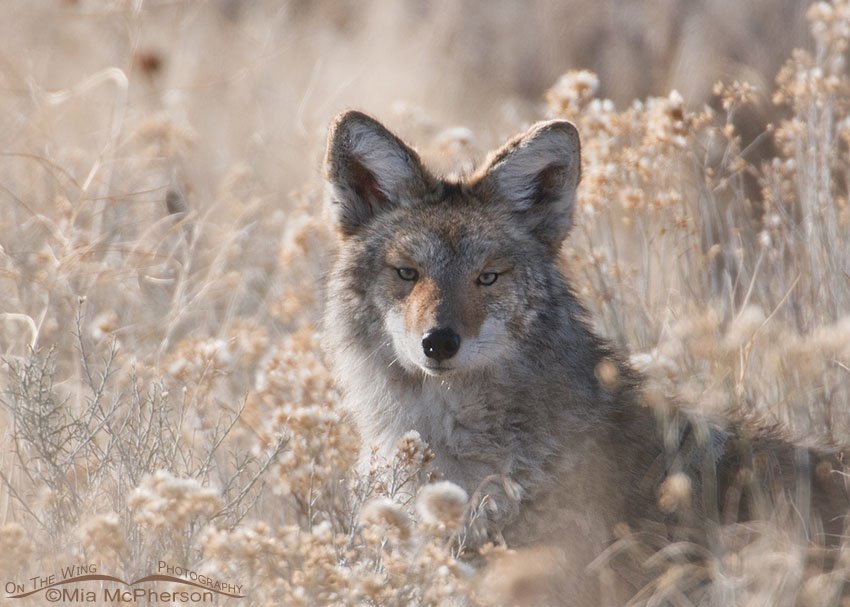
I wanted to take some photos of the Coyote because I liked the rim lighting on the right side of the Coyote's neck, muzzle and ears.
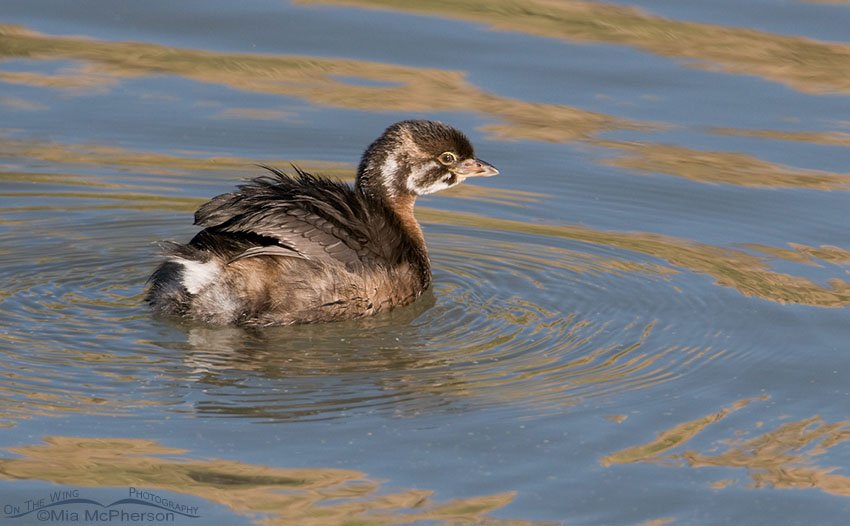
As I observed and photographed this Pied-billed Grebe juvenile it preened some, did a few stretches and fluffed up it feathers.

White-faced Ibises (Plegadis chihi) breed and nest in the freshwater marshes around the Great Salt Lake. Generally they migrate south for the winter though this winter there were a few that stayed at Farmington Bay Waterfowl Management Area.
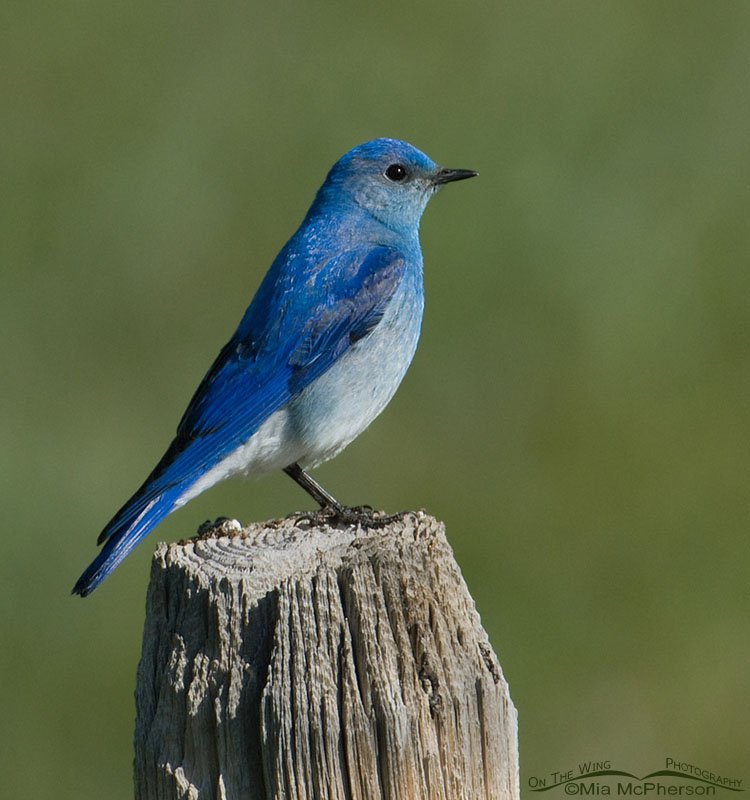
How blue can blue be? I think Mountain Bluebird (Sialia currucoide) males are a wonderful example of just how blue a bird can be.
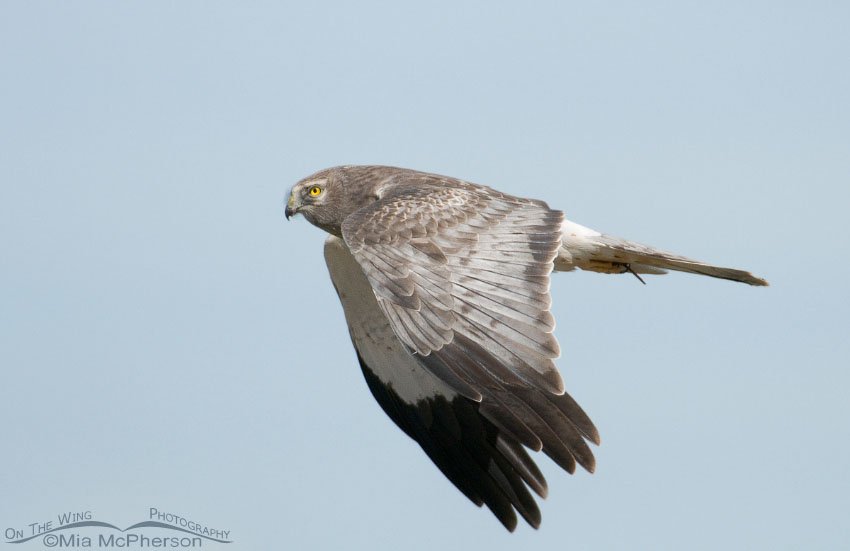
Just an image I took yesterday of this male Northern Harrier in flight. As simple as the image is I like the great eye contact it has.
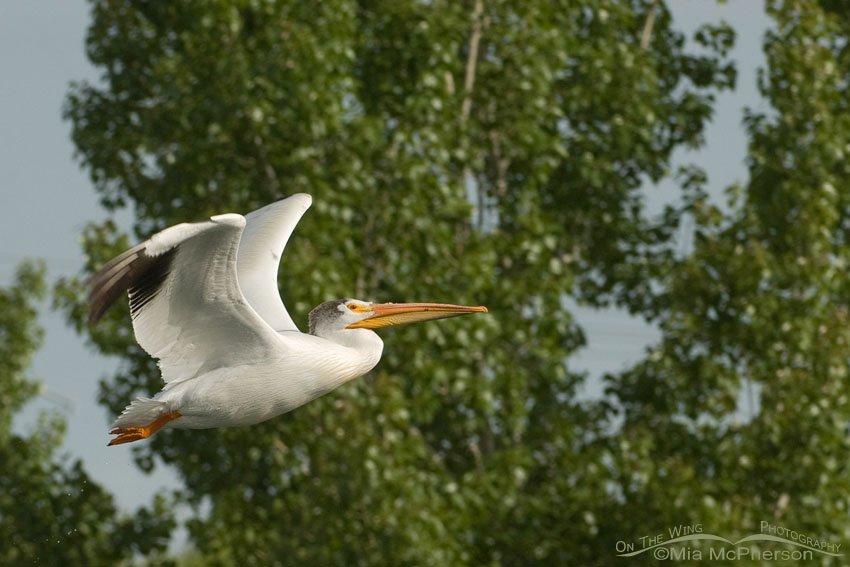
Not far from where I live there is a small pond where I photographed this American White Pelican (Pelecanus erythrorhynchos) just after it had lifted off from the water two springs ago.
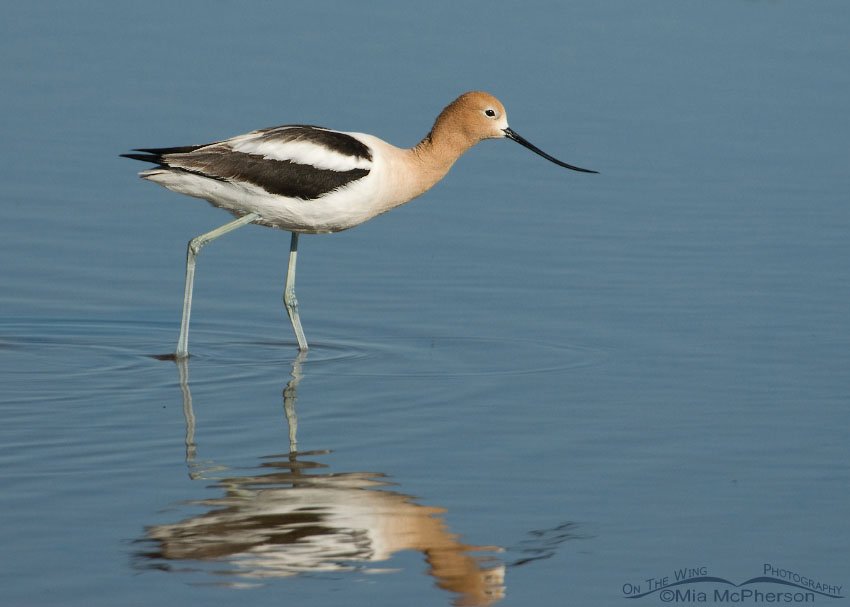
American Avocets are birds that I look forward to seeing in spring. I have already seen some from a distance this year.
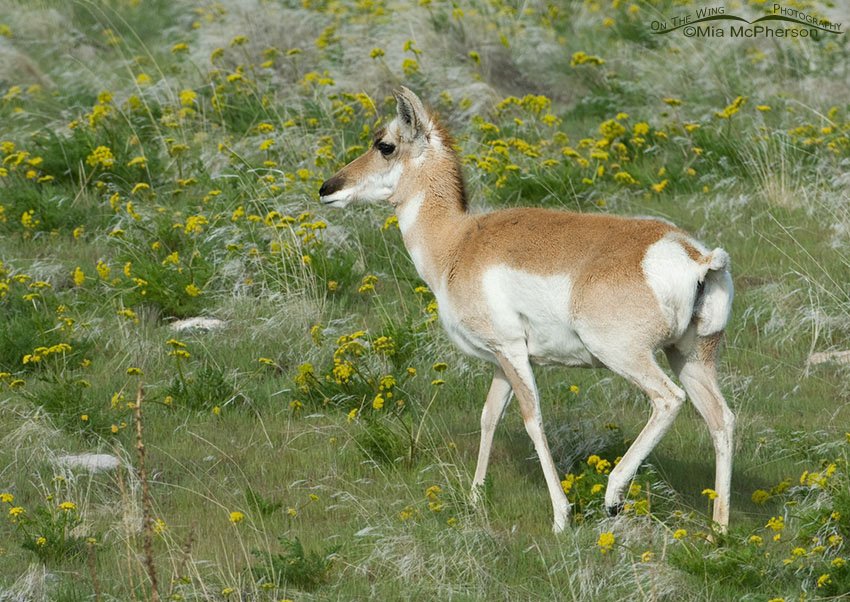
Outside my window the winds are howling this morning and there is a thick layer of gray clouds hanging low in the sky. It isn't a good day to be out in the field so I have been going through my image archives and pulled out two images of a Pronghorn (Antilocapra americana) doe from last spring to post.
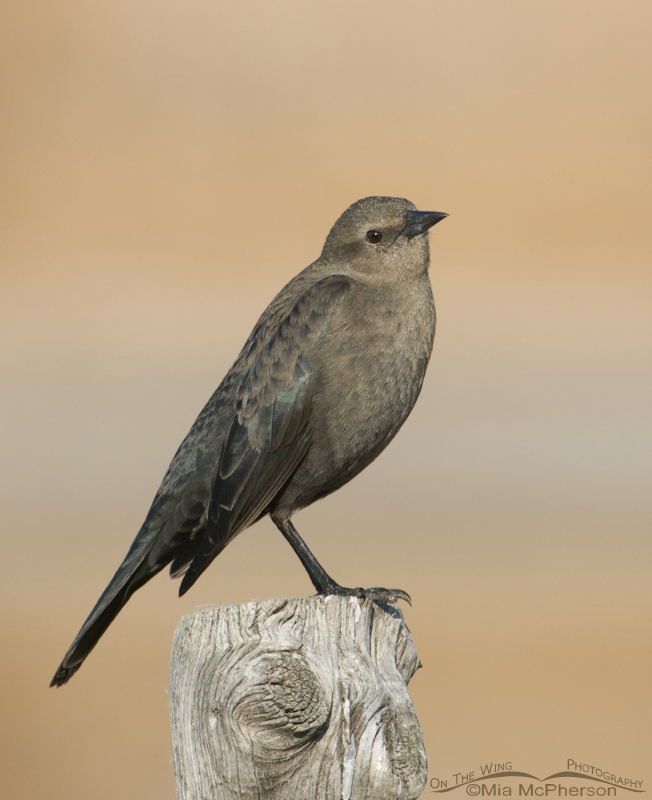
Brewer's Blackbirds may not be the most well known of the Blackbird family; I am fairly certain that the Red-winged Blackbirds have that claim to fame, but they are beautiful and interesting subjects to photograph.

The behavior of the Chukars indicates that the males are already acting territorial and fighting for the right to mate.
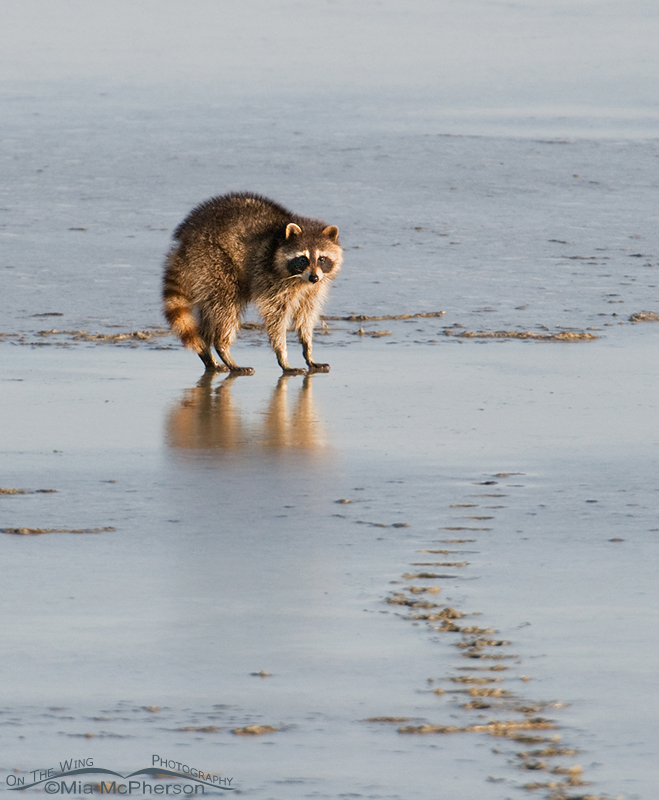
When I lived in Florida I saw Raccoons (Procyon lotor) all over the state. In the wild, the not so wild and in the streets of the cities. But that isn't how it is in Utah.
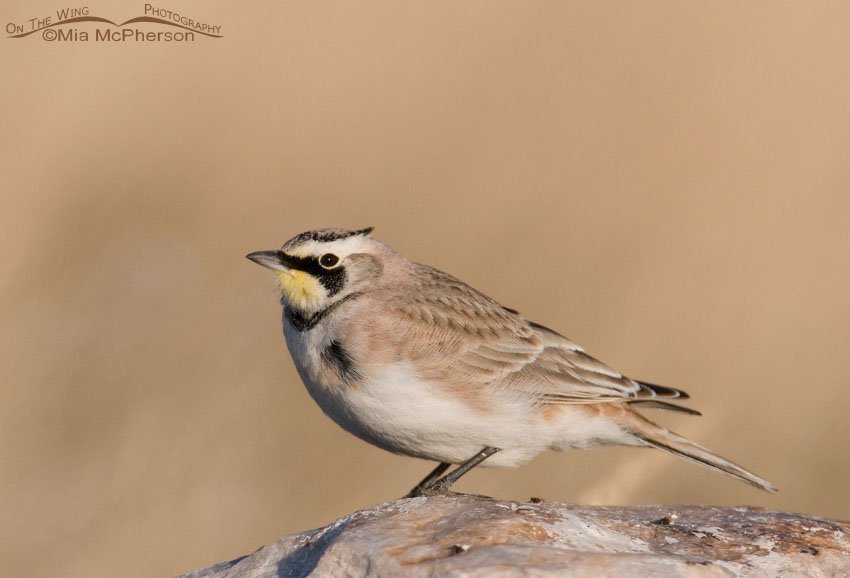
Today I thought I would post a few images taken this past week from Antelope Island State Park and the west desert in Tooele County. Feathers & Fur.

I've always liked this photo because it shows how this American Oystercatcher (Haematopus palliatus) is using its long bill to pry open a shell.

A few days ago I read that a Long-billed Curlew had been spotted on Antelope Island State Park and that got me excited. I've waited to see them again since they left last fall and I simply can not wait to hear their mysterious and hauntingly beautiful call.

Chukars are not native to North America, they were introduced as game birds and in some areas they have thrived, one of those locations is Antelope Island State Park in northern Utah.

This California Gull in flight was being buffeted by the wind, I had trouble keeping my lens steady because of it too.
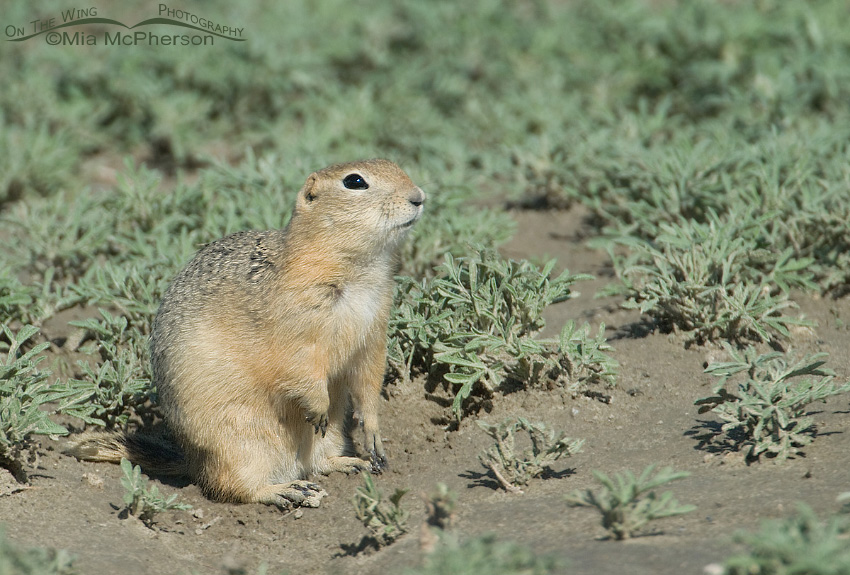
Farmers don't like Richardson's Ground Squirrels much, they dig holes that could break the legs on livestock and eat grains and the shoots of plants, I can understand those concerns. But I have to say... I love them, they are fun to watch and photograph.

I have had an amazing time photographing Prairie Falcons (Falco mexicanus) since last fall. Since the ducks are no longer near the causeway to Antelope Island I have had a more difficult time locating them because they are now searching for their normal winter diet of Western Meadowlarks and Horned Larks which are found more "inland" on the island.
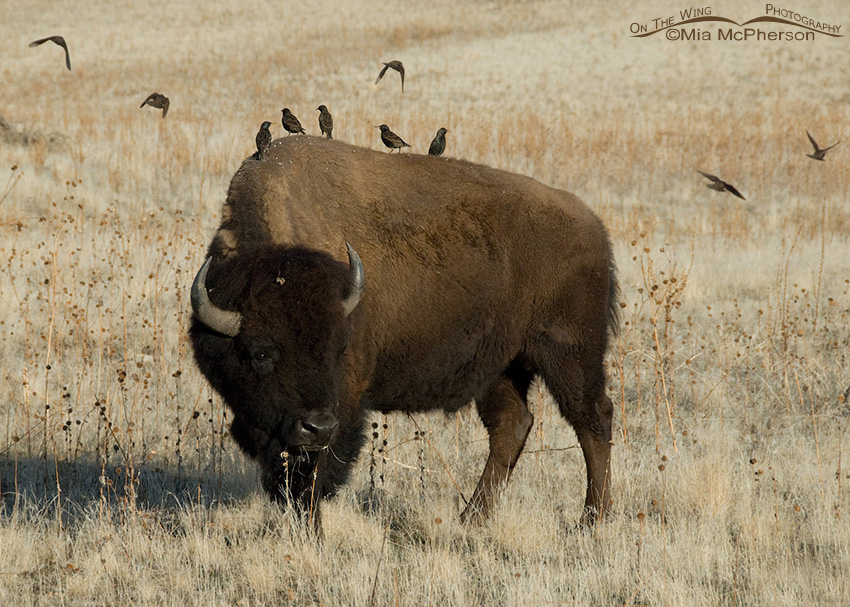
Certain species of birds ride on the backs of Bison and feed on the insects they find in the Bison's fur; European Starlings are among those birds.
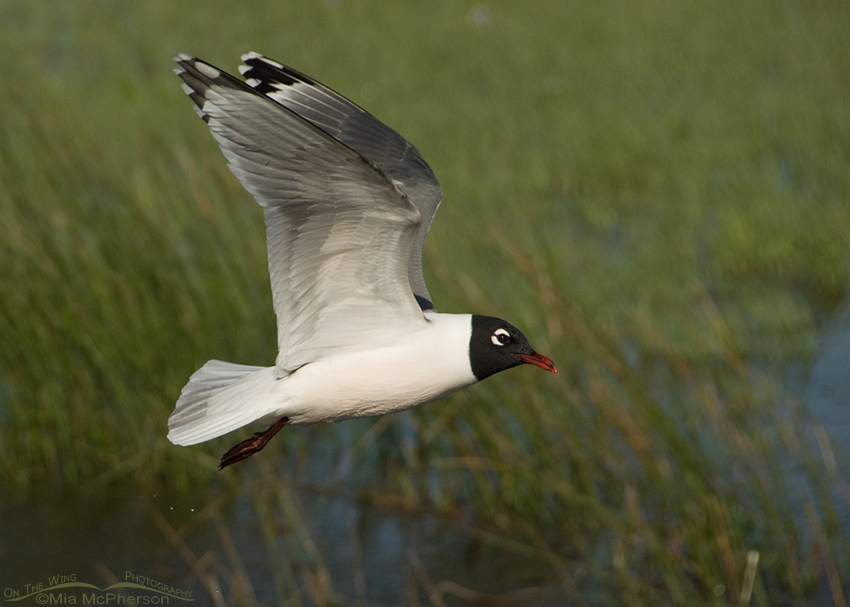
Last year while I was camping and photographing at Red Rock Lakes National Wildlife Refuge I saw a feeding frenzy that involved Franklin's and California Gulls in the flooded grasses and Sagebrush flats near the Lower Lake.

This is the third consecutive year that I have photographed Black-billed Magpies working on their nest in this same location on Antelope Island.
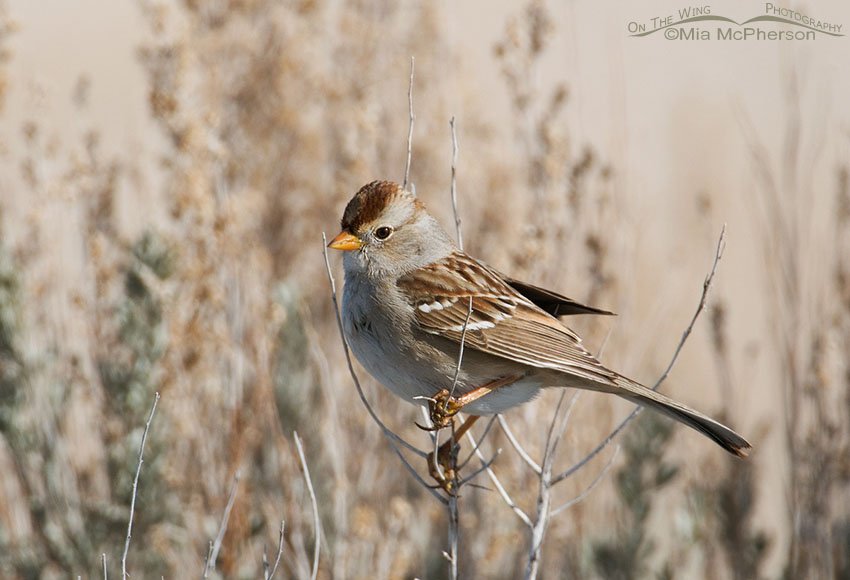
Yesterday while I was out photographing on Antelope Island State Park I came across a small flock of White-crowned Sparrows right next to the road.

It snowed last night and the ground here was covered in white but the clouds were disappearing so off I went to photograph whatever I might find on Antelope Island State Park.

Red-winged Blackbirds are birds that I associate with spring, the males begin calling perched on top of reeds, cattails, grasses and shrubs and flash their brightly colored coverts to attract a mate.

Piping Plovers nest in shallow scrapes in sand, gravel, salt flats or dunes which leaves their nests vulnerable to predators and in danger of being accidentally stepped on.
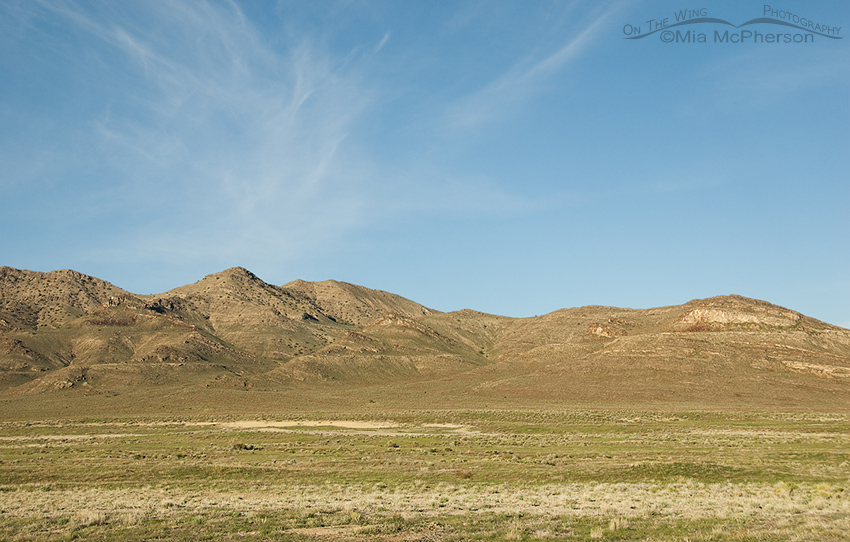
I am one of those people who love deserts and the West Desert of Utah is once again beckoning to me. The weather here in Utah is very changeable right now, it can feel like spring one day and the next it still feels like winter but it won't be long before the weather levels out and the west desert will begin to green up.

I'm glad I didn't turn around to head home when I saw the thick sea fog that morning, if I had I may have missed photographing some of these beautiful things.
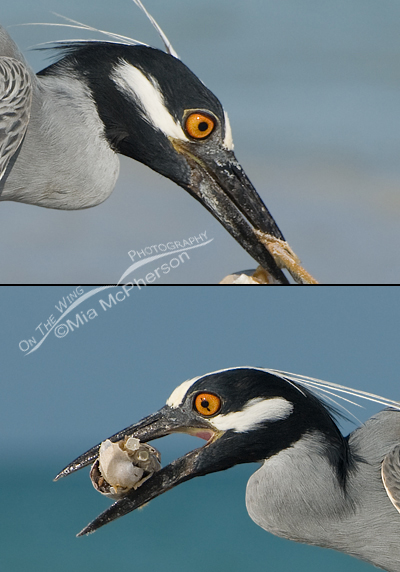
I recently read about a congenital condition in humans called "iris colobomas" which is also found in other mammals and birds and have begun to wonder if that might not be the cause of the abnormal pupils I see in some species of birds instead of an injury to the eye.

I was right on the ID and saw not just one but two of American Avocets in flying along the causeway. Wow, more "spring birds"!