Signs of Spring ~ American Avocets and Double-crested Cormorants
I was right on the ID and saw not just one but two of American Avocets in flying along the causeway. Wow, more "spring birds"!




I was right on the ID and saw not just one but two of American Avocets in flying along the causeway. Wow, more "spring birds"!
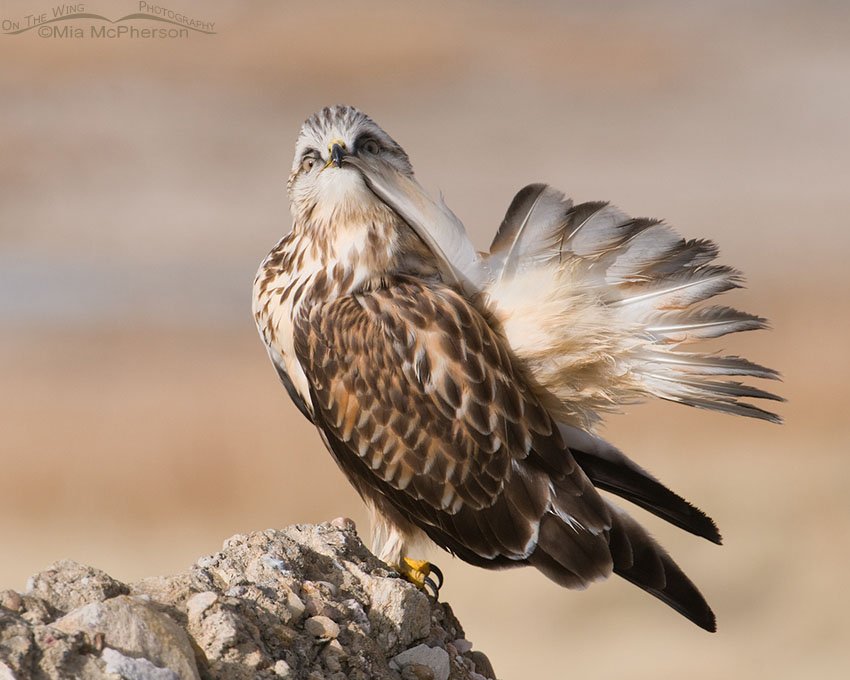
I have had such amazing experiences with Rough-legged Hawks this winter. I've captured them in flight, preening, eating, hovering, kiting, resting and so much more.

The sun had not yet crested the eastern horizon when I photographed this Great Blue Heron as it hunted in the shallow waters on the shoreline of the Gulf of Mexico.

It was real slow for bird photography out on Antelope Island this morning but I did get a nice lift off shot from this Western Meadowlark.
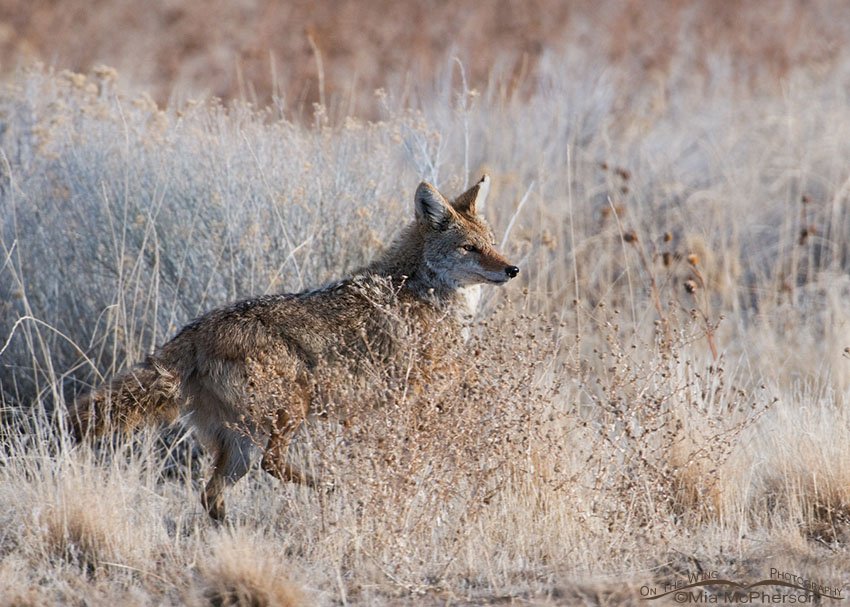
Normally I'd prefer to get a cleaner view of the Coyote for images but in this case I enjoy the habitat in the frame.
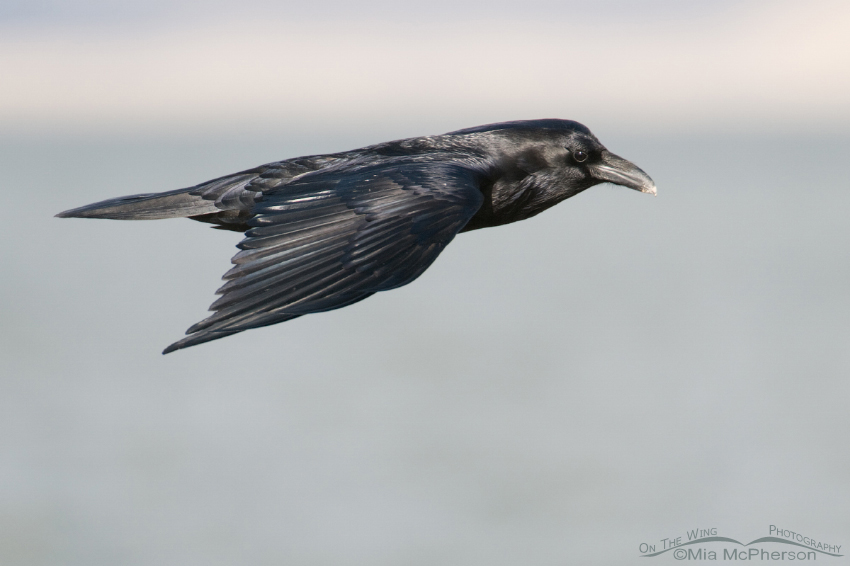
Ravens have always appealed to me even though some people might consider them "plain black birds". One of the reason I like them so much is that they are very smart and among the most intelligent birds in the world.
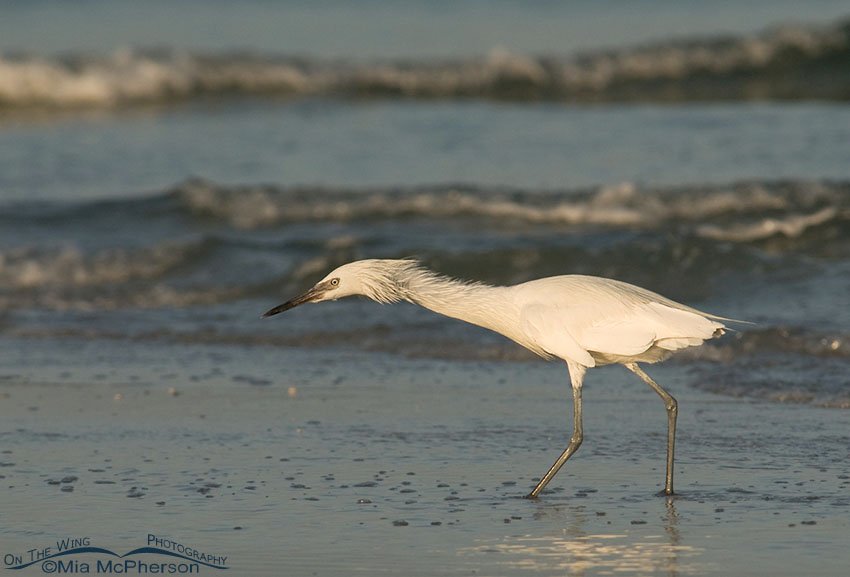
While I lived in Florida I simply adored being able to photograph Reddish Egrets, they can be graceful or goofy looking, they twirl, dash and dance.
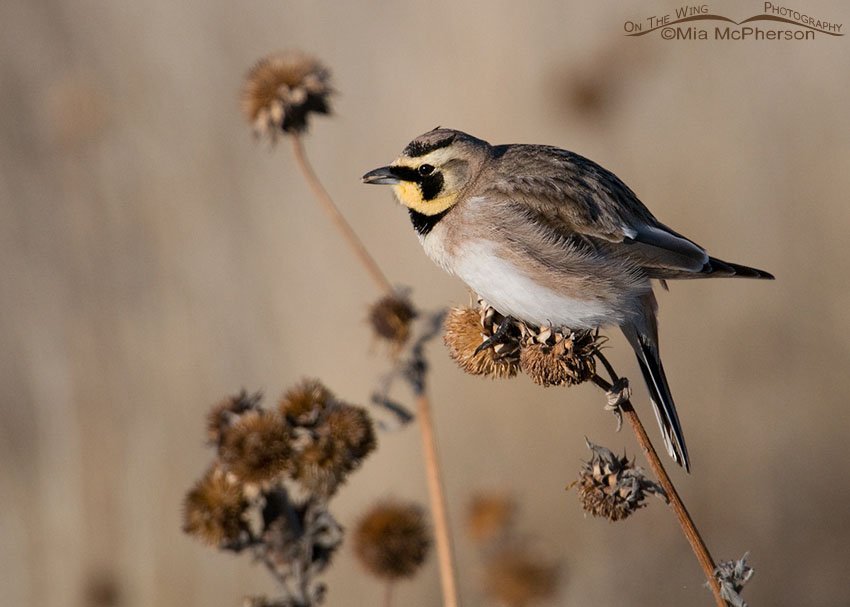
Yesterday I was delighted to be able to photograph this male Horned Lark perched high on dried sunflower seed heads as it ate.
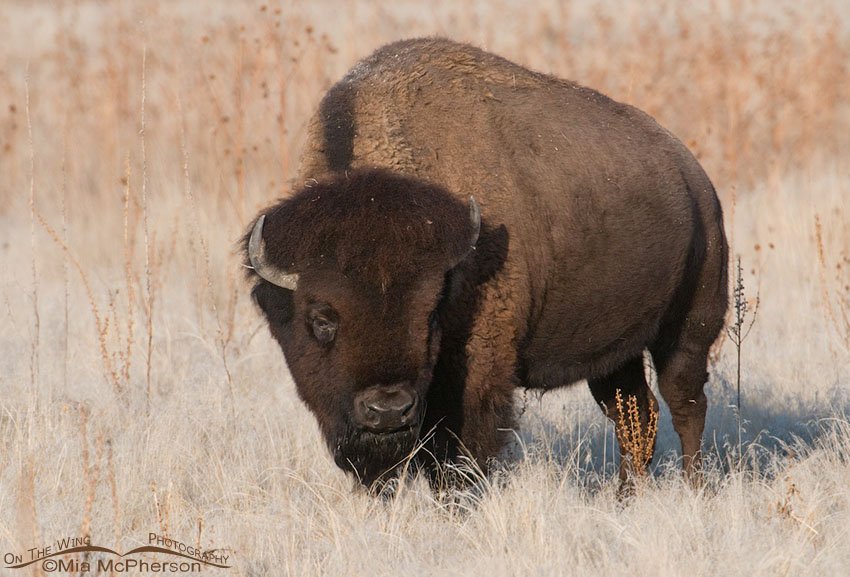
It tickles me to be able to photograph wild Bison.

I was laying down in the wet sand with my lens about an inch from the surface of the beach when I photographed these shorebirds, one needs to watch out for those rogue waves because they don't only wash away the bird's prey... they can soak your lens & camera too!

The dangers of fishing line and hooks for birds and other wildlife are real and damaging.
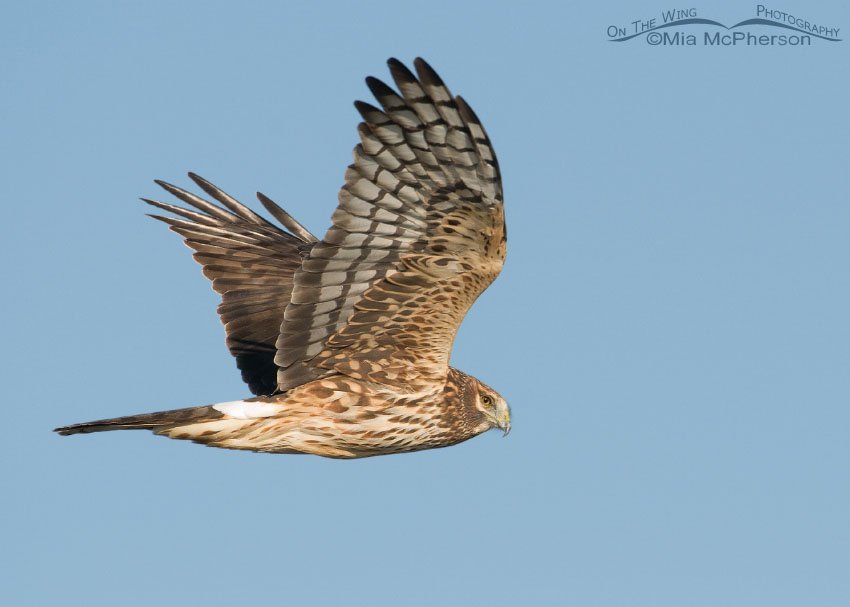
This female Northern Harrier was coursing along a road in search of prey and gave me great views of her pale yellow eye and bold barring under her wings.
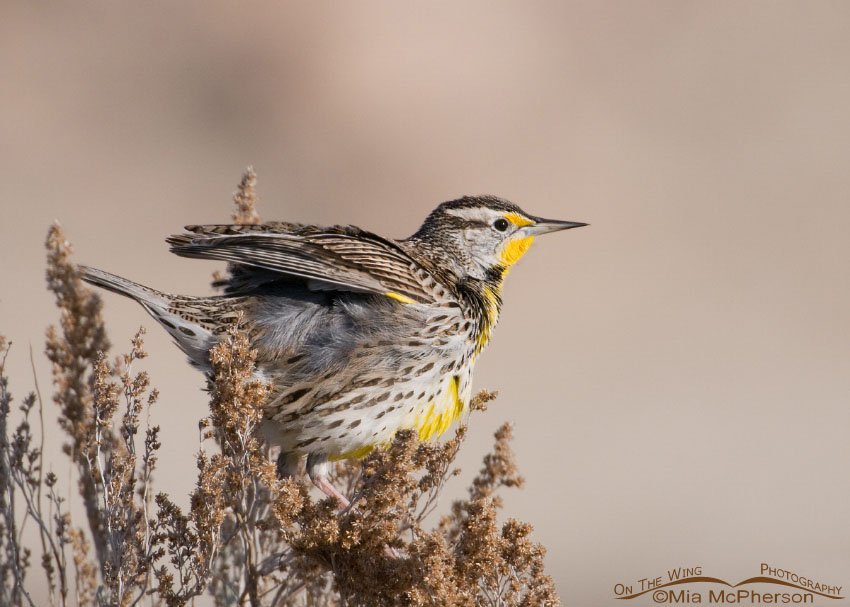
I couldn't resist posting another Western Meadowlark image that I created today even though I posted one earlier this morning.
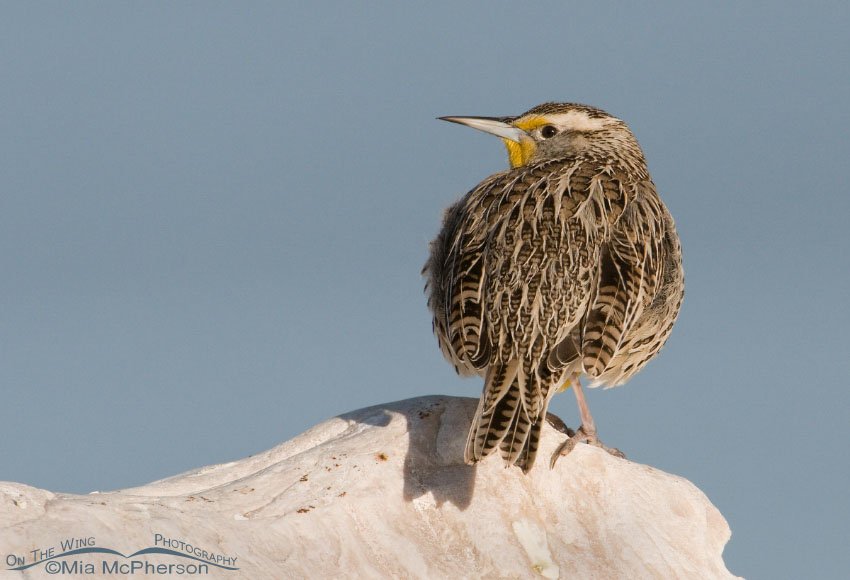
Tis the season of changes, for a bit it acts like winter and soon switches to act like spring. . The flute like call of Western Meadowlarks is a sound I associate with spring and lately I have been hearing them quite often.
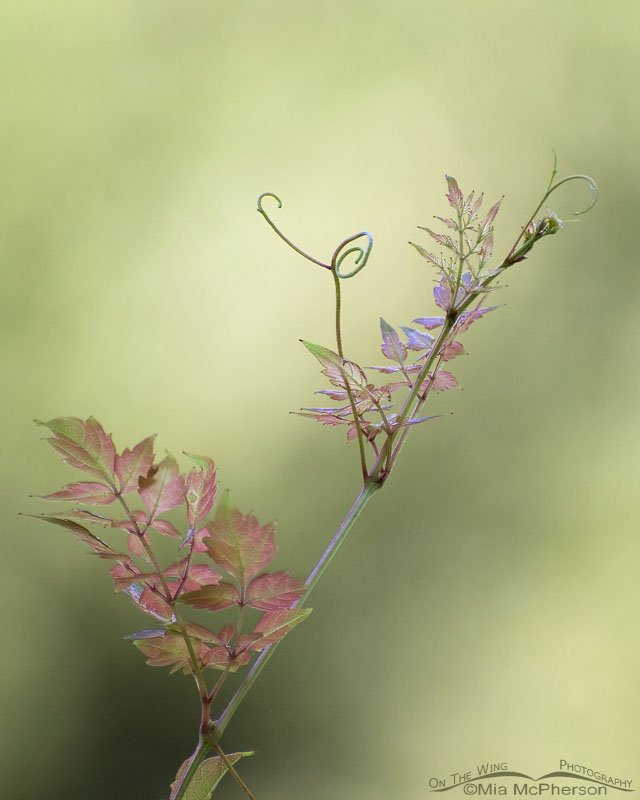
Although Peppervine is considered a problem by some people because of their growth habit I think in the natural setting of Saw Grass County Park it fits in quite wonderfully.

I photographed this adult Bananaquit while on the island of Half Moon Cay in the Bahamas. The island was full of these birds.

I'm always looking for great action or interesting poses when I am out photographing birds and usually I am not disappointed and once in awhile I get some very funny images. Mondays just seem like a great day for some humor.
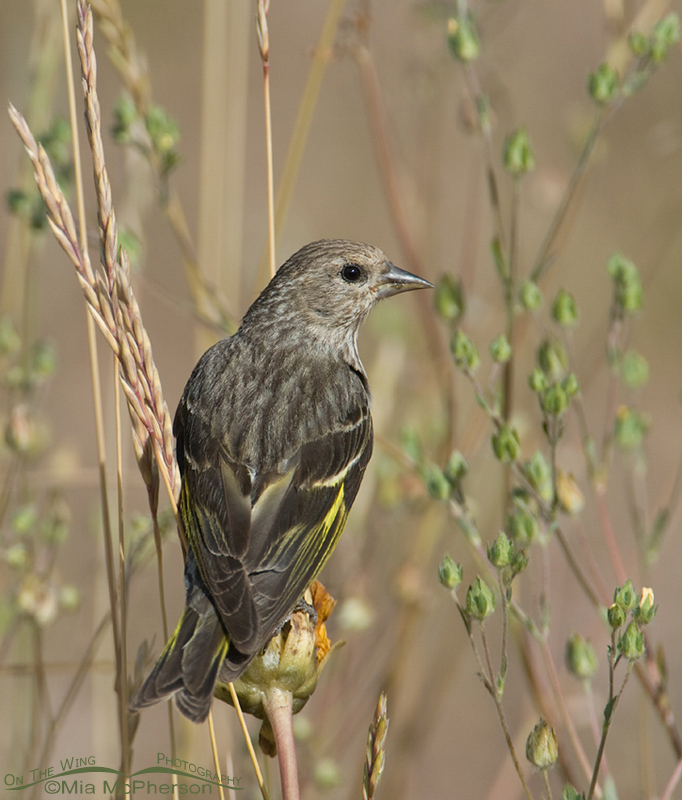
While exploring the area and it's breath taking beauty I spotted a large flock of Pine Siskins feeding on the seedheads of Mule Ears (Wyethia amplexicaulis).

Do I prefer the featureless background bokeh over the one where the features are blurred but still recognizable? No, I love them both and appreciate each one individually.

Double-crested Cormorants are the most widespread of North American cormorants where they are found in salt and freshwater habitats.

Last September I visited Flaming Gorge National Recreation area for the first time. Wow, nature never ceases to delight and amaze me.
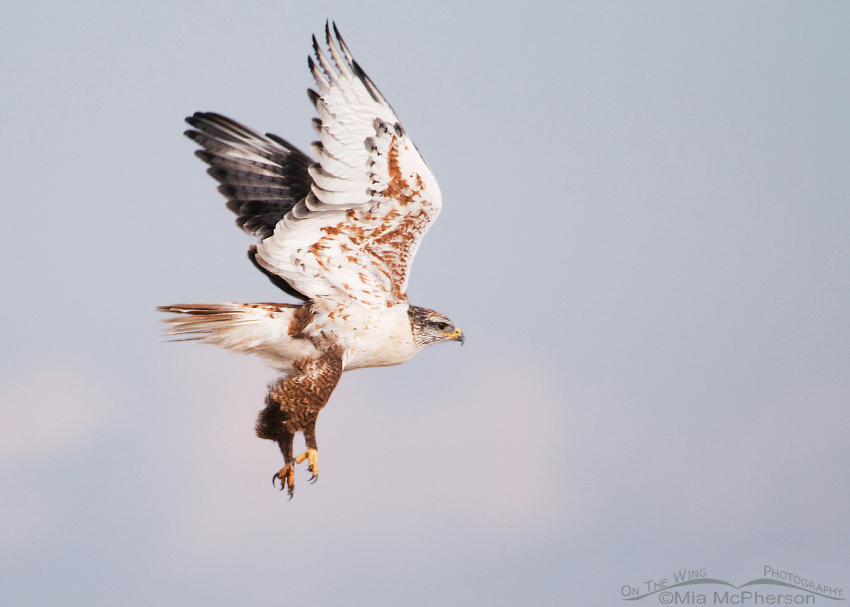
There aren't many people in the west desert of Utah thus the raptors and other birds that live there are not habituated to people so they are very skittish even when using a mobile blind.
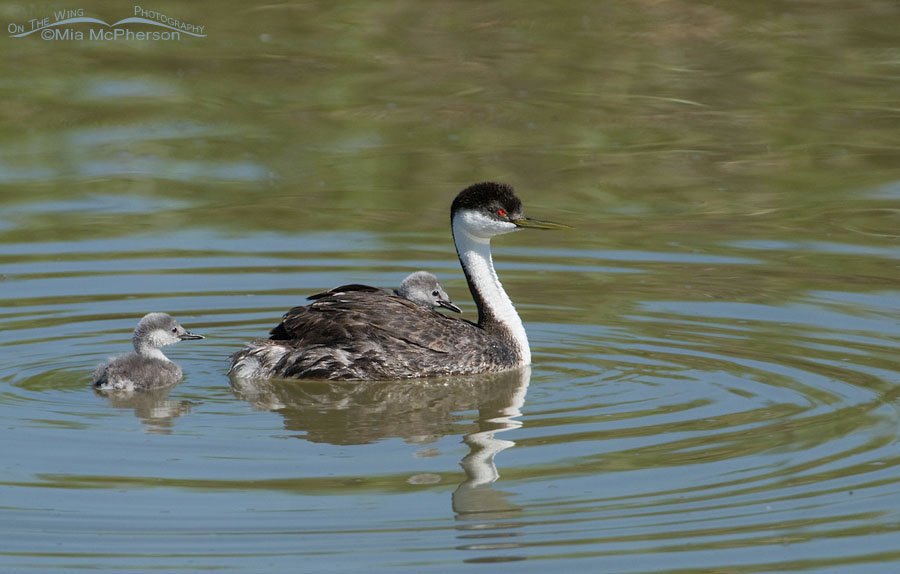
Enough already, if there isn't going to be a winter then bring on the spring!
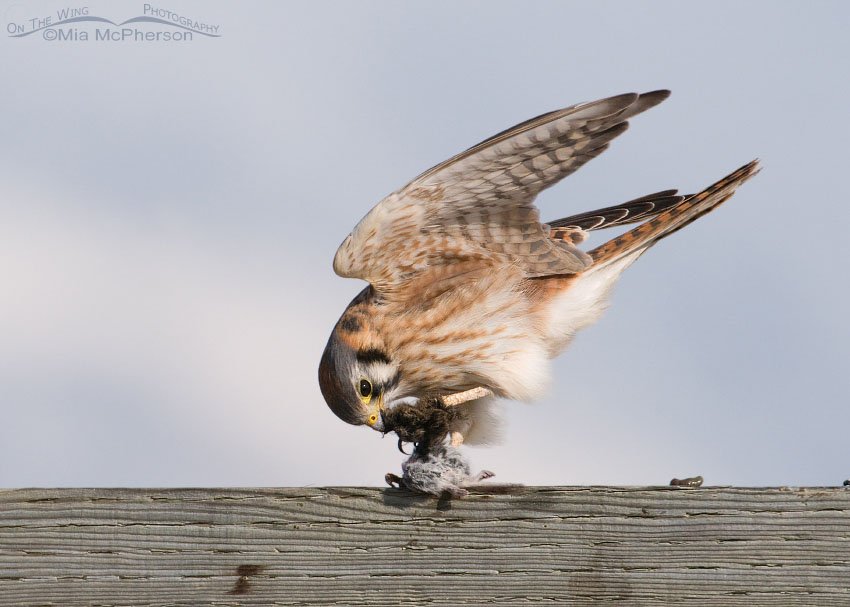
There are times when photographs speak for themselves, they tell a story or show behavior and with my bird and wildlife photography they also show the natural cycle of life. These images may be gruesome for some to view but they show this falcon's natural behavior quite well.

Obtaining a low angle with small shorebirds can bring the viewer into the birds world by being down to their level. When I photographed shorebirds in Florida I was either constantly covered in sand or mud, wet or all three.

It isn't everyday that I get to see and photograph a Loggerhead Shrike expelling a pellet!

The weather outside hasn't been good for bird photography today but since I am always behind on editing I thought I'd process this Red-breasted Merganser image that I took in Florida a few years ago.
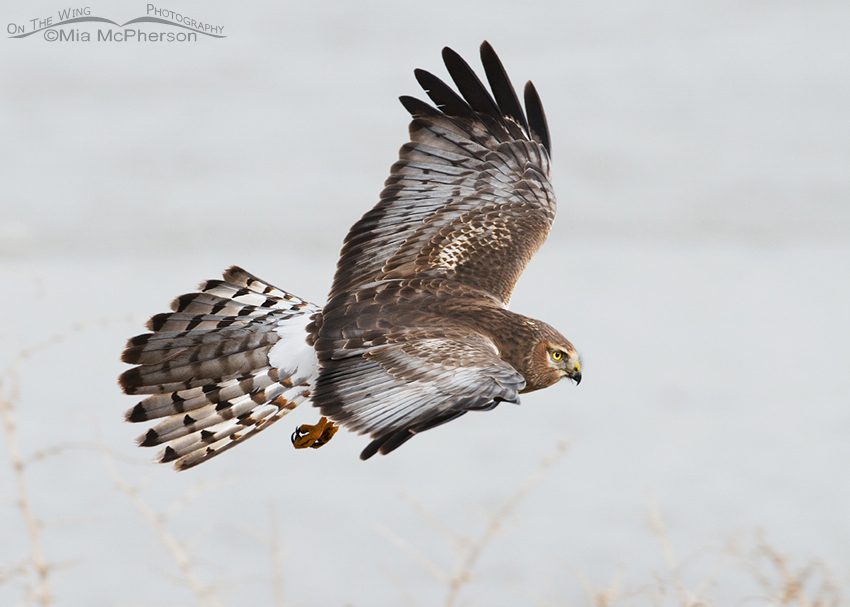
This Northern Harrier displayed interesting behavior, it didn't appear to be hunting but it would dive into the vegetation where it would make a sound that reminded me of parrots chattering.

This American Oystercatcher image was taken nearly three years ago, it seems difficult to believe that is has been that long but I like it as much today as the morning I photographed it.

American Coots are the most widely distributed members of the Rail family in North America and are very abundant in habitats with open water.