Reasons Why We May Be Seeing Fewer Northern Harriers At Farmington Bay
I don't see nearly as many harriers over the marshes at Farmington Bay as I used to five to ten years ago but the marshes have changed some since I moved to northern Utah.



I don't see nearly as many harriers over the marshes at Farmington Bay as I used to five to ten years ago but the marshes have changed some since I moved to northern Utah.

Our Clark's and Western Grebes will be leaving here soon and except for a few downy feathers on this one's forehead it looks like it is ready to take on its first migration.

I couldn't have asked for a better birdy subject yesterday morning than this relaxed and cooperative immature Cooper's Hawk and I loved the setting it was in too.

Spotting this immature Cooper's Hawk resting in sagebrush yesterday was the highlight of my morning and even though the setting is messy I like that it shows this young hawk in the habitat this species can be found in.

I don't have many decent photos of immature Turkey Vultures so when I spotted several of them 11 days ago in northern Utah I was excited but my hopes for good light on the hatch year birds were dashed by clouds.

I was glad to be able to photograph Bank, Barn, Cliff and Tree Swallows perched on top of a stand of phragmites near the auto tour route on the refuge in early morning light.
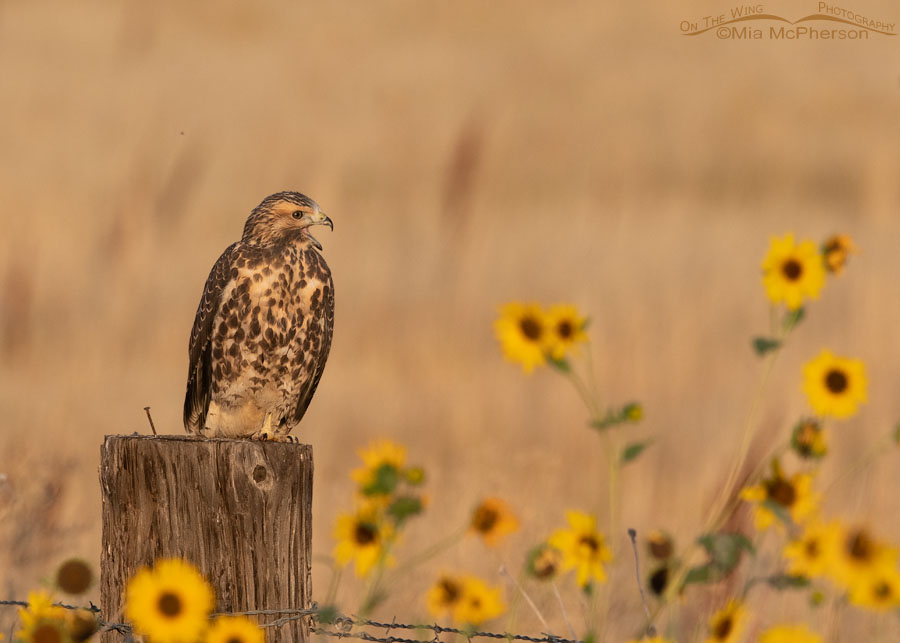
Two days ago I was able to photograph an immature Swainson's Hawk in golden light perched on a fence post that was surrounded by bright yellow common sunflowers. Yes, I was blissed out.
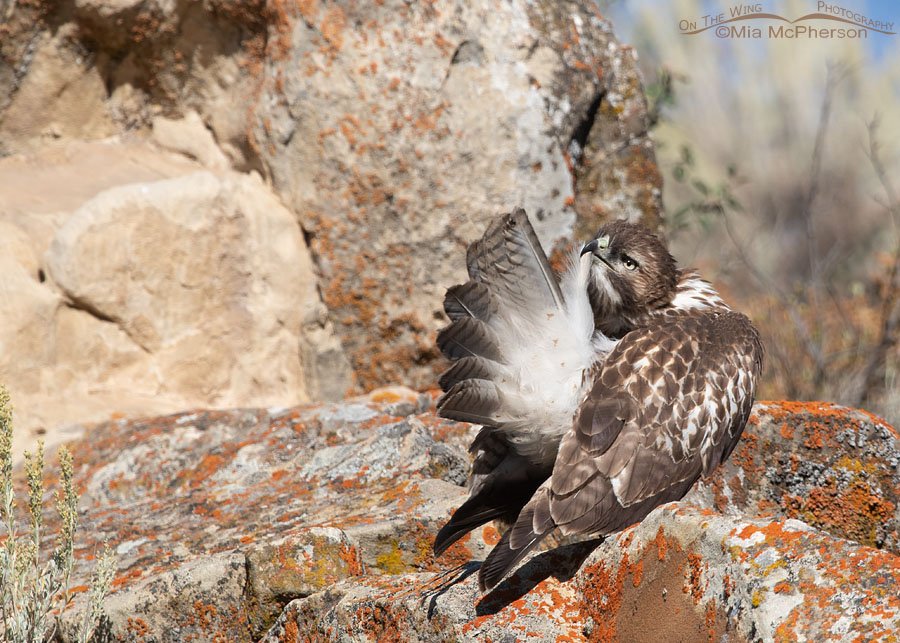
I spent 26 minutes yesterday photographing juvenile Red-tailed Hawk siblings and had a blast watching them preen, lift off, flying, scratching, resting and landing.

This immature Northern Flicker was one of the last birds I spotted and photographed three days ago while up in the Wasatch Mountains and I was happy that she stayed long enough for me to take a nice series of images of her.
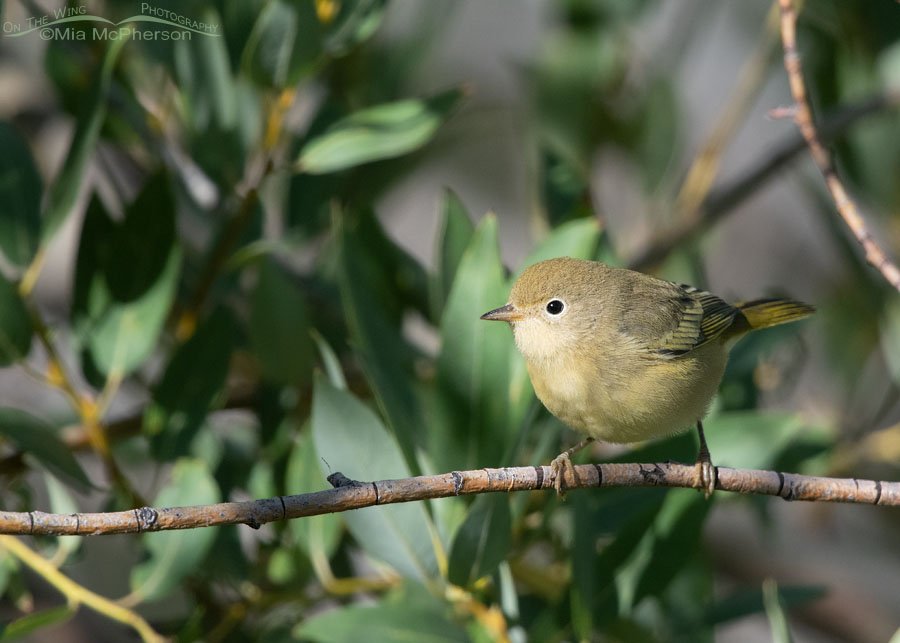
When this hatch year Yellow Warbler popped out into an open area of a willow thicket in a beam of sunlight I was happy to take its photo.

I was in the high Uinta Mountains near Washington Lake when I spotted this young Dark-eyed Junco and I was able to take a few images of it before it flew away.
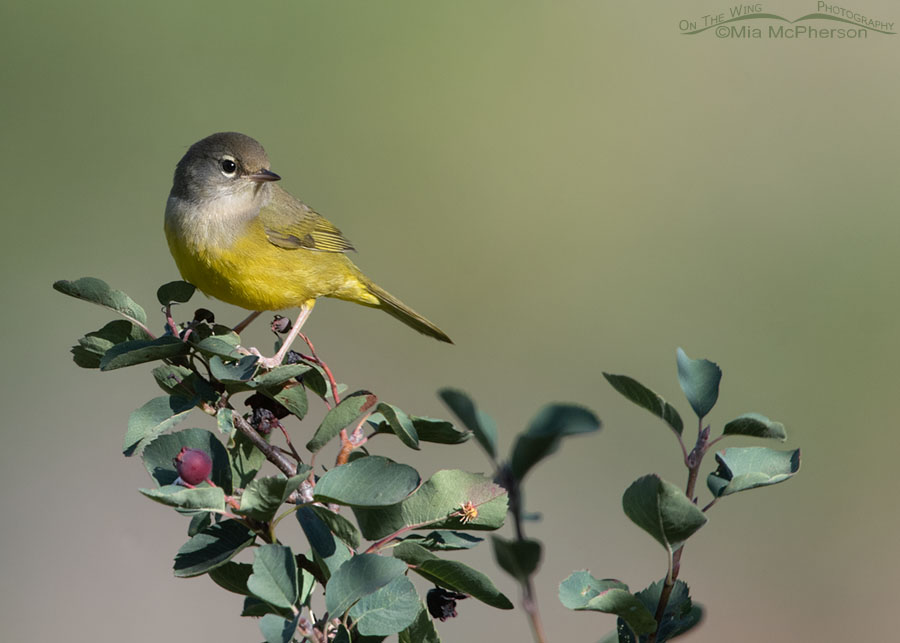
As a bird photographer I'm feeling a sense of urgency now that I didn't feel a few weeks ago because as I watch the migrants in the Wasatch Mountains getting ready for their long journeys I know that my time for photographing them this year is quickly running out.

I was delighted to photograph the few immature Black-billed Magpies that were close to me and to observe those who were further away foraging and chasing each other around in a field dotted with wildflowers, grasses and sage.

I was glad to have so many immature Song Sparrows in my viewfinder that were out in the open on the ground and perched up higher.

I was able to get back out into the field yesterday and I had a marvelous time photographing young Spotted Sandpiper chicks and learning more about their behaviors near a creek in the Wasatch Mountains.

The light wasn't great when I took this image of a juvenile Song Sparrow perched in a thicket last year but these little ones don't seem to spend a lot of time in the open right after they fledge so I was happy with the photo.

This was the first immature Green-tailed Towhee I have seen this breeding season and I am hoping that it won't be the last one I photograph this year.

I was excited and enchanted by seeing and photographing at least two Spotted Sandpiper chicks yesterday morning near a creek up in the Wasatch Mountains.

I was extremely pleased to find and photograph my first Gray Catbird juvenile of this breeding season yesterday morning high in the Wasatch Mountains as it came into view on a hawthorn tree.

The soft, early morning light was beautiful when I took these juvenile Cliff Swallow images and I am pleased with how the photos came out.

It is always a thrill for me to photograph Say's Phoebes so when I spotted a family group of them yesterday morning in northern Utah I was delighted.
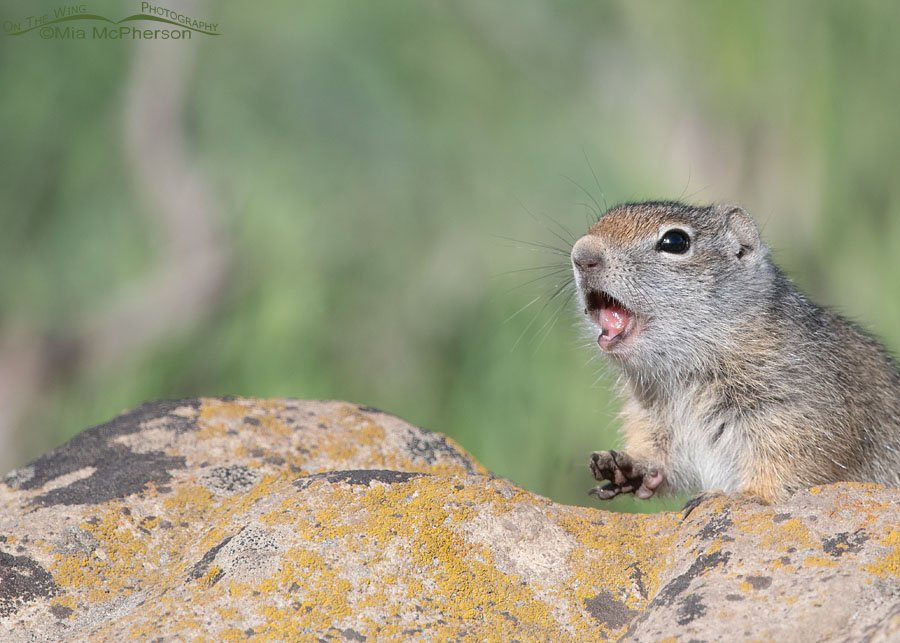
I've been seeing baby Uinta Ground Squirrels and two days ago I was finally able to photograph some of the cute little balls of fur near their burrow.
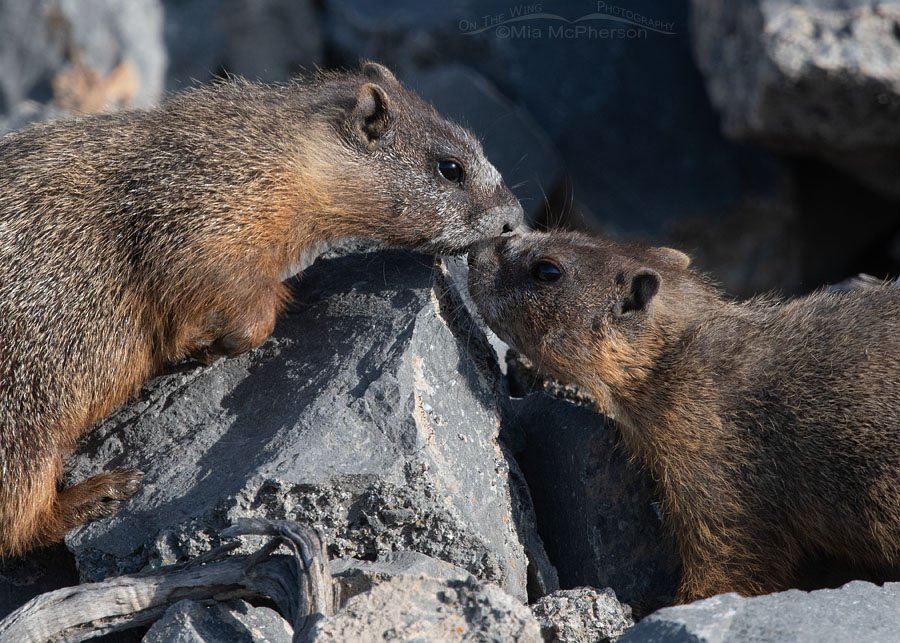
We didn't stay long at the Yellow-bellied Marmot burrow because I wanted to take my mom to the Spiral Jetty and we still had a long, dusty way to go but we enjoyed the time we had with the pups.
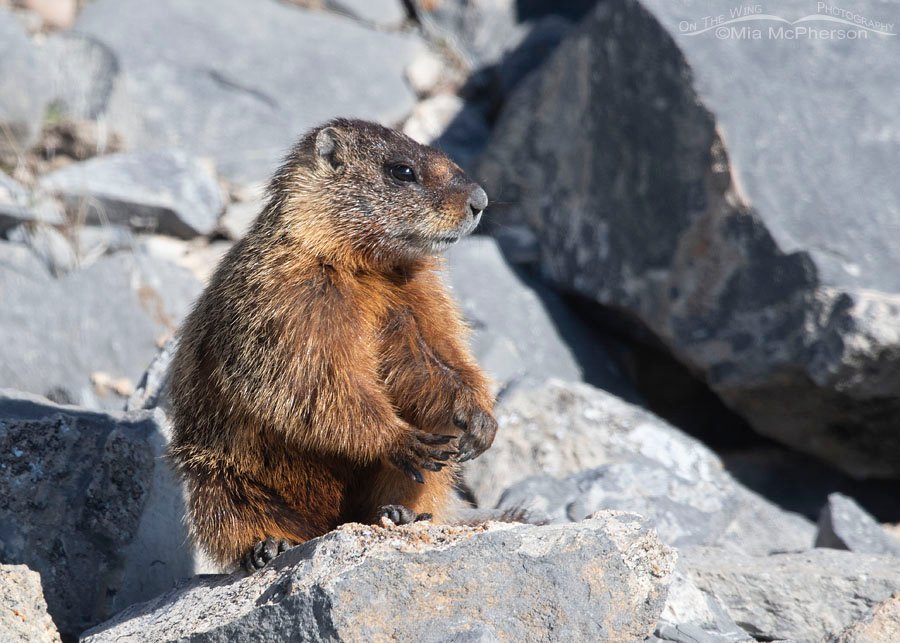
The Yellow-bellied Marmot pup spent most of its time exploring the area around its burrow, climbing up and down the rocks, sitting, standing, scratching its fur, looking around and being a marmot pup in the wild where they belong.
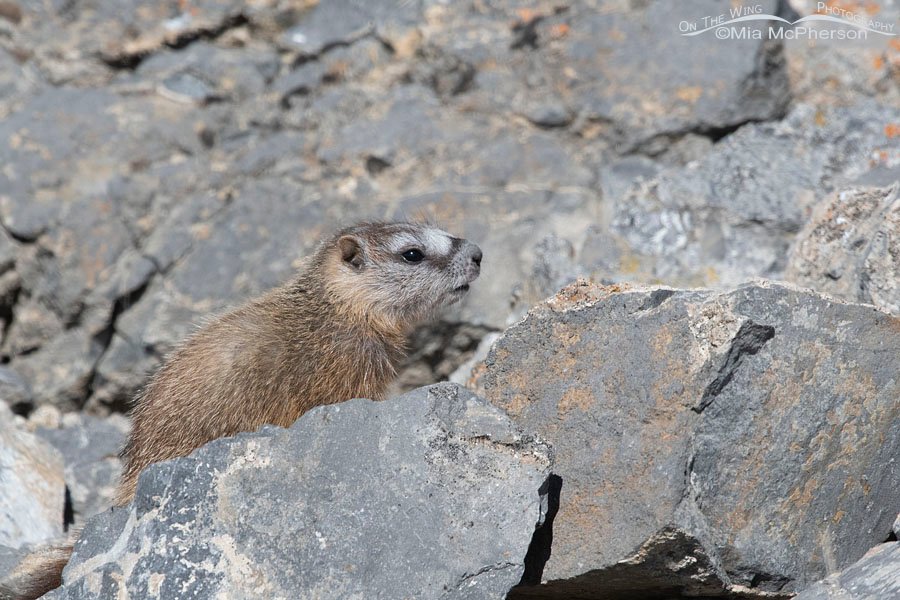
Yellow-bellied Marmots are also called "Whistle Pigs" and "Rock Chucks" so I have to wonder should I call their pups "Whistle Piglets" and "Rock Chucklets" or just call them cute and adorable?

This immature Double-crested Cormorant appears to be molting and probably needs all the rest it can get because of the molt and because winter is hard on these overwintering cormorants.

I am itching to get back out into the field and one of the places I am most excited to get back to is Bear River Migratory Bird Refuge in Box Elder County, Utah because of the Tundra Swans that I know are there.

One of the birds I took images of that afternoon was an immature Double-crested Cormorant that flew past me in that golden light just barely above the surface of the pond.
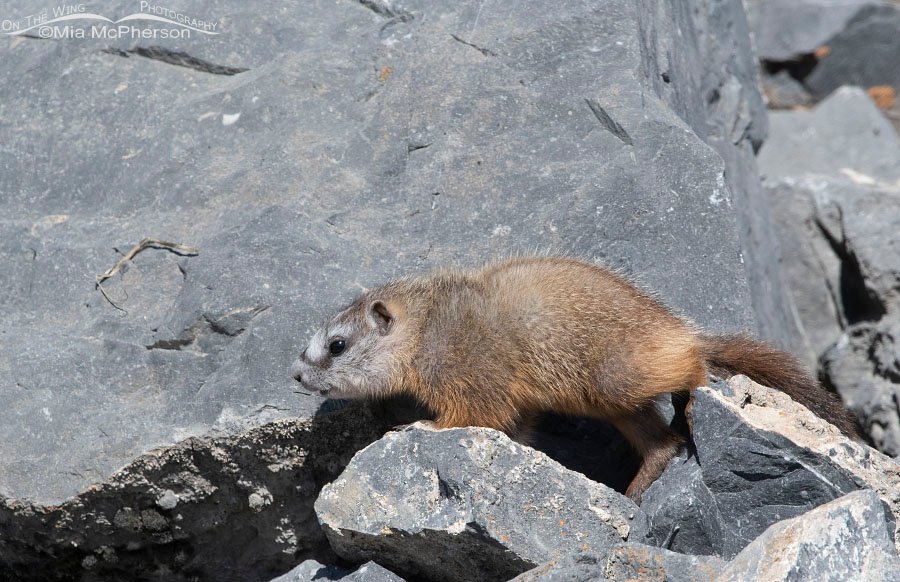
At one of the burrows where I photographed Yellow-bellied Marmot pups in the spring there was one pup of the five that had a paler face than the other four had and I thought that was interesting.

Why did it make me laugh and smile? Because it looks like the Rough-legged Hawk might have been playing peek-a-boo as it looked towards me through its wingtips.