Baby Eastern Bluebird Images From The Day They Fledged
In my post yesterday I mentioned that three of the Eastern Bluebird chicks left their nest box in my friend Steve's yard. Today I am sharing two photos of them.


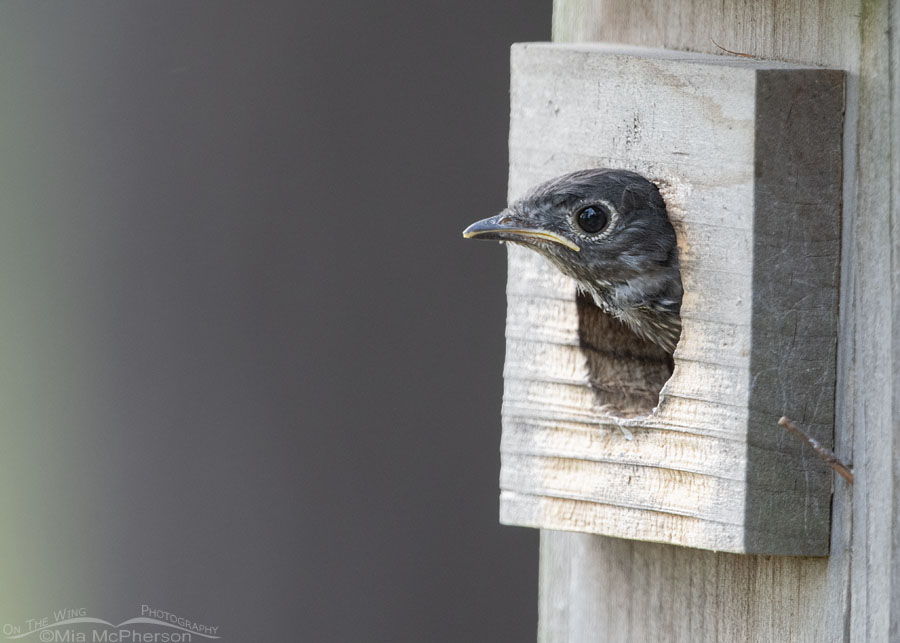
In my post yesterday I mentioned that three of the Eastern Bluebird chicks left their nest box in my friend Steve's yard. Today I am sharing two photos of them.
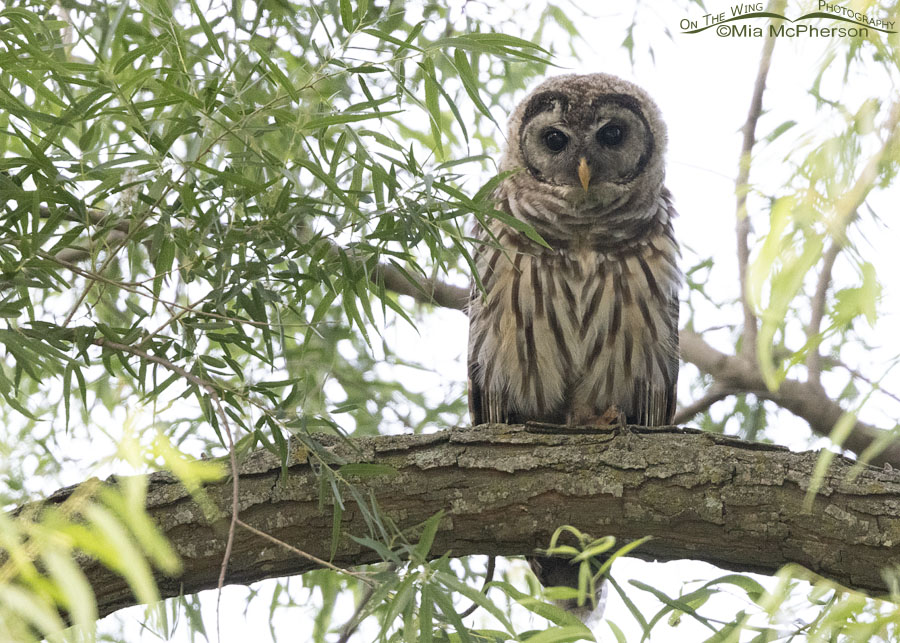
Since spring's arrival, people will be spending time outdoors, and more people will be seeing rats in their yards and gardens. Owls eat rats and other rodents.
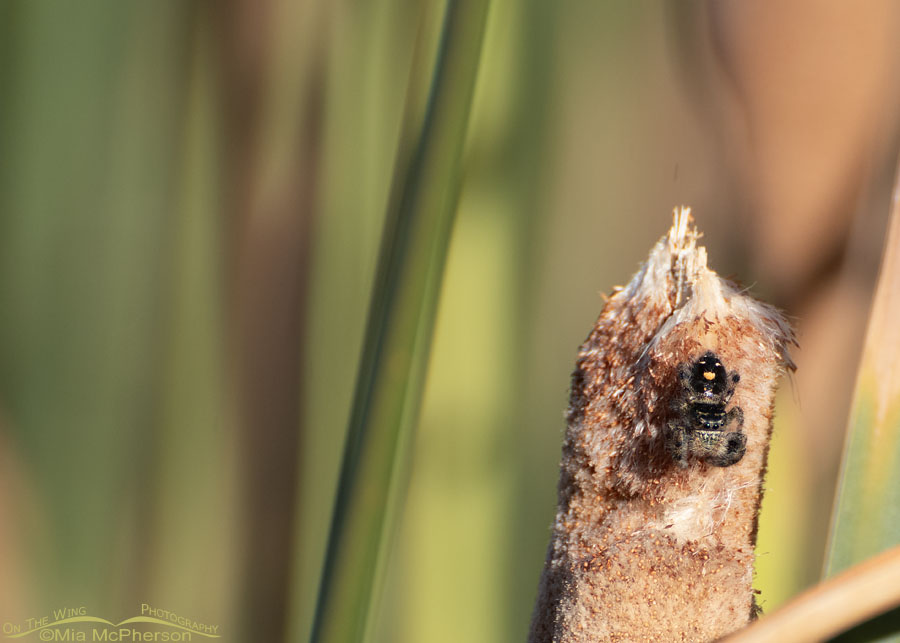
Earlier this week, while I was out walking around my local pond, a small dark dot on a cattail caught my eye. That 'dot' was a Bold Jumper Spider.
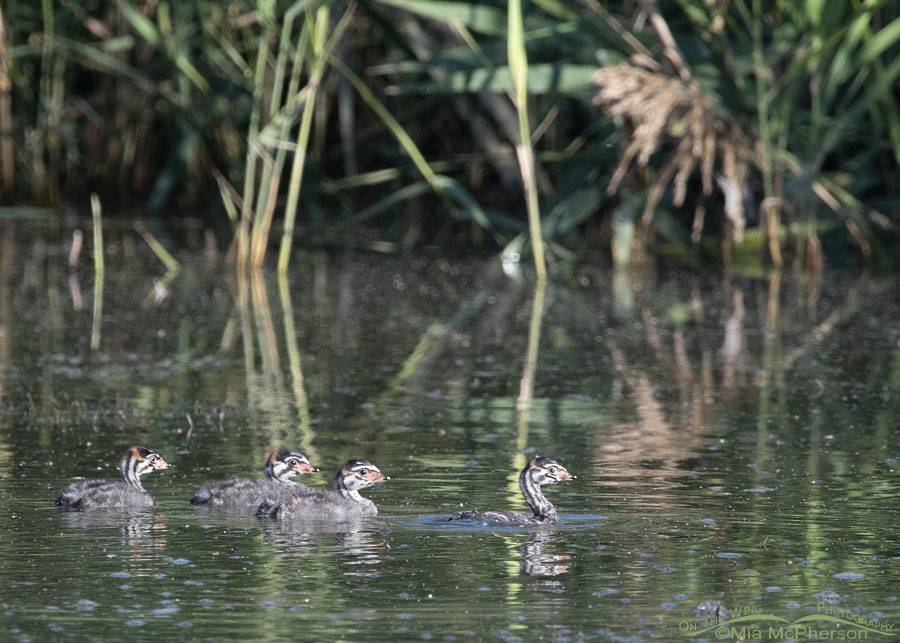
On my most recent trip to Bear River MBR, I had a huge thrill. I found four baby Pied-billed Grebes still in their striped juvenile plumage in the marsh.
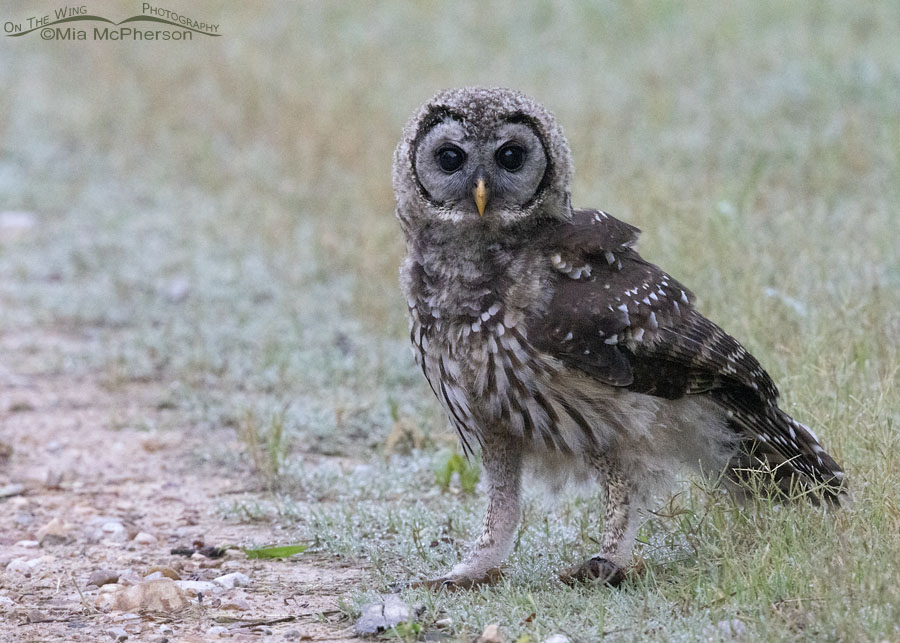
Last night, around 9 p.m., I listened to Barred Owl calls. Before Utah birders get excited, I heard those calls courtesy of my niece, Kristal, from Virginia.
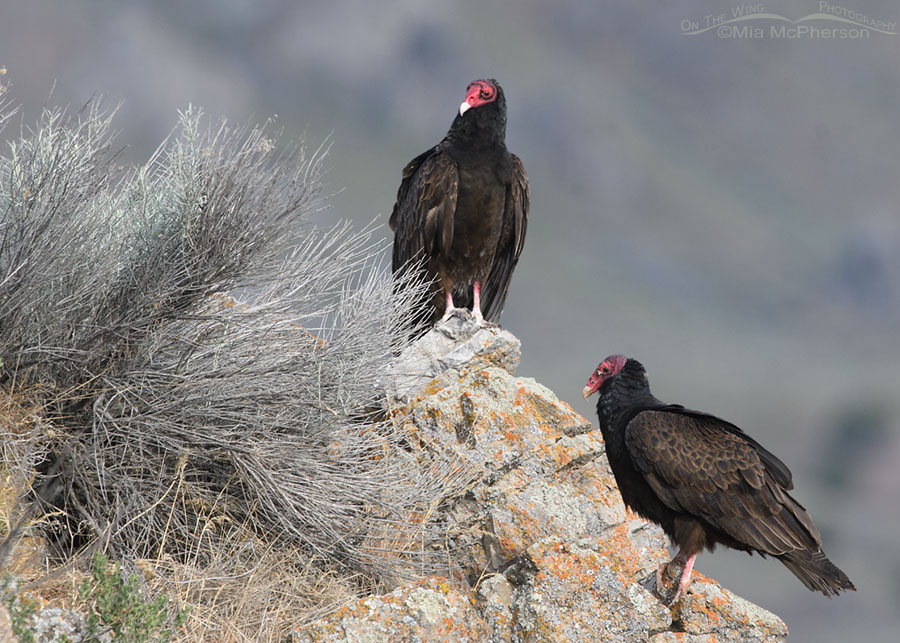
Today is International Vulture Awareness Day 2023. I admit to having a soft spot for vultures because they are often misunderstood, and because I tend to stand up for those who have no voice.
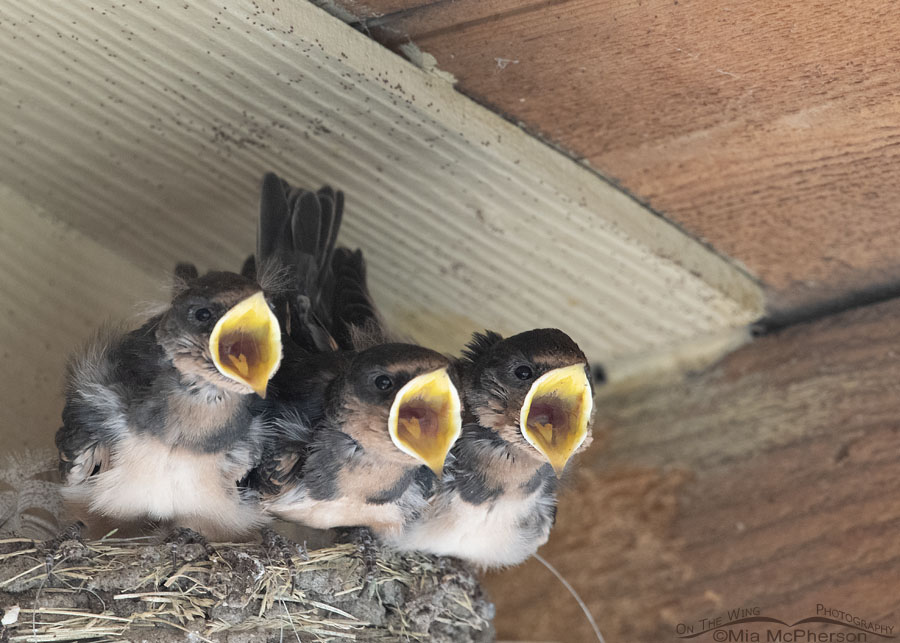
Yesterday, I shared photos of baby American Coots. Today, I am sharing an image of Barn Swallow chicks taken on the same day and location as the young coots.
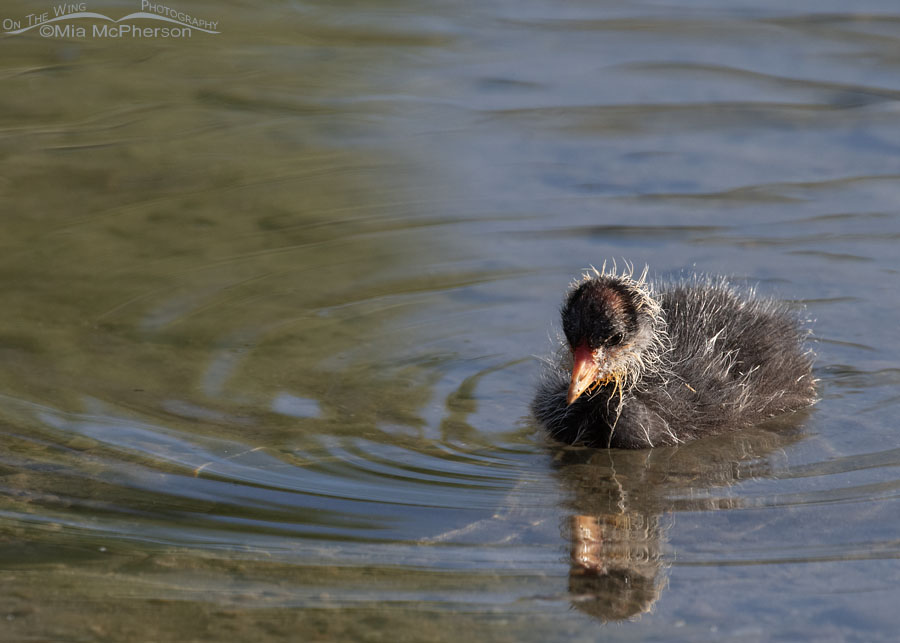
Yesterday morning, I spent some time taking photos of baby American Coots not far from where I live. It does seem late in the summer for coot chicks.
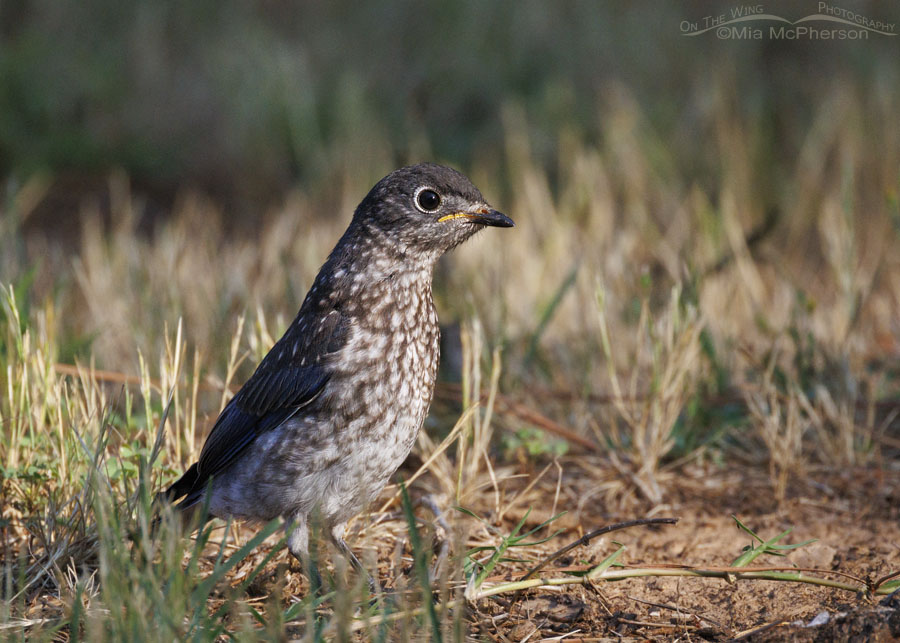
Just a quick post this morning highlighting a young Eastern Bluebird photographed while foraging on the ground in my friend Steve Creek's yard in Arkansas.
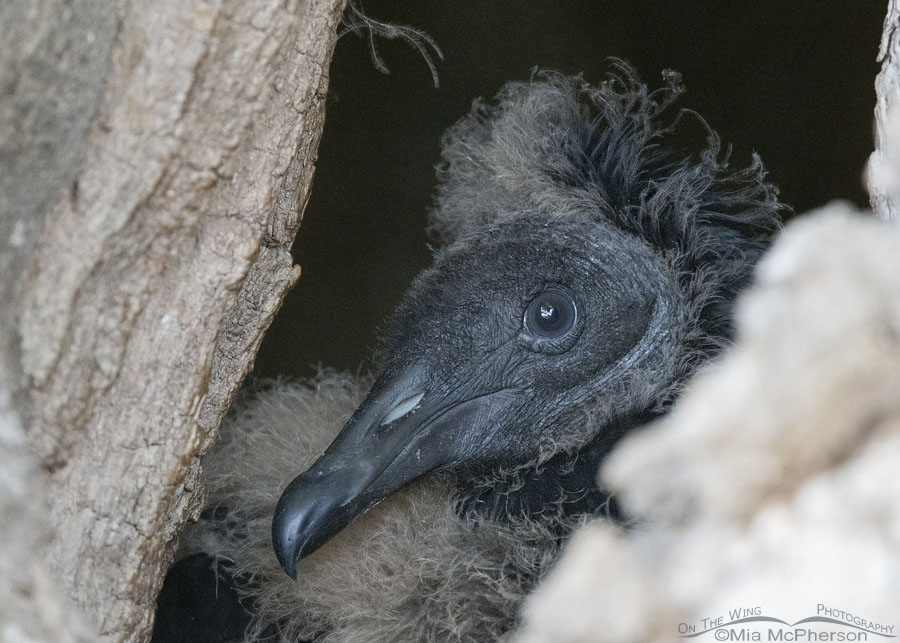
This young Black Vulture in a tree cavity nest made me happy dance yesterday morning at Sequoyah NWR when it was close to the entrance of the nesting cavity.
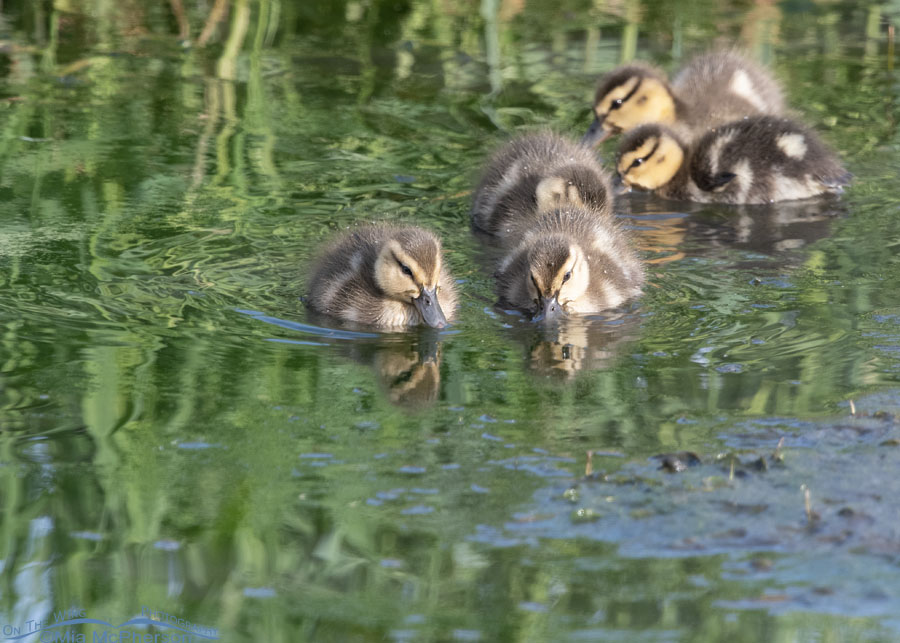
I can't pass up photographing mountain Mallard babies when I find their little fluffy selves on mountain creeks, streams, lakes, or reservoirs.
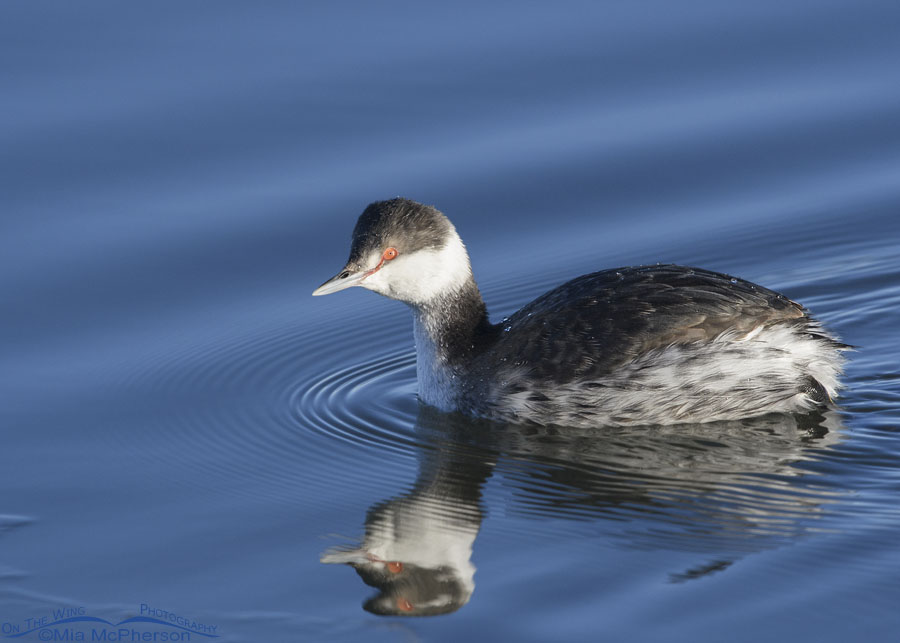
On this last day of the year it is time for my annual 2022 Year in Review post. In some ways 2022 has been great for me and in others not so good.
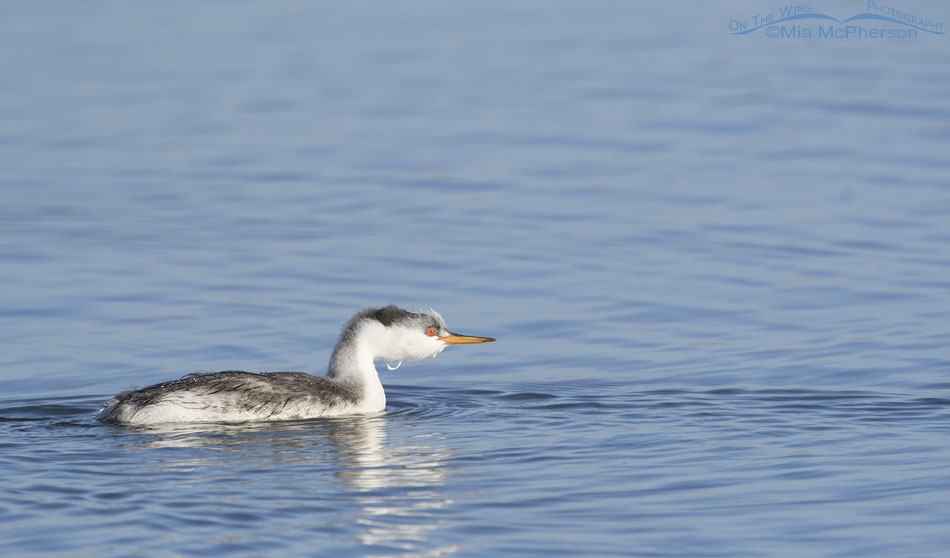
I came across an immature Clark's Grebe on Monday at Bear River Migratory Bird Refuge. I took photos of the grebe because I could see something on its fluffy neck.
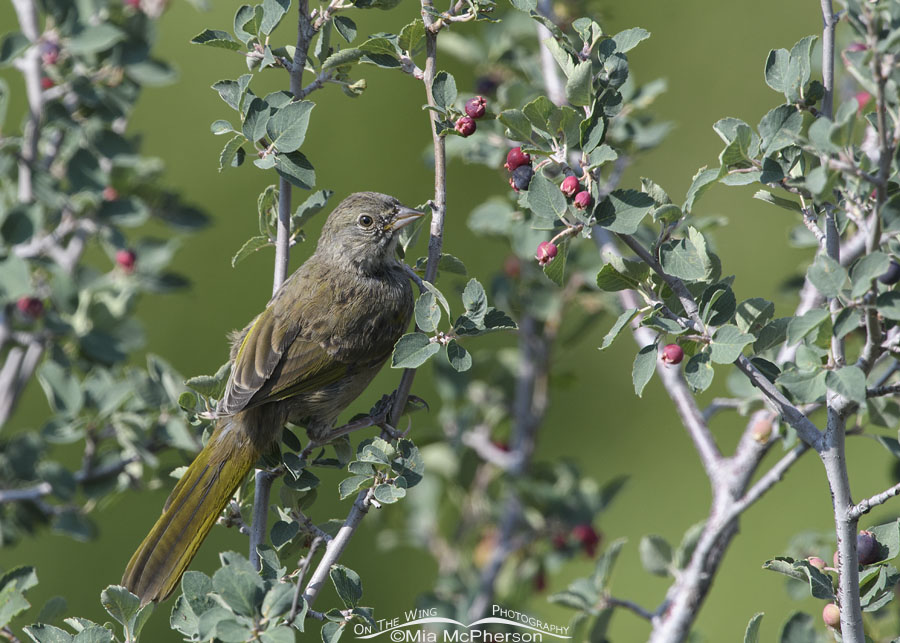
I found this young Green-tailed Towhee perched in a serviceberry high in a mountain canyon on a sunny morning on the last day of July this year.
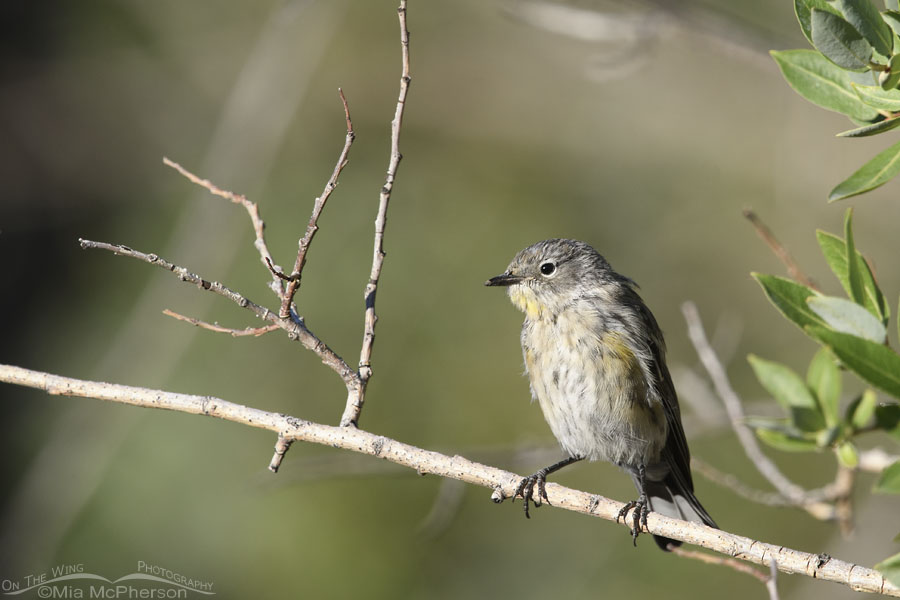
Earlier this week I spent a few moments focused on a scruffy young Yellow-rumped Warbler perched above a creek in the sky island mountains of the West Desert.
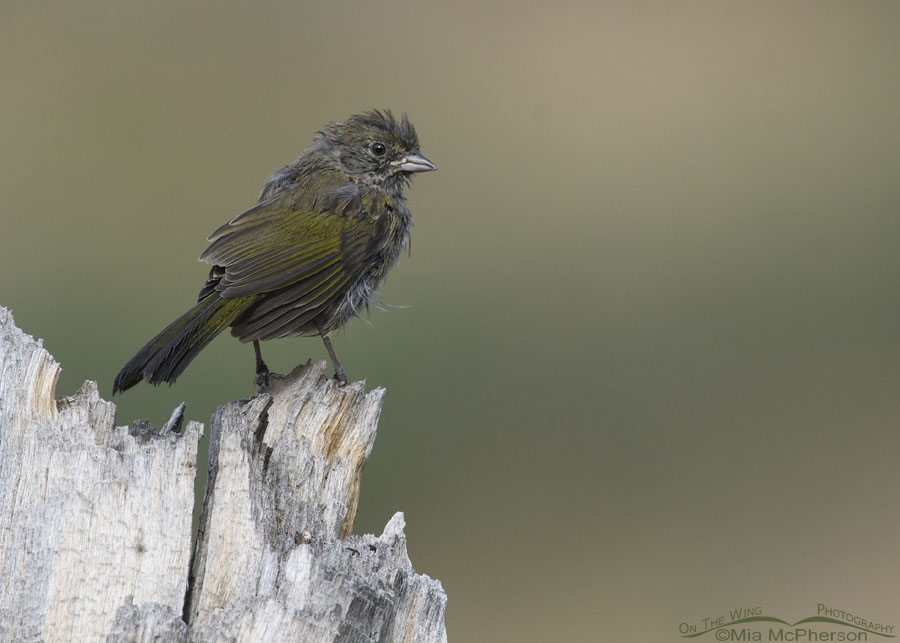
On Sunday I was delighted when this damp young Green-tailed Towhee popped up on an old weathered stump out in the open for a few moments.
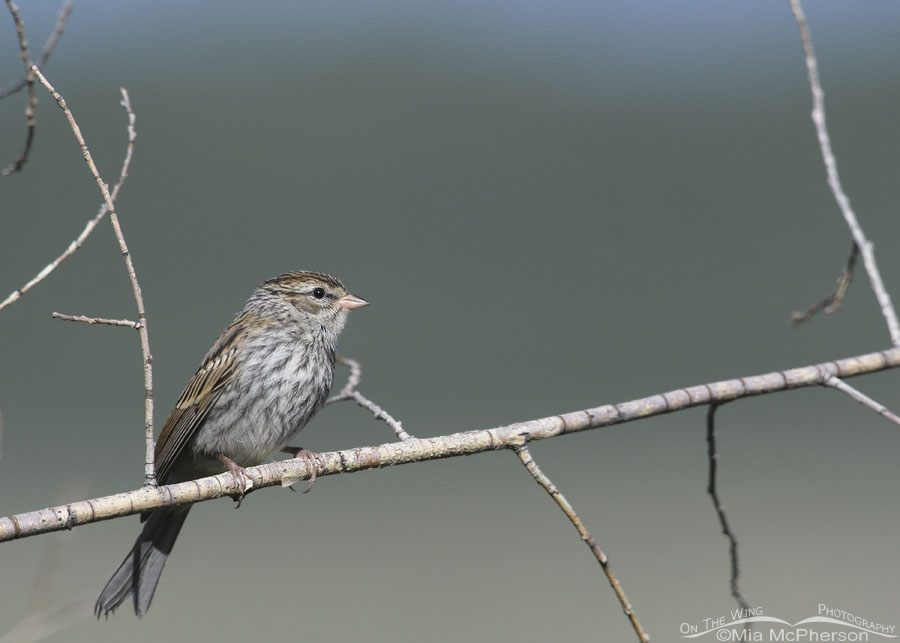
I photographed my first of season immature Chipping Sparrow on my last trip into the mountains as it perched on a thin dead willow branch.
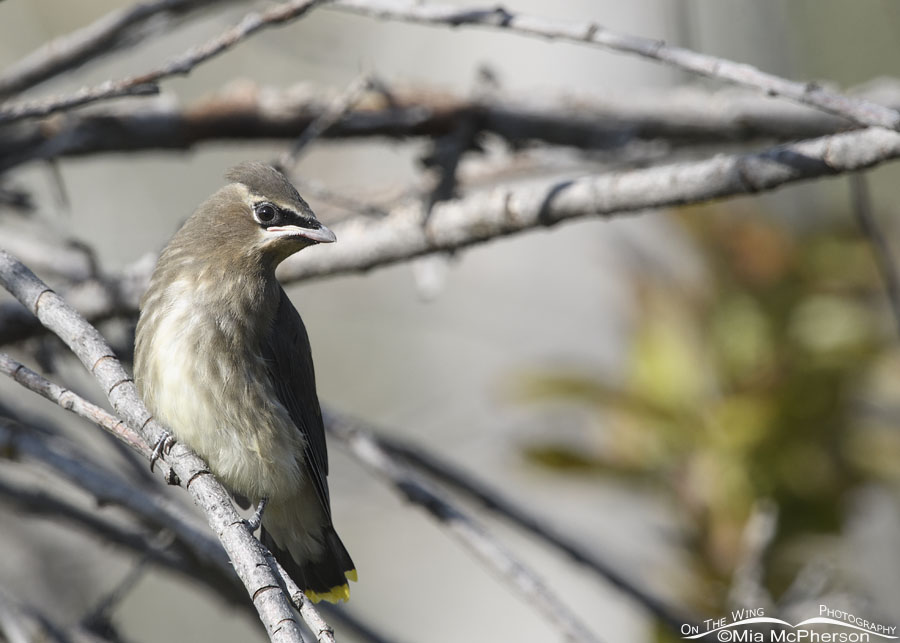
I found this young Cedar Waxwing in the remnants of a small aspen forest two days ago while I watched for other birds to come in to feed on ripe serviceberries.
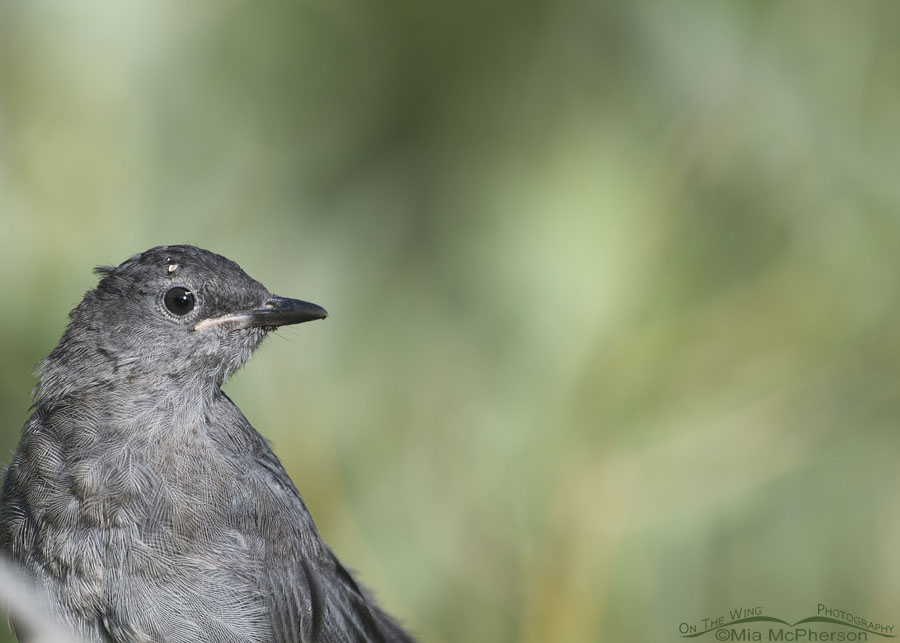
Yesterday morning while photographing a male Yellow Warbler I caught some movement with my peripheral vison and saw a young Gray Catbird very close to me.
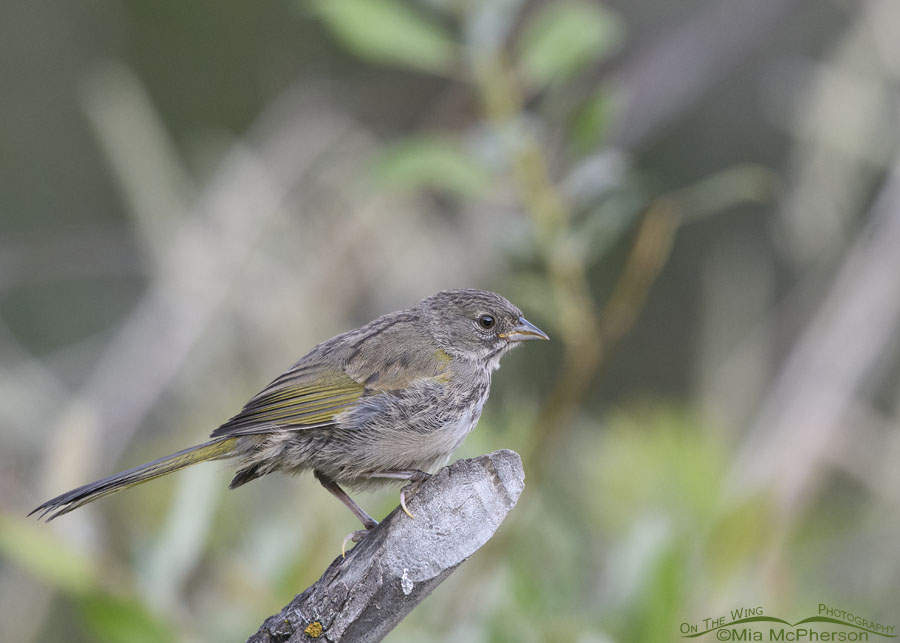
Three mornings ago before the sun rose high enough to light up a willow thicket a young Green-tailed Towhee perched on a branch directly in front of me.
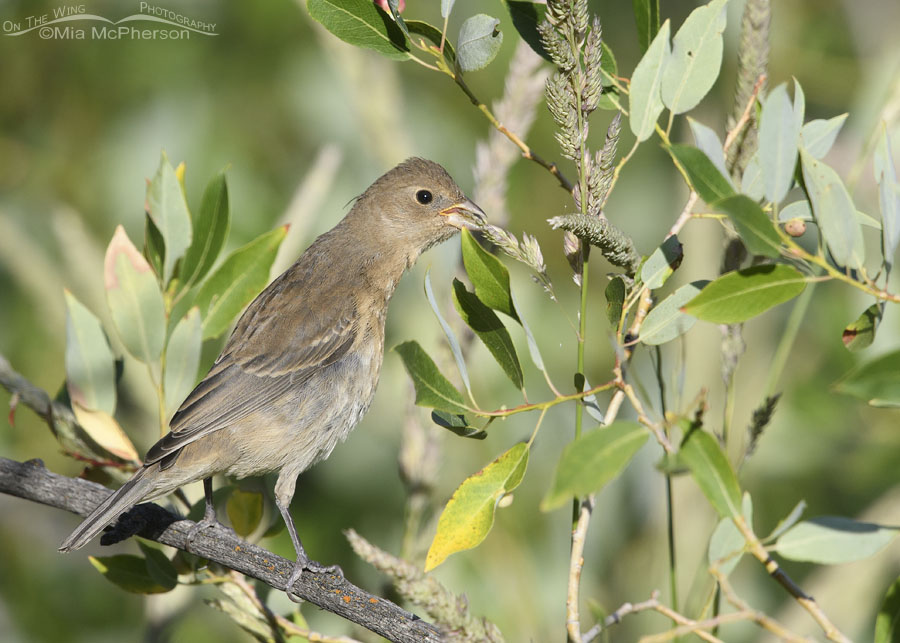
Yesterday I had fun taking juvenile Lazuli Bunting images as several of these young birds rested and moved around eating grass seeds for breakfast.
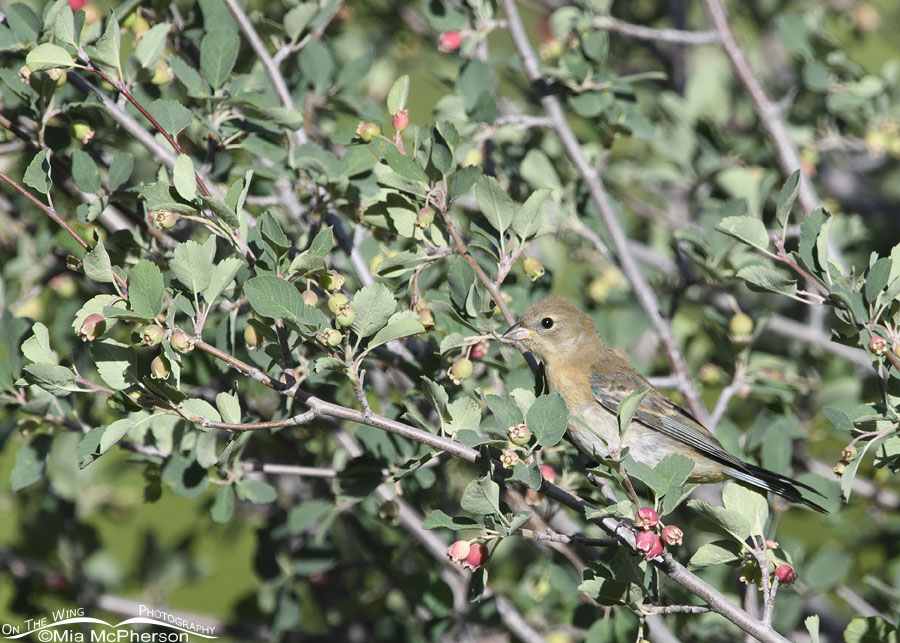
I escaped into the coolness of the Wasatch Mountains yesterday morning for a few hours. While I was there I photographed this young Lazuli Bunting.
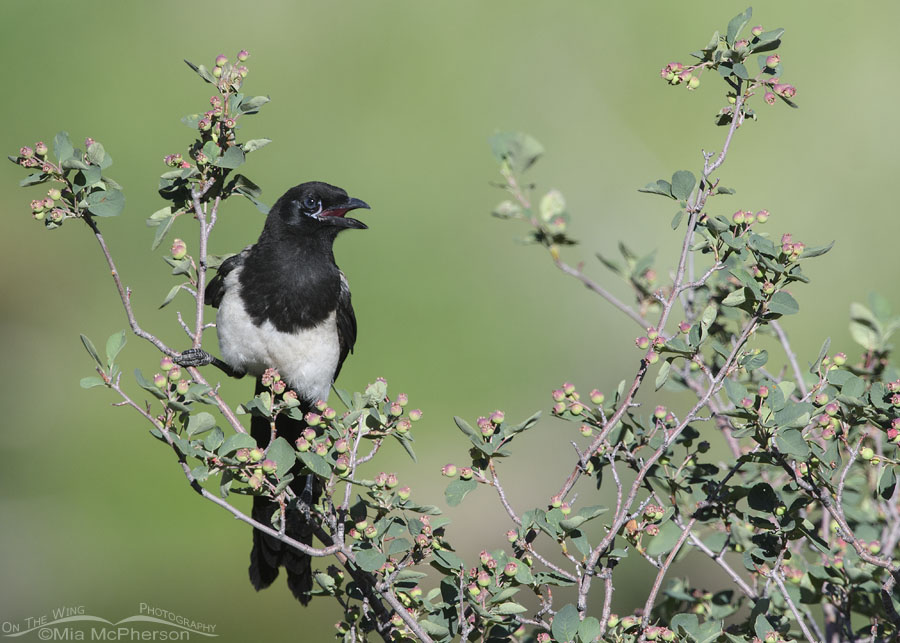
Last Friday I found this Black-billed Magpie perched in a serviceberry shrub high in the mountains and stopped to take photos of the young bird.
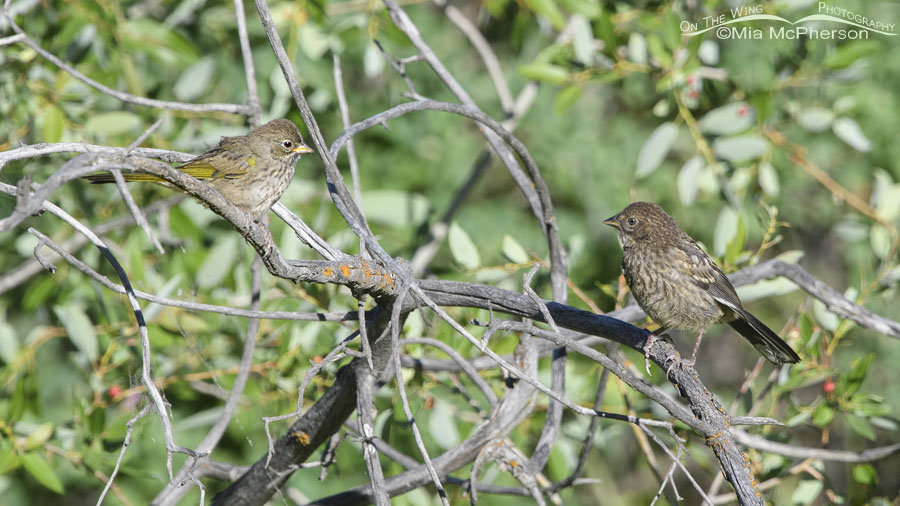
Until two days ago I had never gotten photos of a juvenile Green-tailed and young Spotted Towhee in the same frame so I was thrilled when I saw them fly in.
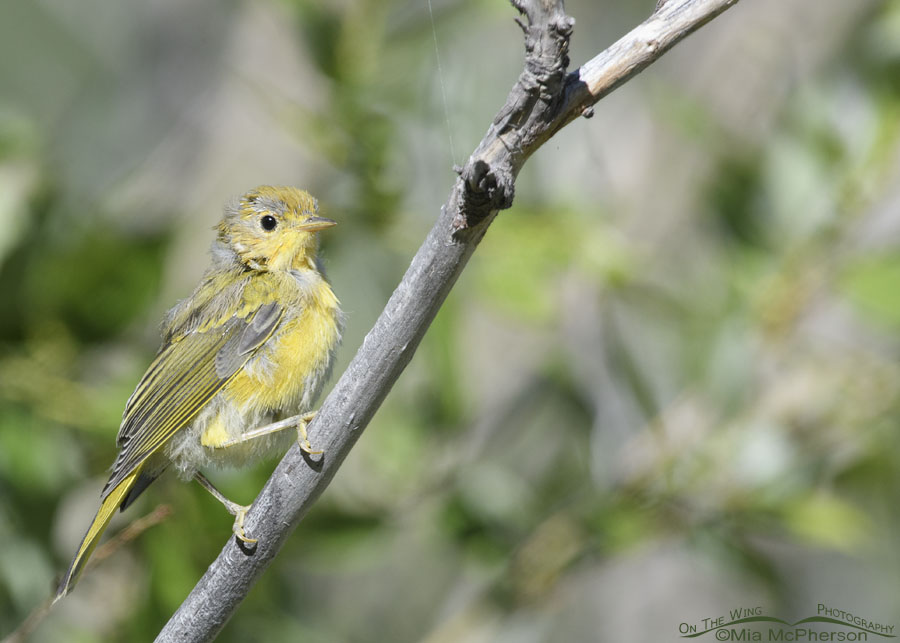
Yesterday morning I photographed a juvenile Yellow Warbler in the patchy mix of yellow and gray feathers that they only sport for a short time after fledging.
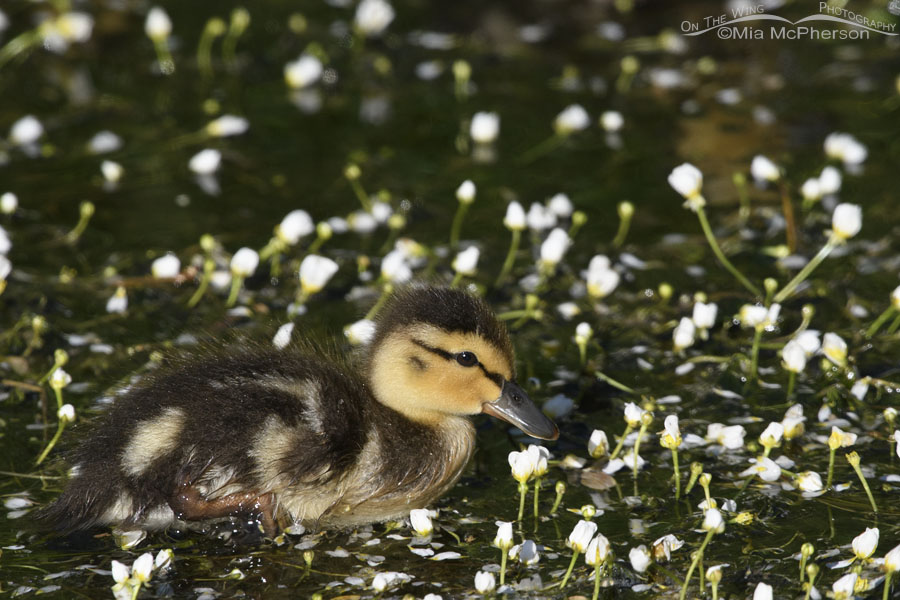
This morning I am sharing photos of Mallard ducklings and blooming White Water Crowfoot taken in a creek high in the Wasatch Mountains.
As I sit here this morning wrapped in a blanket to ward off the morning chill I welcome 2022 and realize that it is time to put the New Year into focus.
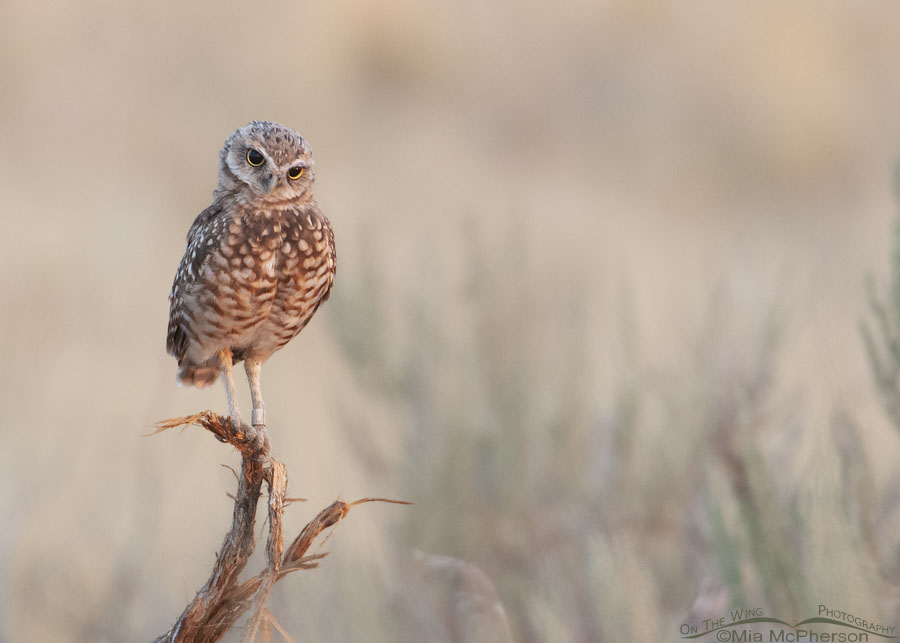
It was announced yesterday that the Burrowing Owl is the 2022 ABA Bird of the Year! Burrowing Owls are small, long-legged, sandy-colored, charismatic owls with bright yellow eyes.
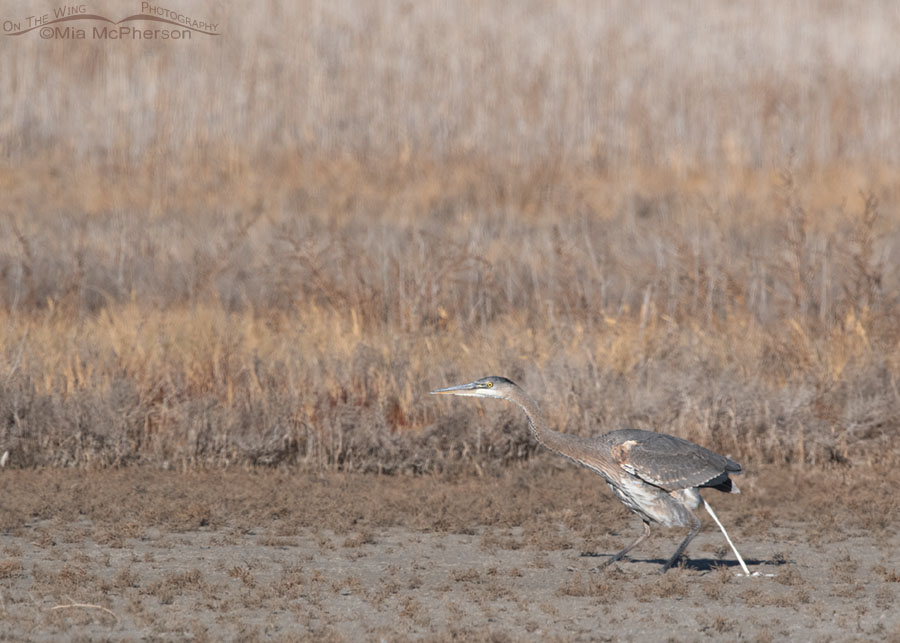
I selected this hatch year Great Blue Heron photo to share today because it showed the young bird taking a crap on the flats of Bear River Migratory Bird Refuge.
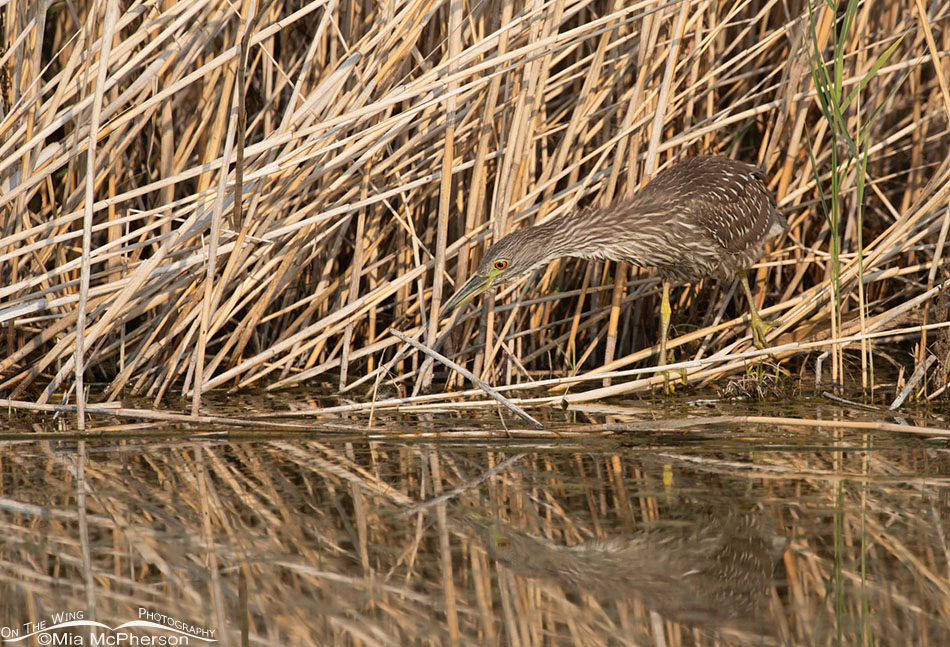
Nearly hidden in the marsh vegetation was an immature Black-crowned Night Heron perched on some phrags at the edge of the water.