Northern Harrier Wingtip Repair
There are times when I think an image might be worth a little extra work in post processing and this young male Northern Harrier image seemed worth the effort to repair a clipped wingtip.



There are times when I think an image might be worth a little extra work in post processing and this young male Northern Harrier image seemed worth the effort to repair a clipped wingtip.

As a bird photographer I often strive for images where the subjects are out in the open, without distractions in the fore or background, but as with any photographic "rule", they are made to be broken.
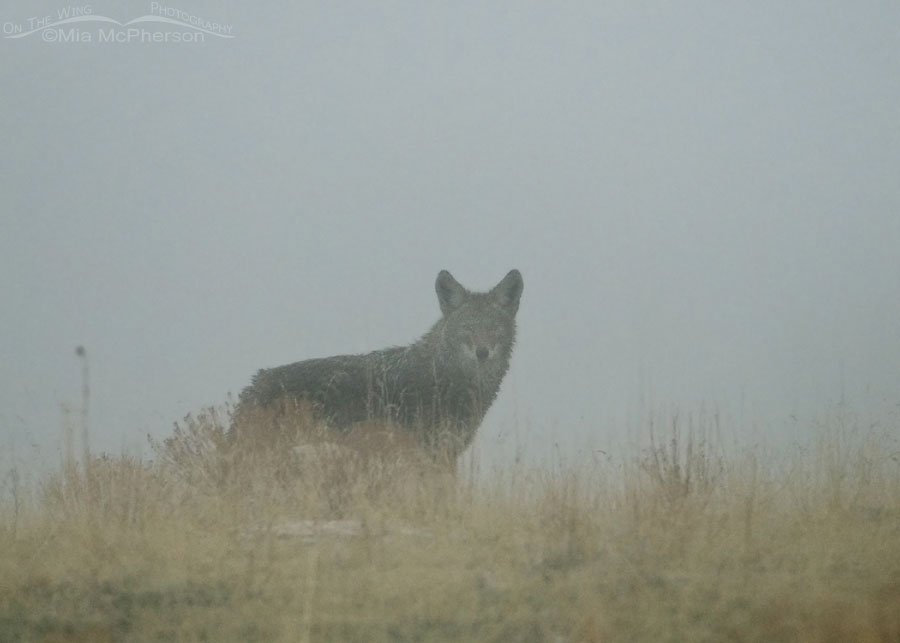
This Coyote standing on a hillside in the dense fog in particular looked more ghostly to me than the others I found.

Male Lazuli Buntings resemble bluebirds but they are smaller and the blues are a different hue than the Mountain, Eastern and Western Bluebirds.

Eared Grebes are the most abundant grebe in North America, there are times I see huge flocks of them on the Great Salt Lake numbering in the tens of thousands.

This blur was not intentional, but I do like the effect caused by the head of the Burrowing Owl spinning. Makes me dizzy just viewing the photo!

Not too long after I had gotten to my location I spotted a Western Meadowlark hunkered down on a rock trying to warm up with the rays of the rising sun.

What I like about this image is the pose of the Song Sparrow (Melospiza melodia), the warm tones of the background, the detail and colors

White-crowned Sparrows are one of the many birds that I see often during the cold winters of northern Utah.

Sometimes life gets so busy that it takes me quite awhile to edit some of the images I take, this Song Sparrow photo is one of those.
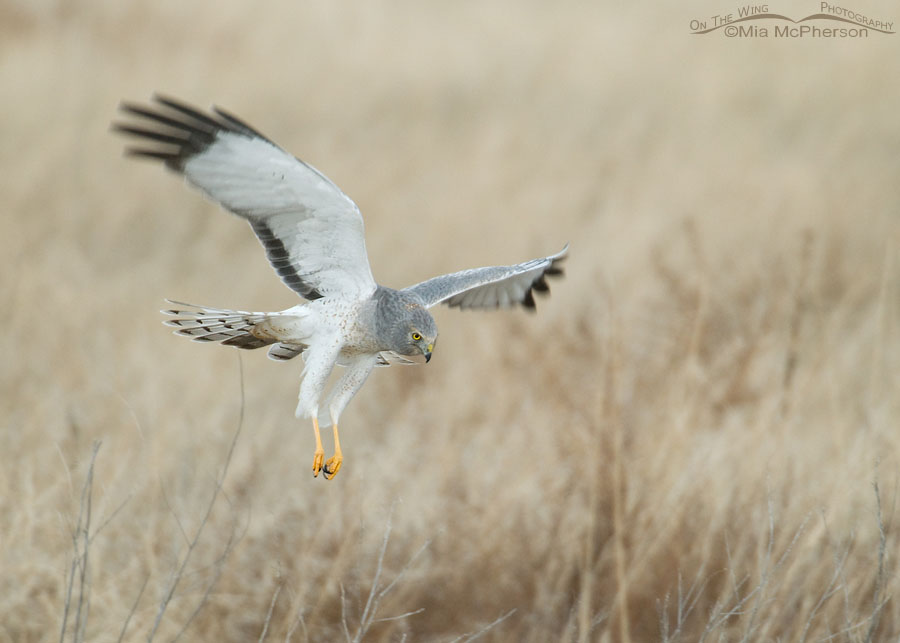
I will have more opportunities with northern harriers in better light this winter and while I wouldn't consider this image perfect, I am happy with the results I obtained while photographing this "Gray Ghost".

I felt it was time to put the beauty of the adult Burrowing Owls in the limelight.

If I had not been paying attention to the first magpie's activity and behavior I would have missed the opportunity to photograph these birds and their nesting habits over the next several weeks.
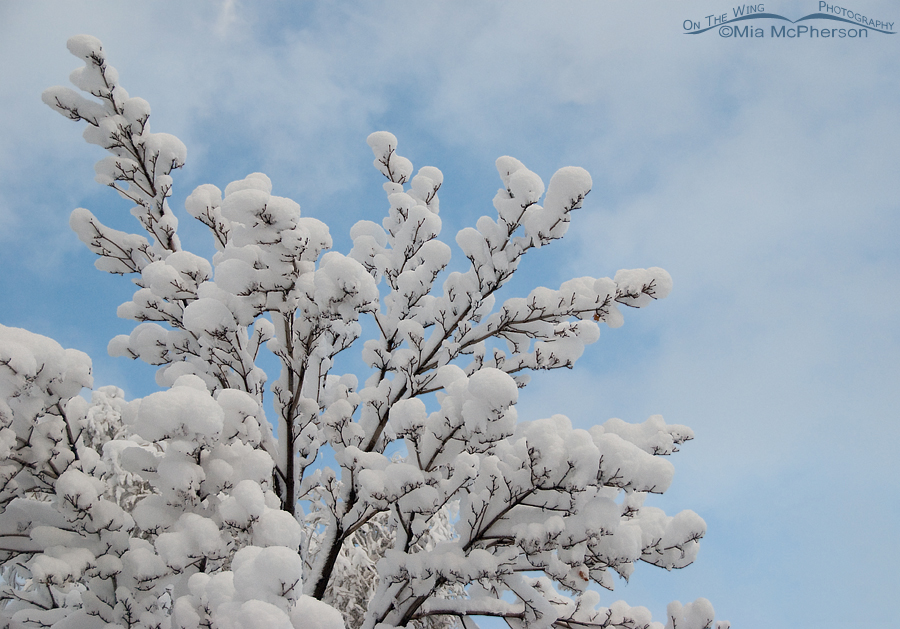
I knew that when I woke up this morning there was a very good chance the ground would be covered with snow.
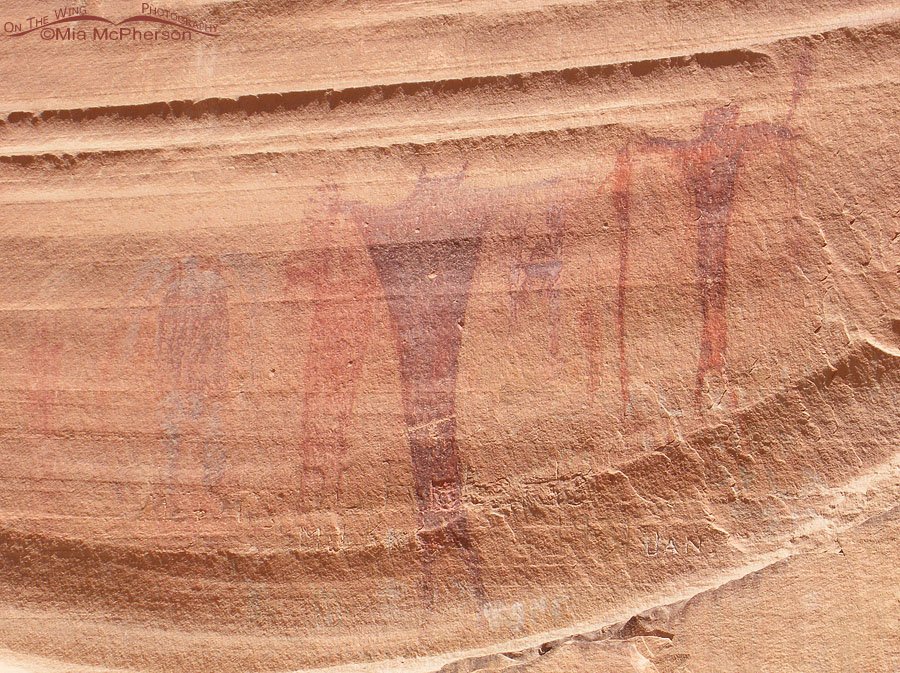
The Fremont and Barrier Canyon cultures created this rock art on the face of the rock wall at Buckhorn Wash in the San Rafael Swell area of Utah
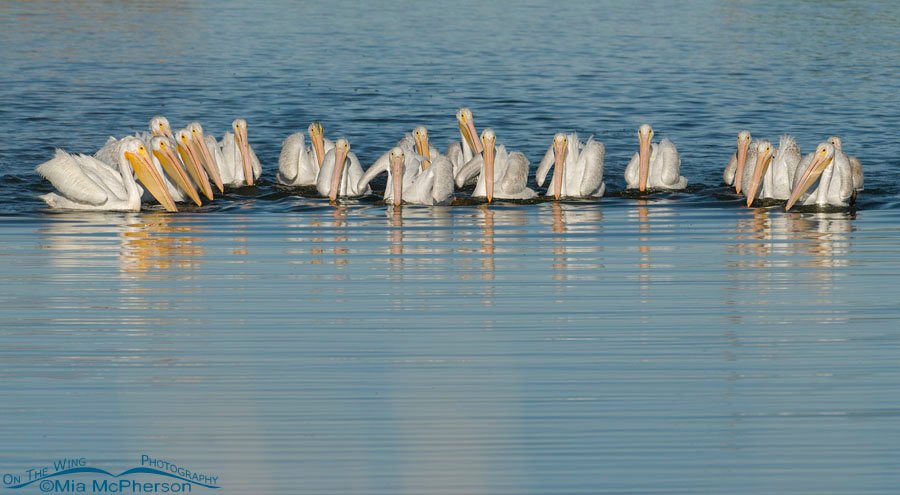
This image cracks me up as it reminds me of how in elementary school we would all have to line up for the class picture.

Near the camp site one afternoon I could hear tiny peeping sounds in the pines and I went to investigate, the sweet calls were coming from these juvenile Flycatchers.

Late last spring I had a wonderful opportunity to photograph young Red Fox kits at Bear River National Wildlife Refuge in northern Utah.

One photographer might have better vision and be able to spot birds that the other person may not have seen. Four eyes are better than two.
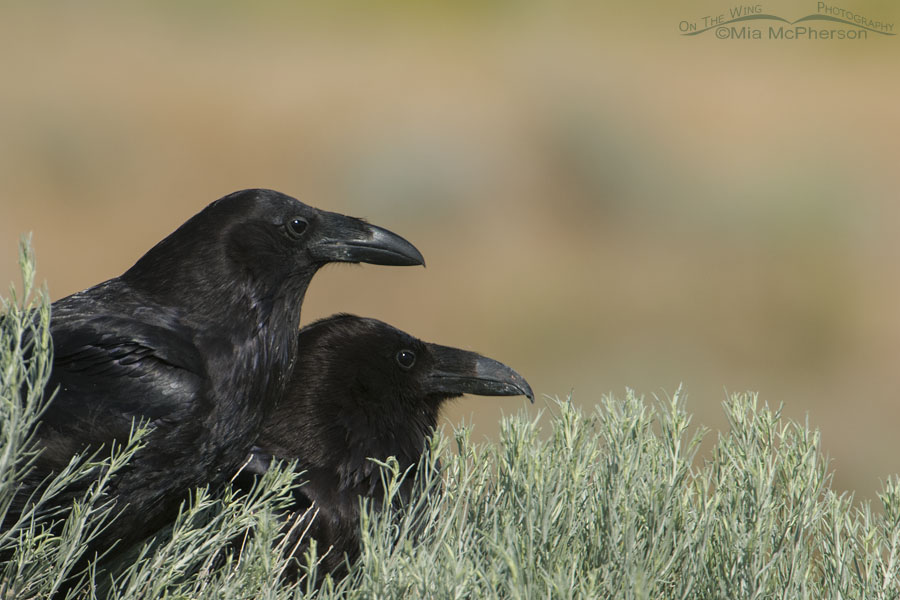
For a long time I have wanted images of Common Ravens, they are intelligent birds, and a challenge to photograph.

Great Blue Herons are North America's largest heron and one of the three largest herons in the world.

I get very excited about small things at times, a colorful sunrise, the sight of a shooting star, the first spring crocus and in the fall; the first time I see frost.
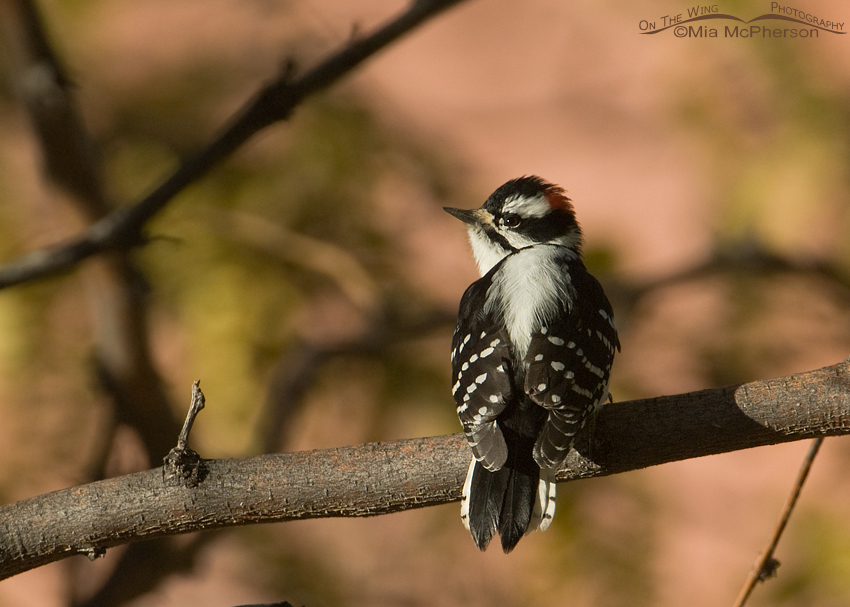
The geological features of Capitol Reef National Park are amazing. About 75 miles of the 100 mile long monocline known as the Waterpocket Fold are within the park's boundaries extending from Lake Powell north to the Thousand Lake Plateau.
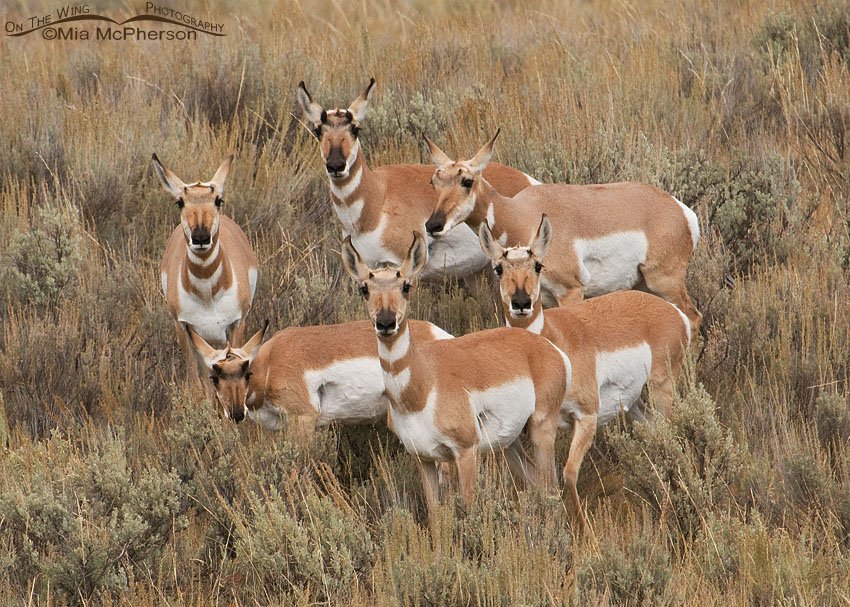
Pronghorns are North America's fastest mammal, they can attain speeds of more than 40 miles per hour, with spurts to 70 mph and can out run almost all of their predators.

Birds were scarce, the water level in the ponds was low so there were only a few shorebirds. On the way out of the refuge though we stopped to photograph some American White Pelicans and a few Double-crested Cormorants.

Two Grebe species that are often misidentified are the Clark's and Western Grebes.
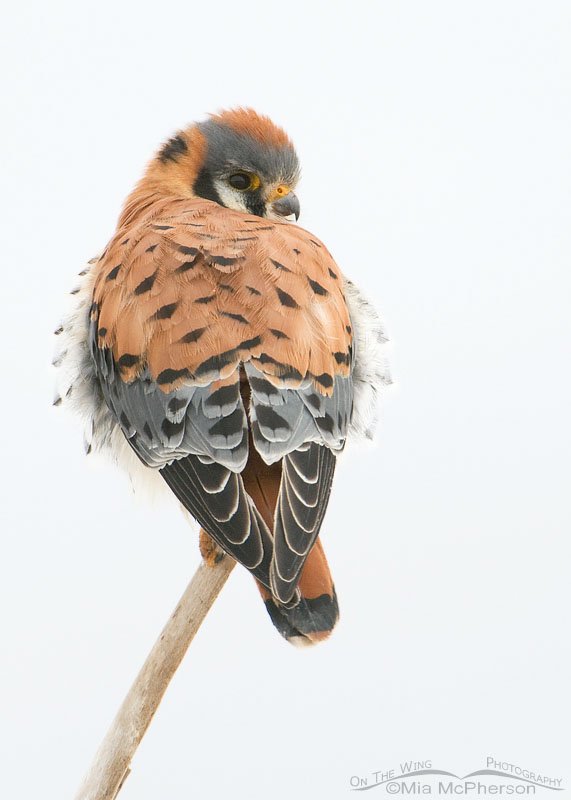
What I appreciate a great deal about my avian photography is working with the light, not fighting it in the camera or in post processing, so I am presenting these images below as what they are, photos taken in low light.
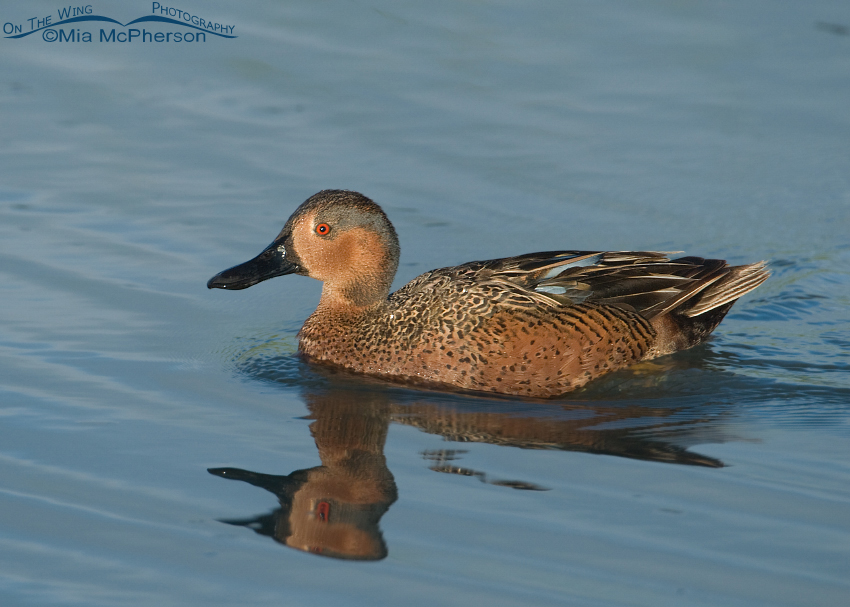
It wasn't until I pulled the image up on my monitor that I saw that this duck was a hybrid, which turned out to be Cinnamon x Blue-winged Teal hybrid.

Sage Thrashers are from the Mimid family. They forage mainly on the ground for insects, though they do eat berries at times.
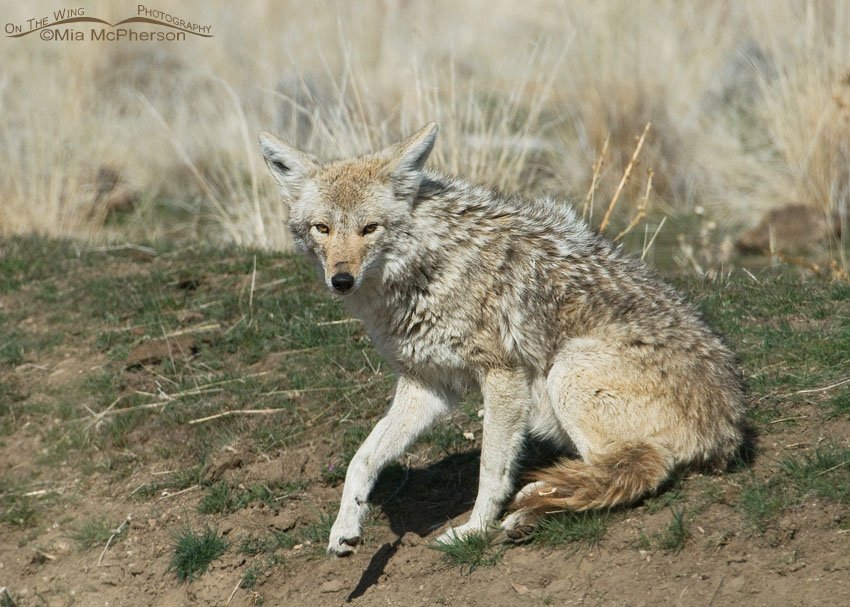
We almost missed this Coyote and had to back up the vehicle to take a few photos. The coyote was laying down on a small hill and at first it barely lifted its head and still appeared to be dozing in the morning sunlight.