Sandwich Tern In Flight With Prey
This image Sandwich Tern was taken at Fort De Soto County Park's north beach several years ago, it was a breezy, very warm day and there were schools of baitfish running just offshore in the Gulf of Mexico.



This image Sandwich Tern was taken at Fort De Soto County Park's north beach several years ago, it was a breezy, very warm day and there were schools of baitfish running just offshore in the Gulf of Mexico.

Just a very simple image today of a Reddish Egret (Egretta rufescens) flying over some sand dunes.

I've had the good fortune to photograph both the eastern and western Willets in breeding plumage, the eastern in Florida and the western in Utah and Montana.

This is an adult White Ibis (Eudocimus albus) that I photographed at Fort De Soto's north beach that was feeding in a tidal lagoon by the mangroves
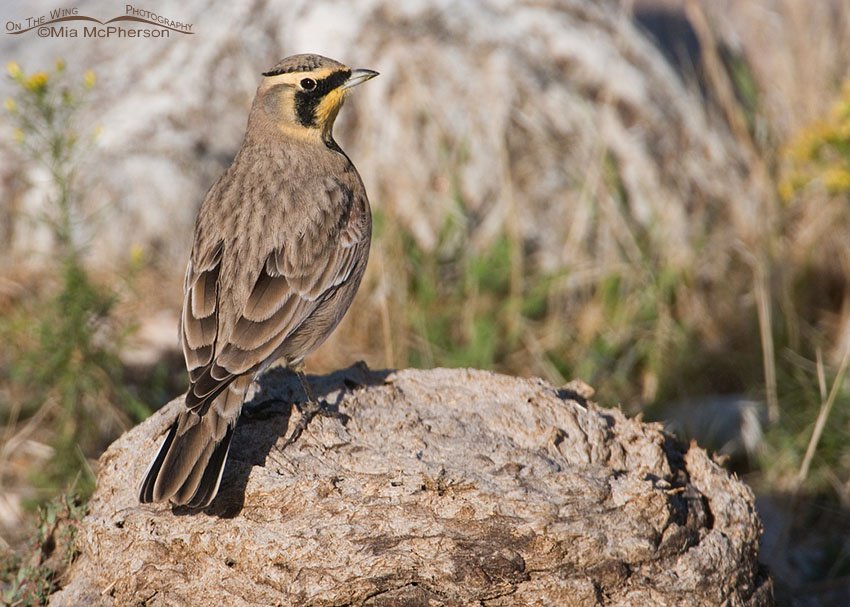
Most of the Horned Larks I photograph are perched on rocks or boulders, this one is perched on a dried pile of Bison poop. Some might think this is a crappy perch and they would be right!

While my mother was visiting Utah she was able to see how California Gulls chase and feed on Brine Flies, it is fascinating feeding behavior. As my mom watched, I photographed.
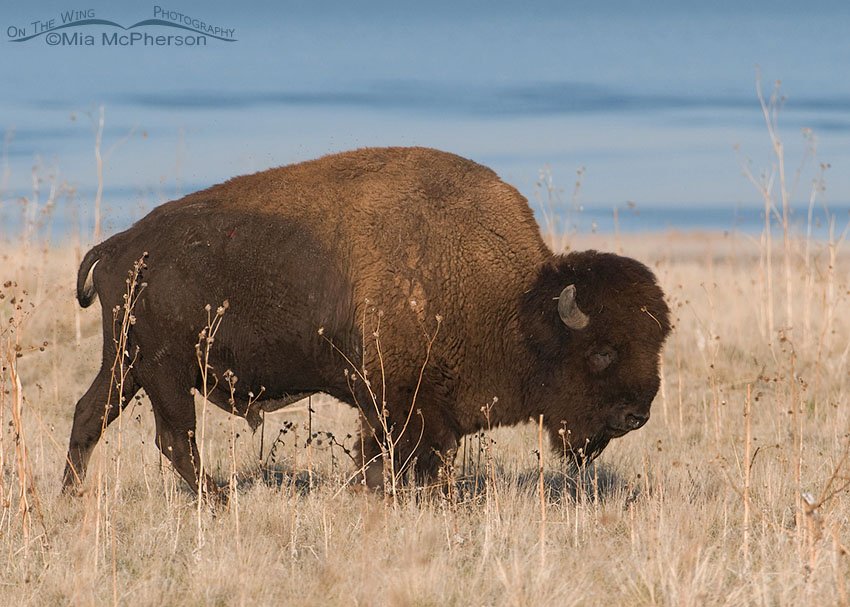
I photographed this Bison bull feeding peacefully yesterday out on Antelope Island State Park with the Great Salt Lake in the background.

Just a simple image of a male Black-necked Stilt taken earlier this year at Bear River National Wildlife Refuge. Very graceful birds.
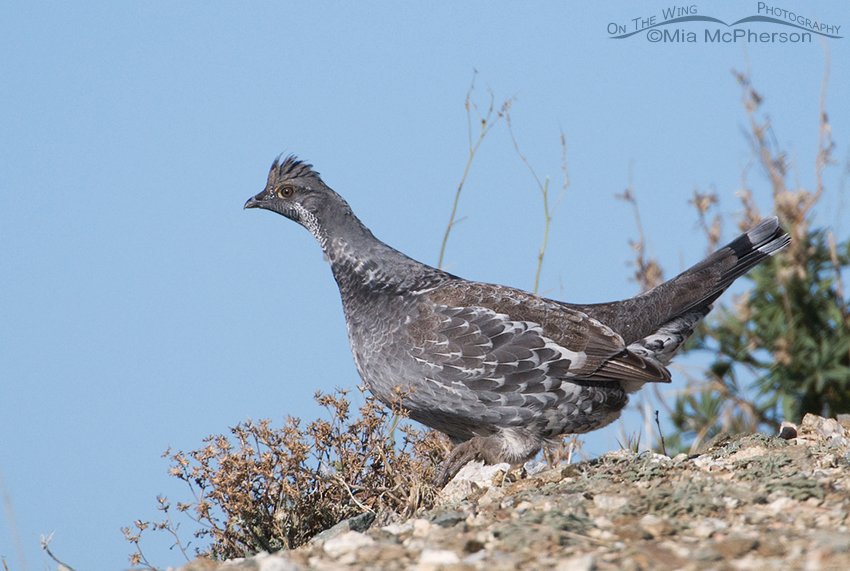
Near the summit of Francis Peak, elevation 9,560 feet, I spotted this Dusky Grouse male on the edge of a gravel road with a steep drop off to the west and I was able to get a few photographs of it before we motioned to a pickup truck coming down from the summit to move forward.

Just a single image of a Marbled Godwit (Limosa fedoa) that strolled past me while I sat in the water photographing it. Every time I look at this image I feel a wonderful sense of peace, the same feeling I had when I took this photo.
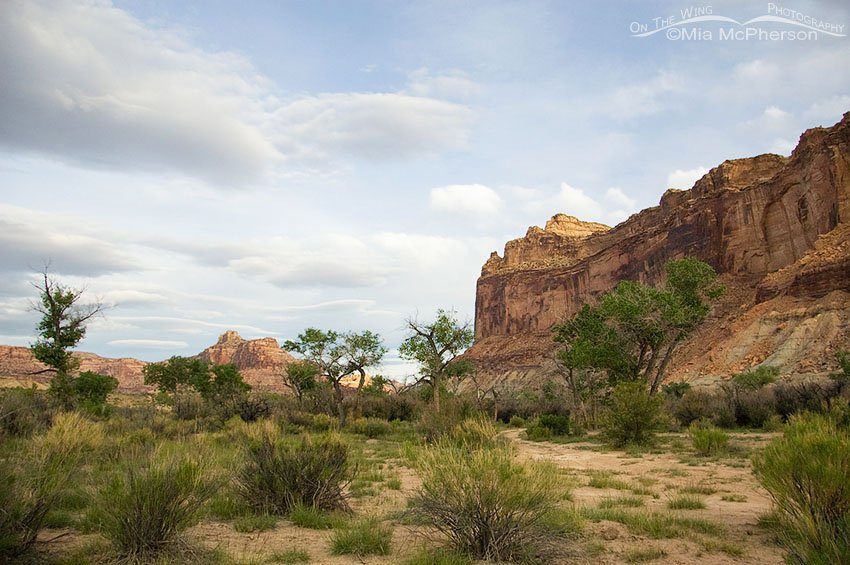
I have enjoyed photographing Lazuli Buntings (Passerina amoena) near the San Rafael River at the San Rafael Swell Recreation Area. These images were taken in the spring when the males were high on perches singing to attract females.

I don't get to see or photograph Oystercatchers here in Utah but I still dream about these shorebirds and can hear their calls when I look at the thousands of images I took of them.
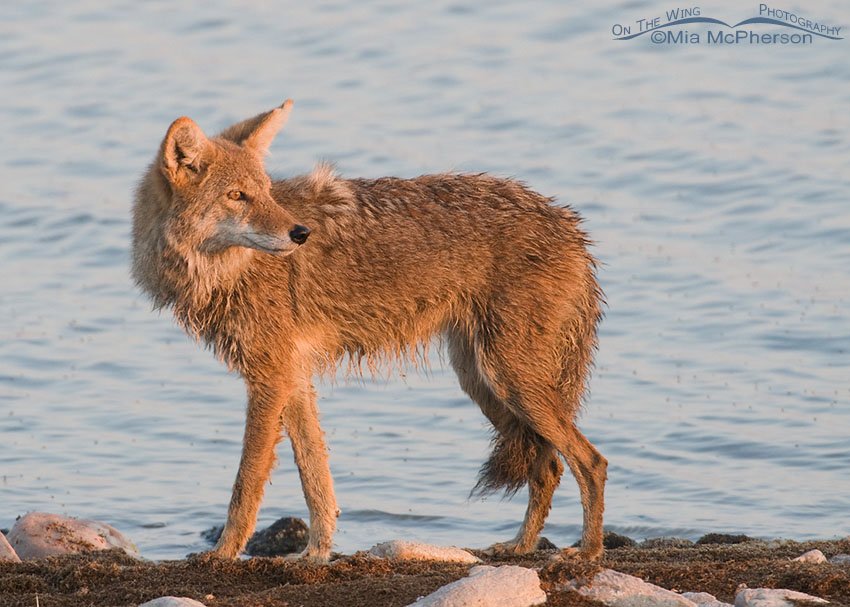
I'm not exactly sure why this Coyote was wet but it had to have been from the water of the Great Salt Lake because the Coyote was along the causeway to Antelope Island, a couple miles from the park entrance and a couple to the island itself.
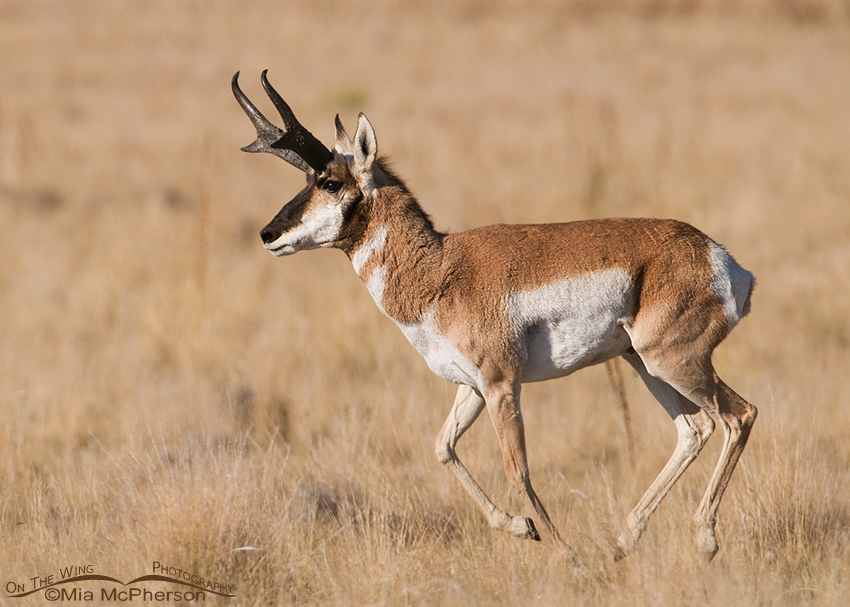
Early last week I thought that the Pronghorn bucks on Antelope Island State Park might be in rut, later in the week a buck's behavior confirmed that they are.
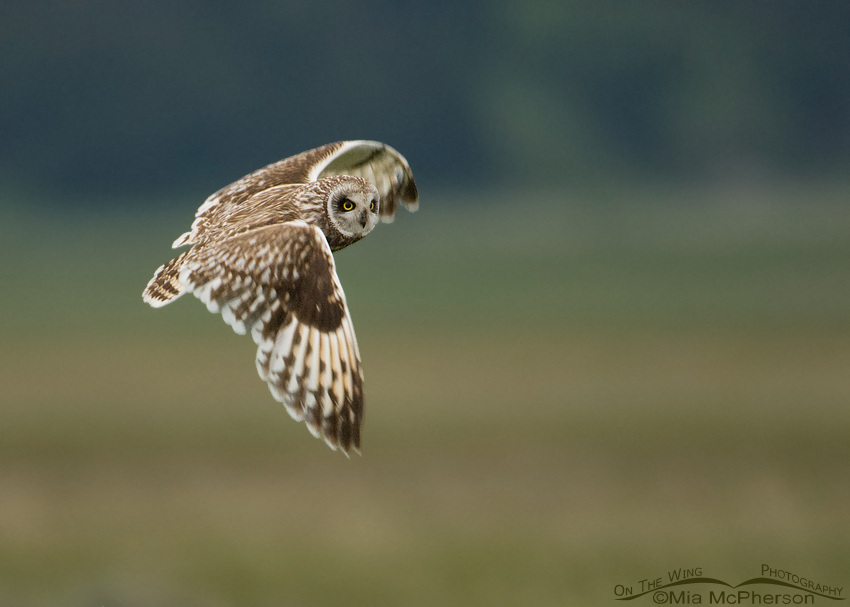
I don't always get what I want though; for example, I wanted this male Short-eared Owl (Asio flammeus) I photographed at Red Rock Lakes National Wildlife Refuge in southwestern Montana in good light.

This Western Meadowlark was about to take off from the boulder it was on when I photographed it on Wednesday.

I photographed this Tricolored Heron (Egretta tricolor) a few years ago when I still lived in Florida.
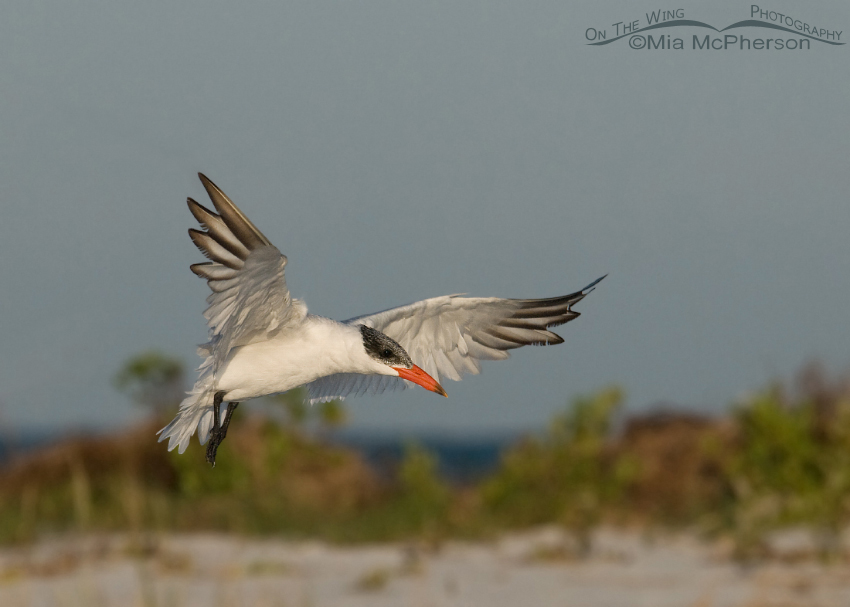
Caspian Terns (Hydroprogne caspia) are North America's largest tern with a wingspan of 50 inches and weighing in at 1.4 pounds.

I photographed this American Bison bull a few days ago on Antelope Island State Park as he was drinking from a freshwater puddle formed by rains over the weekend.

Despite having "Night Heron" in their name Yellow-crowned Night Herons (Nyctanassa violacea) are not strictly denizens of the dark, they can and do stalk their prey during the daylight hours too.

I photographed this adult Laughing Gull (Larus atricilla) in breeding plumage while it bathed in the shallow waters of a tidal lagoon at Fort De Soto's north beach a few years ago.

The scientific name of Eastern Kingbirds is Tyrannus tyrannus, Tyrannus means "tyrant" and they are well named because they will harass any bird that comes near their nests including crows, ravens and much larger birds like hawks.

Yesterday I saw a female Black-chinned Hummingbird (Archilochus alexandri) checking out the feeder near my front window.
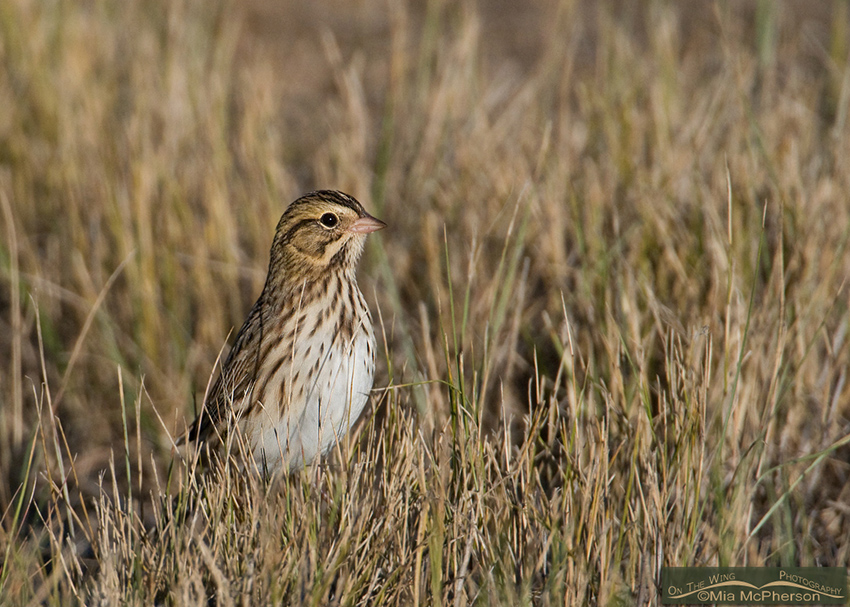
During my travels in Montana earlier this month I saw loads of Savannah Sparrows and although there were many in southwestern Montana I only photographed the ones on the farm in Glacier County.

Not that long ago Common Gallinules (Gallinula galeata) were called Common Moorhens (Gallinula chloropus), it will take me some time to get used to the new name.

Ruddy Turnstones in breeding and nonbreeding plumage can appear to be two different species to novice birders and bird photographers as can several other bird species.

Dunlins exhibit a vast difference between nonbreeding and breeding plumage, so different that a novice birder might mistakenly believe that they were two different species.
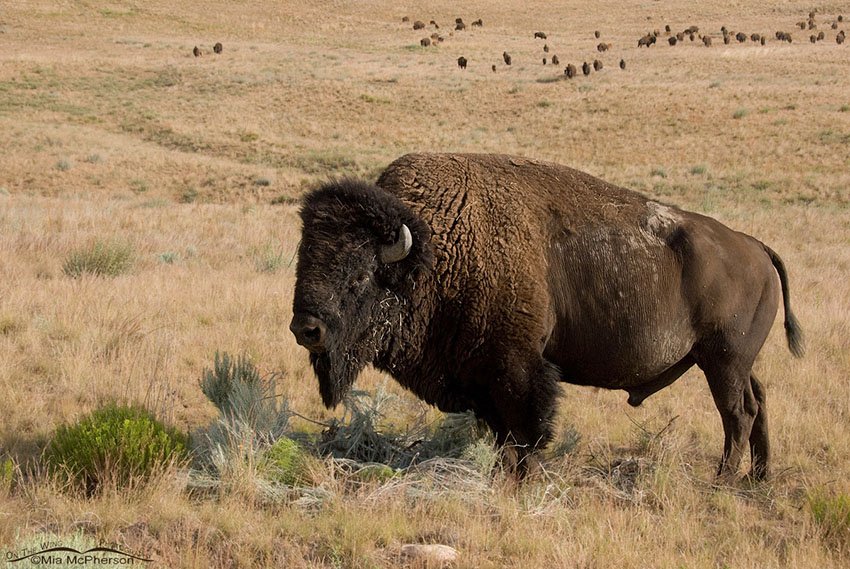
During the heat of summer the Bison on Antelope Island State Park wander down from the hillsides to the freshwater springs on a daily basis, can't say I blame them because it has been plenty hot here.
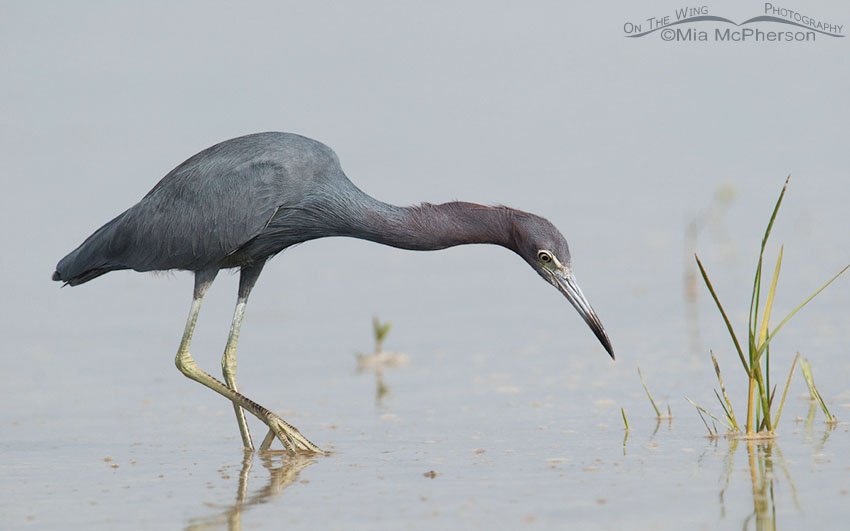
This Little Blue Heron (Egretta caerulea) was photographed in Florida as it hunted for prey in a shallow lagoon the edge of a marsh in late afternoon light.

Why would a Moose (Alces alces) kiss a Porcupine? I'm really not sure, perhaps this Moose cow was curious about a slow-moving Porcupine on the ground and got a touch too close.