Birds that I find in the field, photograph and share the stories behind the images.
Common Goldeneye Making Waves
Yesterday morning I took a series of a Common Goldeneye making waves as he landed in icy cold water in the marshes of Bear River MBR.


Birds that I find in the field, photograph and share the stories behind the images.

Yesterday morning I took a series of a Common Goldeneye making waves as he landed in icy cold water in the marshes of Bear River MBR.

Eleven years ago this morning I had an amazing time photographing flocks of Brown Pelicans plunge feeding in the Gulf of Mexico.

The American Birding Association has selected the Pileated Woodpecker as their Bird of the Year for 2021 and I think it is an excellent choice.

Last month I spent twenty-eight lovely minutes photographing this first winter Red-tailed Hawk in the marsh at Farmington Bay WMA.

Winter Herring Gulls have arrived in northern Utah and I am excited that I will have opportunities to photograph this gull species again.

The first bird I saw in 2021 was a European Starling perched on a power line on the road to my local grocery store about 8:15 am yesterday morning.
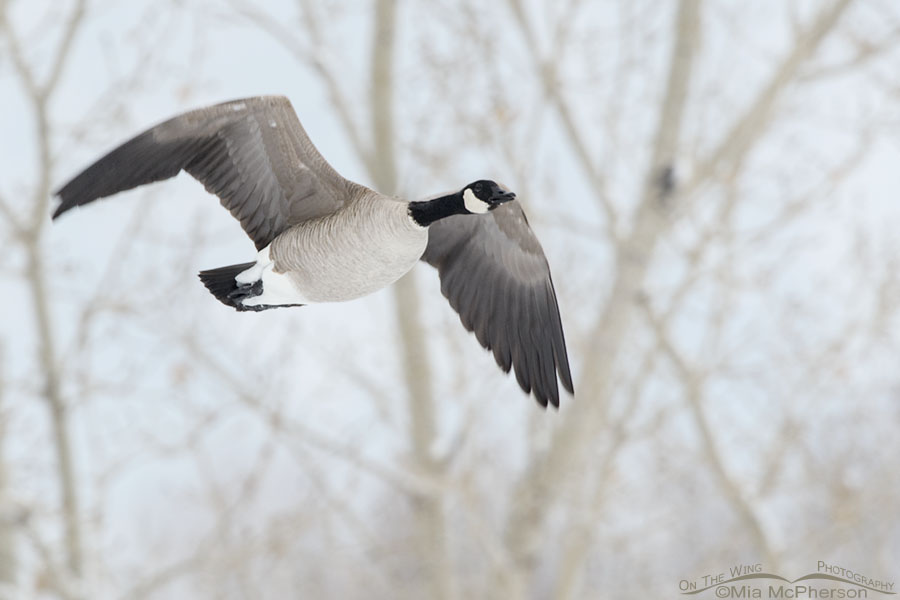
It is a chilly 29°F where I live in northern Utah on New Year's Day 2021 and from my living room window I can see that it is foggy outside.
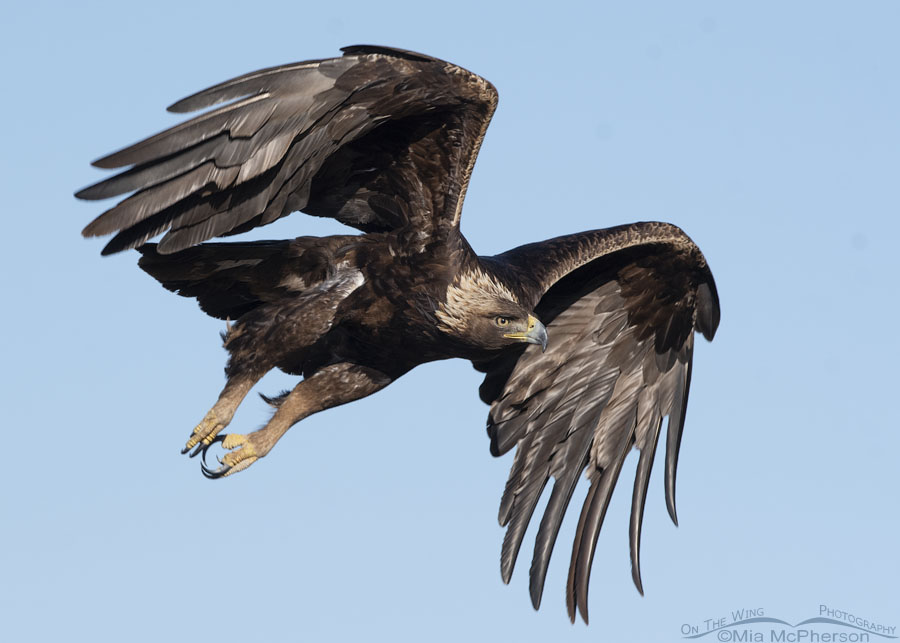
This is my 2020 photographic year in review. I'm selecting some of my favorite photos from 2020 and a few that just make me happy to see them.

Yesterday morning at Farmington Bay I found and photographed a second winter Black-crowned Night Heron at the edge of the frozen marsh.

Last week I was able to photograph this young Northern Harrier flying over a marsh on a trip up to Bear River Migratory Bird Refuge.

One of my Christmas Day gifts from Mother Nature was the chance to photograph an immature Great Blue Heron in a field.
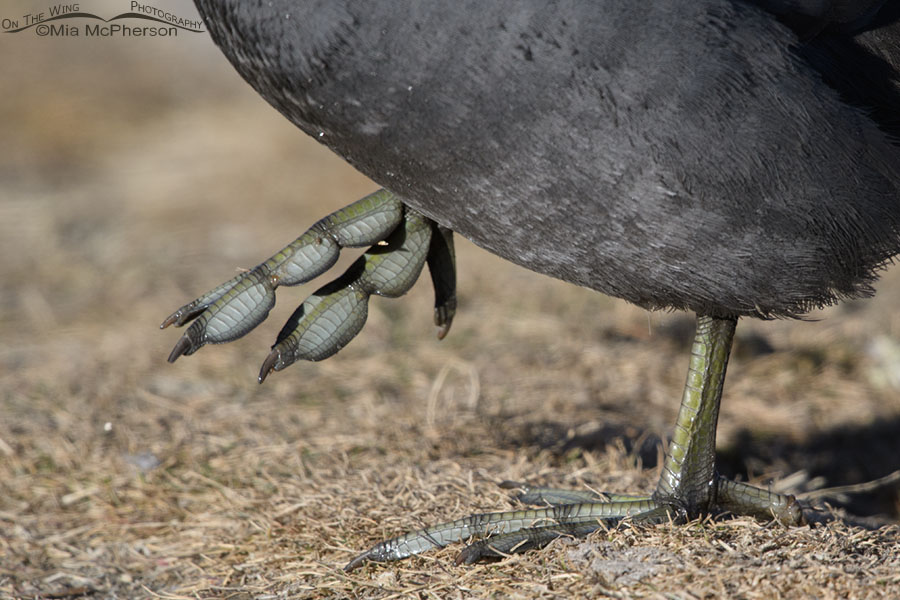
What we can see are greenish, lobed feet and a dark, rounded body. With just those two identification features can you guess which bird these feet belong to?

Much to my delight I was able to photograph some birds on Christmas Day at Farmington Bay WMA yesterday morning.

Today I wanted to share some of the Christmas Day bird photos I have taken through the years out in the field and close to home.
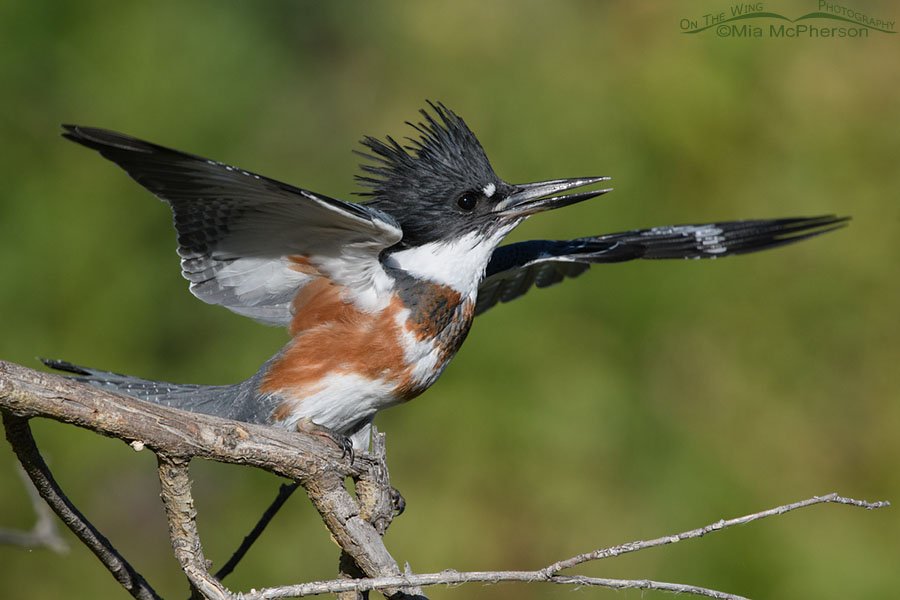
I was totally unaware on that April morning that I would be photographing a Belted Kingfisher family for several months.

When I found this Great Blue Heron resting on a man made goose nest yesterday morning at Farmington Bay WMA I knew I wanted to photograph it.

Early in December while at Farmington Bay WMA I was able to photograph and take videos of Northern Shovelers feeding on Glover Pond.

During the winter there are times I am able to photograph Barn Owls in flight during the day when the snow is deep and the temps are bitter cold.
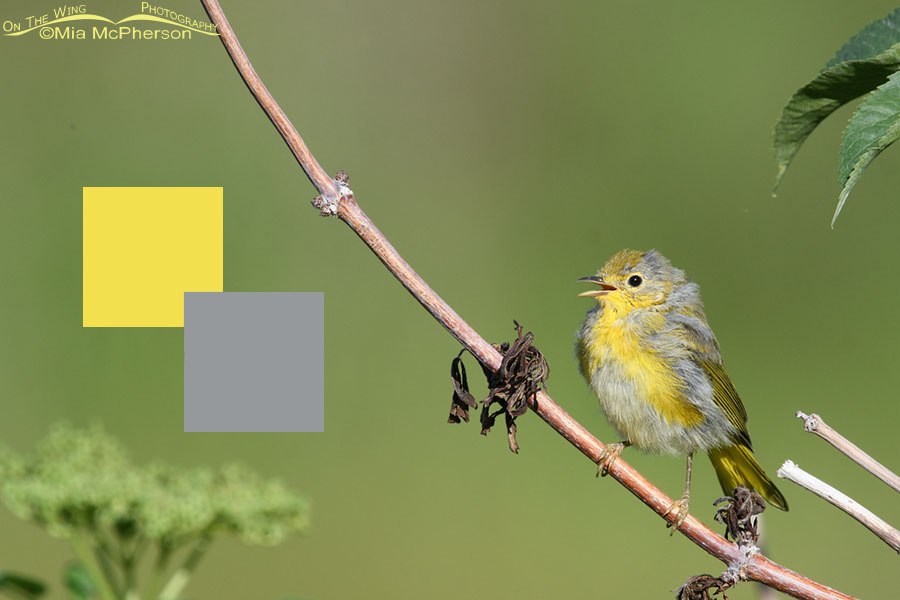
It tickles me that Pantone® picked these colors this year and once again I am reminded how the colors we see in nature brighten and add inspiration to our lives.
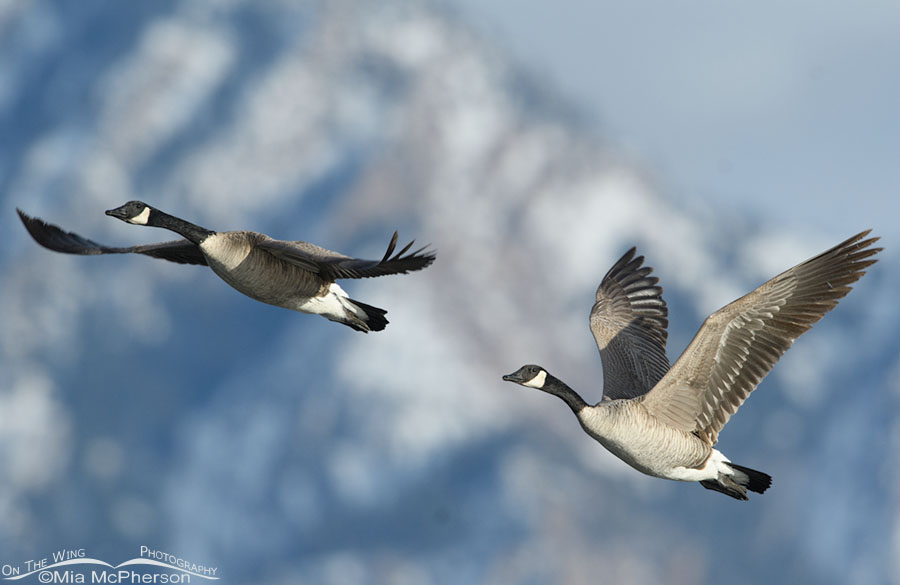
I love to photograph birds on the wing. It doesn't matter if my subject is as small as a hummingbird, as large as an eagle, as slow as a gliding pelican, or as fast as a stooping falcon as long as it is a bird.
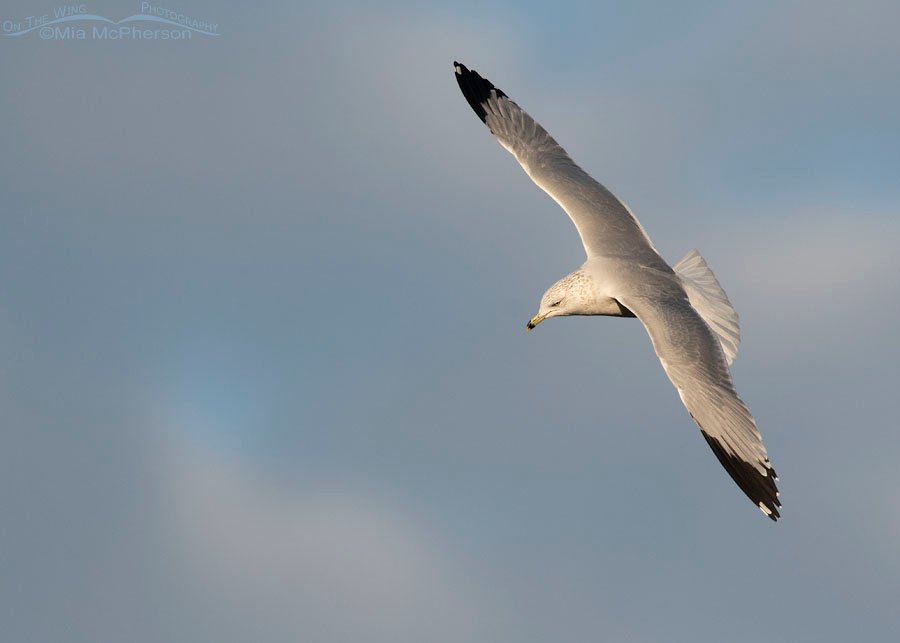
I love photographing gulls. Whether they are feeding, resting, preening, fighting, calling, or in flight gulls are one of my favorite bird species to have in my viewfinder.
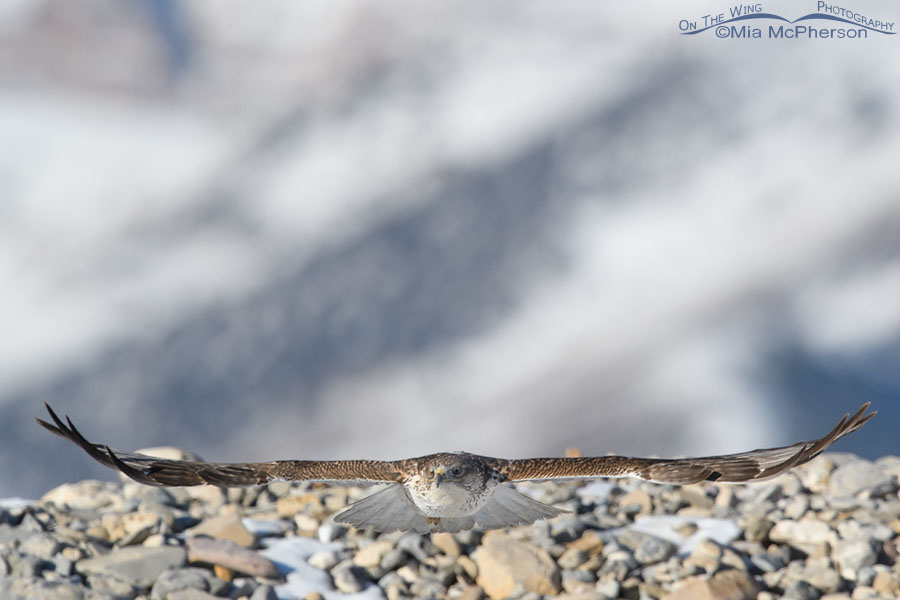
Two years and one day ago I only photographed two birds on a trip out into the West Desert and this light morph Ferruginous Hawk made the trip well worth the journey out into the cold.

Great Blue Herons are very patient hunters and there are times when they are hunting that they move so slowly that it is barely perceptible.

When I got back home and uploaded the images I took of the drake Common Goldeneye I could see that his bill had pigment issues and that it wasn't a white feather stuck on his bill.

I have a backlog of raptor images I took earlier this week but I wanted to share one of a species that some people hate or many bird photographers prefer to ignore, the European Starling.

Three days ago I had one minute with a beautiful adult female American Kestrel and her partially eaten prey at Farmington Bay WMA.

Think carefully before you make a trip to Utah to photograph our overwintering Bald Eagles in the valley. The inversions are awful and can be life threatening.

Today I am focusing on an adult male Northern Harrier that I had in my viewfinder for a few seconds yesterday that was on the wing over the marsh.

Typically I have a personal rule about having eye contact with my subject and I also want a catch light but to get this coot photo I had to break my own bird photography rules.

I was only going to share this image today but as I processed this photo I thought about all the times I have photographed American Kestrels on this same exact post over the years.