Why Do These Drake Common Goldeneyes Look Different?
Both of these drake Common Goldeneyes were photographed on January 7, 2018, but they don't look quite the same.



Both of these drake Common Goldeneyes were photographed on January 7, 2018, but they don't look quite the same.
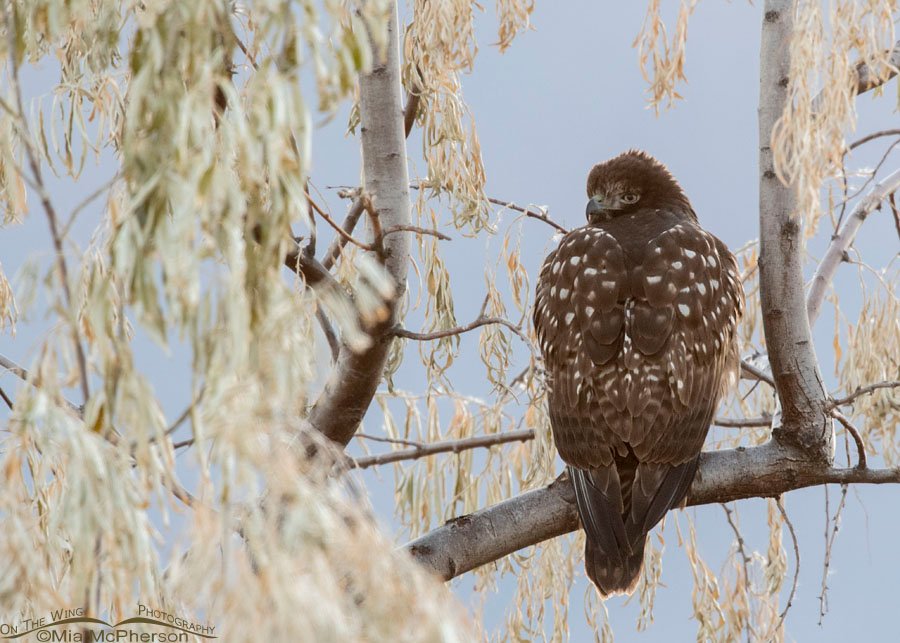
This immature Harlan's Red-tailed Hawk is striking with those white polka dot spots on its back, I don't think I have ever seen a young Red-tail where the white spots on the scapulars are so pronounced.
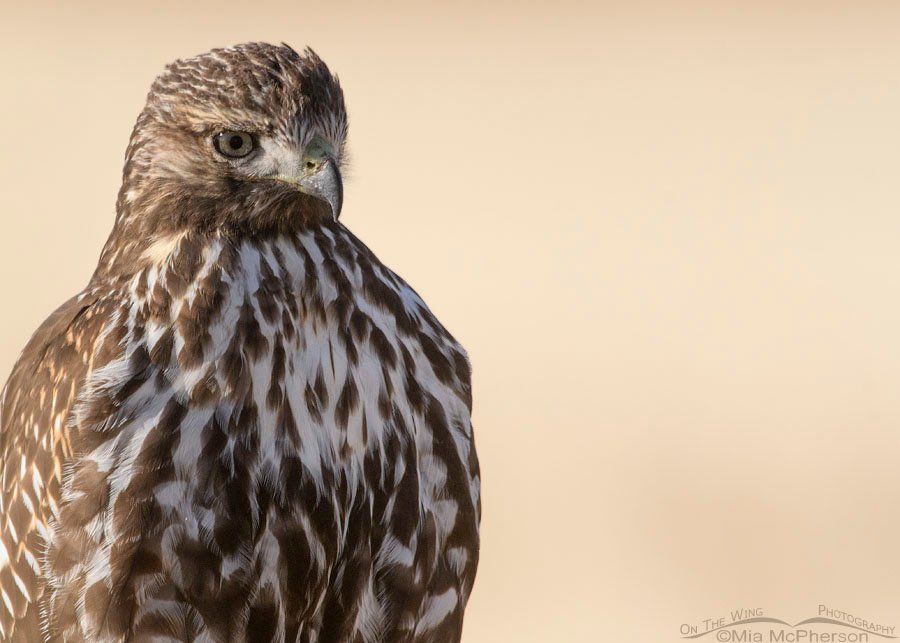
The thing about this immature Red-tailed Hawk photo is this: I don't like the background color because I see these colors, tones and hues so frequently where I live in northern Utah.
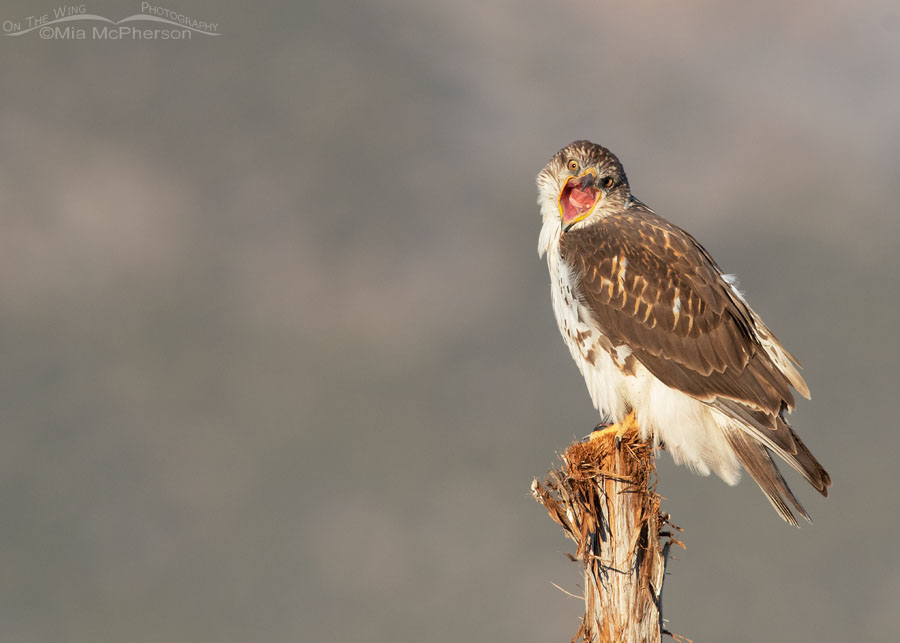
I didn't get the Brown Creeper photos I have been dreaming of yesterday but I did take lovely images of an immature Ferruginous Hawk in early morning, golden light.

I don't see nearly as many harriers over the marshes at Farmington Bay as I used to five to ten years ago but the marshes have changed some since I moved to northern Utah.

I photographed this young male Red-winged Blackbird singing at the top of a Russian olive tree at Farmington Bay WMA nine days ago.

Our Clark's and Western Grebes will be leaving here soon and except for a few downy feathers on this one's forehead it looks like it is ready to take on its first migration.
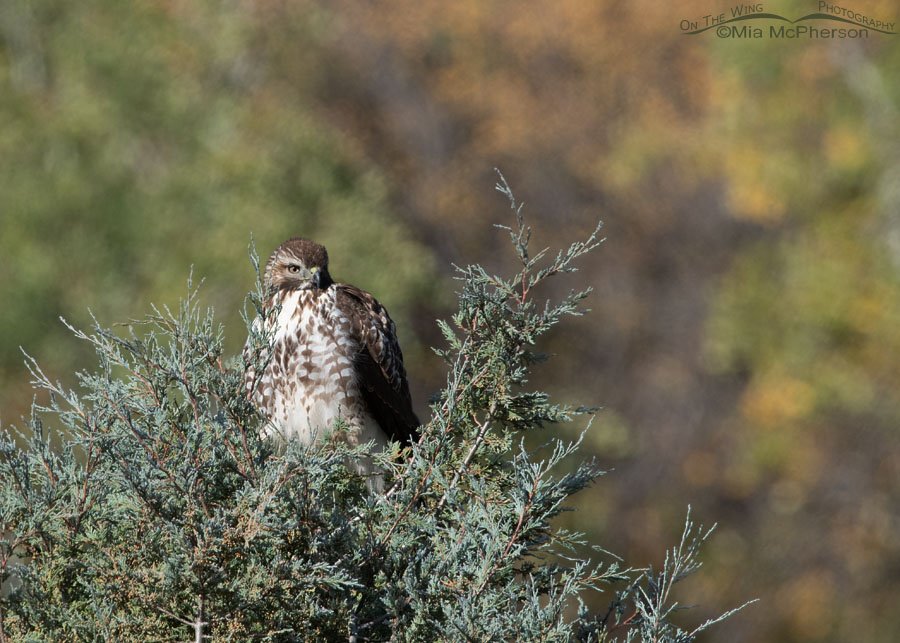
I have to wonder though how many people walked or drove right past this young Red-tailed Hawk and never noticed that it was even there

I couldn't have asked for a better birdy subject yesterday morning than this relaxed and cooperative immature Cooper's Hawk and I loved the setting it was in too.

Spotting this immature Cooper's Hawk resting in sagebrush yesterday was the highlight of my morning and even though the setting is messy I like that it shows this young hawk in the habitat this species can be found in.
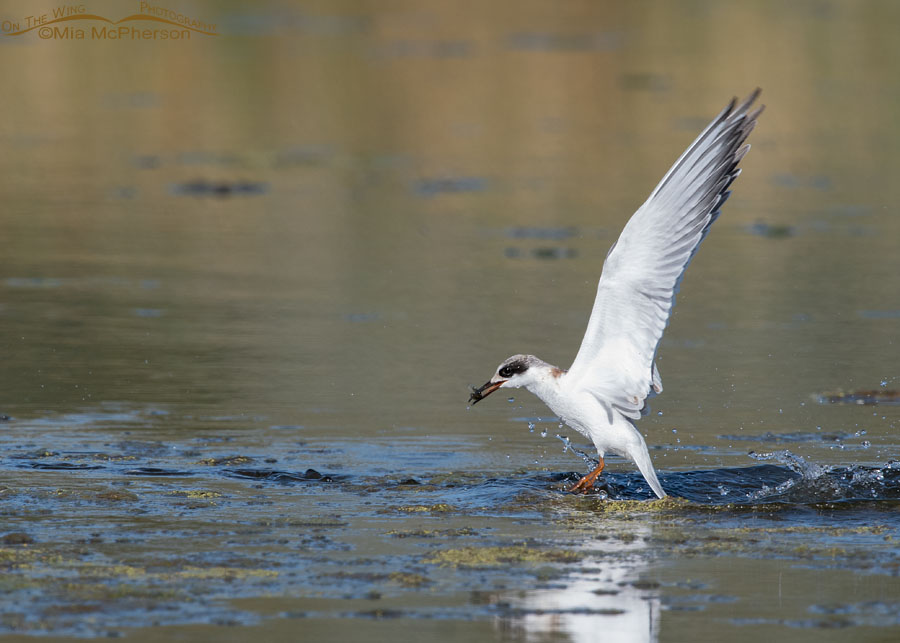
I had fun testing my skills by photographing several immature Forster's Terns that were hunting for and catching prey at Farmington Bay WMA two days ago.
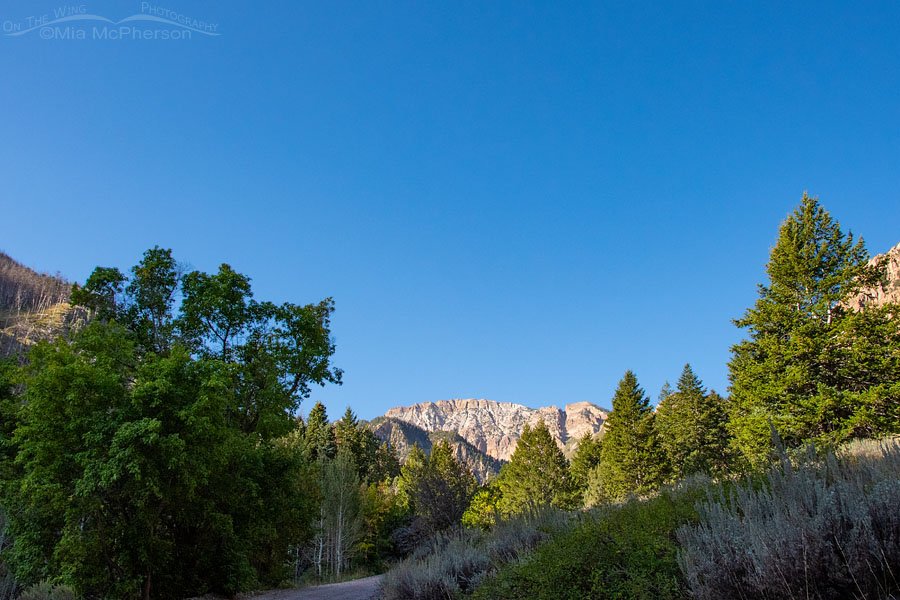
I like to share some of the views I see while I am out wandering to look for birds because the scenery and different habitats I see at times are simply spectacular.

I don't have many decent photos of immature Turkey Vultures so when I spotted several of them 11 days ago in northern Utah I was excited but my hopes for good light on the hatch year birds were dashed by clouds.
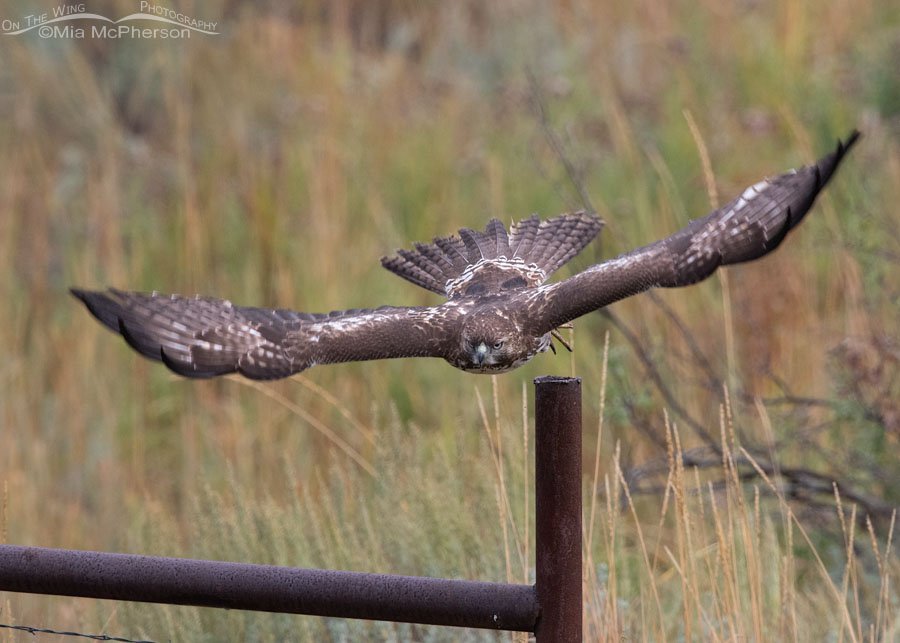
There are times when one bird can make my day and yesterday that bird was an immature Red-tailed Hawk that I spotted just before heading home after a trip into the mountains that included fog and other challenges.
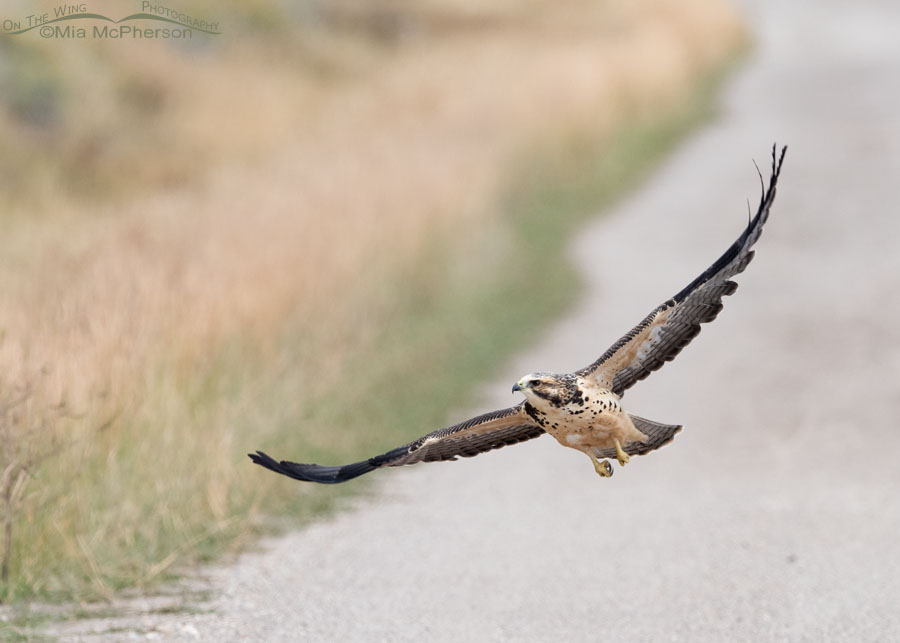
This photo session with an immature Swainson's Hawk reinforced how as a bird photographer I need to not only be keenly aware of changing light it also showed how I may need to quickly change my settings to get the photos I want.

I was glad to be able to photograph Bank, Barn, Cliff and Tree Swallows perched on top of a stand of phragmites near the auto tour route on the refuge in early morning light.
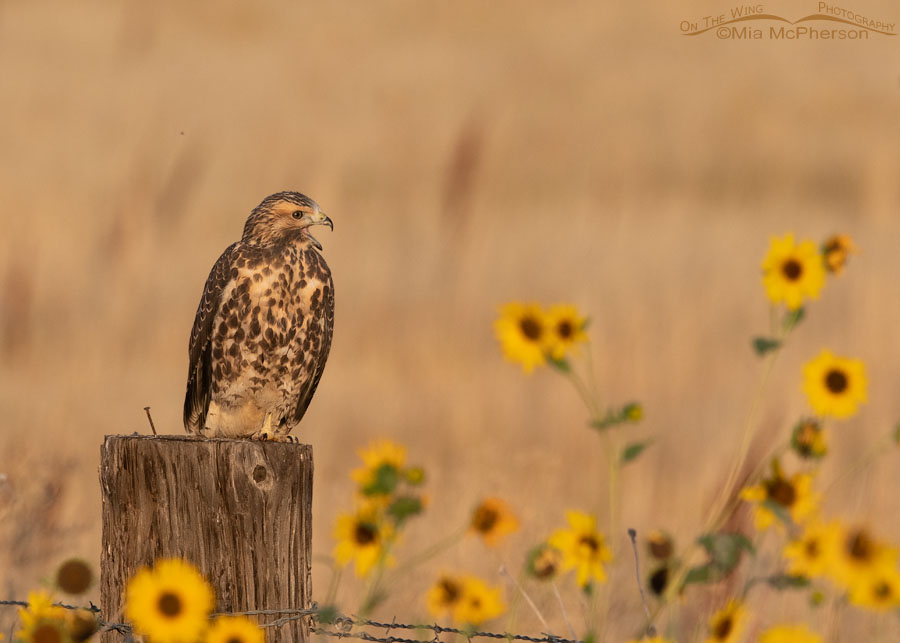
Two days ago I was able to photograph an immature Swainson's Hawk in golden light perched on a fence post that was surrounded by bright yellow common sunflowers. Yes, I was blissed out.

This immature Northern Flicker was one of the last birds I spotted and photographed three days ago while up in the Wasatch Mountains and I was happy that she stayed long enough for me to take a nice series of images of her.
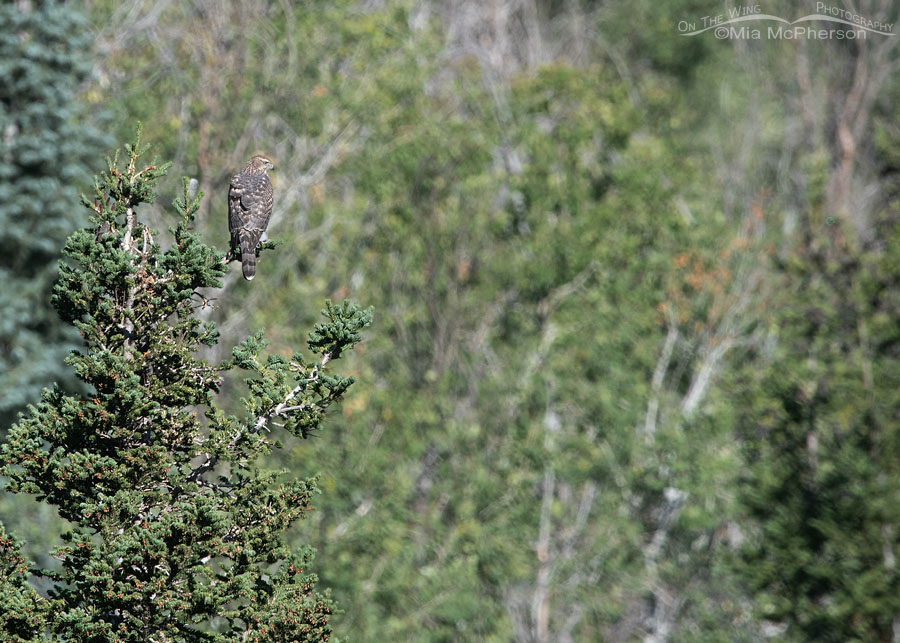
My luck with American Goshawks has been horrible and because of that they have earned the distinction of being a nemesis for me.
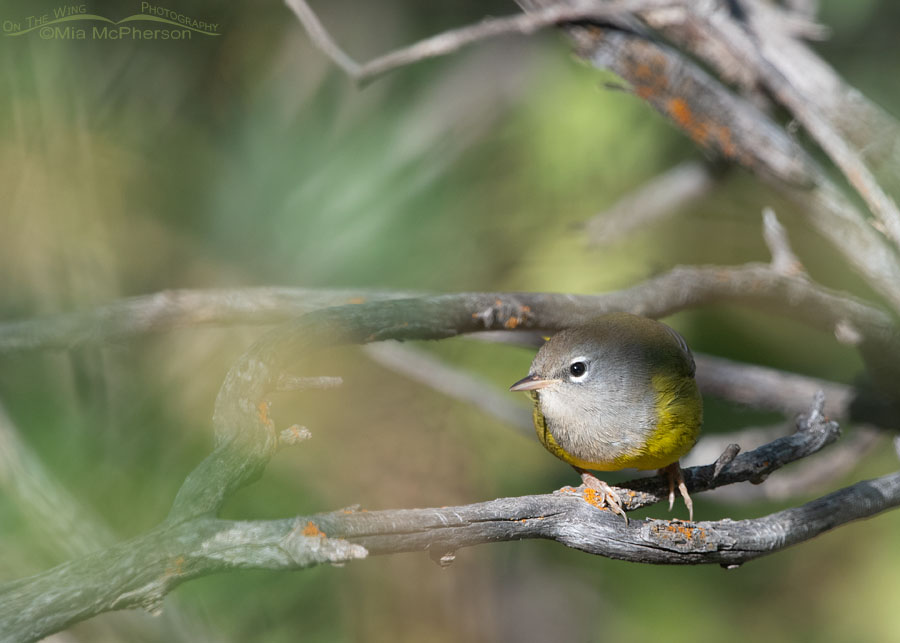
I'm seeing more MacGillivray's Warblers this season than I have in previous years but I am still challenged by how quickly these warblers move and by how they can seem to disappear so quickly.

I was in the high Uinta Mountains near Washington Lake when I spotted this young Dark-eyed Junco and I was able to take a few images of it before it flew away.

One year ago today I was up in the Wasatch Mountains photographing pre-migration Lazuli Buntings fattening on the fruits of serviceberries and most of them were either immature or female buntings.
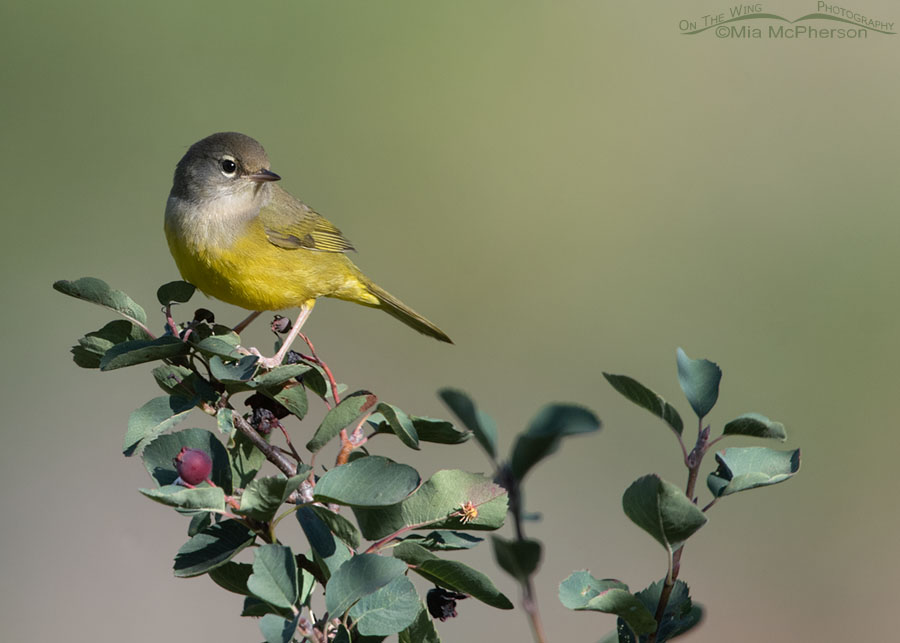
As a bird photographer I'm feeling a sense of urgency now that I didn't feel a few weeks ago because as I watch the migrants in the Wasatch Mountains getting ready for their long journeys I know that my time for photographing them this year is quickly running out.

I was delighted to photograph the few immature Black-billed Magpies that were close to me and to observe those who were further away foraging and chasing each other around in a field dotted with wildflowers, grasses and sage.

I was glad to have so many immature Song Sparrows in my viewfinder that were out in the open on the ground and perched up higher.

The light wasn't great when I took this image of a juvenile Song Sparrow perched in a thicket last year but these little ones don't seem to spend a lot of time in the open right after they fledge so I was happy with the photo.

This was the first immature Green-tailed Towhee I have seen this breeding season and I am hoping that it won't be the last one I photograph this year.

I was excited and enchanted by seeing and photographing at least two Spotted Sandpiper chicks yesterday morning near a creek up in the Wasatch Mountains.

I was extremely pleased to find and photograph my first Gray Catbird juvenile of this breeding season yesterday morning high in the Wasatch Mountains as it came into view on a hawthorn tree.

The soft, early morning light was beautiful when I took these juvenile Cliff Swallow images and I am pleased with how the photos came out.