An Immature Northern Yellow Warbler And Thistles
Last week I had a blast photographing several Northern Yellow Warblers, young and adults, foraging for aphids in a patch of thistles high up in the Wasatch Mountains.



Last week I had a blast photographing several Northern Yellow Warblers, young and adults, foraging for aphids in a patch of thistles high up in the Wasatch Mountains.
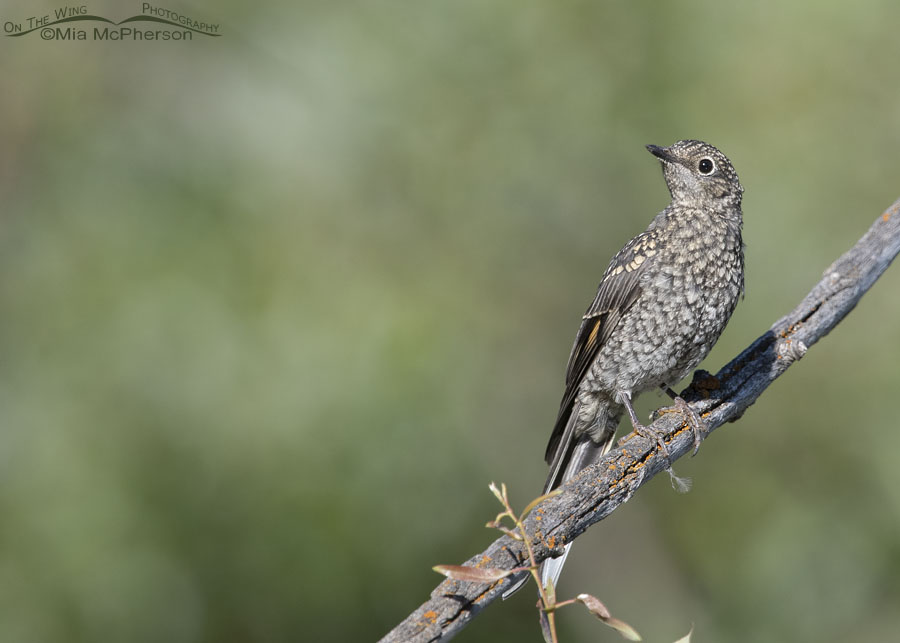
Yesterday I didn't miss photographing this gorgeous juvenile Townsend's Solitaire because I remembered to pay attention to what was going on beyond my viewfinder.

The Mountain Bluebird families I saw didn't stay close to the road and my best images were taken of this fledgling as it perched on an old metal post.

Today I am sharing a photo of a fledgling Song Sparrow I photographed last week next to an alpine creek high in the Wasatch Mountains.

I liked this image of one of the fledgling Black-billed Magpies I photographed because of the serviceberry perch, the great eye contact I had with the young bird and its pose.
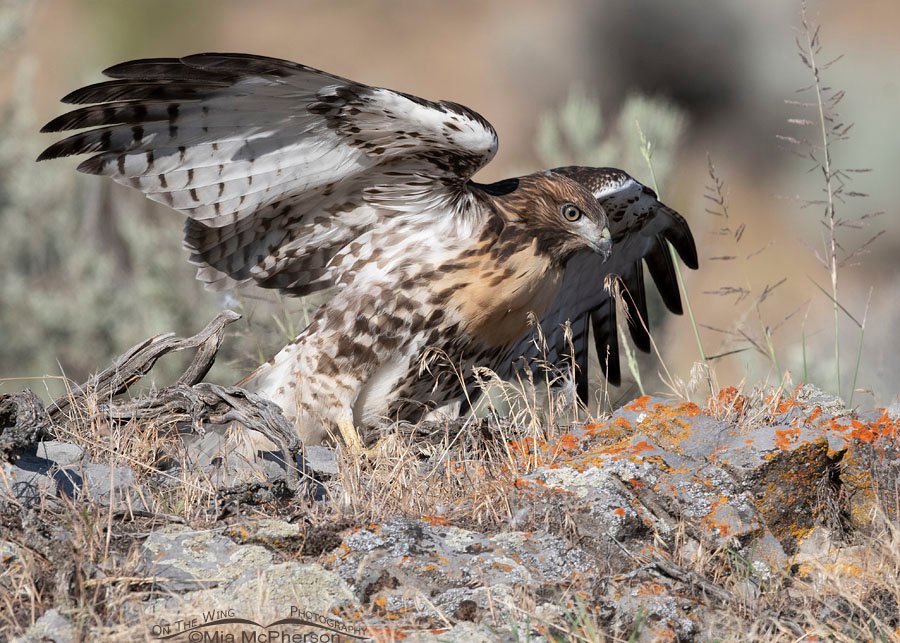
I had a great time photographing three recently fledged Red-tailed Hawks from two different nests in northern Utah yesterday morning.

Three days ago I saw lots of young birds in the Wasatch Mountains east of where I live in Salt Lake City and among them were several American Robin fledglings.

When I saw a Gray Catbird fledgling inch its way up a stick two days ago and then exhibit begging behavior by raising its wings and opening its bill I locked on to it.

There were several Northern Yellow Warbler fledglings in this shrub and the adults were running themselves ragged trying to keep them all fed.

I was happy that I decided to photograph the striking Black-headed Grosbeak instead of the Downy Woodpecker that was at least forty feet in front of me.

I took quite a few photos of the fledgling Short-eared Owl that I had a clear view of and even though the lighting wasn't the best I was enchanted by the views I had of it.
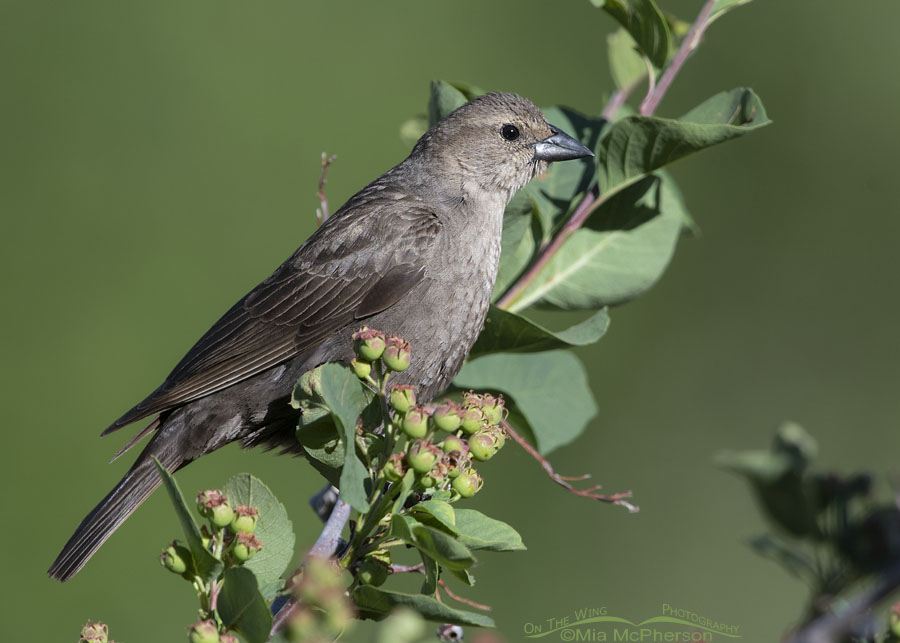
Three days ago one of the birds that the Song Sparrows chased off was an adult female Brown-headed Cowbird that landed on a serviceberry in front of me.

I will say that my favorite and most memorable times photographing Long-billed Curlews happened while I was still living in Florida well away from their breeding grounds.

The young Short-eared Owl in this photo was parallaxing when I photographed it in which basically means the fledgling owl was moving its head to gain different viewpoints.
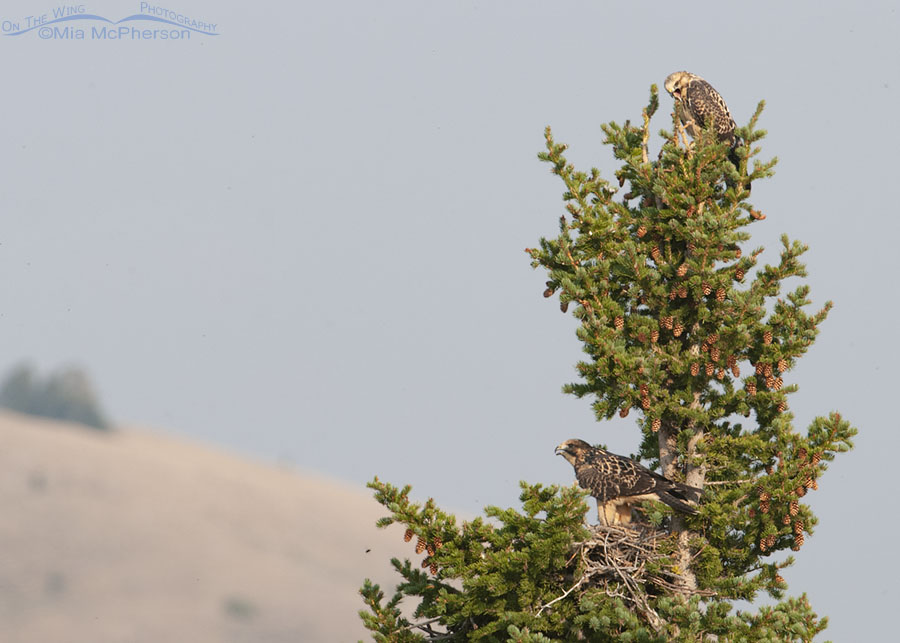
These are the life stages of the Swainson's Hawks I see, observe and photograph here in Utah, Idaho and Montana.

While I was up in Box Elder County, Utah four days ago I spotted my first of season Western Kingbirds chasing each other around in flight near a ranch.

I have taken thousands of photos of Uinta Ground Squirrels in green grasses, on rocks, climbing stumps, at their burrows, and in sagebrush but not a single image of them in the snow.
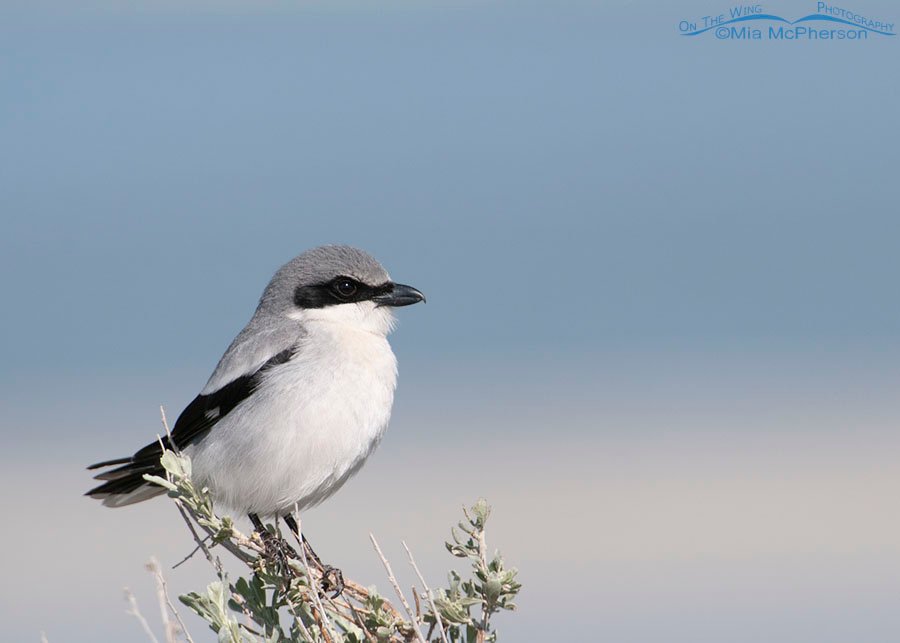
If I can find a protective head net that actually works I might just venture back out onto the island after the no-see-ums come out because I miss photographing nesting Loggerhead Shrikes.

The comparisons I have made between juvenile, immature and adult Sage Thrashers are basic, there are more ways to determine their age but I wanted to keep the comparisons simple.

Two years ago I was able to find and photograph quiet a few young Gray Catbirds high in the Wasatch Mountain canyons including this one who seemed to be keeping an eye on me.
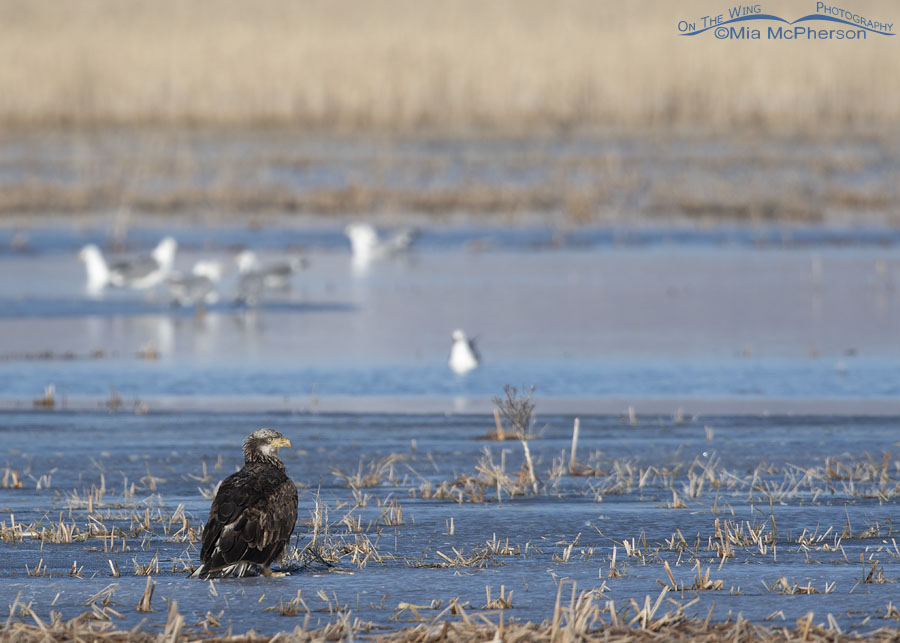
I did find a sub-adult Bald Eagle resting on the ice on the last leg of the refuge loop and even though it was at a distance I wanted to photograph it because of the marshy habitat it was in.

I spent some time yesterday morning focused on photographing an immature Black-crowned Night Heron at the dawn of the day in the marsh at Farmington Bay WMA.

For me this female Northern Harrier and the immature harrier in the other photo are a classic examples of what I like to call a hidden treasure type of image.

On the first of February when I found and photographed an unusual and distinctive Bald Eagle with leucism I also photographed two more immature eagles in the same area.
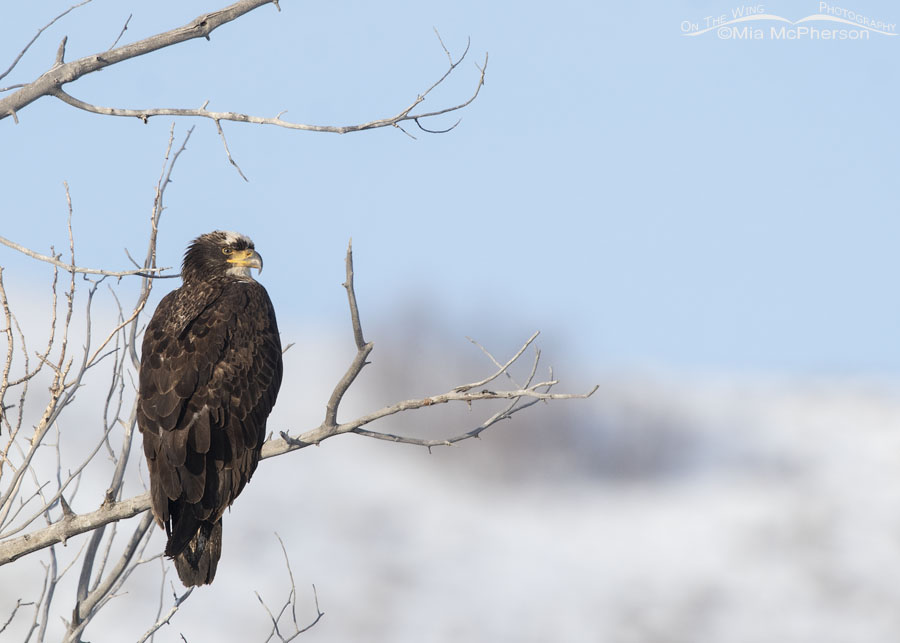
Yesterday morning I spent some time up in the Wasatch Mountains and I am so glad that I did because I found a second winter Bald Eagle with leucism.

I can't imagine not seeing these beautiful Mountain Bluebirds feeding, breeding and raising their young in the mountains that are close to where I live.

Two days ago when I stopped counting Rough-legged Hawks while at Bear River Migratory Bird Refuge the number had topped out at fifteen.

Two frames later the immature Northern Harrier tilted its head, looked directly towards my lens, and seemed to eyeball me and my gear.

Sometimes raptors can look deadly serious and intense, especially when they are watching, diving on or consuming prey but they can appear to look a little goofy too.
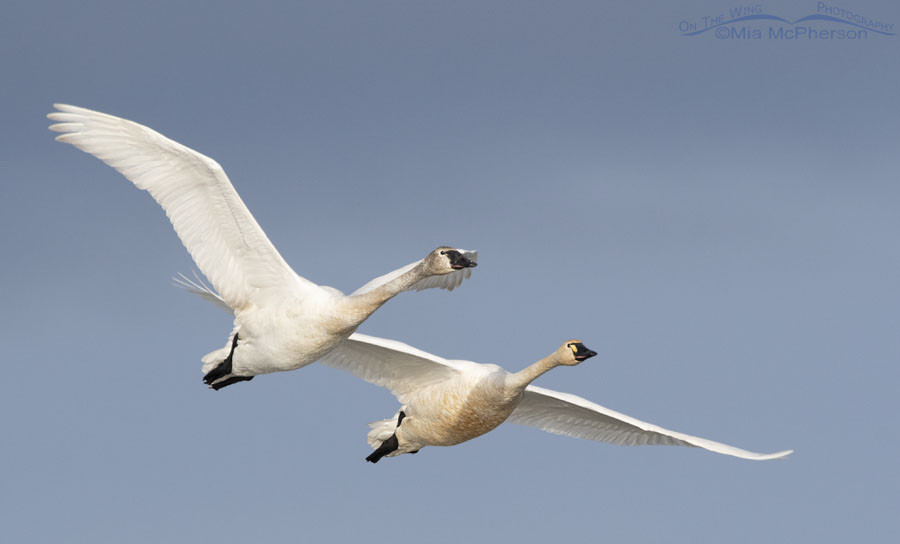
I need to get to Bear River MBR soon because I have visions of Tundra Swans drifting through my mind and I'd love to see them in person on the marshes of the refuge again.