Portrait of a Dark-eyed Junco in a Snow Storm
As the snow from the storm fell I noticed some of the Dark-eyed Juncos feeding on the ground and I was able to photograph this junco's portrait as it hid behind a mound of snow.




As the snow from the storm fell I noticed some of the Dark-eyed Juncos feeding on the ground and I was able to photograph this junco's portrait as it hid behind a mound of snow.

In Florida I most often photographed Red-winged Blackbirds at north beach of Fort De Soto County Park where I could reliably find them in the sand dunes, sea oats, spartina and mangroves all year long.
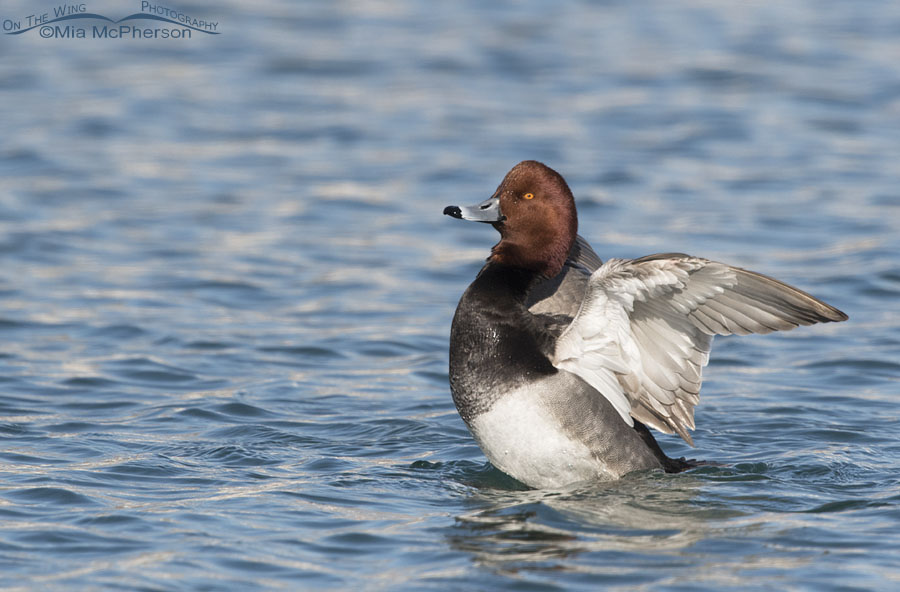
I've been seeing Redheads at my local pond over the winter but most of the time they have stayed on the other side of the pond so having this one up a bit closer and flapping his wings was a delight.
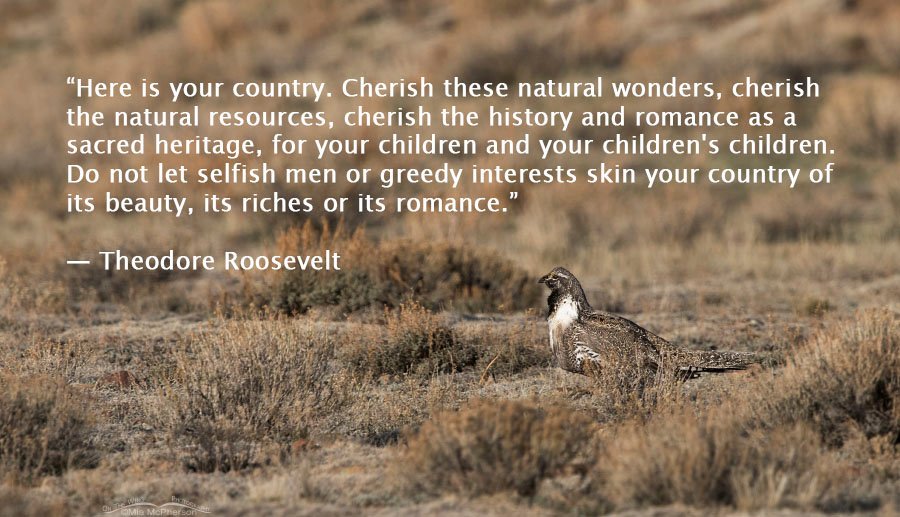
One might ask what do Greater Sage-Grouse have to do with our public lands and the answer would be that more than half of all remaining habit for these large upland game birds is on our public lands in the Western U.S..
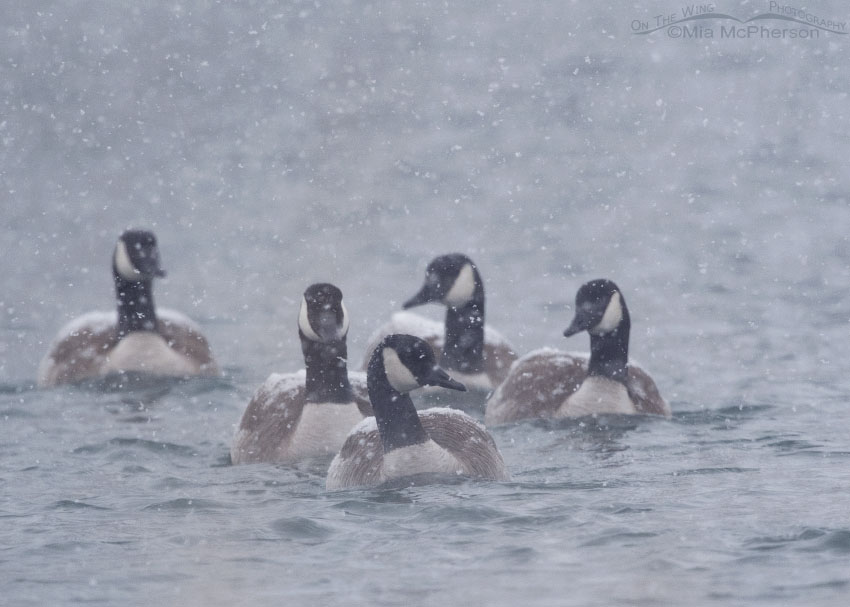
When some Canada Geese started swimming towards me I took a burst of photos hoping to get a at least one image where snow wasn't blocking the view of the eye of the goose in the front.
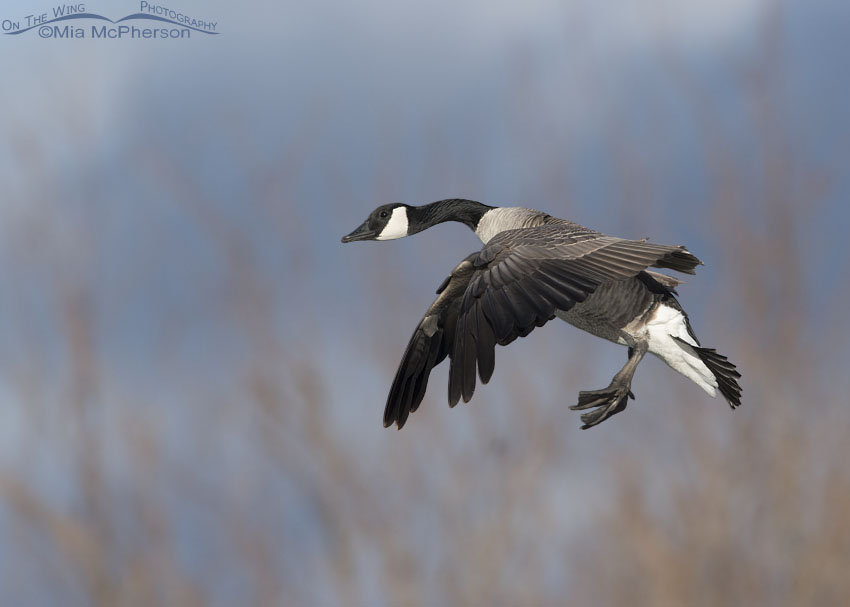
Canada Geese can look a little goofy when they are landing because they often use their wings, tails and even their feet as brakes to slow themselves down right before they land.

That one midge I saw in the restroom at Bear River MBR did cause me to wonder if the swallows will show up early this year in northern Utah or will the predicted cooler weather cause them arrive at their normal time.
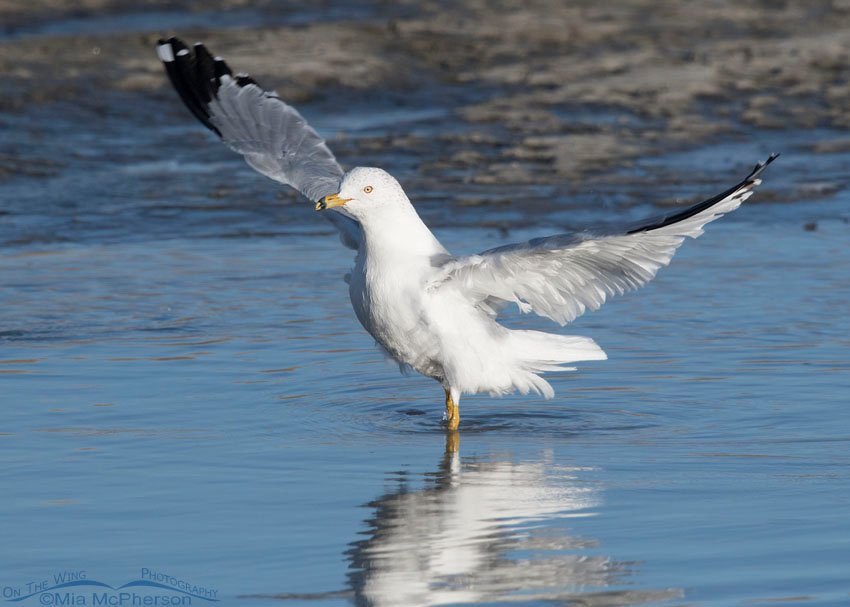
As much as I like the first photo where the Ring-billed Gull has its wings spread and its feet still in the water I like the second photo even more because of the action and how the bird is suspended over the water.
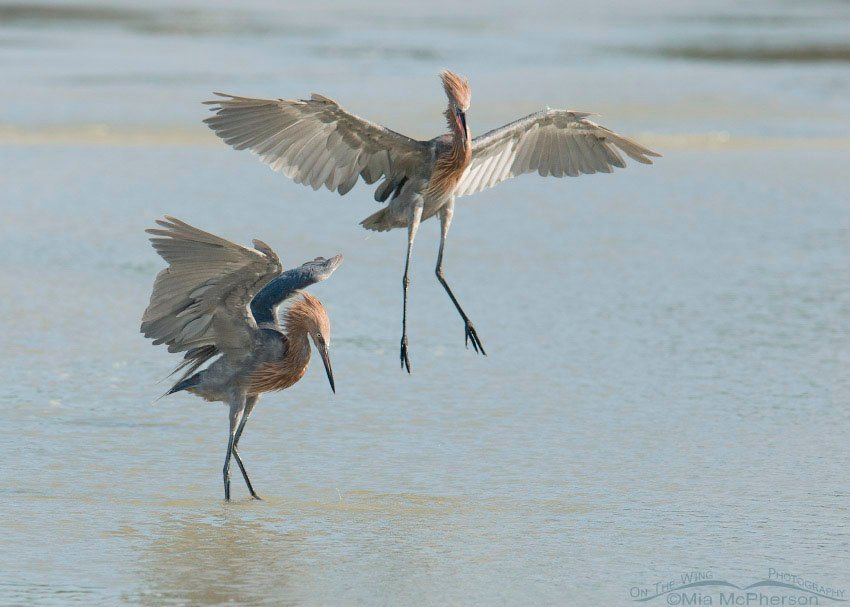
I didn't have a great angle of light when I photographed this pair of Reddish Egrets but I didn't want to move and disturb the birds so I stood still as I could.

After taking the quick bath in the tidal lagoon the Black-bellied Plover flew off towards the shoreline of the lagoon to shake and fluff its feathers until they were dry.

As I photographed this pair of Tundra Swans in flight I could hear the whir of their wings and the calls of the other swans that were still on the water and also getting ready to lift off.
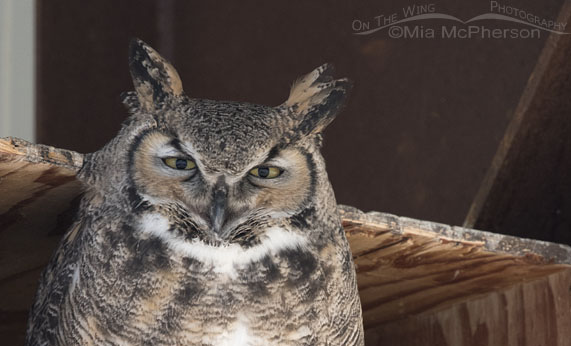
Human made nest boxes, nest baskets, birdhouses, nest shelves and nest platforms can and do help many species of birds in all types of habitats.
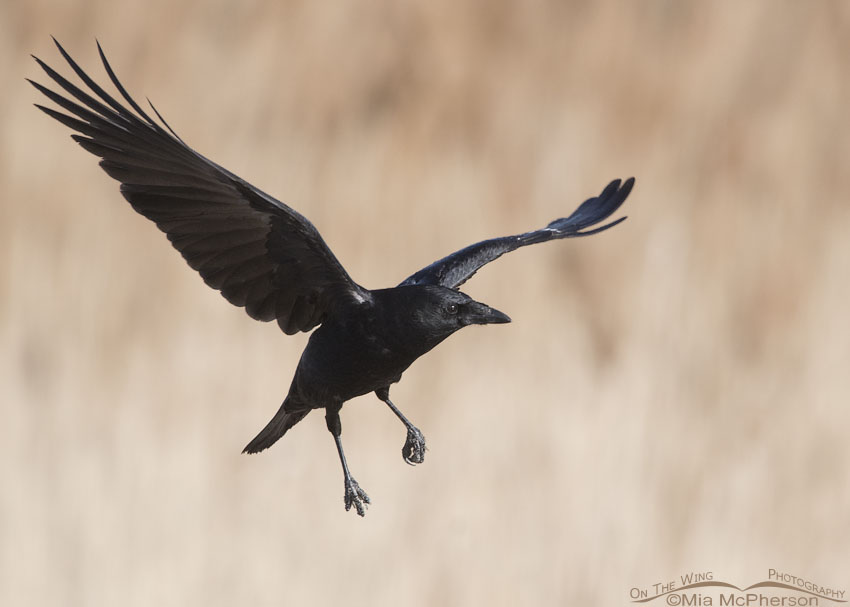
Yesterday the American Crows hung around with the Bald Eagles, Herring, California and Ring-billed Gulls to feast on those invasive fish which gave me an opportunity to photograph this one standing on a dead carp.

I'm excited that the American Avocets, American White Pelicans and Sandhill Cranes have returned to northern Utah because I look forward to seeing and photographing them again.

The Tundra Swans are truly at home in the landscape of Bear River Migratory Bird Refuge and they belong there as much as the mountains, marshes, birds, animals, fish, sky and the clouds overhead do.
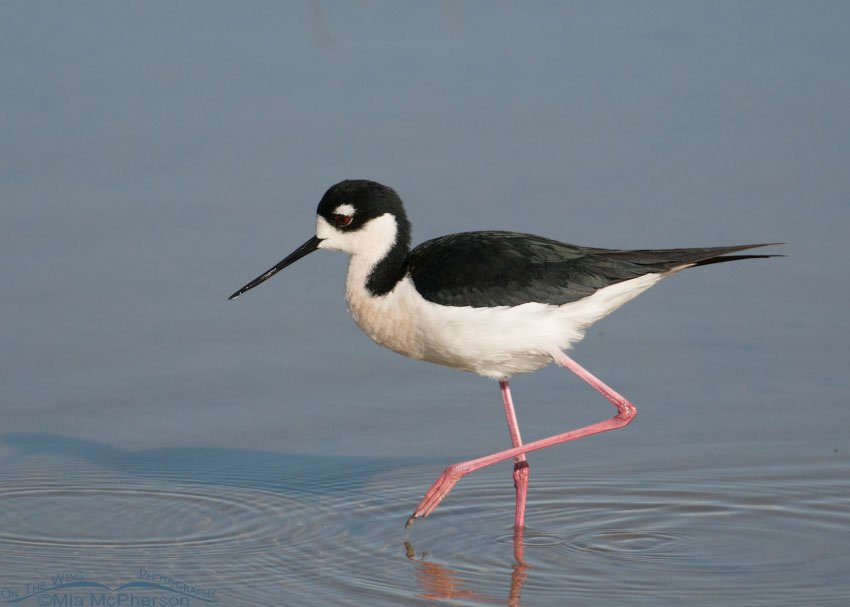
When I look up at the tops of the Wasatch, Oquirrh, Stansbury and Promontory mountain ranges and they look more like late April or May than they do on a normal winter because there is just so little snow up there.
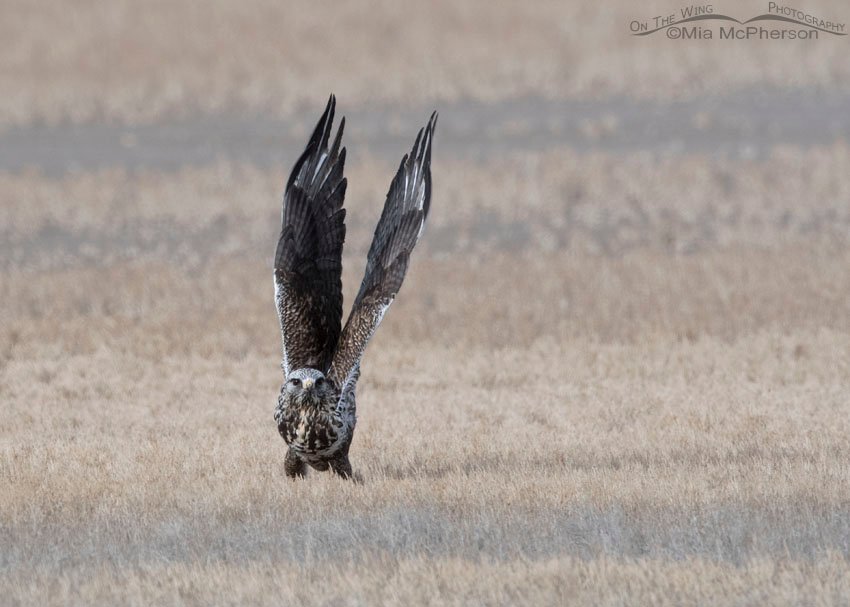
The Rough-legged Hawk's wings were fully extended above its body while its feet were still firmly planted on the ground and with one downward swoop of its long wings it was airborne right after this was photo was created.

On a May morning in 2008 while photographing this Wilson's Plover it began to scratch itself with its foot and when I took this photo it looked like the plover was dancing.
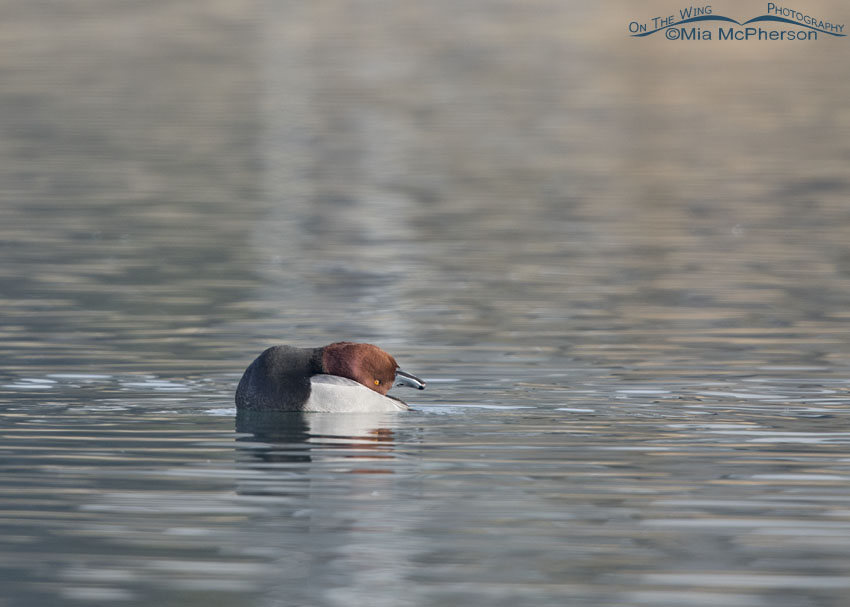
I'm glad that I made the trip down to the pond because I was able to photograph a drake Redhead exhibiting courtship display behavior several times as he tried to impress the hen that was nearby.

My entire focus was on the calm Great Blue Heron in front of me and I felt as relaxed as the heron appeared to be that morning.

I had a blast photographing the Tundra Swans at the refuge yesterday and for the first time in a while I forgot about practically everything but the birds in front of me and the peace I find at the refuge.
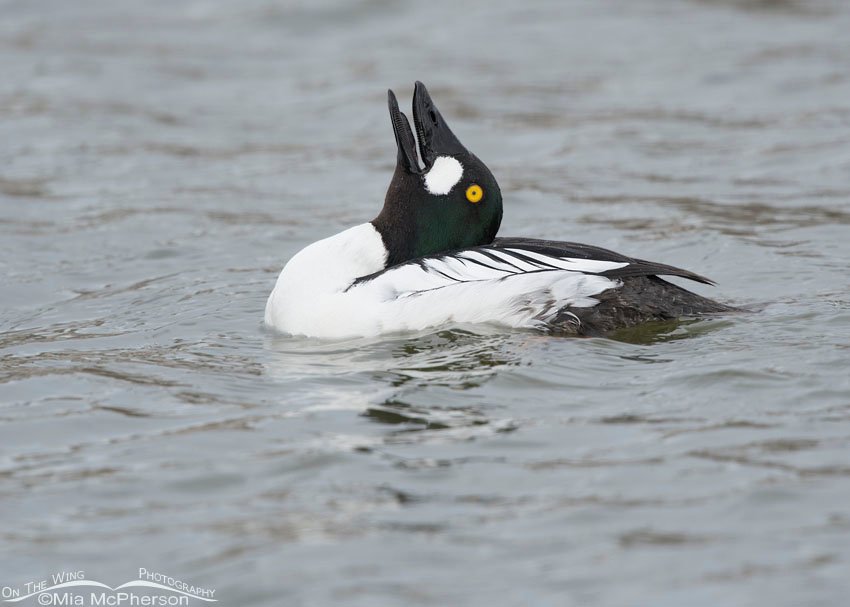
Because I had noticed the Common Goldeneye drake's behavior I was able to photograph him as he assumed the Head-throw posture.
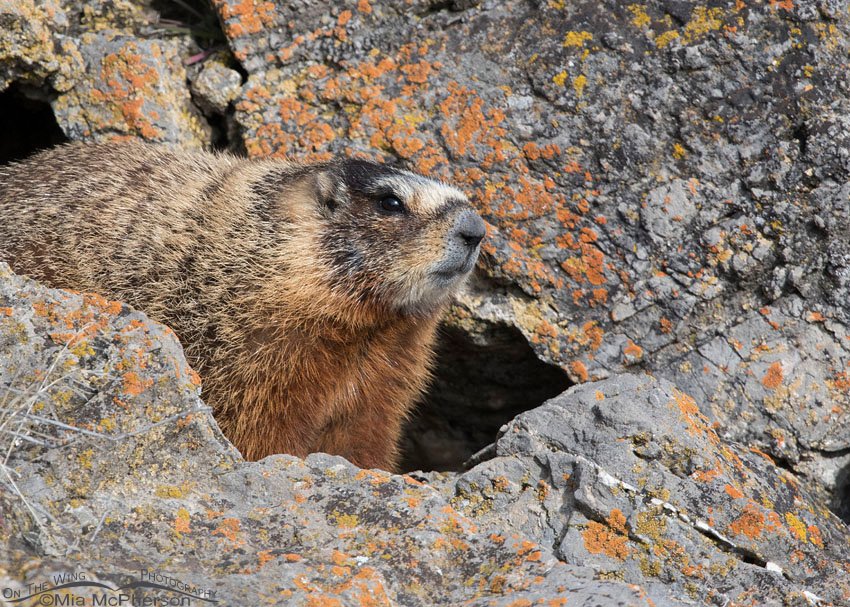
Punxsutawney Phil can have the spotlight today, our Yellow-bellied Marmots will have their time in the sun soon enough.
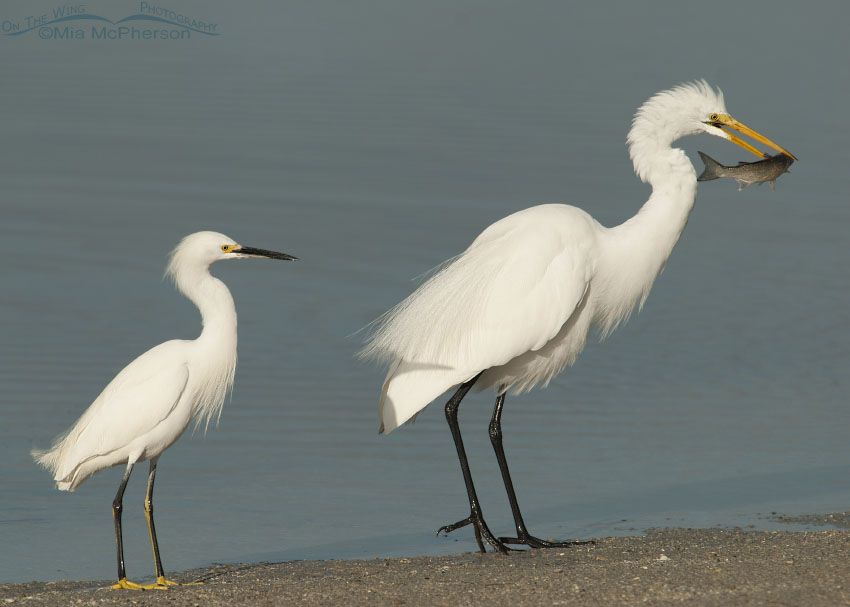
There are some other differences between Great and Snowy Egrets in appearance of course but I think the comparisons I have written about are the most helpful for me in the field for identification and may be for other people too.
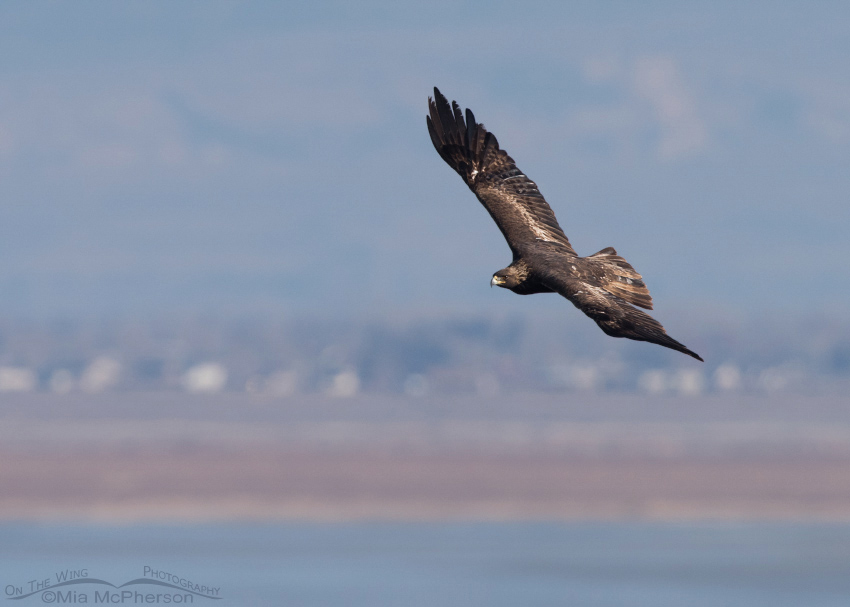
Three years ago today I found and photographed a Golden Eagle that was soaring along the east side of Antelope Island over the Great Salt Lake.

One good bird can make my day... Yesterday that bird was an immature Red-tailed Hawk at Farmington Bay WMA that lifted off from a metal post and flew over the marsh.

My only keeper images of the morning were a few photos I took of the Stansbury Mountain Range and Deseret Peak and even those weren't that great but I loved seeing the snow-covered mountains.

Among my favorite plovers to photograph when I lived in Florida were Semipalmated Plovers, I only saw them during their nonbreeding season where they spent time along the Gulf coast.
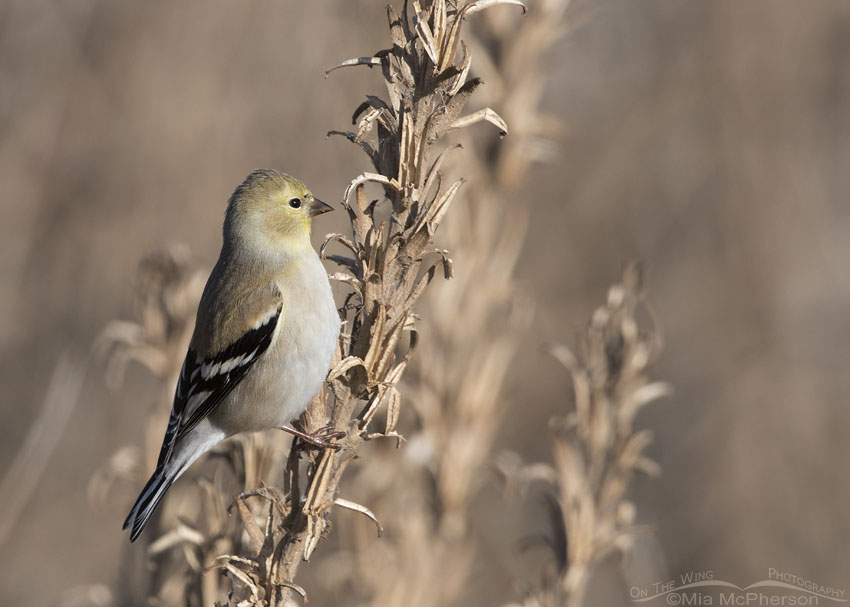
I photographed a couple of American Goldfinches that morning too, as usual I heard the finches well before I spotted them foraging in some vegetation next to the auto tour route.

Scarlet Skimmer dragonflies were one of the dragonfly species I spent time stalking in Florida because I loved the bright red coloration of the males and the golden colors of the females.