It’s Weird Not Seeing California Gulls!
I have to admit that, after living in Utah for nearly fifteen years, it feels weird not seeing California Gulls now that I've moved away. Really weird.



I have to admit that, after living in Utah for nearly fifteen years, it feels weird not seeing California Gulls now that I've moved away. Really weird.

This past week, I had my first ever Arkansas American Herring Gull sighting. I was outdoors when several of these gulls were high overhead, too high for photos.

It has been six years since I took this photo of a Ring-billed Gull and a heart shaped snowflake in the middle of a winter snowstorm at my local pond.
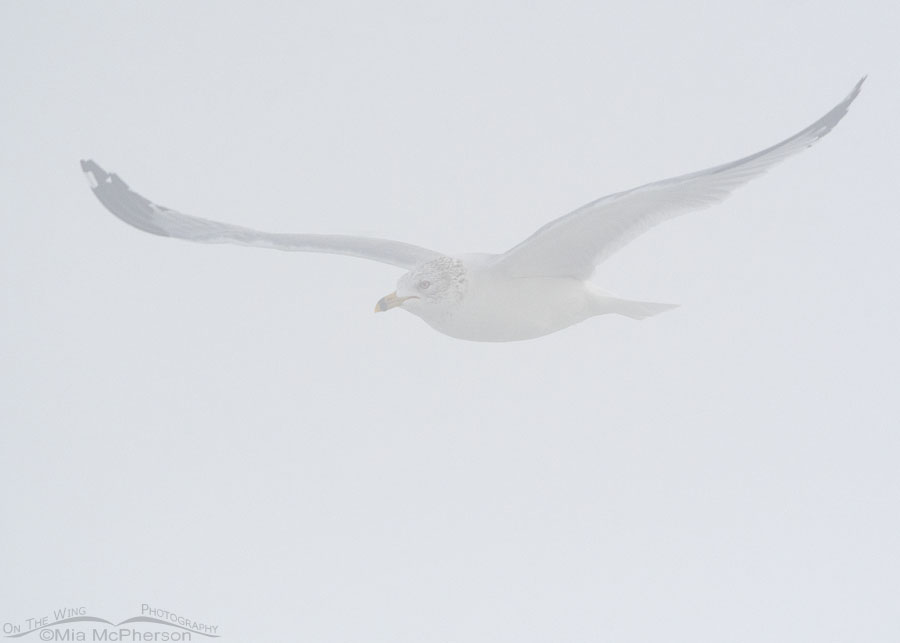
Once upon a time, in a marsh not so far away, I photographed a Ring-billed Gull flying in heavy fog. It was the densest fog I have ever photographed in.
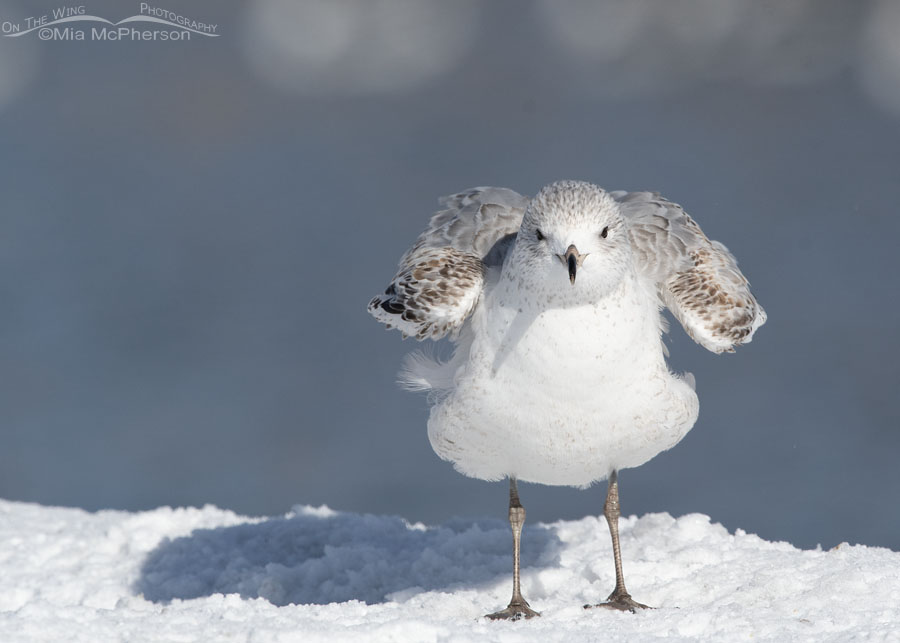
I'm always ready for fun, and this goofy, immature Ring-billed Gull provided a bit of fun for me yesterday afternoon at one of my snowy local ponds.
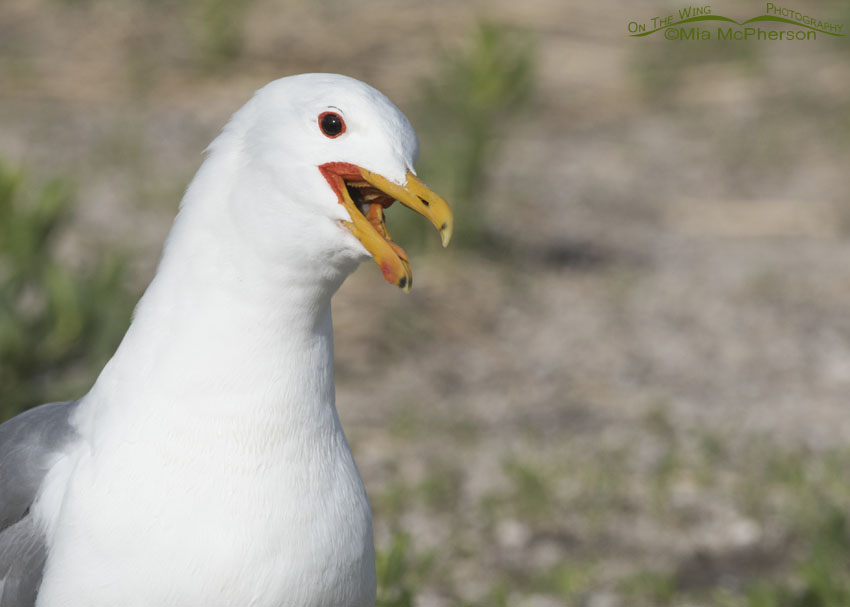
As I photographed a winter California Gull at my local pond two days ago, I thought about how these gulls are a misnamed species for the umpteenth time.
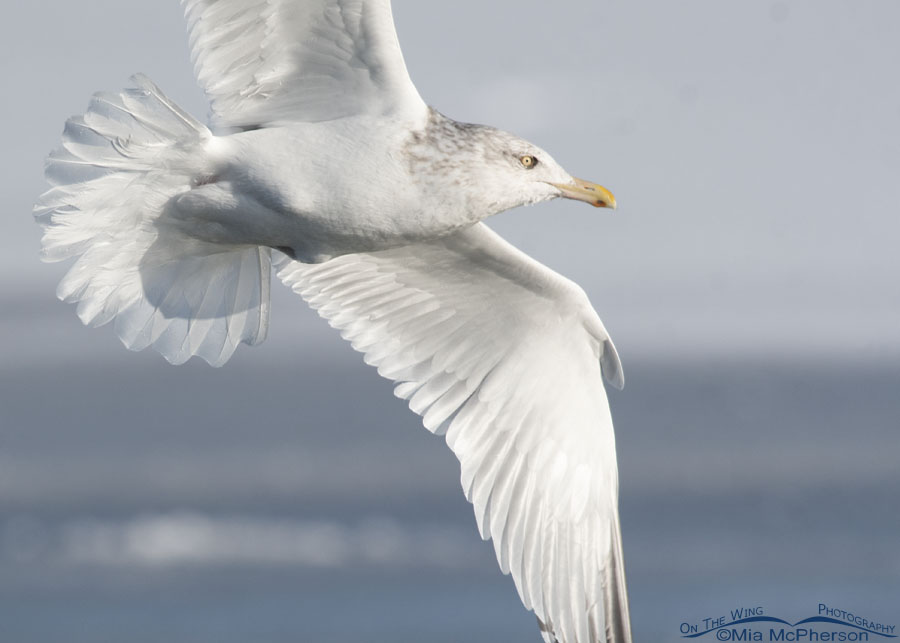
Three years ago today, I drove the auto tour loop at Bear River MBR alone. One of the birds I photographed that winter morning was this close-up adult Herring Gull in flight.
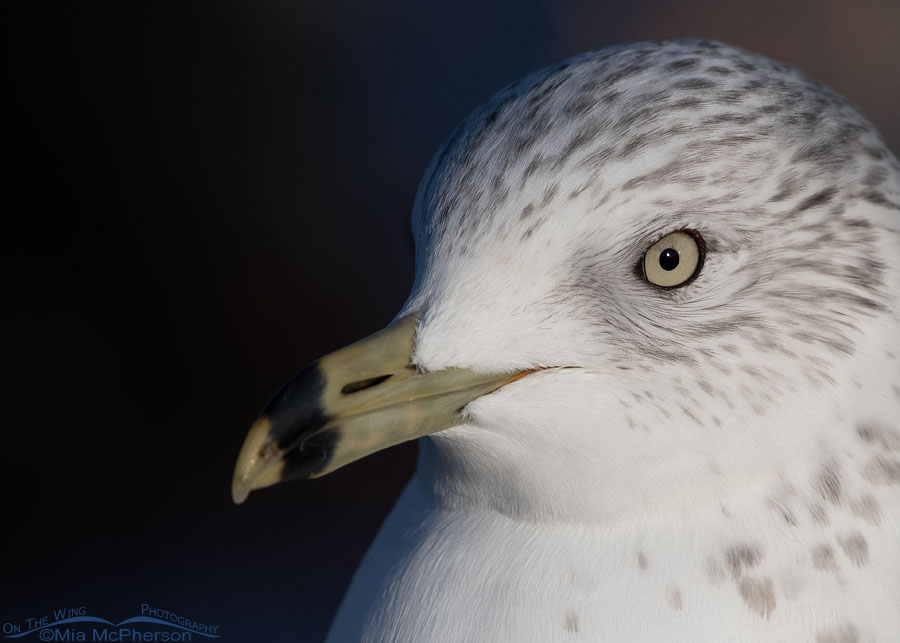
I'm sharing this day after Christmas Ring-billed Gull portrait this this morning. I know a lot of people don't like gulls. I will never be one of those people.
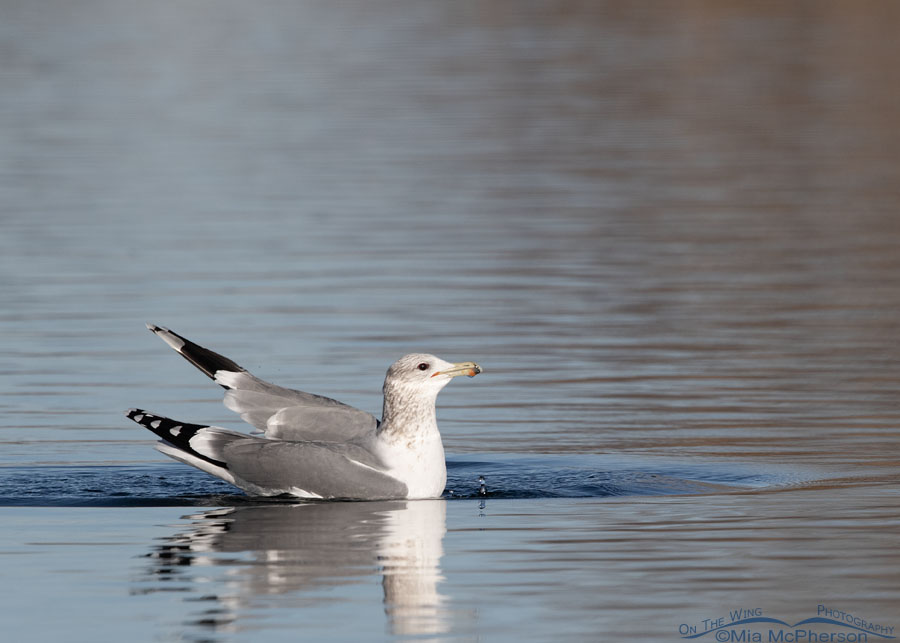
While I was at my local pond three days ago, I was happy to photograph this California Gull in winter plumage that had just landed on the water.
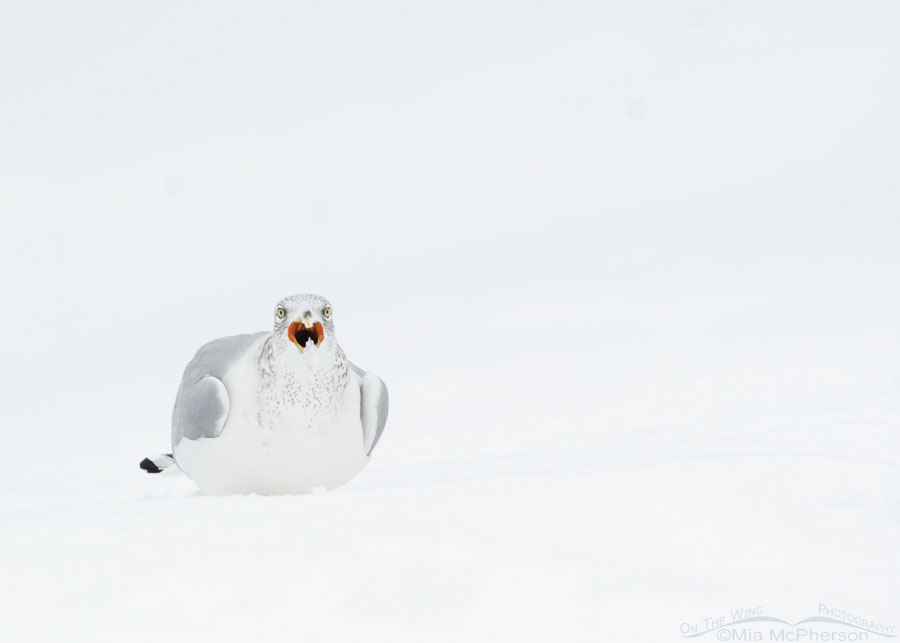
Snow is supposed to start falling around 10 a.m. where I live in northern Utah. It might be the first significant snowfall of this winter down in the valley.
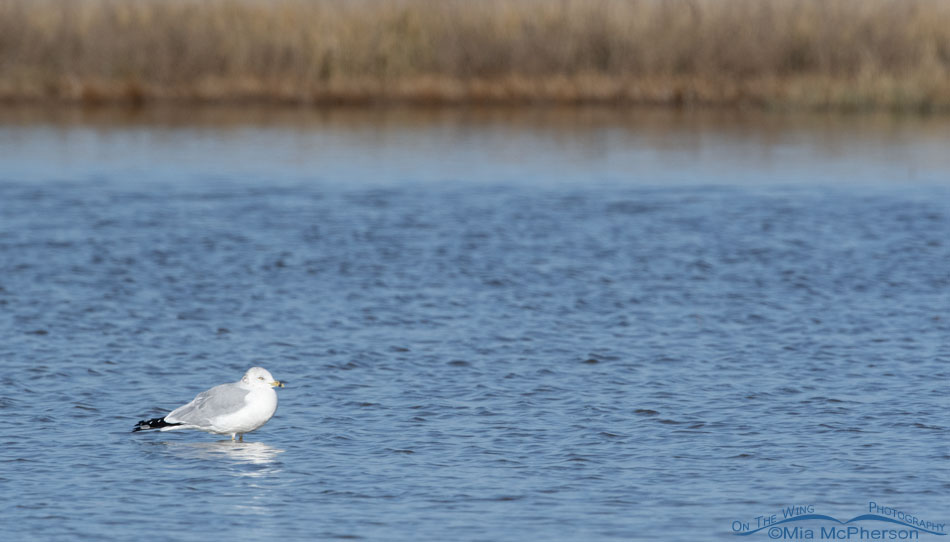
This morning, I'm sharing a simple photo of a resting Ring-billed Gull adult that I took the last time I made a trip up to Bear River Migratory Bird Refuge.
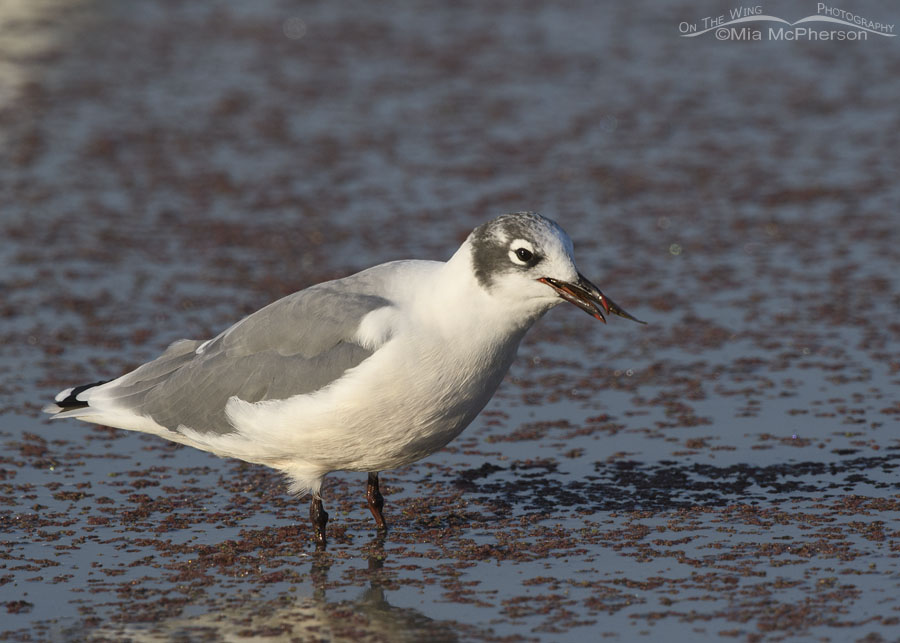
I took these Franklin's Gull images at Farmington Bay WMA nearly a year ago. I suppose it's better late than never to share the photos with you all today.
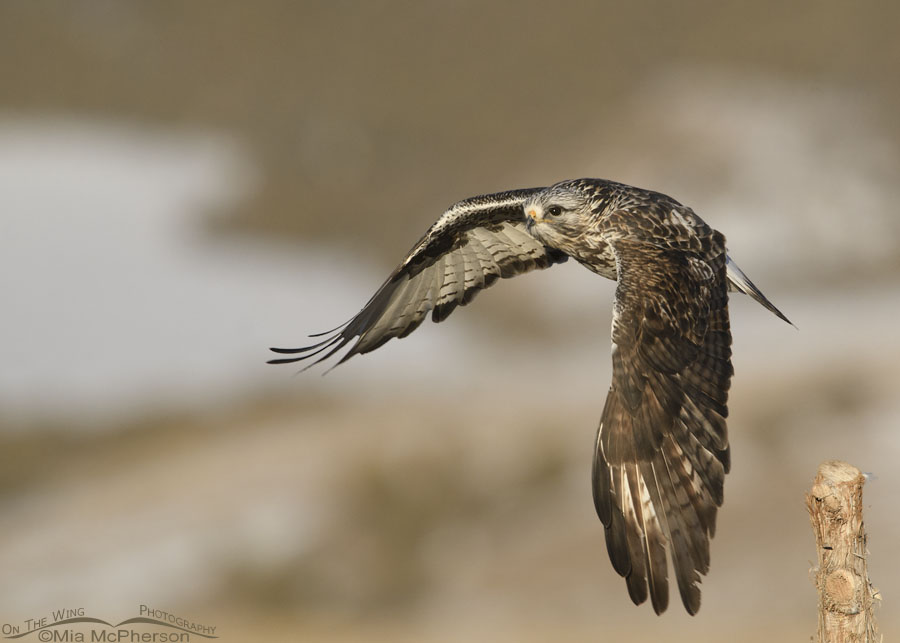
This could also be titled "Why I prefer to bird photography over people photography" and I will explain why this morning.
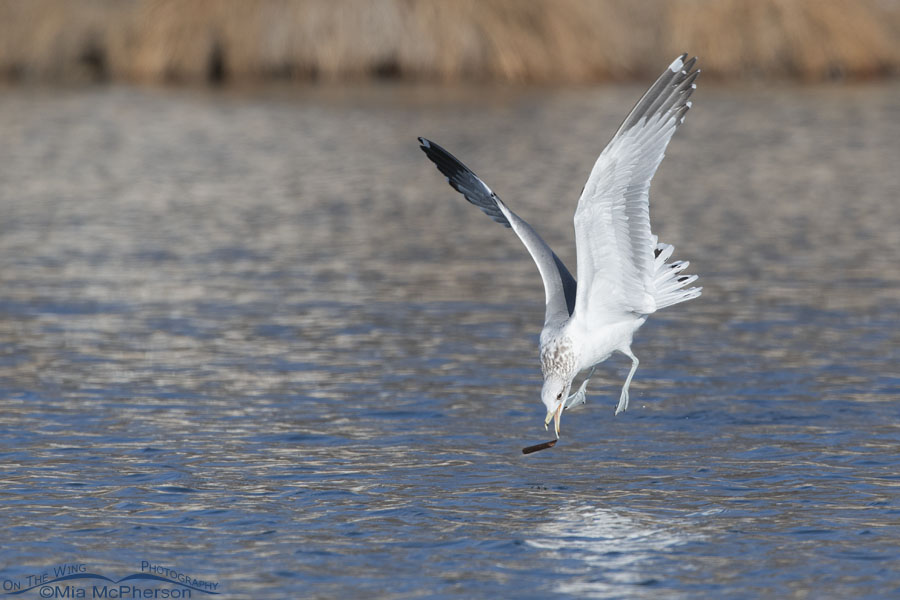
This morning I'm sharing two photos of a California Gull playing with a stick at one of my local ponds that I took during the winter in January of 2021.
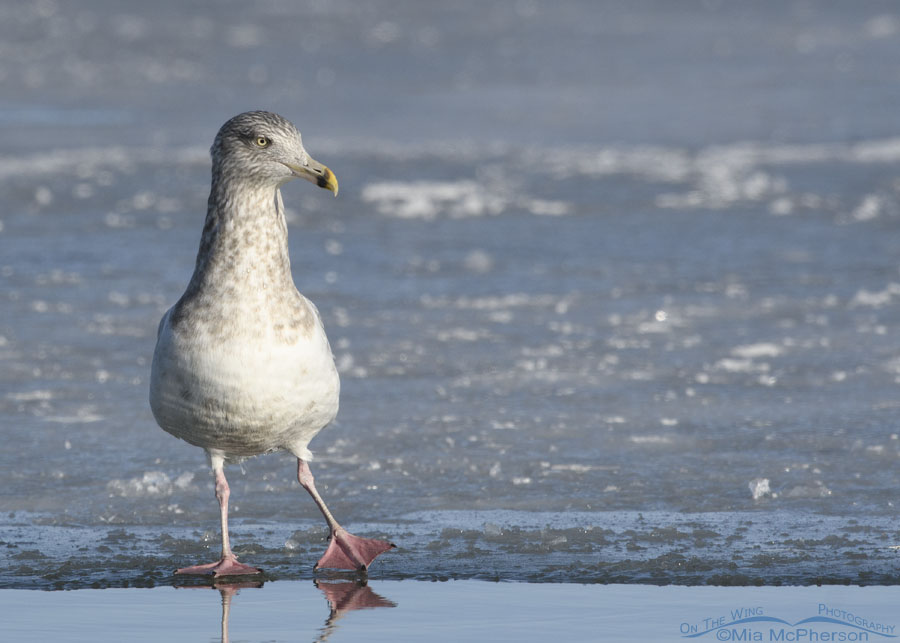
It was January 6, 2021, when I photographed this immature American Herring Gull testing the ice at Bear River Migratory Bird Refuge.
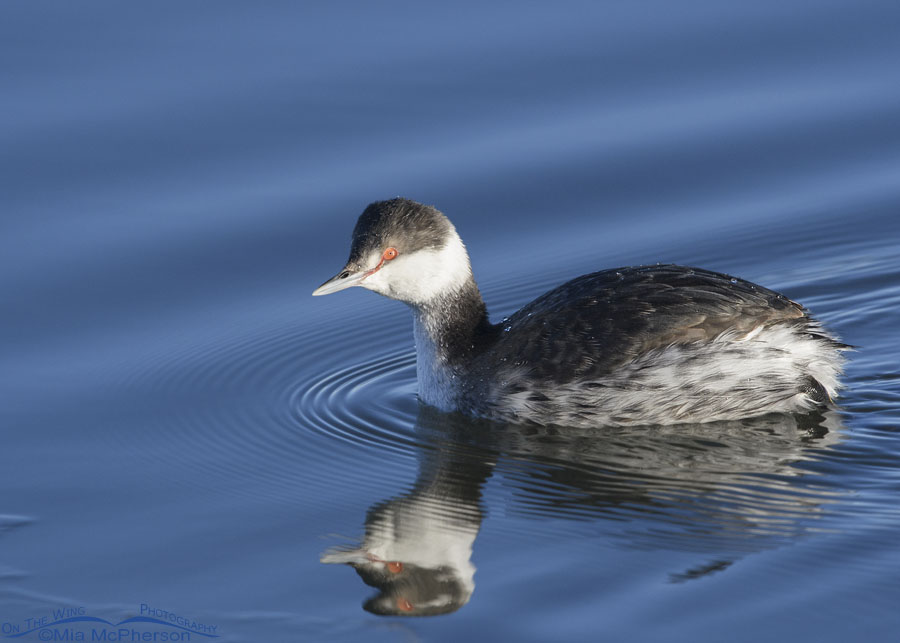
On this last day of the year it is time for my annual 2022 Year in Review post. In some ways 2022 has been great for me and in others not so good.
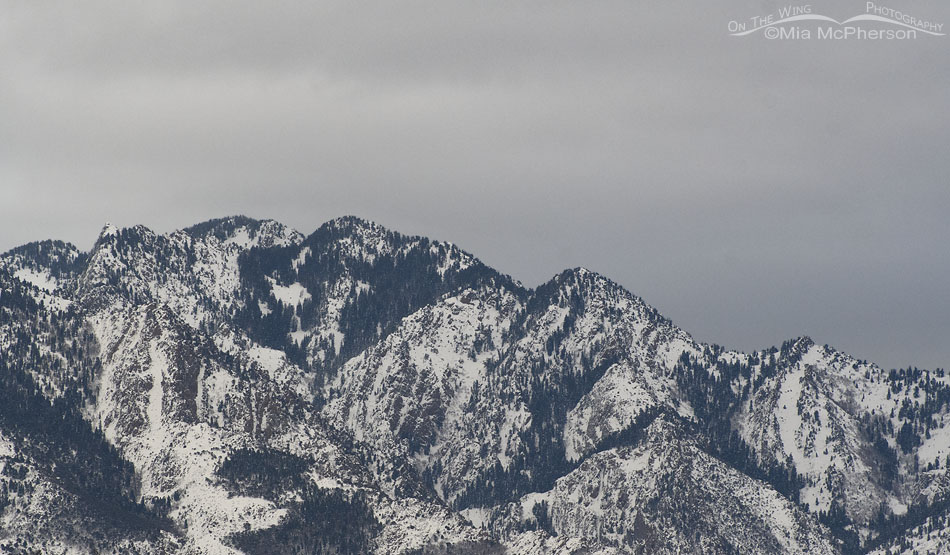
My Winter Solstice was cloudy and gray. I wandered down to my local pond to take in my first day of winter views of the Wasatch Mountains plus a few birds.
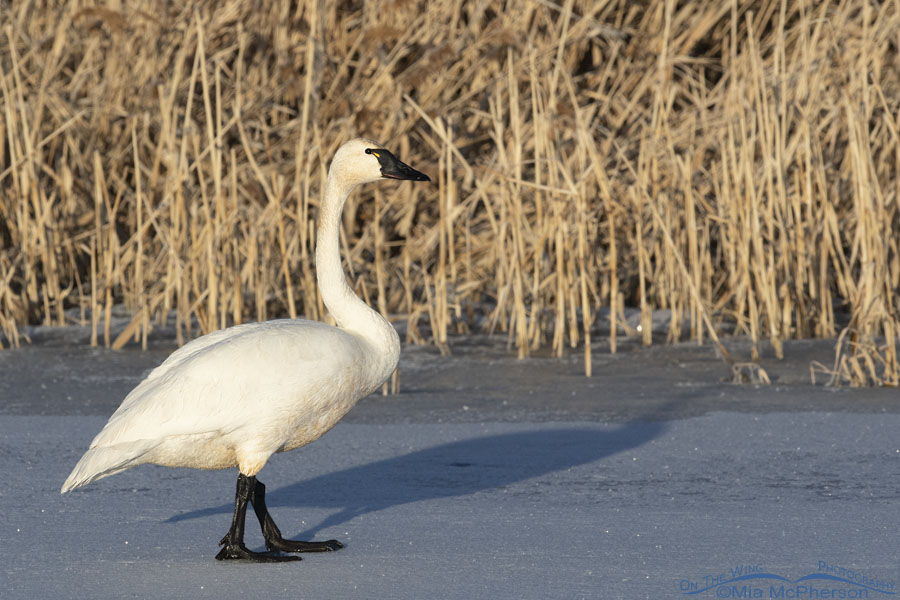
This morning I'm sharing photos of five bird species that I find on ice during the coldest months of the year in marsh and urban locations.
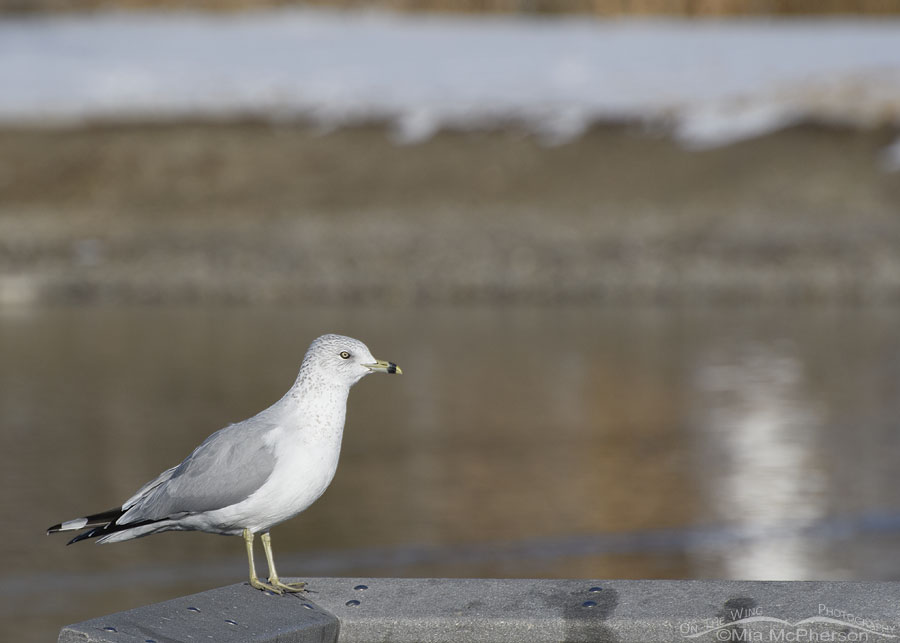
Yesterday I wrote that a mini-bike scared the birds at my local pond two days ago. This urban Ring-billed Gull didn't fly off. It stood its ground.
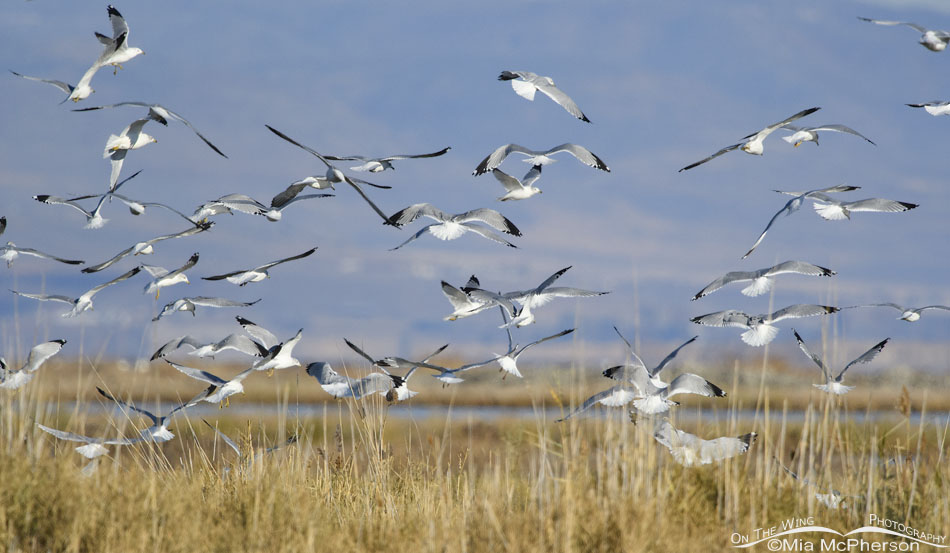
When I was at Bear River Migratory Bird Refuge two days ago I witnessed several Ring-billed Gull feeding frenzies out on the marshes of the refuge.
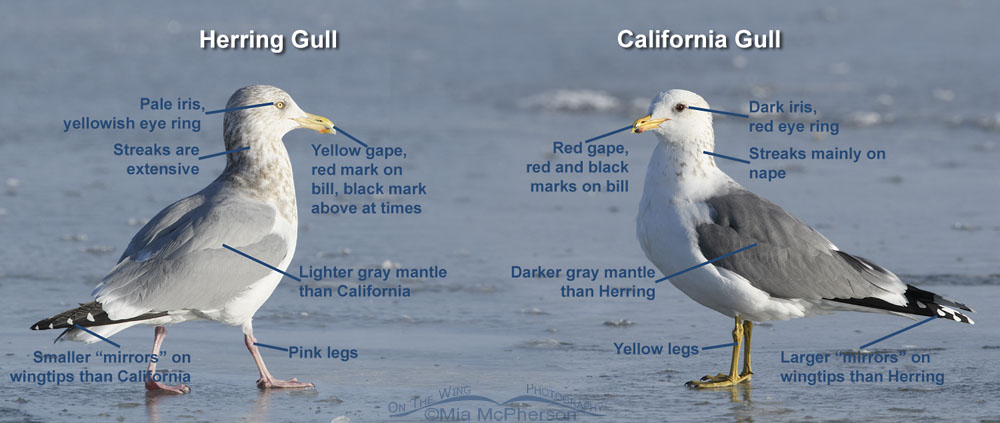
Since I frequently get asked which is which I thought this would be a good time to do a winter California and American Herring Gull comparison and ID feature post.
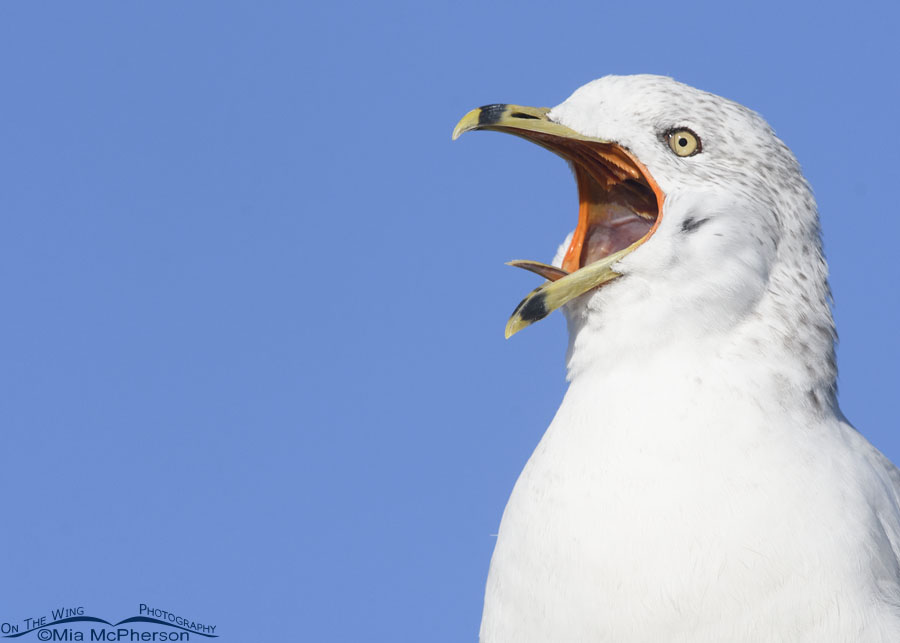
Late last month I had the opportunity to take portraits of a calling Ring-billed Gull while I was looking for birds at Farmington Bay WMA.
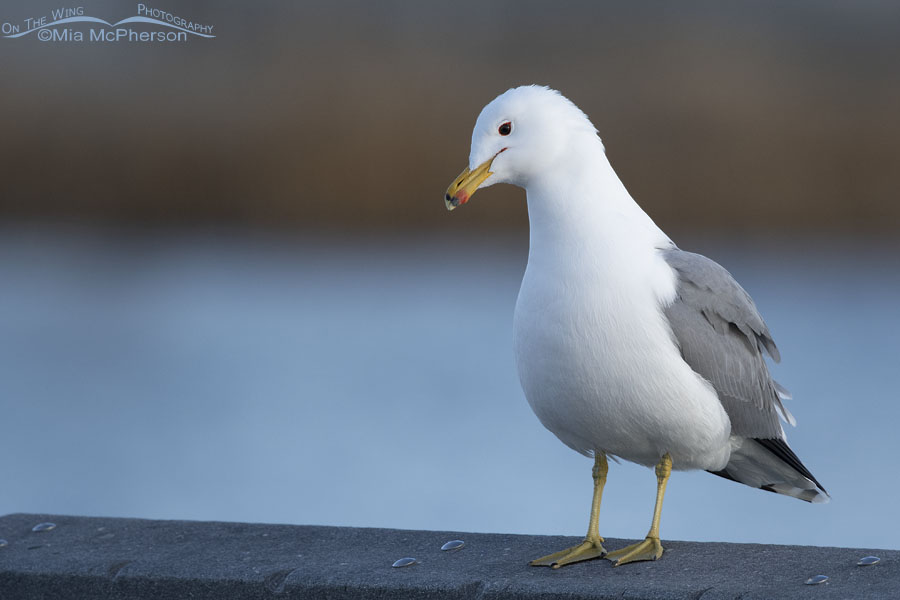
Last week I spent a few minutes focused on photographing an urban California Gull in soft morning light at a pond close to home.
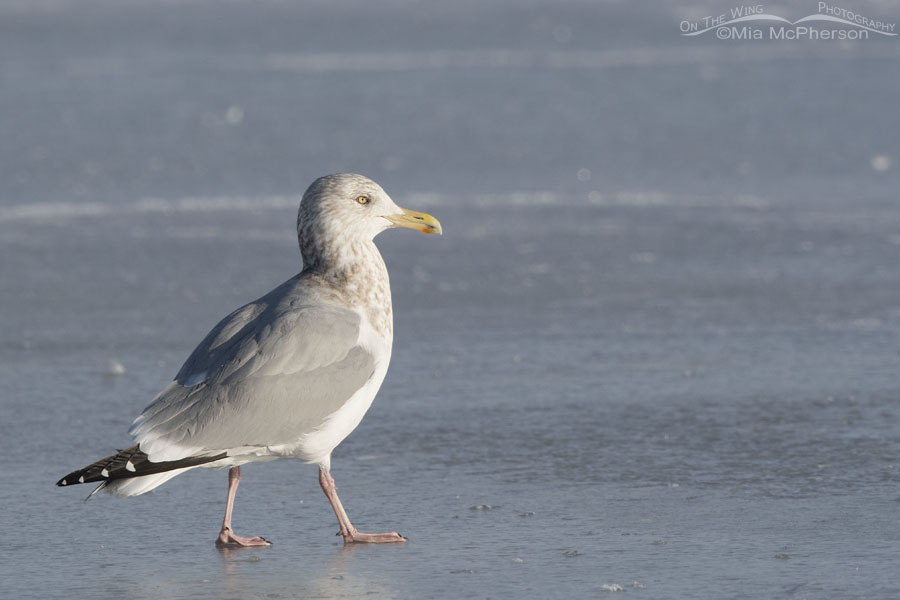
Last week I photographed this Herring Gull walking in ice from the auto tour loop at Bear River MBR on a bright but chilly sunny morning.
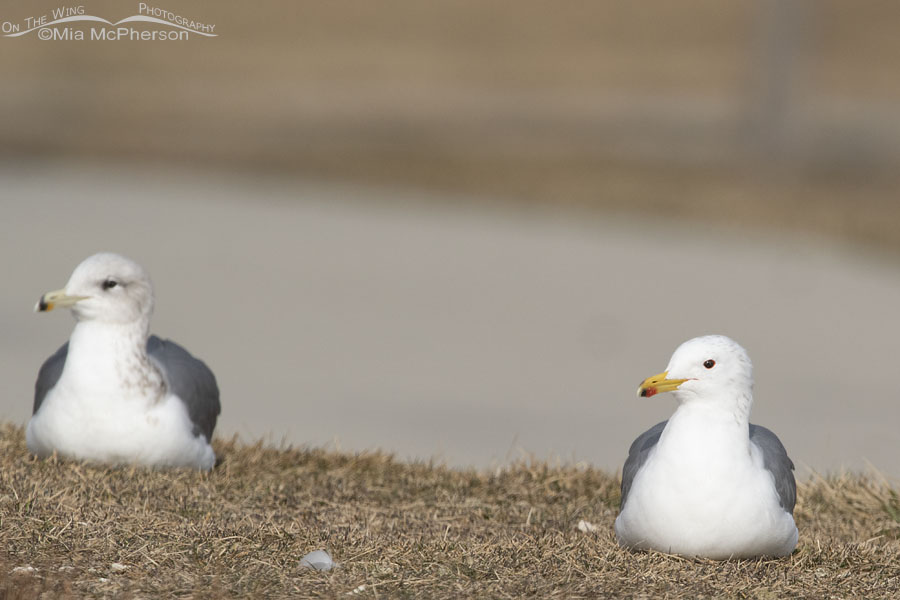
While taking a short break yesterday morning I went down to my local pond for a few minutes and took a few California Gull photos while I was there.
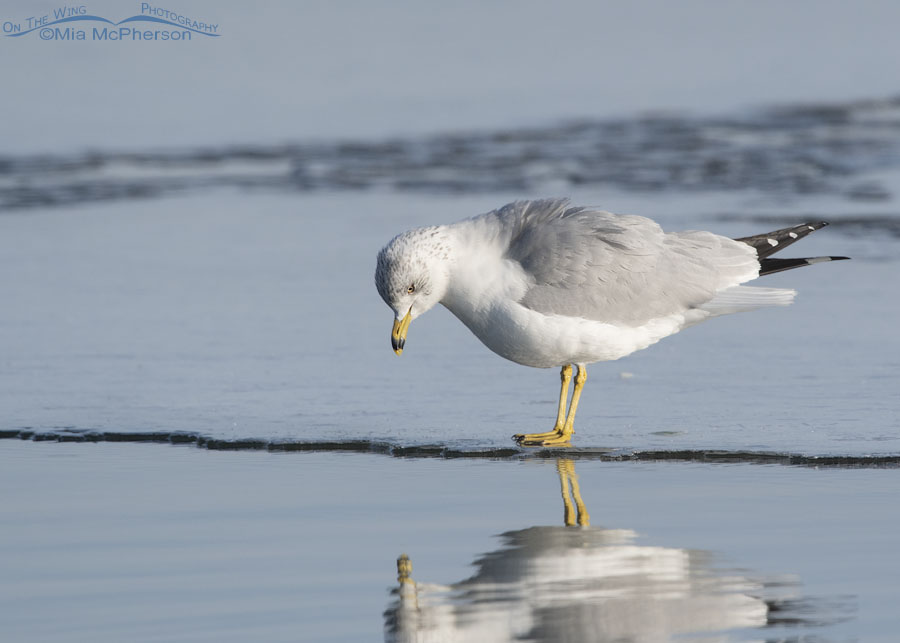
Last week I was just as excited to take Ring-billed Gull images as I was to take photos of a delightful Horned Grebe on the marsh at Bear River MBR.
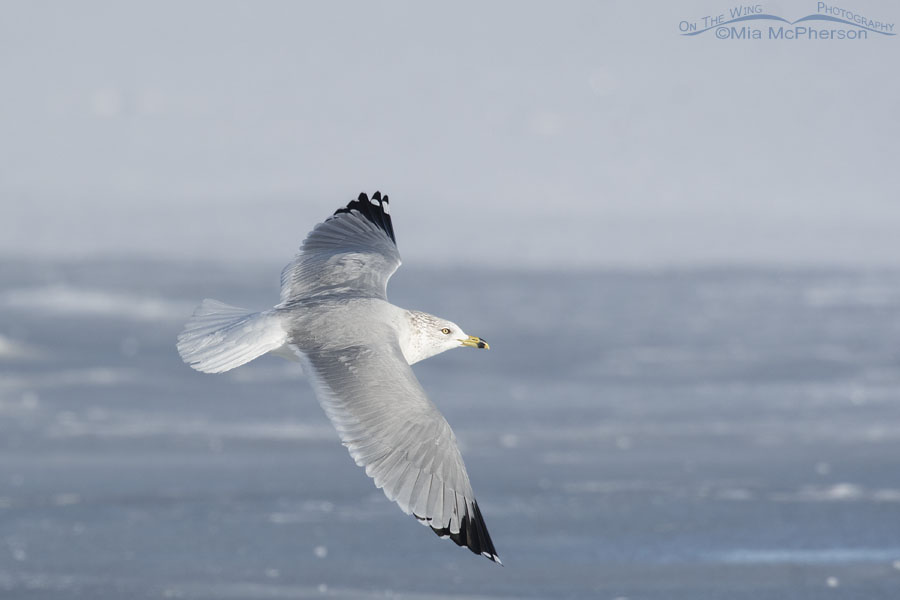
One year ago tomorrow I was at Bear River MBR where I took these winter Ring-billed Gull images from the west side of the auto tour loop at the refuge.
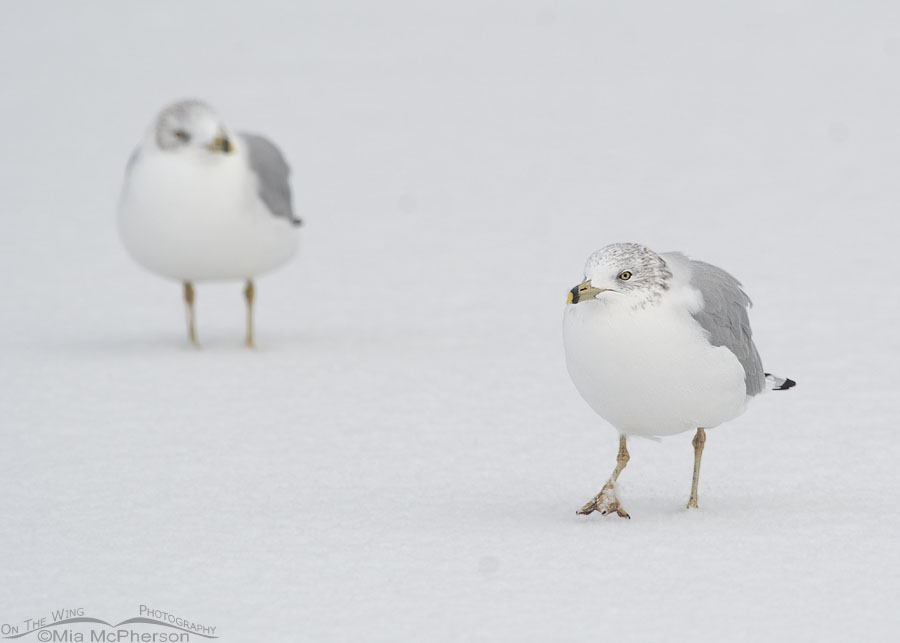
In December of 2019 I took quite a few Ring-billed Gull photos in whiteout conditions down at my local pond and loved the challenge that taking them presented.
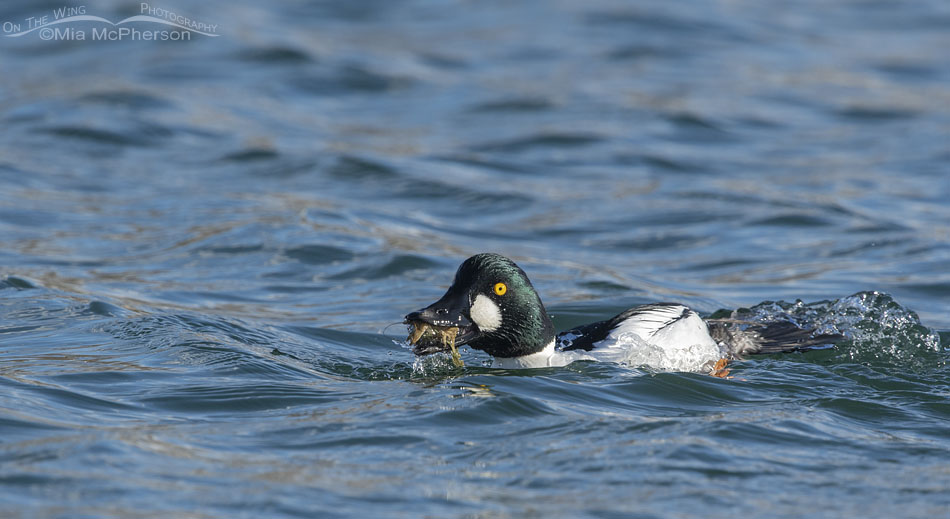
I did get out to find and photograph birds on Christmas Day at Farmington Bay WMA and then later in the morning I found more closer to home.
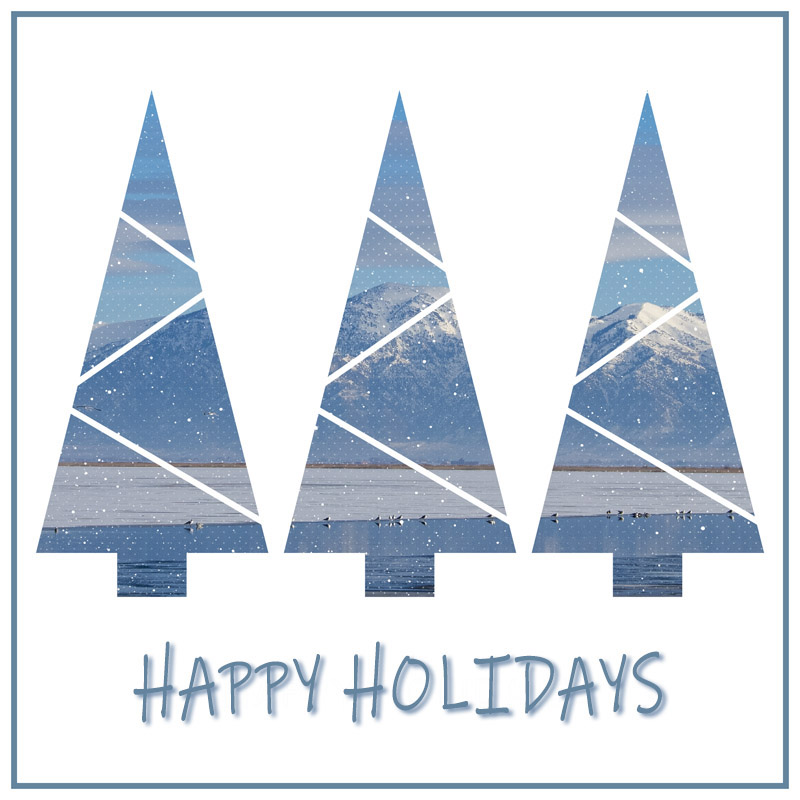
This Christmas Eve morning is so very different from the one I had in 1998. I was sitting at my computer that morning much the same as I am now but I lived in Virginia then and I was going through some rough times.