Focusing On Spotted Sandpiper Chicks
Yesterday morning the first birds I spotted in the high country of the Wasatch Mountains were two tiny, butt bouncing Spotted Sandpiper chicks foraging on their own.



Yesterday morning the first birds I spotted in the high country of the Wasatch Mountains were two tiny, butt bouncing Spotted Sandpiper chicks foraging on their own.

I'm actually more than a touch fascinated by the Great Blue Herons I see, observe and photograph in the higher altitudes of the Wasatch Mountains.

Today I am sharing a photo of a fledgling Song Sparrow I photographed last week next to an alpine creek high in the Wasatch Mountains.

When I found this Great Blue Heron standing on a rock surrounded by the fast moving waters of a mountain creek I knew I wanted photos of it.

One of the birds I found that summer morning was a Great Egret perched on a stump that the waves of the Gulf had deposited on the shore of the beach.
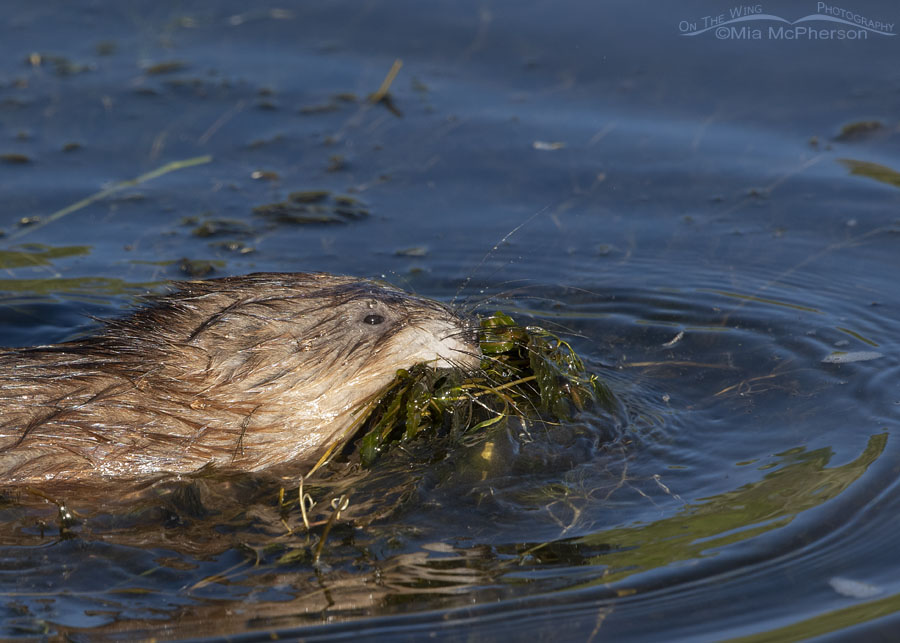
This spring I've been able to enjoy photographing a family of muskrats that live in a creek in the Wasatch Mountains and I expect I will also see them at least part way through the summer as well.

I know from experience that when I post Mallard photos and write about them here on my site that they don't seem to get as many views as other birds do.

As I went through the images I took four years ago this photo of a female Mountain Bluebird perched on an old fence post with prey for her young in her bill stood out to me.

I will say that my favorite and most memorable times photographing Long-billed Curlews happened while I was still living in Florida well away from their breeding grounds.

The soft light of dawn has a special quality to it and I believe that it is evident in both of these American Oystercatcher photos.

This morning I opted to go back in time to a "normal" Mother's Day by pulling a Black-bellied Plover photo from my archives that was taken on Mother's Day in 2009.
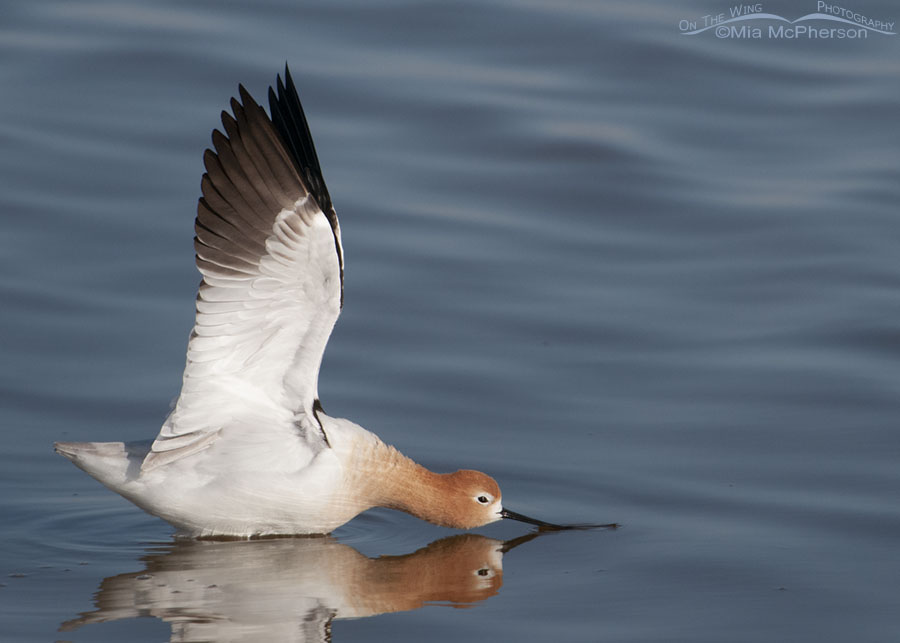
Six years ago in early April I went to Bear River Migratory Bird Refuge and photographed this male American Avocet stretching his wings while his head was low to the water.

Three days ago I spotted my first of the year Snowy Egret at Bear River Migratory Bird Refuge when two egrets flew out of a ditch on the way to the auto tour loop.

The light yesterday morning was a little bit funky because of high, thin clouds overhead but I took a few photos of the birds that I was able to get close to including one of the Eared Grebes.
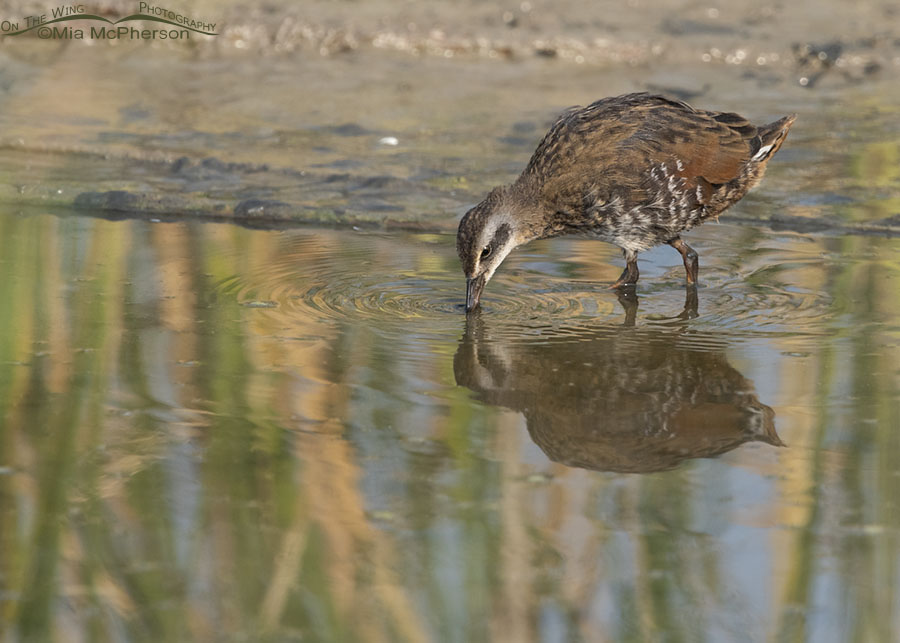
Today I wanted to focus on Virginia Rails because I don't find them out in the open very often, they are such secretive marsh birds.

I had my best opportunities to take close up photos of Killdeer that I have ever had and I took full advantage of each chance I had with them.

What I like about this photo was the reflection of the Western Meadowlark, the still water, the one raised foot and the curvy edges of the puddle. I feel drawn into the frame.
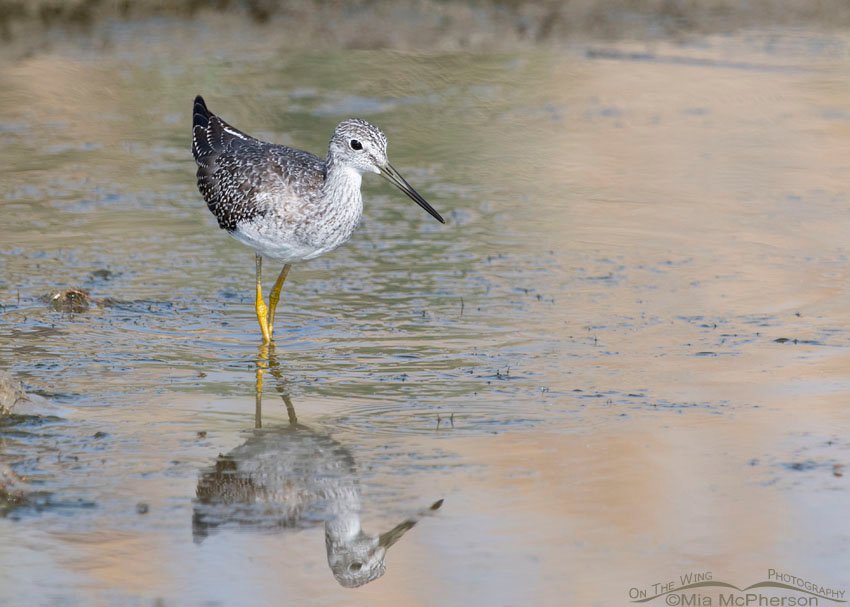
I also heard but didn't see my first of year Greater Yellowlegs and although their calls aren't as melodic as those of Savannah Sparrows it was still music to my ears.
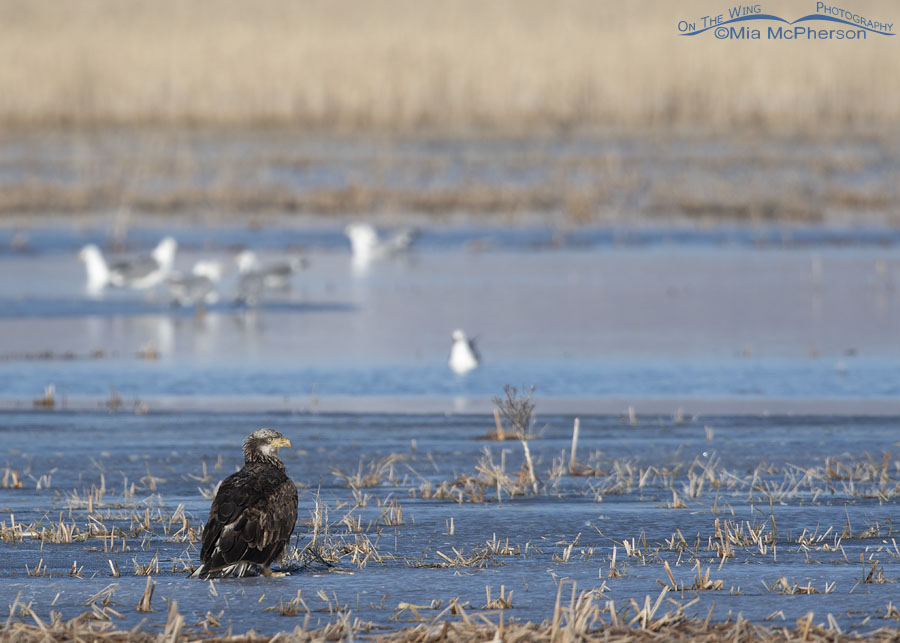
I did find a sub-adult Bald Eagle resting on the ice on the last leg of the refuge loop and even though it was at a distance I wanted to photograph it because of the marshy habitat it was in.

While looking through my photos from two years ago today I came across images of this Ring-billed Gull coming in for a landing and thought the gull looked perfect against the blue of the water.

Eleven years ago today I was wandering and looking for birds to photograph at Lake Seminole Park in Florida and found a very cooperative Limpkin that was foraging for breakfast.
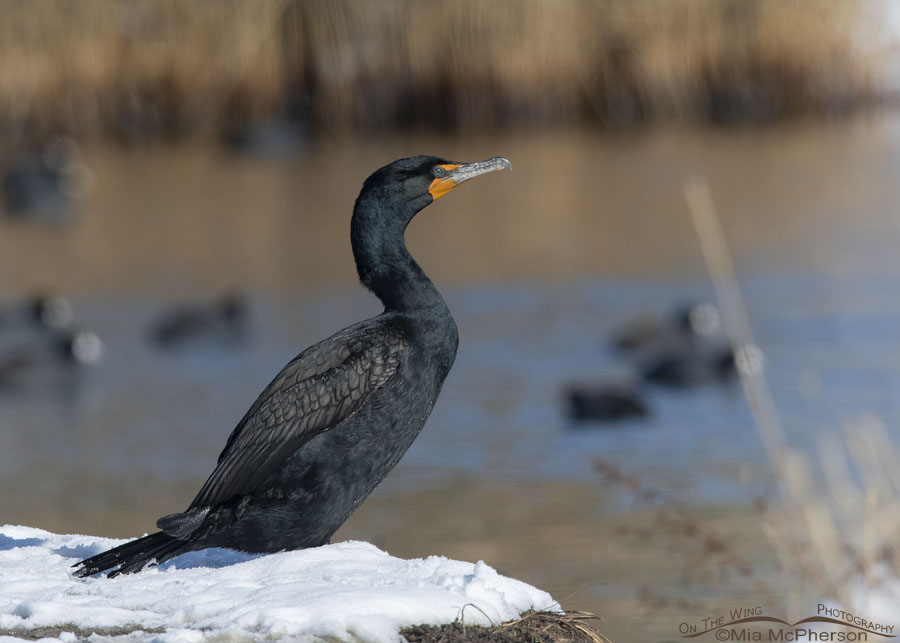
Every winter since I moved to northern Utah in 2009 I have found a few Double-crested Cormorants overwintering at my local ponds but this winter has been very different.

I like gulls. I love to photograph gulls. I enjoy watching gulls in flight, on the ground, and fighting over food. I just do. I'm proud to be a gull enthusiast.

When I was at Bear River Migratory Bird Refuge three days ago I realized that in just a few weeks the Clark's and Western Grebes will be returning to the marshes for their breeding season.

When I notice an American Coot exhibiting patrolling behavior I will often aim my lens at them because there could possibly be a chase or fight within seconds.

After reviewing the images I took of the gull at home on a larger screen I was happy to see that it was a Herring Gull, gulls we only see in the winter here.

I found it interesting to see a first winter drake Common Goldeneye swimming with a first winter Common Merganser and decided to photograph them.
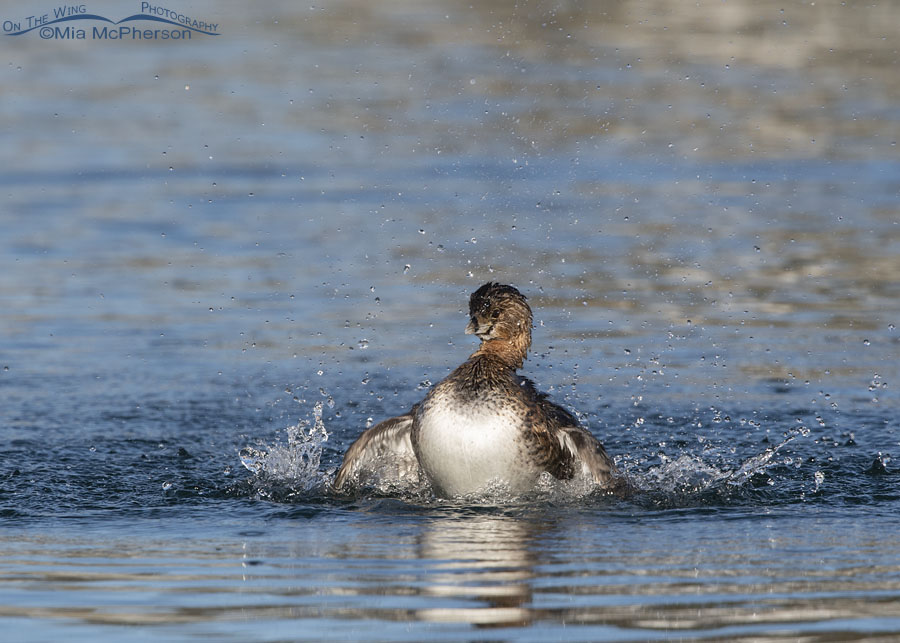
The Pied-billed Grebe dunked its head then slapped its wings against the water vigorously which caused the icy water to fly in all directions.

When I lived in Florida Tricolored Herons were among my favorite wading birds to photograph and I found them in many different types of habitats.

I thought I was going to go home without any frame filling bird photos until this European Starling flew in and landed next to the water.