Why Do These Drake Common Goldeneyes Look Different?
Both of these drake Common Goldeneyes were photographed on January 7, 2018, but they don't look quite the same.



Both of these drake Common Goldeneyes were photographed on January 7, 2018, but they don't look quite the same.

There was a stiff breeze blowing and when the light morph Rough-legged Hawk lifted off from the juniper it seemed to me as if he did it in slow motion.

Having this male House Finch perched in a frost kissed Greasewood a few days ago with blue sky behind it did make him stand out well.
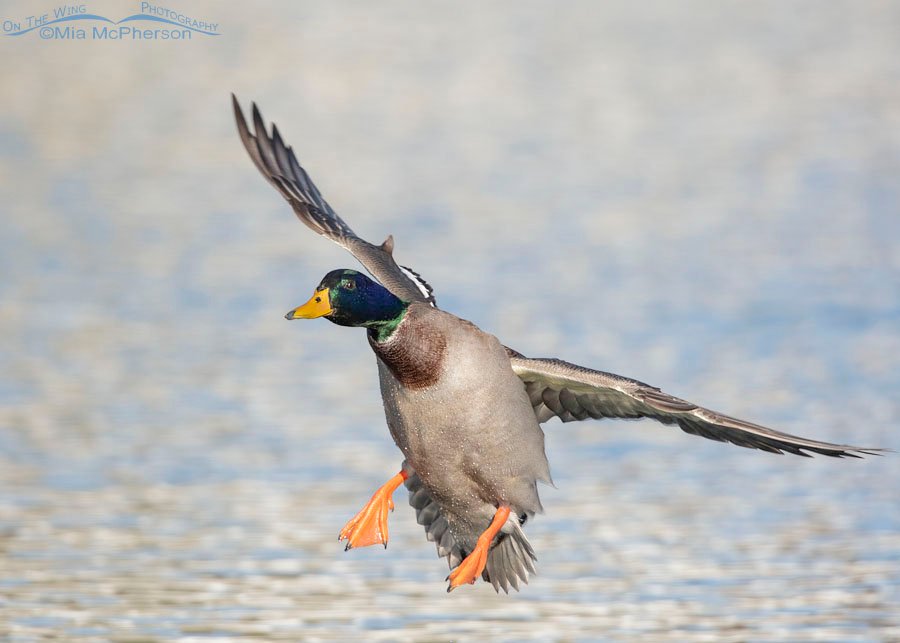
When I was at Bear River Migratory Bird Refuge a few days ago I saw lots of ducks in the marshes and on the water and I realized that I am looking forward to photographing winter ducks again.
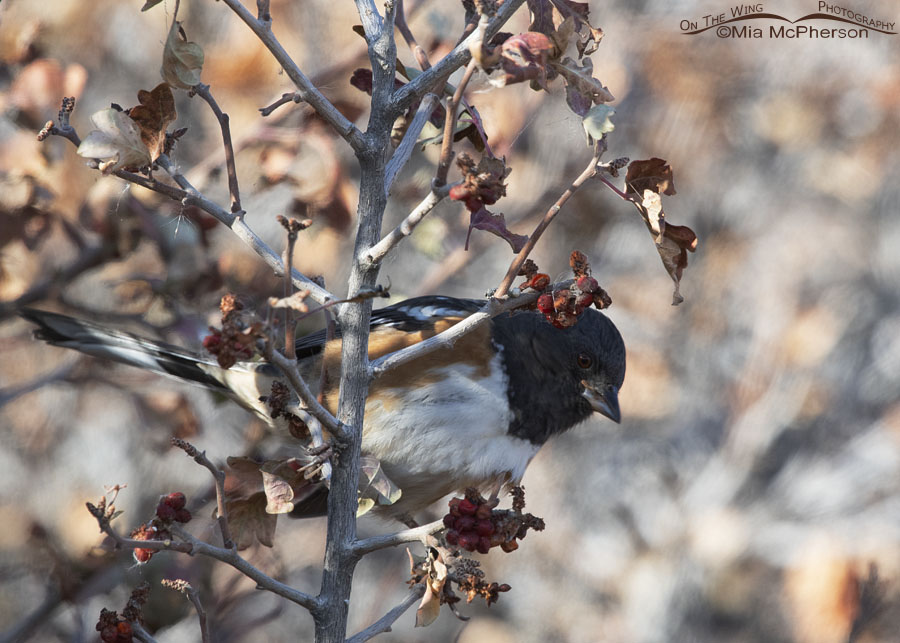
I photographed some sparrows, goldfinches, juncos, and this lovely male Spotted Towhee that was eating the fruit of a Fragrant Sumac tree.

Six days ago I was happy to see three flocks of Wild Turkeys and the smallest flock was in good light, at the edge of a forest and they were cooperative.

I proudly credit being an Army Brat on discovering a great location to photograph these Red-breasted Nuthatches and other woodland birds.
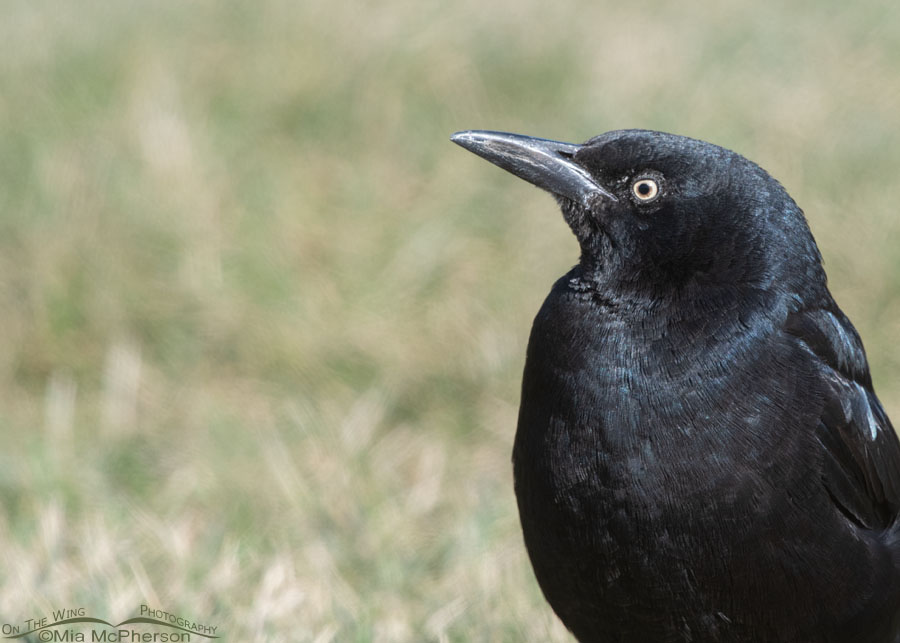
I don't often get to have Great-tailed Grackles in my viewfinder let alone have them close enough to take portraits of them so when the opportunity presents itself, I jump at the chance.
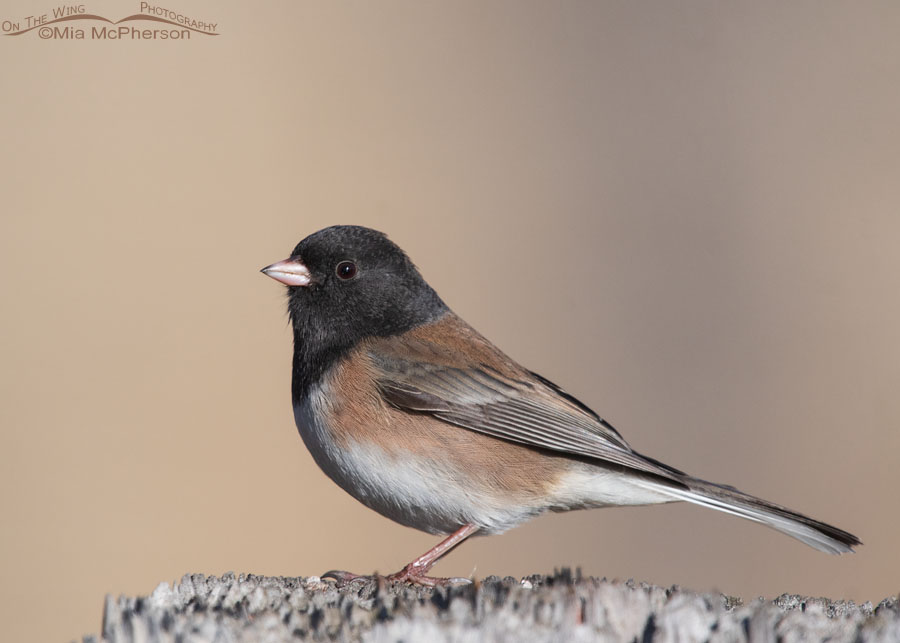
As common as Dark-eyed Juncos are I have surprisingly few photos of them in my galleries and that is why I get excited when I can add a new photo of them to my portfolio.

It is currently the time of the year when I start looking for Rough-legged Hawks in northern Utah, the temps have dipped below freezing, there has been frost on the ground and now we've had our first snow.

I don't see nearly as many harriers over the marshes at Farmington Bay as I used to five to ten years ago but the marshes have changed some since I moved to northern Utah.

I photographed this young male Red-winged Blackbird singing at the top of a Russian olive tree at Farmington Bay WMA nine days ago.

Two days ago I spotted a Wild Turkey tom crossing a dirt road high up in the Stansbury Mountains and to my delight there were several more males following behind him.
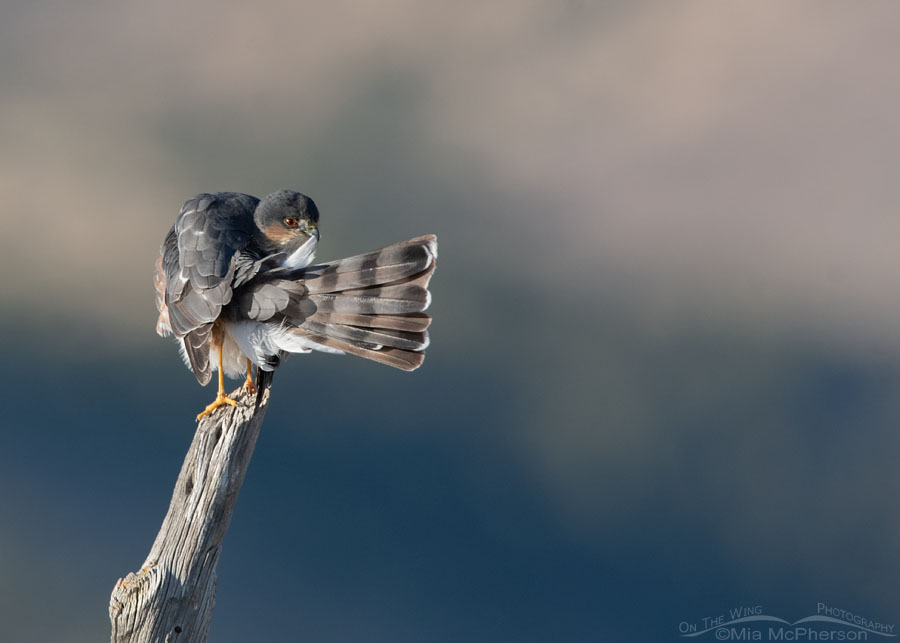
When it comes to accipiters I see Sharp-shinned Hawks less frequently than I do Cooper's Hawks or Northern Goshawks so when I have a Sharp-shinned Hawk in my viewfinder I become very excited.
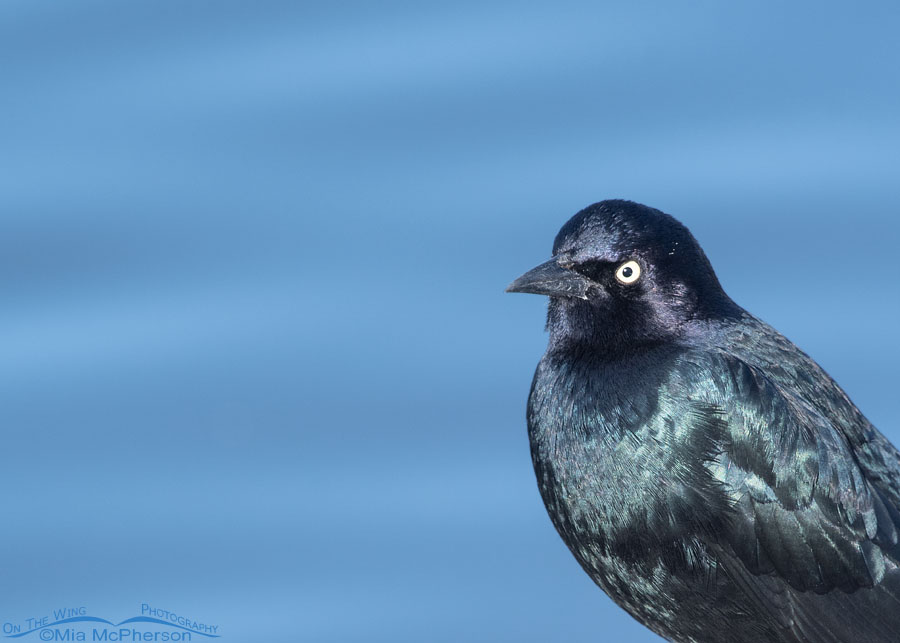
Yesterday morning I was able to take close up images of a male Brewer's Blackbird in the kind of light that showed all of its beautiful iridescent colors with the silky blue water of a pond in the background.

I haven't seen a Northern Yellow Warbler in northern Utah for sometime now and it is pretty safe to say that these birds has taken wing and have headed to warmer climes for the winter.

I haven't had any California Quail in my viewfinder since last December so a when I had the chance to photograph a male at Farmington Bay WMA nine days ago I was happy.
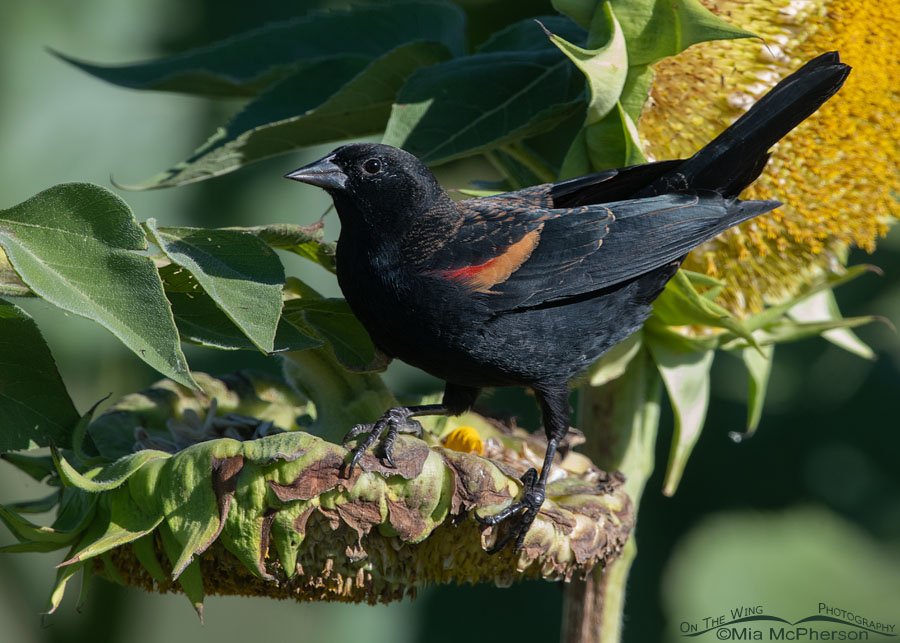
Autumn is a time when the seeds of many plants that the Red-winged Blackbirds feed upon have ripened and the birds are taking full advantage of the season's bounty and spend a large part of their days foraging.
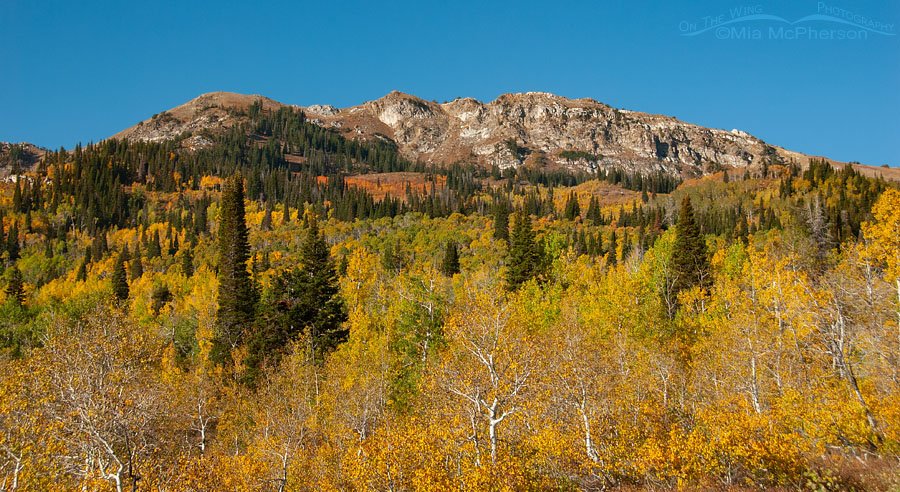
This morning is cloudy and gray but seven years ago today it was bright, the air was crisp and the fall colors of the Front Range of the Wasatch Mountains were in their full glory.

I didn't see or photograph as many Rough-legged Hawks last winter as I have in previous years but I did have a close up, extraordinary experience with one who was expelling a pellet on a snowy, foggy day at Bear River MBR.
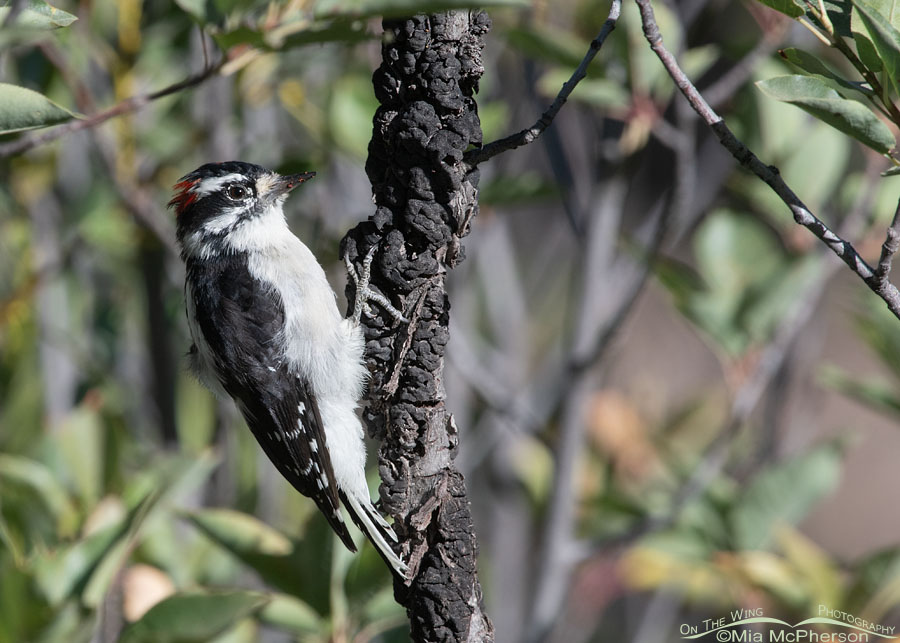
When I noticed the Downy Woodpecker moving towards the front part of the tree I changed my focus to it and waited to see if he would come out into the open and when it did I was ready to takes images of him.

Our current climate crisis could mean Utah might lose our Mountain Bluebirds and it is not just us, it is Idaho, California, Nevada, Arizona, Colorado, New Mexico, and Wyoming that will also be affected if action isn't taken now.
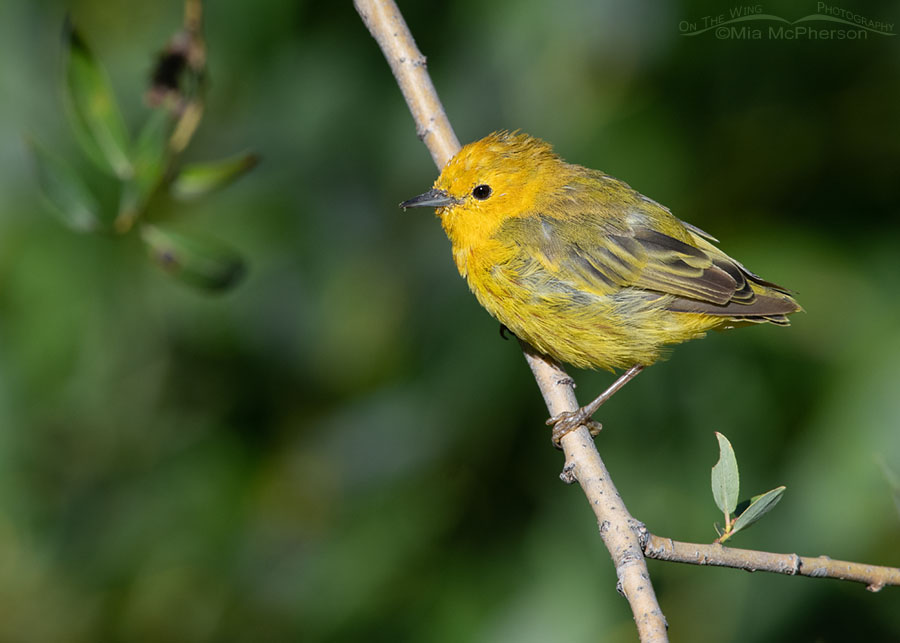
Some birds that are molting can look a little odd and this molting male Northern Yellow Warbler with a stubby little tails fits that description perfectly.

I kept my focus on this male American Goldfinch and when he lifted off I was able to take a photo with his wings raised just as he started to take flight.

Just a short post today with a photo of a male Broad-tailed Hummingbird getting nectar from an unknown wildflower, or at least it is unknown to me.

Last year I was able to take hundreds of photos of this male American Goldfinch in breeding plumage while he fed on the seeds of a Musk Thistle.
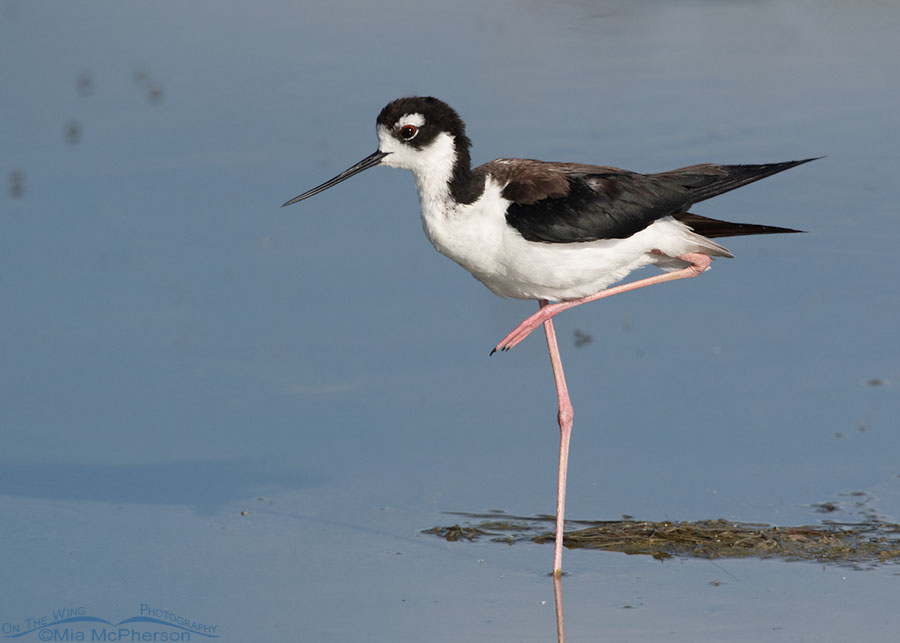
These two Black-necked Stilt photos were taken 9 days ago at Bear River Migratory Bird Refuge and I thought they could easily show the difference between the female and male of this species.
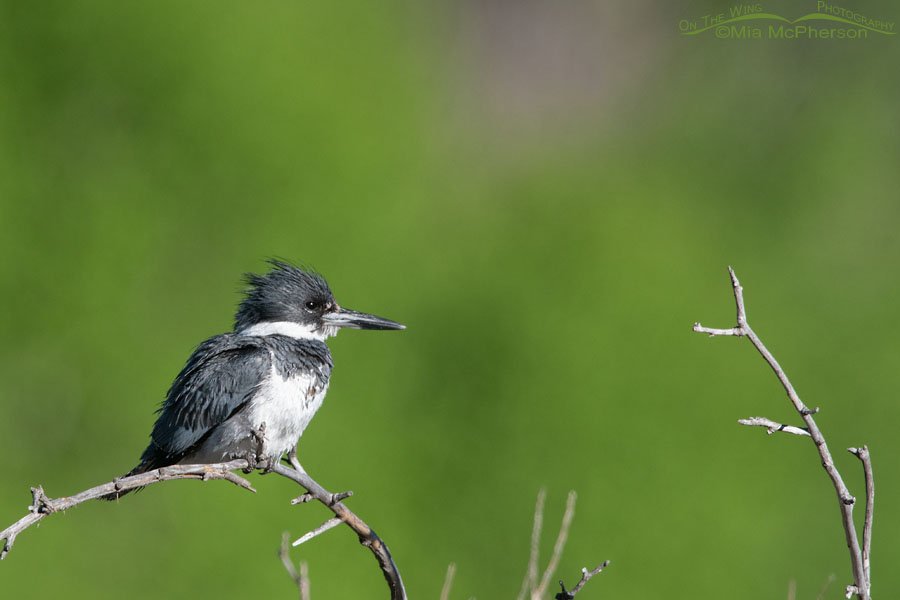
Back in early June I had the opportunity to photograph a male Belted Kingfisher up close high in the Wasatch Mountains but due to circumstances beyond my control I missed those shots.
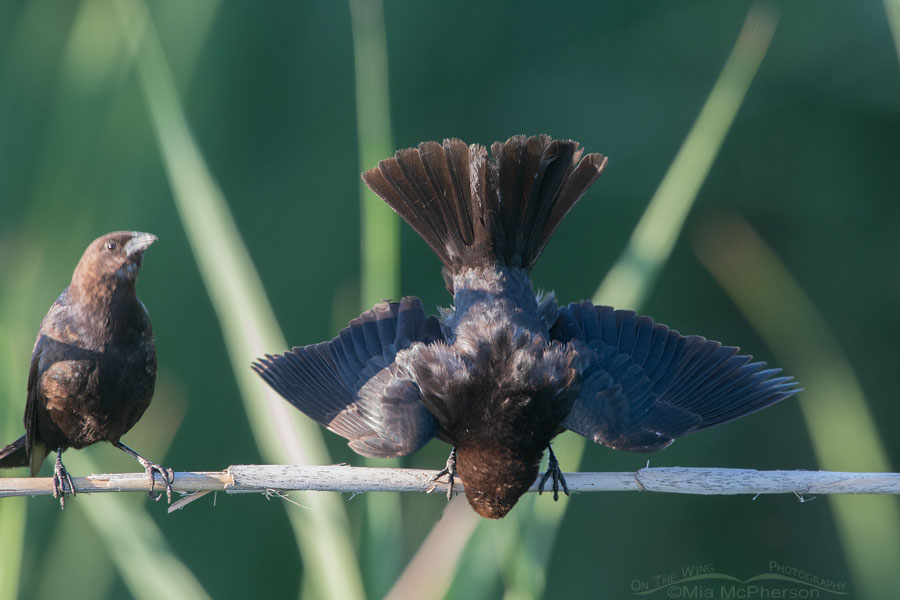
This photo of a displaying male Brown-headed Cowbird in a goofy upside down pose is not a good photo technically but I absolutely love the behavior it shows.
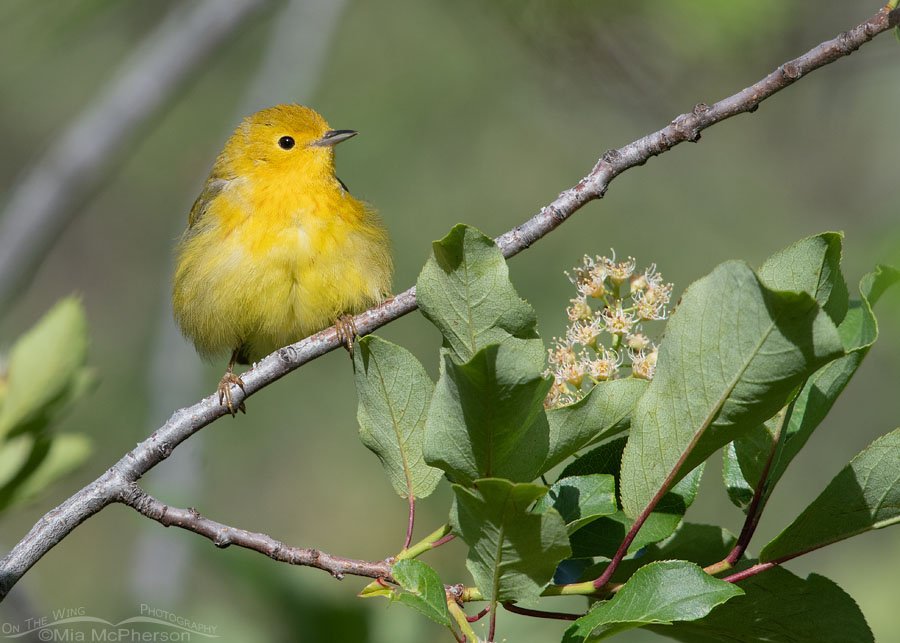
Northern Yellow Warblers are small birds that look like feathered rays of sunshine that have come to earth and I am always delighted to photograph them