Male Short-eared Owl Showing His Ear Tufts
Most often I see the ear tufts of Short-eared Owls when they are on alert, when there is a wind blowing the tufts from behind the owl or when they appear curious about something they can see or hear.



Most often I see the ear tufts of Short-eared Owls when they are on alert, when there is a wind blowing the tufts from behind the owl or when they appear curious about something they can see or hear.

I was able to take these photos of the male Northern Harrier diving after his falling prey because I looked beyond my viewfinder and quickly locked onto the action happening overhead.

Eight days ago it was sunny and bright and I was out having fun photographing a pair of foraging American Avocets in breeding plumage at Bear River Migratory Bird Refuge in northern Utah.

The Loggerhead Shrike did fly in and brought prey to feed the presumed female, during the mating season the males will allofeed the females as part of their courtship behavior. I've never been able to photograph allofeeding behavior before so I was tickled pink.

My best bird photos yesterday were of a stunning Yellow-rumped Warbler (Audubon's) male in breeding plumage that I photographed as he foraged in tree next to the road.
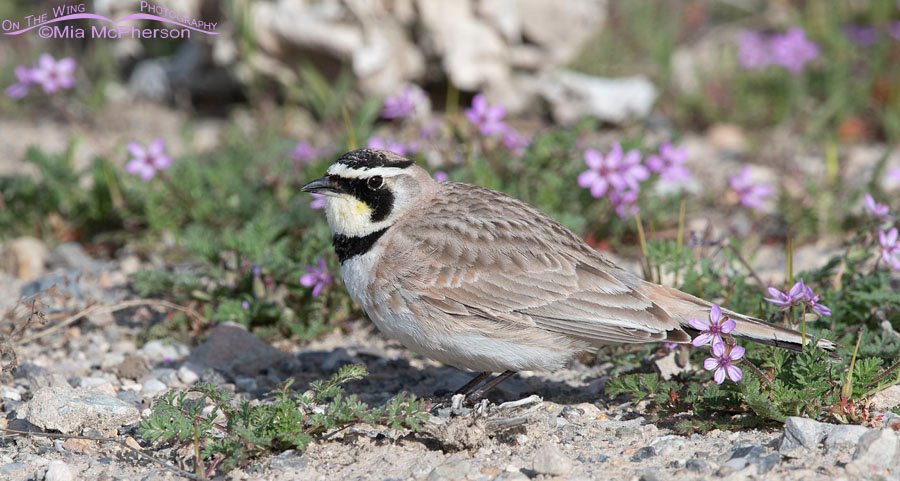
Yesterday I had the opportunity to photograph a male Horned Lark on Antelope Island State Park that included Redstem Filaree in the photos and I was delighted, that pop of bright color sure says "spring" to me.

Four days ago I was able to take my first photographs of Long-billed Curlews this year on Antelope Island State Park and although I was disappointed in the quality of most of the images I took I enjoyed seeing these large sandpipers again.
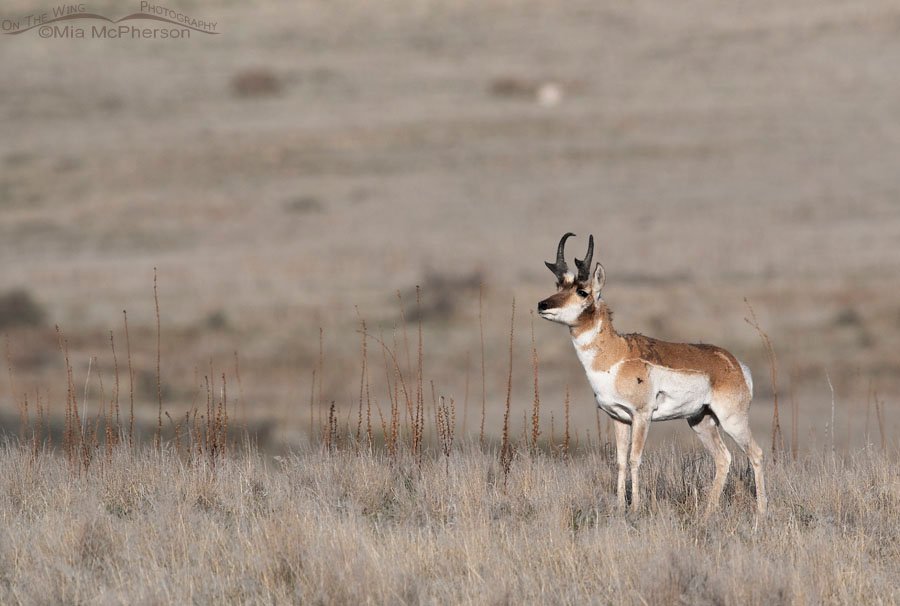
I always enjoy taking photos of the pronghorns on Antelope Island State Park and appreciate the fact that they are approachable and far less skittish than the pronghorn I have encountered in quite a few other locations.

I like this photo for the eye contact, the fine details in the plumage of the bird, the stretched wing, light and how his one foot is raised, plus I think Horned Larks are beautiful songbirds.

Yellow-head Blackbirds made their presence known at Bear River Migratory Bird Refuge two days ago by displaying and because of their odd mechanical calls that sound like a rusty metal gate opening and closing.

I dug into my archives and picked these Northern Flicker photos from May of 2015 to share today because I saw a Northern Flicker yesterday and thought of how they will soon start excavating their nesting cavities to rear their young in.

It was one year ago today that I saw and heard my first Long-billed Curlews of the year and this morning as I sit here knowing there are cloudy skies outside I am wondering if the curlews have returned to northern Utah today as well.
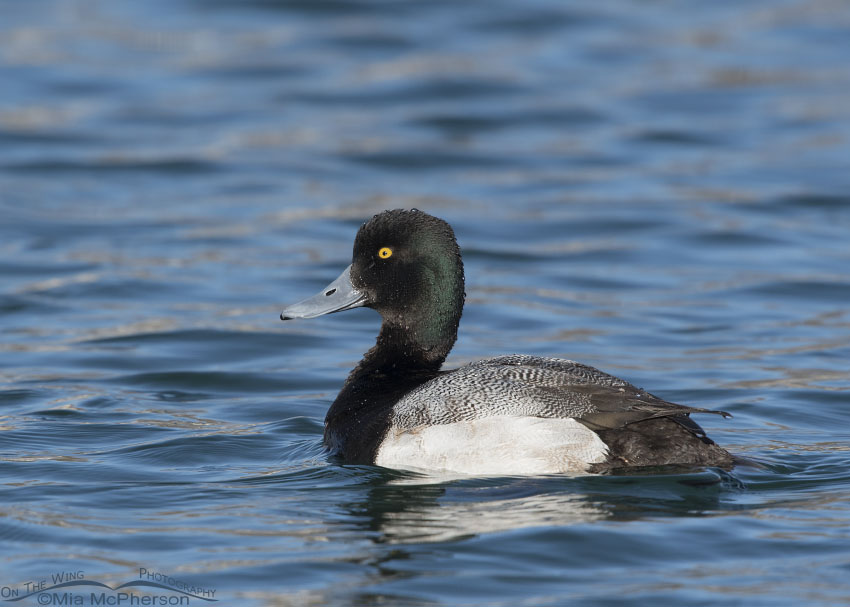
The drake Lesser Scaup did come in close enough to be able to take a few images of it where it almost filled the frame before a man and his dog walked by and caused the scaup to make a hasty retreat to the middle of the pond.

As the snow from the storm fell I noticed some of the Dark-eyed Juncos feeding on the ground and I was able to photograph this junco's portrait as it hid behind a mound of snow.

In Florida I most often photographed Red-winged Blackbirds at north beach of Fort De Soto County Park where I could reliably find them in the sand dunes, sea oats, spartina and mangroves all year long.
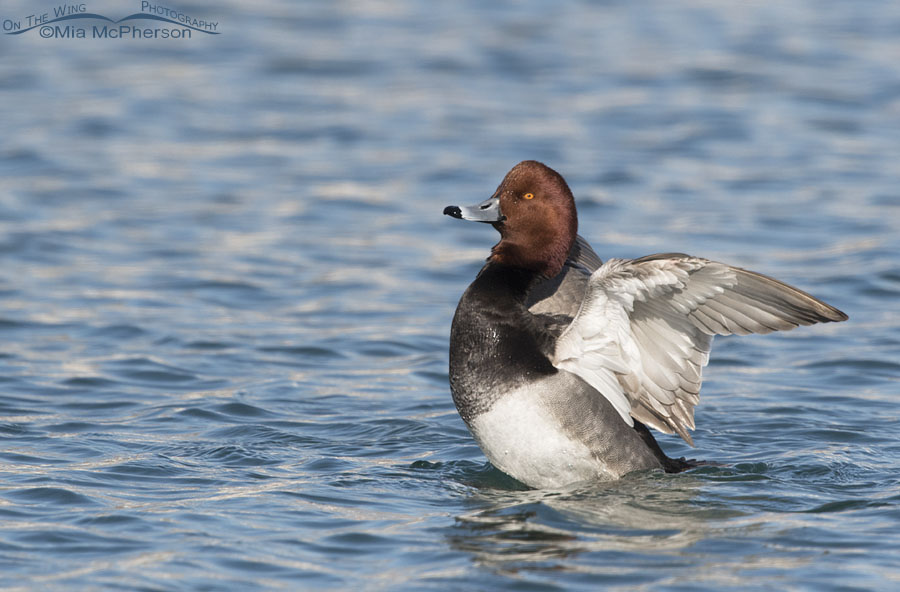
I've been seeing Redheads at my local pond over the winter but most of the time they have stayed on the other side of the pond so having this one up a bit closer and flapping his wings was a delight.
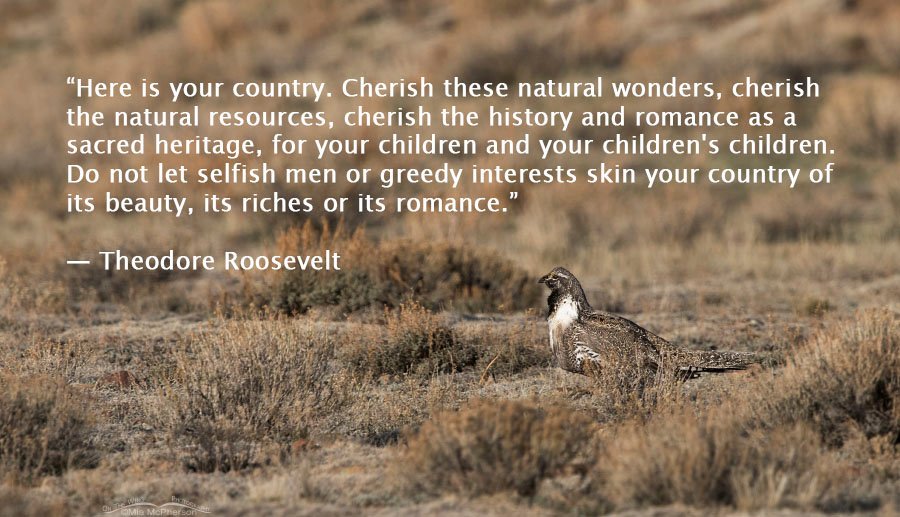
One might ask what do Greater Sage-Grouse have to do with our public lands and the answer would be that more than half of all remaining habit for these large upland game birds is on our public lands in the Western U.S..
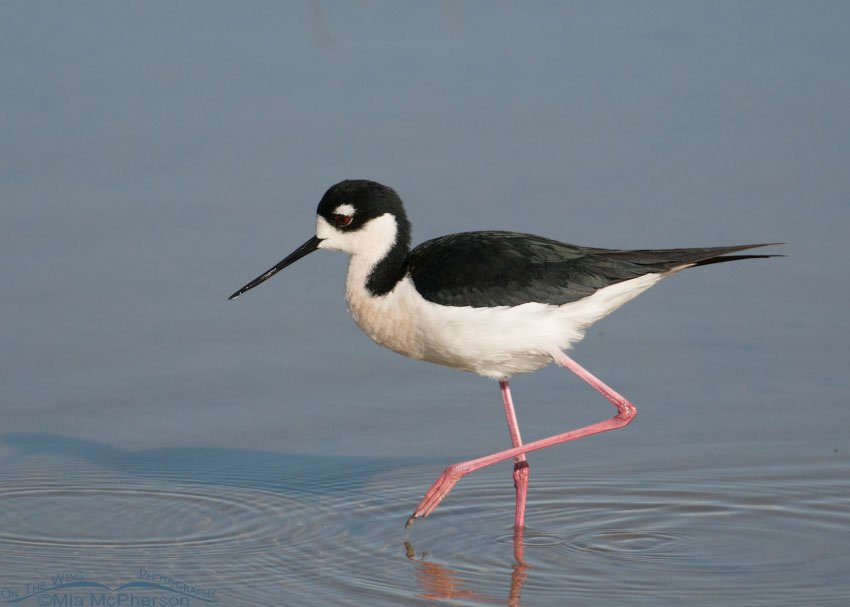
When I look up at the tops of the Wasatch, Oquirrh, Stansbury and Promontory mountain ranges and they look more like late April or May than they do on a normal winter because there is just so little snow up there.
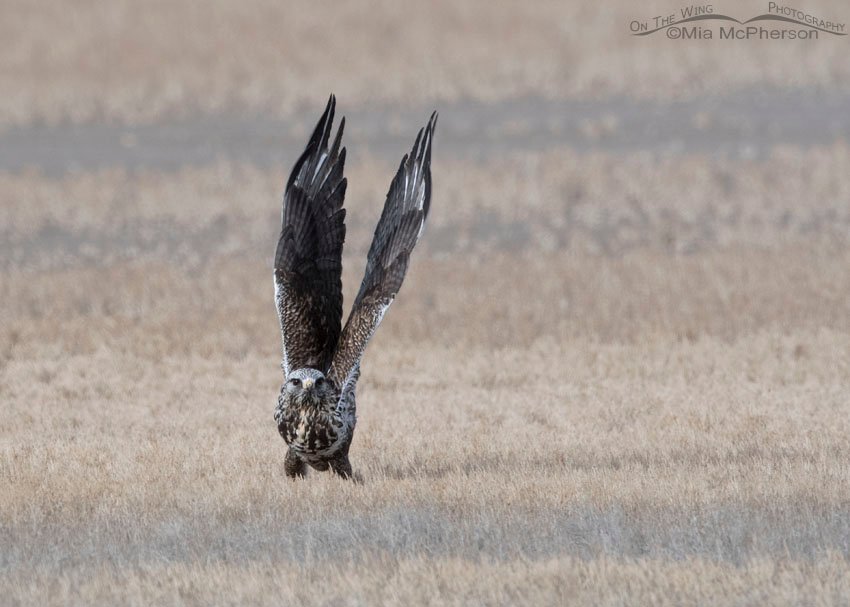
The Rough-legged Hawk's wings were fully extended above its body while its feet were still firmly planted on the ground and with one downward swoop of its long wings it was airborne right after this was photo was created.
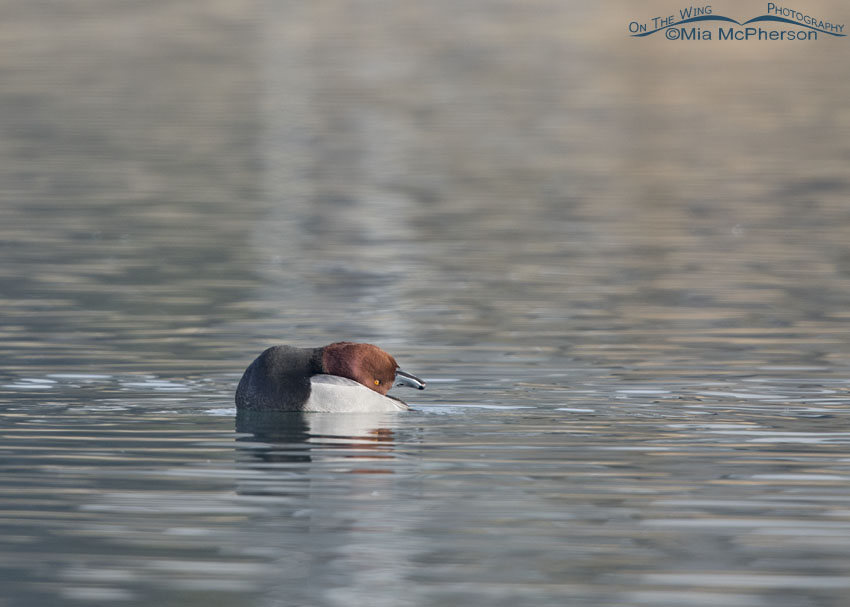
I'm glad that I made the trip down to the pond because I was able to photograph a drake Redhead exhibiting courtship display behavior several times as he tried to impress the hen that was nearby.
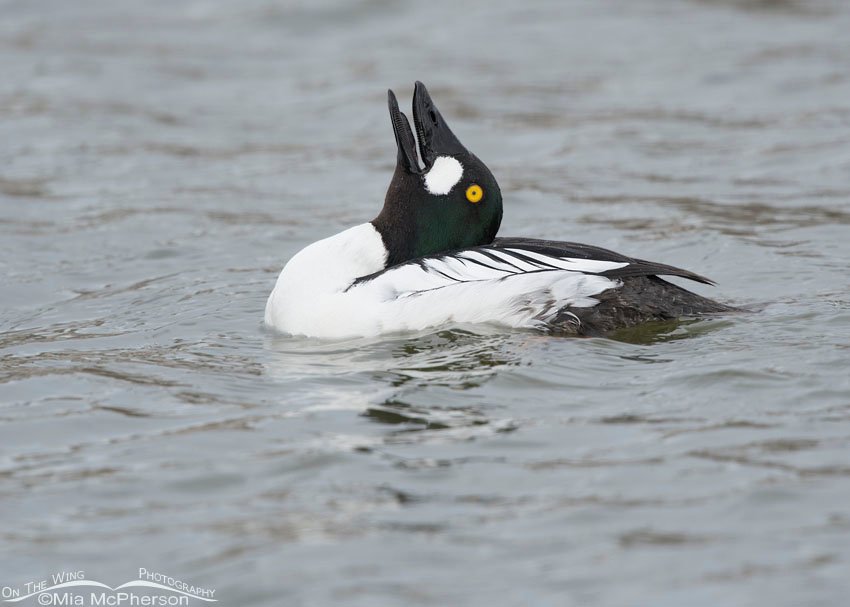
Because I had noticed the Common Goldeneye drake's behavior I was able to photograph him as he assumed the Head-throw posture.

Scarlet Skimmer dragonflies were one of the dragonfly species I spent time stalking in Florida because I loved the bright red coloration of the males and the golden colors of the females.
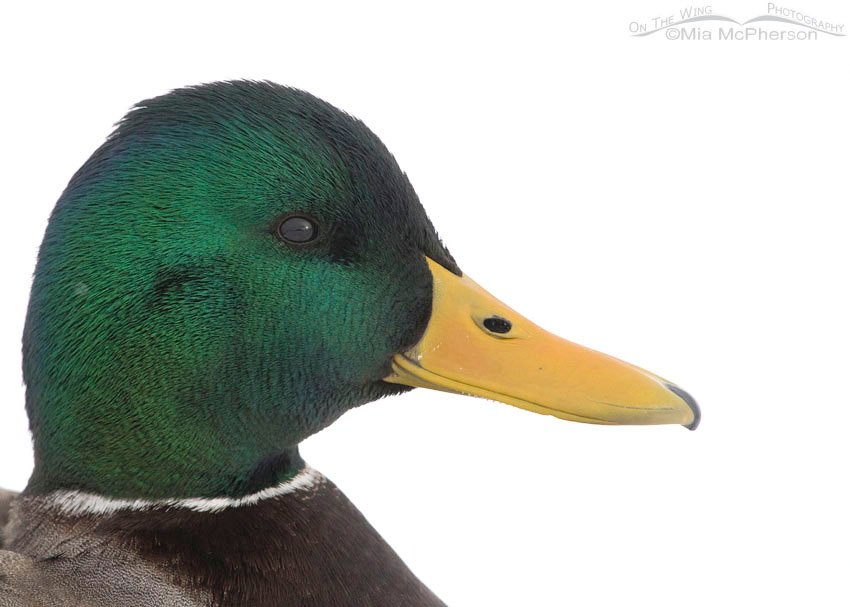
My favorite image of the day was this high key Mallard drake portrait that was taken in the late afternoon which was the only time I could see the sun behind the clouds the whole day.
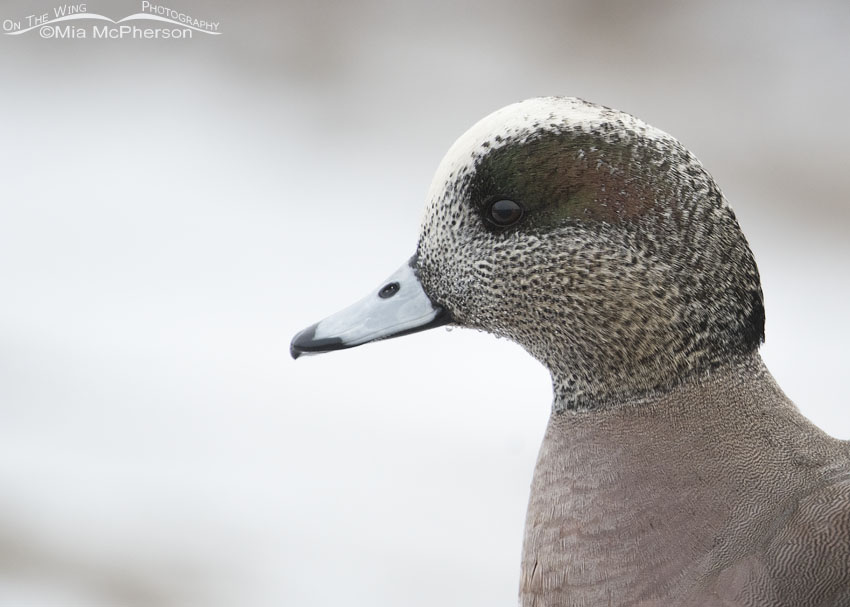
I like how both these two American Wigeon photos turned out even though they were taken in different lighting conditions, they are both pleasing to my eye.

I locked on to one of the mallard drakes and when he flew past I was able to take some nice photos of him before he landed on the water
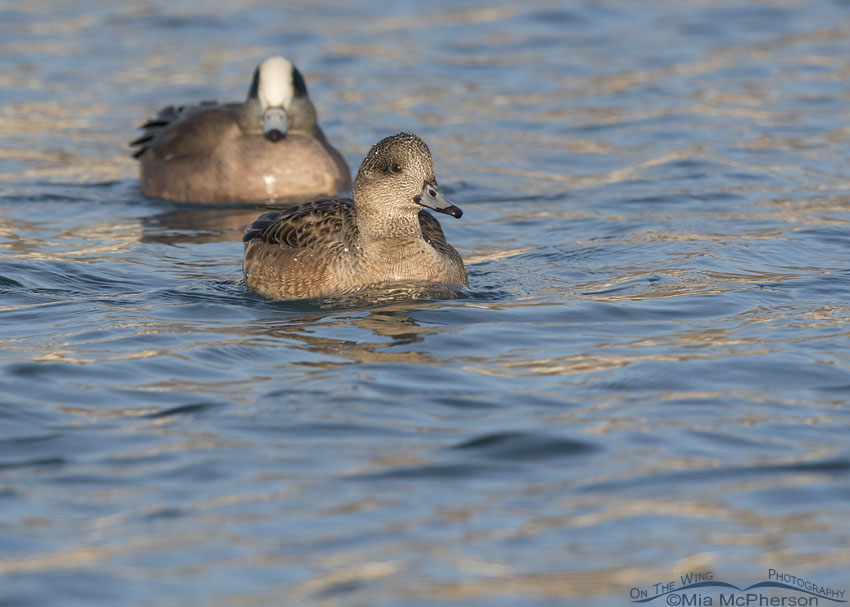
I wonder how long this pair of American Wigeons will hang around, I hope it is long enough for me to see more green iridescence on the drake's head and long enough for me to take more images of them.

One of the drake Common Mergansers I saw yesterday flew over the pond and past me close enough for me to take two photos of it up close in the late evening light.
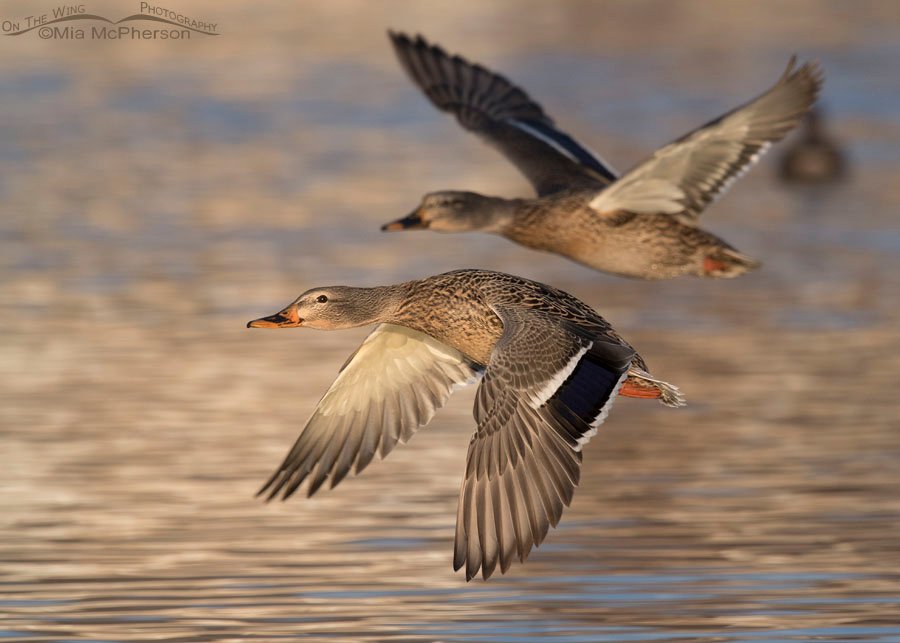
Photographing the Mallards in flight in golden afternoon light was a terrific way to end my bird photography session for the evening.
It isn't uncommon to see California Quail crossing sidewalks, roads and trails in the city and this photo reminded me of how well this species has adapted to living in urban areas.

I spent fifty-five minutes primarily focusing on male Common Goldeneyes yesterday afternoon and I am very happy with the images I took of these beautiful diving ducks.