Male Brewer’s Blackbird On A Fence Post With Fall Colors
Two days ago I had a male Brewer's Blackbird in my viewfinder near Glover Pond in Davis County, I photographed him as he perched on a fence post with fall colors in the background.


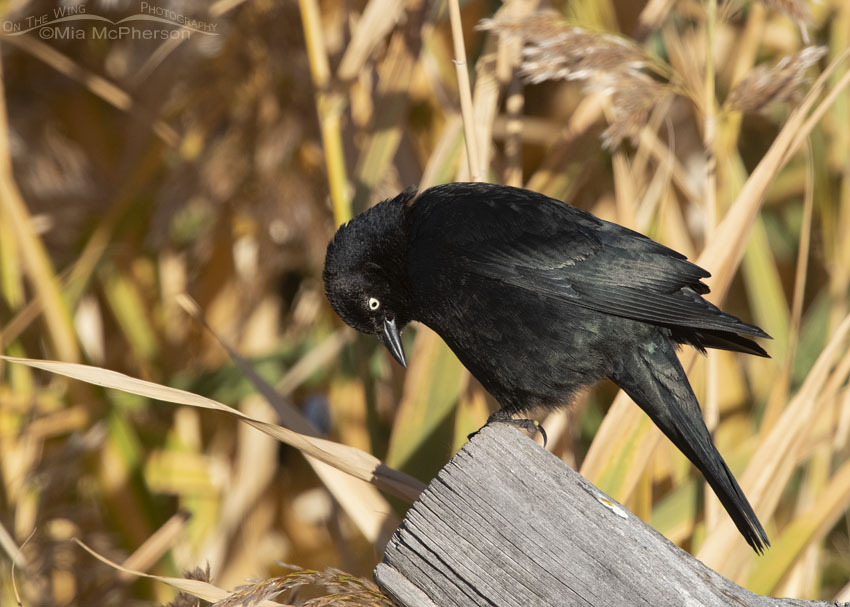
Two days ago I had a male Brewer's Blackbird in my viewfinder near Glover Pond in Davis County, I photographed him as he perched on a fence post with fall colors in the background.

While I would have enjoyed having this male American Kestrel closer to me as it turned in flight than it was yesterday morning I found that I liked this frame with the tiny falcon turning in flight being small in the frame too.

Yesterday I photographed a small covey of California Quail, this the second time this month that I have seen and photographed these small upland game birds that have wiggly, little head plumes.
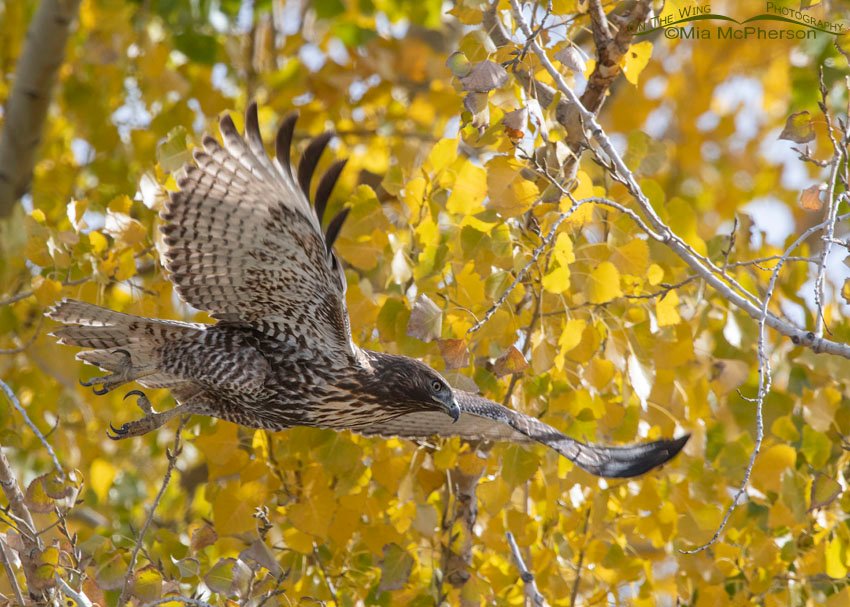
The more I have looked at this image over the past year the more I liked it for the flight pose, the look at the Red-tailed Hawk's plumage colors against those yellow leaves and somehow the poor lighting conditions became less significant to my eyes.
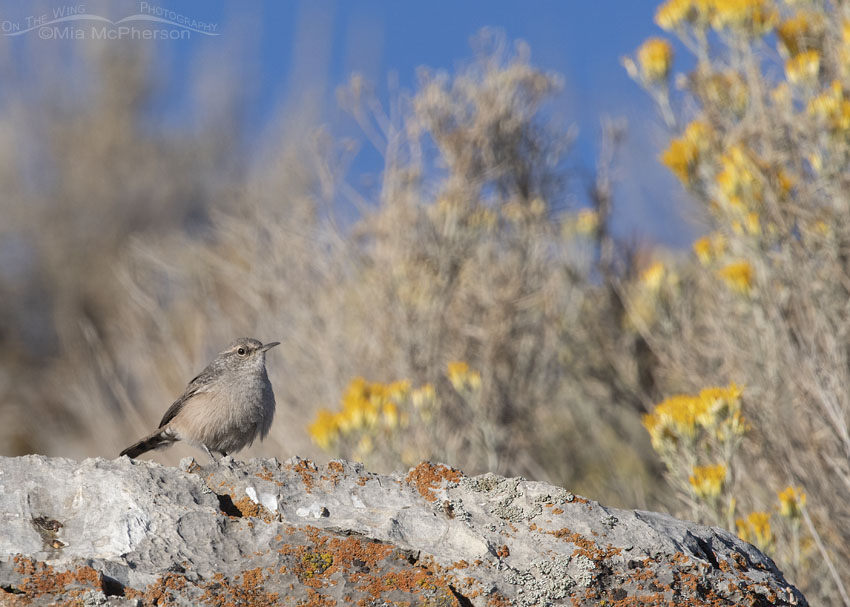
Last month I was able to take my best photos of Rock Wrens so far since I moved to Utah but even those aren't as close to the bird as I would have liked them to be.
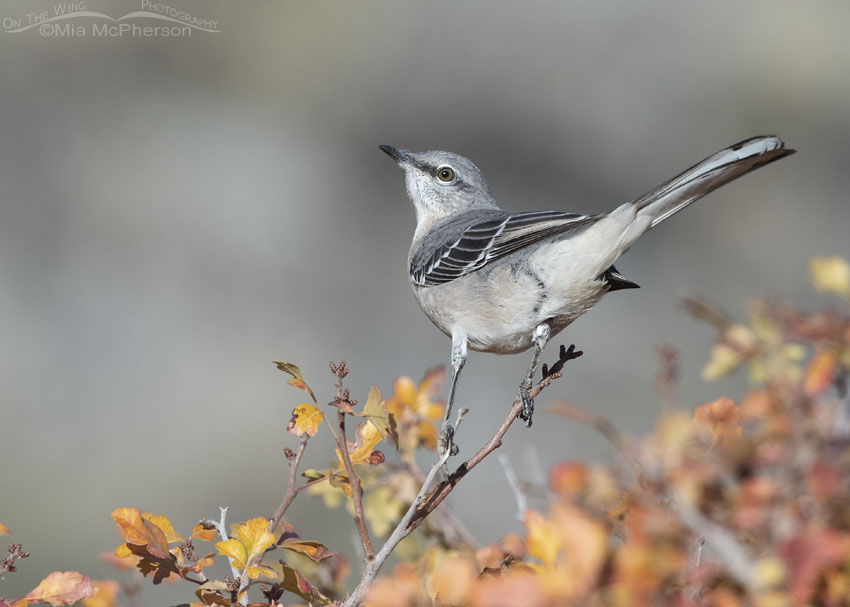
Some days one good bird is all I get and if I hadn't spotted this cooperative Mockingbird on a Fragrant Sumac in northern Utah yesterday I would have been mostly skunked.
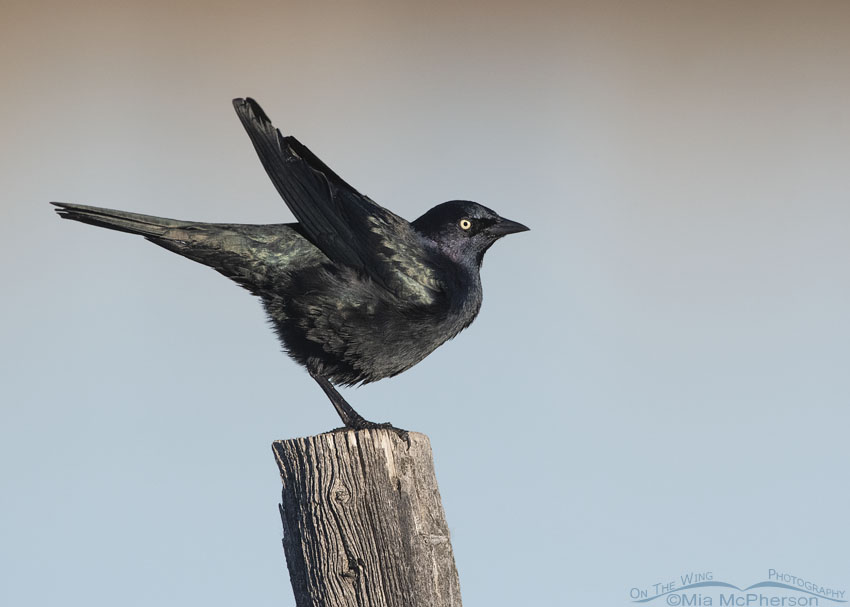
A male Brewer's Blackbird had been preening on a fence post when he started to shake his feathers and that action sure showed his iridescent plumage off nicely.
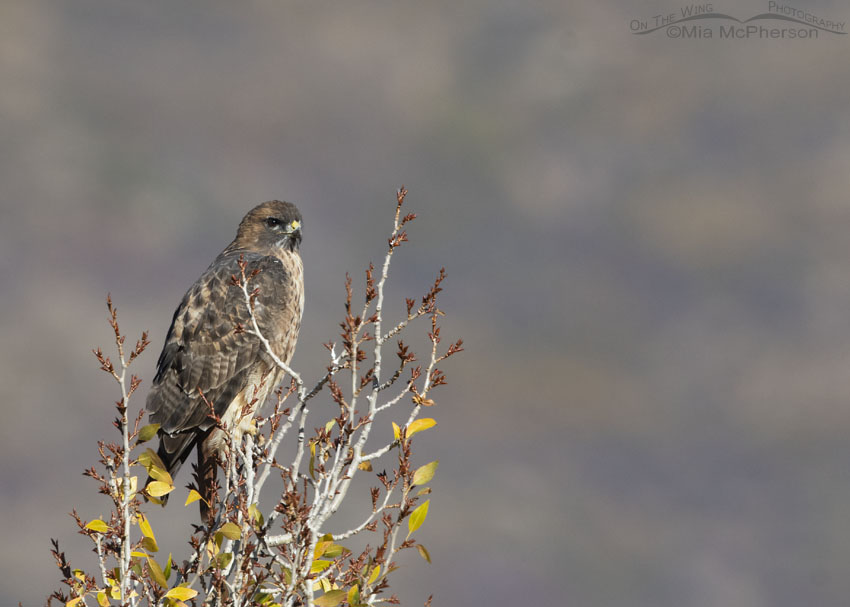
I saw a low of 15°F yesterday morning up in the East Canyon of the Wasatch Mountains and I also saw plenty of Red-tailed Hawk adults perched in trees and flying along the way.

Two days ago I found two California Quail hens perched low in a tree in Davis County, Utah and I was delighted that one of them was out in the open in nice light.
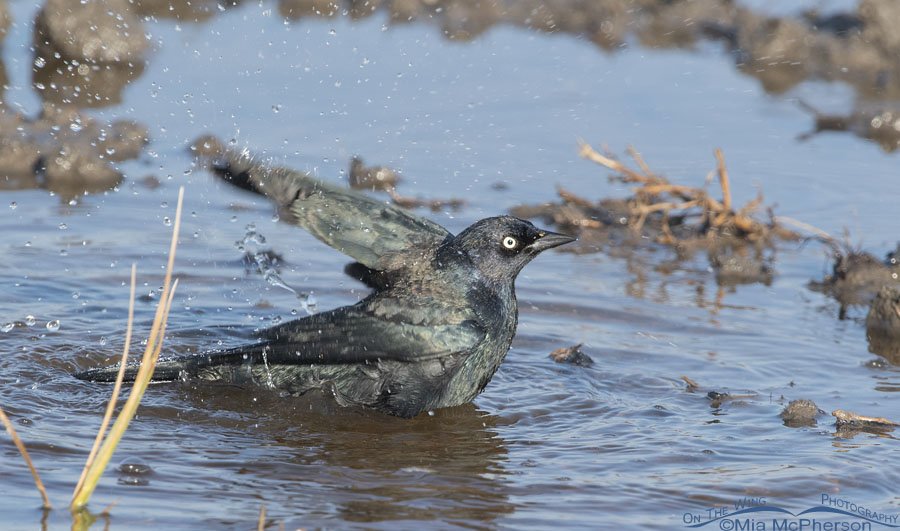
The Brewer's Blackbird seemed to be really throwing himself into his bath as he splashed around, dipping his head into the water then shaking his entire body as his head rose above the water.

My best bird that morning was this adult American Robin that fluffed, preened and gobbled down some berries while perched in a Utah Serviceberry tree.

The first time I remember seeing Cattle Egrets I was a child who had just moved to interior Florida, I think I was in the second grade at the time or about 7 to 8 years old and these white birds that followed cattle around seemed so fascinating and exotic to me.
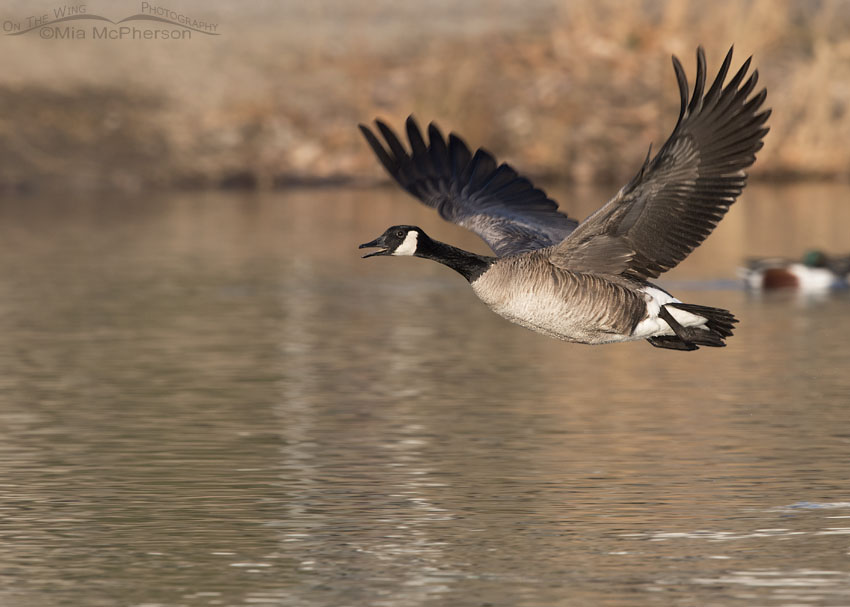
I've lived in many locations during my lifetime where I didn't see or hear Canada Geese at all, so I don't take them for granted; I celebrate their calls.

These autumn Turkey Vulture portraits are among the most difficult images I have ever taken because I was holding my breath and retching while I took them due to the awful odor of a road-killed skunk below the bird.

I have often written that bird photography isn't easy and that it can be frustrating, wildlife photography can be much the same and my two recent sightings of Moose in the Wasatch Mountains can prove my point easily.

I've been trying for over a month to get decent images of fledgling and juvenile Cedar Waxwings and hadn't succeeded but yesterday I was able to take a photograph of an immature waxwing that I actually like.
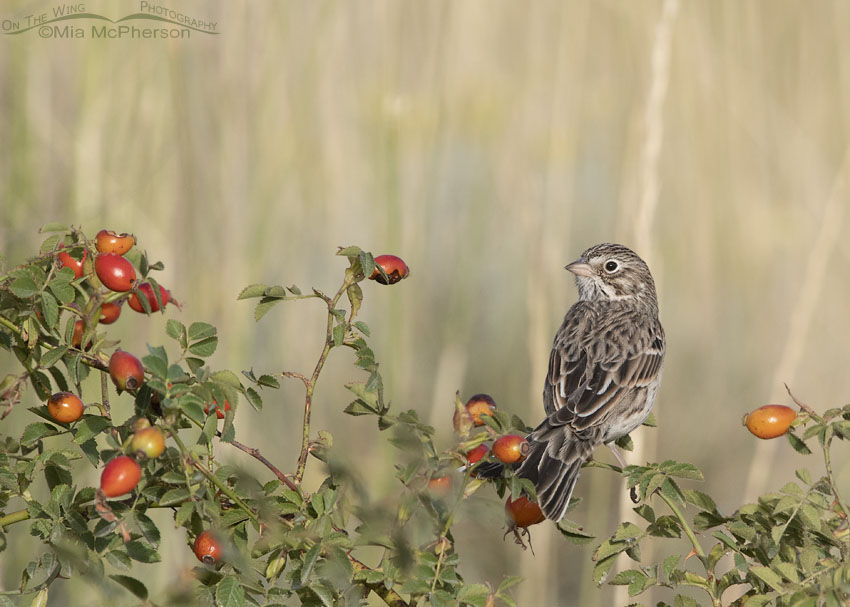
Yesterday I saw a single Vesper Sparrow which came in and perched out in the open on a lovely Wild Rose that was full of rose hips in nice light. What is not to like about that?

I've been spotting more and more Yellow-rumped Warblers over the past 10 to 14 days and I am excited because I have been expecting them to start showing up in my viewfinder.

Typically I would prefer that all of the body of this Black-capped Chickadee was free of the out of focus elements in front of it but visually the abstract jumble of Autumn colored leaves stimulates my eyes and my brain.

I admit that it bothered me deeply that there was nothing that I could do for this Northern Yellow Warbler as it has for the other injured birds I have seen throughout the years that I couldn't help.

I know, I could grumble about not being able to photograph the young Cooper's Hawk taking its prey down just feet away from my Jeep but you know what? Being there to see nature in action was enough for me.

The first bird I photographed that day was a Yellow-crowned Night Heron wandering in the sea fog near the dunes and shoreline of the Gulf of Mexico.

It isn't all that often I get to photograph a gull lift off from the water and fly head on directly towards me like this California Gull in winter plumage did a few days ago.

I stopped to answer the call of nature and found a Great Horned Owl and to my delight it was a very cooperative owl at that.

Last week I found a small flock of American Goldfinches foraging on the auto tour route at Bear River MBR and I was able to capture a few images of them before they took off in a rush.

While at Bear River Migratory Bird Refuge two days ago I spotted my first of the season Common Merganser from the auto tour route.

The Pied-billed Grebe was a bit too far away to take frame filling images of it but I was okay with that because I feel that the visual appearance of the silky water is just as important as the bird in these photos.
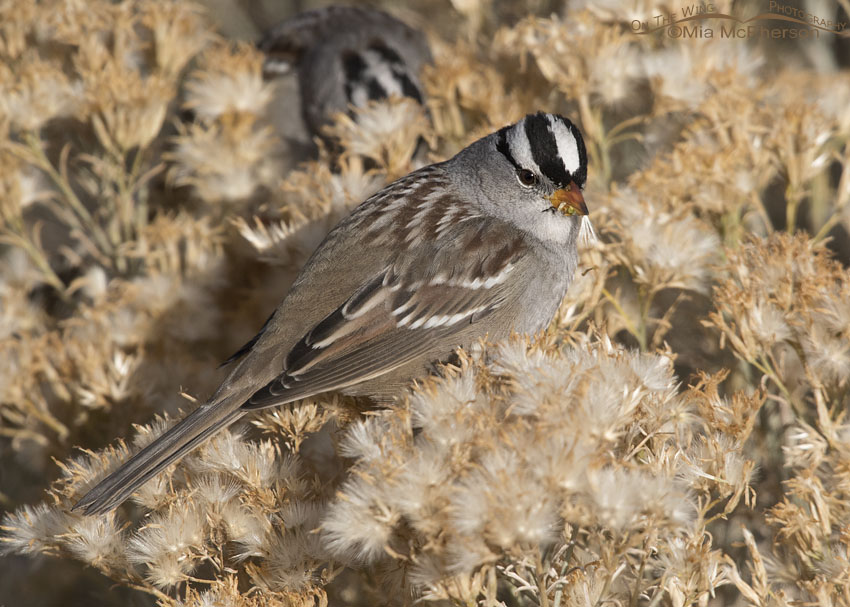
Last week while on Antelope Island State Park I was able to get some White-crowned Sparrows in my viewfinder, some were pretty far away

Within the flock of blackbirds there was a female Brewer's Blackbird that drew my attention to her because she had light colored eyes and stood out from the other females that were nearby.
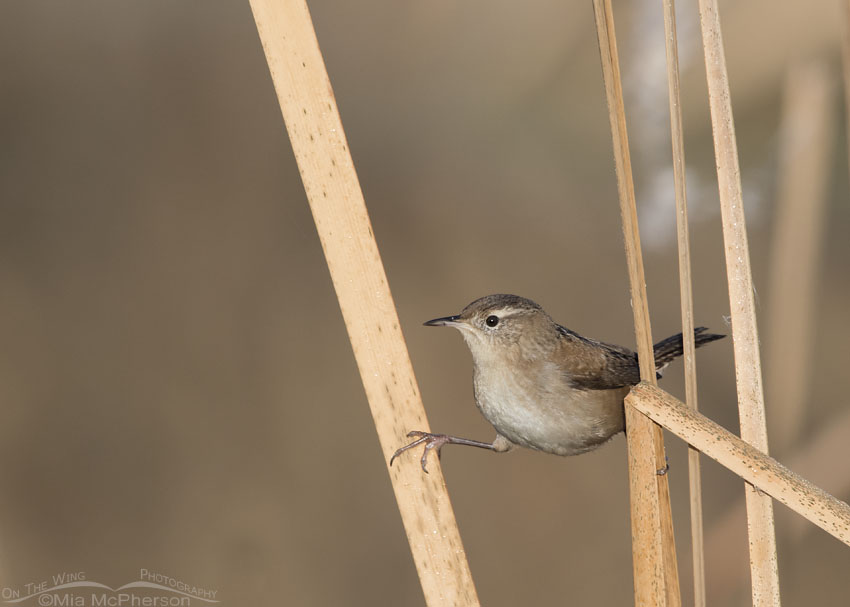
While looking for an image in my archives I came across this photo of a Marsh Wren making a funny face while doing the splits on some cattails at Farmington Bay WMA and wanted to share it.