Immature Yellow-rumped Warbler And Damselfly Prey
When I photographed this immature Yellow-rumped Warbler two days ago I couldn't tell what prey it had snagged so I was surprised when I got home and saw that the warbler had snatched a damselfly.


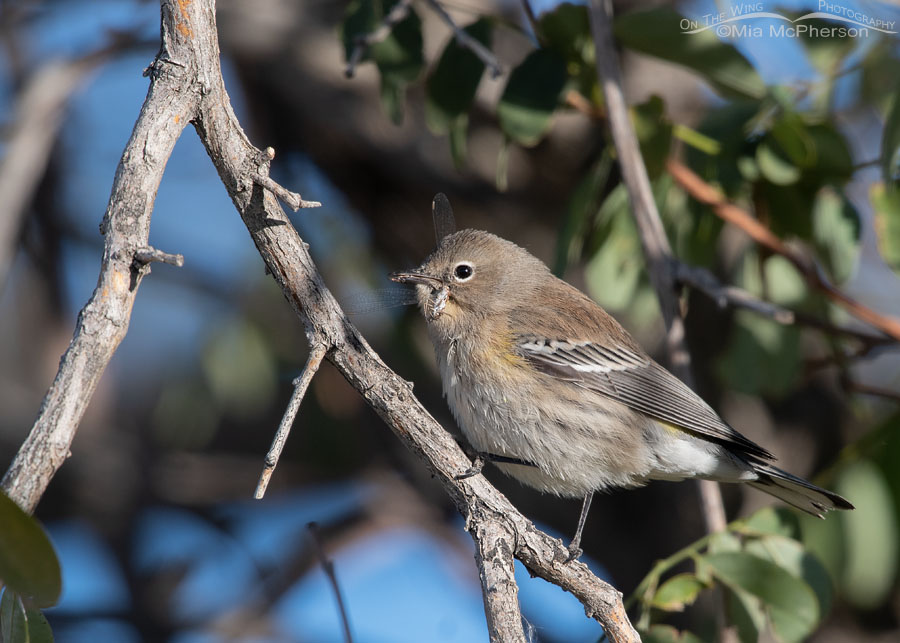
When I photographed this immature Yellow-rumped Warbler two days ago I couldn't tell what prey it had snagged so I was surprised when I got home and saw that the warbler had snatched a damselfly.

Here in northern Utah it isn't often that Myrtle and Audubon's Yellow-rumped Warblers are found perched in the same tree but four days ago that is what happened to me.
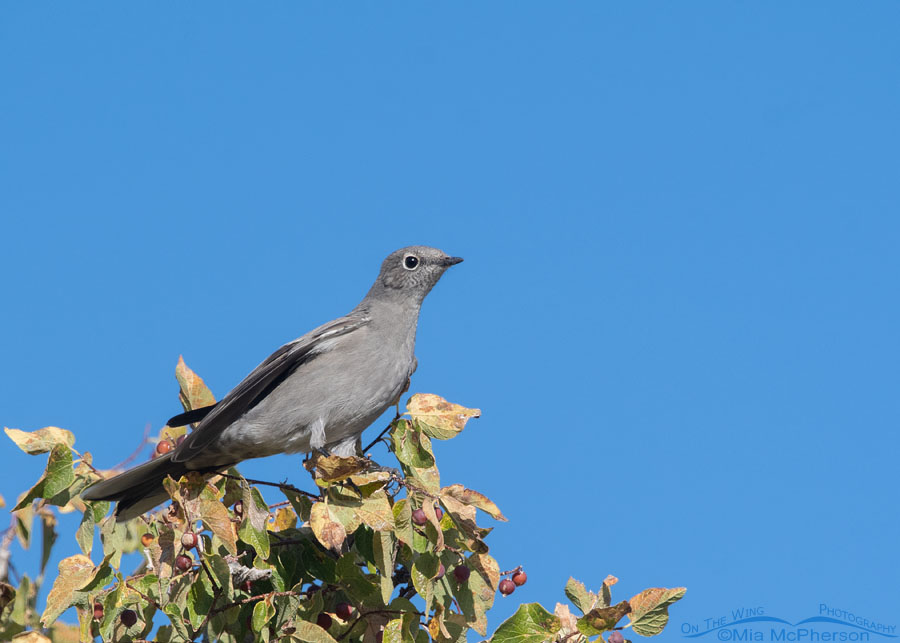
Last Friday as I looked for birds in a few West Desert canyons I was serenaded by the songs and calls of Townsend's Solitaires and while I loved hearing them it was frustrating because they were either too far away or hidden from my view.

For a few moments yesterday morning I was absolutely enchanted by a small flock of Ruby-crowned Kinglets in Box Elder County in northern Utah.

I haven't seen a Northern Yellow Warbler in northern Utah for sometime now and it is pretty safe to say that these birds has taken wing and have headed to warmer climes for the winter.
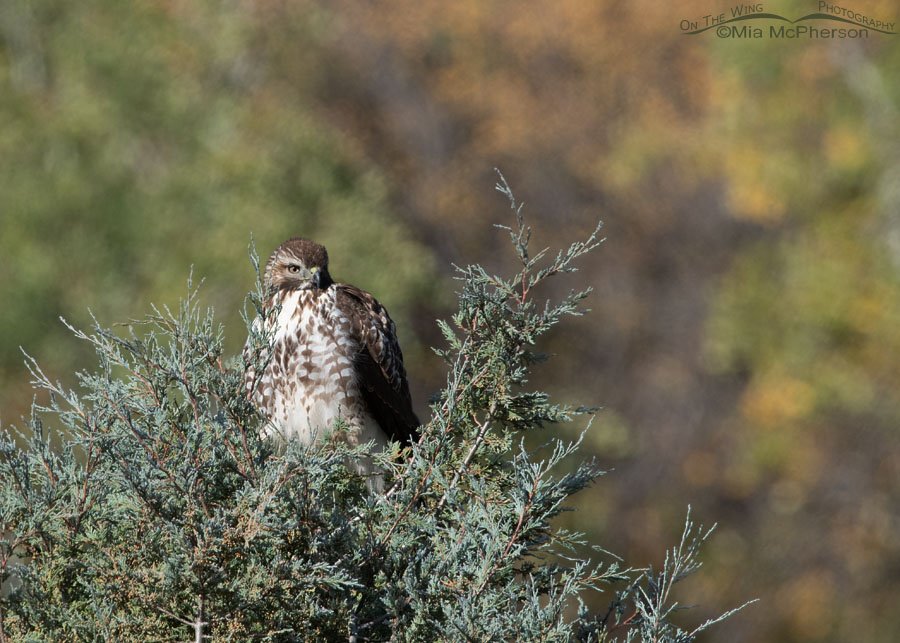
I have to wonder though how many people walked or drove right past this young Red-tailed Hawk and never noticed that it was even there

I couldn't have asked for a better birdy subject yesterday morning than this relaxed and cooperative immature Cooper's Hawk and I loved the setting it was in too.

When autumn arrives White-crowned Sparrows are one of the sparrow species that I look forward to photographing at Farmington Bay WMA each year as they move down to lower elevations.
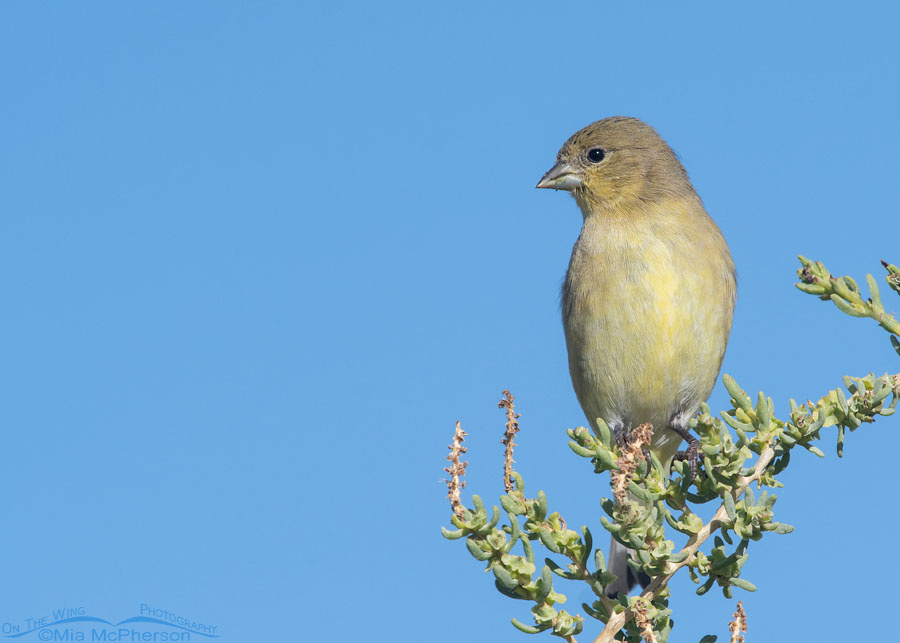
Until three days ago I really haven't taken any decent images of Lesser Goldfinches that weren't at bird feeders but that changed when this one landed on a greasewood in front of me at Farmington Bay WMA.

For a few brief moments yesterday morning I had a lovely Yellow-rumped Warbler in my viewfinder at Farmington Bay that had perched in a leafy tree and I took full advantage of it being nearby.
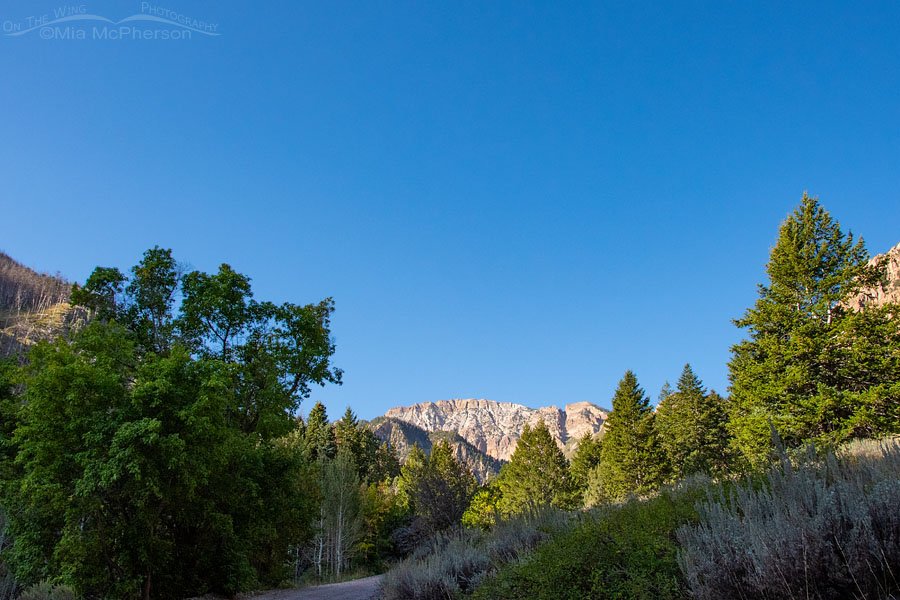
I like to share some of the views I see while I am out wandering to look for birds because the scenery and different habitats I see at times are simply spectacular.
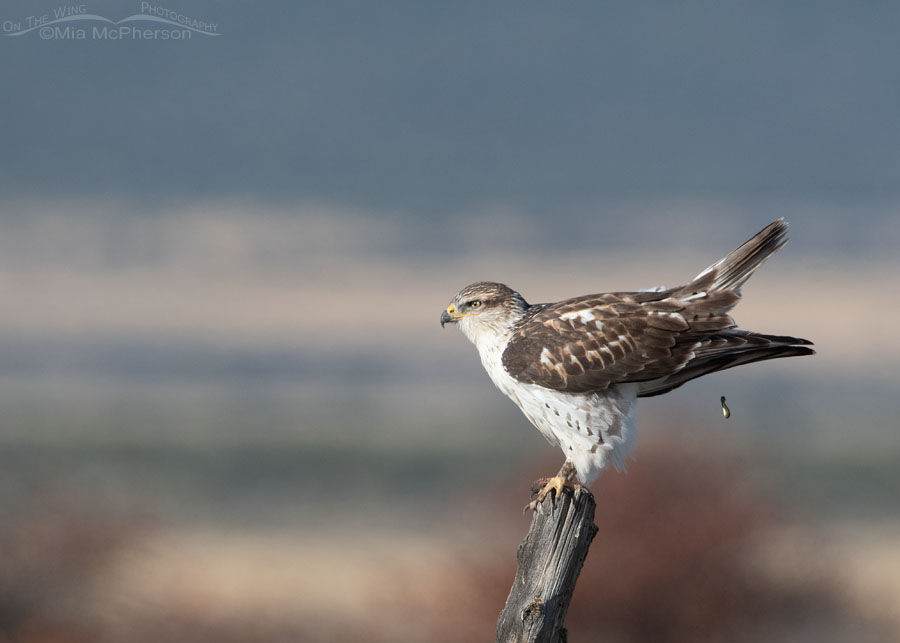
I don't see nearly as many Ferruginous Hawks as I would like to so I am always glad when I have one in my viewfinder that I can photograph even if it is taking a dump.
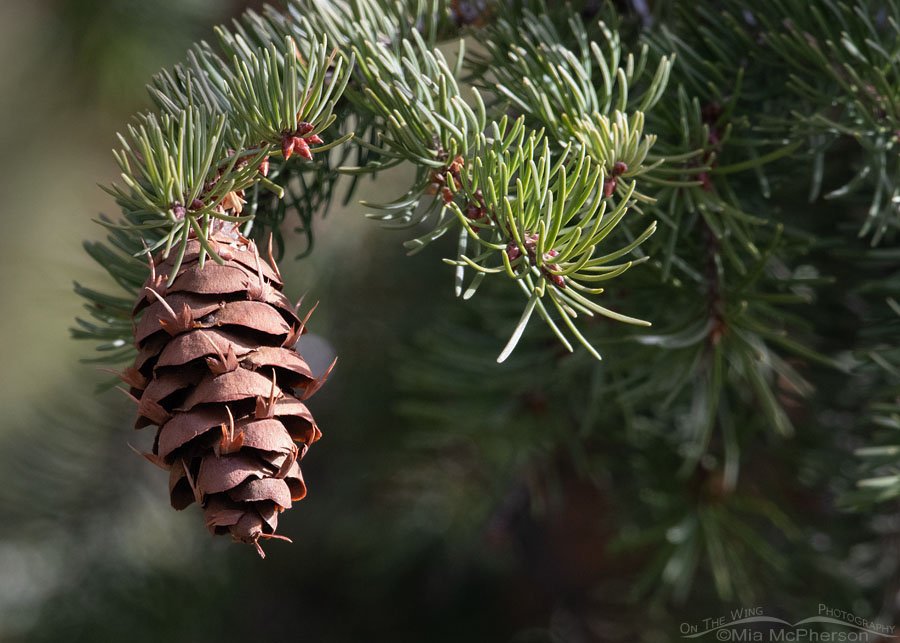
The cones of Douglas Firs provide food for birds and mammals and the trees provide shelter and nesting areas too. I've been paying attention to the Douglas Firs we have here for several years because of the birds I know I can find eating the seeds of the trees from their cones.
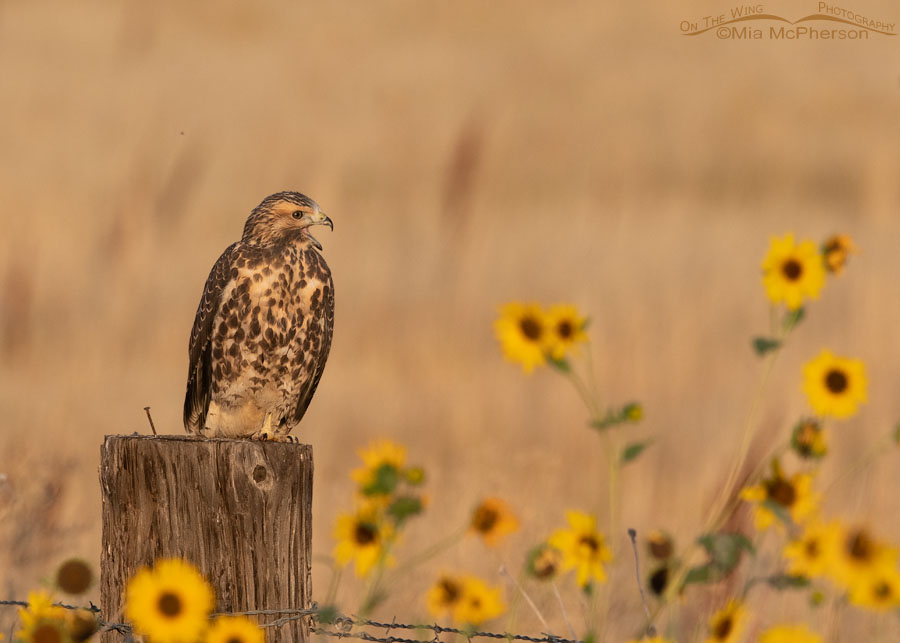
Two days ago I was able to photograph an immature Swainson's Hawk in golden light perched on a fence post that was surrounded by bright yellow common sunflowers. Yes, I was blissed out.

The Brown Pelican didn't do much while I had it in my viewfinder and I probably took way too many photos of it but I don't care, it was unique to see here in land-locked Utah and the setting of the Bear River was definitely different than the many times I have photographed this species back East.

Sometimes the colors of in a photo I have taken are what pleases me and draws me in even if my subject is small in the frame, in this case my subject was an adult White-crowned Sparrow.

This immature Northern Flicker was one of the last birds I spotted and photographed three days ago while up in the Wasatch Mountains and I was happy that she stayed long enough for me to take a nice series of images of her.

Two days ago this Black-capped Chickadee and several other others were moving through a willow thicket in a canyon in the Wasatch Mountains where I had been focusing on photographing warblers, tanagers, and vireos.
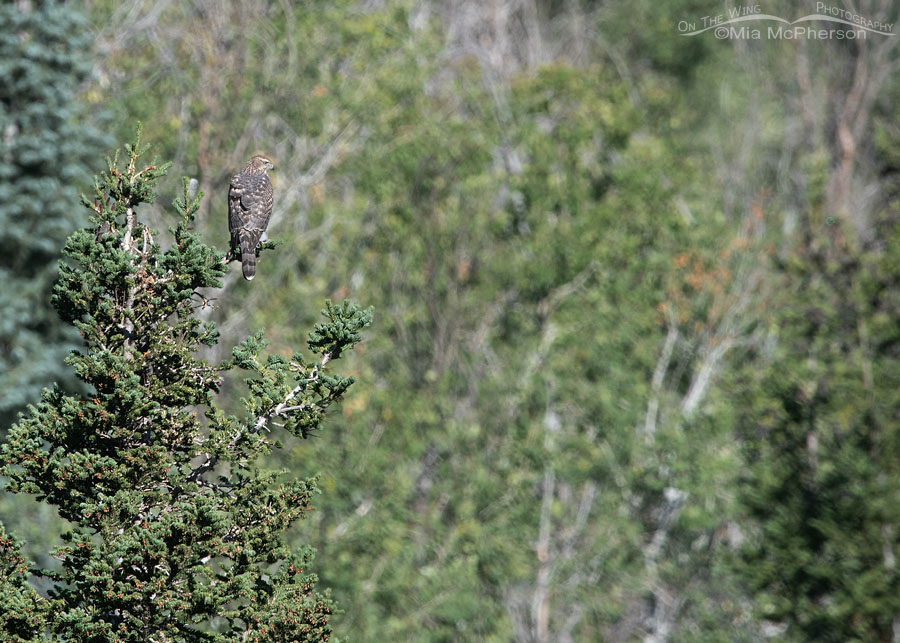
My luck with American Goshawks has been horrible and because of that they have earned the distinction of being a nemesis for me.

I was in the high Uinta Mountains near Washington Lake when I spotted this young Dark-eyed Junco and I was able to take a few images of it before it flew away.
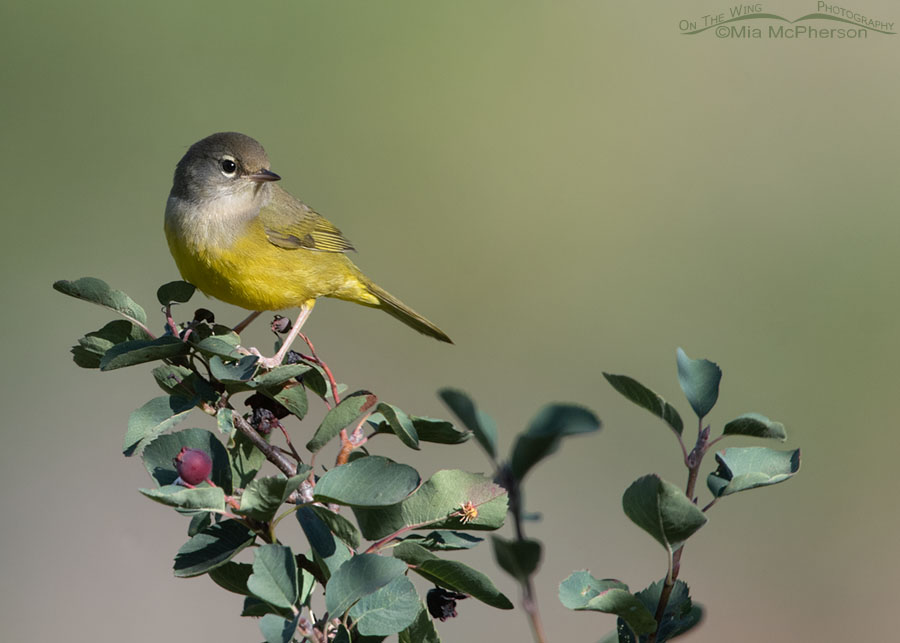
As a bird photographer I'm feeling a sense of urgency now that I didn't feel a few weeks ago because as I watch the migrants in the Wasatch Mountains getting ready for their long journeys I know that my time for photographing them this year is quickly running out.

One year ago today I went up into the Wasatch Mountains and for about three minutes I photographed a molting American Goldfinch feasting on Musk Thistle seeds.
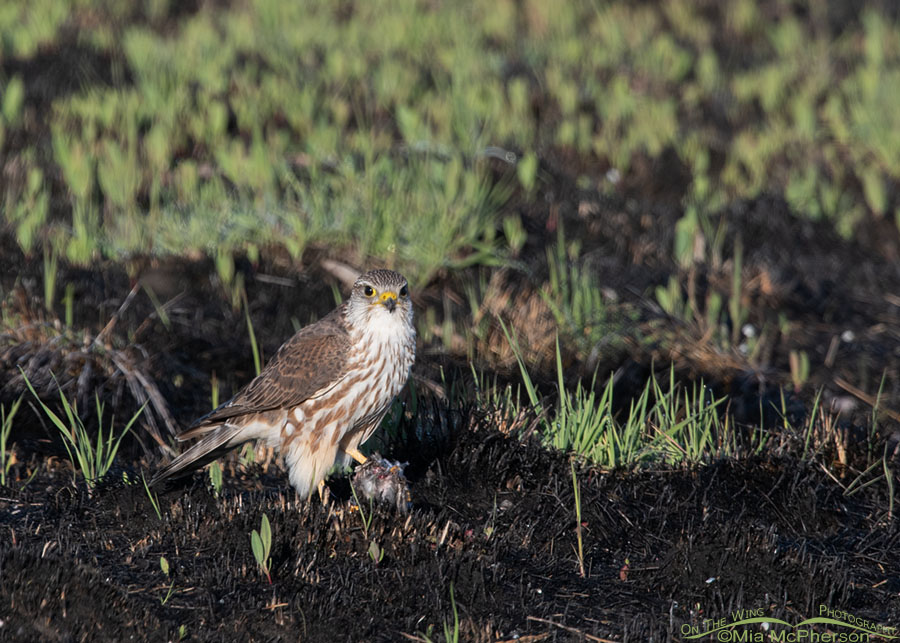
In my experience Merlins are already hard to find in the state of Utah but because of our climate crisis they could become even more difficult to locate or they might even disappear from the state altogether.

I was delighted to photograph the few immature Black-billed Magpies that were close to me and to observe those who were further away foraging and chasing each other around in a field dotted with wildflowers, grasses and sage.

Yesterday I was delighted when I spotted a Western Warbling-Vireo at the top of some nearby willows and that the vireo stayed long enough for me to take a few photos of it.

The light wasn't great when I took this image of a juvenile Song Sparrow perched in a thicket last year but these little ones don't seem to spend a lot of time in the open right after they fledge so I was happy with the photo.

Last year I was able to take hundreds of photos of this male American Goldfinch in breeding plumage while he fed on the seeds of a Musk Thistle.

I could wish that the Orange-crowned Warbler didn't look as messy as it does but I am just so glad to have taken even one image where the orange crown is visible that I would toot a horn if I owned one.

This Black-capped Chickadee's plumage isn't in prime condition but I feel like my work as a bird photographer includes taking images of them looking great and not so great because it is all part of the cycle of their lives.

I was extremely pleased to find and photograph my first Gray Catbird juvenile of this breeding season yesterday morning high in the Wasatch Mountains as it came into view on a hawthorn tree.