Families: Cracidae, Odontophoridae, Phasianidae
Upland terrestrial birds in my photo galleries include grouse, pheasants, quail, turkeys, and partridges. Some upland terrestrial birds are native and some are introduced and have naturalized.


Families: Cracidae, Odontophoridae, Phasianidae
Upland terrestrial birds in my photo galleries include grouse, pheasants, quail, turkeys, and partridges. Some upland terrestrial birds are native and some are introduced and have naturalized.

I'm sharing a few Wild Turkey portraits taken last week near a creek at Wichita Mountains National Wildlife Refuge in Comanche County, Oklahoma.

Today, I'm sharing Wild Turkey images of foraging hens I found in the Stansbury Mountains of northern Utah because it's Thanksgiving Day. It was a lovely day.

If I could, I would wish that everyone, at least once in their lifetime, could visit a Greater Sage-Grouse lek while these fascinating birds are displaying.
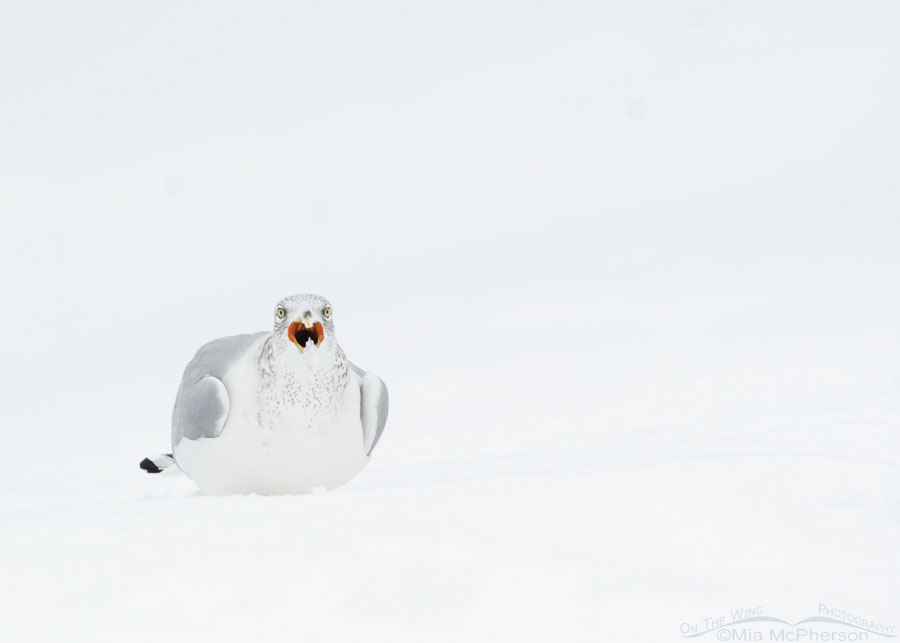
Snow is supposed to start falling around 10 a.m. where I live in northern Utah. It might be the first significant snowfall of this winter down in the valley.
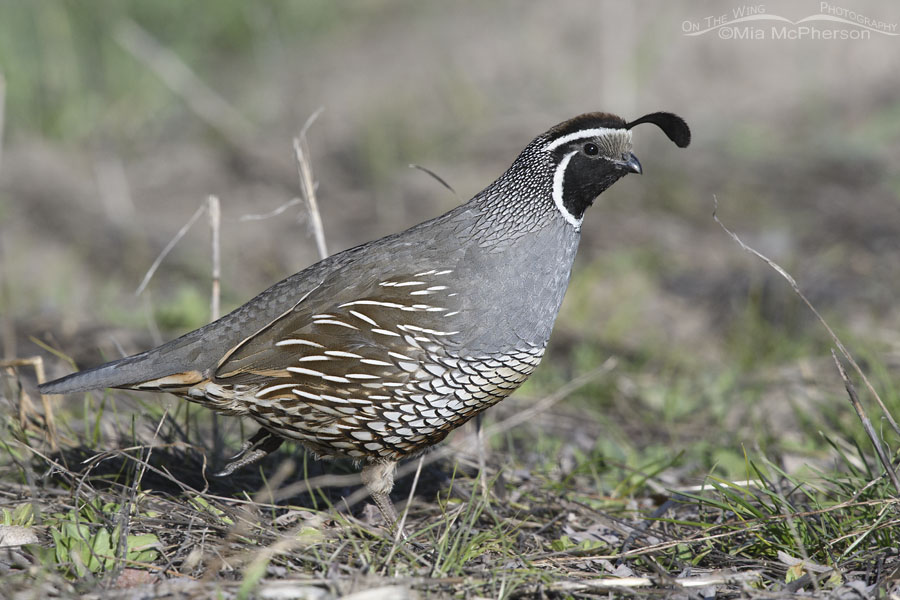
It was windy yesterday morning so I went for a walk at a local park. Before I even turned off my Jeep I could hear several California Quail calling.
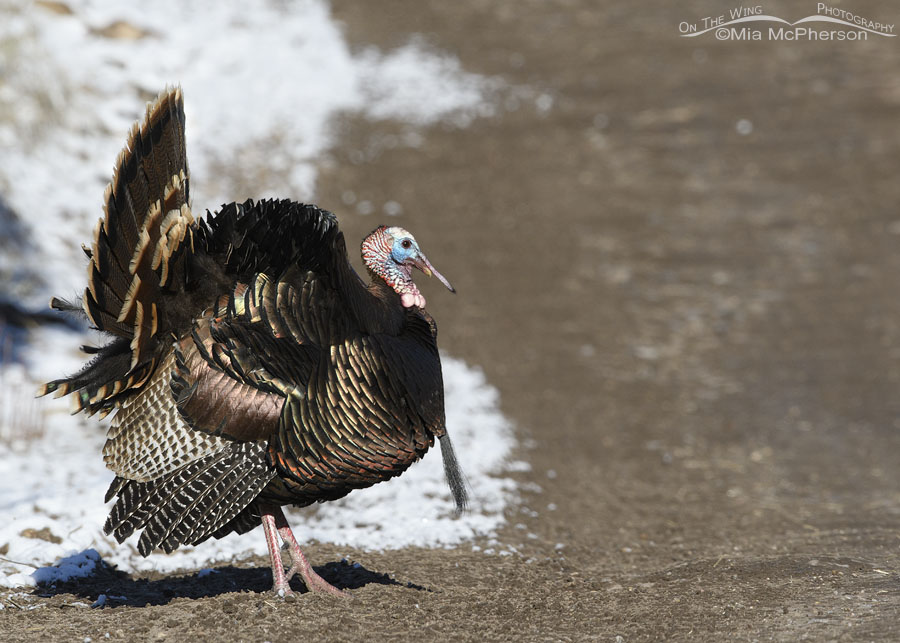
Three years ago by this date I was already taking Wild Turkey photos in the canyons of the sky island mountains of the West Desert of Utah.
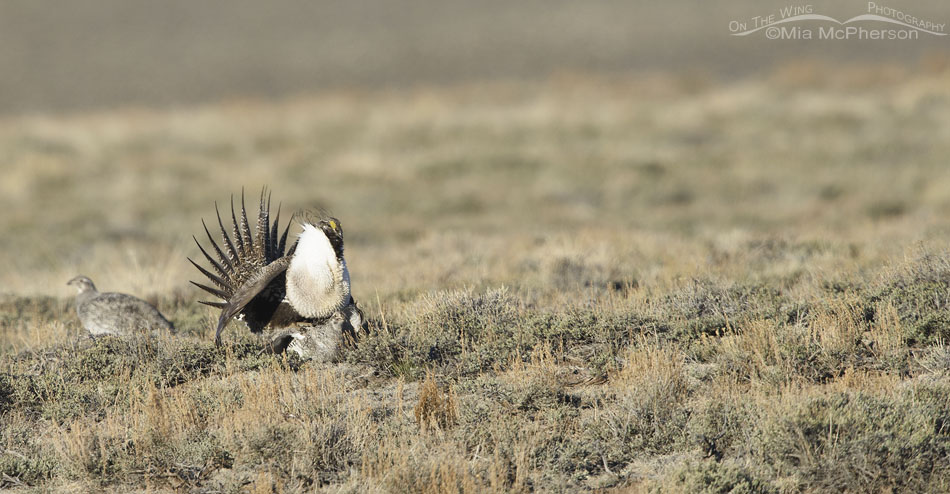
During the breeding season, male Greater Sage-Grouse gather in communal display areas known as leks to perform an elaborate courtship ritual.
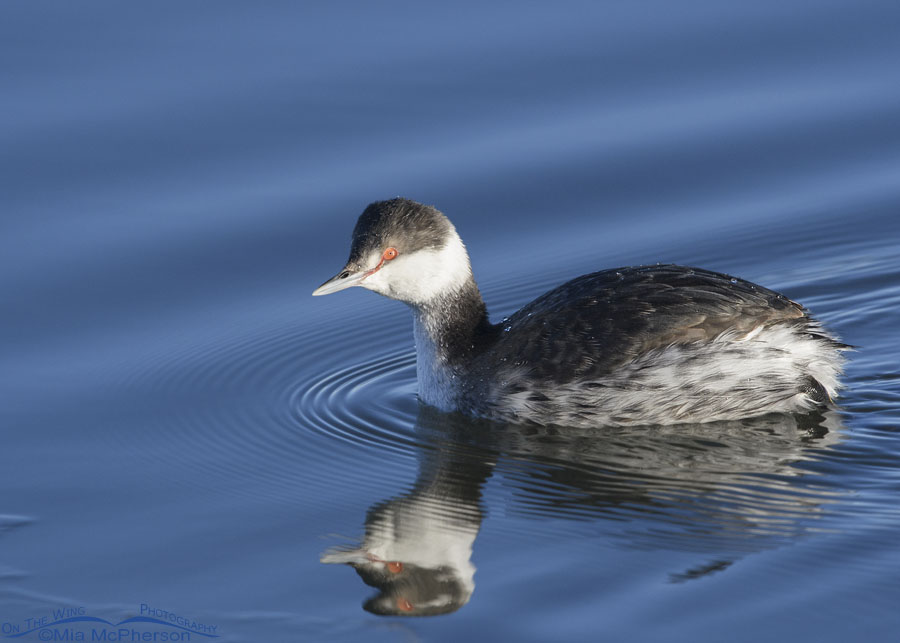
On this last day of the year it is time for my annual 2022 Year in Review post. In some ways 2022 has been great for me and in others not so good.
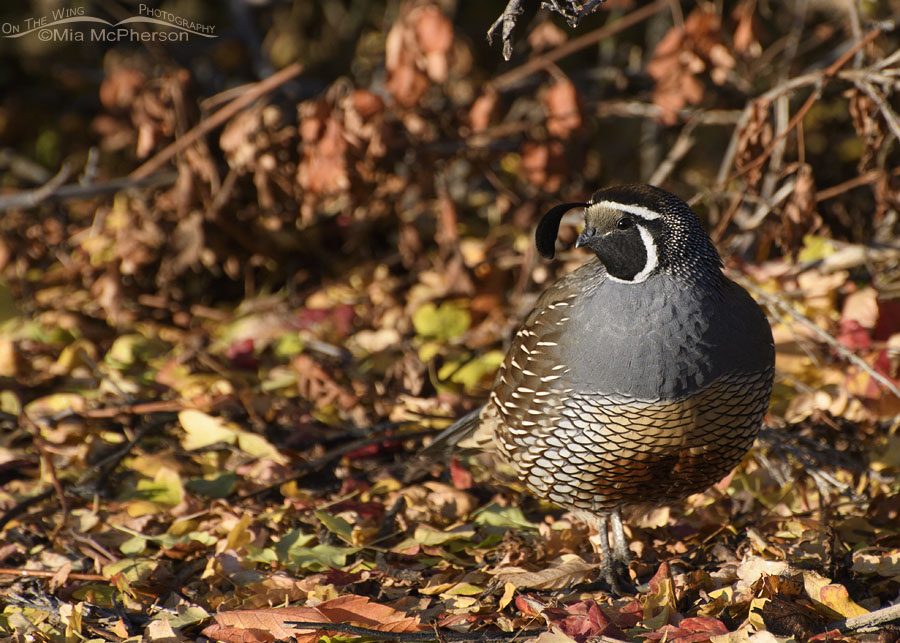
While walking along the Jordan River yesterday, I came upon a covey of about 25 California Quail. I was able to get close enough to photograph a few of them.
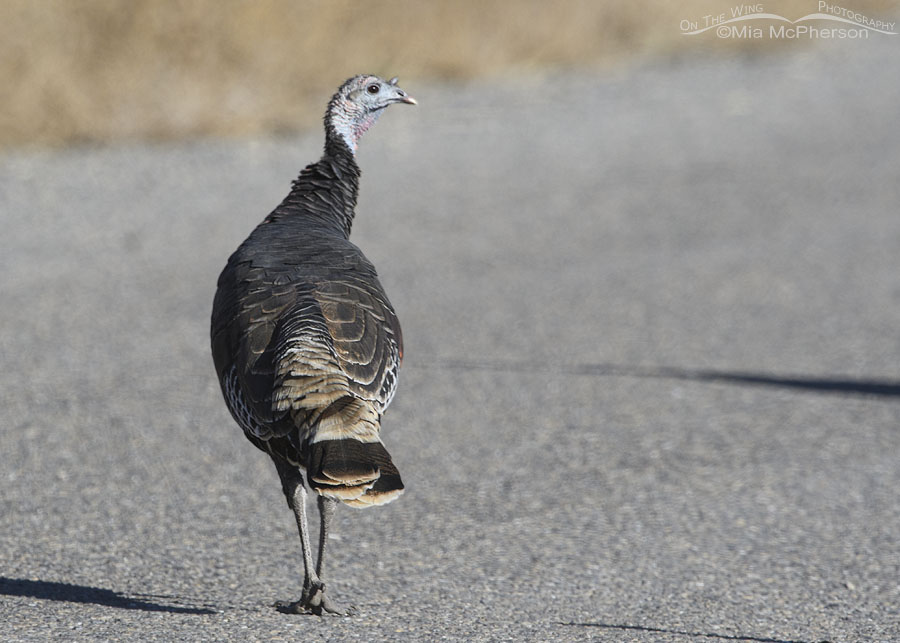
Three days ago, while I was in northern Utah I found some jaywalking Wild Turkey hens near some ranchlands, which made me chuckle out loud.
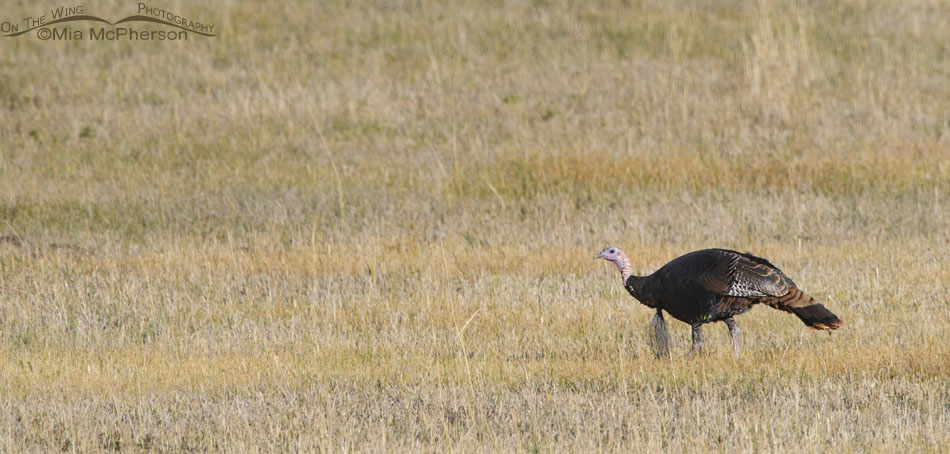
On my three recent trips up into the Wasatch Mountains I have been able to take Wild Turkey images on two of the chilly mornings.
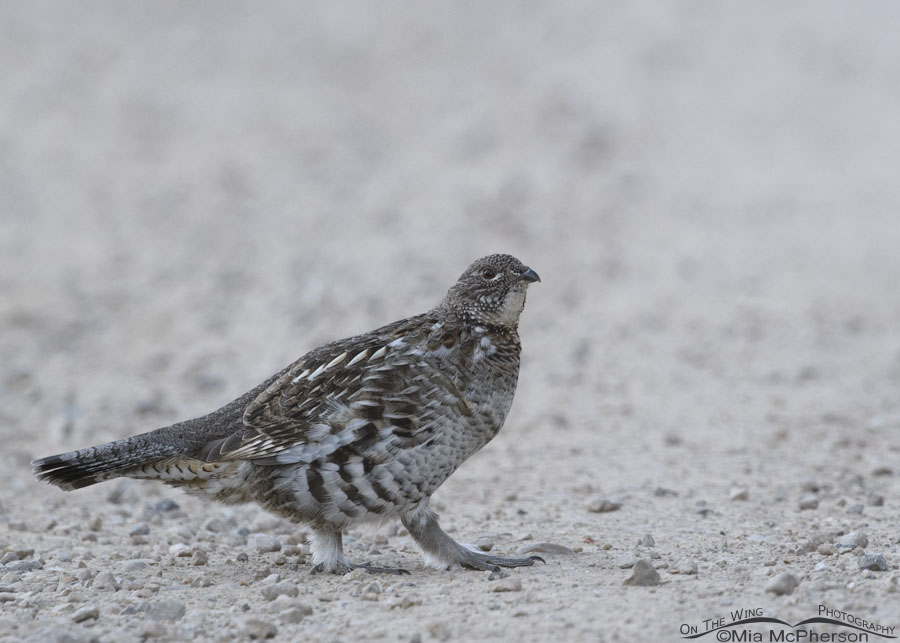
A Ruffed Grouse in the shadows of the mountain peaks to the east was my best bird on a cool autumn morning yesterday. When I spotted the grouse, I was elated.
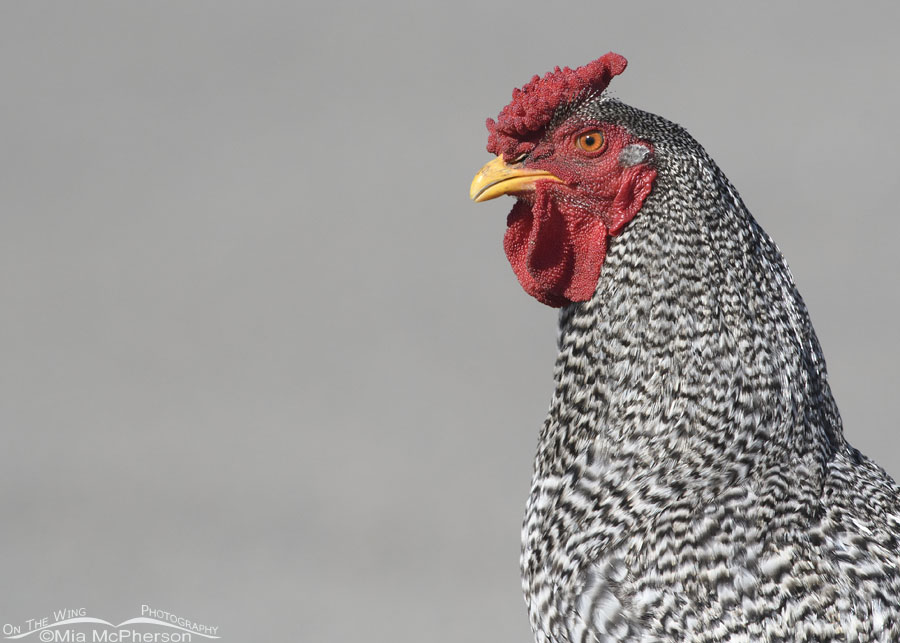
I had a surprise encounter with a Barred Plymouth Rock rooster when I stopped at the Bear River MBR restroom closest to the I-15 Interstate last week.
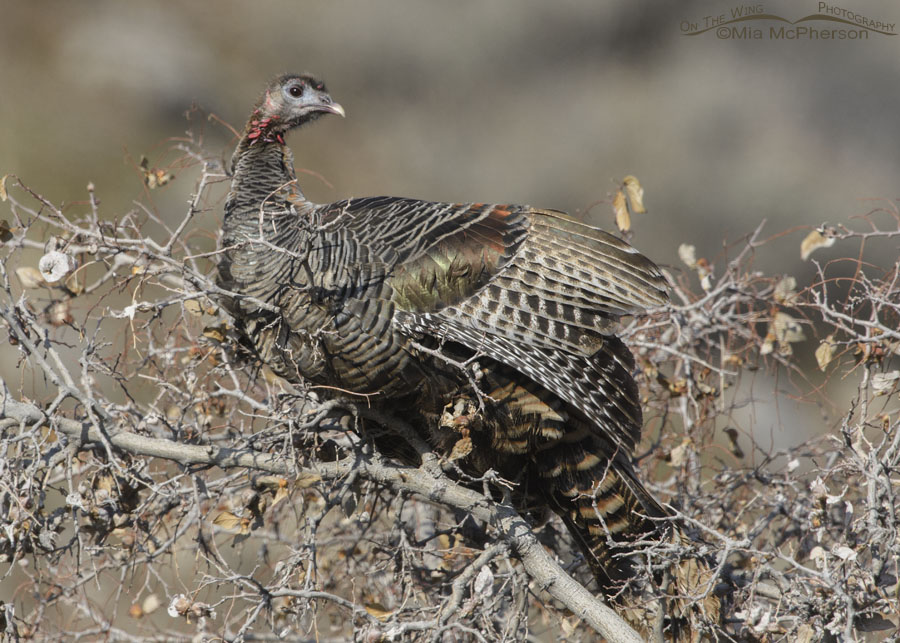
Last month while up in Box Elder County looking for birds I spotted this Wild Turkey hen perched in a Netleaf Hackberry tree not long before noon.
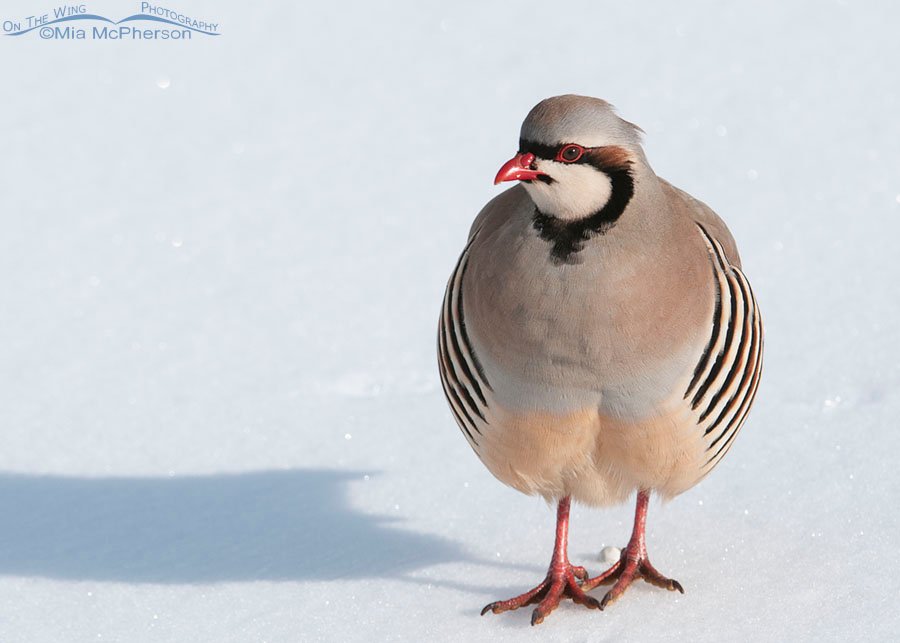
I came across this photo of an adult Chukar standing in top of fresh snow the other day and felt a pang of sadness.
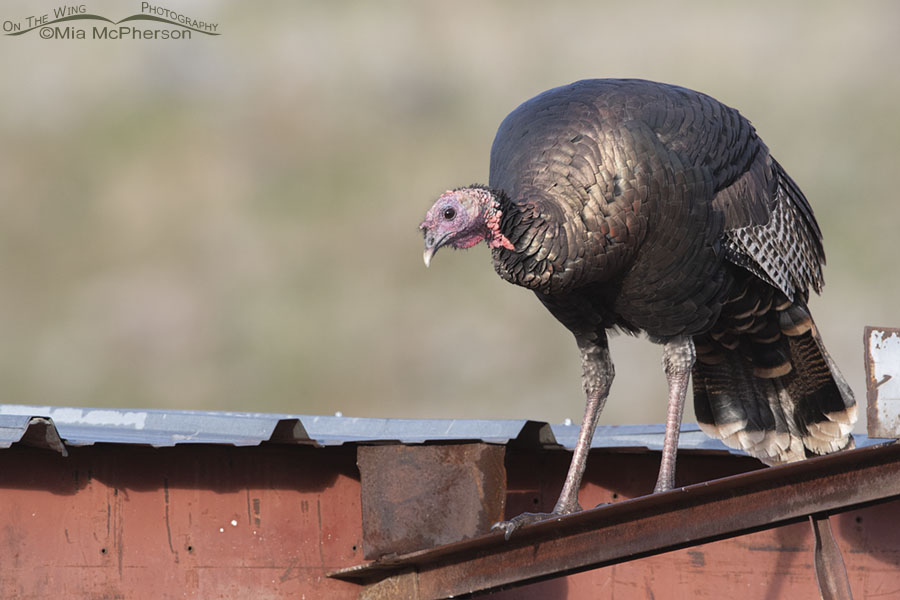
Despite how rough this year has been this morning on Thanksgiving Day I want to write about thankfulness and gratitude.
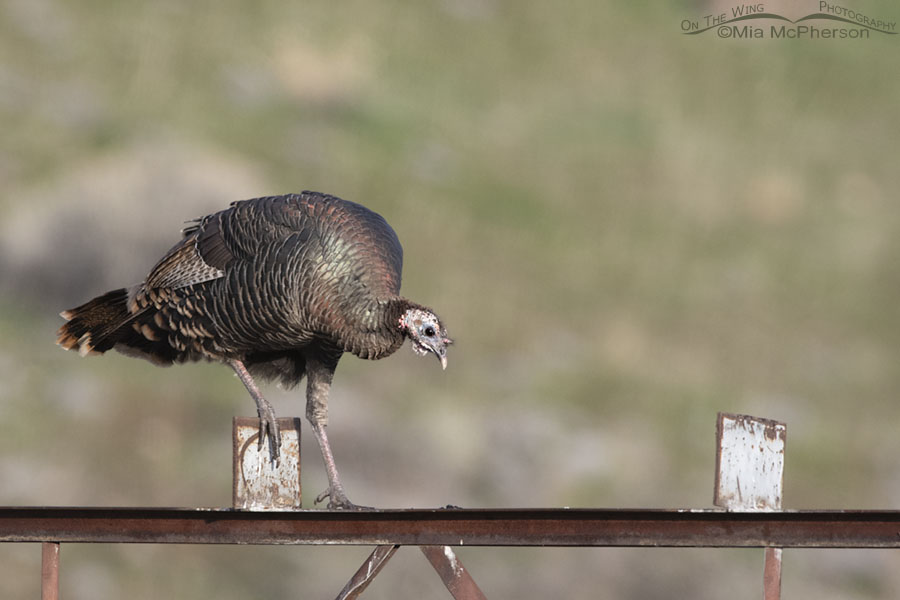
I spotted this Wild Turkey hen walking on a rusty, metal beam of a dilapidated pole barn and I knew that I had to take images of her.
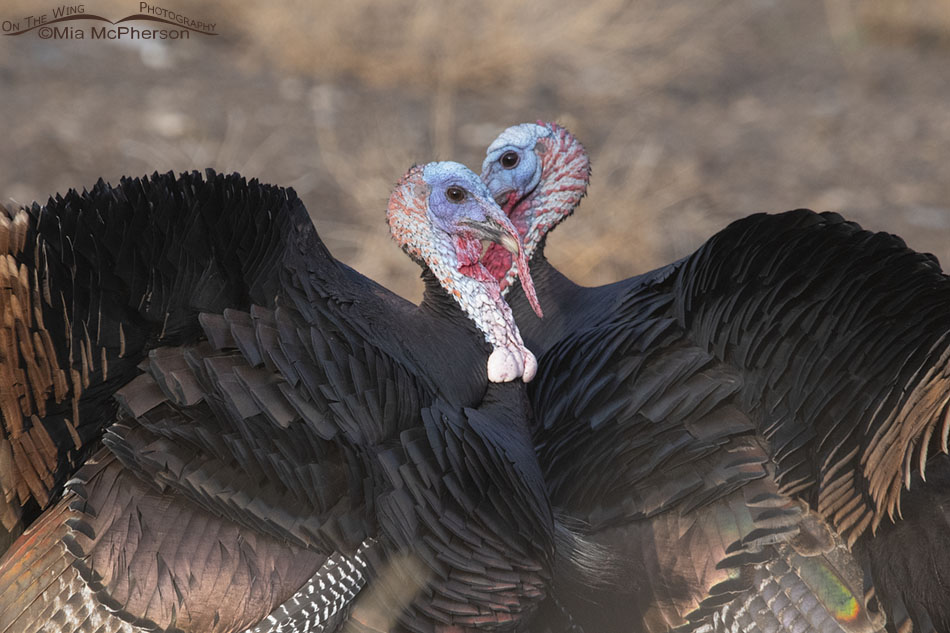
Yesterday morning the first birds I focused on taking photos of were Wild Turkey toms as they displayed for each other on desert ranchlands in northern Utah.
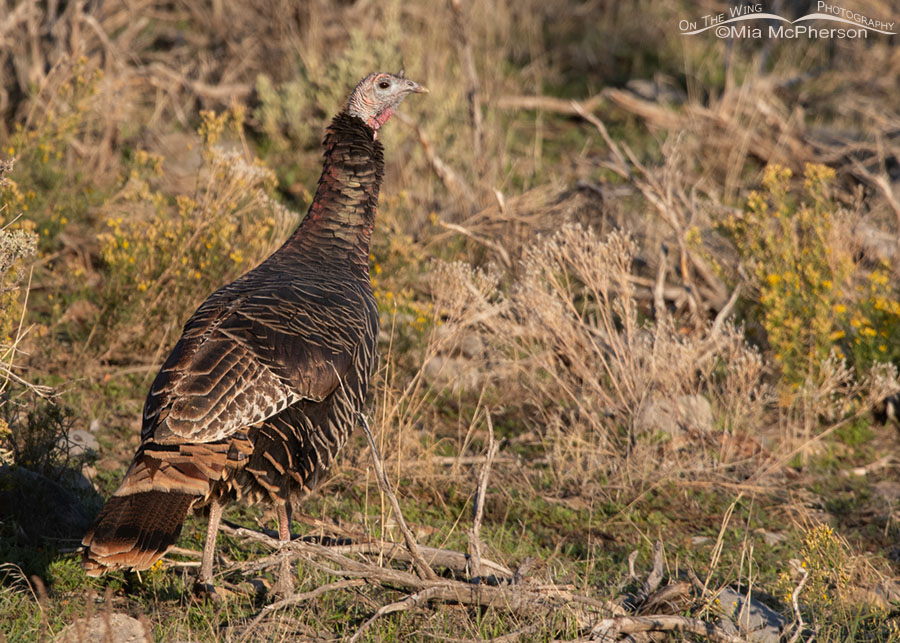
The first photos I took with my newly refurbished Nikon D500 with a new shutter assembly were of this Wild Turkey hen foraging on desert ranchlands.
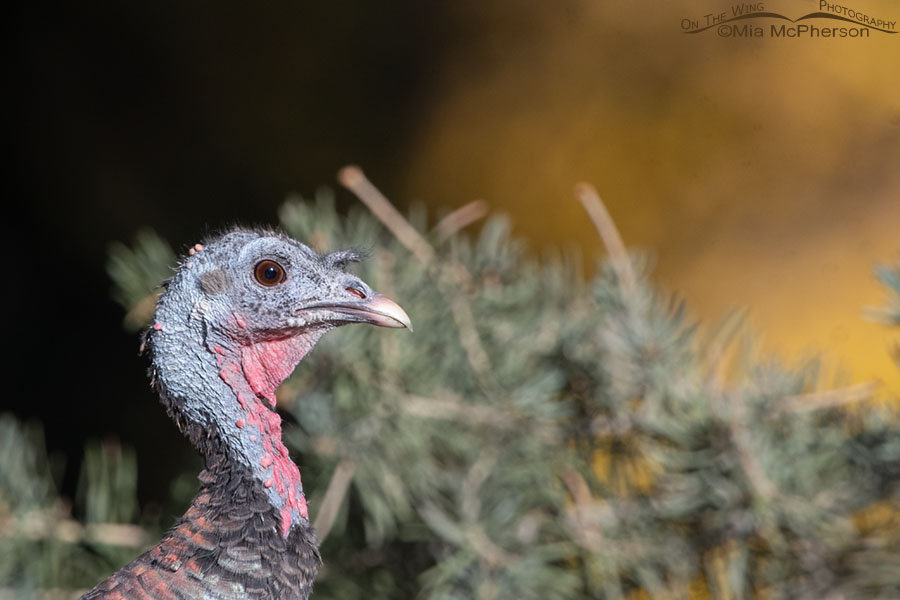
I found this Wild Turkey hen last autumn as she walked out of the shadows of the forest and into the bright morning light.

Yesterday morning I spent a bit of time observing and photographing this Wild Turkey tom strutting and displaying in Box Elder County, Utah.

I was tickled to be able to take a nice series of male Ring-necked Pheasant portraits yesterday morning in early morning light in Box Elder County, Utah.

Finding Greater Sage-Grouse away from their leks isn't easy. It takes sharp eyes, keen observation skills, plus knowing what to look for.

The last time I was up in the Wasatch Mountains I found a Wild Turkey tom displaying next to some old farm equipment for the nearby hens.

Eight years ago today I was out in the field photographing a Chukar and snow on Antelope Island State Park.

Snow continues to pass by where I live in northern Utah this winter so I thought I'd bring some snow to my site with a high key Gray Partridge photo.
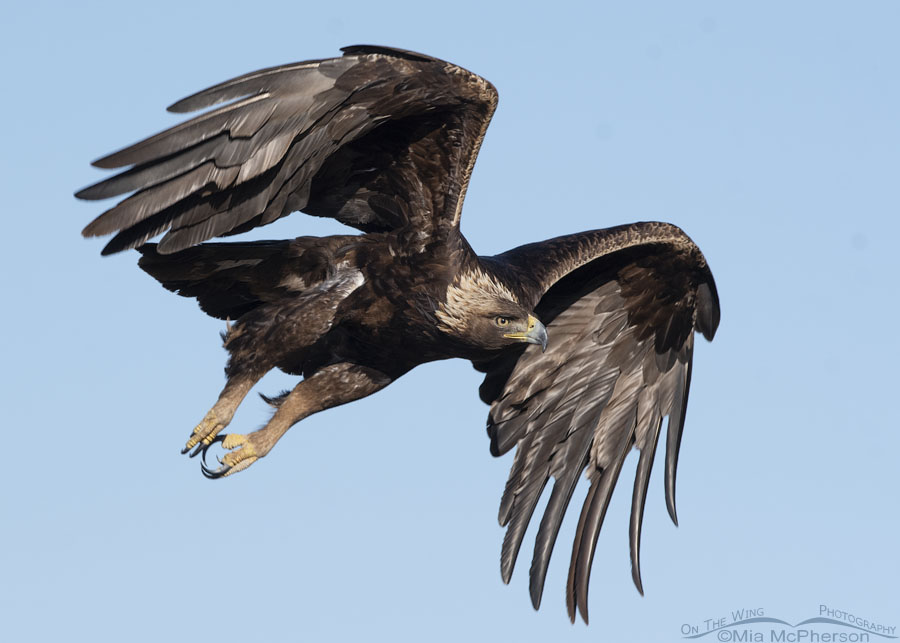
This is my 2020 photographic year in review. I'm selecting some of my favorite photos from 2020 and a few that just make me happy to see them.
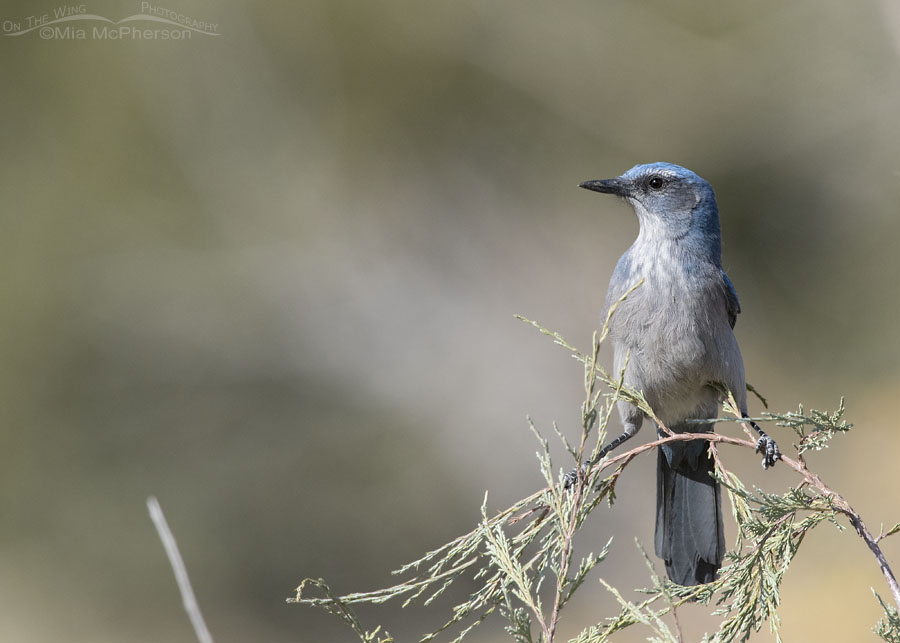
The Ruby-crowned Kinglets, Wild Turkeys and the Woodhouse's Scrub-Jay made the very bumpy and extremely dusty ride into the mountain canyons well worth taking.

There were a few times when the Wild Turkeys stood upright and looked right at me as I photographed them and I took full advantage of the opportunity to take portraits of the large birds.
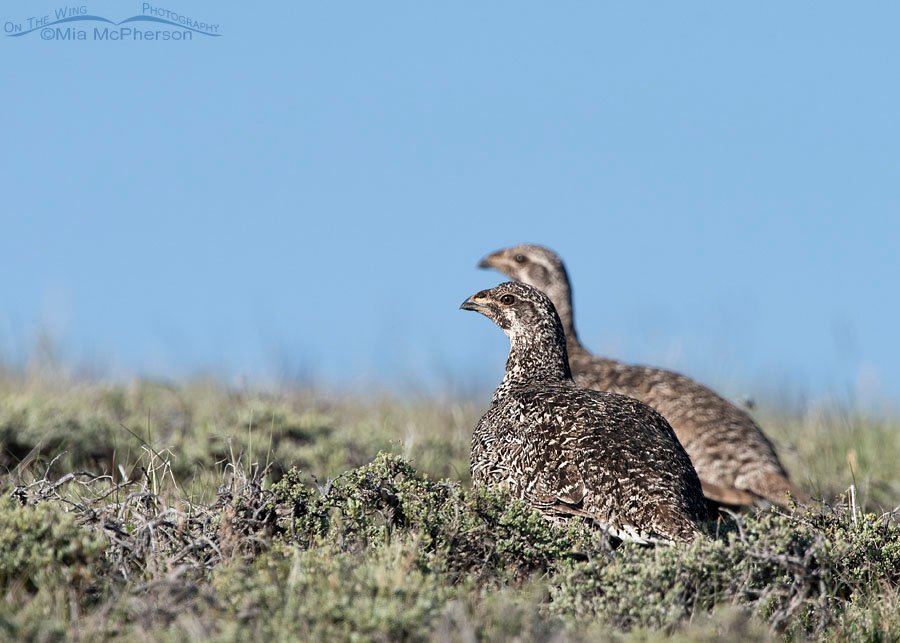
I found these two foraging Greater Sage-Grouse high up on the Aquarius Plateau in Wayne County, Utah five years ago today.