Focusing on Ruby-crowned Kinglets in the Wasatch Mountains
Yesterday morning I spent time focused on photographing Ruby-crowned Kinglets in a Wasatch Mountain Canyon in a thicket of hawthorn and chokecherry trees.



Yesterday morning I spent time focused on photographing Ruby-crowned Kinglets in a Wasatch Mountain Canyon in a thicket of hawthorn and chokecherry trees.

Two days ago I was able to photograph a Green-tailed Towhee foraging next to a gravel road up in a Wasatch Mountain Canyon, getting these birds out in the open can be a challenge so I was excited that this towhee was in the clear.
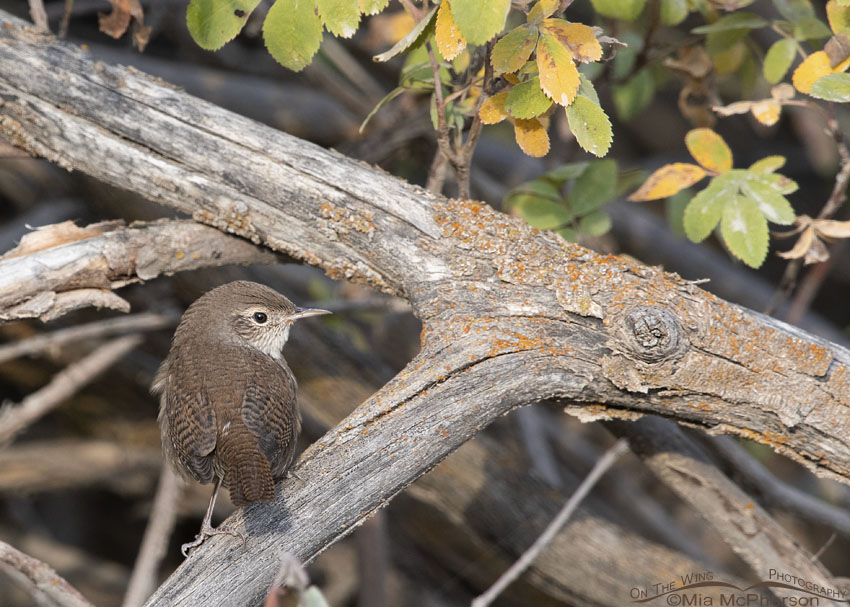
Yesterday morning I was delighted to find two House Wrens foraging in a brush pile in the Wasatch Mountains not long after sunrise. This time of the year the wrens aren't singing like they do in the spring so I have to rely more on my eyes and not on a combination of my eyes and ears to locate them.
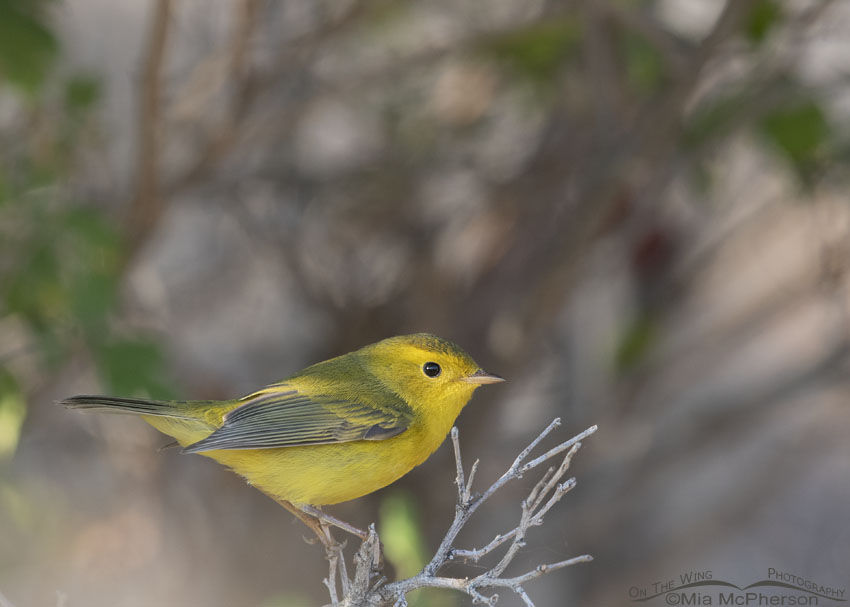
This female or immature Wilson's Warbler isn't a photographic lifer for me but it is the first time I have gotten a decent image of one, most of the time I've gotten blurry images of them of just a small part of the bird.

I spent a few minutes yesterday morning focusing on young Chipping Sparrows foraging in a stand of Chokecherry trees, there were several of these juveniles flitting around in front of me in nice light.

Yellow Warblers are anything but mellow instead they are frenetic, hyperactive, frenzied, energetic and move so quickly they sometimes make me dizzy trying to track them with my long lens.
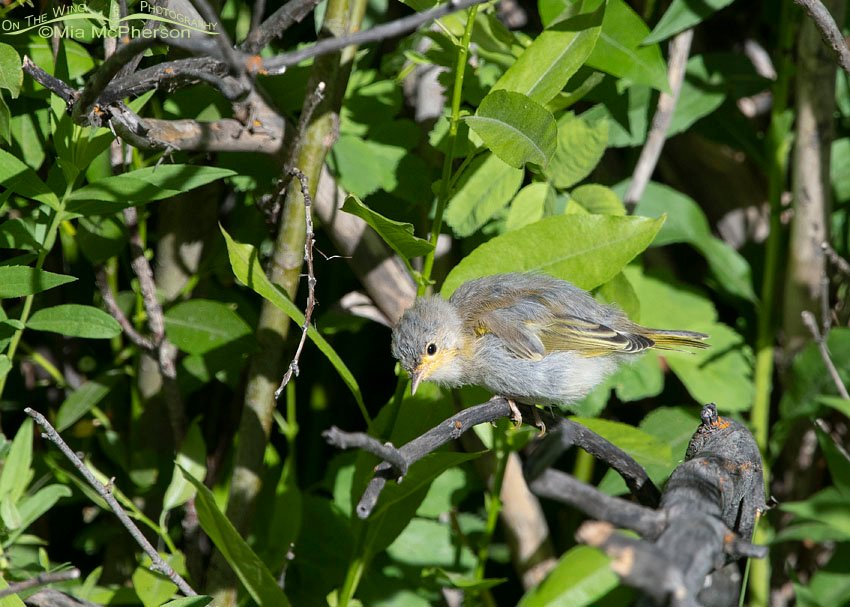
Imagine moving down a gravel road and seeing just a tiny flash of movement and light-colored plumage in a stand of green vegetation and trying to figure out if it is a bright leaf in the breeze or a fledgling Yellow Warbler in a split second.

I spotted a flash of black, white and red as a bird landed in the aspen tree that was closest to me above where the wrens and swallows are nesting and realized that a male Red-naped Sapsucker had flown in and was foraging for food in the buds of the aspen.

Yesterday morning was spent up in the mountain canyons again photographing the birds I found at the higher elevations, the birds I saw the most of were Yellow Warblers, birds who look like sunshine on the wing.

When I had the opportunity to photograph a Yellow Warbler foraging in a flowering tree I jumped at the chance. Right after I took this photo the warbler snatched a tiny insect from the flowers but I couldn't make out what it was.

Eight days ago it was sunny and bright and I was out having fun photographing a pair of foraging American Avocets in breeding plumage at Bear River Migratory Bird Refuge in northern Utah.

White-faced Ibis are abundant at Bear River Migratory Bird Refuge during their breeding season and they can be easily seen from the 12 mile, self-guided auto tour route feeding in the water impoundments or flying in loose flocks overhead.

My best bird photos yesterday were of a stunning Yellow-rumped Warbler (Audubon's) male in breeding plumage that I photographed as he foraged in tree next to the road.

Four days ago I was able to take my first photographs of Long-billed Curlews this year on Antelope Island State Park and although I was disappointed in the quality of most of the images I took I enjoyed seeing these large sandpipers again.

I had a great deal of fun yesterday morning while photographing the American Tree Sparrows that I found in abundance on Antelope Island State Park foraging on the ground and perching on the bushes on the northern end of the island.

Among my favorite plovers to photograph when I lived in Florida were Semipalmated Plovers, I only saw them during their nonbreeding season where they spent time along the Gulf coast.
Three afternoons ago I captured images of not just one flying crayfish in the air but two of them because of the Pied-billed Grebes capturing and consuming the freshwater crustaceans.
It isn't uncommon to see California Quail crossing sidewalks, roads and trails in the city and this photo reminded me of how well this species has adapted to living in urban areas.
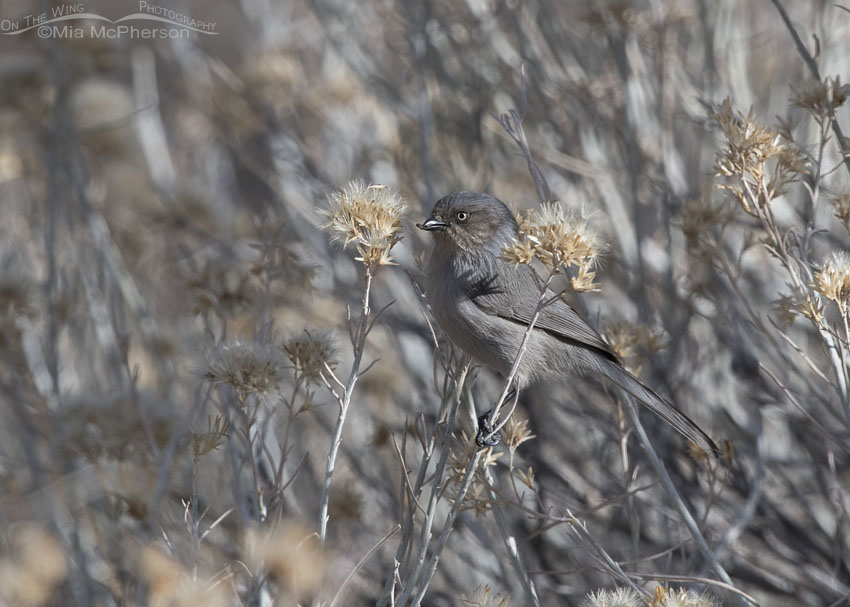
Bushtits are a nemesis bird for me, I have only had a few opportunities to photograph these tiny, frenetic birds and I have yet to get high quality images of them.
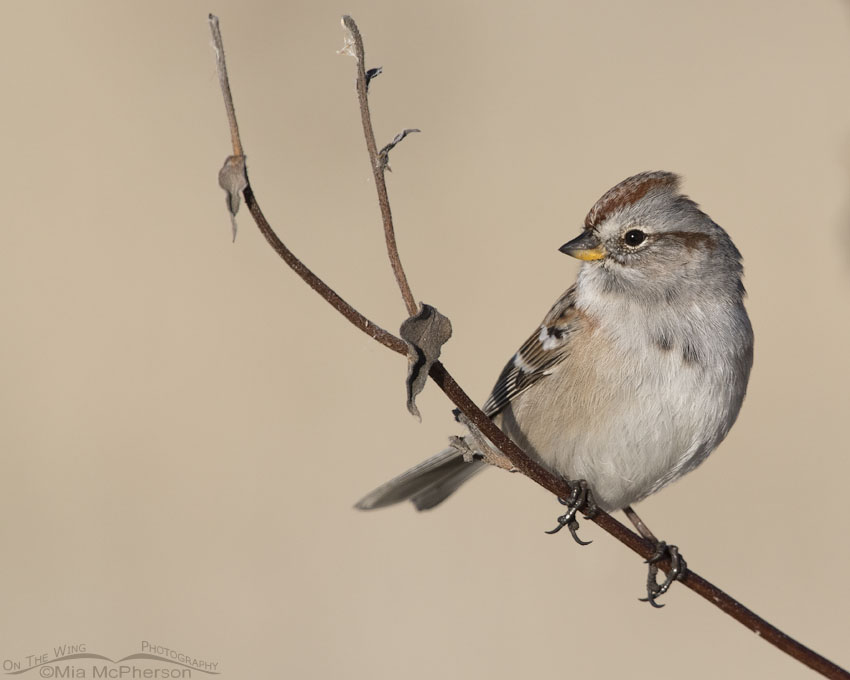
I'm seeing more American Tree Sparrows than I've seen since I moved to Utah in 2009 and I hope that means they had a very successful breeding season in 2017.

Last week I found a small flock of American Goldfinches foraging on the auto tour route at Bear River MBR and I was able to capture a few images of them before they took off in a rush.

As the Wood Stork foraged for it breakfast it kept an eye on me as I sat low and very still in the lagoon.

Immature or adult, dark or white morph, Reddish Egrets are spectacular and fascinating wading birds to see, observe and photograph.

Shorebirds begin their fall migration early and for those of us who live in the Great Salt Lake ecosystem that means looking for them in the marshes around the lake and on the lake itself.
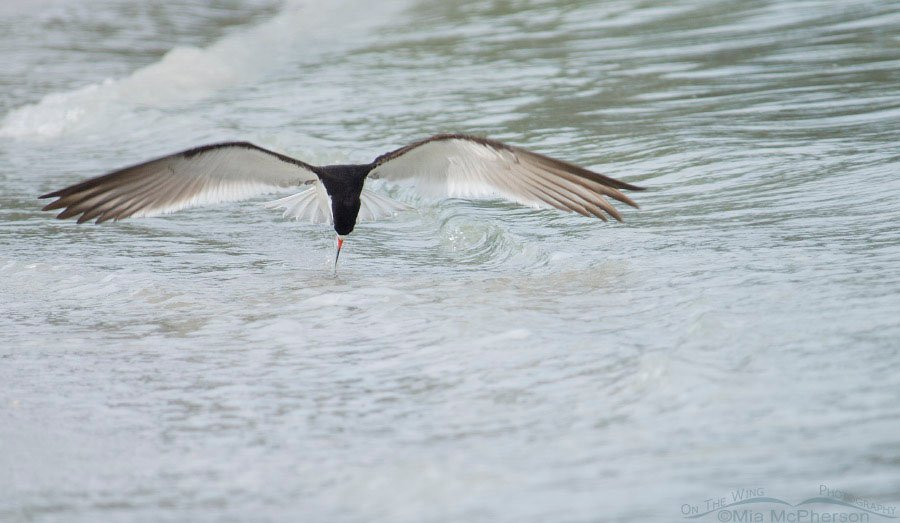
Black Skimmers forage by skimming their bills in the waves just off shore and snap up fish when their sensitive bills locate them.

Two years ago today I was in Beaverhead County, Montana photographing Cassin's Finches foraging on the seeds of dandelions on a morning that had sunshine and plenty of fog.

In 2009 I photographed this foraging Marbled Godwit and friends on exposed mudflats of a Fort De Soto County Park lagoon.

I kept this photo of the Reddish Egret with the surprise curlew in the background not because it is a great image but to remind myself to look beyond the subject in front of me.
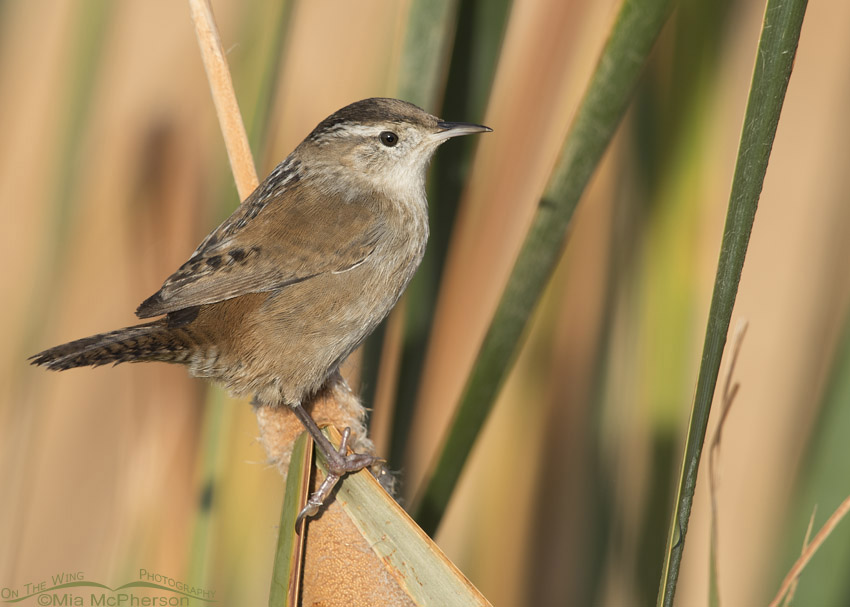
I was delighted by several tiny Marsh Wrens foraging in some cattails close enough to photograph with autumn colors in the background.

I'll be out photographing birds like this Willet foraging in the Gulf of Mexico, other wildlife and the beauty of nature.